Sea Buckthorn Oil
INCI: Hippophae Rhamnoides Fruit Oil
Antioxidant-rich oil with skin regeneration and barrier repair properties
About Sea Buckthorn Oil
Sea buckthorn oil is extracted from the bright orange berries of Hippophae rhamnoides, a hardy shrub that thrives in harsh climates across Asia and Europe. In K-beauty formulations, it's prized for its unusually high concentration of omega fatty acids, particularly the rare omega-7 (palmitoleic acid), which makes up 30-40% of its composition. This is significant because omega-7 naturally occurs in human sebum but declines with age, making sea buckthorn oil exceptionally biocompatible for barrier repair work. The oil also delivers vitamins A, C, and E alongside carotenoids that give it its distinctive amber color. Korean brands like The Whoo and Beplain incorporate it into everything from cleansing oils to ampoules, recognizing its dual ability to protect skin from environmental stress while actively repairing damage. With a comedogenic rating of just 1/5 despite being an oil, it absorbs quickly without clogging pores. Its effectiveness shows in products like Lanbelle's Vita Energy Blemish Clear Ampoule and VIDIVICI's Clear Deep Cleansing Oil, both rated 5.0/5 on Seoul Sister. The combination of barrier-supportive fatty acids and potent antioxidants makes sea buckthorn oil particularly relevant for modern skincare concerns like pollution exposure, compromised moisture barriers, and premature aging.
How Sea Buckthorn Oil Works
Sea buckthorn oil works through multiple complementary mechanisms. The high omega-7 content mimics natural skin lipids, allowing it to integrate directly into the lipid bilayer of the stratum corneum, essentially patching gaps in the barrier. This isn't just surface moisturization but actual structural repair at the intercellular level. Meanwhile, omega-3 and omega-6 fatty acids modulate inflammatory pathways, particularly useful for skin recovering from irritation or UV exposure. The oil's carotenoids (beta-carotene, lycopene) and vitamin E act as chain-breaking antioxidants, neutralizing free radicals before they can damage cellular membranes or DNA. Vitamin C content, though it degrades more easily than synthetic ascorbic acid, still contributes to collagen synthesis when delivered in oil form. The synergistic effect of these compounds supports fibroblast activity and speeds wound healing, which is why you'll see sea buckthorn in both preventative anti-aging formulas and targeted repair treatments. Its molecular composition allows it to penetrate beyond the epidermis, making it more than a surface protectant.
Sea Buckthorn Oil by Skin Type
Oily Skin
Sea buckthorn oil's low comedogenic rating and fast absorption make it surprisingly suitable for oily skin. The omega-7 content can actually help regulate sebum production by signaling that adequate lipids are present, potentially reducing overproduction. Use it in lightweight serums or cleansing oils rather than heavy creams.
Dry Skin
This is where sea buckthorn oil truly excels. Its fatty acid profile directly addresses lipid deficiency in dry skin, and products like Ongredients' Skin Barrier Moisture Deep Calming Foam (4.9/5) leverage this for deep hydration. The oil replenishes both water-holding capacity and the protective lipid barrier simultaneously.
Combo Skin
Works well for combination skin when used strategically on dry areas or incorporated into pH-balanced cleansers like Beplain's Mung Bean Pore Cleansing Milk Balm (4.9/5). The key is application method: mix a drop into your moisturizer for cheek areas while keeping the T-zone lighter.
Sensitive Skin
The anti-inflammatory omega fatty acids make sea buckthorn oil particularly gentle for reactive skin. It soothes without heavy occlusives that might trap irritants. However, the natural vitamin C content means patch testing is wise if you have extreme sensitivity to acids.
Normal Skin
Sea buckthorn oil maintains normal skin's healthy state by preventing barrier degradation before it becomes a problem. Luxury formulas like The Whoo's Royal Regina Energy Drop Treatment (5.0/5) use it as a preventative anti-aging ingredient, protecting against daily environmental stressors.
How to Use Sea Buckthorn Oil
- 1Apply sea buckthorn oil products after water-based serums but before heavier creams to maximize absorption of its fatty acids into the barrier
- 2If using pure sea buckthorn oil, mix 2-3 drops with your regular moisturizer rather than applying it straight, as the concentrated carotenoids can temporarily tint skin orange
- 3Products containing sea buckthorn work well in double-cleansing routines (like VIDIVICI's cleansing oil) because the omega-7 breaks down sebum while the antioxidants protect during the cleansing process
- 4Layer sea buckthorn ampoules under sunscreen in the morning for added antioxidant defense against UV and pollution damage
Background
Sea buckthorn has been used medicinally for over 1,200 years, with references in Tibetan medicine texts and ancient Greek writings (Hippophae means 'shiny horse,' as Greeks fed it to horses for glossy coats). The berries grow in the Himalayan region and throughout northern China, where traditional medicine valued them for wound healing and internal health. Modern extraction methods were refined in Russia during the Soviet space program, where cosmonauts used sea buckthorn oil to protect against cosmic radiation damage. K-beauty brands discovered it in the 2010s when looking beyond conventional botanical ingredients, drawn to its scientific backing and traditional pedigree. Korean formulators particularly appreciate ingredients with both folk medicine history and clinical research, which sea buckthorn has in abundance.
K-Beauty Products with Sea Buckthorn Oil
View all 40 →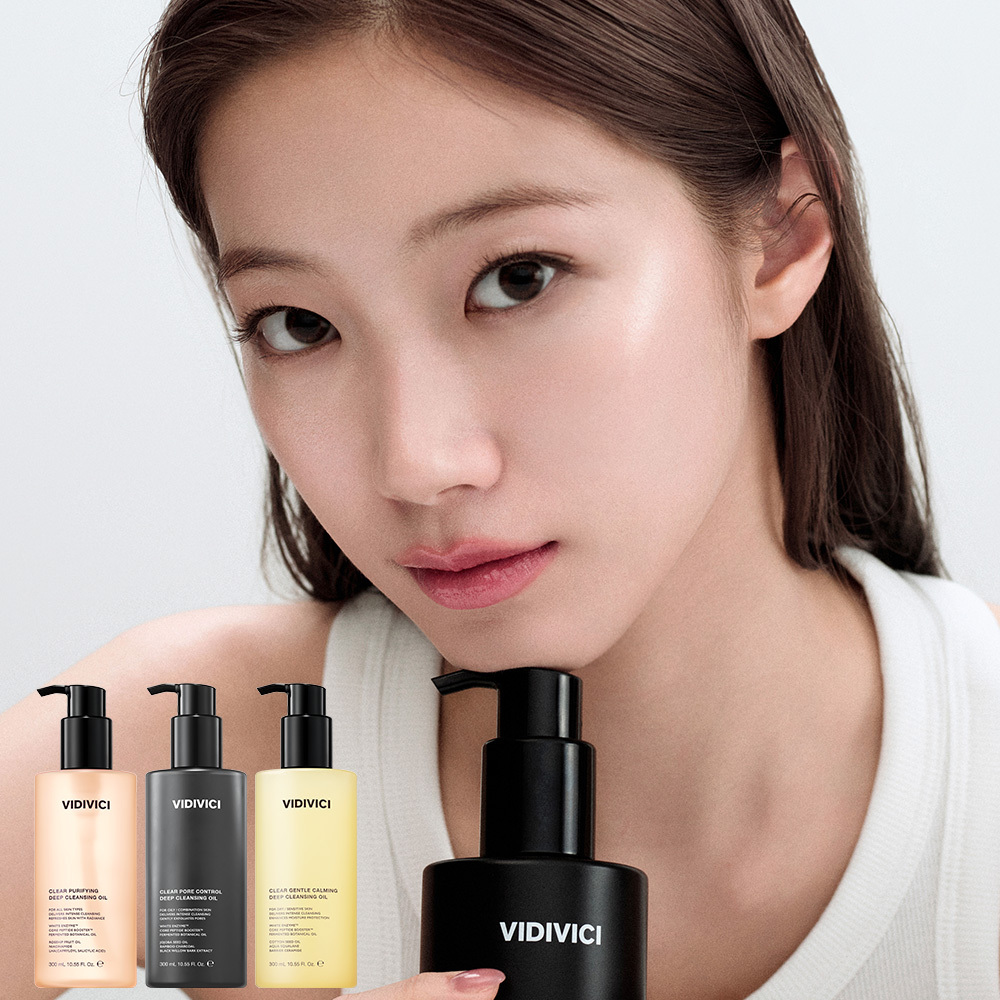
Clear Deep Cleansing Oil
VIDIVICI
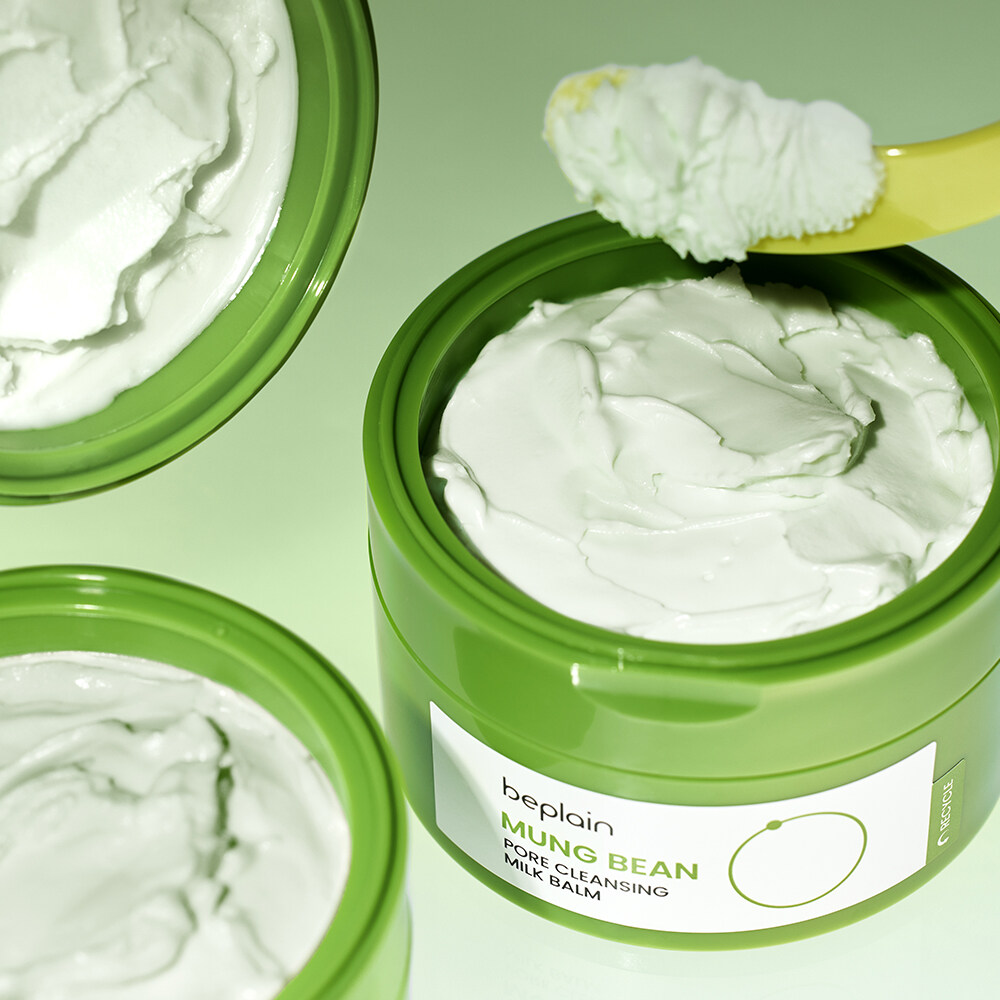
Mung Bean Pore Cleansing Milk Balm
Beplain
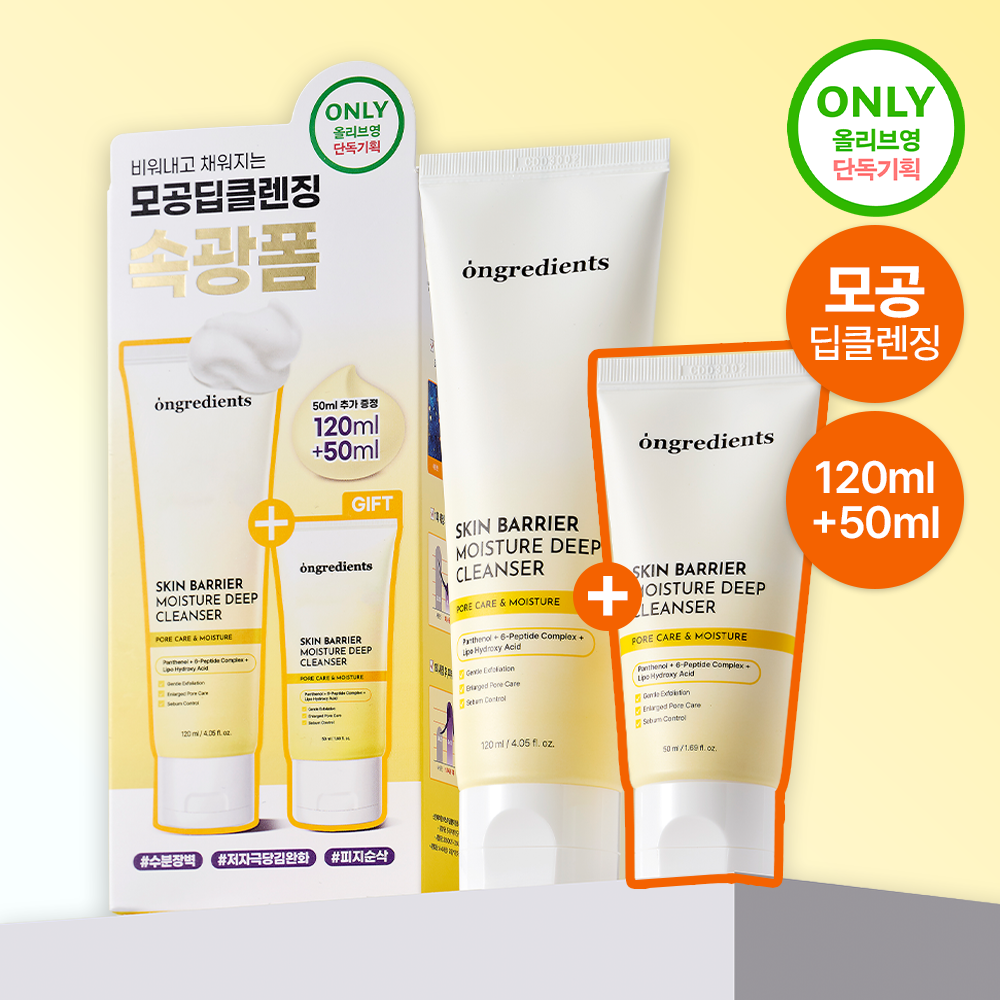
Skin Barrier Moisture Deep Calming Foam Set
Ongredients
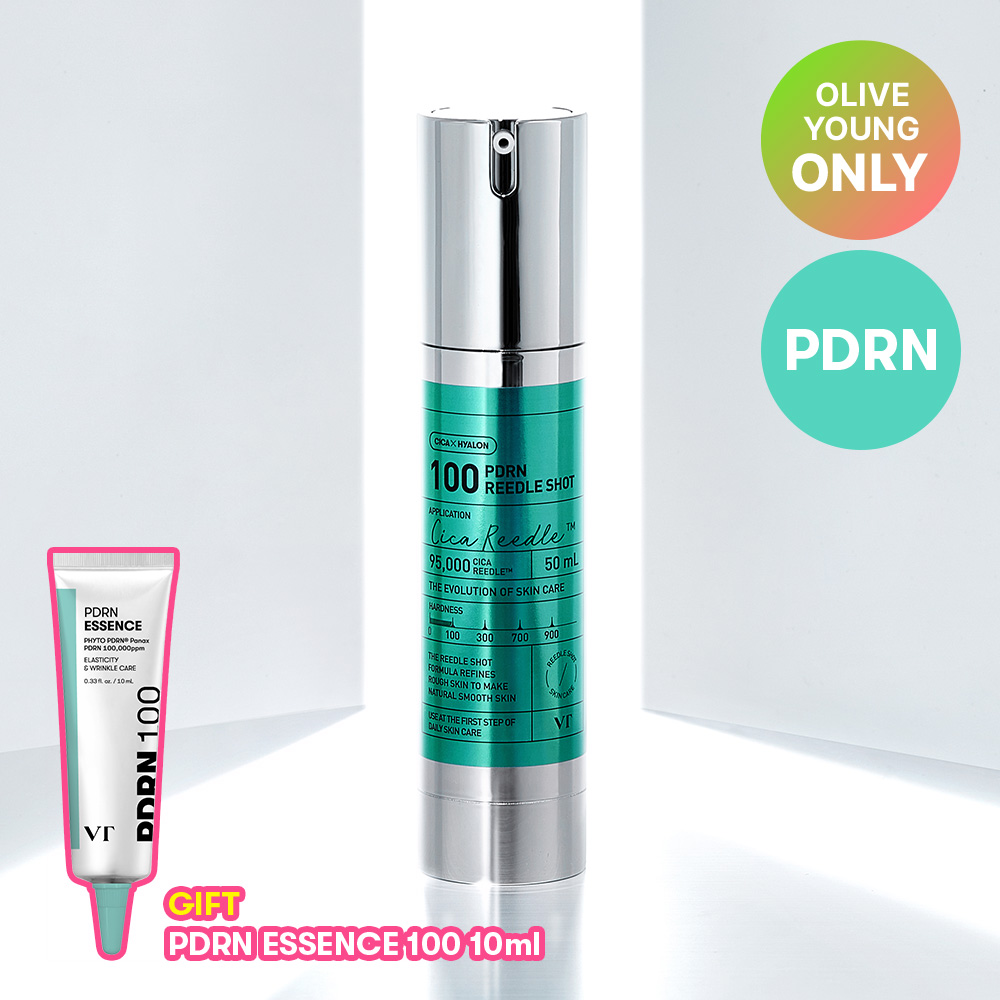
PDRN Reedle Shot 100 + PDRN Essence 100 Special Set
VT
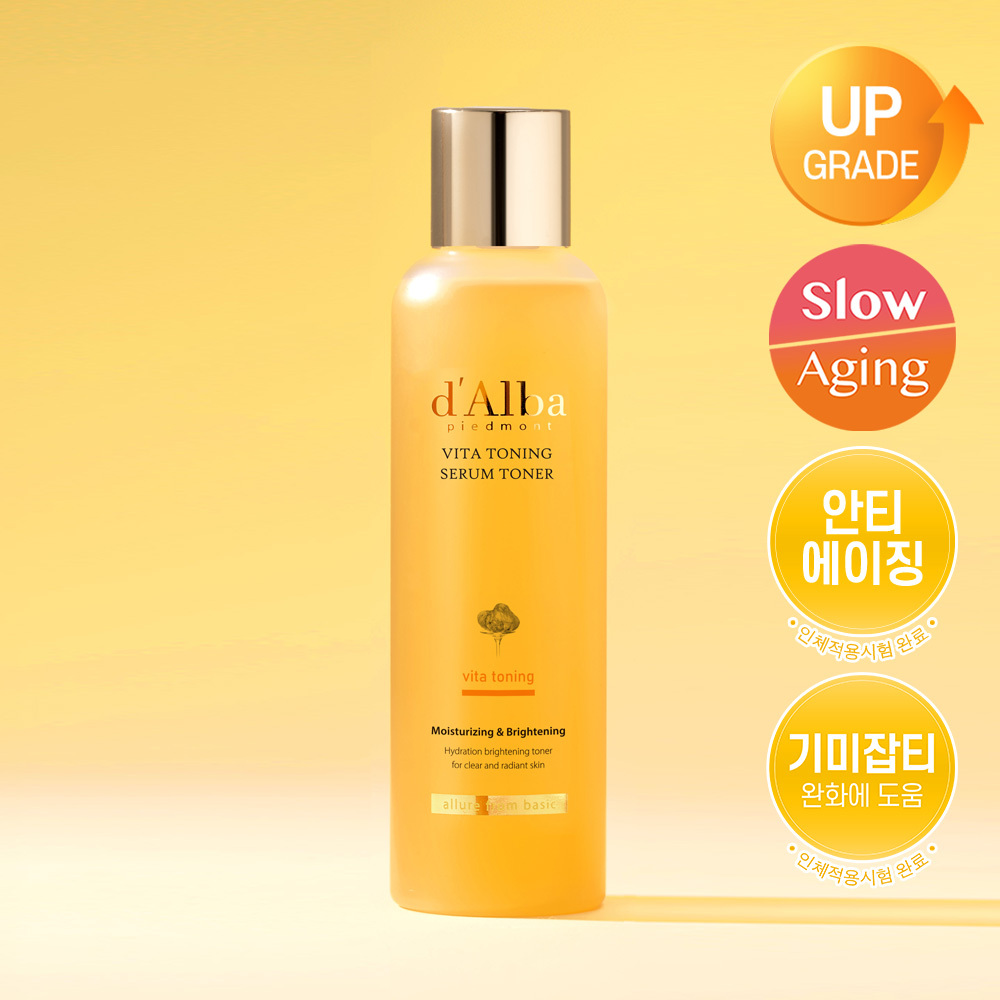
Vita Toning Serum Toner
d'Alba
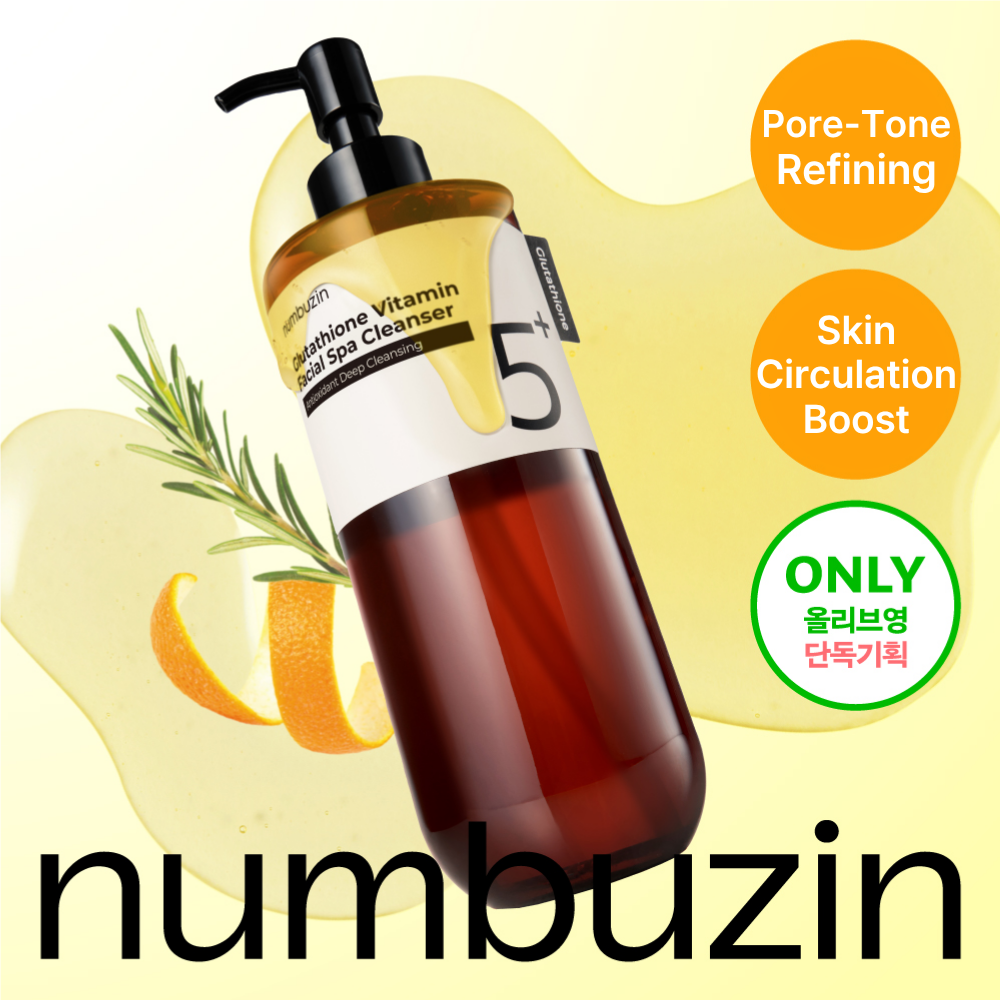
No. 5 Glutathione C Facial Spa Cleanser
Numbuzin
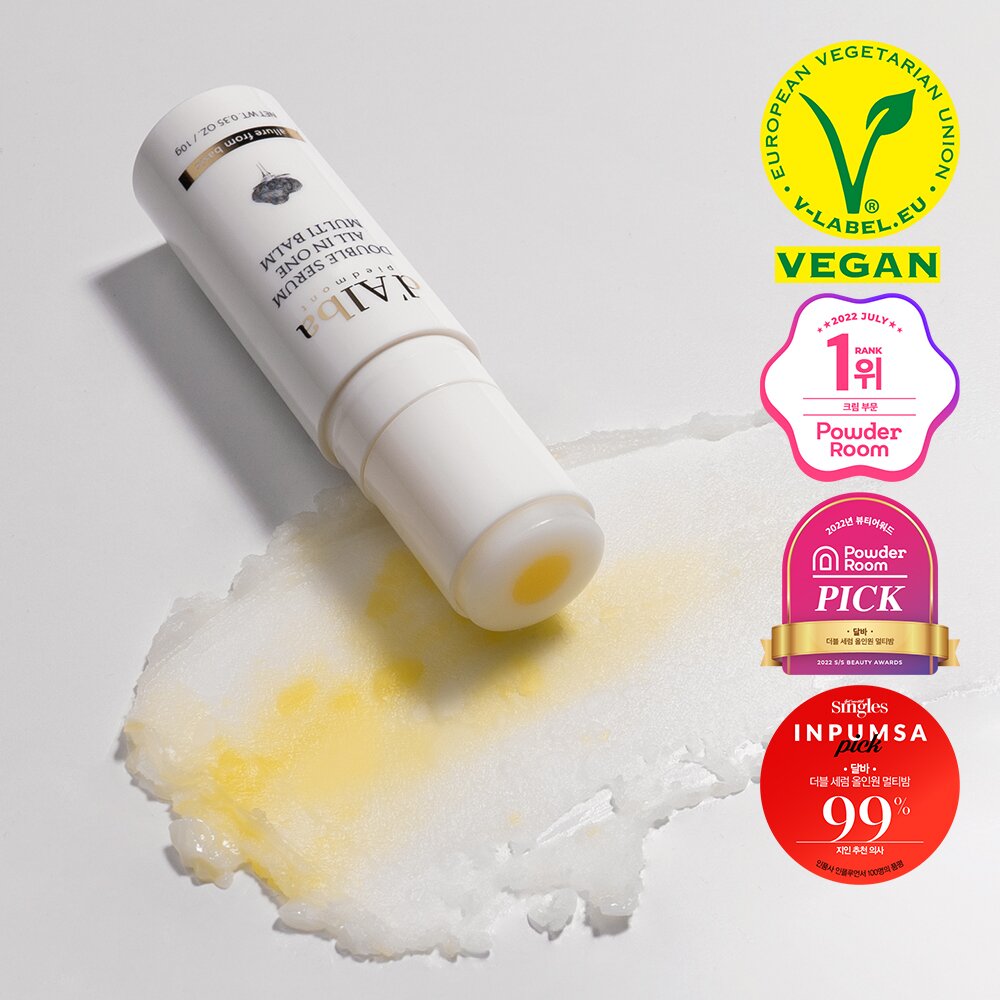
Double Serum All In One Multi Balm
d'Alba
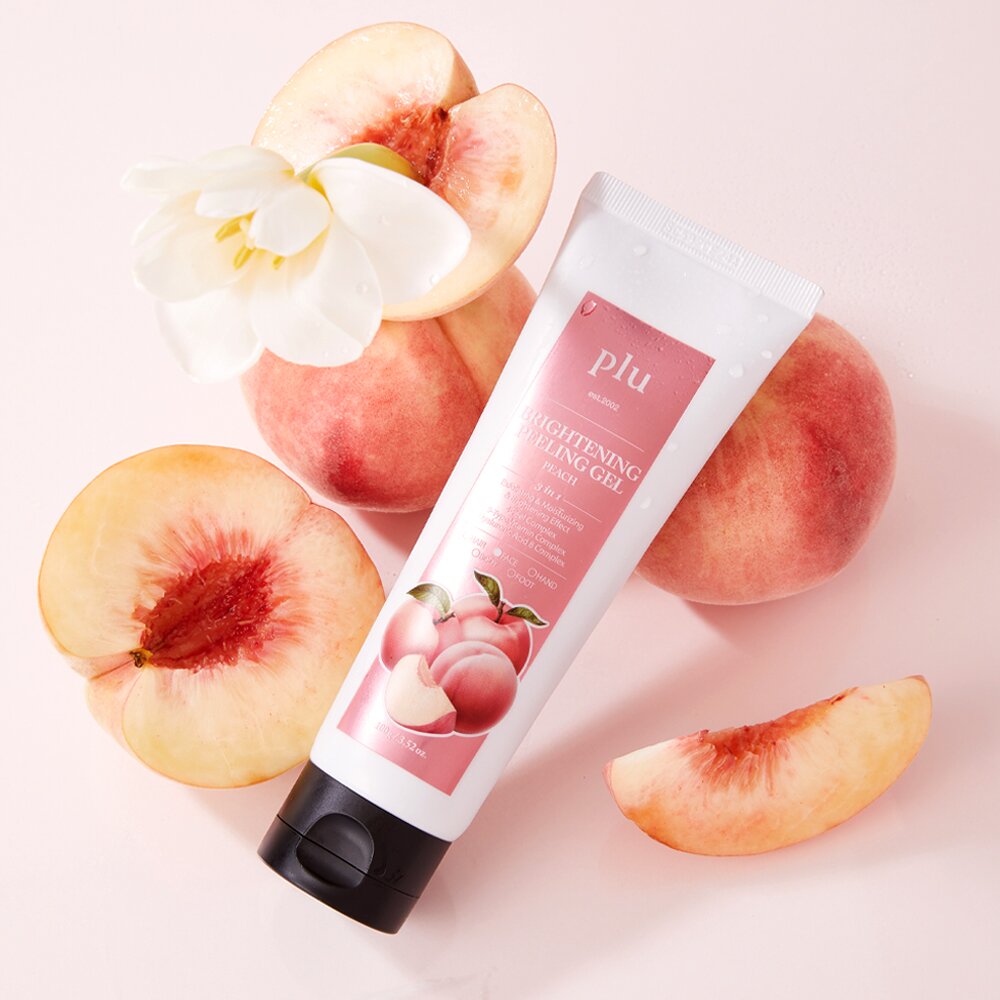
Brightening Peeling Gel Peach
plu
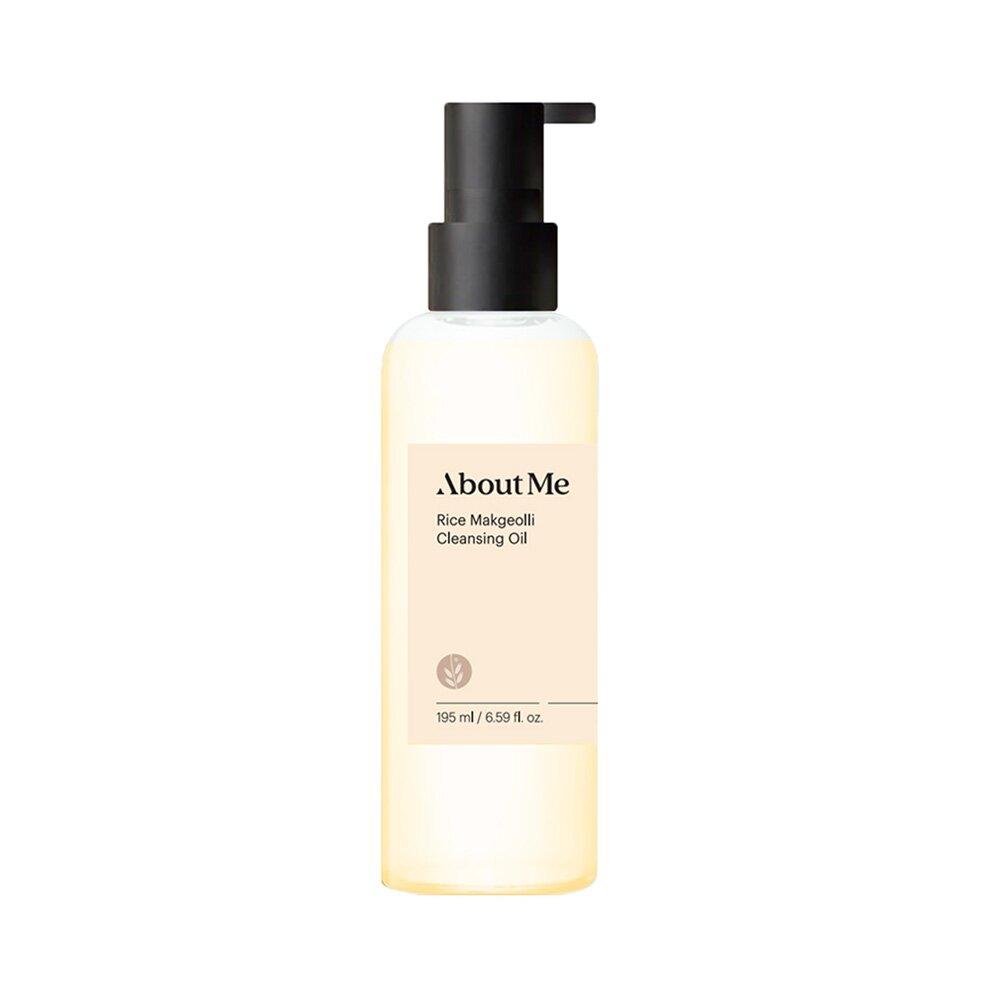
AboutMe Rice Makgeolli Cleansing Oil
Banila Co

White Truffle Return Oil Cream Cleanser
d'Alba
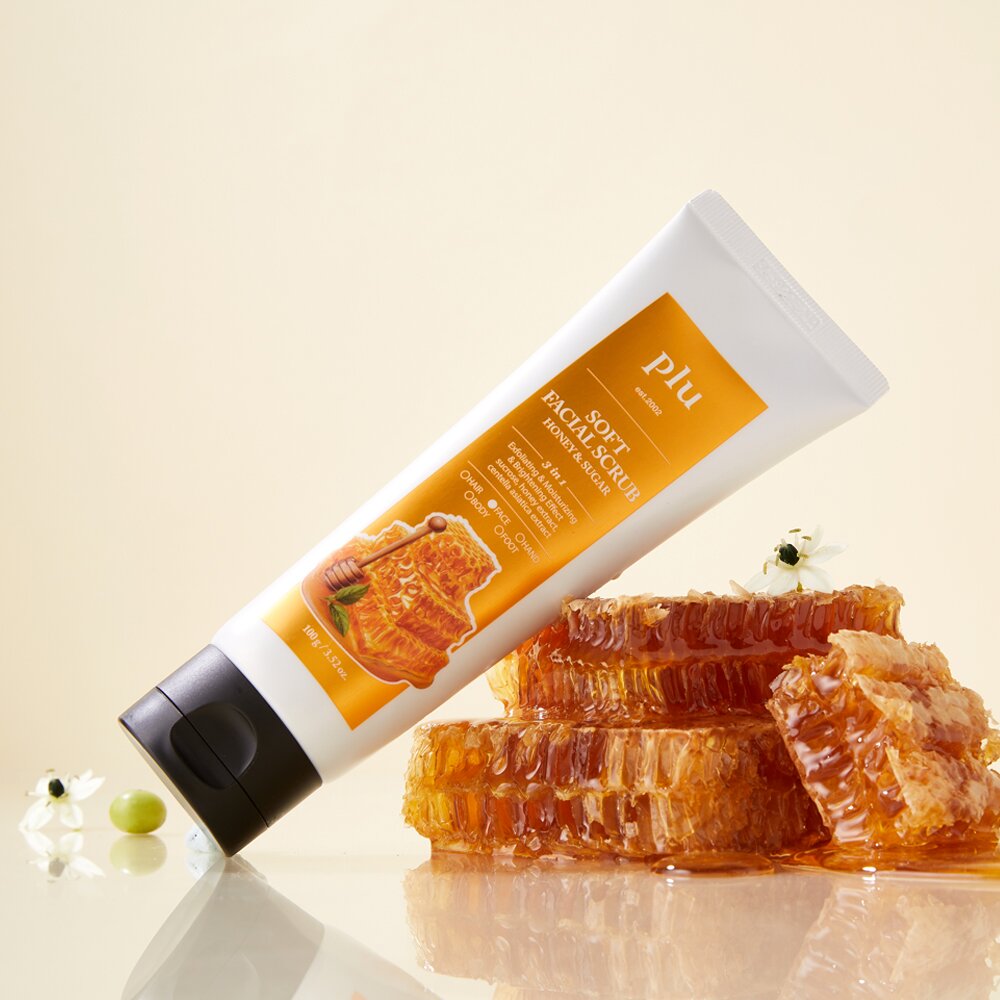
Soft Facial Scrub Honey & Sugar
plu
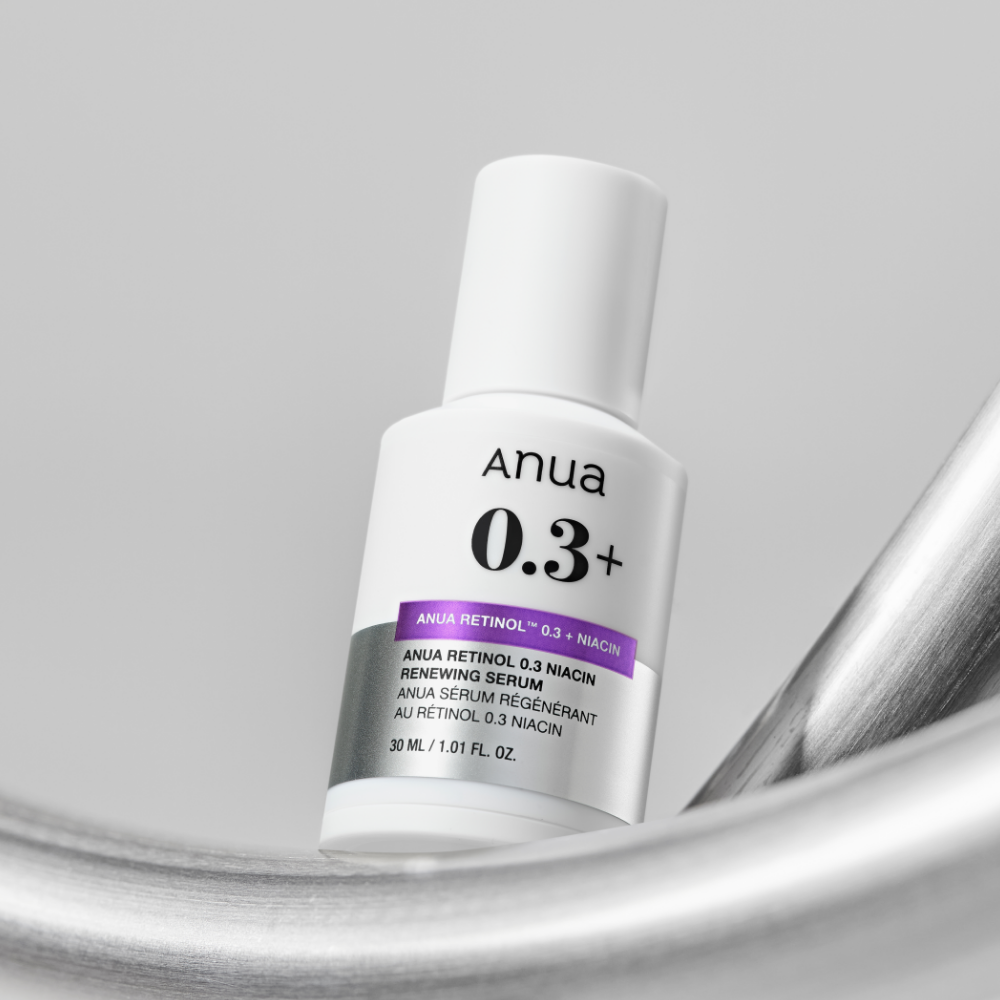
Retinol 0.3 Niacin Renewing Serum
Anua
Frequently Asked Questions
Will sea buckthorn oil stain my skin or pillowcase orange?▼
Can I use sea buckthorn oil if I'm acne-prone?▼
How does sea buckthorn compare to rosehip or argan oil?▼
Should I use sea buckthorn oil in the morning or at night?▼
Explore More
Want personalized ingredient advice?
Yuri, our AI beauty advisor, can tell you how Sea Buckthorn Oil works with your specific skin type, routine, and concerns.
Ask Yuri, free