Hyacinth Extract
INCI: Hyacinthus Orientalis (Hyacinth) Extract
Botanical extract with potential soothing properties
About Hyacinth Extract
Hyacinth extract comes from the Hyacinthus orientalis flower, a spring-blooming bulb native to the eastern Mediterranean. In K-beauty formulations, this botanical extract is valued primarily for its gentle soothing properties and potential to calm irritated skin. While not as widely researched as some other botanical extracts, hyacinth contains naturally occurring compounds including saponins, flavonoids, and polysaccharides that contribute to its skin-calming effects. The extract appears in 59 products on Seoul Sister, often in cleansing formulations and mists where its mild nature complements other active ingredients without adding harshness. With a comedogenic rating of 0/5, hyacinth extract won't clog pores, making it a safe choice across different product types. Its safety rating of 3/5 reflects the limited clinical data available rather than known safety concerns. Korean skincare brands appreciate hyacinth extract as part of the broader trend toward incorporating diverse botanical ingredients that offer gentle benefits without overwhelming the skin. You'll often find it paired with other soothing extracts in products designed for daily use, where its role is to support skin comfort rather than deliver dramatic transformation.
How Hyacinth Extract Works
Hyacinth extract functions through its bioactive compounds that interact with skin cells to reduce inflammatory responses. The saponins present in the extract have mild surfactant properties, which may explain why it appears frequently in cleansing products where it can support gentle dirt and oil removal. The flavonoids contribute antioxidant activity, helping neutralize free radicals that can trigger irritation and premature aging. Polysaccharides in the extract form a light protective film on the skin's surface, temporarily supporting the moisture barrier and preventing transepidermal water loss. When applied topically, these compounds work synergistically to modulate inflammatory pathways at the cellular level, potentially reducing the release of pro-inflammatory cytokines. The extract's gentle nature means it works more as a supportive ingredient rather than a primary active. It won't deliver the dramatic results of ingredients like retinol or vitamin C, but it contributes to overall skin comfort and helps other ingredients perform better by maintaining a calm, balanced skin environment.
Hyacinth Extract by Skin Type
Oily Skin
Hyacinth extract works well for oily skin thanks to its zero comedogenic rating and presence in effective cleansing formulations. Its mild nature won't strip skin or trigger rebound oil production, and the natural saponins may help with gentle sebum control.
Dry Skin
For dry skin, hyacinth extract provides supportive hydration through its polysaccharide content. Look for it in facial mists like the Afternoon Facial Mist by Medicube (5.0/5) where it can deliver quick refreshment without heaviness or irritation.
Combo Skin
Combination skin benefits from hyacinth extract's balanced approach. It won't over-dry your T-zone or leave your cheeks feeling tight, making it ideal in multi-use products like the Cellup Micro Cleansing Water by Lagom (5.0/5).
Sensitive Skin
This is where hyacinth extract truly shines. Its soothing properties and gentle profile make it appropriate for reactive skin, especially in products designed for problematic skin like Papa Recipe's Pack & Foam Teatree Control (5.0/5).
Normal Skin
Normal skin can incorporate hyacinth extract without concern. It provides baseline soothing benefits and antioxidant support, contributing to maintenance of your skin's healthy status without unnecessary intervention.
How to Use Hyacinth Extract
- 1Look for hyacinth extract in your first cleanse (cleansing waters, balms) where its gentle properties support thorough makeup removal without irritation.
- 2Use products with hyacinth extract in the morning before makeup application, as the ingredient won't interfere with product layering or cause pilling.
- 3Hyacinth extract works well year-round, but it's especially helpful during seasonal transitions when skin tends to be more reactive.
- 4Pair hyacinth extract products with stronger actives like AHAs or retinoids to help buffer potential irritation while still getting the benefits of those ingredients.
Background
Hyacinth has been cultivated for over 2,000 years, originating in the eastern Mediterranean and Middle East before spreading throughout Europe during the Ottoman Empire. While Western perfumery has long prized hyacinth for its intense floral fragrance, Korean skincare formulators approach it differently, focusing on the extract's functional skin benefits rather than its scent. The flower holds symbolic meaning in various cultures (rebirth, constancy, sincerity), but its incorporation into K-beauty represents a more pragmatic trend: Korean chemists systematically explore diverse botanical sources for unique compound profiles that might offer gentle efficacy. As K-beauty continues emphasizing skin barrier health and minimizing irritation, lesser-known botanical extracts like hyacinth have found their niche as supporting ingredients that contribute to overall formula gentleness without adding unnecessary complexity.
K-Beauty Products with Hyacinth Extract
View all 62 →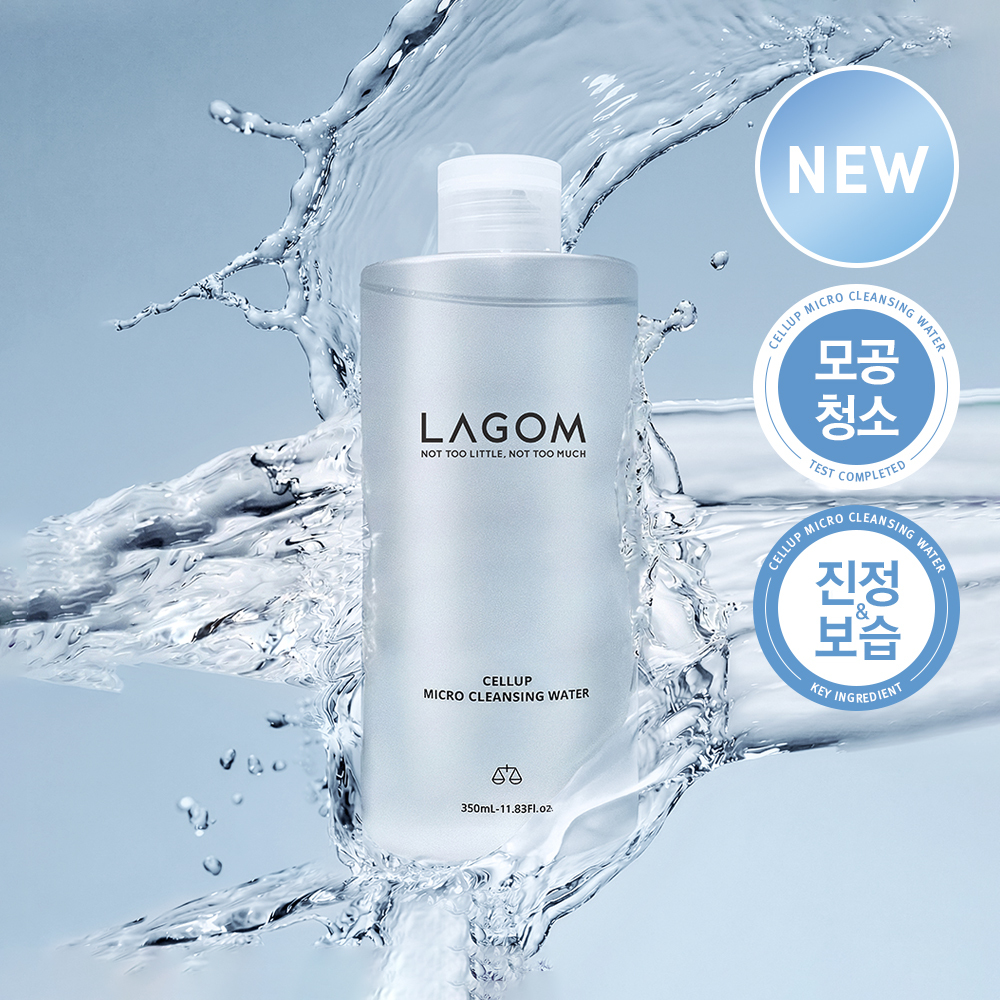
Cellup Micro Cleansing Water
Lagom
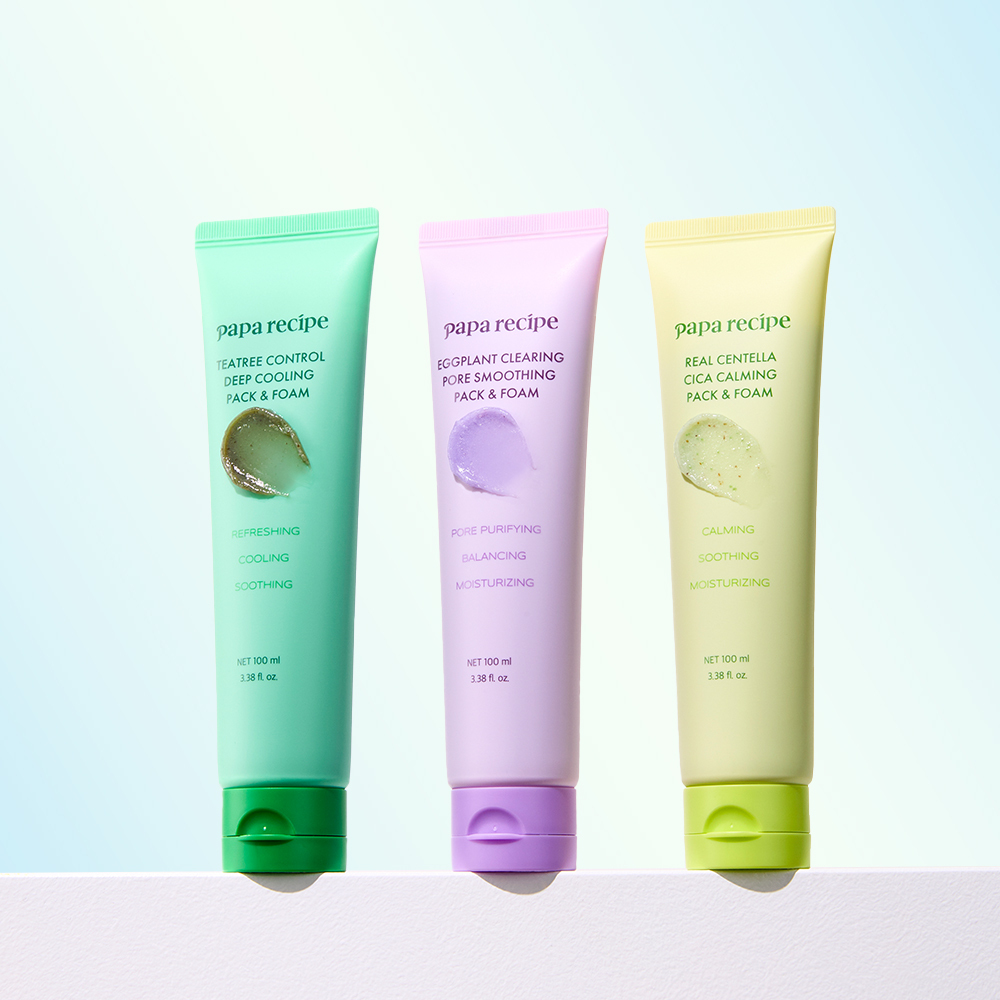
Pack & Foam (Real Centella/Eggplant Clearing/Teatree Control)
Papa Recipe
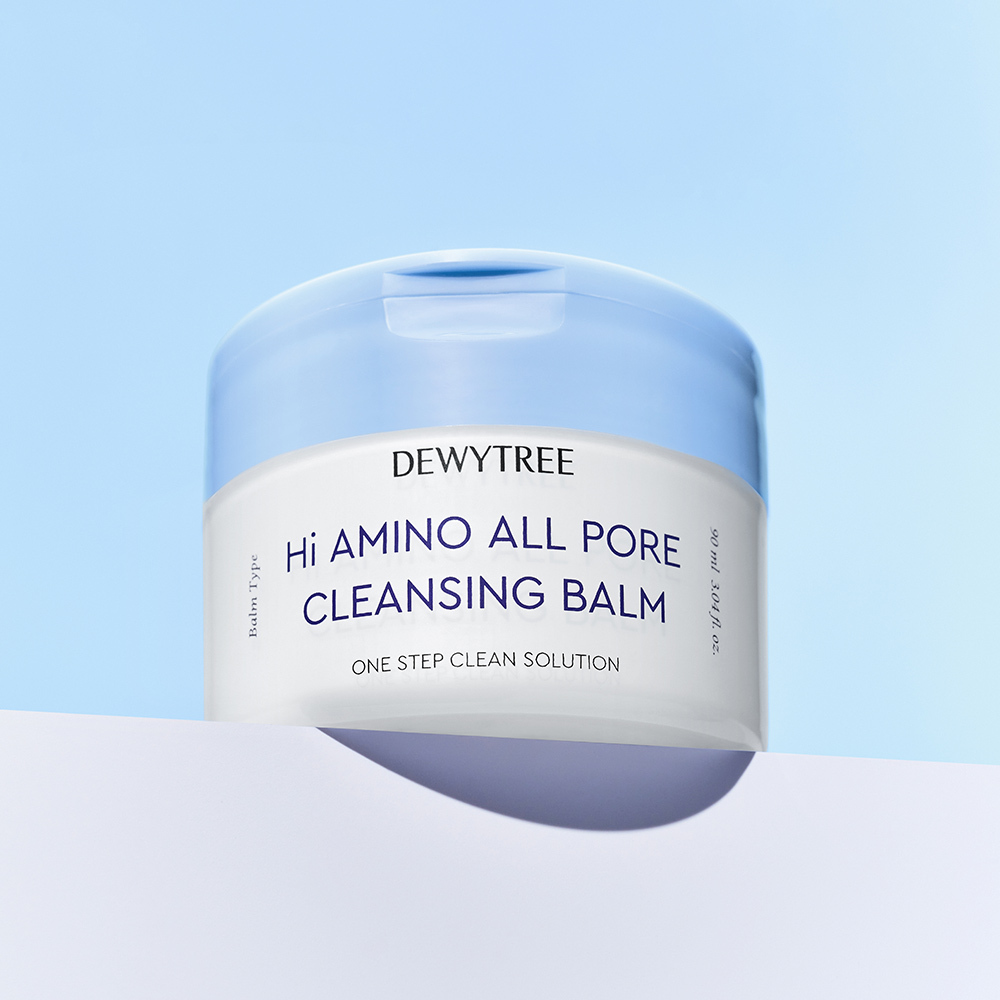
Hi Amino All Pore Cleansing Balm
Dewytree
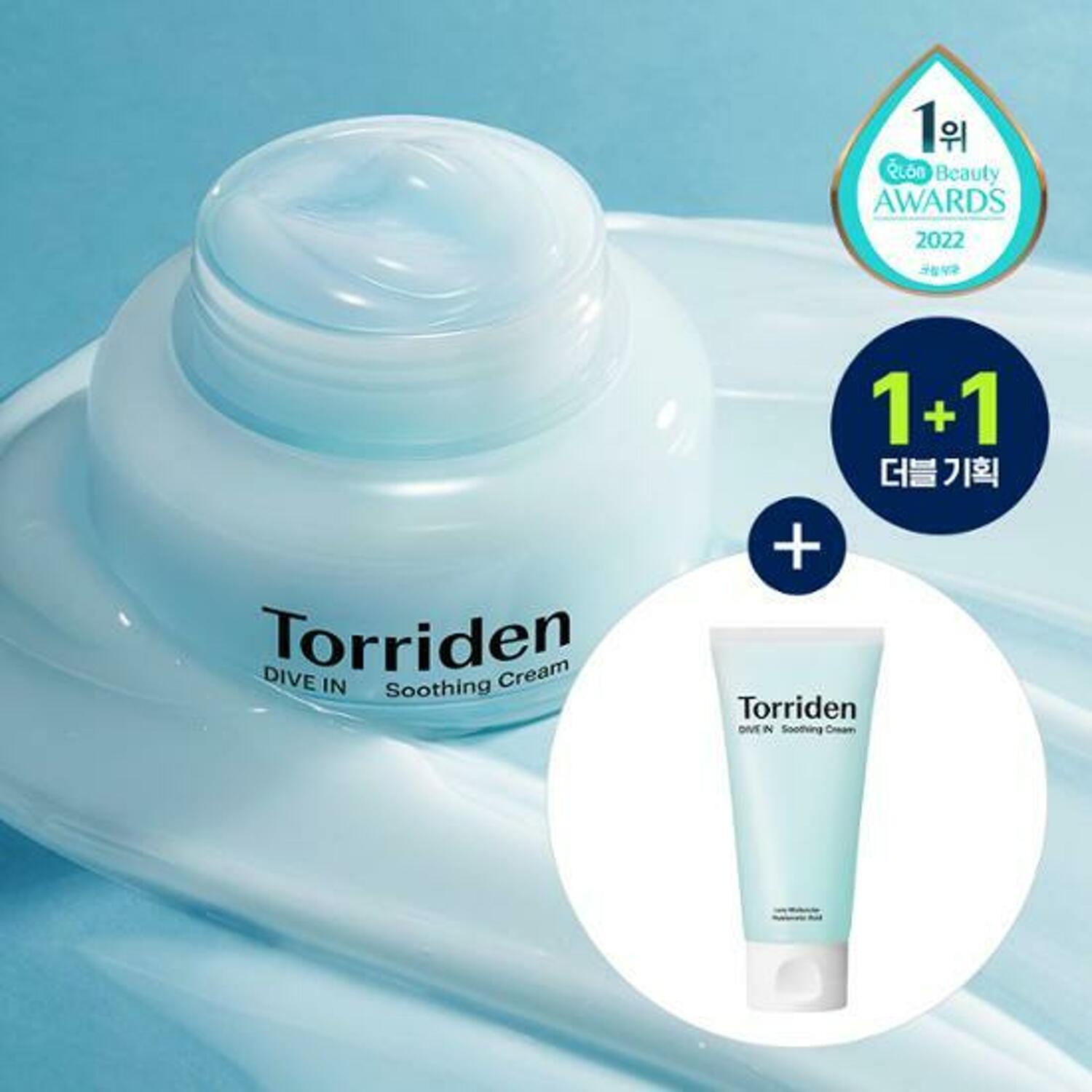
Dive-in Soothing Cream Double Pack
Torriden
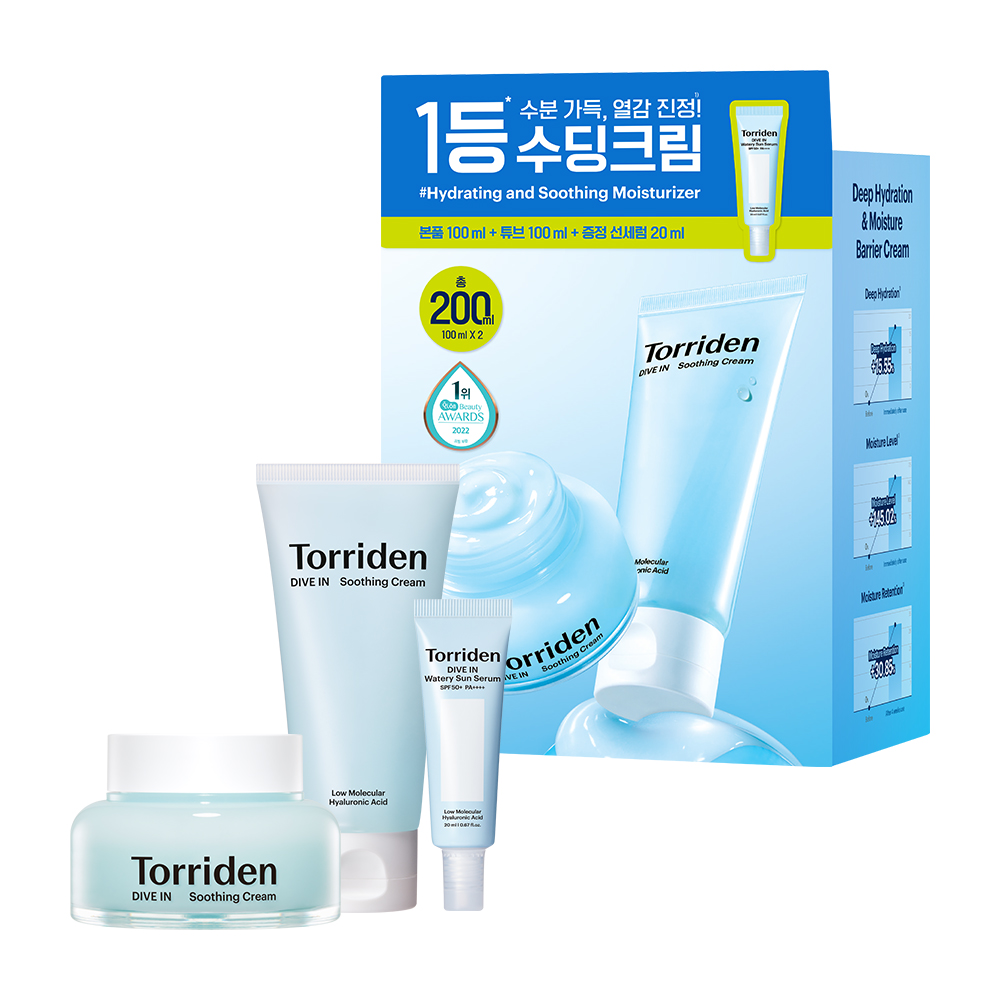
Dive-In Soothing Cream
Torriden
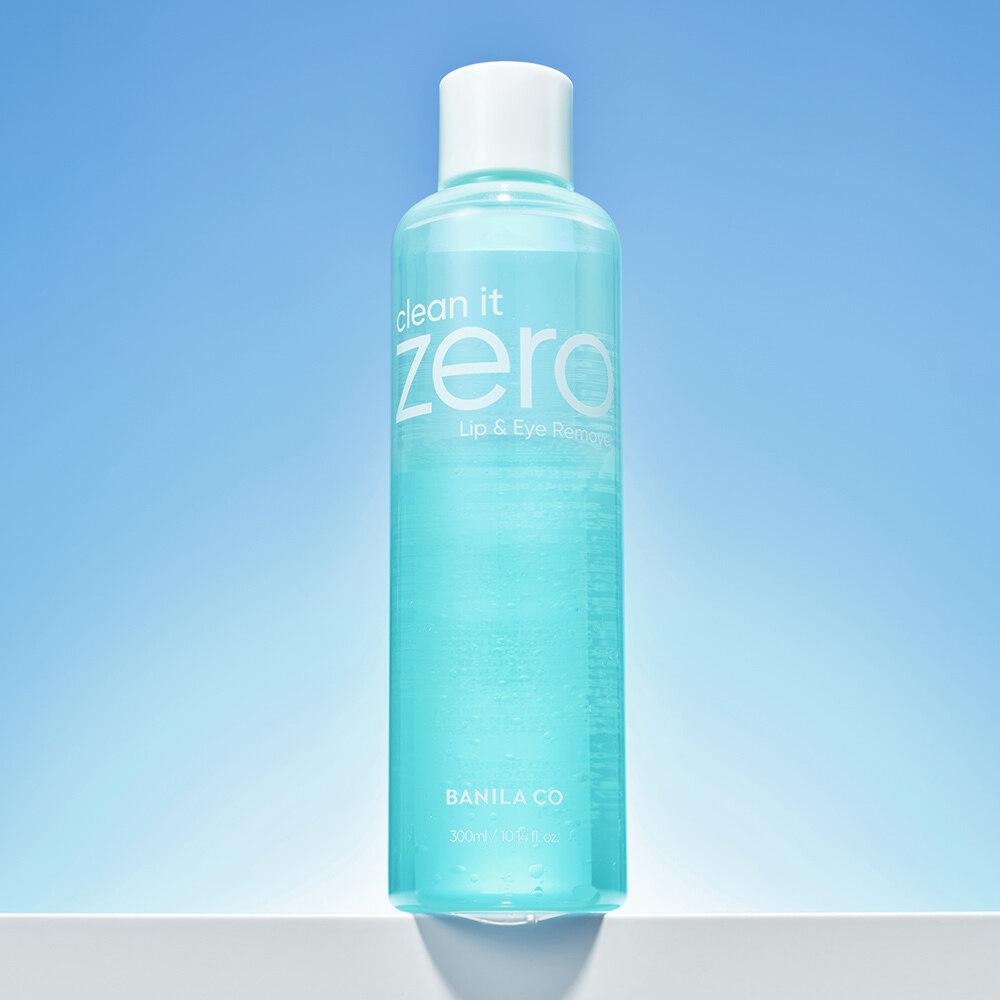
Clean It Zero Lip & Eye Remover
Banila Co

Pure & Deep Cleansing Foam Double Pack
ma:nyo
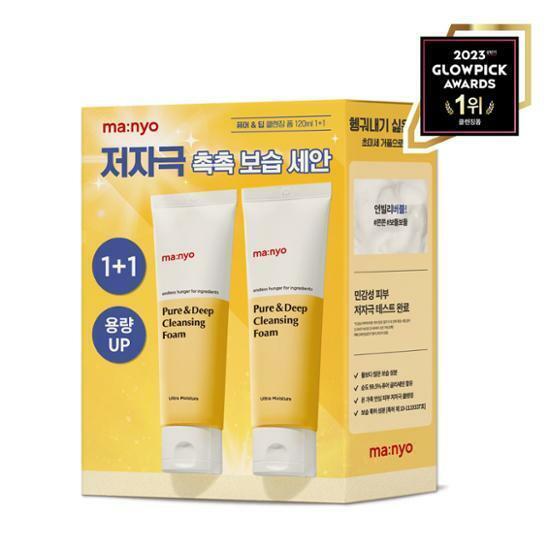
Pure & Deep Cleansing Foam
ma:nyo
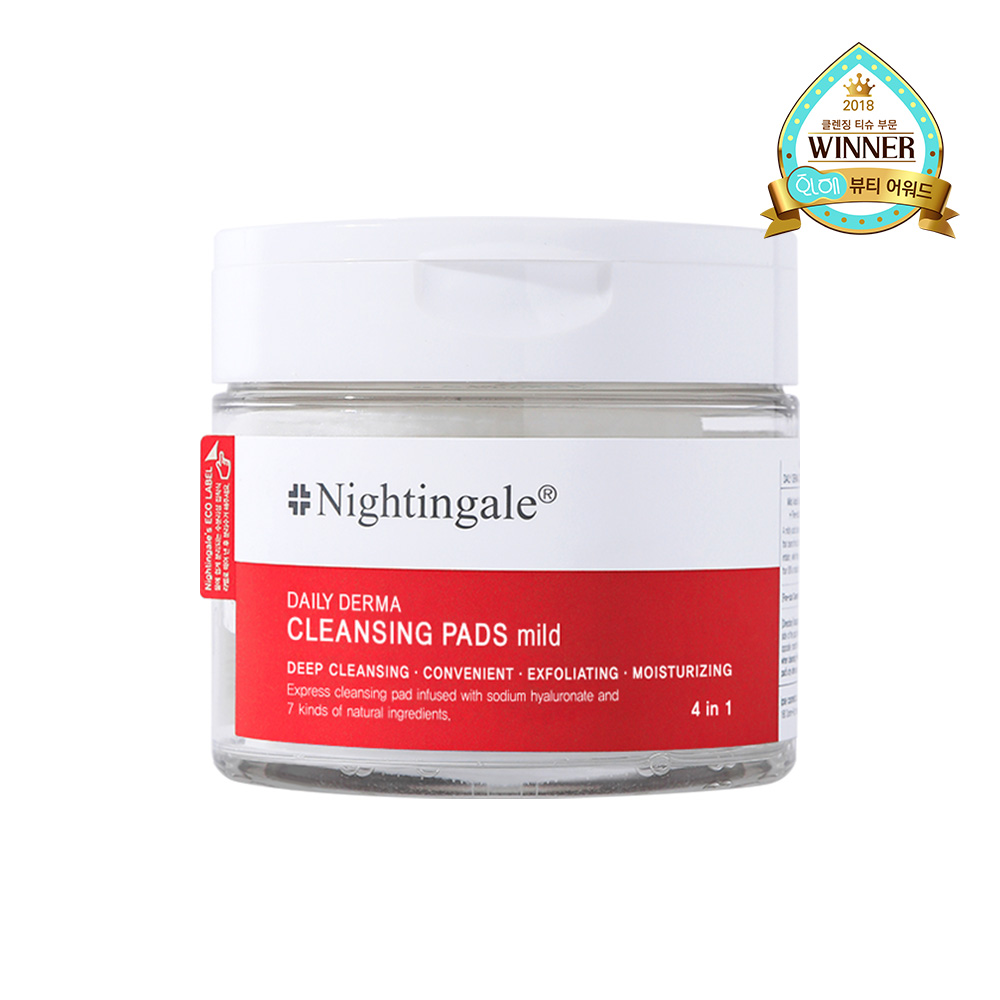
Daily Derma Cleansing Pads Mild
Ariul

Melanon X Ampoule Cleanser
Medi-Peel
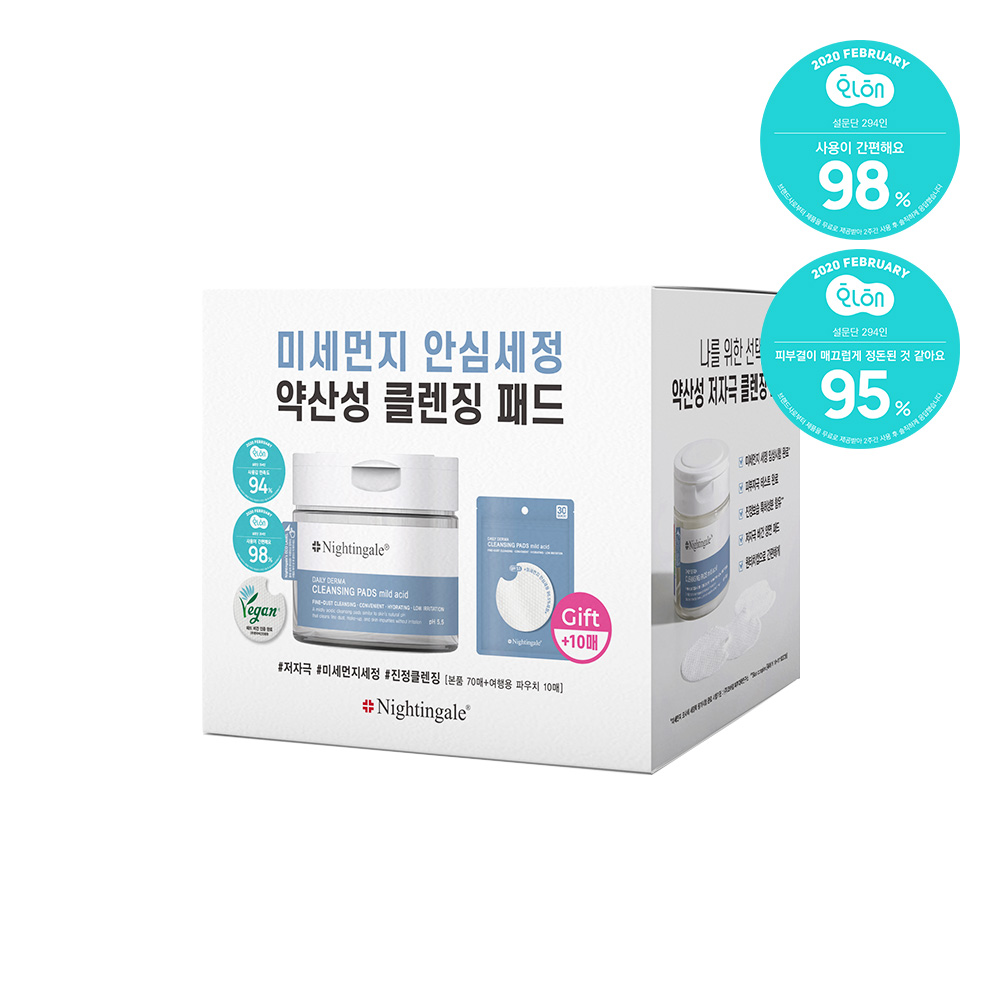
Nightingale Daily Derma Cleansing Pads Mild Acid Special Set
Ariul
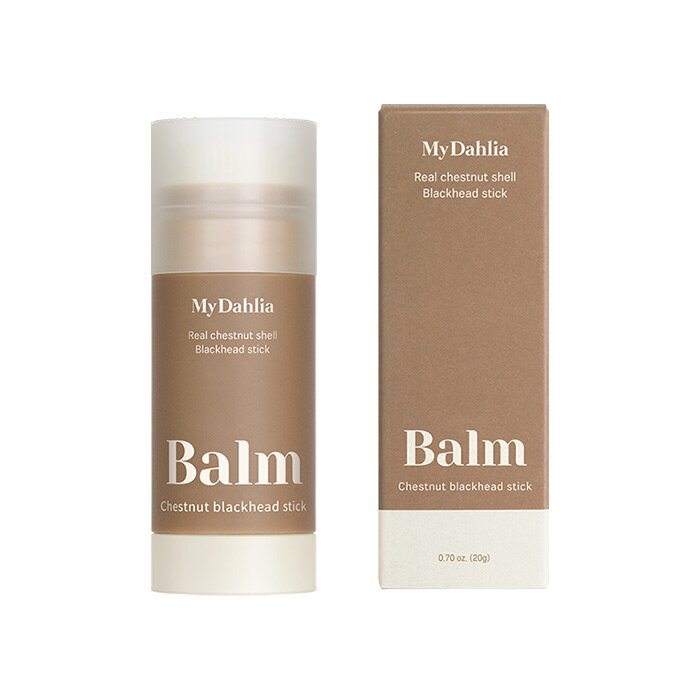
Chestnut Blackhead Stick
DAHLIA
Frequently Asked Questions
Is hyacinth extract safe for sensitive skin?▼
Why does hyacinth extract appear mostly in cleansers?▼
Can hyacinth extract cause breakouts?▼
How does hyacinth extract compare to other botanical extracts?▼
Explore More
Want personalized ingredient advice?
Yuri, our AI beauty advisor, can tell you how Hyacinth Extract works with your specific skin type, routine, and concerns.
Ask Yuri, free