Hydrogenated Lecithin
Emollient and skin barrier enhancer
About Hydrogenated Lecithin
Hydrogenated lecithin is a modified phospholipid derived from soybeans or egg yolk that's been processed through hydrogenation to increase stability and skin compatibility. In K-beauty formulations, it functions as both an emollient and a crucial skin barrier enhancer, making it a favorite in products designed for sensitive or compromised skin. Found in 1,868 products on Seoul Sister, including top-rated cleansers and creams like Aestura's Atobarrier 365 Cleansing Milk and VT's PDRN Capsule Cream 100 (both rated 5.0/5), this ingredient has become essential in Korean skincare's barrier-repair category. Unlike regular lecithin, the hydrogenated version is less prone to oxidation and rancidity, which means it maintains its beneficial properties longer in formulations. Its molecular structure closely mimics the lipids naturally found in skin's outer layer, allowing it to integrate seamlessly into the lipid bilayer and strengthen the moisture barrier. With an excellent safety rating of 5/5 and only a moderate comedogenic rating of 2/5, it's particularly valued in formulations targeting barrier repair, dryness, and sensitivity. Korean brands have embraced hydrogenated lecithin not just for its emollient properties but for its ability to enhance the delivery of other active ingredients, making it a multifunctional workhorse in advanced skincare formulations.
How Hydrogenated Lecithin Works
Hydrogenated lecithin works by integrating directly into the skin's lipid bilayer, the protective structure between skin cells that prevents water loss and keeps irritants out. Its phospholipid structure contains both water-loving (hydrophilic) and oil-loving (lipophilic) components, allowing it to act as a bridge between these two phases in both the product formula and your skin. When applied topically, it deposits additional lipids that fill gaps in the barrier, reducing transepidermal water loss (TEWL) and improving hydration retention. The hydrogenation process saturates the fatty acid chains, making the molecule more stable and better able to resist breakdown from environmental stressors. Beyond barrier repair, hydrogenated lecithin forms liposomes (tiny spherical structures) that can encapsulate and deliver other active ingredients deeper into skin layers, enhancing the overall efficacy of a formula. It also has mild emulsifying properties, helping to create smooth, stable textures in creams and cleansers while leaving a non-greasy, comfortable feel on skin.
Hydrogenated Lecithin by Skin Type
Oily Skin
Hydrogenated lecithin can work for oily skin, especially in lightweight formulations, but its comedogenic rating of 2/5 means some individuals may experience minor congestion if used in heavy concentrations. Look for it in gel-creams or serums rather than thick barrier creams, where it can provide hydration and deliver actives without overwhelming sebum production.
Dry Skin
This is where hydrogenated lecithin truly shines. Its barrier-enhancing and emollient properties directly address the lipid deficiency that characterizes dry skin, helping to seal in moisture and prevent the tightness and flaking that comes from barrier damage. The ingredient's presence in highly-rated products like Aestura's Atobarrier 365 Cleansing Milk (5.0/5) reflects its effectiveness for dry, dehydrated complexions.
Combo Skin
Hydrogenated lecithin works well for combination skin when formulated in balanced products that don't over-moisturize oily zones. Its ability to enhance barrier function benefits the dry areas (typically cheeks and around eyes) while its moderate comedogenic rating means it's unlikely to cause issues in the T-zone when used in appropriate concentrations.
Sensitive Skin
Hydrogenated lecithin is exceptionally well-suited for sensitive skin, earning a perfect 5/5 safety rating and functioning as a gentle barrier-repair agent. Its biomimetic structure (similar to skin's natural lipids) means it rarely triggers irritation or allergic reactions. Korean brands specifically include it in formulations targeting compromised or reactive skin, as seen in products like Mediheal's PDRN Lifting Derma Cream (4.9/5).
Normal Skin
For normal skin, hydrogenated lecithin acts as a maintenance ingredient that preserves barrier health and enhances the delivery of other beneficial actives. It provides lightweight hydration without disrupting the skin's natural balance, making it ideal for those who want to maintain their current skin condition and prevent future barrier issues.
How to Use Hydrogenated Lecithin
- 1Look for hydrogenated lecithin in your cleansers for a gentler cleansing experience that won't strip your barrier (like Beplain's Mung Bean pH-Balanced Cleansing Foam, rated 4.9/5)
- 2Layer products containing hydrogenated lecithin after water-based serums but before heavier occlusives to maximize its barrier-enhancing benefits
- 3If you have congestion-prone skin, use hydrogenated lecithin products on dry areas only or choose lighter formulations like essences rather than thick creams
- 4Pair with ceramides and cholesterol for a complete lipid barrier repair system, mimicking skin's natural lipid composition
- 5Use hydrogenated lecithin products consistently for at least 4-6 weeks to see measurable improvements in barrier function and hydration retention
Background
Lecithin was first isolated from egg yolk in 1845 by French chemist Theodore Gobley, who named it after the Greek word "lekithos" (egg yolk). While lecithin from soybeans and eggs has been used in food and cosmetics for over a century, the hydrogenated form was developed later to address stability concerns in skincare formulations. Korean cosmetic chemists embraced hydrogenated lecithin in the 2000s as the K-beauty industry shifted focus toward barrier science and skin health rather than just surface-level concerns. The ingredient became particularly prominent in the "barrier care" movement around 2015-2018, when Korean dermatologists and brands began emphasizing the importance of maintaining skin's protective lipid layer. Today, it's a cornerstone ingredient in K-beauty's approach to sensitive skin and appears across multiple product categories, from cleansers to intensive repair creams.
K-Beauty Products with Hydrogenated Lecithin
View all 2,054 →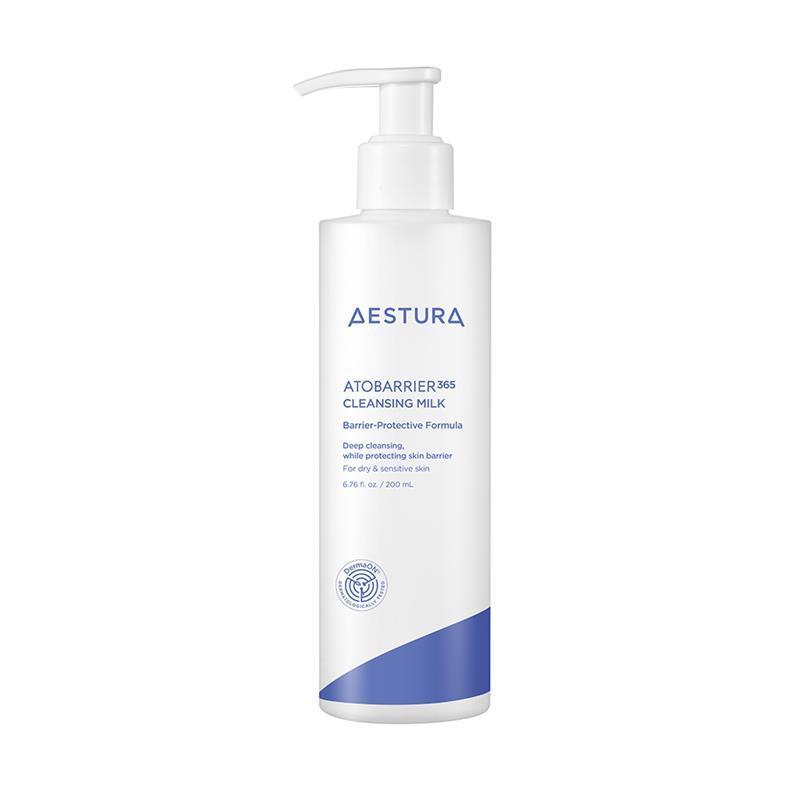
Atobarrier 365 Cleansing Milk
Aestura

Mung Bean pH-Balanced Cleansing Foam
Beplain
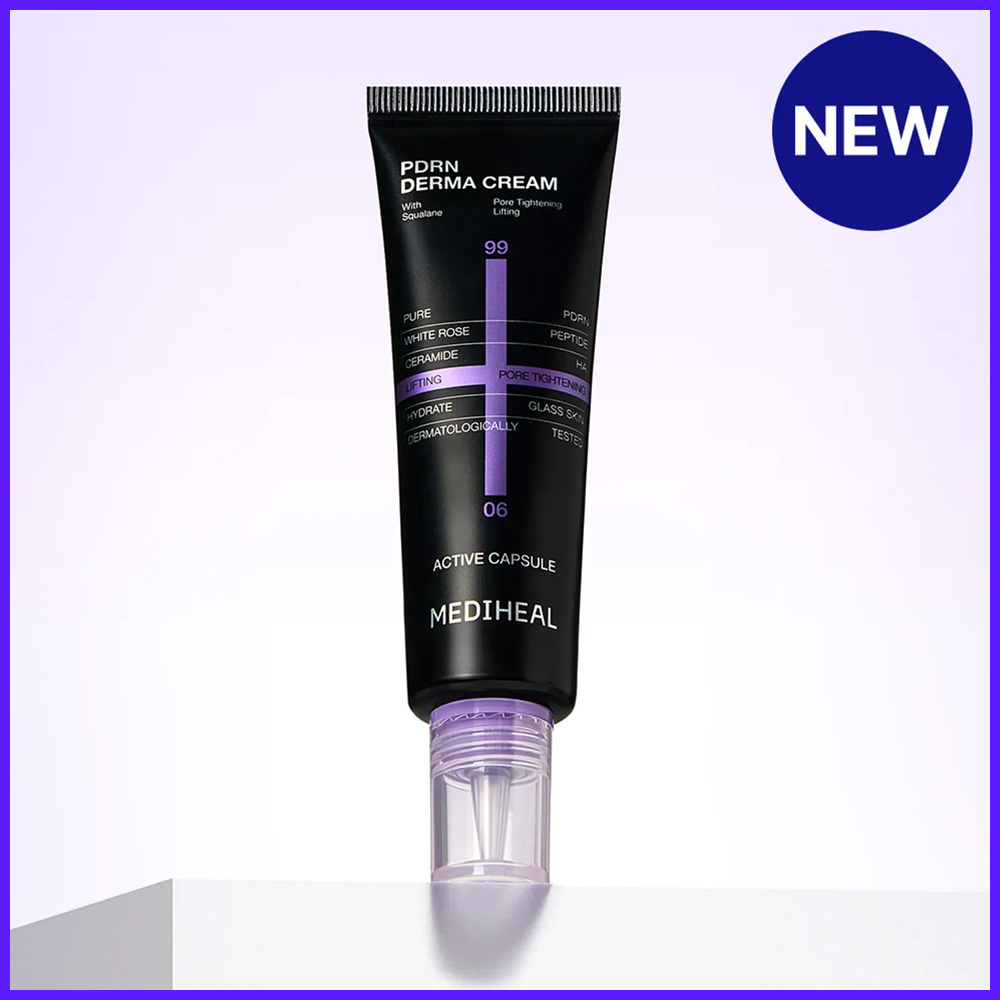
PDRN Lifting Derma Cream
Mediheal

PDRN Hyaluronic Capsule 100 Serum Refill Set
Anua
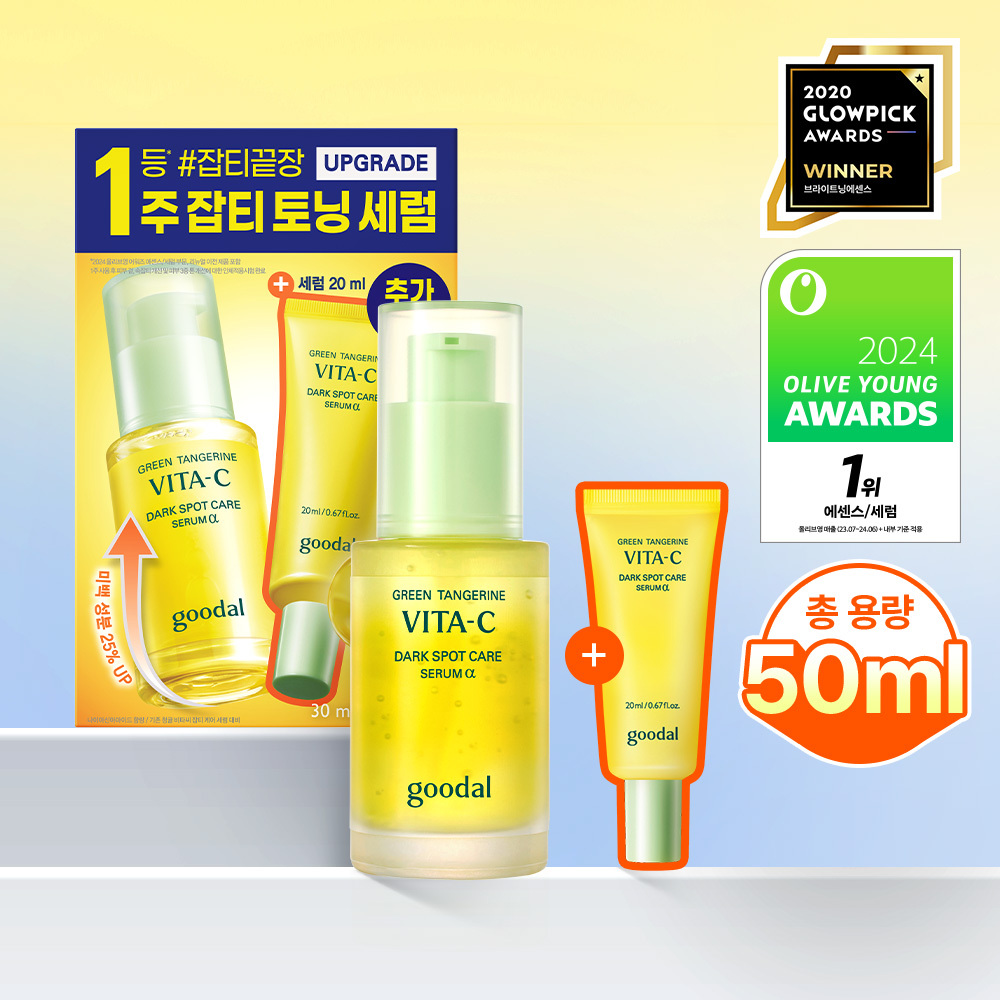
Green Tangerine Vita-C Dark Spot Care Serum α
Goodal
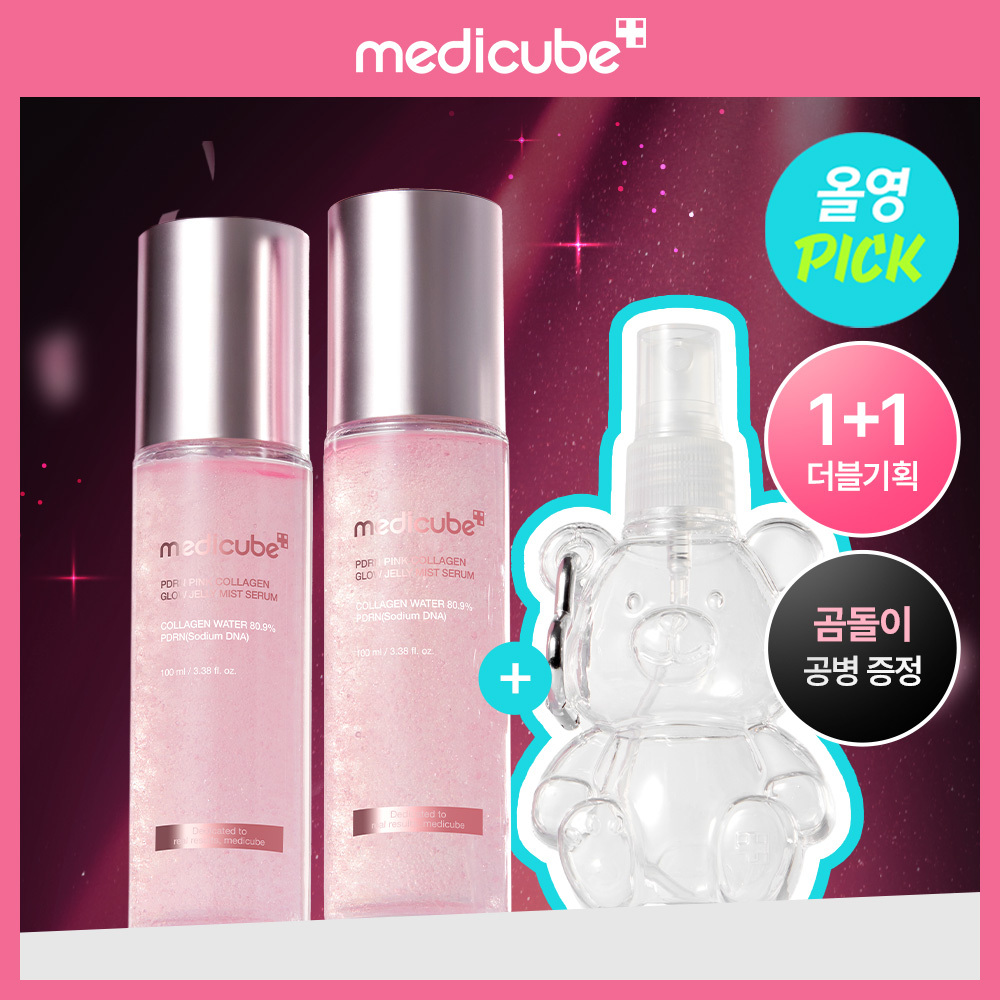
PDRN Pink Collagen Glow Jelly Mist Serum
Medicube

Madecassoside Blemish Repair Serum
Mediheal

Niacinamide 10% + TXA 4% Dark Spot Correcting Serum
Anua
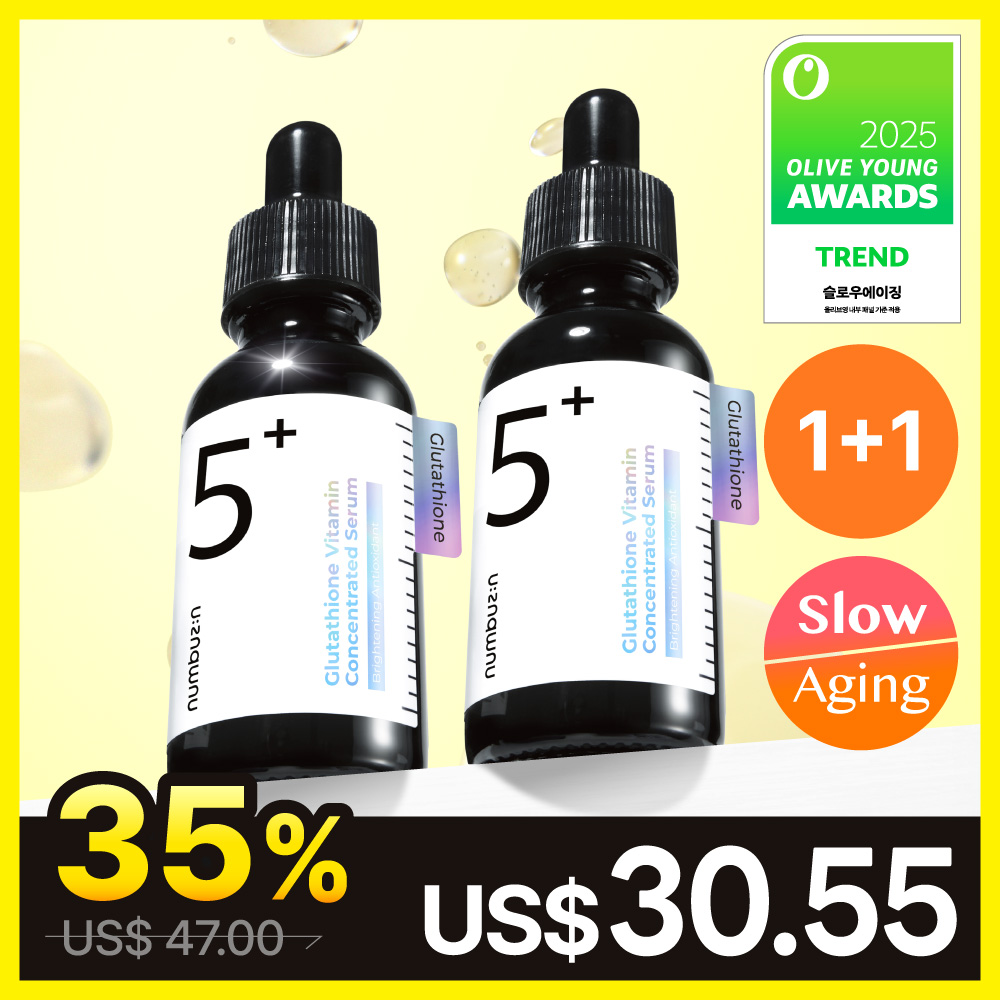
No.5+ Vitamin Concentrated Serum Duo Set
Numbuzin
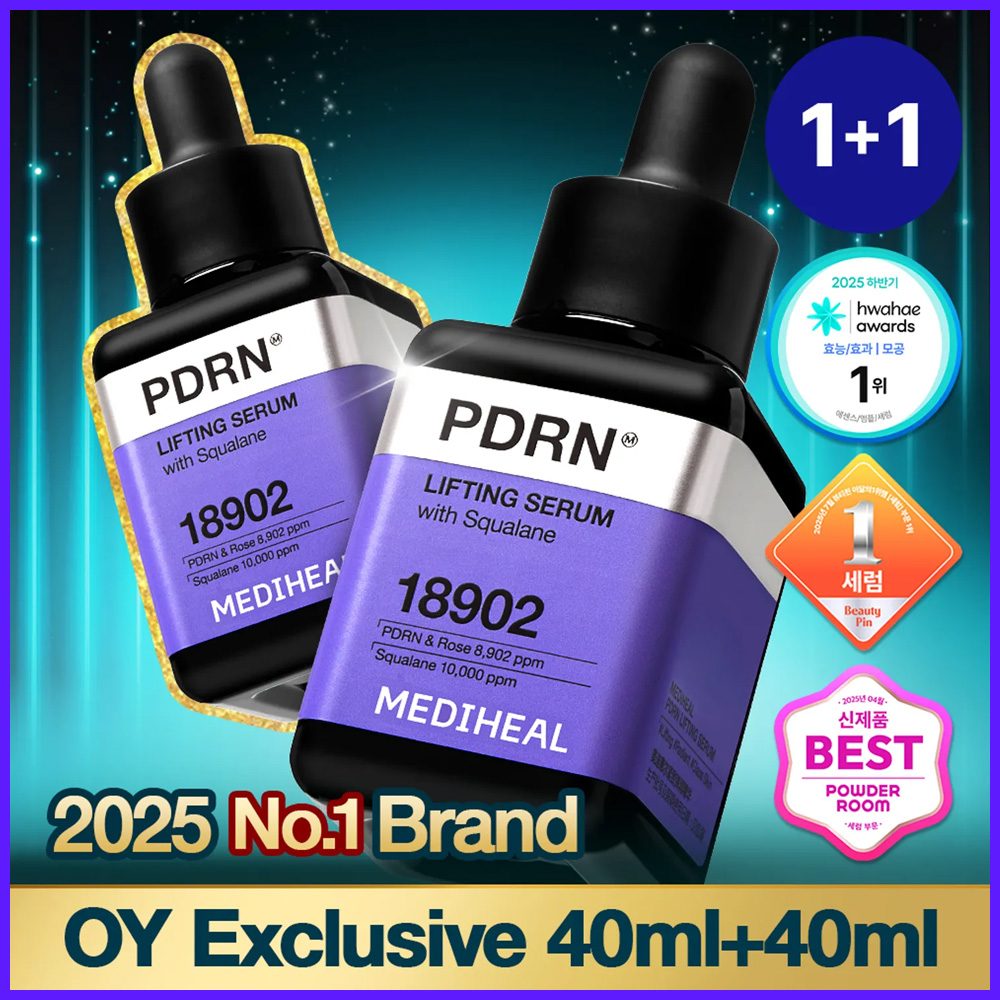
PDRN Lifting Serum
Mediheal

147 Barrier Cream
Dr. Althea
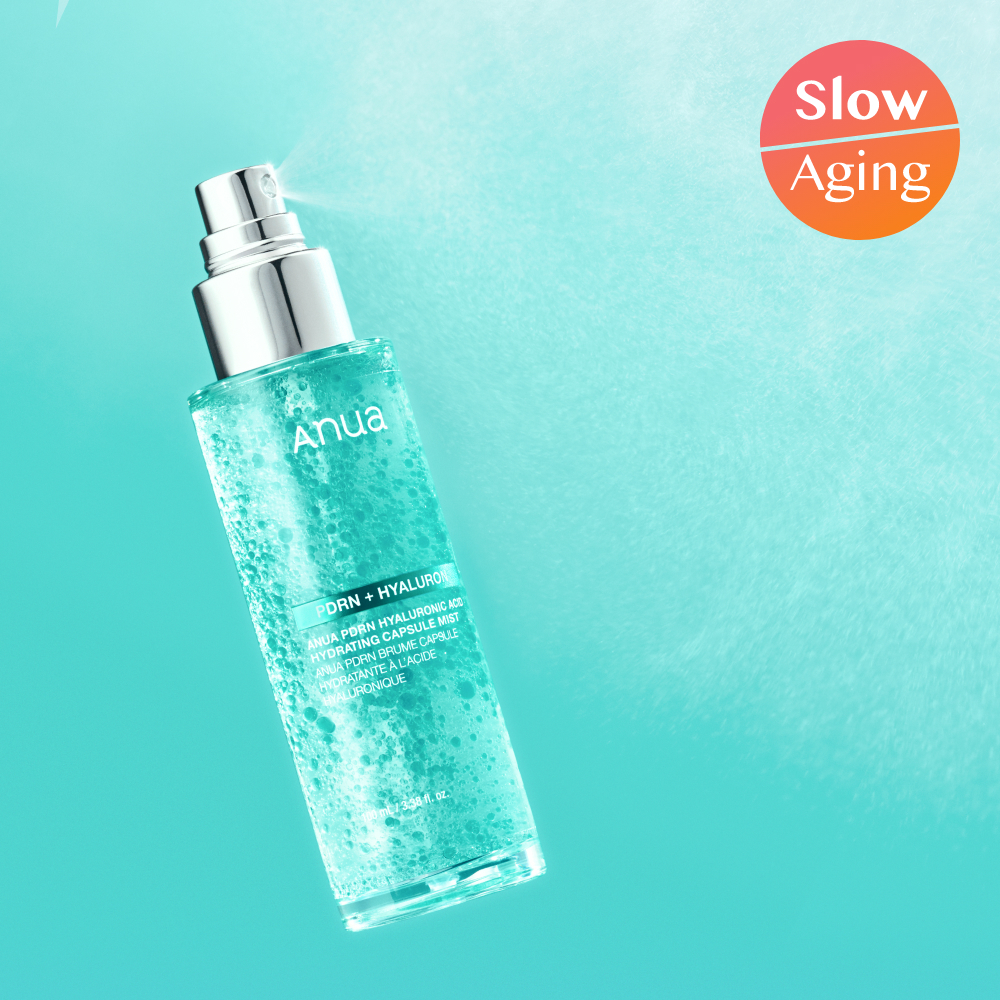
PDRN Hyaluronic Acid Hydrating Capsule Mist
Anua
Frequently Asked Questions
Will hydrogenated lecithin clog my pores?▼
How is hydrogenated lecithin different from regular lecithin?▼
Can I use hydrogenated lecithin if I have a soy allergy?▼
Why is hydrogenated lecithin in so many high-rated K-beauty products?▼
Explore More
Want personalized ingredient advice?
Yuri, our AI beauty advisor, can tell you how Hydrogenated Lecithin works with your specific skin type, routine, and concerns.
Ask Yuri, free