Hydrolyzed DNA
Hydrating and skin-repairing humectant
About Hydrolyzed DNA
Hydrolyzed DNA is a cutting-edge humectant derived from salmon sperm or yeast that has become a signature ingredient in K-beauty's science-driven skincare revolution. When DNA molecules are broken down (hydrolyzed) into smaller fragments, they create a powerful moisture-binding compound that can hold up to 10,000 times its weight in water, rivaling even hyaluronic acid's hydrating capabilities. In K-beauty formulations, hydrolyzed DNA goes beyond simple hydration. It delivers nucleotides and amino acids that support cellular repair processes, making it particularly valuable in products focused on skin regeneration and anti-aging. The ingredient gained mainstream attention through Korean dermatology-inspired brands like Rejuran, which positioned it as a key component in their medical-grade skincare lines. What makes hydrolyzed DNA especially appealing is its dual functionality: it provides immediate plumping and hydration while supporting long-term skin health through cellular nutrition. Its non-comedogenic profile (0/5 rating) and compatibility with sensitive skin have made it a go-to ingredient for formulating lightweight yet effective hydrators. The ingredient appears in 43 K-beauty products on Seoul Sister, often alongside other regenerative ingredients like PDRN and niacinamide in premium serums and creams.
How Hydrolyzed DNA Works
At the molecular level, hydrolyzed DNA functions through two primary mechanisms. First, its fragmented nucleotide structure contains numerous hydrophilic (water-loving) sites that bind moisture to the skin's surface, creating a reservoir of hydration that prevents transepidermal water loss. The small molecular weight of hydrolyzed DNA allows it to penetrate the stratum corneum more effectively than larger molecules, delivering moisture deeper into the epidermis. Second, the building blocks within hydrolyzed DNA (purines, pyrimidines, and deoxyribose sugars) provide raw materials that skin cells can theoretically utilize in their natural repair processes. While skin cells don't directly incorporate external DNA into their genetic material, these nucleotide components can support cellular metabolism and energy production through salvage pathways. The ingredient also demonstrates antioxidant properties, helping neutralize free radicals that accelerate aging. In formulations, hydrolyzed DNA creates a protective film on the skin that smooths texture and enhances the penetration of other active ingredients, making it a valuable addition to multi-step K-beauty routines focused on skin barrier support and regeneration.
Hydrolyzed DNA by Skin Type
Oily Skin
Hydrolyzed DNA works exceptionally well for oily skin because of its zero comedogenic rating and lightweight hydration profile. It delivers intense moisture without the heaviness of oils or occlusives, helping balance sebum production without triggering breakouts. The ingredient's film-forming properties can also create a smooth canvas that minimizes the appearance of enlarged pores.
Dry Skin
This ingredient is particularly beneficial for dry skin due to its exceptional water-binding capacity, which helps restore and maintain moisture levels throughout the day. Hydrolyzed DNA supports barrier repair by providing hydration at multiple skin layers, reducing the tight, flaky feeling common with dehydration. When paired with ceramides or fatty acids in formulations like Rejuran's Moisture Treatment Toner, it helps create a more resilient moisture barrier.
Combo Skin
Combination skin benefits from hydrolyzed DNA's balanced approach to hydration, delivering moisture where needed without overwhelming oily zones. Its non-greasy texture means it won't exacerbate shine in the T-zone while still providing adequate hydration to drier cheek areas. The ingredient's ability to regulate moisture levels makes it ideal for the varying needs across different facial zones.
Sensitive Skin
With a 4/5 safety rating and gentle, biomimetic structure, hydrolyzed DNA is generally well-tolerated by sensitive skin types. Its soothing, hydrating properties help calm irritation while supporting the skin's natural repair processes without triggering inflammatory responses. The ingredient appears in several dermatologist-developed Korean formulations specifically designed for reactive skin, though a patch test is always recommended when introducing new actives.
Normal Skin
Normal skin can use hydrolyzed DNA as a preventative ingredient that maintains optimal hydration and supports long-term skin health. It enhances the overall efficacy of skincare routines by improving ingredient absorption and creating a smooth, plump complexion. Regular use helps preserve the skin's youthful appearance by supporting cellular turnover and moisture retention.
How to Use Hydrolyzed DNA
- 1Layer hydrolyzed DNA serums or toners before heavier products in your routine to maximize absorption and allow the humectant to draw in moisture from subsequent layers.
- 2For best results, apply to damp skin immediately after cleansing, when your skin can more effectively absorb the hydrating benefits.
- 3Pair with occlusives like ceramides or squalane in your final moisturizer step to seal in the moisture that hydrolyzed DNA attracts to your skin.
- 4If you're using other regenerative ingredients like PDRN or peptides, hydrolyzed DNA works synergistically to enhance overall repair benefits, as seen in Primera's PDRN-Niacinamide Toning Glow Serum.
- 5Consider using hydrolyzed DNA products both morning and night, as the ingredient is stable and beneficial throughout the day for continuous hydration support.
Background
Hydrolyzed DNA's journey into skincare began in the medical field, where nucleotide compounds were studied for wound healing and tissue regeneration applications. Korean dermatology clinics pioneered the use of DNA-derived ingredients in aesthetic procedures, particularly through polynucleotide (PN) and PDRN injections that gained popularity in Seoul's advanced skincare scene during the 2010s. As K-beauty brands sought to translate clinical innovations into topical products, hydrolyzed DNA emerged as a stable, effective ingredient that could deliver similar benefits without injections. The ingredient is typically sourced from salmon milt (sperm) or through biotechnology using yeast fermentation, reflecting K-beauty's embrace of both natural marine extracts and biotech innovation. Brands like Rejuran, which built their entire identity around DNA-based healing technology, elevated hydrolyzed DNA from a niche clinical ingredient to a mainstream K-beauty superstar, making regenerative skincare accessible beyond dermatology offices.
K-Beauty Products with Hydrolyzed DNA
View all 47 →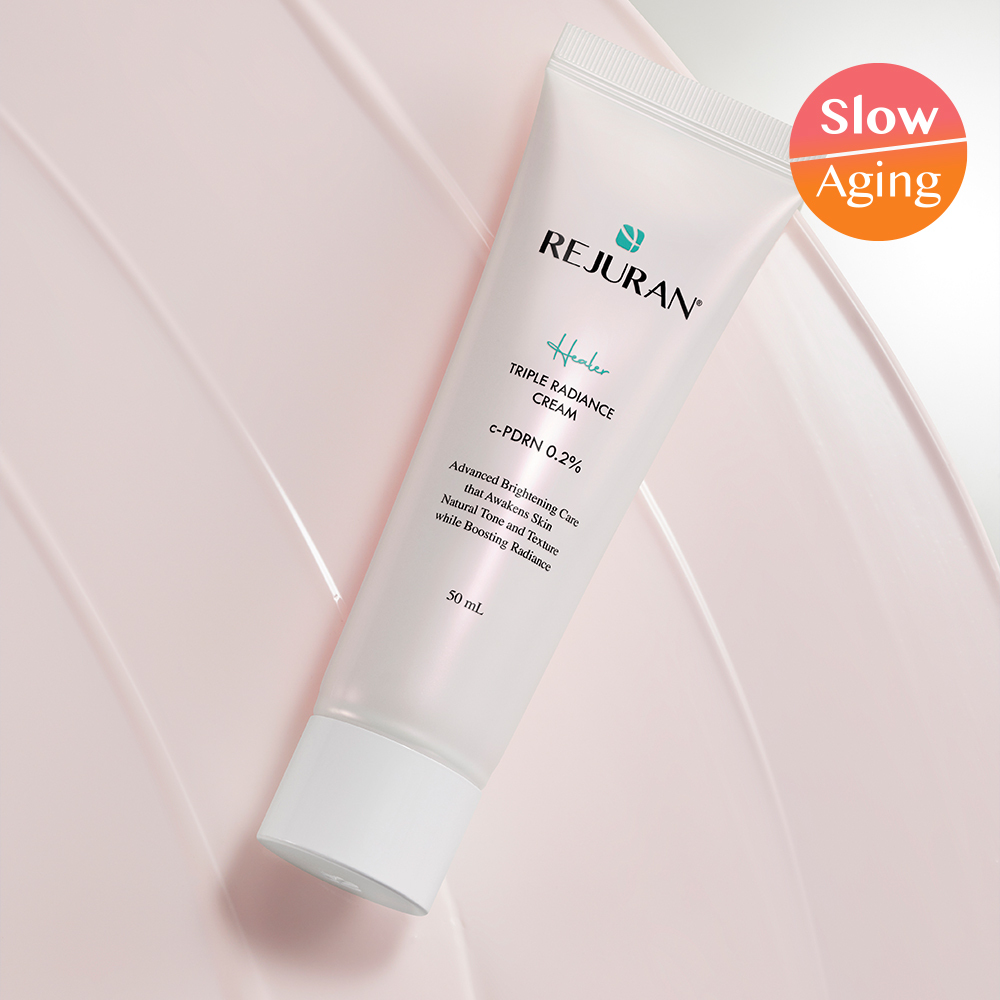
Healer Triple Radiance Cream
Rejuran
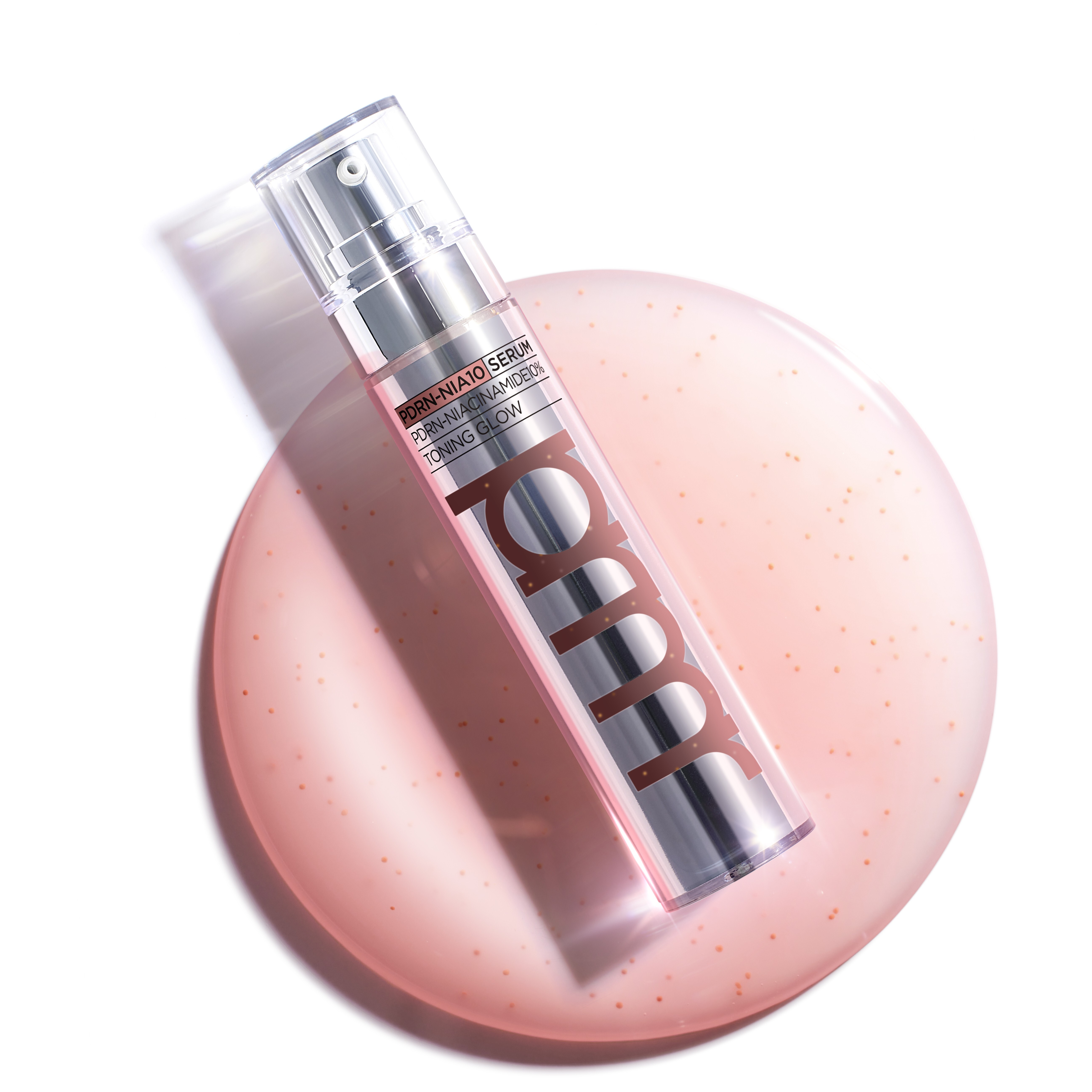
PDRN-Niacinamide 10% Toning Glow Serum
Primera
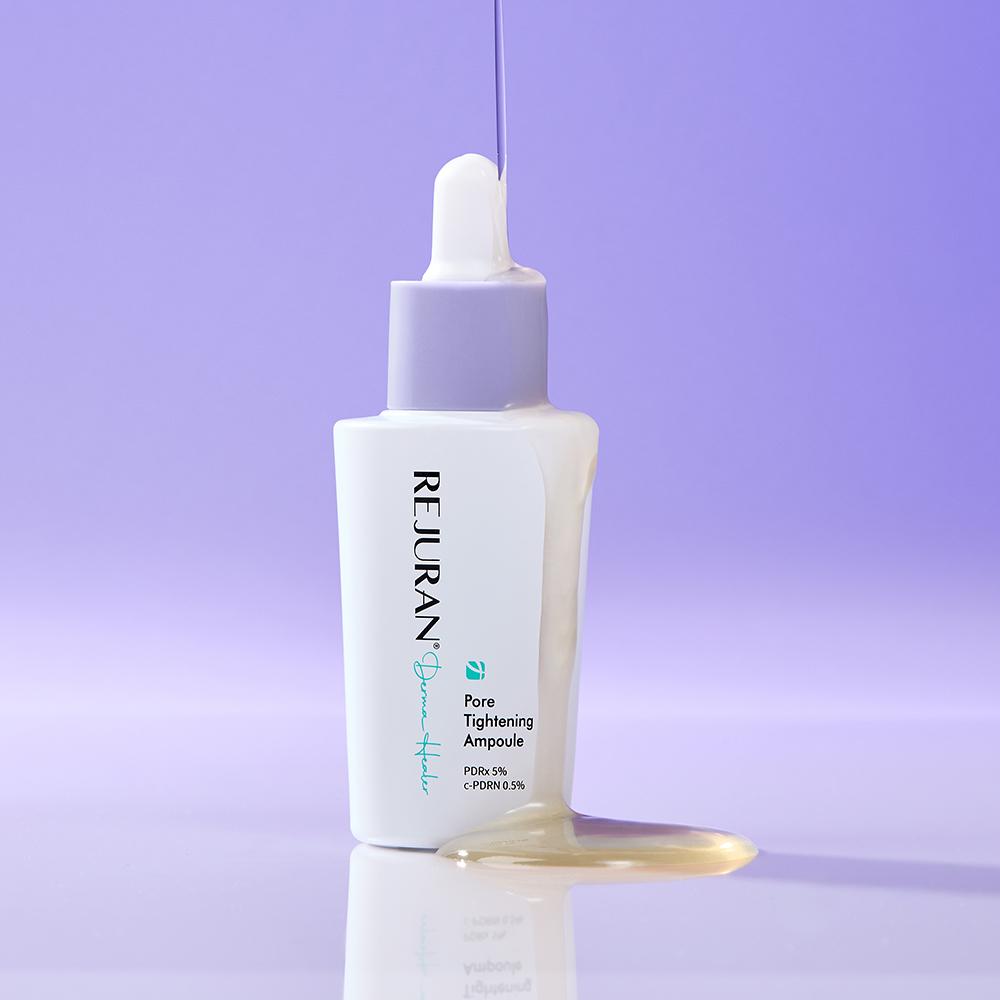
Derma Healer Pore Tightening Ampoule
Rejuran
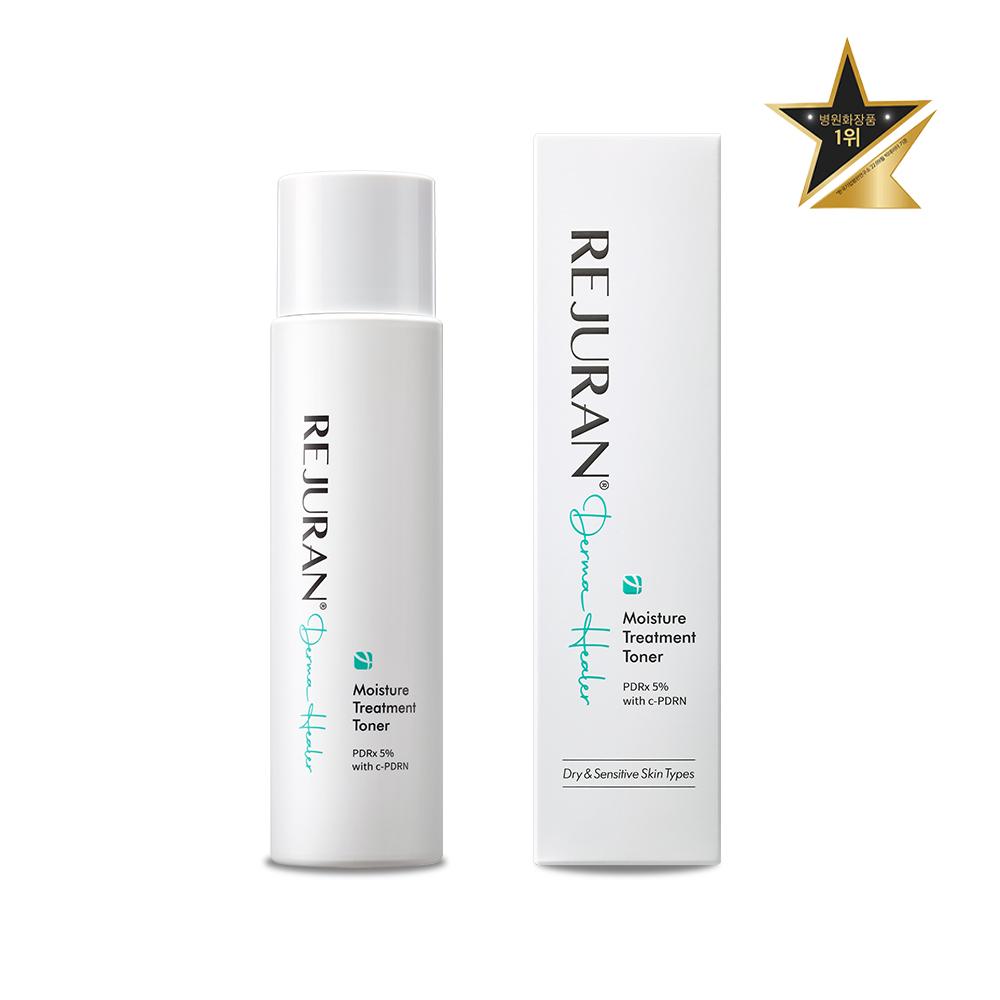
Derma Healer Moisture Treatment Toner
Rejuran
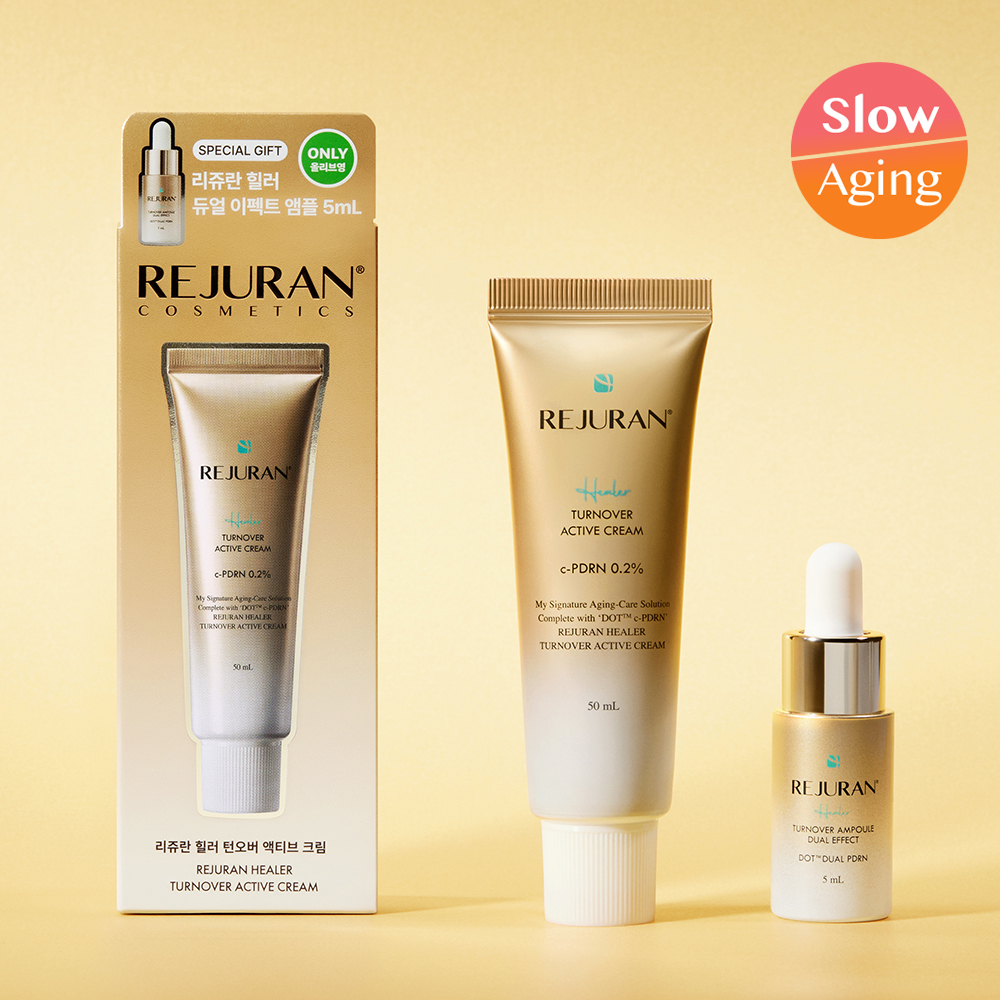
Healer Turnover Active Cream Set
Rejuran
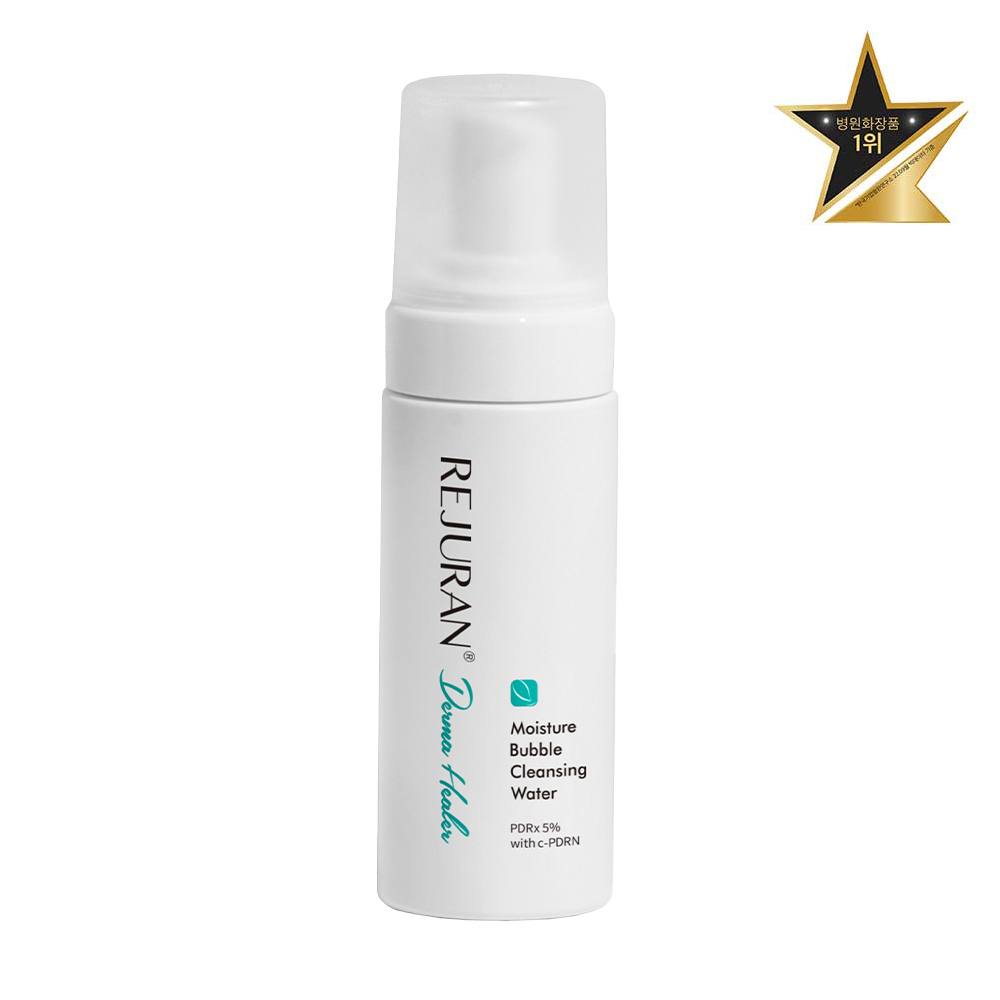
Derma Healer Moisture Bubble Cleansing Water
Rejuran
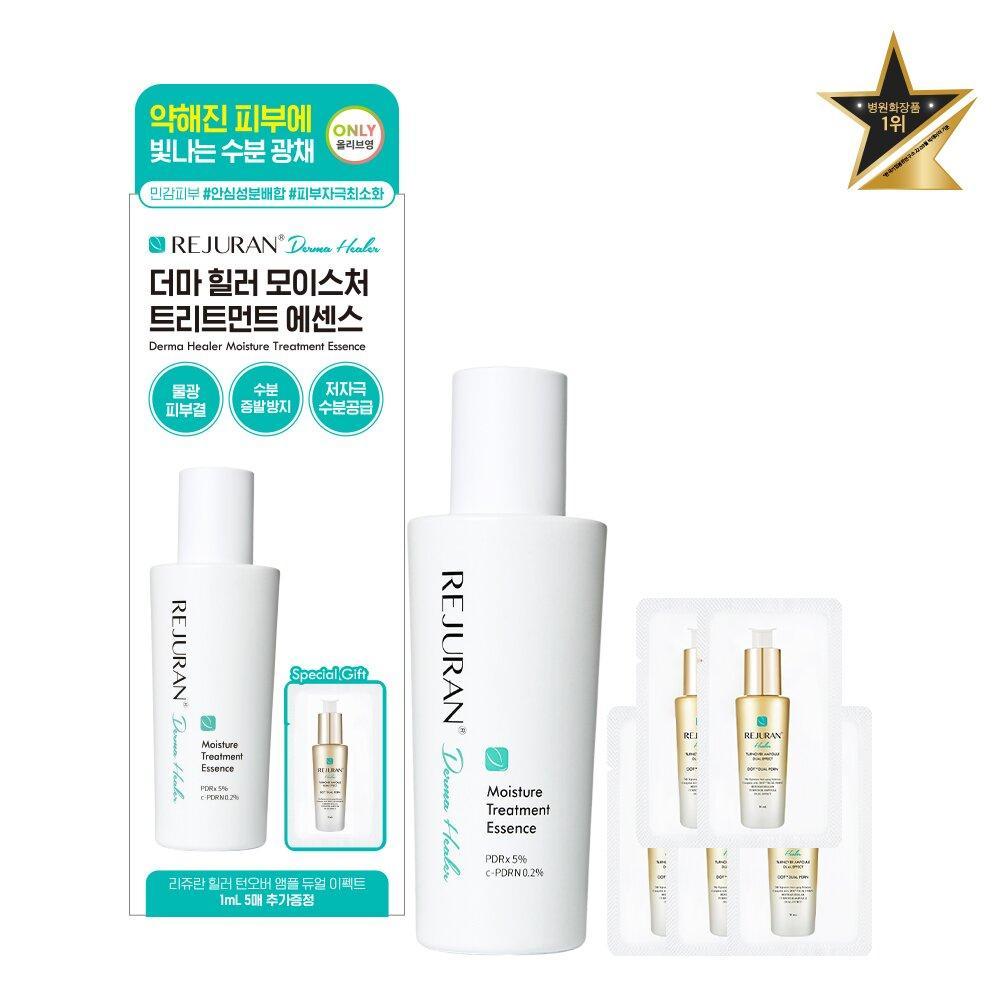
Derma Healer Treatment Essence Special Set
Rejuran
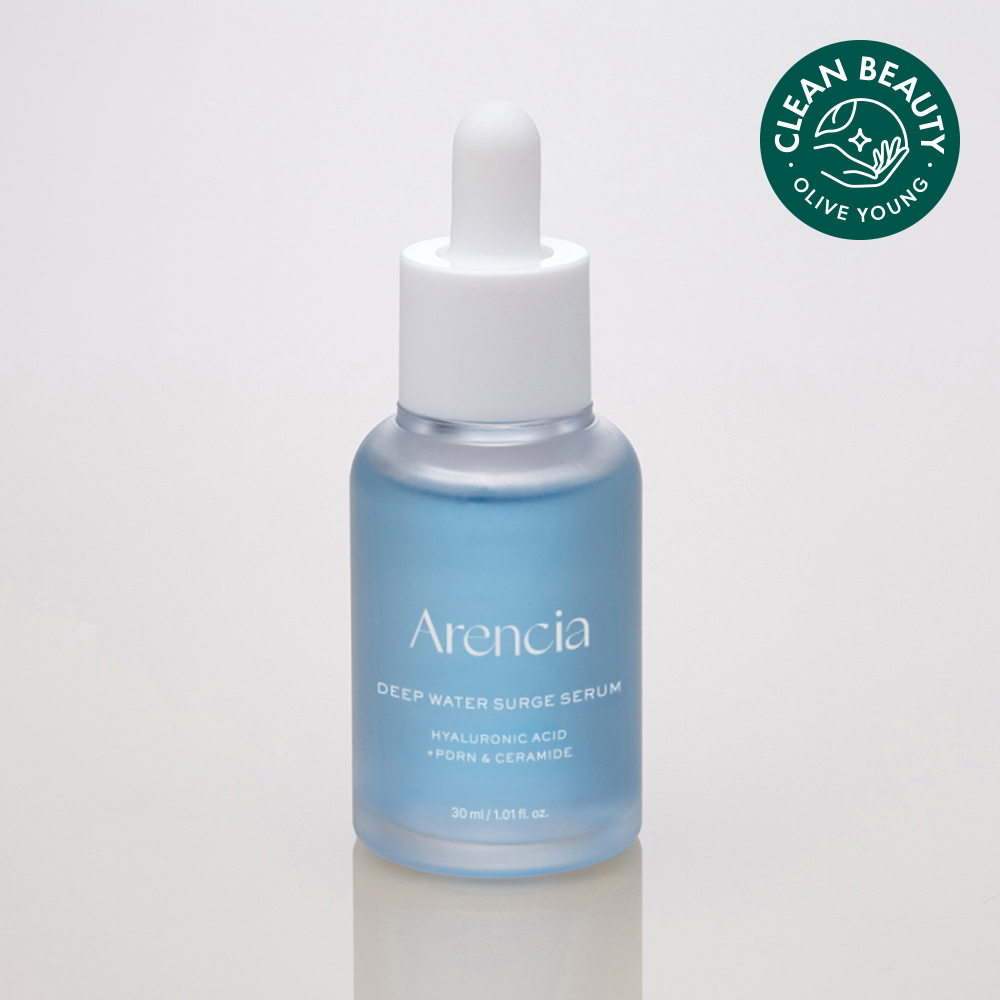
Deep Water Surge Serum
Arencia
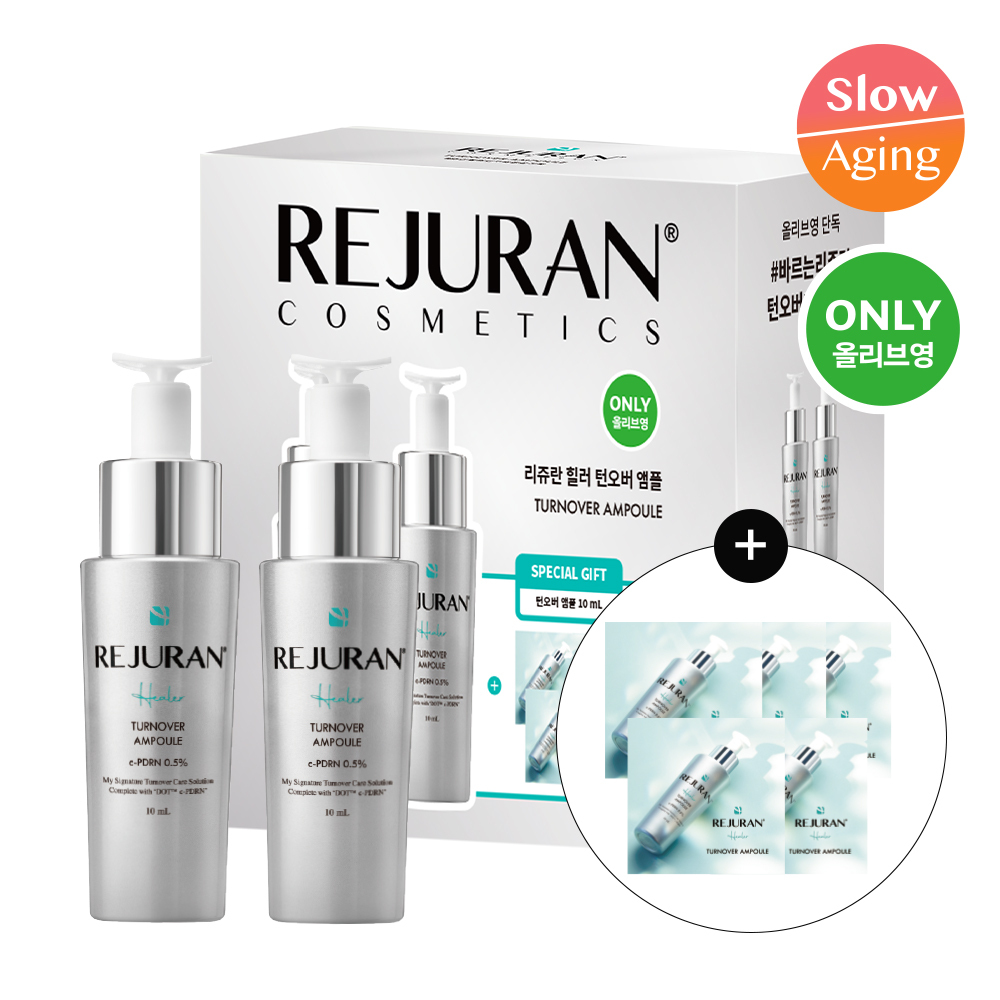
Healer Turnover Ampoule
Rejuran
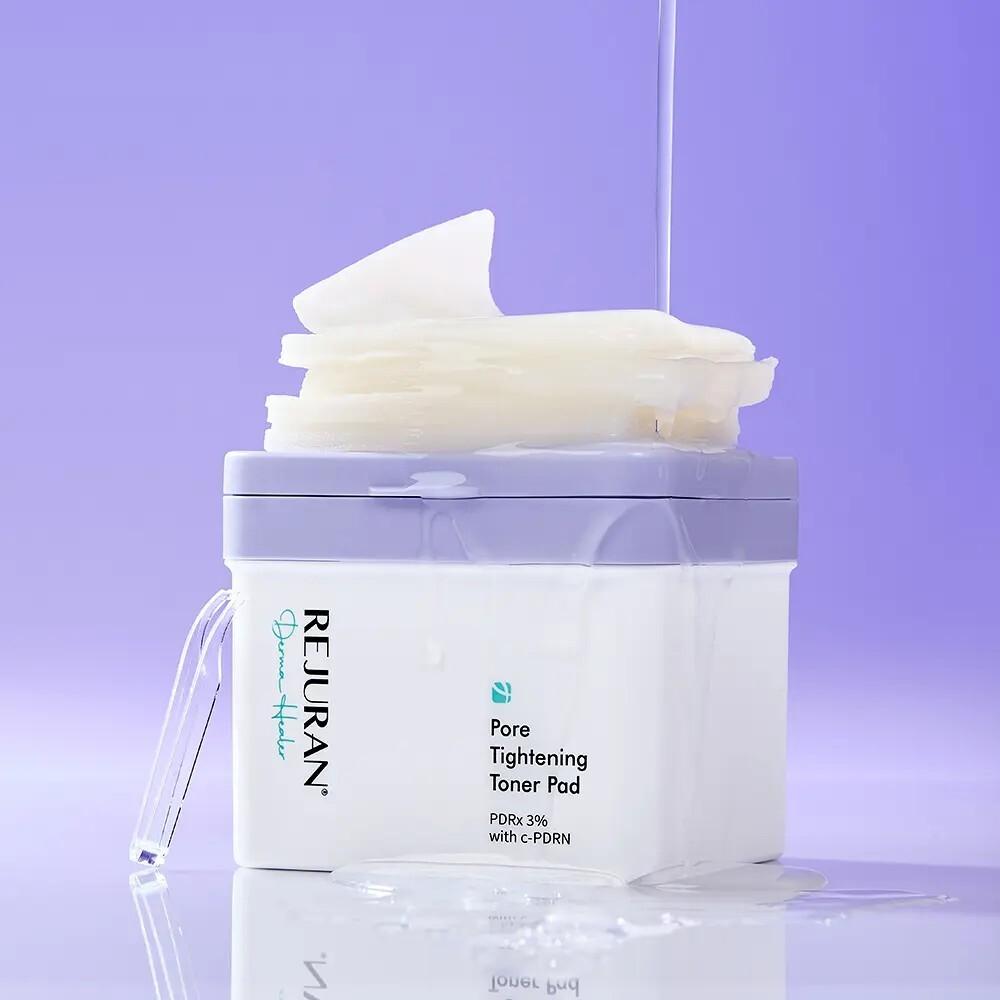
Derma Healer Pore Tightening Toner Pad 60P Limited Set
Rejuran
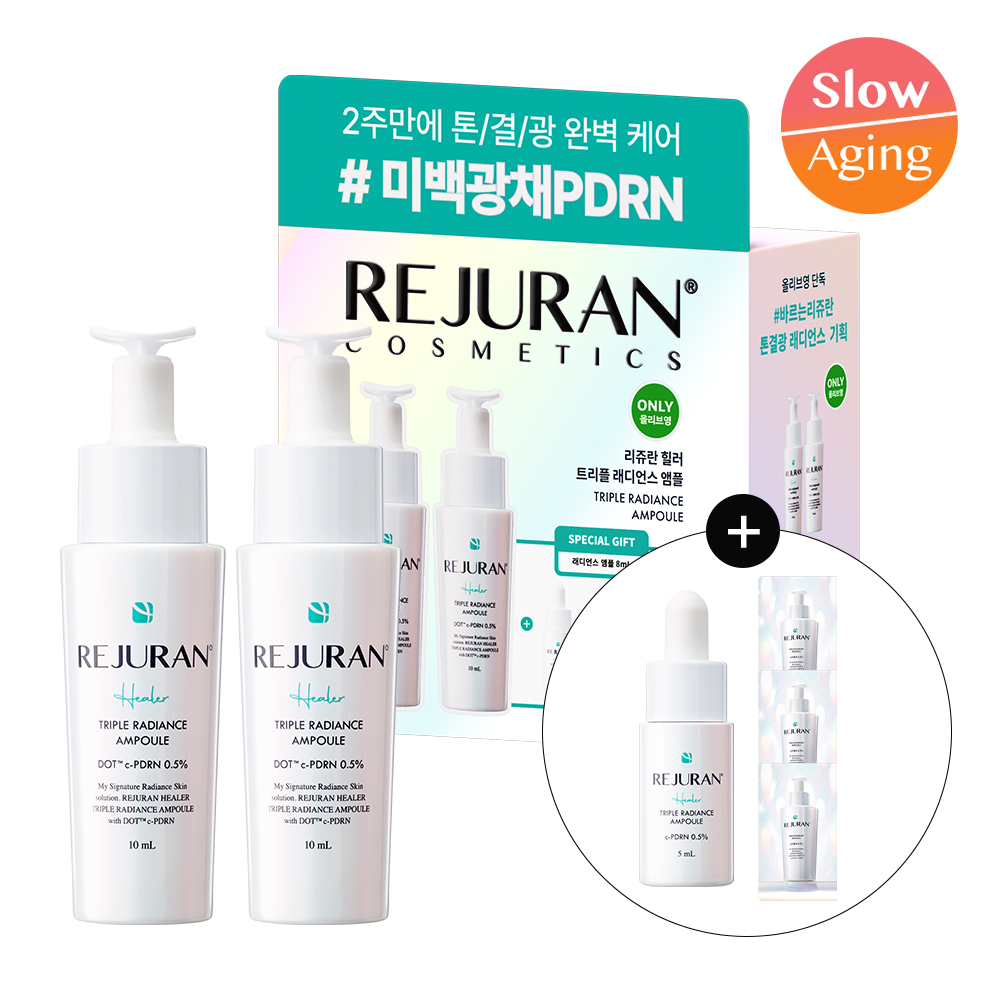
Healer Triple Radiance Ampoule
Rejuran
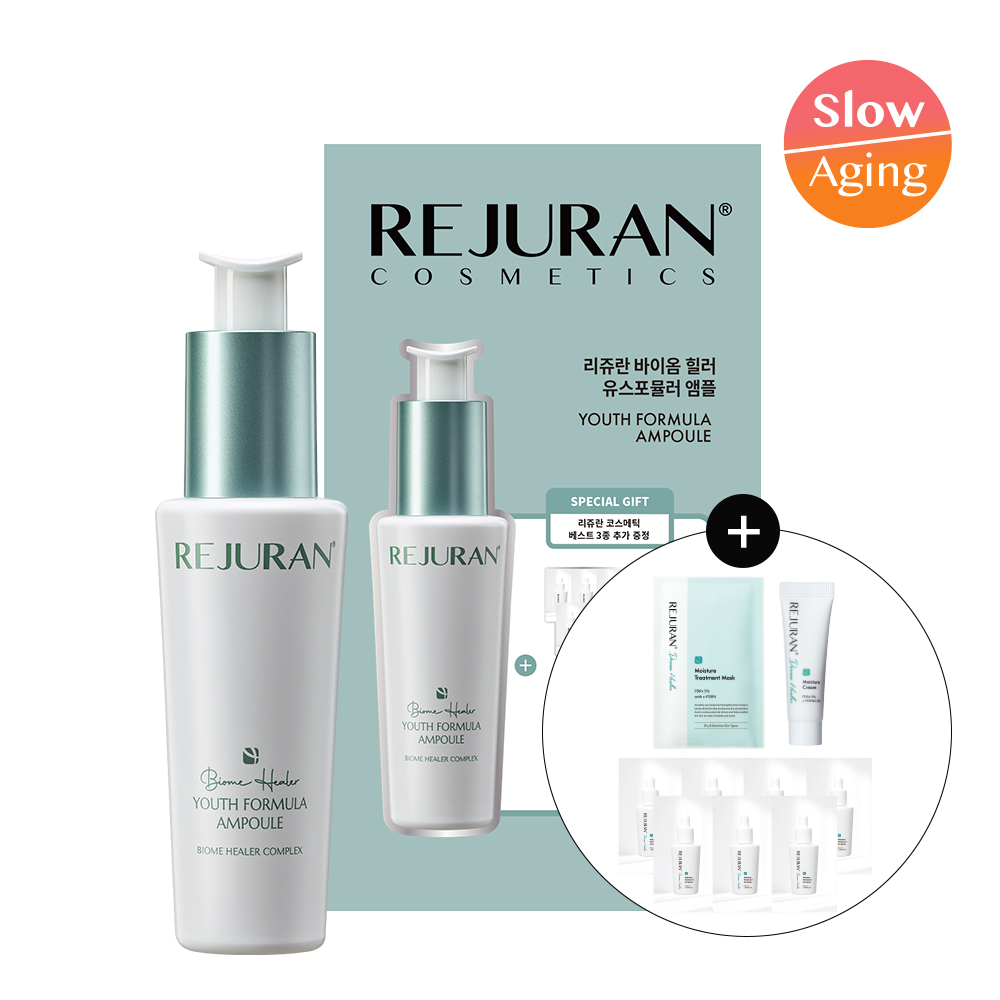
Biome Healer Youth Formula Ampoule
Rejuran
Frequently Asked Questions
Is hydrolyzed DNA actually from salmon sperm?▼
How does hydrolyzed DNA compare to hyaluronic acid for hydration?▼
Can hydrolyzed DNA actually repair my skin's DNA or prevent aging?▼
Why is hydrolyzed DNA so prominent in K-beauty compared to Western skincare?▼
Is hydrolyzed DNA safe to use with other actives like retinol or vitamin C?▼
Explore More
Want personalized ingredient advice?
Yuri, our AI beauty advisor, can tell you how Hydrolyzed DNA works with your specific skin type, routine, and concerns.
Ask Yuri, free