Hydrolyzed Elastin
Humectant and skin conditioning protein
About Hydrolyzed Elastin
Hydrolyzed Elastin is a protein-based ingredient derived from breaking down elastin, the structural protein responsible for skin's ability to snap back after stretching. In K-beauty formulations, it functions primarily as a humectant and skin conditioning agent, attracting moisture to the skin's surface while creating a smooth, supple texture. Unlike collagen, which provides structural support, elastin specifically targets skin elasticity and resilience. The hydrolyzed form means the elastin molecules have been broken down into smaller peptide chains through enzymatic or chemical processes, making them small enough to penetrate the upper layers of skin rather than just sitting on the surface. This ingredient has gained significant traction in Korean skincare, appearing in 111 products on Seoul Sister, particularly in premium anti-aging serums and ampoules that focus on firming and lifting. Its safety rating of 4/5 and non-comedogenic profile (0/5) make it suitable for most skin types, including acne-prone skin. Top-rated K-beauty products featuring hydrolyzed elastin, like Bioheal BOH's Probioderm Collagen Remodeling Serum (5.0/5) and Centellian24's PDRN Firming Boosting Ampoule (5.0/5), often pair it with other peptides and proteins to create comprehensive anti-aging systems that address multiple signs of skin aging simultaneously.
How Hydrolyzed Elastin Works
Hydrolyzed Elastin works through multiple mechanisms at the skin surface and within the stratum corneum. The hydrolysis process breaks elastin's large molecular structure into smaller peptide fragments (typically 500-3000 Daltons), which can penetrate the outer skin barrier. Once absorbed, these peptides act as humectants by binding water molecules to the skin, increasing hydration levels and creating a plumping effect that temporarily reduces the appearance of fine lines. The amino acid composition of elastin (particularly rich in glycine, valine, alanine, and proline) also provides building blocks that may signal fibroblasts to increase their own elastin production, though this effect is primarily preventative rather than restorative. On the skin's surface, hydrolyzed elastin forms a flexible, breathable film that helps prevent transepidermal water loss (TEWL) while improving skin texture and smoothness. This film also has light-reflecting properties that can contribute to a more radiant appearance. The conditioning effect comes from the protein's ability to fill in microscopic irregularities on the skin surface, creating a smoother canvas. While topical elastin cannot restore deep structural elasticity lost to aging or sun damage, it provides measurable surface-level benefits in hydration, texture, and temporary firmness.
Hydrolyzed Elastin by Skin Type
Oily Skin
Hydrolyzed Elastin can benefit oily skin by providing lightweight hydration without adding heaviness or greasiness. Its non-comedogenic rating (0/5) means it won't clog pores or trigger breakouts, making it safe for acne-prone individuals. The protein forms a breathable film that conditions skin without the occlusive feeling that oily skin types often want to avoid.
Dry Skin
This ingredient is particularly beneficial for dry skin types, functioning as an effective humectant that draws moisture into the skin and helps maintain hydration levels throughout the day. The film-forming properties create a protective barrier that reduces water loss, addressing one of the primary concerns for dry skin. Products like Medicube's PDRN Pink Collagen Glow Jelly Mist Serum (4.8/5) leverage hydrolyzed elastin to deliver both immediate and lasting moisture.
Combo Skin
Combination skin can use hydrolyzed elastin across the entire face without concern, as it provides balanced hydration that adapts to different zones. The lightweight texture won't overwhelm oily T-zones while still delivering sufficient moisture to drier cheek areas. Its versatility makes it ideal for the varied needs of combination skin.
Sensitive Skin
With a safety rating of 4/5, hydrolyzed elastin is generally well-tolerated by sensitive skin. The protein is non-irritating for most people and provides soothing, conditioning benefits without common sensitizers. However, individuals with specific protein allergies should patch test, as with any new ingredient, particularly if they have reactions to marine or animal-derived ingredients.
Normal Skin
Normal skin types can use hydrolyzed elastin as a preventative anti-aging ingredient that maintains skin's elasticity and hydration balance. It provides subtle but consistent benefits in texture improvement and moisture retention without disrupting the skin's already-healthy equilibrium. Products like Bioheal BOH's Probioderm Collagen Remodeling Serum (5.0/5) showcase how this ingredient enhances already-healthy skin.
How to Use Hydrolyzed Elastin
- 1Apply products containing hydrolyzed elastin to damp skin for enhanced absorption, as the peptides bind more effectively to hydrated skin surfaces.
- 2Layer elastin-based serums before heavier creams or oils to ensure the smaller peptide molecules can penetrate before being blocked by occlusive ingredients.
- 3Use consistently for at least 4-6 weeks to see cumulative benefits in skin texture and hydration, as protein-based ingredients work gradually rather than delivering instant transformation.
- 4Pair with vitamin C or niacinamide in your routine to support your skin's natural collagen and elastin synthesis for comprehensive anti-aging benefits.
- 5Store products with hydrolyzed elastin away from direct sunlight and heat, as protein-based ingredients can degrade with excessive temperature fluctuations.
Background
Elastin has been used in Western skincare since the 1970s, but K-beauty brands have refined its application through advanced hydrolysis techniques that create more effective peptide sizes. The ingredient originally gained attention in dermatology research when scientists observed that skin's elasticity decline correlates directly with elastin degradation, which accelerates after age 25. Korean skincare manufacturers, known for their biotechnology innovation, began incorporating hydrolyzed elastin into anti-aging formulations in the early 2000s, often pairing it with other proteins like collagen and silk peptides for synergistic effects. The rise of "glass skin" and "bouncy skin" trends in K-beauty during the 2010s further popularized elastin-based products, as consumers sought ingredients that could deliver that coveted plump, resilient texture. Today, hydrolyzed elastin appears primarily in premium serums and ampoules, positioned as a sophisticated anti-aging ingredient that bridges traditional protein science with modern skincare goals.
K-Beauty Products with Hydrolyzed Elastin
View all 125 →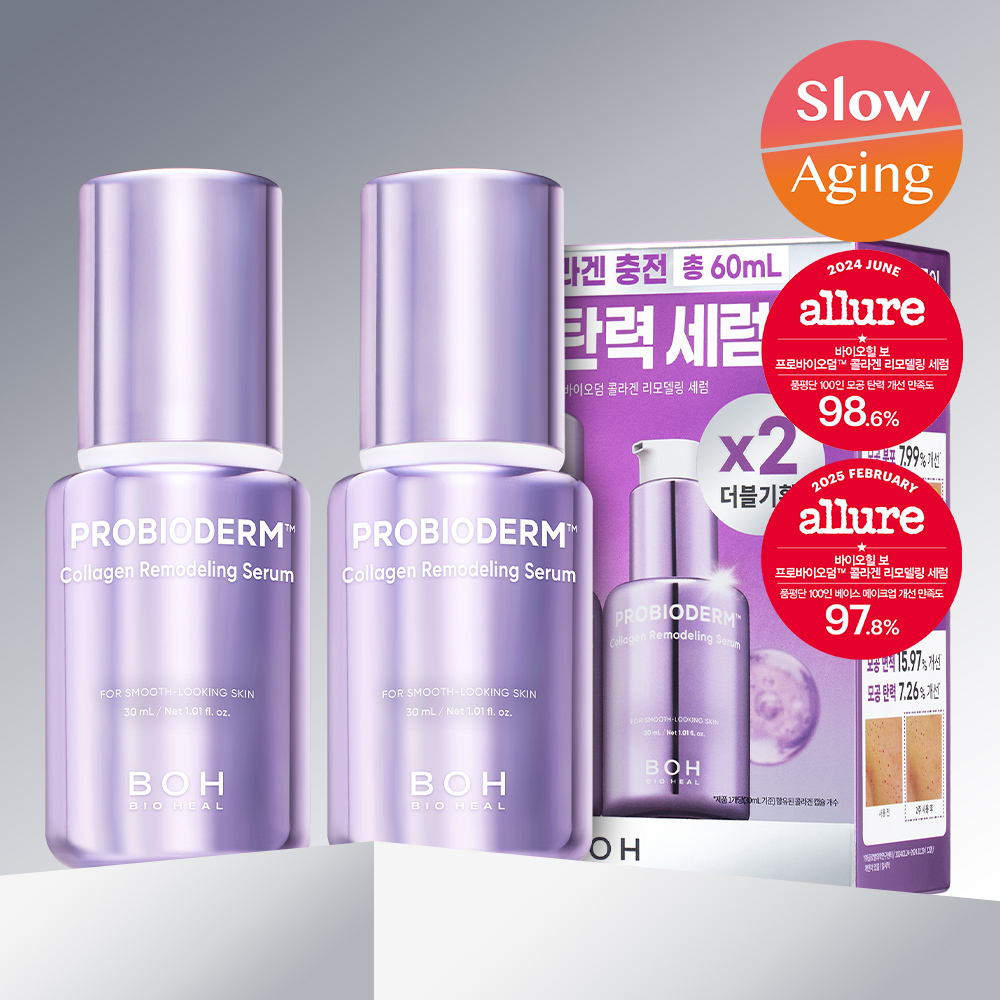
Probioderm Collagen Remodeling Serum
Bioheal BOH
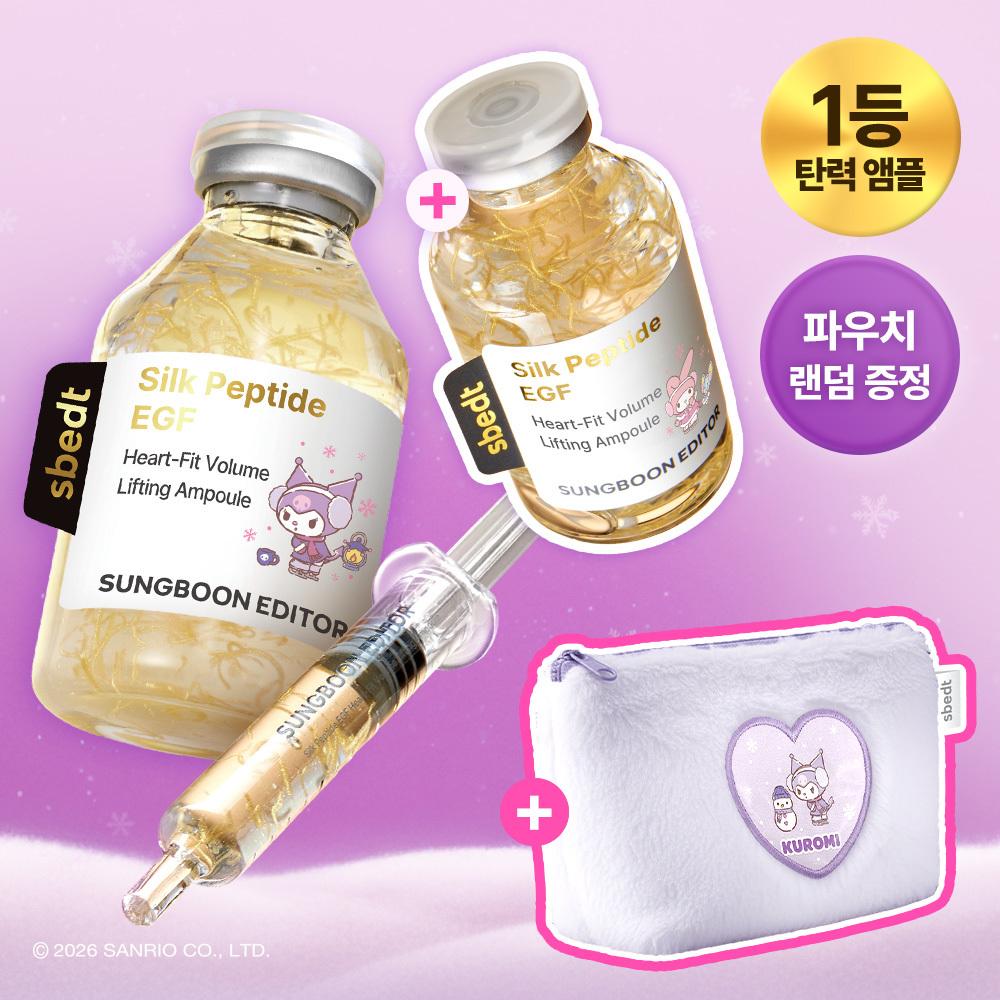
Silk Peptide EGF Heart Fit Volume Lifting Ampoule Double Pack
Sungboon Editor
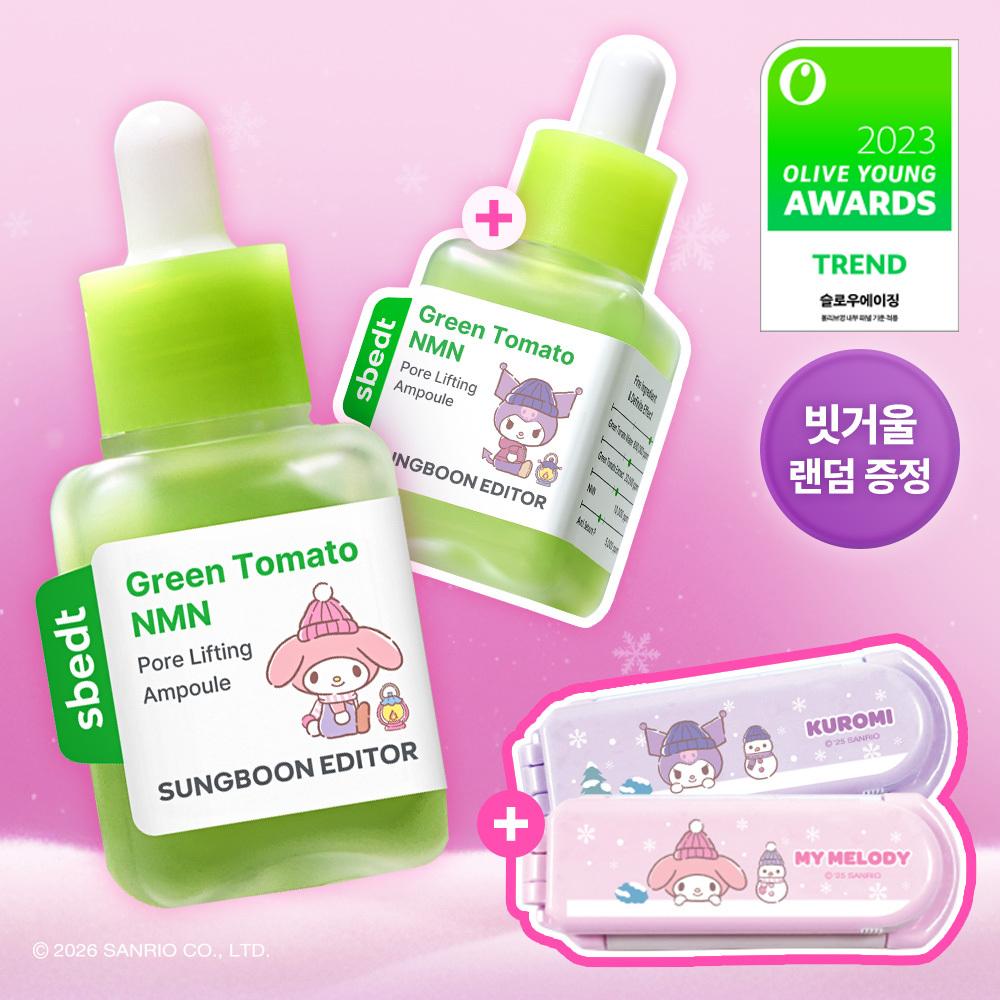
Green Tomato NMN Pore Lifting Ampoule
Sungboon Editor
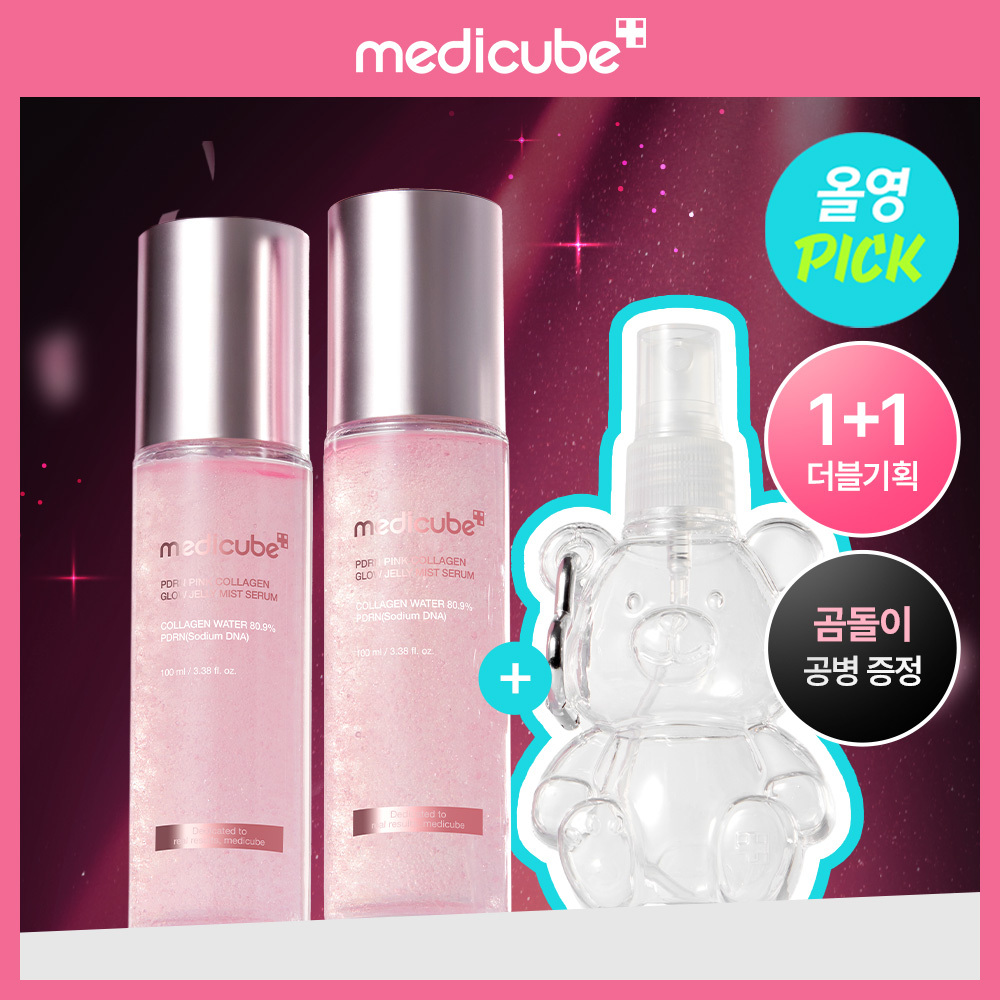
PDRN Pink Collagen Glow Jelly Mist Serum
Medicube
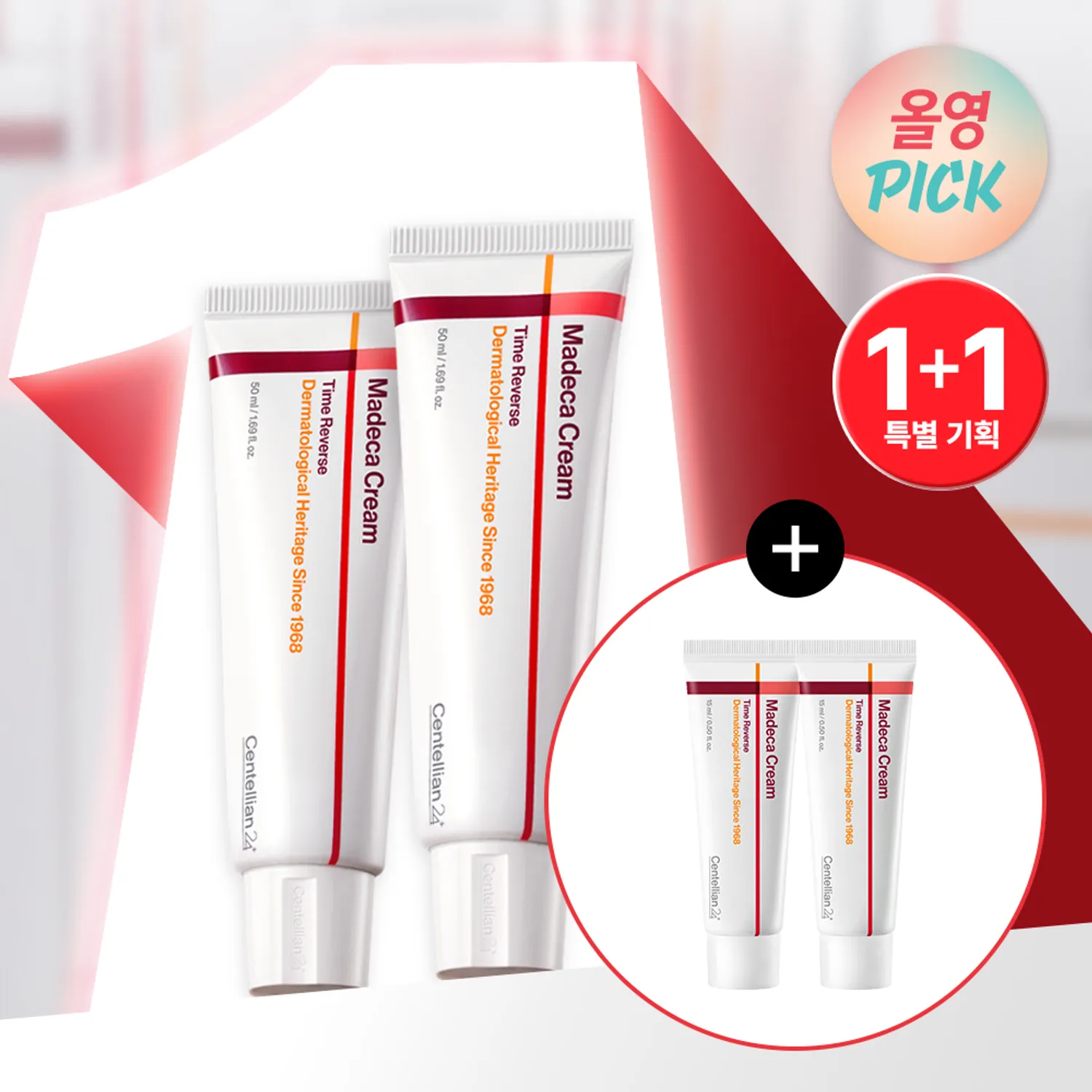
Madeca Cream Time Reverse Double Pack
Centellian24

PDRN Reedle Shot Eye Lifter
VT
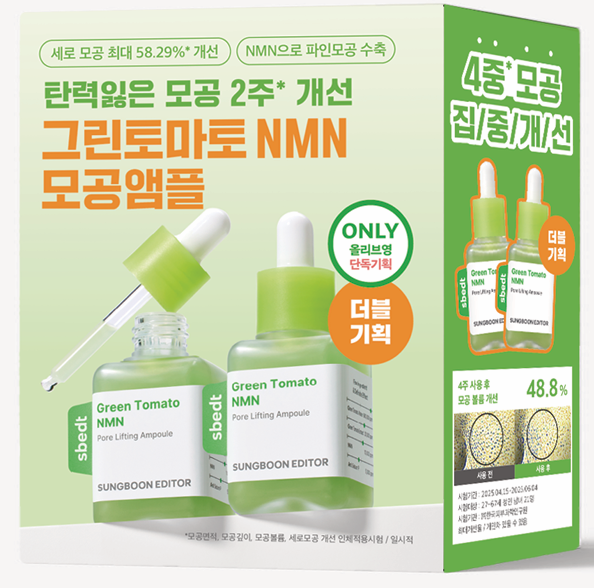
Green Tomato NMN Pore Lifting Ampoule Double Pack
Sungboon Editor
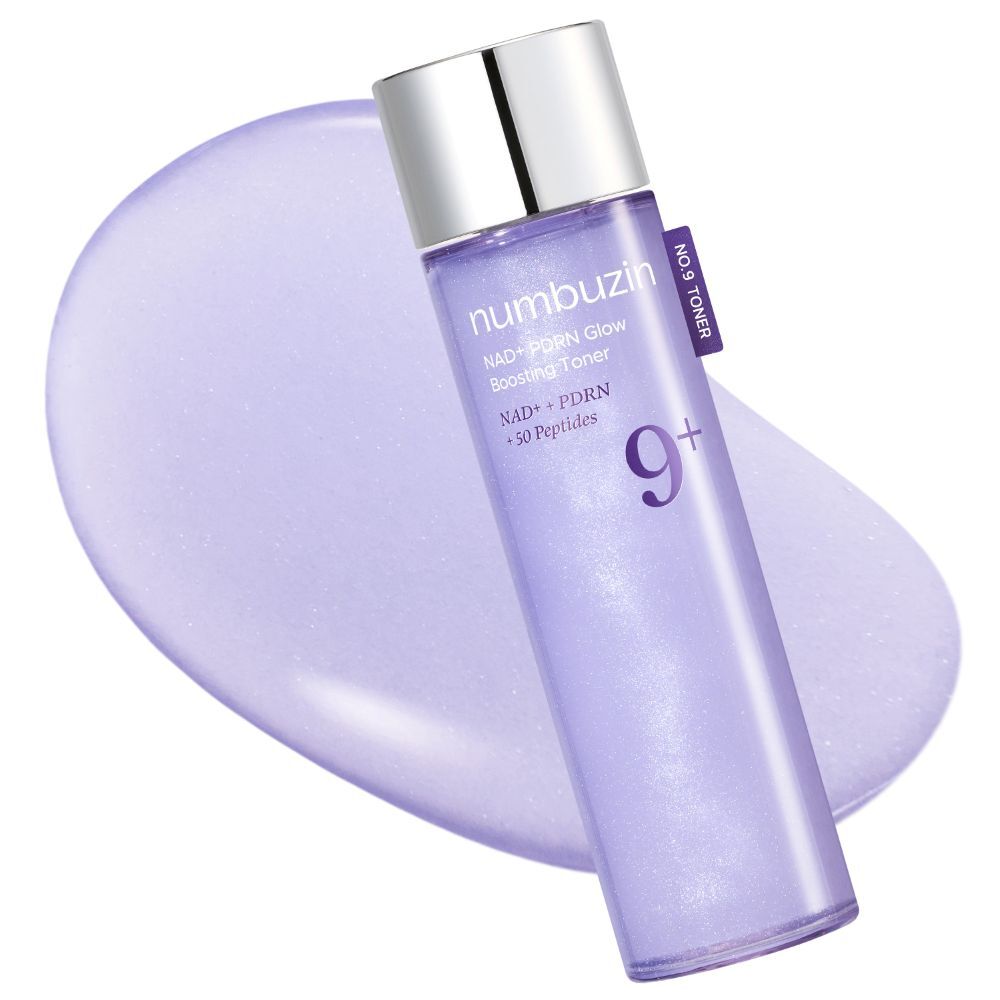
No. 9 NAD PDRN Glow Treatment Toner
Numbuzin

Retino Collagen Low Molecular 300 Guasha Neck Cream
CKD
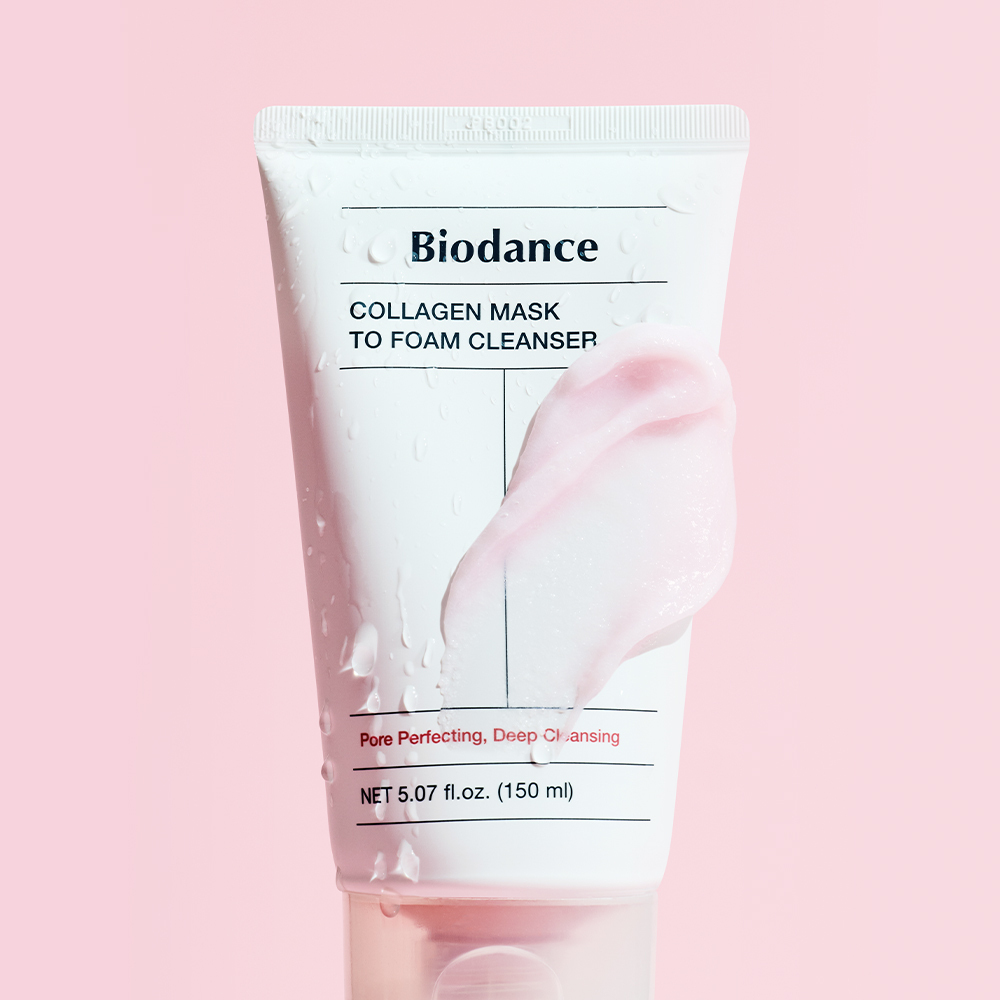
Collagen Mask To Foam Cleanser
Biodance
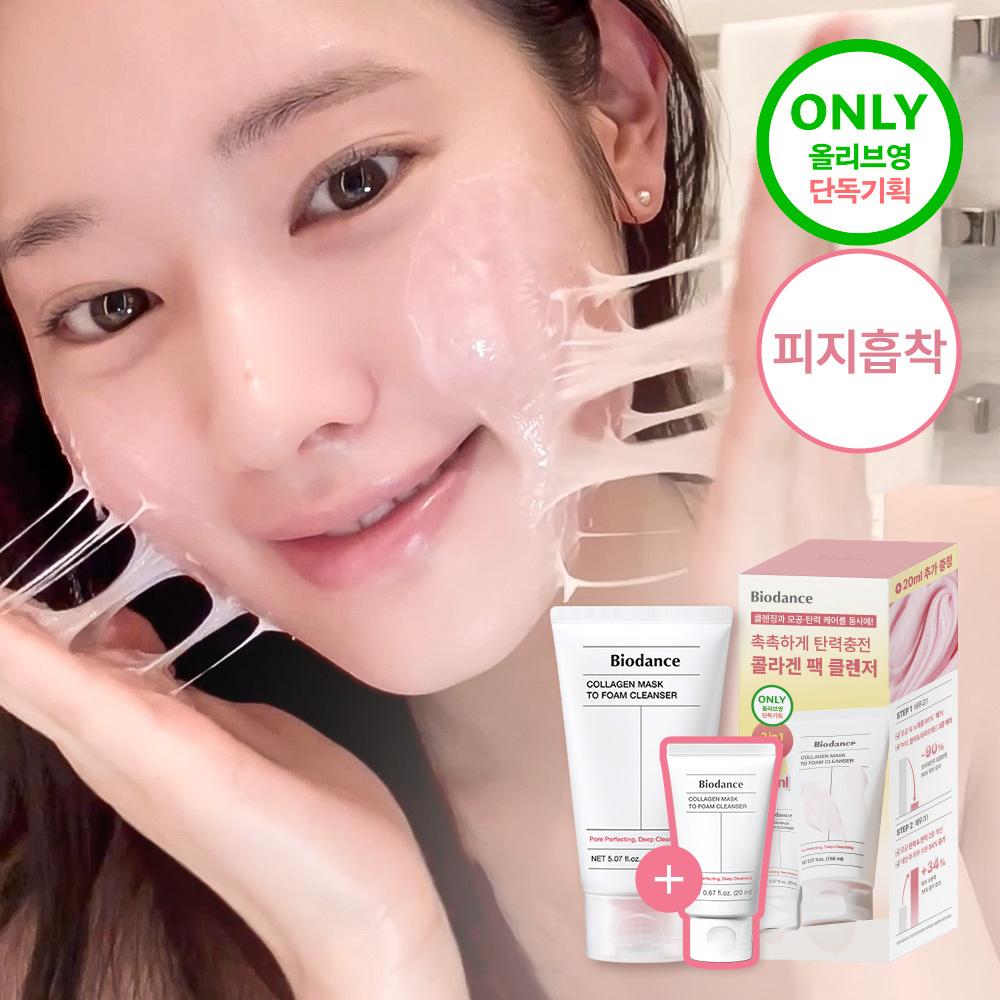
Collagen Mask To Foam Cleanser Set
Biodance
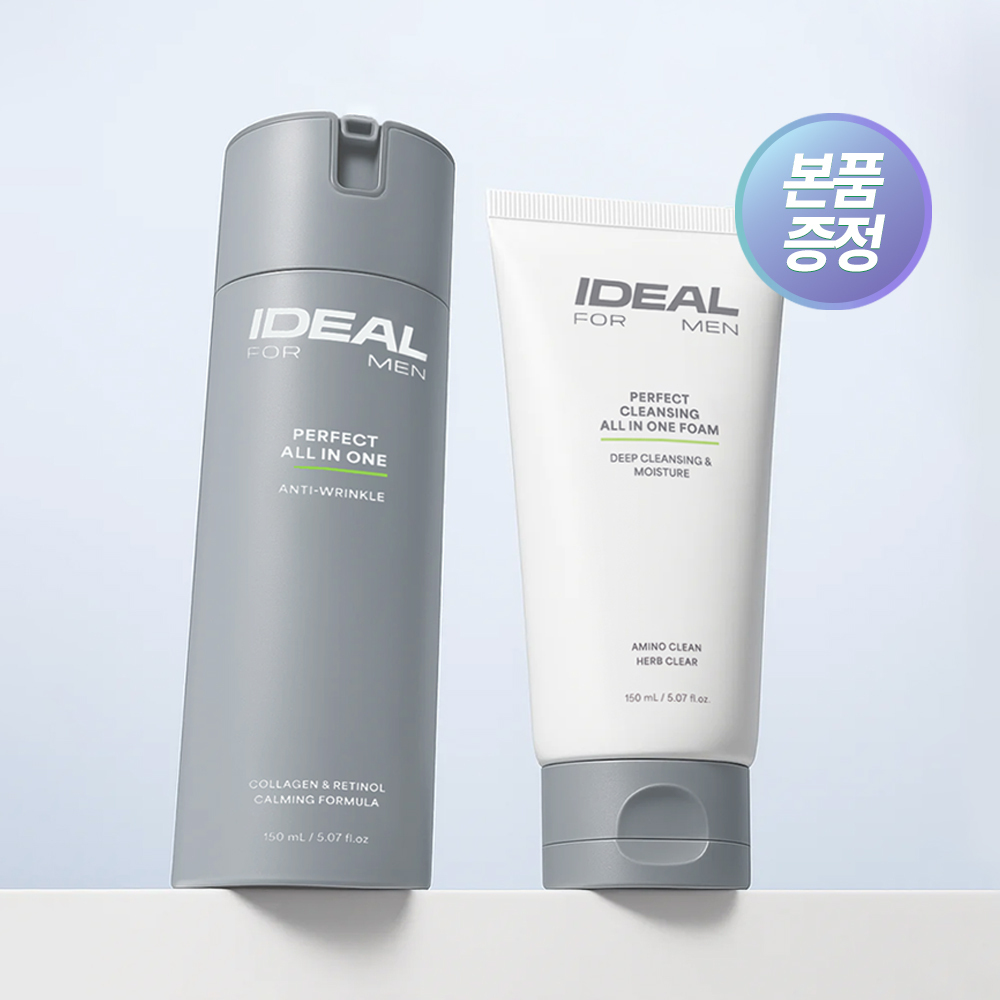
Perfect All In One Set
Ideal for Men
Frequently Asked Questions
Can hydrolyzed elastin actually restore lost skin elasticity?▼
Is hydrolyzed elastin better than collagen for anti-aging?▼
Where does hydrolyzed elastin come from?▼
Can I use hydrolyzed elastin if I have acne-prone skin?▼
How long does it take to see results from hydrolyzed elastin?▼
Explore More
Want personalized ingredient advice?
Yuri, our AI beauty advisor, can tell you how Hydrolyzed Elastin works with your specific skin type, routine, and concerns.
Ask Yuri, free