Hydrolyzed Extensin
Plant protein for skin conditioning and film-forming
About Hydrolyzed Extensin
Hydrolyzed Extensin is a plant-derived protein fragment that acts as a sophisticated skin conditioning agent and film-former in K-beauty formulations. Extensins are structural proteins found in plant cell walls, particularly abundant in carrots, soybeans, and other botanicals. When hydrolyzed (broken down into smaller peptide chains), they become bioavailable to skin, where they create a protective, breathable film while delivering hydration and strengthening the skin barrier. This ingredient has gained traction in K-beauty for its dual functionality: it conditions skin like traditional proteins while forming an invisible mesh that helps lock in moisture without heaviness. With a comedogenic rating of 0/5, it's suitable for all skin types, including acne-prone and sensitive complexions. Found in 67 products on Seoul Sister, including top-rated formulations like Hanyul's Red Rice Moisture Firming Essence + Cream Set and Anua's Sea Grape Pore Lifting Retinol Ampoule (both rated 5.0/5), Hydrolyzed Extensin represents K-beauty's commitment to biomimetic ingredients that work with skin's natural processes rather than against them.
How Hydrolyzed Extensin Works
At the molecular level, Hydrolyzed Extensin consists of short peptide chains rich in hydroxyproline and serine amino acids. When applied topically, these peptides interact with the skin's natural moisture barrier through hydrogen bonding and electrostatic attraction. The hydroxyproline content mimics structural components in human skin's extracellular matrix, signaling to fibroblasts (cells that produce collagen) that support is available, which may help maintain skin firmness over time. The film-forming properties come from the protein's ability to cross-link on the skin surface, creating a flexible, breathable mesh that reduces transepidermal water loss without occlusion. This mesh allows oxygen exchange while preventing moisture evaporation, similar to how plant cell walls regulate hydration in botanical tissues. Additionally, the amino acid profile provides direct humectant benefits, with serine residues attracting and binding water molecules to the skin surface, enhancing immediate and sustained hydration.
Hydrolyzed Extensin by Skin Type
Oily Skin
Hydrolyzed Extensin is excellent for oily skin because its film-forming properties provide hydration without adding greasiness or clogging pores (comedogenic rating: 0/5). The lightweight protein mesh helps regulate moisture balance, which can actually help normalize sebum production over time. Products like Anua's Fountain Water Toner (5.0/5) leverage this ingredient to deliver hydration that oily skin types often avoid.
Dry Skin
This ingredient shines on dry skin by creating a protective barrier that prevents moisture loss throughout the day while delivering amino acids that support barrier repair. The film-forming action works like a second skin, locking in hydration from other products in your routine. The high ratings of products like Hanyul's Red Rice Moisture Firming Essence + Cream Set (5.0/5) reflect how well Hydrolyzed Extensin performs in moisture-focused formulations for dehydrated complexions.
Combo Skin
Combination skin benefits from Hydrolyzed Extensin's balanced approach: it hydrates dry zones without overloading oily areas. The non-comedogenic film adapts to different areas of the face, providing barrier support where needed while staying breathable in the T-zone. This versatility explains why it appears in multi-functional products like House of Hur's 3X Capsule Hydro Booster Cream (5.0/5).
Sensitive Skin
With a strong safety rating of 4/5, Hydrolyzed Extensin is generally well-tolerated by sensitive skin. The plant-based protein is less likely to trigger reactions than animal-derived proteins, and its barrier-strengthening properties can actually help reduce sensitivity over time. The protective film also shields compromised skin from environmental irritants, making it a smart choice for reactive complexions.
Normal Skin
Normal skin can use Hydrolyzed Extensin as a preventative measure to maintain barrier health and resilience. The ingredient's conditioning properties enhance skin texture and smoothness without disrupting the skin's natural balance. It works particularly well in essence and cream formulations where it complements other actives without competing for absorption.
How to Use Hydrolyzed Extensin
- 1Layer Hydrolyzed Extensin products after water-based serums but before oils or heavy creams to maximize its film-forming benefits and lock in active ingredients.
- 2Use in your morning routine to create a protective barrier against environmental stressors throughout the day (the film won't interfere with makeup application).
- 3Pair with humectants like hyaluronic acid or glycerin, as the protein film will help trap the water these ingredients attract to your skin.
- 4If using retinol or acids, apply Hydrolyzed Extensin products afterward to help minimize irritation and support barrier recovery, as seen in Anua's Sea Grape Pore Lifting Retinol Ampoule formulation.
Background
Extensins were first identified in plant biology research in the 1960s when scientists studied how plants maintain structural integrity under stress. These glycoproteins were found to be crucial in plant cell wall formation, creating networks that provide both rigidity and flexibility. The cosmetic application emerged in the 1990s when biotechnology advanced enough to hydrolyze these large proteins into skin-compatible peptides. K-beauty brands were among the first to embrace Hydrolyzed Extensin in the early 2010s, recognizing its alignment with the Korean skincare philosophy of biomimetic ingredients that work in harmony with skin. The ingredient gained particular momentum as K-beauty moved away from heavy silicones toward plant-based alternatives that could provide similar sensory benefits with added skin health advantages.
K-Beauty Products with Hydrolyzed Extensin
View all 68 →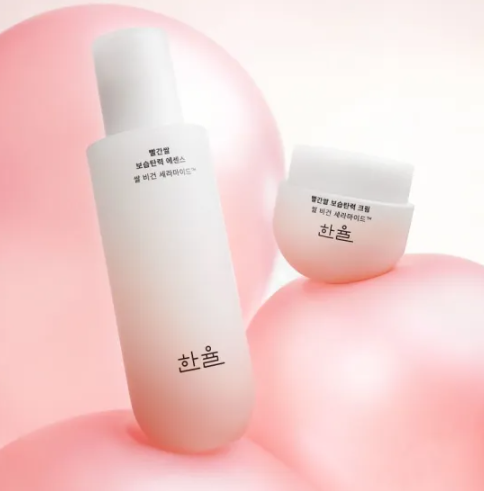
Red Rice Moisture Firming Essence + Cream Set
Hanyul
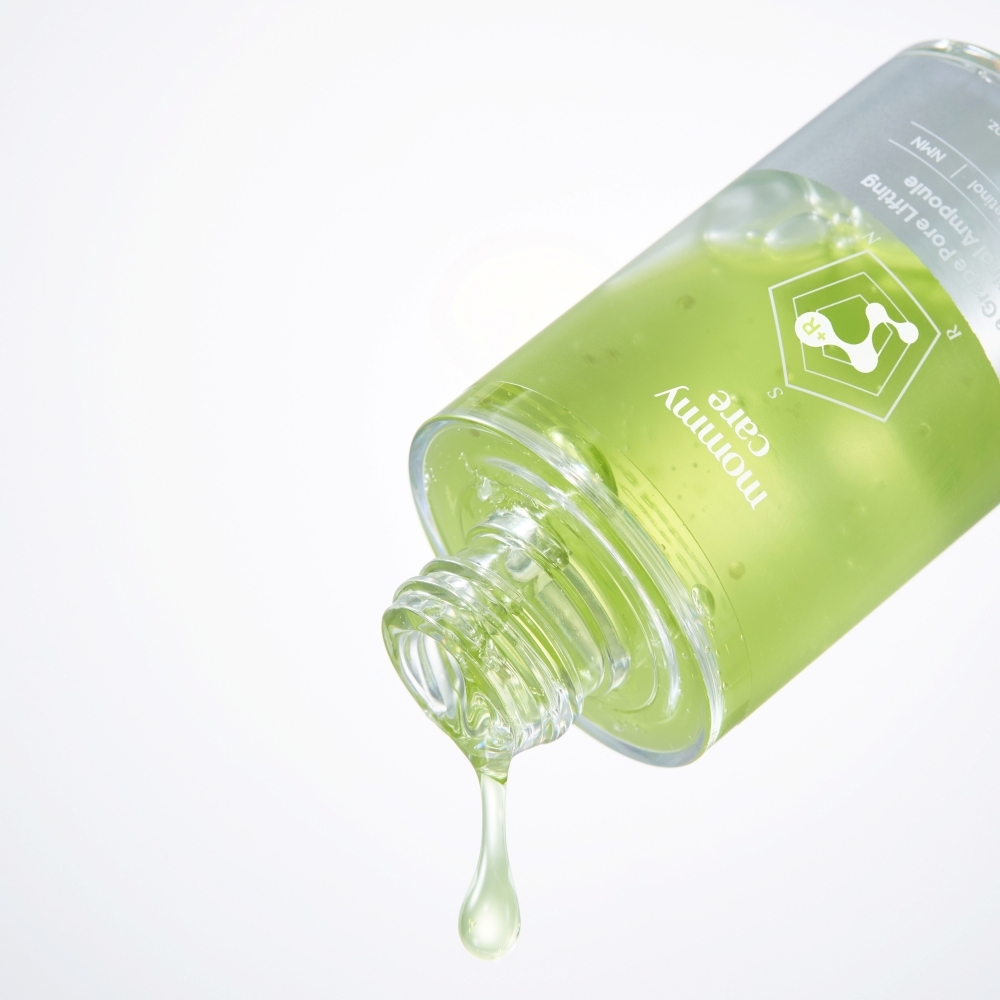
Sea Grape Pore Lifting Retinol Ampoule
Anua
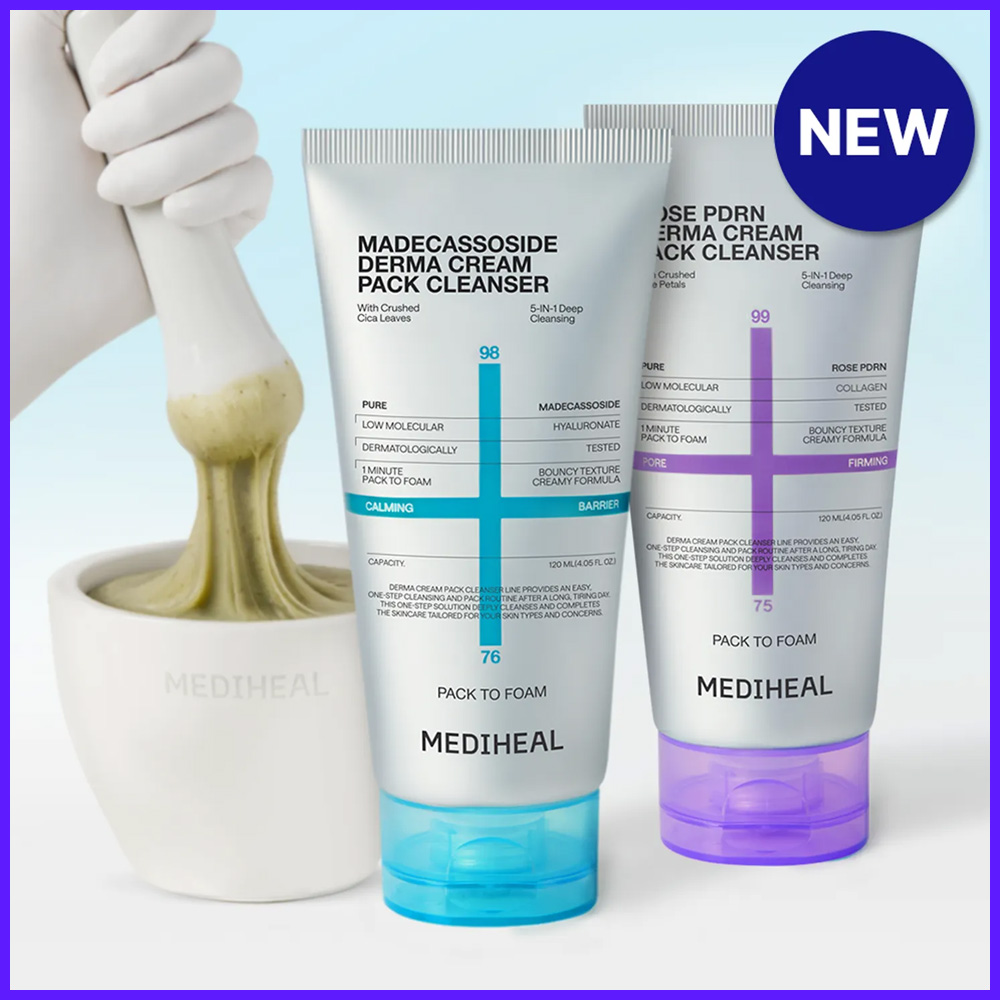
Derma Cream Pack Cleanser
Mediheal
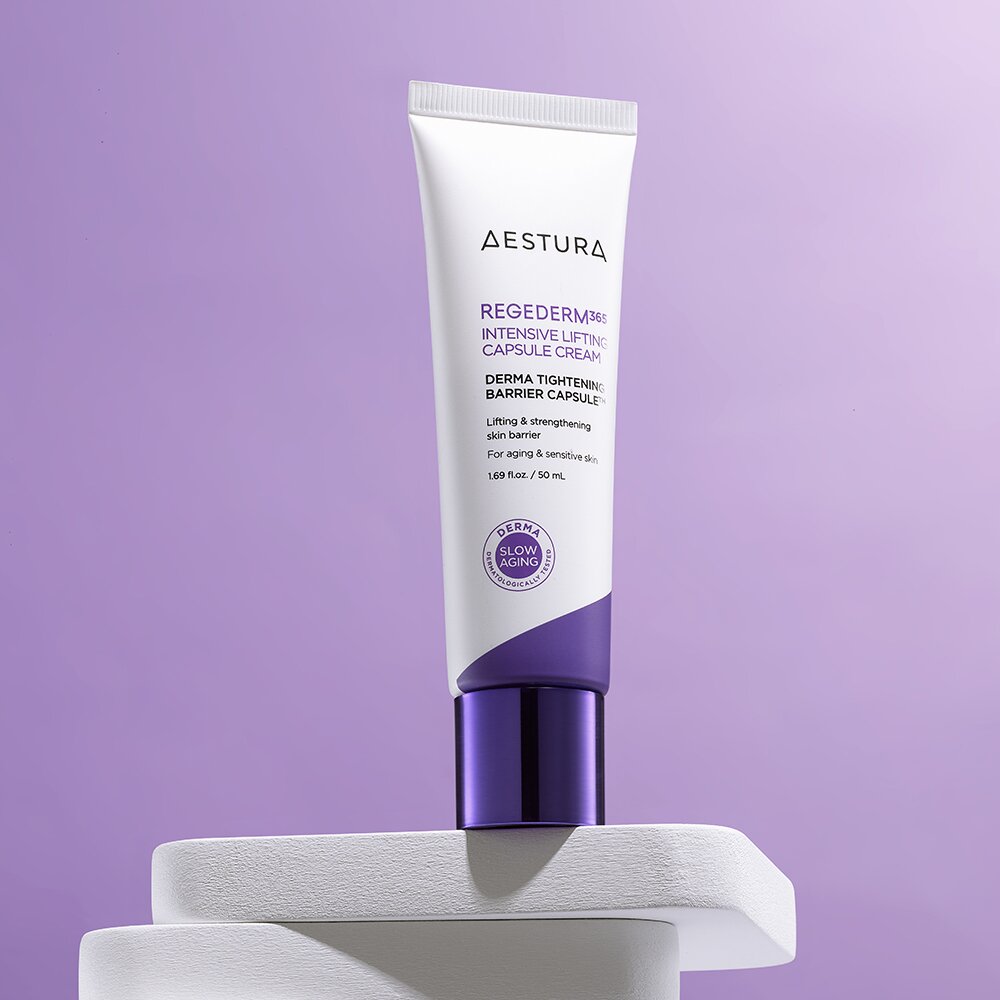
Regederm 365 Intensive Lifting Capsule Cream
Aestura
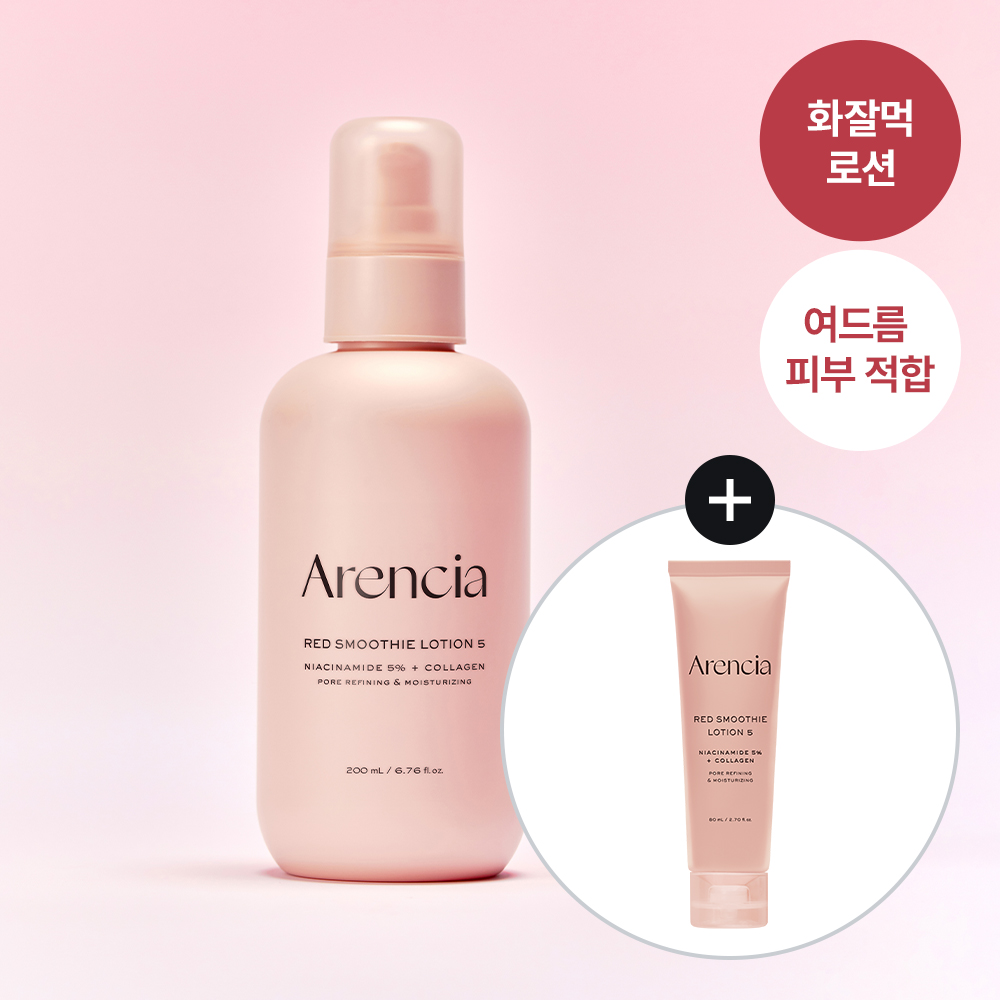
Red Smoothie Lotion 5
Arencia
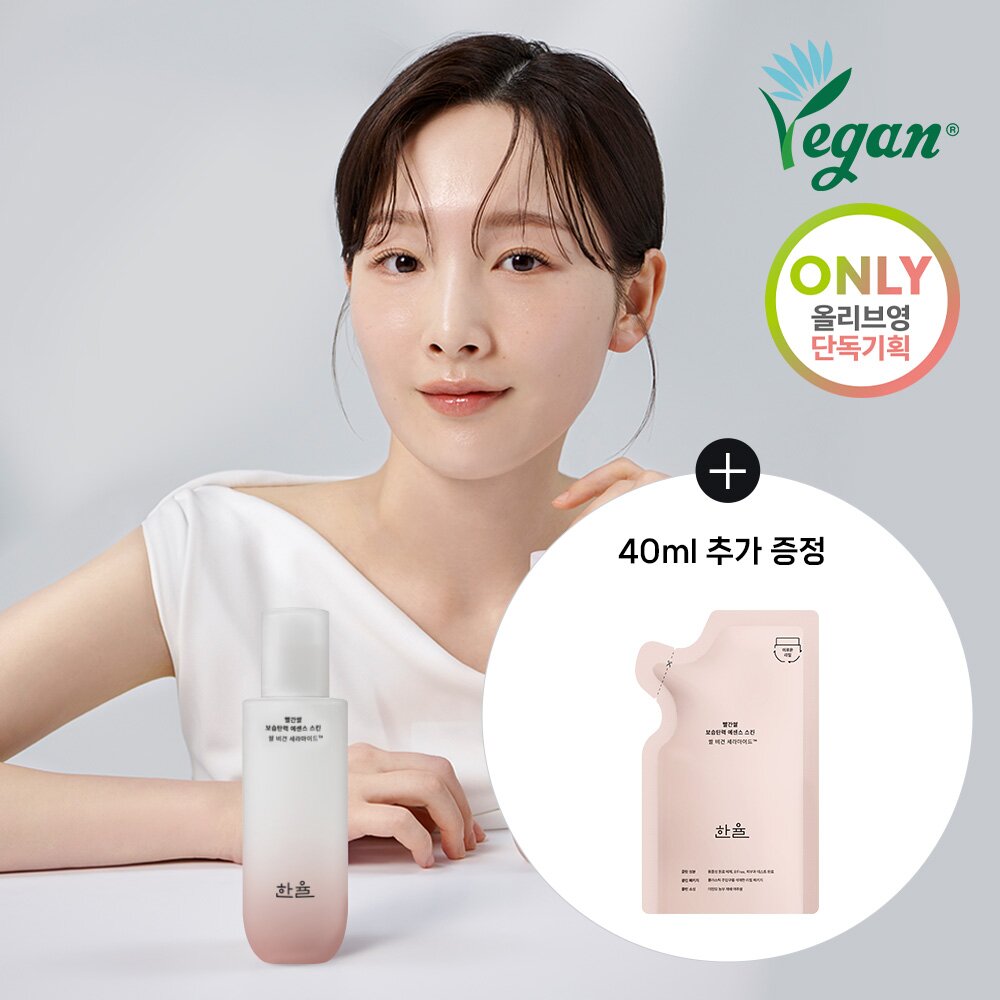
Red Rice Moisture Firming Essence Skin Special Set
Hanyul
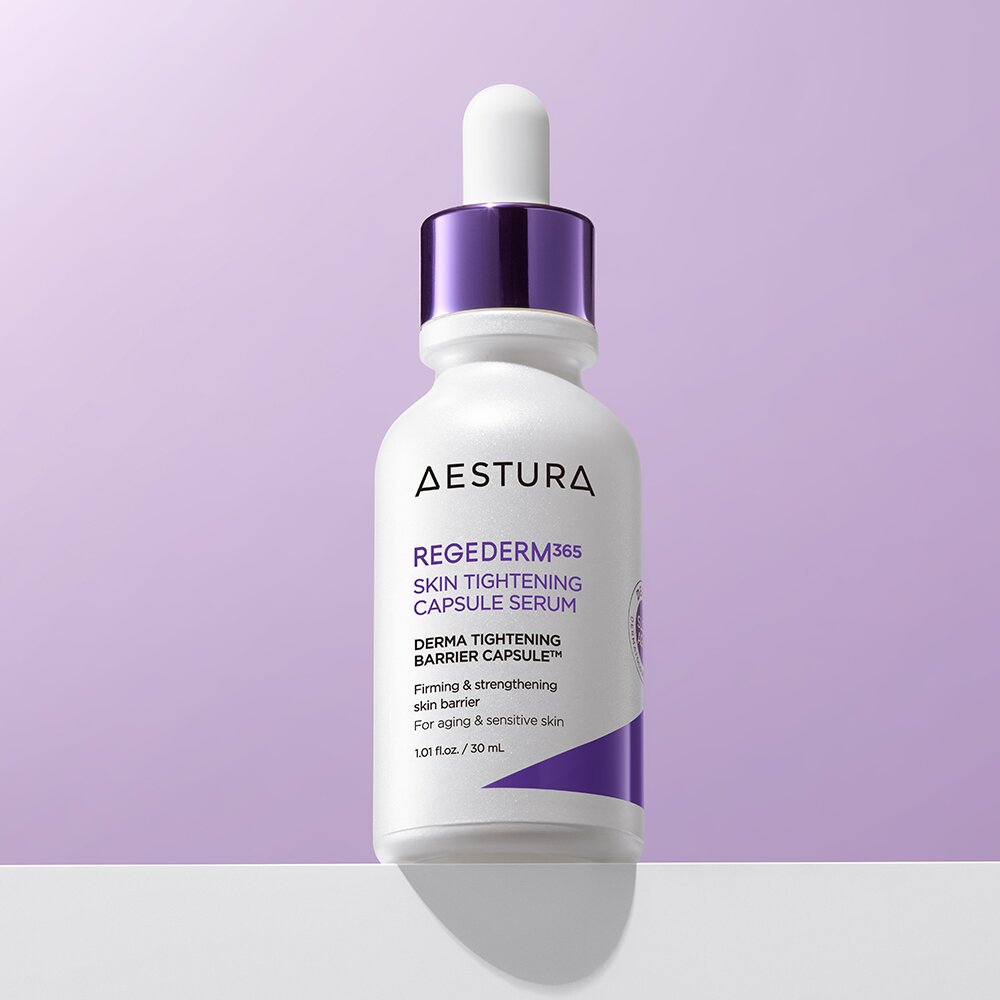
Regederm 365 Skin Tightening Capsule Serum
Aestura
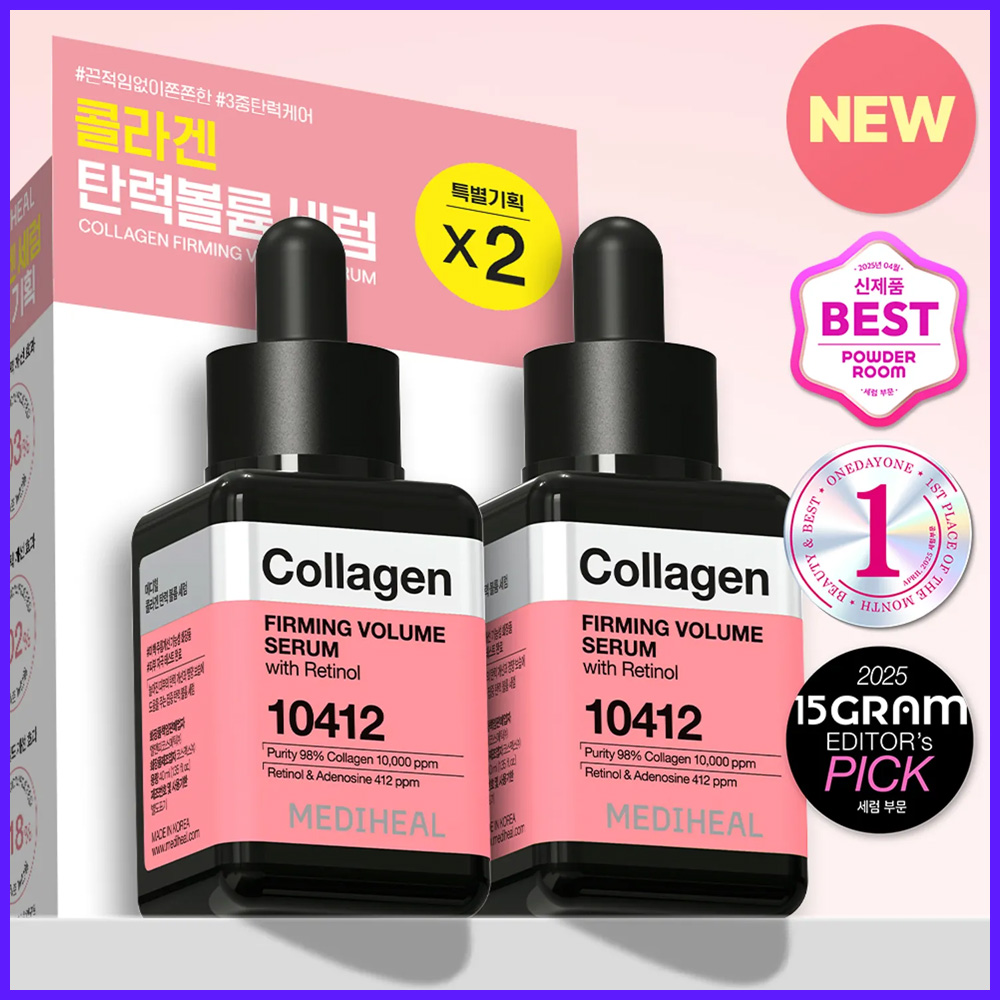
Collagen Firming Volume Serum Double Set
Mediheal
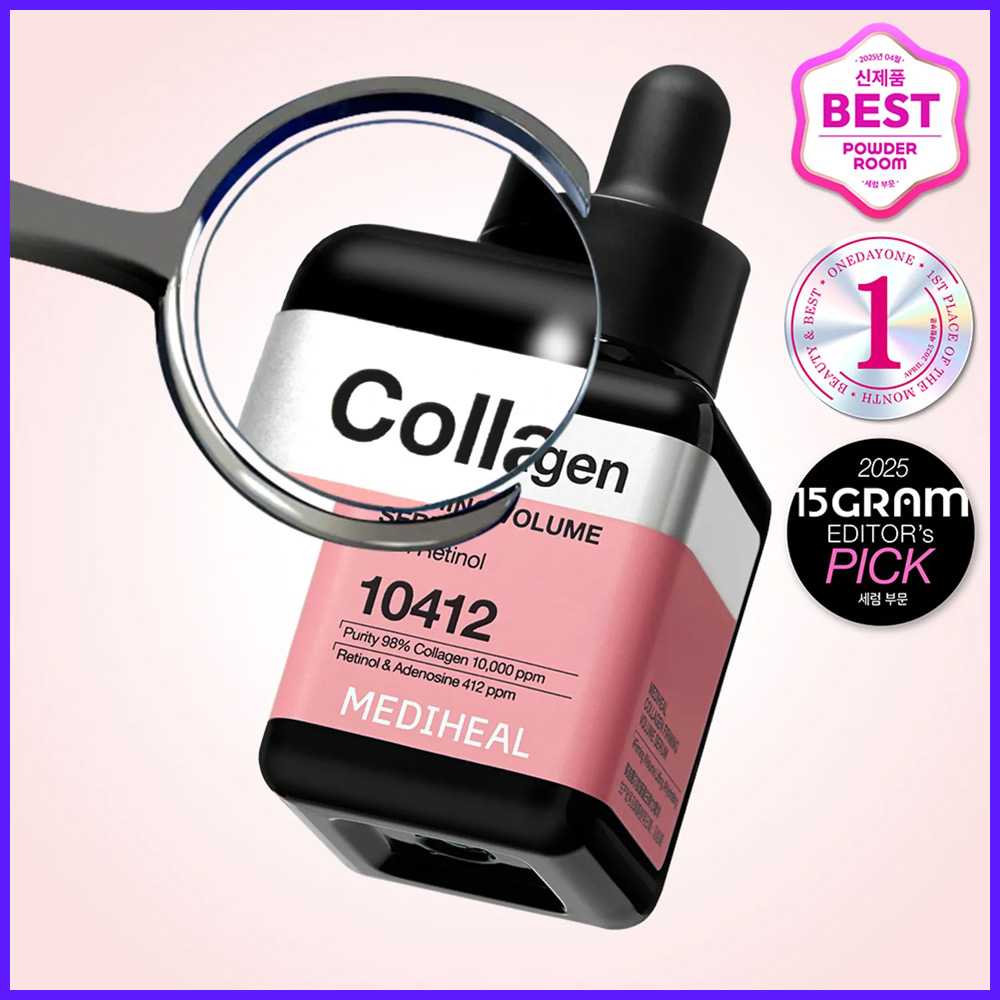
Collagen Firming Volume Serum
Mediheal
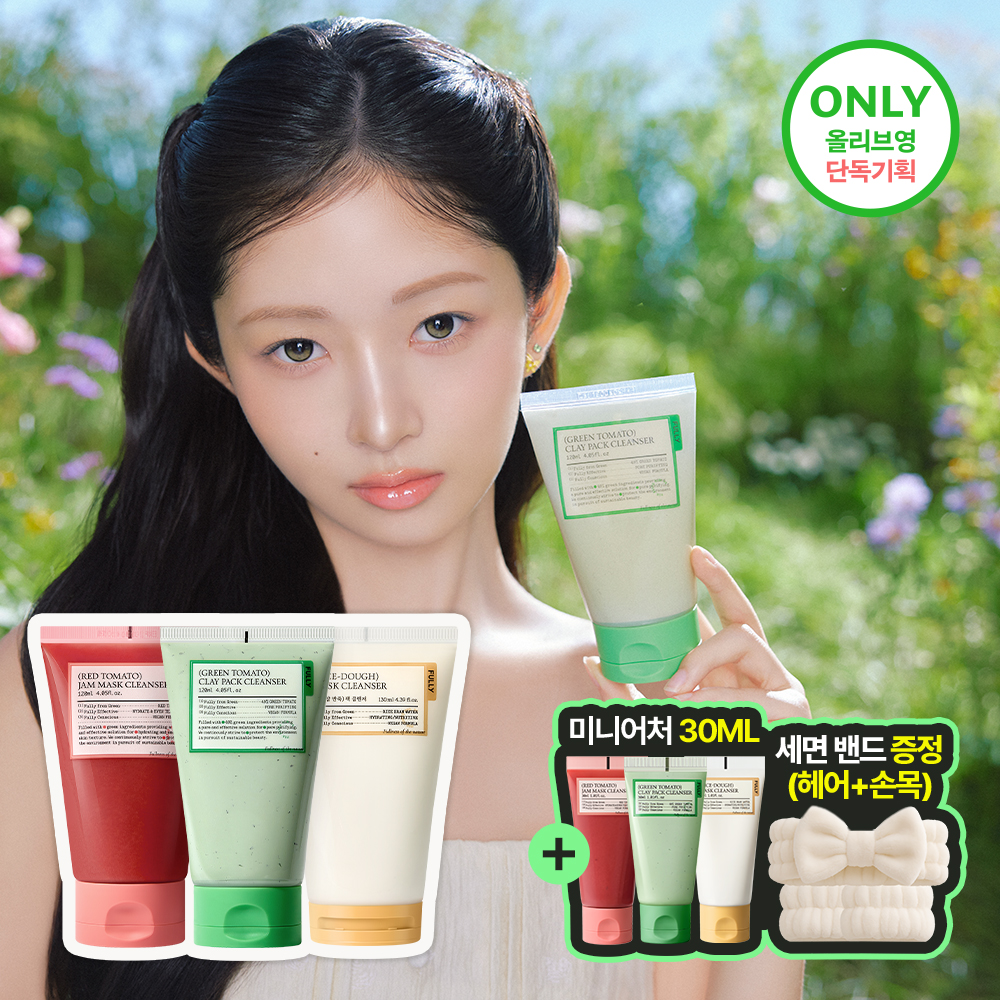
Pack Cleanser Set - Green Tomato / Red Tomato / Rice Dough
Fully
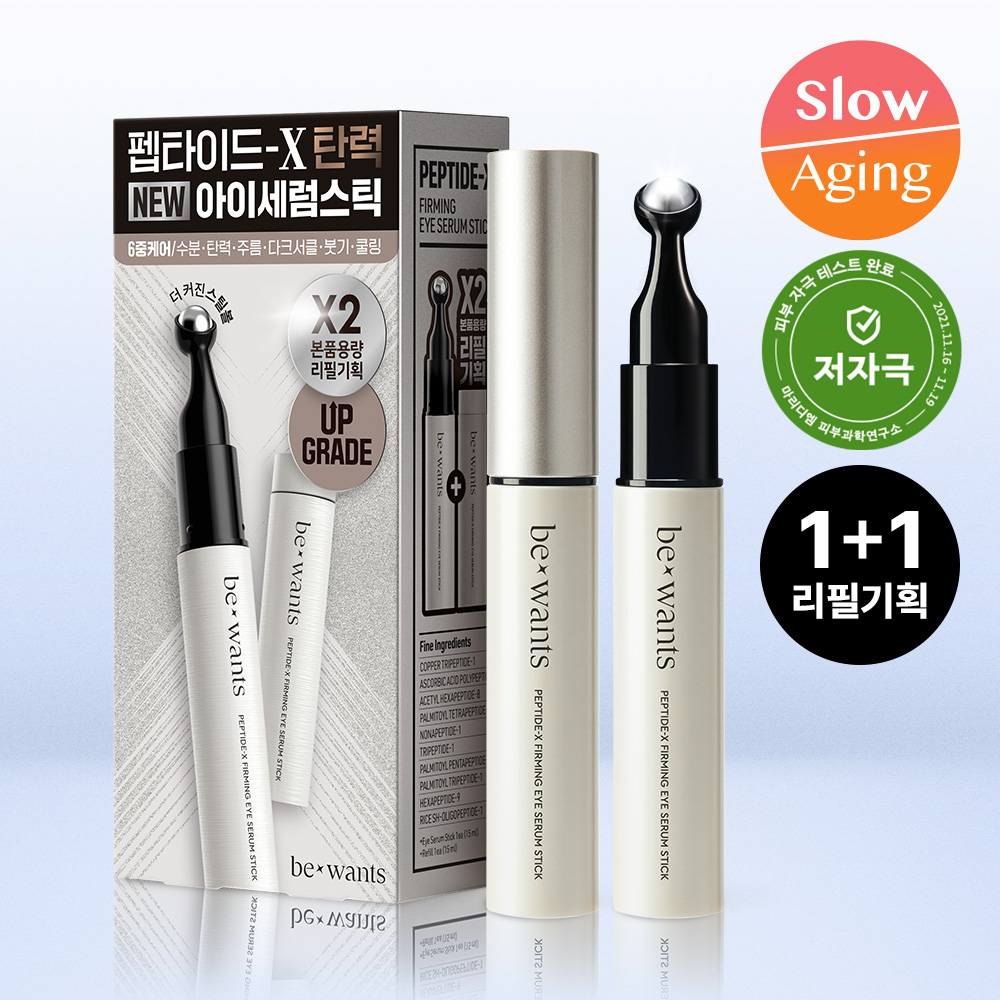
Peptide-X Firming Eye Serum Stick Set
Bewants
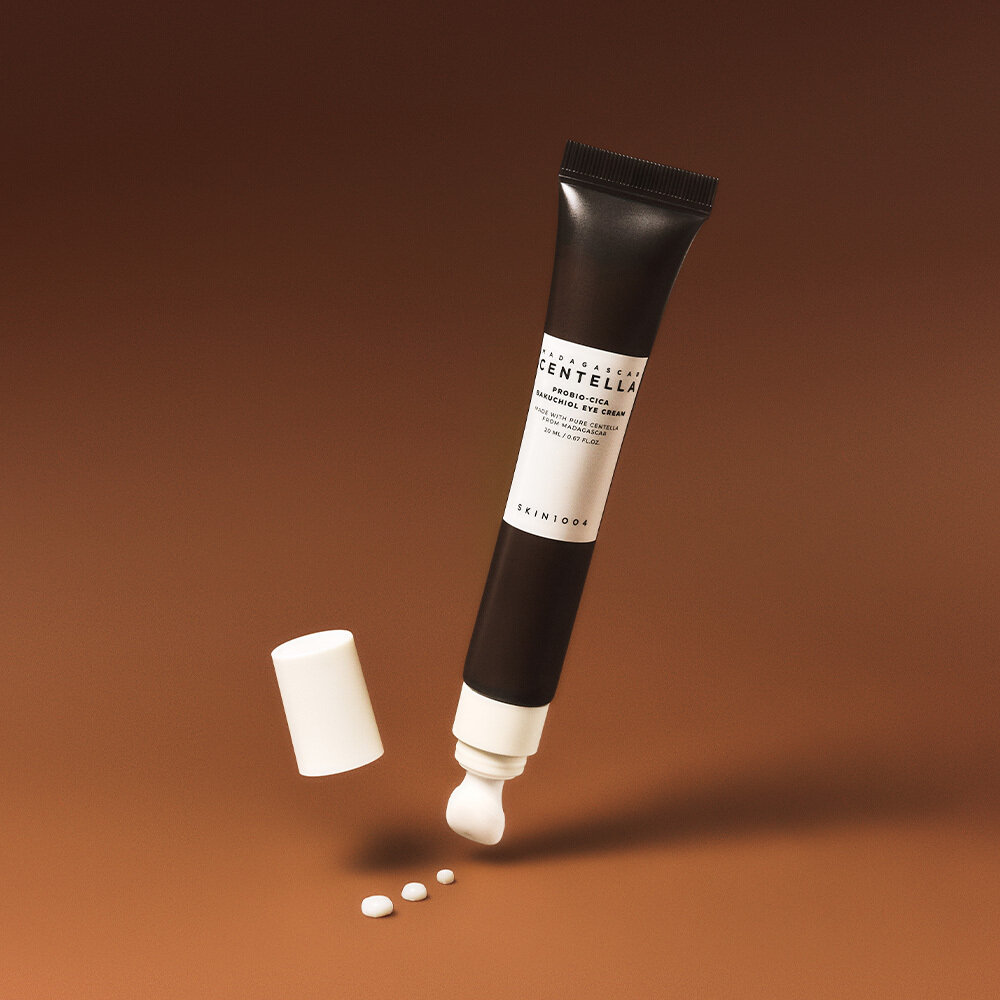
Madagascar Centella Probio-Cica Bakuchiol Eye Cream
SKIN1004
Frequently Asked Questions
Is Hydrolyzed Extensin the same as collagen?▼
Will Hydrolyzed Extensin make my skin feel sticky or heavy?▼
Can I use Hydrolyzed Extensin with vitamin C or niacinamide?▼
How quickly will I see results from Hydrolyzed Extensin?▼
Explore More
Want personalized ingredient advice?
Yuri, our AI beauty advisor, can tell you how Hydrolyzed Extensin works with your specific skin type, routine, and concerns.
Ask Yuri, free