Hydrolyzed Hyaluronic Acid
INCI: Hydrolyzed Glycosaminoglycans
Humectant that deeply hydrates and plumps skin
About Hydrolyzed Hyaluronic Acid
Hydrolyzed Hyaluronic Acid is a next-generation humectant that takes the already impressive moisture-binding capabilities of regular hyaluronic acid and amplifies them through a process called hydrolysis. This process breaks down the large hyaluronic acid molecules into smaller fragments, creating a low molecular weight version that can penetrate deeper into the skin's layers rather than just sitting on the surface. While standard hyaluronic acid forms a moisture barrier on top of your skin, the hydrolyzed version travels down into the epidermis to deliver hydration where it's actually needed most. Each molecule can hold up to 1,000 times its weight in water, making it one of the most efficient hydrators in skincare. In K-beauty formulations, this ingredient appears across 168 products on Seoul Sister, from cleansers like the Green Grape Gelato Pore Pack Cleanser by Redence to intensive treatments like the Silk Peptide EGF Heart Fit Volume Lifting Ampoule by Sungboon Editor. Its popularity in Korean skincare stems from the K-beauty philosophy of layering lightweight hydration rather than relying on heavy creams. With a perfect safety rating of 5/5 and a non-comedogenic rating of 0/5, it's suitable for all skin types without risk of clogging pores or causing irritation.
How Hydrolyzed Hyaluronic Acid Works
At the molecular level, Hydrolyzed Hyaluronic Acid works by attracting and binding water molecules from both the environment and deeper skin layers through its unique glycosaminoglycan structure. The hydrolysis process reduces the molecular weight from around 1,000 kDa (kilodaltons) down to fragments as small as 5-50 kDa, allowing these pieces to slip between skin cells and penetrate the stratum corneum. Once inside, the molecules create a three-dimensional moisture network that holds water in place rather than letting it evaporate. This creates a plumping effect from within, filling in fine lines and improving skin texture at a structural level. The smaller molecular size also triggers fibroblast activity, signaling your skin cells to ramp up their own hyaluronic acid production. This dual action of immediate hydration plus long-term moisture retention makes it more effective than surface-level humectants. Because it pulls moisture from the air and deeper tissue layers, it works continuously throughout the day to maintain optimal hydration levels in the epidermis.
Hydrolyzed Hyaluronic Acid by Skin Type
Oily Skin
Oily skin benefits significantly from Hydrolyzed Hyaluronic Acid because it provides weightless hydration without adding oils or heaviness that can trigger excess sebum production. The deep penetration means your skin feels satisfied and balanced, often reducing the overproduction of oil that happens when skin is dehydrated. Its presence in top-rated cleansers like the Aqua Gentle Cleansing Gel by Rovectin shows how it can hydrate even during the cleansing process.
Dry Skin
This is where Hydrolyzed Hyaluronic Acid truly shines. Dry skin lacks both water and the ability to retain it, and this ingredient addresses both issues by delivering moisture deep into the dermis and creating a reservoir that lasts. The smaller molecules work synergistically with surface-level humectants, creating multiple layers of hydration that prevent the tight, flaky feeling common with dry skin types.
Combo Skin
Combination skin gets the best of both worlds with this ingredient since it hydrates dry zones without overloading oily areas. The lightweight, water-based nature means it absorbs quickly into cheeks and temples that need moisture while not sitting heavily on the T-zone. Products like the Green Tea Fresh Cleanser by Isntree incorporate it to maintain balance across different facial zones.
Sensitive Skin
The perfect 5/5 safety rating isn't just marketing. Hydrolyzed Hyaluronic Acid is naturally found in human skin, making it biocompatible and extremely unlikely to cause reactions. Sensitive skin types can use it daily without worrying about irritation, redness, or inflammation. Its presence in gentle formulations like the Dew Soap by Beplain demonstrates its suitability for reactive skin.
Normal Skin
Even balanced skin benefits from the preventative hydration that Hydrolyzed Hyaluronic Acid provides. It maintains the skin's optimal moisture levels, preventing the environmental damage and premature aging that comes from daily dehydration. Normal skin can use it morning and night as part of a maintenance routine to keep skin looking plump and healthy.
How to Use Hydrolyzed Hyaluronic Acid
- 1Apply Hydrolyzed Hyaluronic Acid products to damp skin right after cleansing. The ingredient needs water to bind to, so misting your face first or applying while still slightly wet maximizes its effectiveness.
- 2Layer it under moisturizer rather than using it alone. While it draws moisture in, you need an occlusive layer on top to prevent that water from evaporating back out, especially in dry climates or air-conditioned environments.
- 3Use it both morning and night for cumulative benefits. The deep penetration means it works over time to improve your skin's moisture retention capacity, not just provide a temporary fix.
- 4In humid climates, you can use it more liberally since it will pull moisture from the air. In dry environments, be more conservative and always seal it with a cream to prevent it from pulling water out of your skin instead.
Background
Hyaluronic acid was first isolated in 1934 from the vitreous humor of cow eyes by scientists Karl Meyer and John Palmer, but the hydrolyzed version came much later as skincare technology advanced. The hydrolysis process was developed in the 1990s when cosmetic chemists realized that regular hyaluronic acid, while effective, was too large to penetrate the skin barrier. Korean skincare brands were early adopters of this technology, incorporating it into essences and serums as part of the multi-step routine that became globally popular in the 2010s. The ingredient aligns perfectly with K-beauty's focus on hydration as the foundation of healthy skin, rather than the Western emphasis on anti-aging actives. Today, it appears in everything from cleansers to sleeping masks, with Korean labs continuing to refine the molecular weights and combinations for targeted effects.
K-Beauty Products with Hydrolyzed Hyaluronic Acid
View all 175 →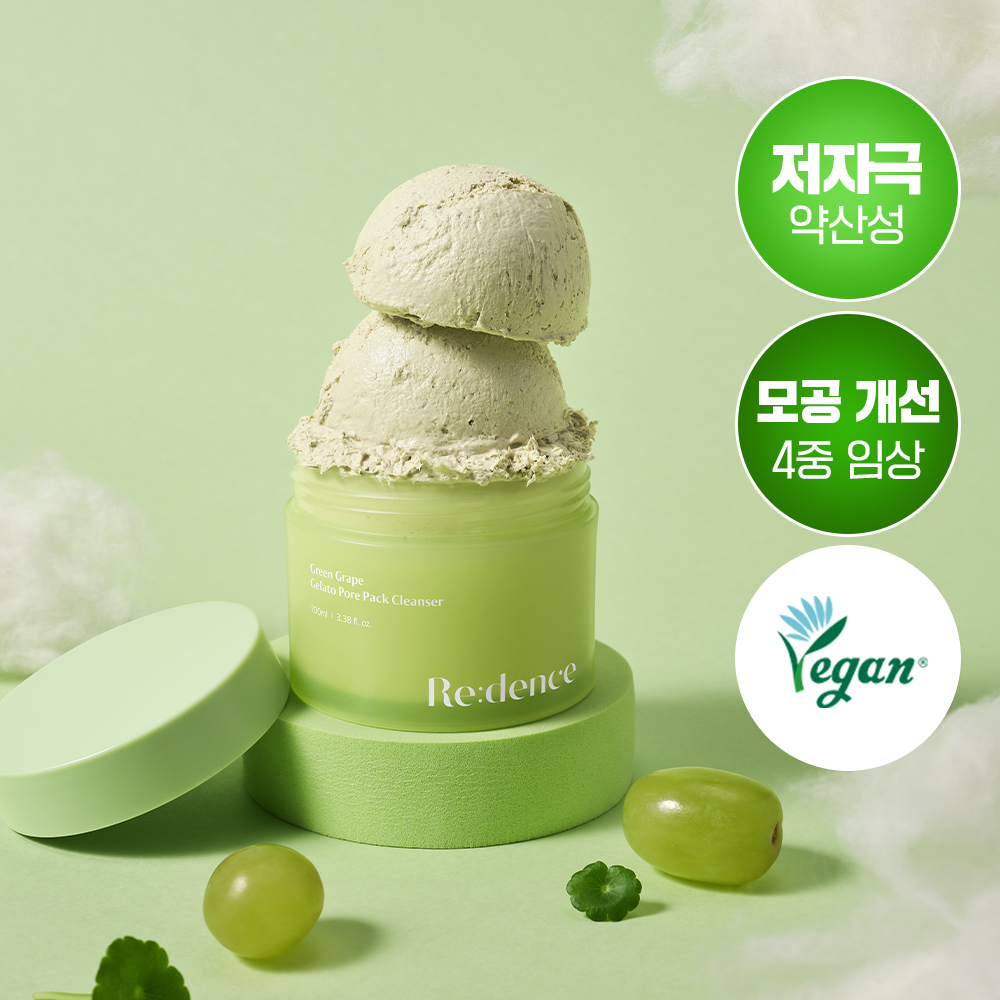
Green Grape Gelato Pore Pack Cleanser
Redence

Dew Soap
Beplain
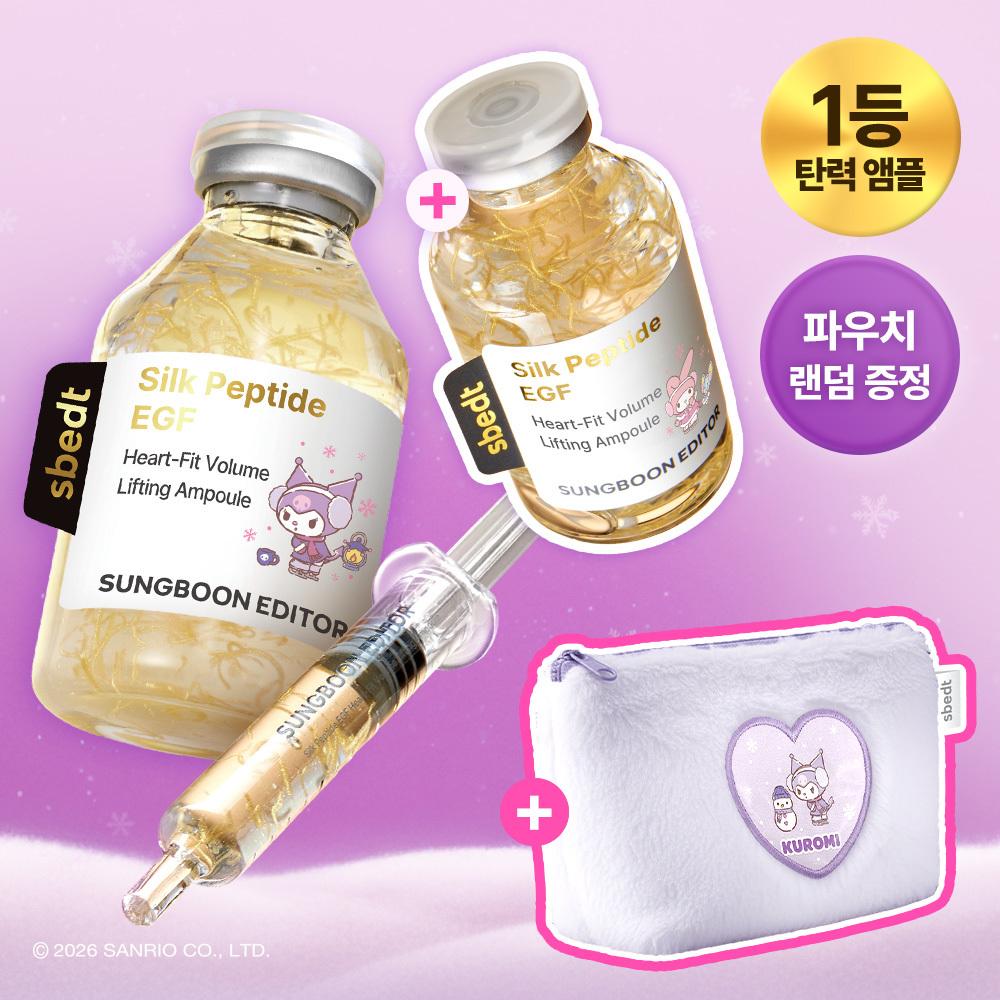
Silk Peptide EGF Heart Fit Volume Lifting Ampoule Double Pack
Sungboon Editor
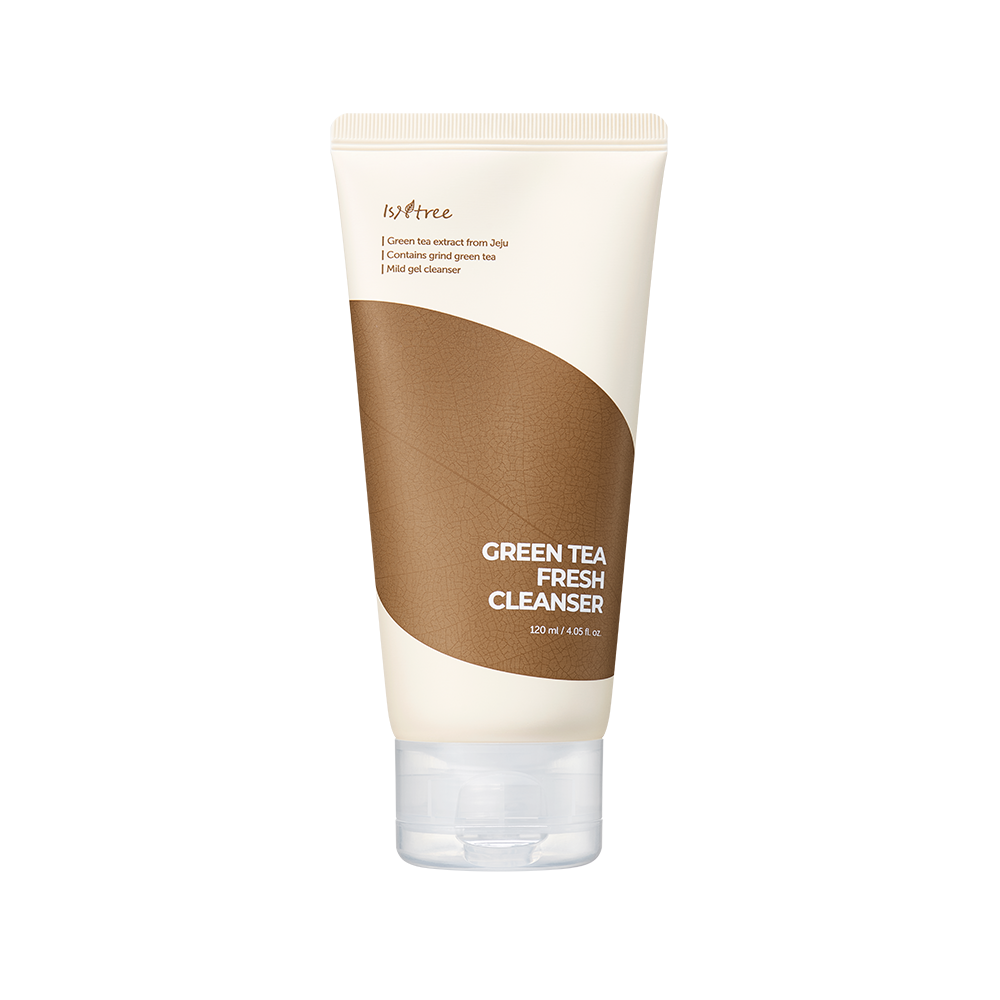
Green Tea Fresh Cleanser
Isntree
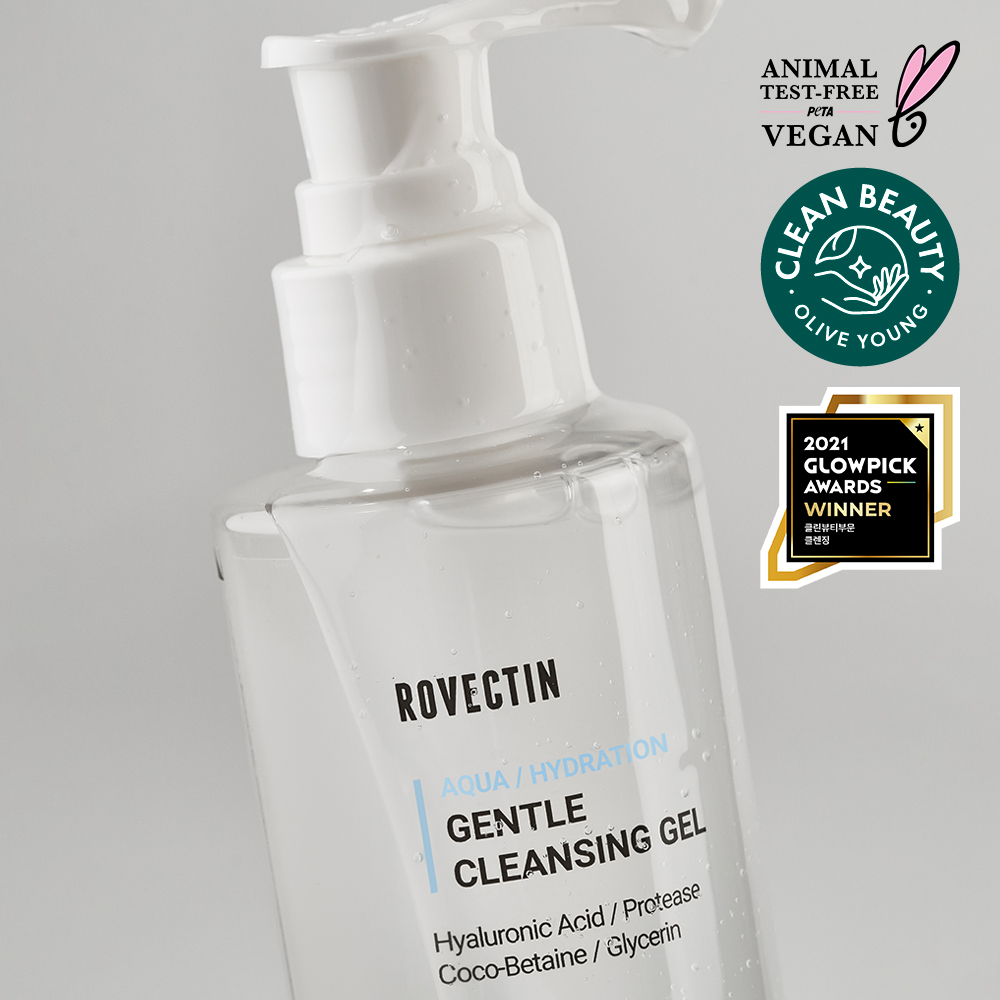
Aqua Gentle Cleansing Gel
Rovectin
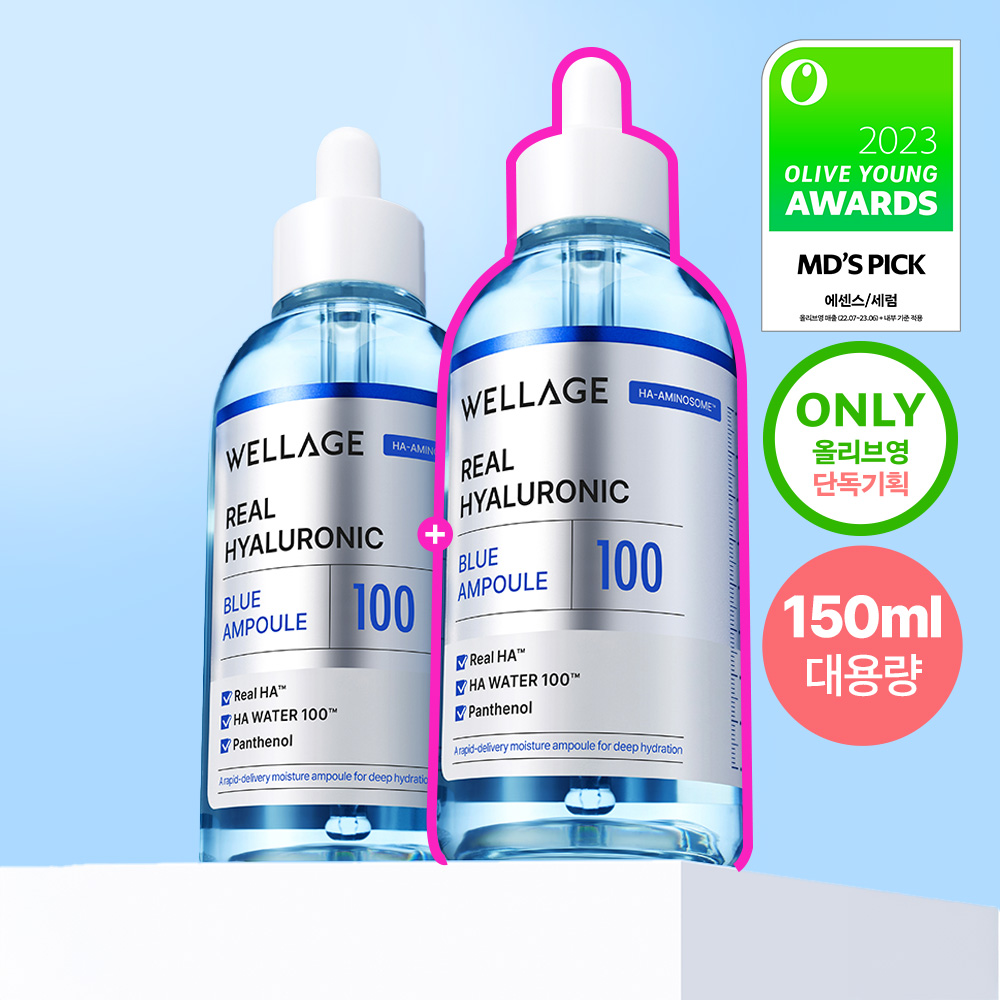
Real Hyaluronic Blue 100 Ampoule
Wellage
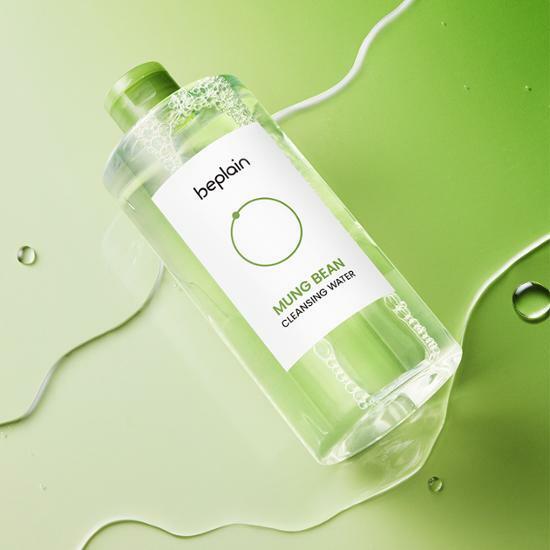
Mung Bean Cleansing Water
Beplain
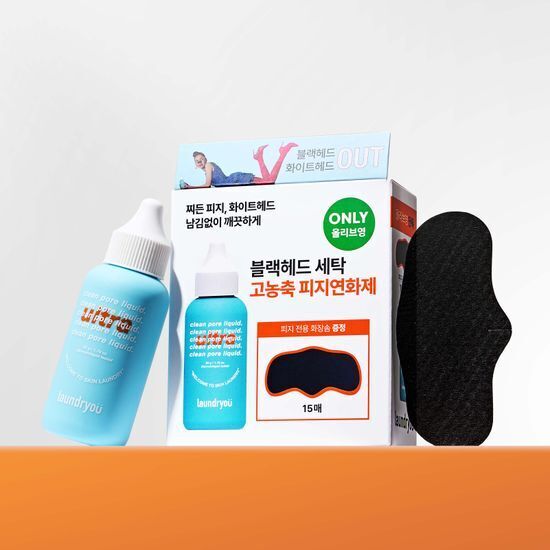
Clean Pore Liquid Ultra Set
Laundryou

Retino Collagen Low Molecular 300 Guasha Neck Cream
CKD
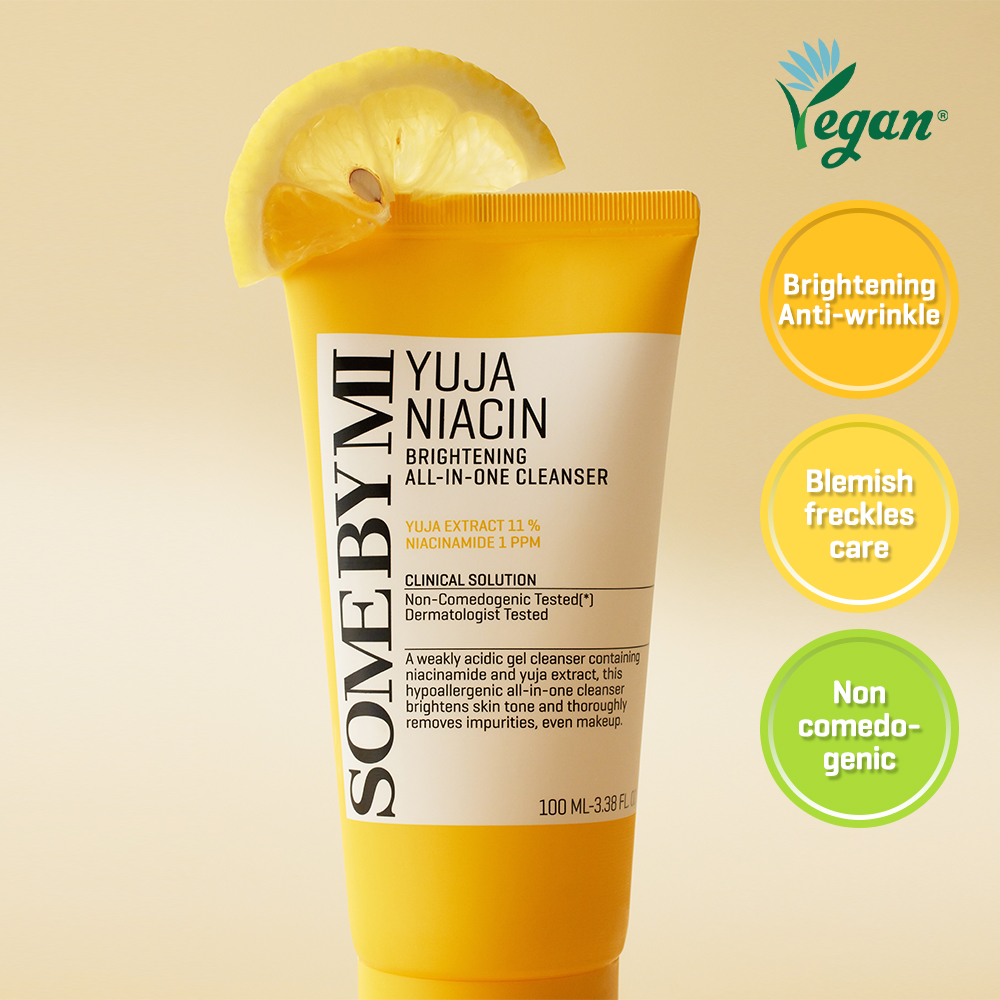
Yuja Niacin Brightening All In One Cleanser
Some By Mi

Extra Super 9+ Active Stick
Medi-Peel
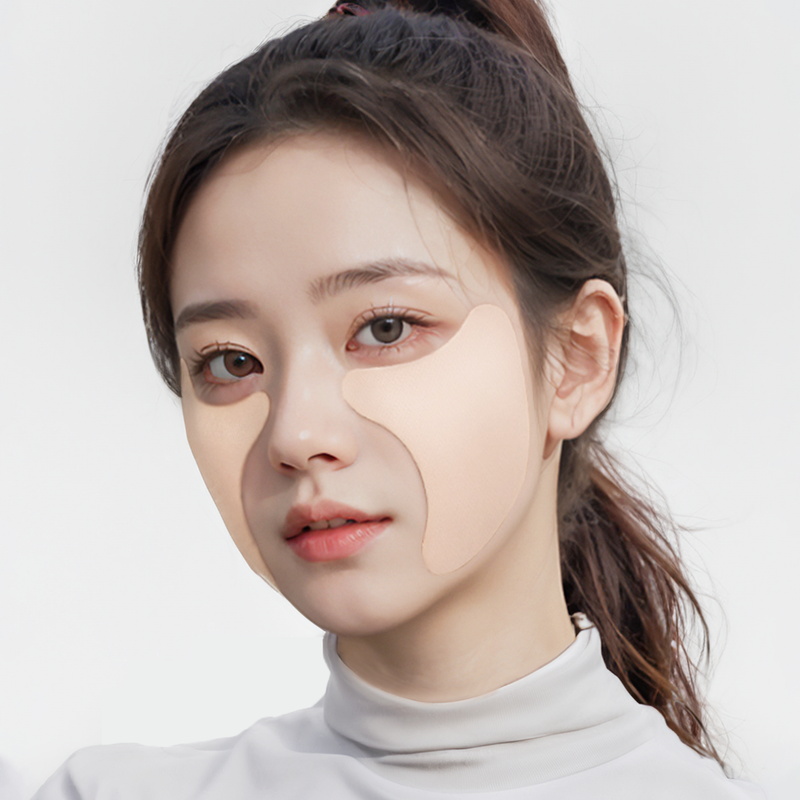
Outdoor Vita Toning Patch Large
OSEQUE
Frequently Asked Questions
What's the difference between regular Hyaluronic Acid and Hydrolyzed Hyaluronic Acid?▼
Can I use Hydrolyzed Hyaluronic Acid if I have acne-prone skin?▼
How often should I use products with Hydrolyzed Hyaluronic Acid?▼
Will Hydrolyzed Hyaluronic Acid work in dry climates?▼
What's the best way to layer Hydrolyzed Hyaluronic Acid with other actives?▼
Articles About Hydrolyzed Hyaluronic Acid
Explore More
Want personalized ingredient advice?
Yuri, our AI beauty advisor, can tell you how Hydrolyzed Hyaluronic Acid works with your specific skin type, routine, and concerns.
Ask Yuri, free