Hydrolyzed Hyaluronic Acid
INCI: Hydrolyzed Hyaluronic Acid (100 ppm)
Deep penetrating humectant with enhanced skin absorption
About Hydrolyzed Hyaluronic Acid
Hydrolyzed Hyaluronic Acid is a next-generation humectant that takes everything you love about regular hyaluronic acid and amplifies its power. Through a process called hydrolysis, the large hyaluronic acid molecule is broken down into smaller fragments, typically under 50,000 Daltons compared to regular HA's 1-3 million Daltons. This dramatically reduced molecular weight allows it to penetrate deeper into the skin's layers rather than sitting on the surface. In K-beauty formulations, you'll often see it listed at concentrations like 100 ppm, which sounds small but is highly effective because of its enhanced bioavailability. Korean brands like Torriden and NEEDLY have pioneered its use in serums and masks, recognizing that deeper hydration creates more lasting plumpness and resilience. The ingredient gained serious momentum in K-beauty around 2018-2020 as brands moved away from surface-level hydration toward multi-depth moisture systems. What makes hydrolyzed HA special is its ability to hydrate the dermis, not just the epidermis, which means it can actually improve skin structure over time rather than just temporarily plumping the surface. It's gentle enough for all skin types, non-comedogenic, and works synergistically with other hydrating ingredients like glycerin and ceramides.
How Hydrolyzed Hyaluronic Acid Works
Hydrolyzed Hyaluronic Acid works through a combination of penetration and retention. Its reduced molecular weight allows it to slip between skin cells and travel into deeper layers where it binds to water molecules at a 1:1000 ratio (one molecule of HA can hold up to 1000 times its weight in water). Once in the dermis, it creates a moisture reservoir that supports collagen and elastin fibers, helping them maintain their structure and function. At the surface, it forms a breathable, moisture-retaining film that prevents transepidermal water loss without feeling heavy or occlusive. The hydrolysis process creates a mixture of molecular weights, so you get both surface hydration and deep penetration in one ingredient. This dual action triggers fibroblast activity, encouraging the skin to produce more of its own hyaluronic acid over time. The smaller fragments also have a signaling effect, communicating with skin cells to ramp up repair processes and barrier function. Unlike occlusives that just seal in moisture, hydrolyzed HA actively draws water from the environment and deeper skin layers, creating a dynamic hydration system.
Hydrolyzed Hyaluronic Acid by Skin Type
Oily Skin
Hydrolyzed Hyaluronic Acid is ideal for oily skin because it provides intense hydration without adding oil or weight. Its lightweight, water-based nature means it won't clog pores (0/5 comedogenic rating) or trigger excess sebum production. The deep hydration can actually help regulate oil production, as skin that's dehydrated often overcompensates by producing more sebum.
Dry Skin
This ingredient is a powerhouse for dry skin, delivering moisture to multiple skin layers simultaneously. The deep penetration addresses dehydration at its source rather than just treating surface flaking. For best results, layer it under an occlusive moisturizer to seal in the hydration it attracts, as dry environments can cause it to pull moisture from your skin if not properly sealed.
Combo Skin
Combination skin benefits from hydrolyzed HA's ability to hydrate without heaviness. It balances the dry zones (typically cheeks and around eyes) while staying lightweight enough not to overwhelm oily areas like the T-zone. The non-greasy finish makes it perfect for this skin type's need for selective hydration.
Sensitive Skin
With a perfect 5/5 safety rating, hydrolyzed Hyaluronic Acid is exceptionally well-tolerated by sensitive skin. It's soothing rather than irritating, helps reinforce the moisture barrier (which is often compromised in sensitive skin), and has anti-inflammatory properties. The smaller molecular size means less surface interaction with potential irritant receptors.
Normal Skin
Normal skin can use hydrolyzed HA to maintain its balanced state and prevent future dehydration. It's an excellent preventative ingredient that keeps skin resilient and plump. The deep hydration supports the skin's natural functions without disrupting its equilibrium, making it ideal for maintenance routines.
How to Use Hydrolyzed Hyaluronic Acid
- 1Apply to damp skin immediately after cleansing or toning. Hydrolyzed HA draws moisture from its environment, so applying it to wet skin maximizes its hydrating potential and prevents it from pulling water from deeper skin layers.
- 2Layer it under heavier moisturizers or oils. Think of hydrolyzed HA as the hydration base layer and your moisturizer as the seal that locks it in. This layering technique, common in Korean skincare routines, creates long-lasting moisture.
- 3Use it morning and night for cumulative benefits. Unlike some active ingredients that need cycling, hydrolyzed HA can be used twice daily without risk of sensitization. Consistent use actually improves your skin's ability to retain moisture over time.
- 4In dry climates, follow with an occlusive product. Humectants can be counterproductive in very dry environments if not sealed properly. A moisturizer with ceramides or squalane after your hydrolyzed HA serum prevents moisture loss.
Background
Hyaluronic acid itself was first isolated from cow eyes in 1934 by scientists at Columbia University, but its use in skincare didn't take off until the 1990s. The hydrolyzed version emerged in the early 2000s as biotechnology companies in Japan and Korea developed enzymatic processes to break down the large HA molecule. Korean skincare brands were early adopters, recognizing that standard HA's large molecular size limited its effectiveness to surface hydration. By the mid-2010s, hydrolyzed HA became a staple in K-beauty formulations, particularly in the popular "moisture bomb" products that promised deep, lasting hydration. The innovation aligned perfectly with K-beauty's philosophy of multi-layered, lightweight hydration rather than heavy creams. Today, it's considered essential in premium Korean serums and masks, with brands like Torriden building entire product lines around multi-molecular-weight hyaluronic acid systems.
K-Beauty Products with Hydrolyzed Hyaluronic Acid
View all 14 →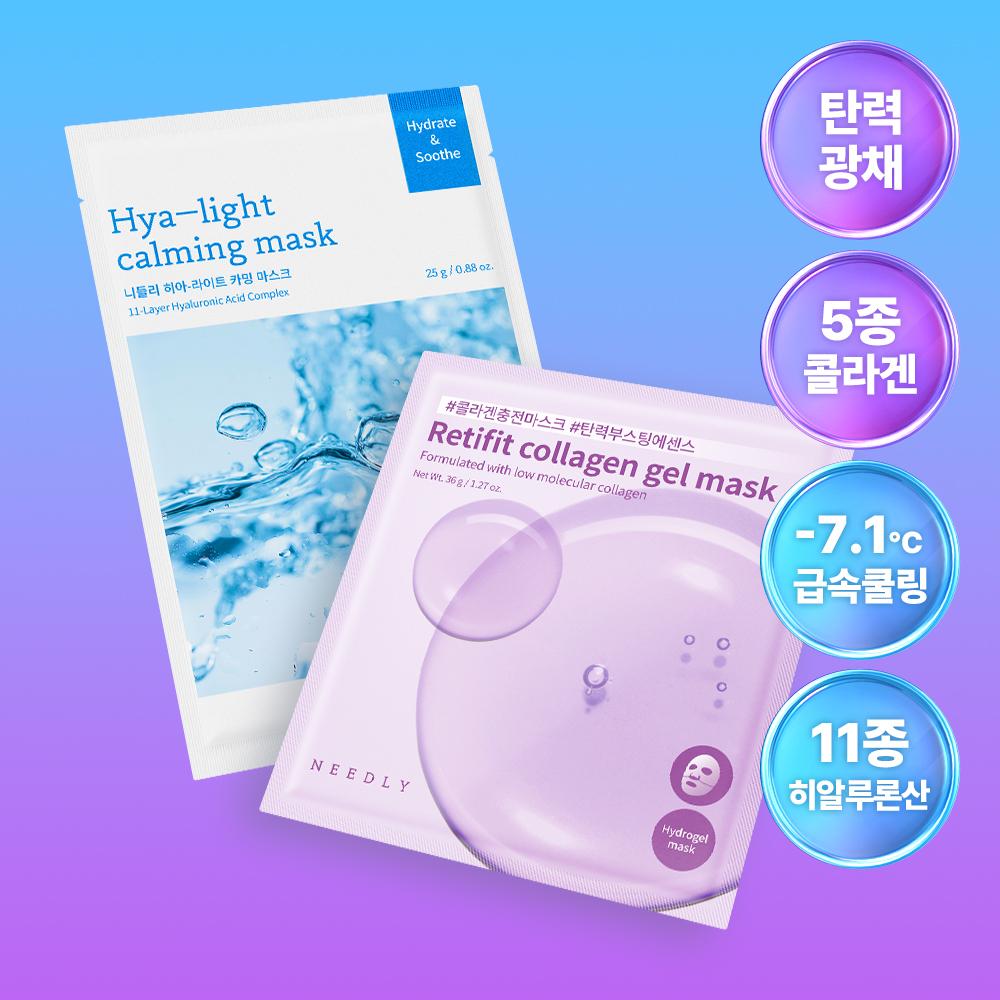
Mask Sheet (Retifit Collagen / Hya-light Calming)
NEEDLY
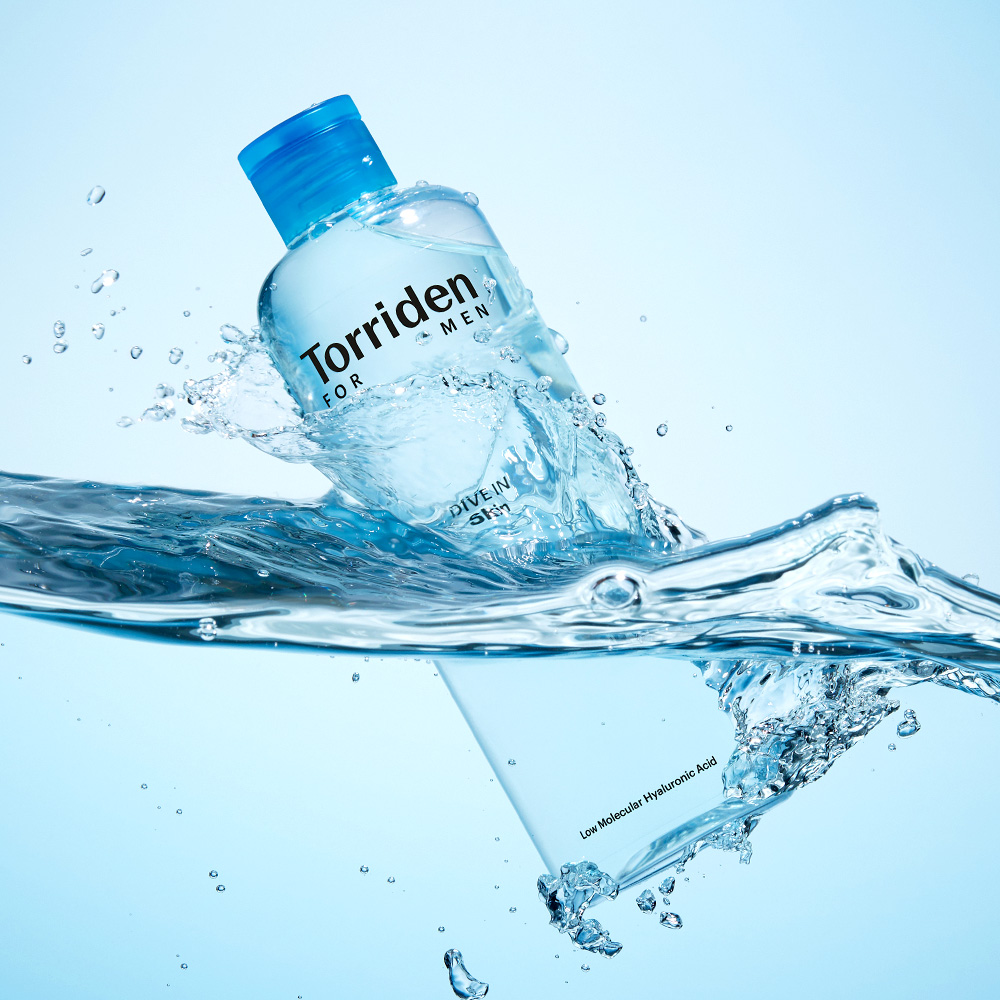
Dive In For Skin
Torriden
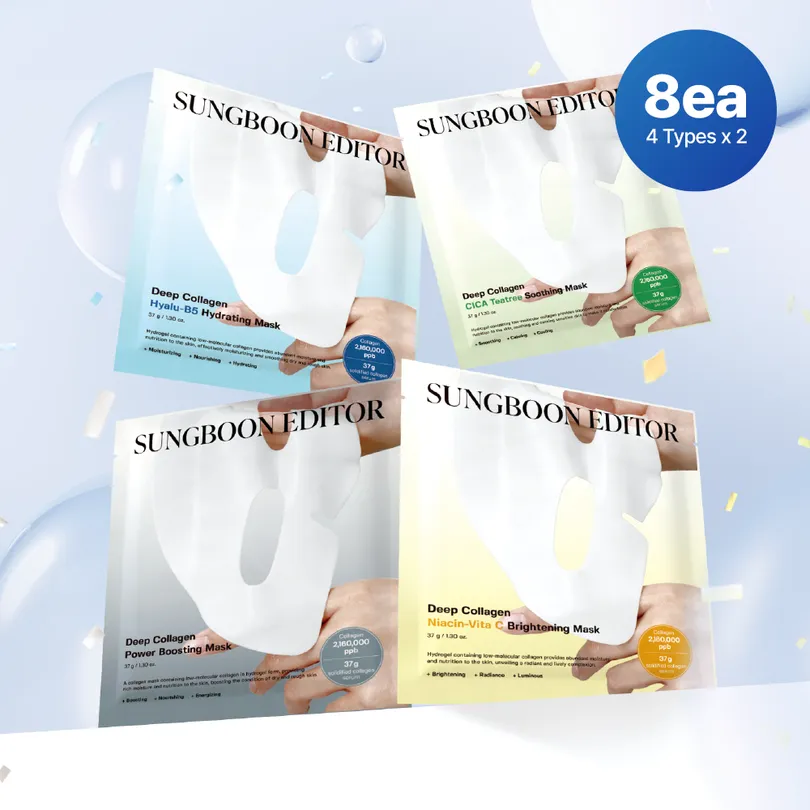
Deep Collagen Signature Mask Sheet Set
Sungboon Editor
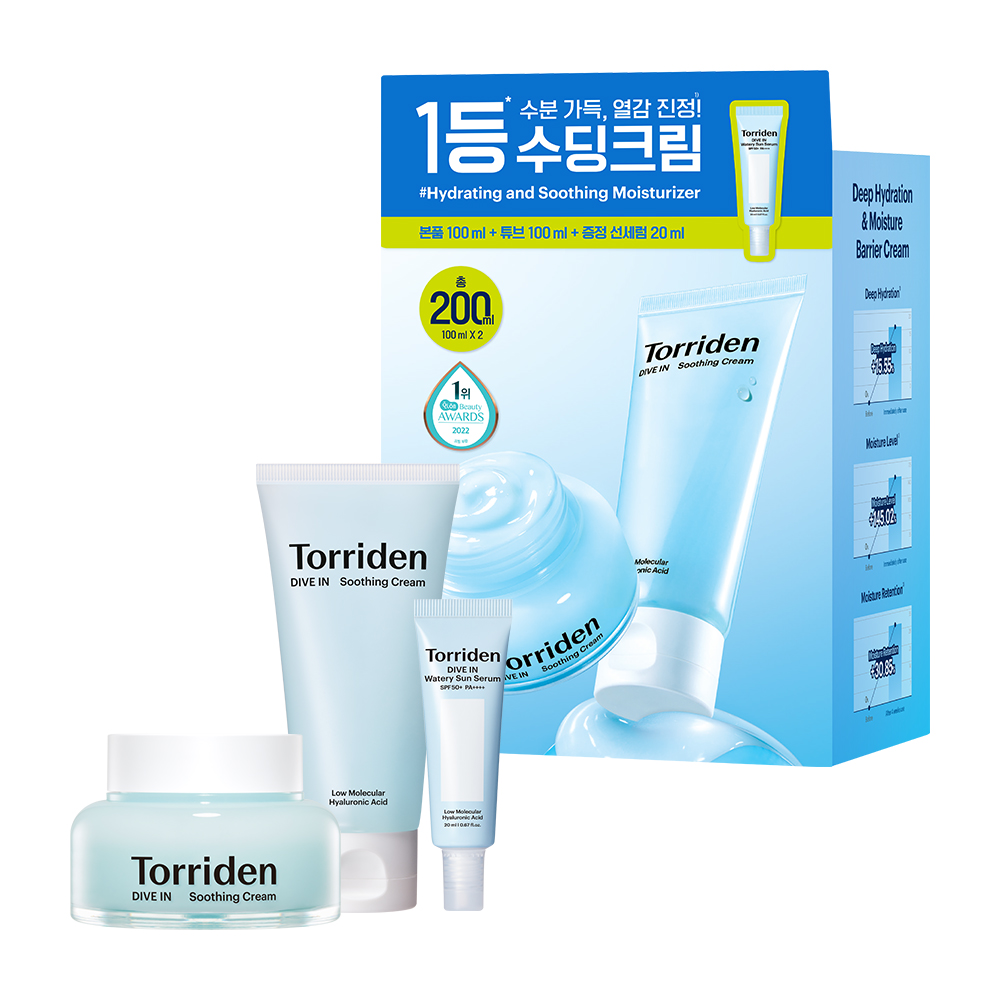
Dive-In Soothing Cream
Torriden
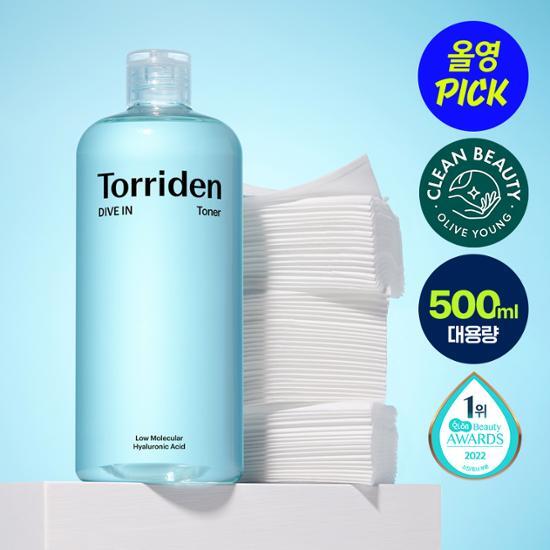
Dive In Low Molecular Hyaluronic Acid Toner
Torriden
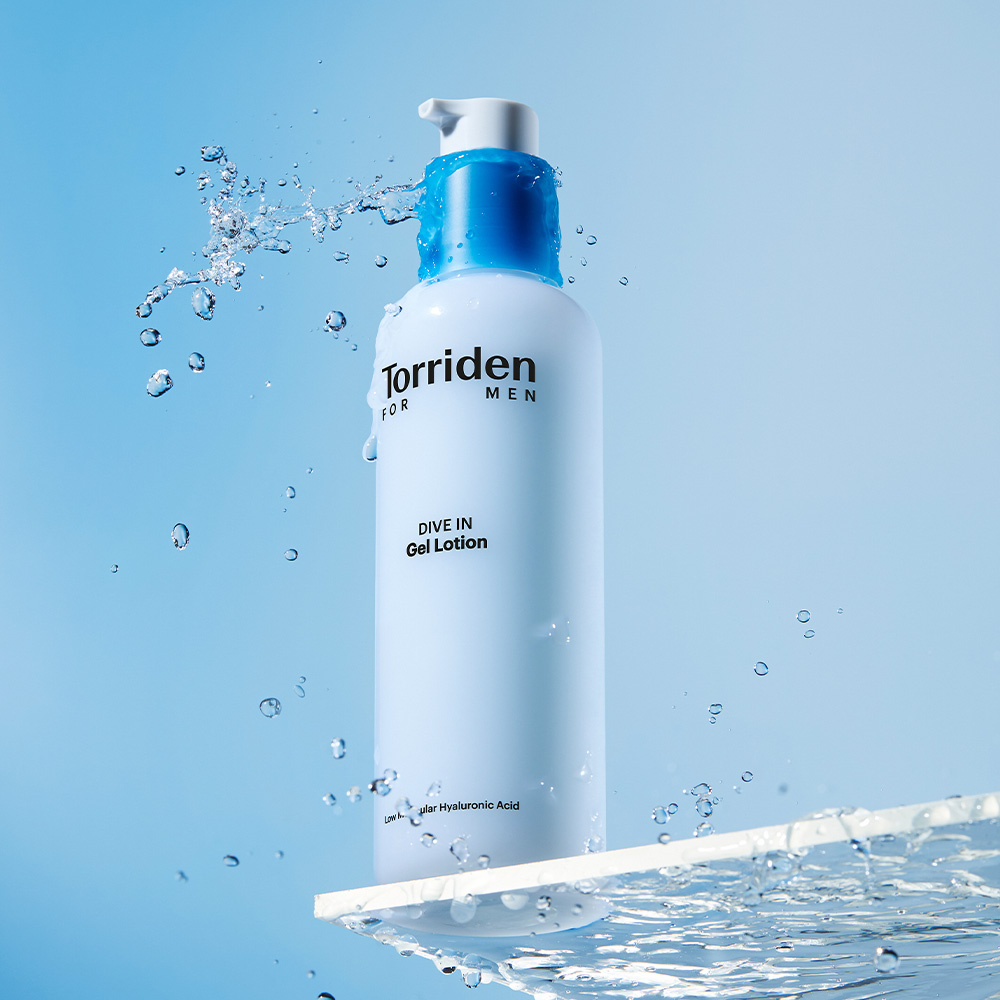
For Men Dive In Gel Lotion
Torriden
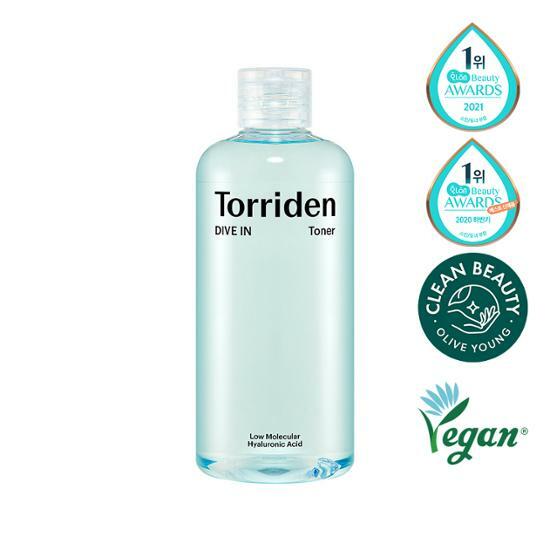
Dive-In Toner
Torriden

Dive-In Low Molecular Hyaluronic Acid Cream
Torriden
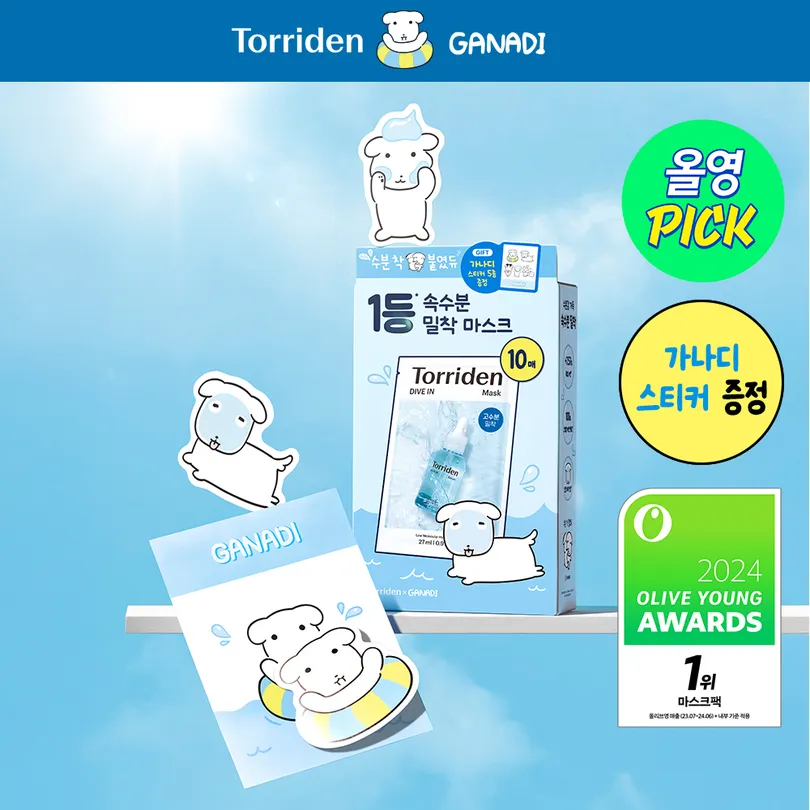
Dive-In Low Molecular Hyaluronic Acid Mask Sheet 10ea
Torriden
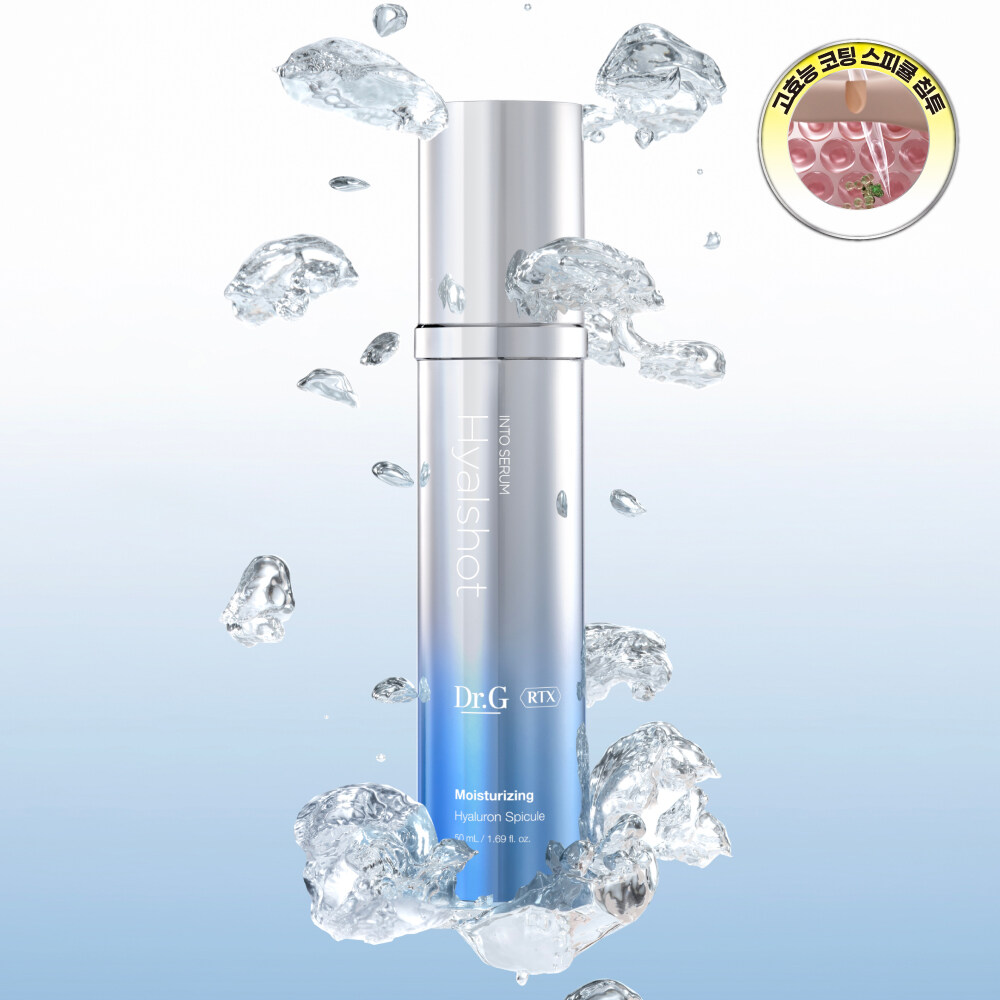
RTX Into Serum Hyalshot
Dr.G
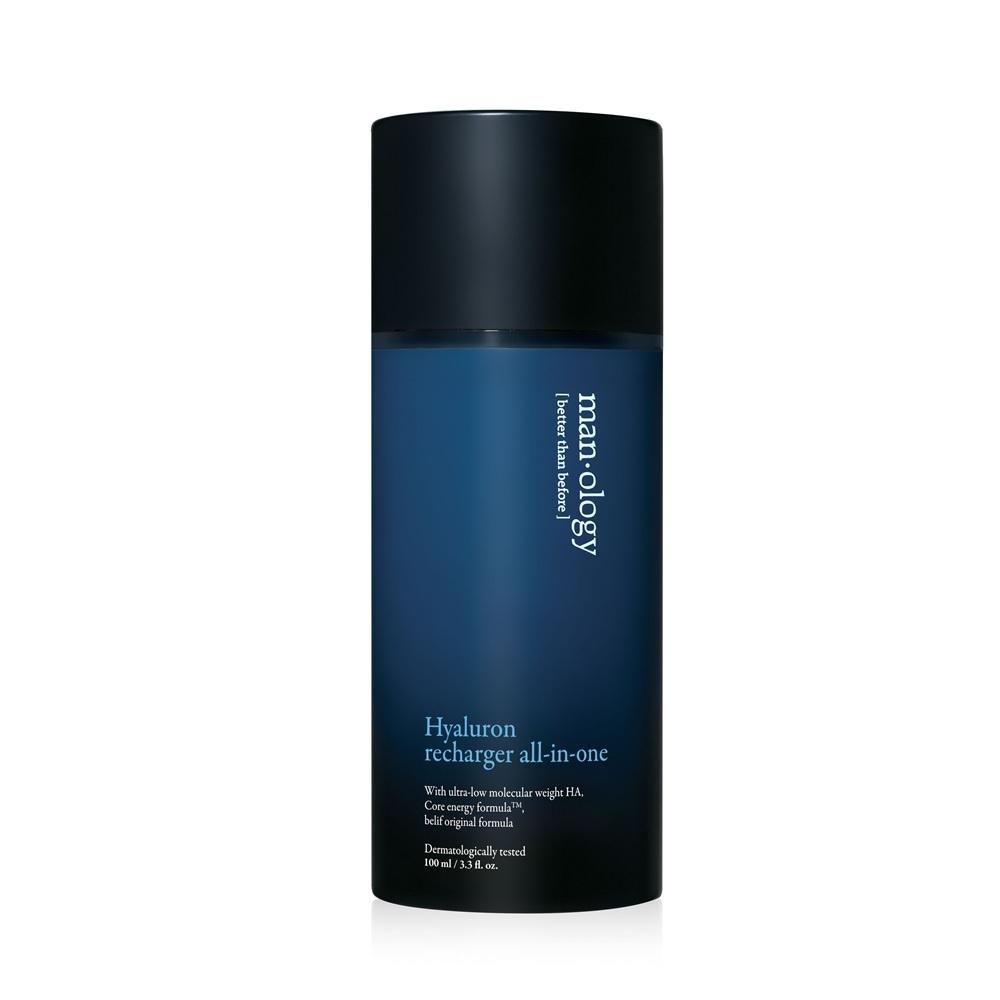
Manology Hyaluron Recharger All In One
Belif
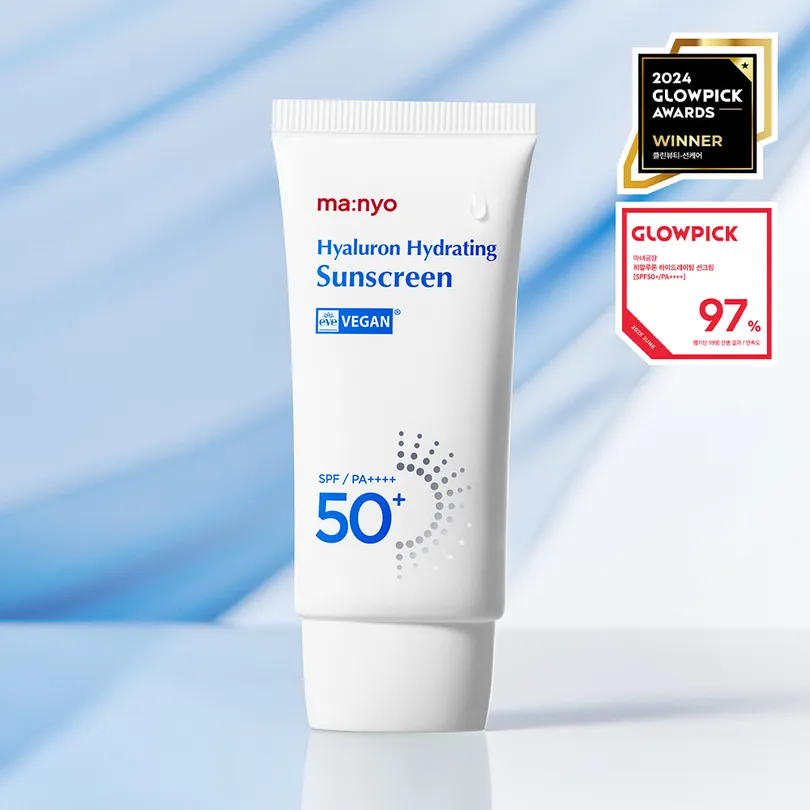
Hyaluron Hydrating Sunscreen
ma:nyo
Frequently Asked Questions
What's the difference between hydrolyzed hyaluronic acid and regular hyaluronic acid?▼
Can hydrolyzed hyaluronic acid cause breakouts?▼
How much hydrolyzed hyaluronic acid is effective in a product?▼
Can I use hydrolyzed hyaluronic acid with retinol or vitamin C?▼
Do I need to use hydrolyzed hyaluronic acid if I already use regular hyaluronic acid?▼
Explore More
Want personalized ingredient advice?
Yuri, our AI beauty advisor, can tell you how Hydrolyzed Hyaluronic Acid works with your specific skin type, routine, and concerns.
Ask Yuri, free