Hydrolyzed Lupin Protein
INCI: Hydrolyzed Lupine Protein
Skin conditioning and firming peptide complex
About Hydrolyzed Lupin Protein
Hydrolyzed Lupin Protein is a plant-derived peptide complex extracted from lupin seeds, a legume that's been cultivated in Mediterranean and South American regions for thousands of years. In K-beauty formulations, this ingredient functions as a biomimetic firming agent that works by delivering amino acids directly to the skin's surface, where they support structural protein synthesis and improve overall skin texture. What makes hydrolyzed lupin protein particularly interesting is its molecular weight. The hydrolysis process breaks down the larger protein molecules into smaller peptide chains that can penetrate the outer layers of skin more effectively than intact proteins. Korean cosmetic chemists favor this ingredient because it offers a vegan alternative to animal-derived peptides while delivering comparable firming and conditioning benefits. You'll find it in high-end K-beauty products alongside other actives like bakuchiol, PDRN, and PHA, where it enhances the overall anti-aging and skin-strengthening effects of the formulation. With a comedogenic rating of 0/5, it's safe for all skin types, including acne-prone skin. The ingredient appears in 30 products on Seoul Sister, often in serums and creams designed for mature or loss-of-firmness concerns.
How Hydrolyzed Lupin Protein Works
Hydrolyzed lupin protein works through a multi-pathway mechanism. First, the hydrolyzed peptides provide building blocks (amino acids like arginine, leucine, and phenylalanine) that skin cells can use to synthesize collagen and elastin. When applied topically, these amino acid chains signal fibroblasts in the dermis to increase production of structural proteins, which helps improve skin density and resilience over time. Second, the ingredient forms a flexible protein film on the skin's surface that provides an immediate tightening effect, smoothing fine lines temporarily while the deeper regenerative processes occur. Third, hydrolyzed lupin protein has been shown to inhibit elastase, an enzyme that breaks down elastin fibers. By slowing elastin degradation, the ingredient helps preserve the skin's natural bounce and prevents the sagging that occurs with chronological aging. The molecular weight of the hydrolyzed fragments (typically 500-3000 Daltons) allows them to penetrate past the stratum corneum, making them more biologically active than larger, intact proteins that simply sit on the surface.
Hydrolyzed Lupin Protein by Skin Type
Oily Skin
Hydrolyzed lupin protein is excellent for oily skin because it provides firming and conditioning benefits without adding oil or heaviness. The lightweight peptides absorb quickly and won't contribute to congestion or breakouts (0/5 comedogenic rating). If you're dealing with enlarged pores from loss of elasticity, this ingredient can help tighten and refine skin texture over time.
Dry Skin
This ingredient is particularly beneficial for dry skin because it conditions while firming. The amino acids in hydrolyzed lupin protein support the skin's natural moisture barrier by promoting ceramide synthesis and improving lipid organization in the stratum corneum. Pair it with humectants like hyaluronic acid for maximum hydration alongside the structural benefits.
Combo Skin
Combination skin benefits from hydrolyzed lupin protein's balanced approach. It firms and tightens without adding oil to your T-zone, while the conditioning properties help maintain moisture balance in drier cheek areas. The non-comedogenic formula won't cause issues in congestion-prone zones, making it ideal for multi-concern combination complexions.
Sensitive Skin
Sensitive skin types can generally tolerate hydrolyzed lupin protein well, as it's a gentle, plant-derived ingredient without common irritants. However, if you have legume allergies (soybeans, peanuts, lentils), exercise caution as lupin is in the same botanical family. The 4/5 safety rating reflects its overall gentleness, though always patch test if you have known sensitivities.
Normal Skin
Normal skin can use hydrolyzed lupin protein preventatively to maintain firmness and elasticity as you age. It's an excellent addition to a maintenance routine in your mid-to-late twenties, working alongside antioxidants and sunscreen to preserve your skin's structural integrity. The conditioning benefits will keep your skin feeling soft and supple without disrupting your natural balance.
How to Use Hydrolyzed Lupin Protein
- 1Layer hydrolyzed lupin protein serums under heavier creams or oils for best penetration. Apply to slightly damp skin after toner to enhance absorption of the peptide complex.
- 2Use consistently for at least 8-12 weeks to see visible firming results. Peptides work cumulatively, so daily application is more effective than sporadic use.
- 3Pair with vitamin C or niacinamide in your morning routine to boost collagen synthesis from multiple angles. The combination can accelerate anti-aging benefits.
- 4If you have a legume allergy, patch test on your inner arm for 24 hours before applying to your face, even though adverse reactions are rare with the hydrolyzed form.
Background
Lupin seeds have been consumed as food in Mediterranean and Andean cultures for over 3,000 years, prized for their exceptionally high protein content (up to 40% by weight). The use of lupin protein in cosmetics is relatively recent, emerging in European and Korean skincare in the early 2000s as scientists sought plant-based alternatives to animal collagen and marine peptides. Korean cosmetic companies were particularly quick to adopt hydrolyzed lupin protein because it aligned with the growing demand for vegan beauty products without compromising efficacy. The hydrolysis process, which breaks down the protein into bioavailable peptides, was refined specifically for cosmetic applications to optimize skin penetration and minimize allergenic potential. Today, lupin protein is cultivated primarily in Australia and Europe for the cosmetics industry, with Korean brands incorporating it into premium anti-aging formulations.
K-Beauty Products with Hydrolyzed Lupin Protein
View all 33 →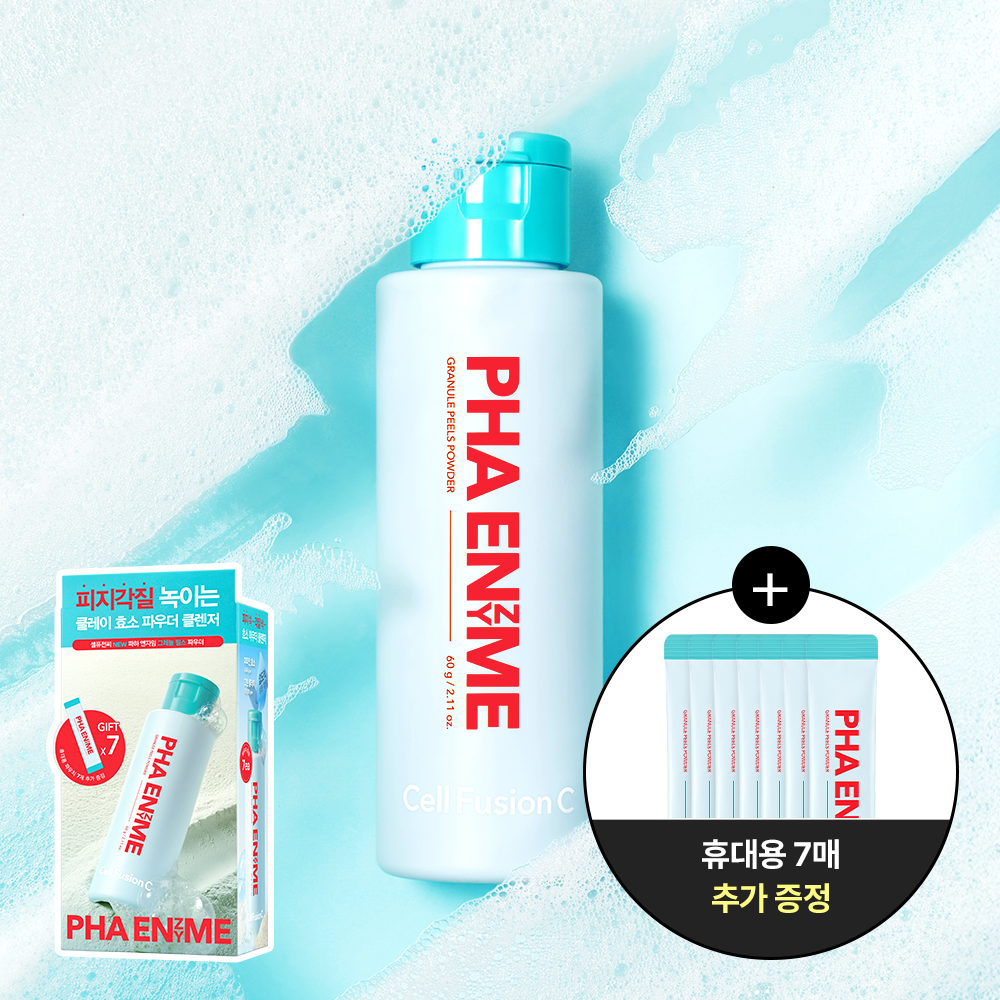
PHA Enzyme Granule Peels Powder
Cell Fusion C
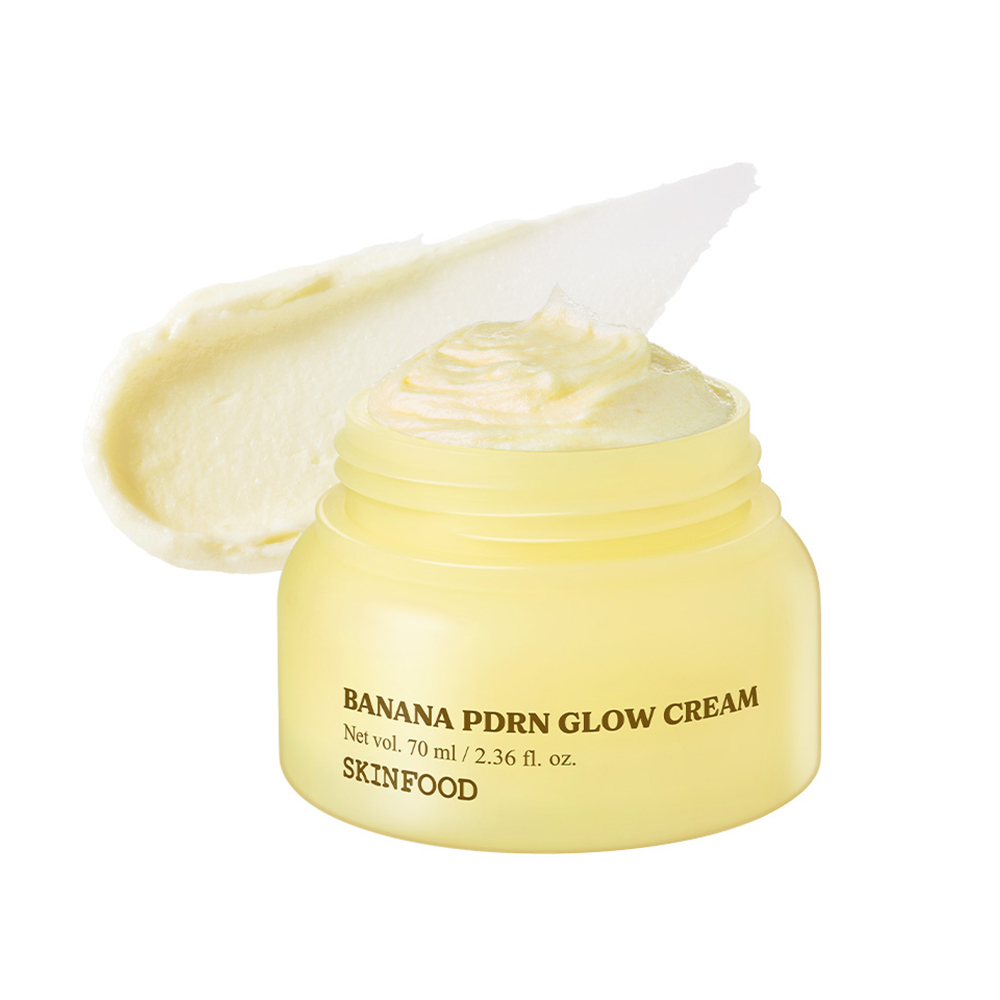
Banana PDRN Glow Cream
Skinfood
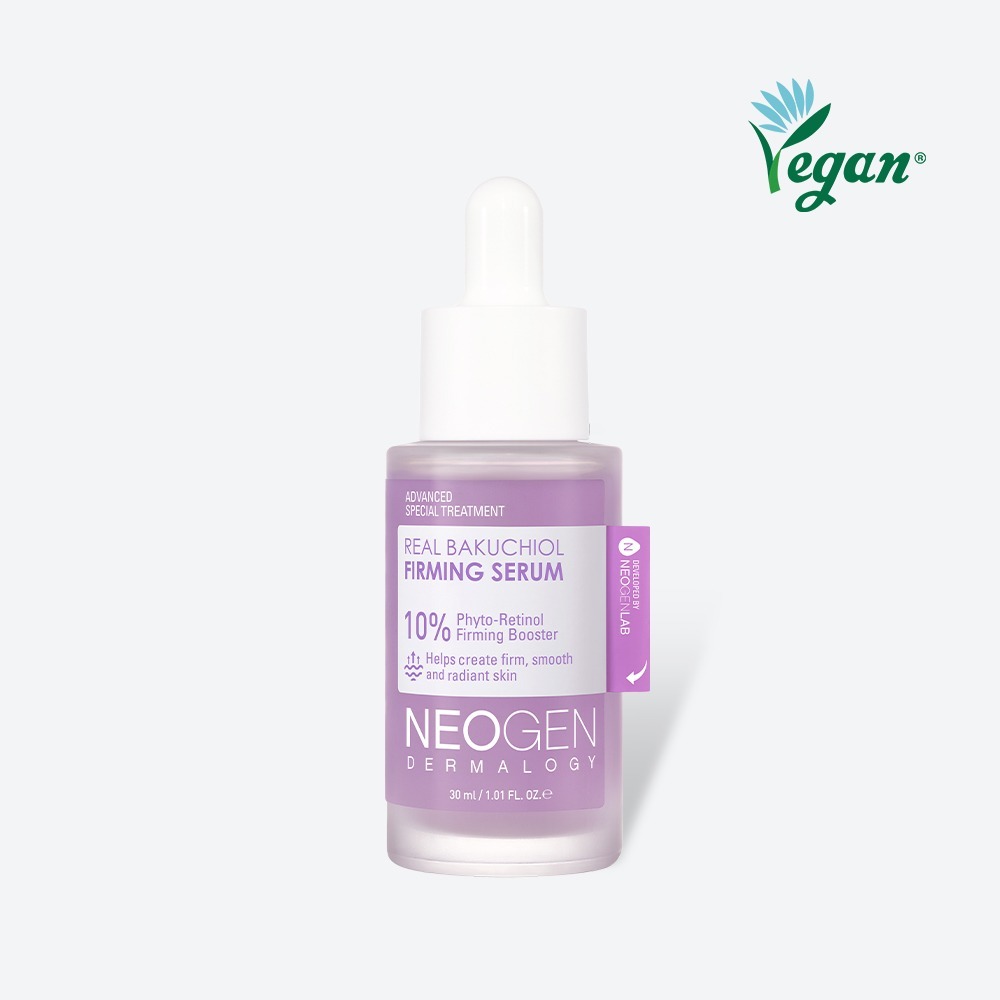
Bakuchiol Firming Serum
Neogen
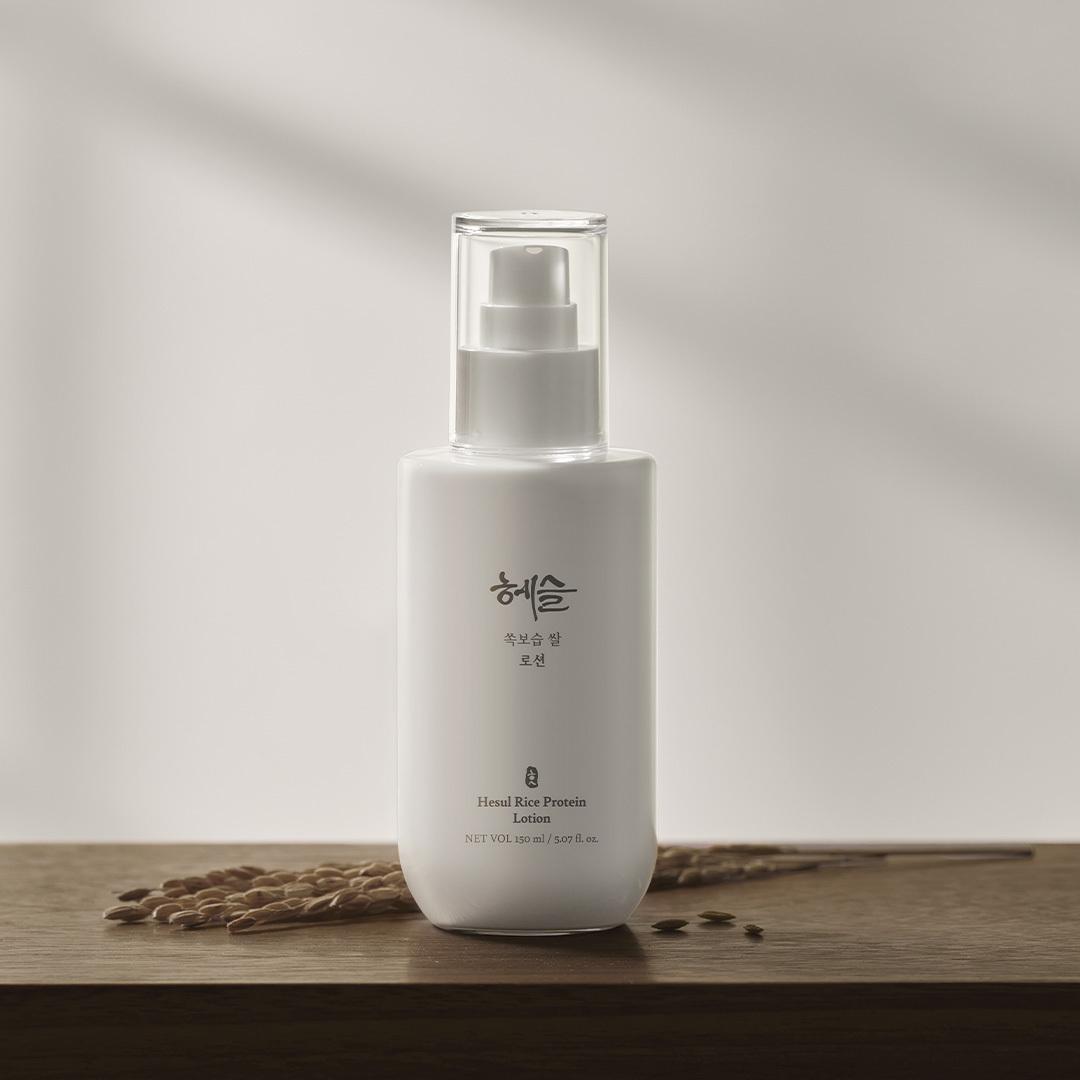
Rice Protein Lotion
Hesul
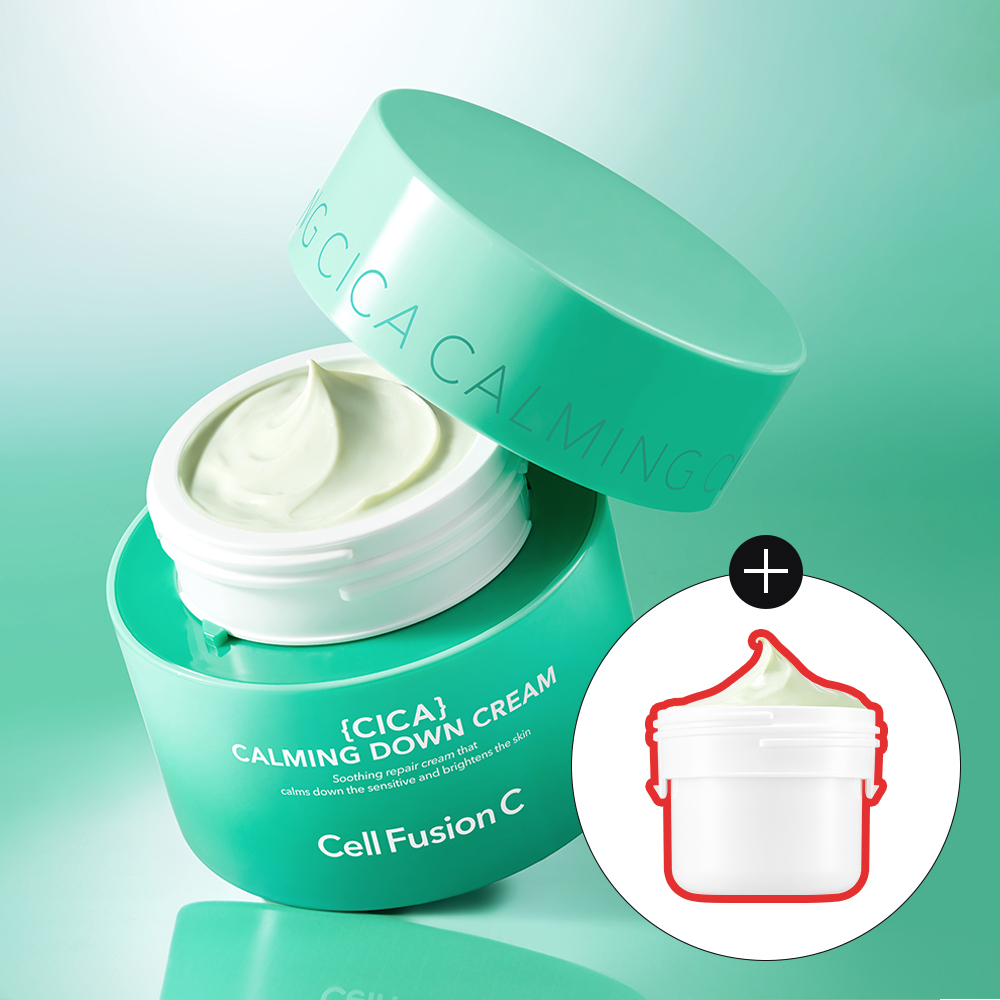
Post Alpha Cica Calming Down Cream Set
Cell Fusion C
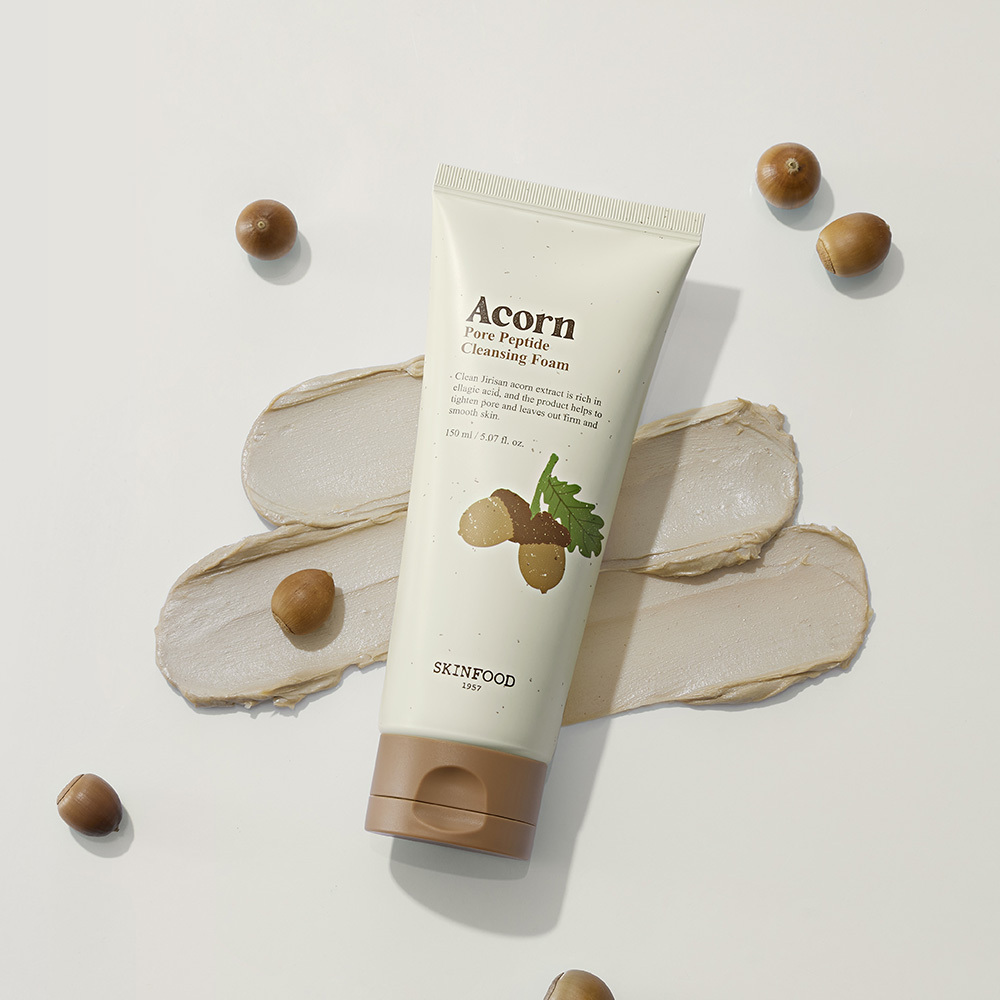
Acorn Pore Peptide Cleansing Foam
Skinfood
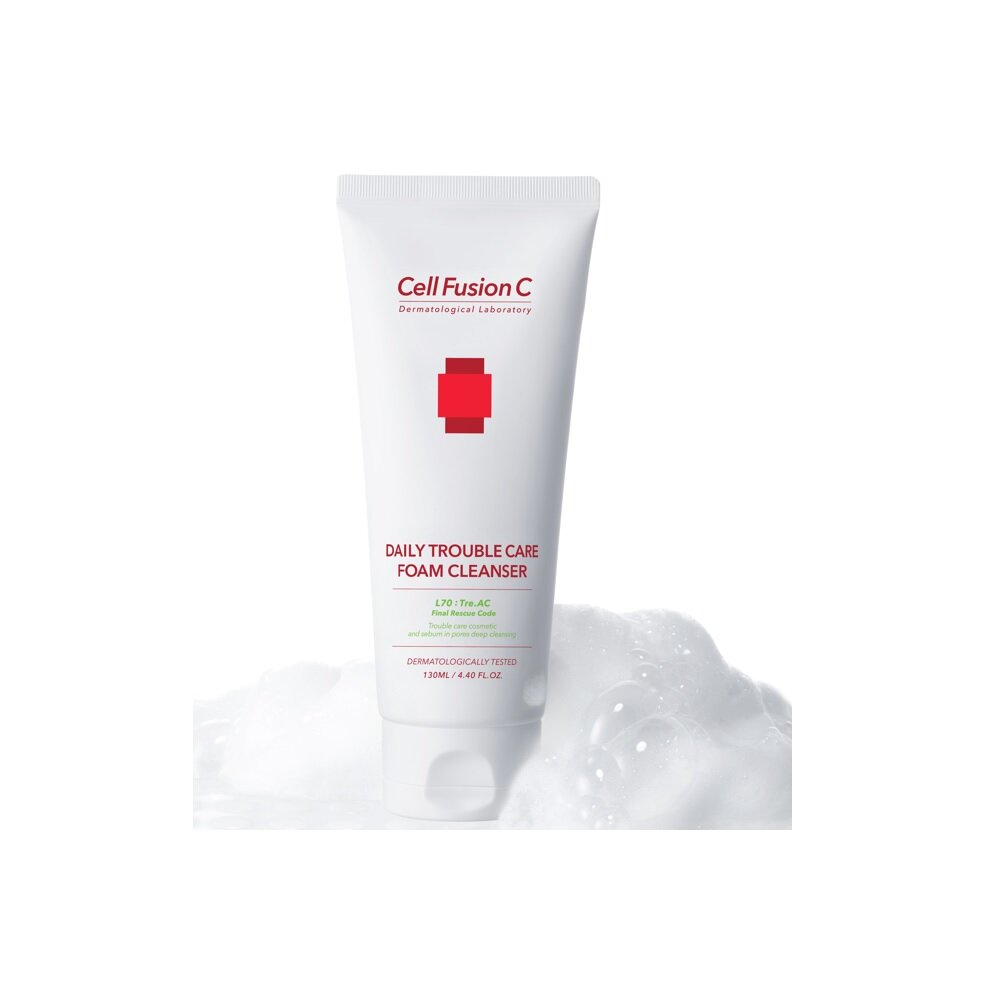
Tre-AC Daily Trouble Care Foam Cleanser
Cell Fusion C
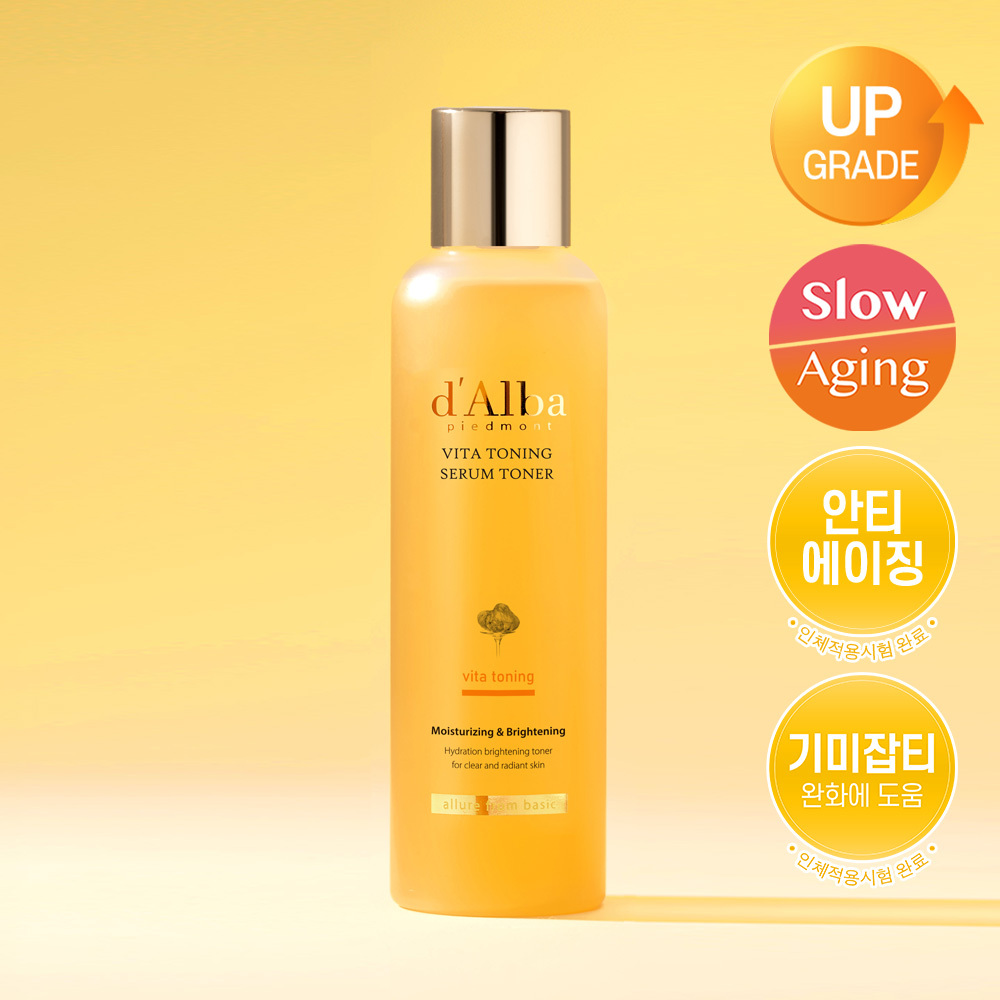
Vita Toning Serum Toner
d'Alba
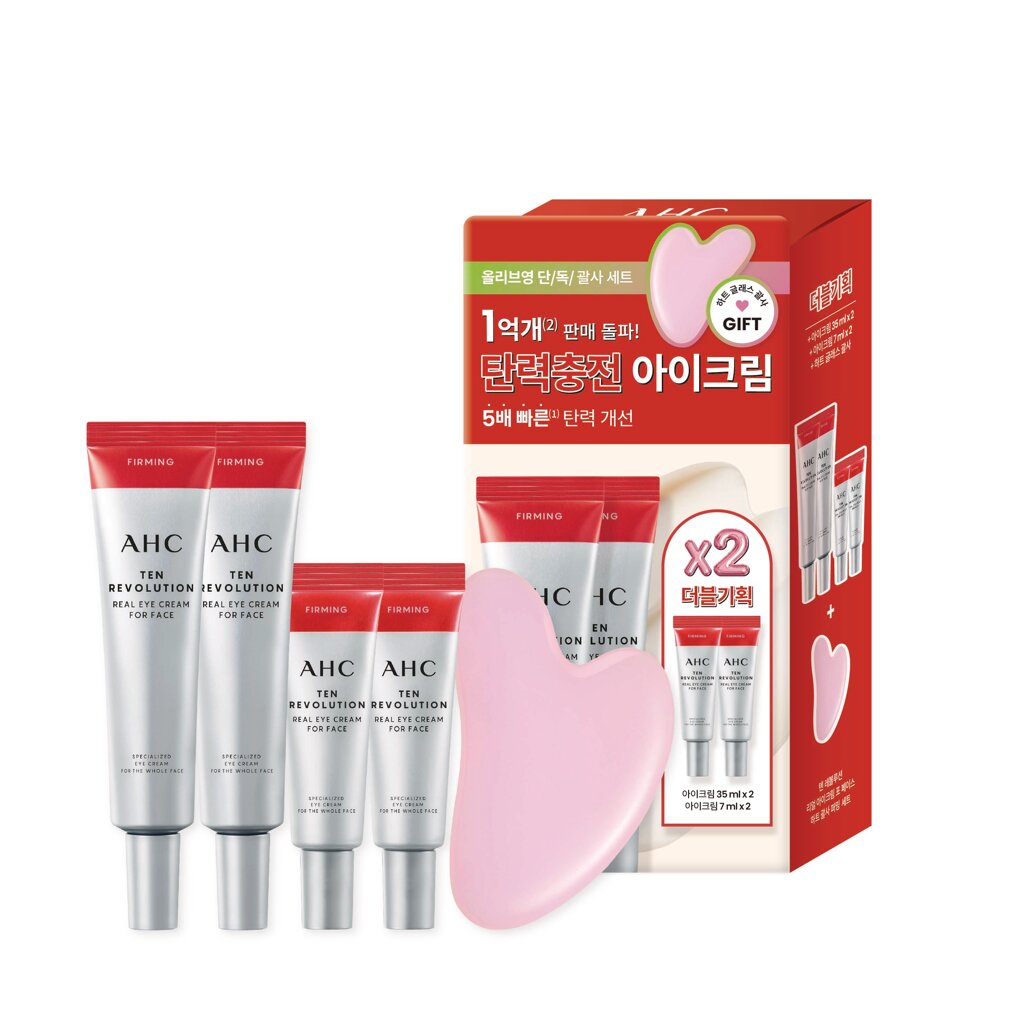
10 Revolution Real Eye Cream For Face
AHC
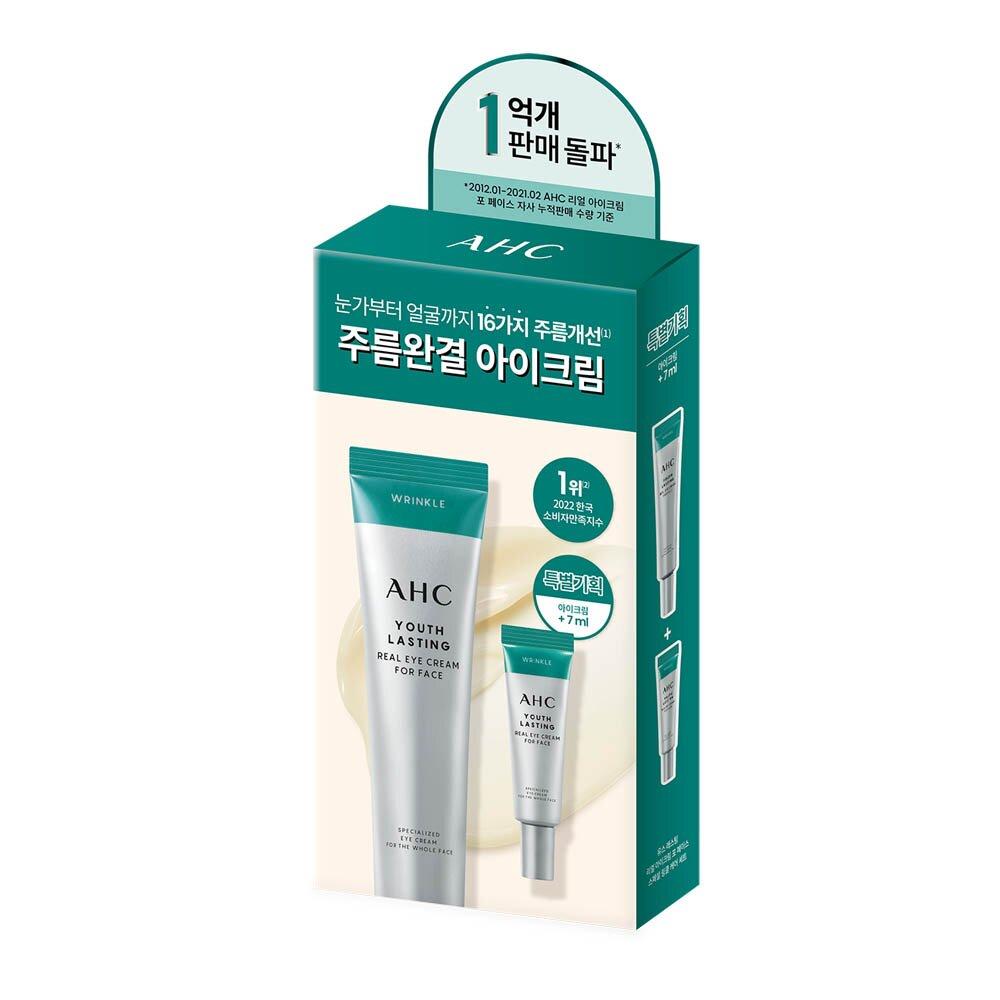
Youth Lasting Real Eye Cream For Face Special Wrinkle Care Set
AHC
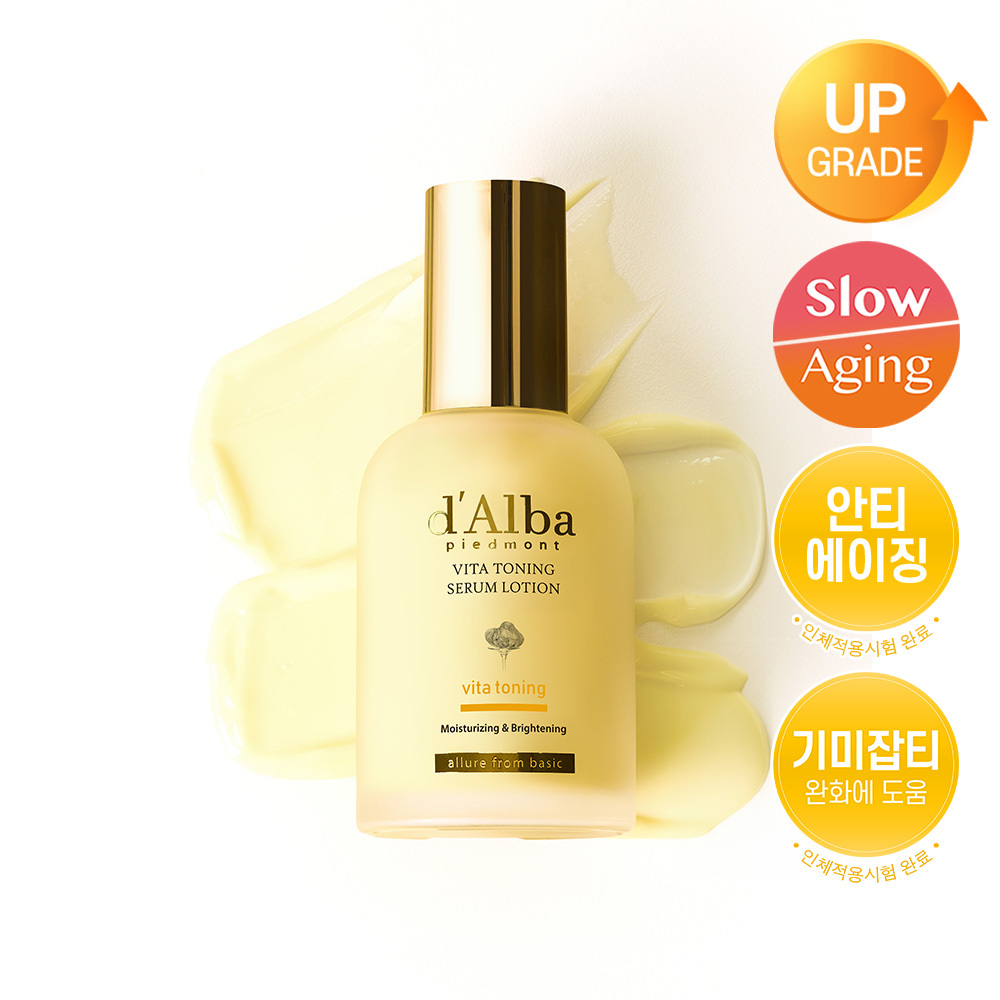
Vita Toning Serum Lotion
d'Alba
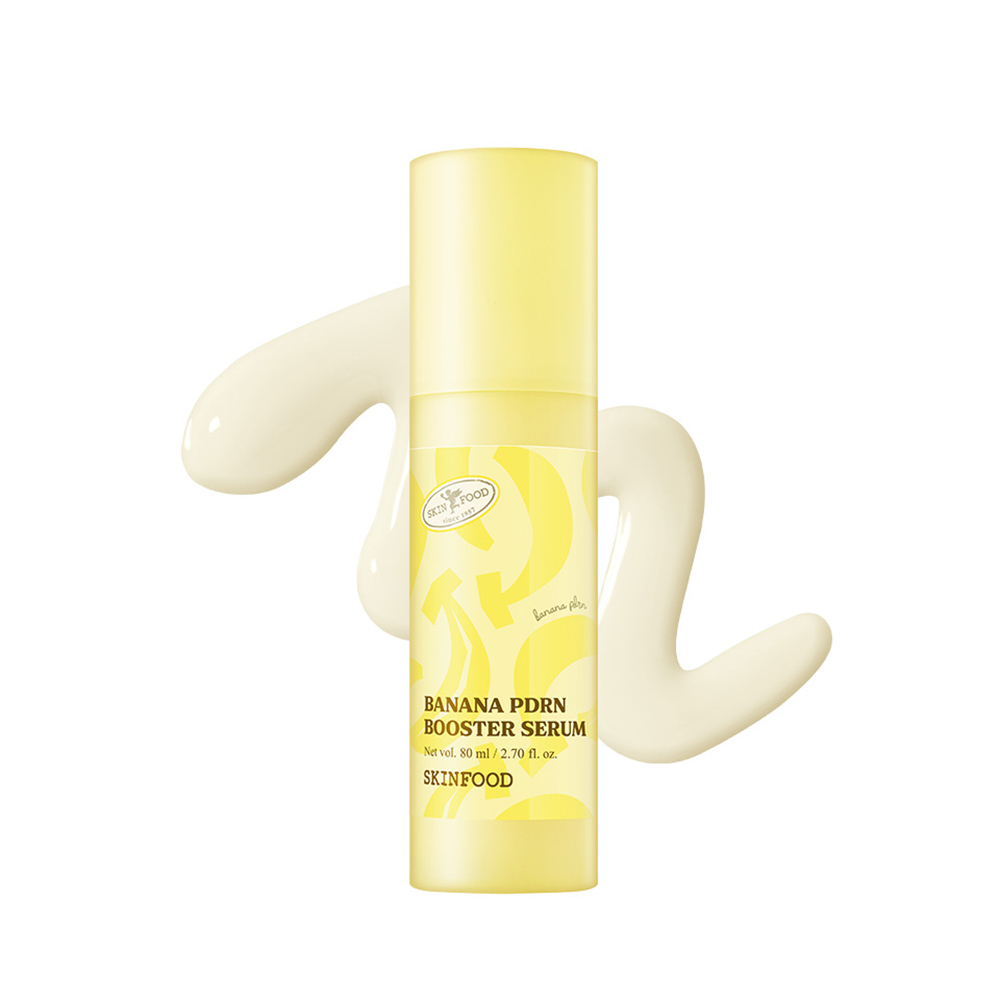
Banana PDRN Booster Serum
Skinfood
Frequently Asked Questions
Is hydrolyzed lupin protein safe if I have a peanut allergy?▼
How does hydrolyzed lupin protein compare to retinol for firming?▼
Will I see immediate tightening effects from hydrolyzed lupin protein?▼
Can I use hydrolyzed lupin protein if I'm pregnant or breastfeeding?▼
Why is hydrolyzed lupin protein in products with bakuchiol and PDRN?▼
Explore More
Want personalized ingredient advice?
Yuri, our AI beauty advisor, can tell you how Hydrolyzed Lupin Protein works with your specific skin type, routine, and concerns.
Ask Yuri, free