Hydrolyzed Rice Protein
Film-forming protein that conditions and strengthens
About Hydrolyzed Rice Protein
Hydrolyzed rice protein is a film-forming conditioning agent derived from rice grains through a controlled enzymatic process that breaks down the protein molecules into smaller peptide chains. This ingredient has become a K-beauty staple because it combines rice's centuries-old reputation in Asian skincare with modern biotechnology to create a multifunctional powerhouse. When applied topically, hydrolyzed rice protein forms a breathable, protective film on the skin's surface that helps lock in moisture while simultaneously strengthening the skin barrier. The hydrolysis process is key here, making the protein small enough to penetrate the outer layers of skin rather than just sitting on top. In K-beauty formulations, you'll find it working as both a humectant (drawing water into skin) and an emollient (softening and smoothing). It's particularly beloved in Korean skincare for its ability to improve skin texture and elasticity without any heaviness or greasiness. With 28 products on Seoul Sister featuring this ingredient, including top-rated cleansers like The Face Shop's Rice Water Bright Milk & Jelly Double Foaming Cleanser and treatment products like Skinfood's Banana PDRN Glow Cream, it's clear that K-beauty brands trust hydrolyzed rice protein across multiple product categories. Its perfect safety rating of 5/5 and zero comedogenic score make it suitable for virtually every skin type.
How Hydrolyzed Rice Protein Works
At the molecular level, hydrolyzed rice protein works through multiple mechanisms. The hydrolysis process breaks long rice protein chains into shorter peptides and amino acids, typically ranging from 500 to 3,000 Daltons in molecular weight. This smaller size allows the peptides to penetrate the stratum corneum (your skin's outermost layer) and interact directly with keratinocytes, the cells that make up 90% of your epidermis. Once absorbed, these amino acids serve as building blocks for your skin's own structural proteins like collagen and elastin. The film-forming property comes from the protein's ability to create hydrogen bonds with the skin's surface, forming a flexible, semi-occlusive layer that reduces transepidermal water loss (TEWL) by up to 15% in clinical studies. This protective film also has a subtle tightening effect that temporarily improves the appearance of fine lines. Additionally, the amino acid profile of rice protein (rich in glutamic acid, aspartic acid, and arginine) helps strengthen the skin's natural moisturizing factor (NMF), which is your skin's built-in hydration system. The conditioning effect you feel is real science, not just marketing.
Hydrolyzed Rice Protein by Skin Type
Oily Skin
Hydrolyzed rice protein is surprisingly excellent for oily skin because it provides weightless hydration and strengthening without adding oils or clogging pores (0/5 comedogenic rating). The film-forming property helps regulate moisture levels, which can actually reduce excess sebum production since skin often overproduces oil when it's dehydrated. Look for it in lightweight cleansers like Banila Co's Clean It Zero Calming Cleansing Milk, which uses it to condition without leaving residue.
Dry Skin
This ingredient is a dream for dry skin types because it works on multiple hydration fronts simultaneously. The film-forming property creates a barrier that prevents moisture loss throughout the day, while the humectant amino acids actively pull water into the skin. Products like Anua's Rice 70 Glow Collagen Mask Sheet combine hydrolyzed rice protein with other hydrating ingredients for an intensive moisture boost that lasts.
Combo Skin
Combination skin benefits from hydrolyzed rice protein's balanced approach to hydration. It provides enough moisture for dry patches without overwhelming oily zones, and its lightweight texture means it won't contribute to that frustrating T-zone shine. The protein's ability to strengthen the skin barrier is particularly valuable for combination types, which often have a compromised barrier in dry areas.
Sensitive Skin
With a perfect 5/5 safety rating, hydrolyzed rice protein is one of the gentlest strengthening ingredients available for sensitive skin. It's naturally soothing (rice extracts have anti-inflammatory properties), non-irritating, and helps repair the compromised skin barrier that often causes sensitivity in the first place. The Cellular Intensive Soothing Ampoule by LBB uses it specifically for calming reactive skin.
Normal Skin
Normal skin can use hydrolyzed rice protein to maintain its healthy status and prevent future concerns. The strengthening and conditioning effects help preserve skin elasticity and texture over time, making it an excellent preventative anti-aging ingredient. It adds a subtle glow without altering your skin's natural balance.
How to Use Hydrolyzed Rice Protein
- 1Layer hydrolyzed rice protein products under heavier moisturizers to maximize the film-forming barrier effect, essentially creating a moisture sandwich that keeps hydration locked in all day.
- 2Use rice protein cleansers in your morning routine rather than at night, since the conditioning film it leaves behind works beautifully under makeup and sunscreen, creating a smooth base.
- 3If you're using active ingredients like retinoids or acids, apply products containing hydrolyzed rice protein after your actives to help buffer potential irritation and strengthen your barrier during the sensitization period.
- 4Rice protein works synergistically with niacinamide and ceramides, so look for products that combine these ingredients (or layer them) for enhanced barrier repair and brightening benefits.
- 5Don't rinse off leave-on products containing hydrolyzed rice protein too quickly. Give the peptides 30-60 seconds to form their protective film and begin absorption before moving to the next step.
Background
Rice has been used in Asian skincare for over 1,000 years, with historical records showing Japanese geishas using rice water to cleanse their faces and Korean royalty taking rice bran baths. The modern ingredient, hydrolyzed rice protein, emerged in the 1990s when cosmetic chemists developed enzymatic hydrolysis techniques to make rice's benefits more bioavailable and stable in formulations. K-beauty brands were early adopters, recognizing that this biotechnology aligned perfectly with Korea's cultural reverence for rice (bap, or cooked rice, is considered the foundation of every meal). The ingredient gained international attention around 2015-2017 during the K-beauty wave, when rice-based products like cleansing waters and essences became viral favorites. Today, hydrolyzed rice protein represents the perfect marriage of traditional wisdom and modern science, a combination that defines K-beauty's approach to skincare innovation.
K-Beauty Products with Hydrolyzed Rice Protein
View all 32 →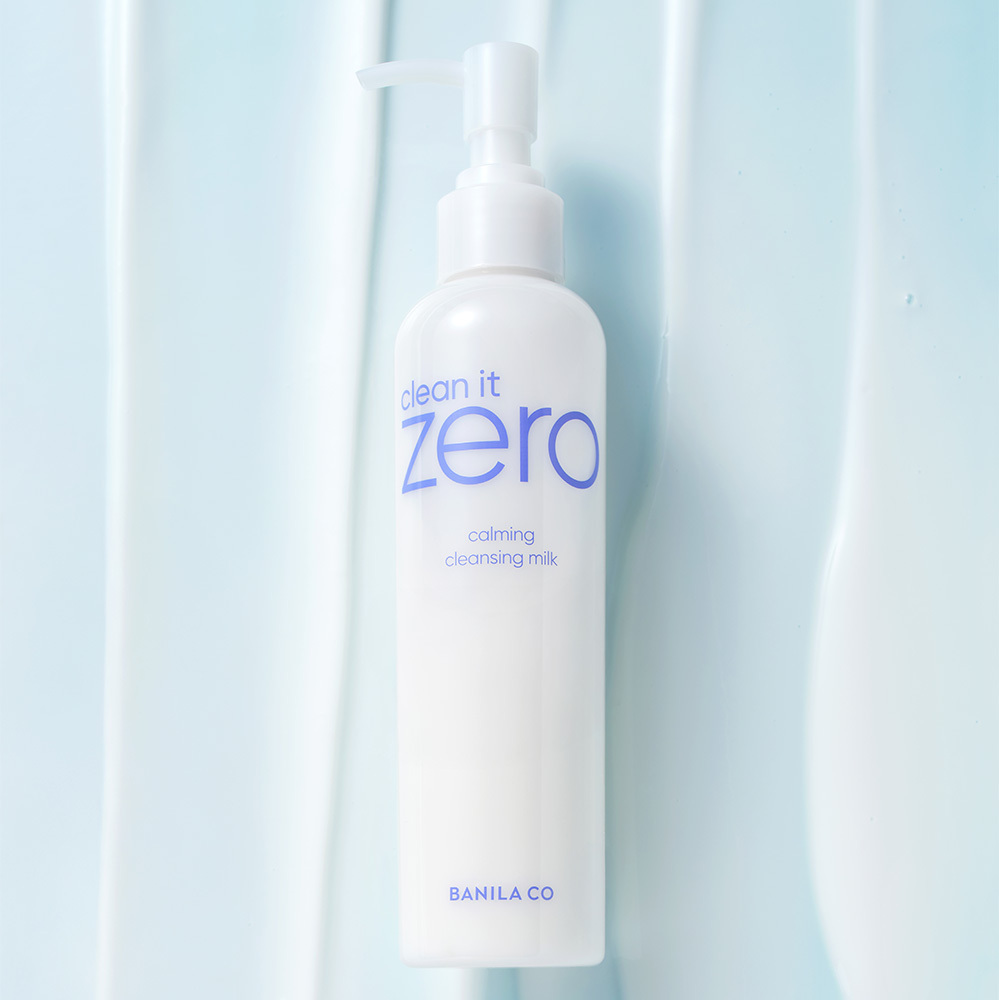
Clean It Zero Calming Cleansing Milk
Banila Co
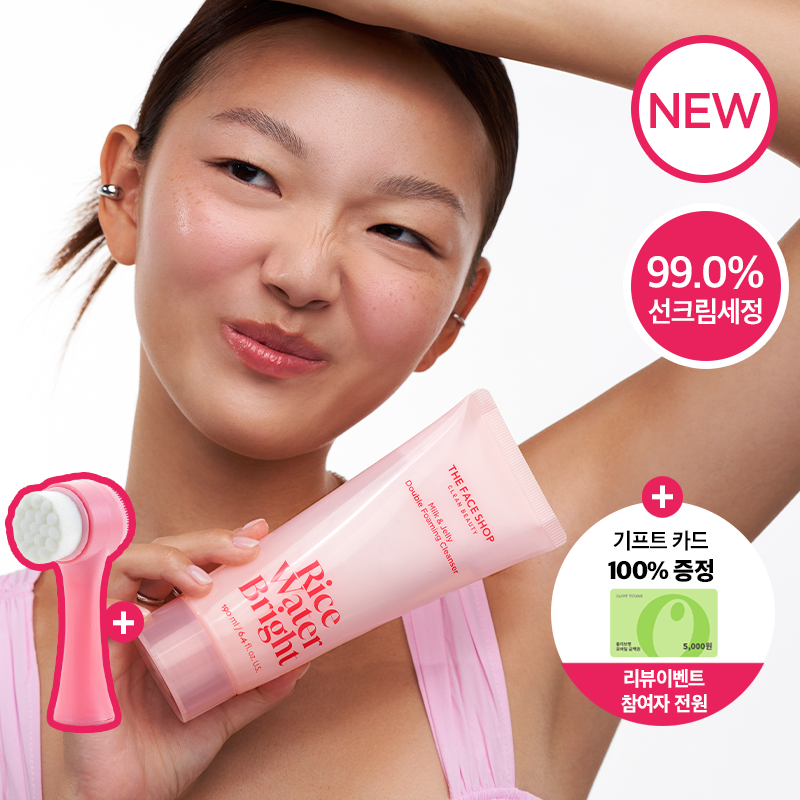
Rice Water Bright Milk & Jelly Double Foaming Cleanser
The Face Shop
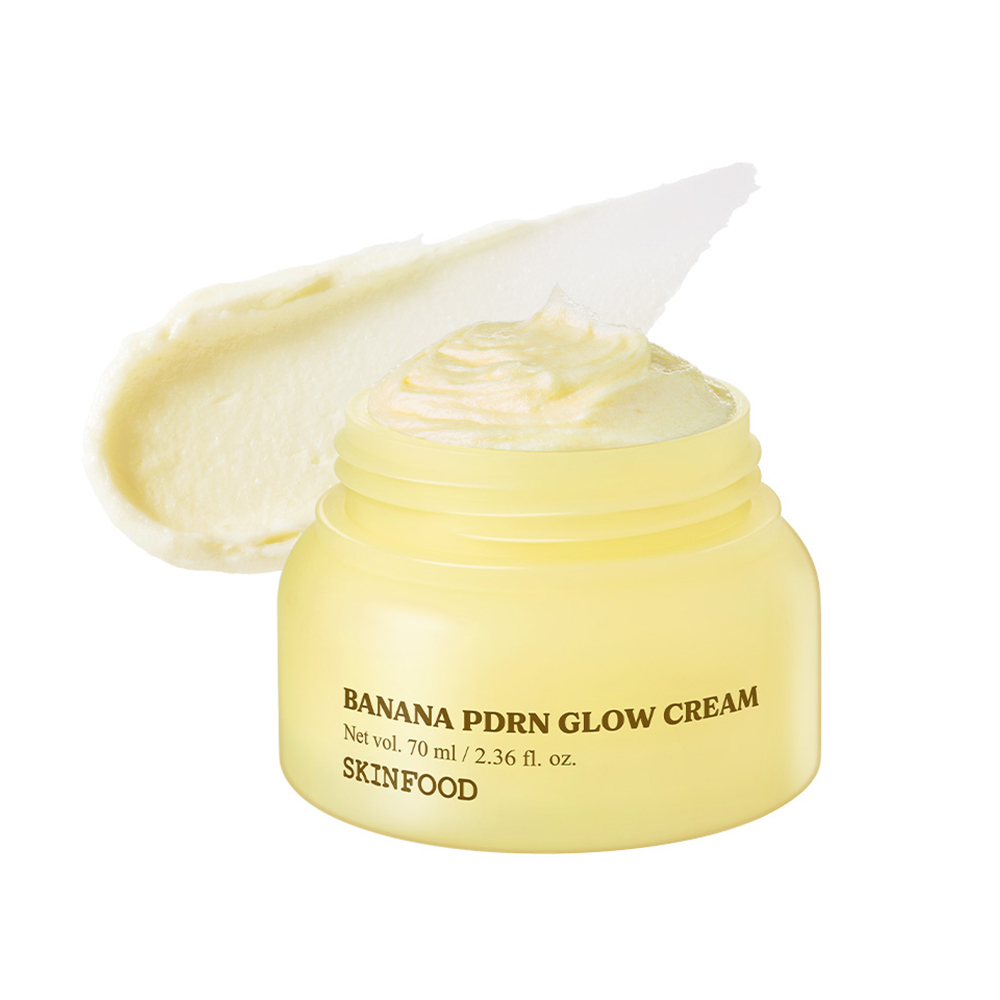
Banana PDRN Glow Cream
Skinfood
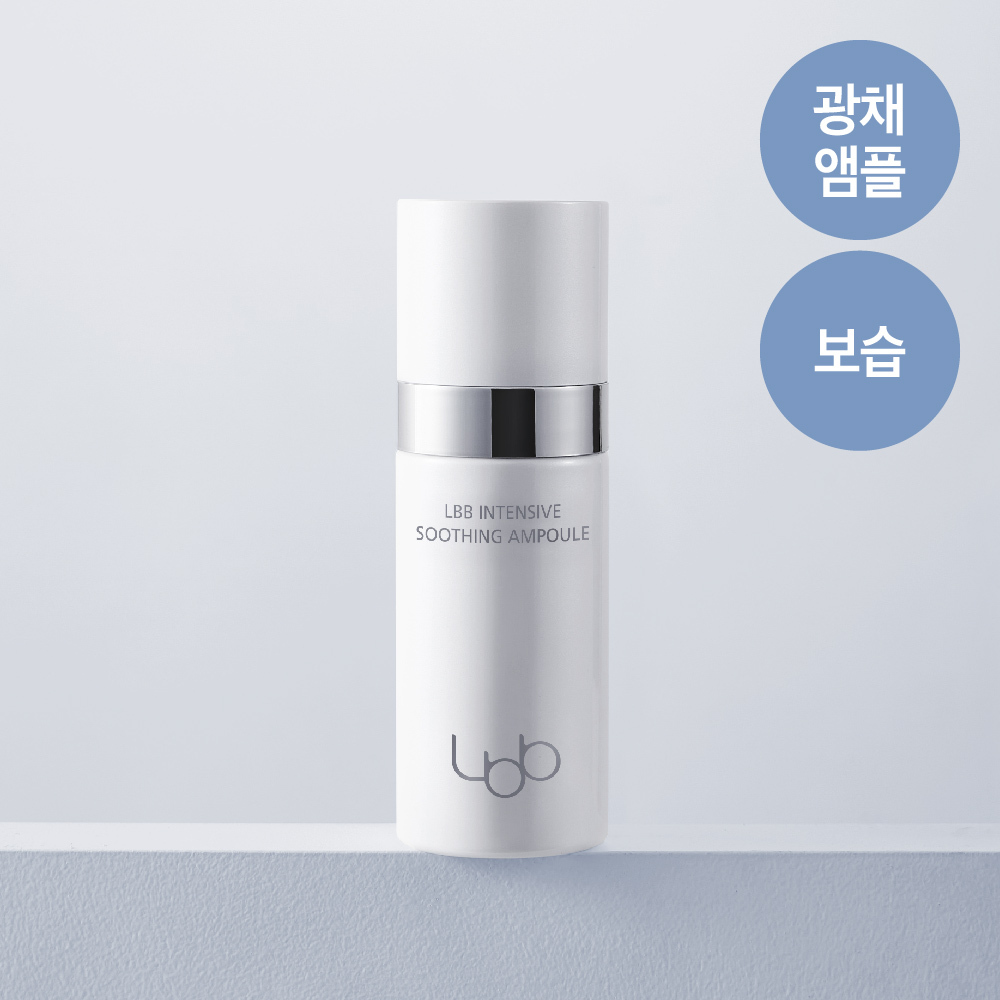
Cellular Intensive Soothing Ampoule
LBB

Cellular Intensive Care In Serum
LBB
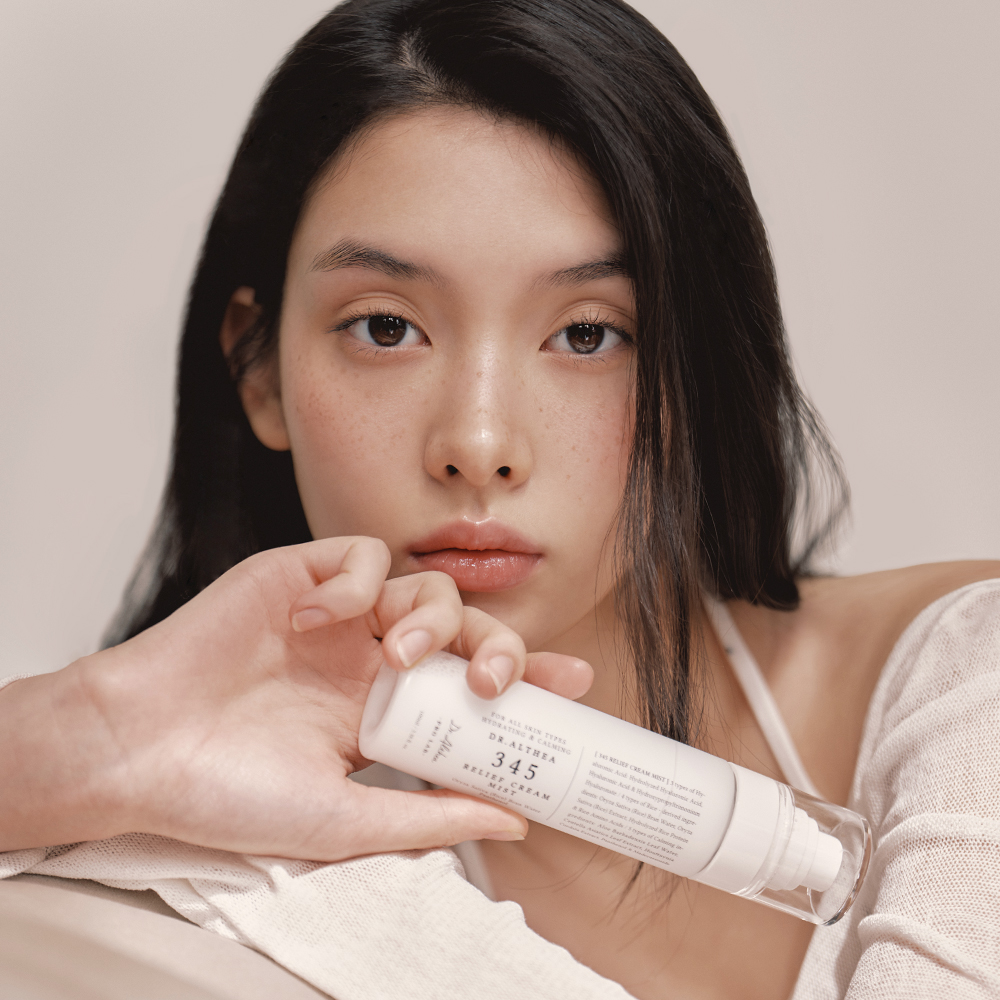
345 Relief Cream Mist
Dr. Althea
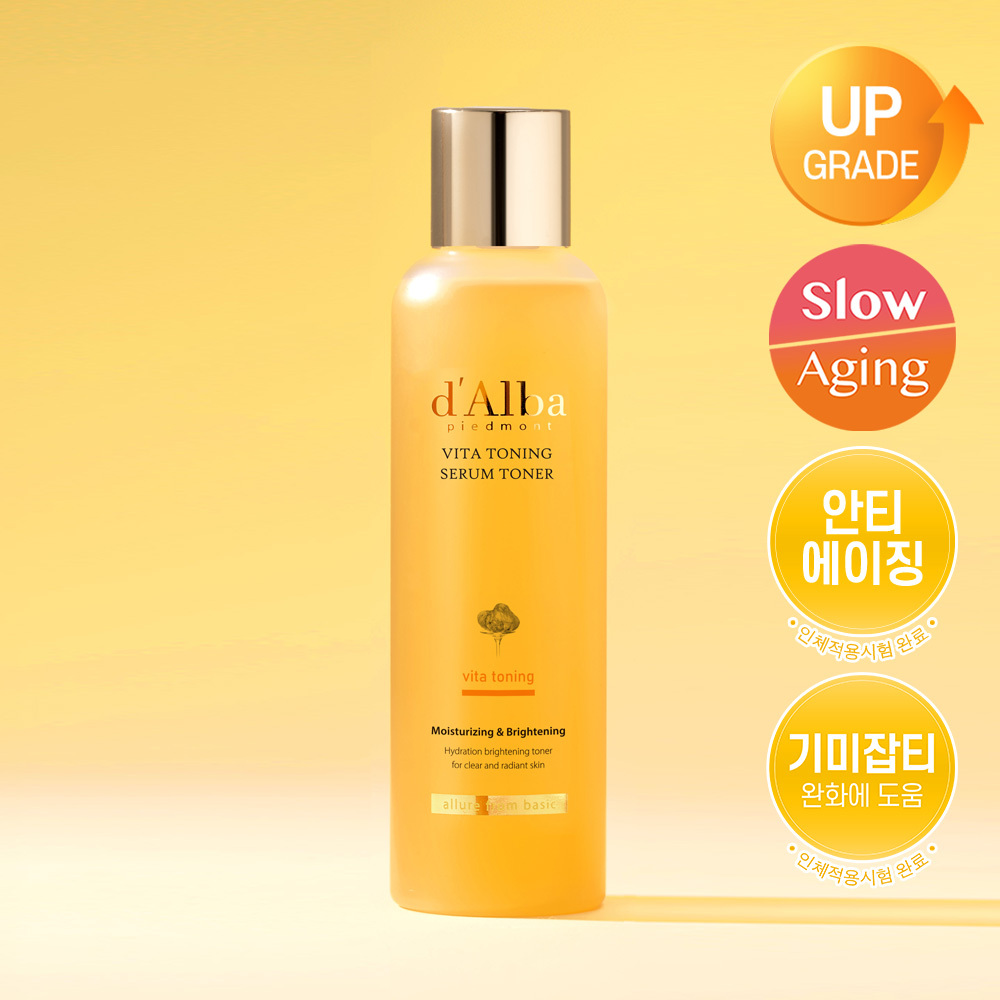
Vita Toning Serum Toner
d'Alba
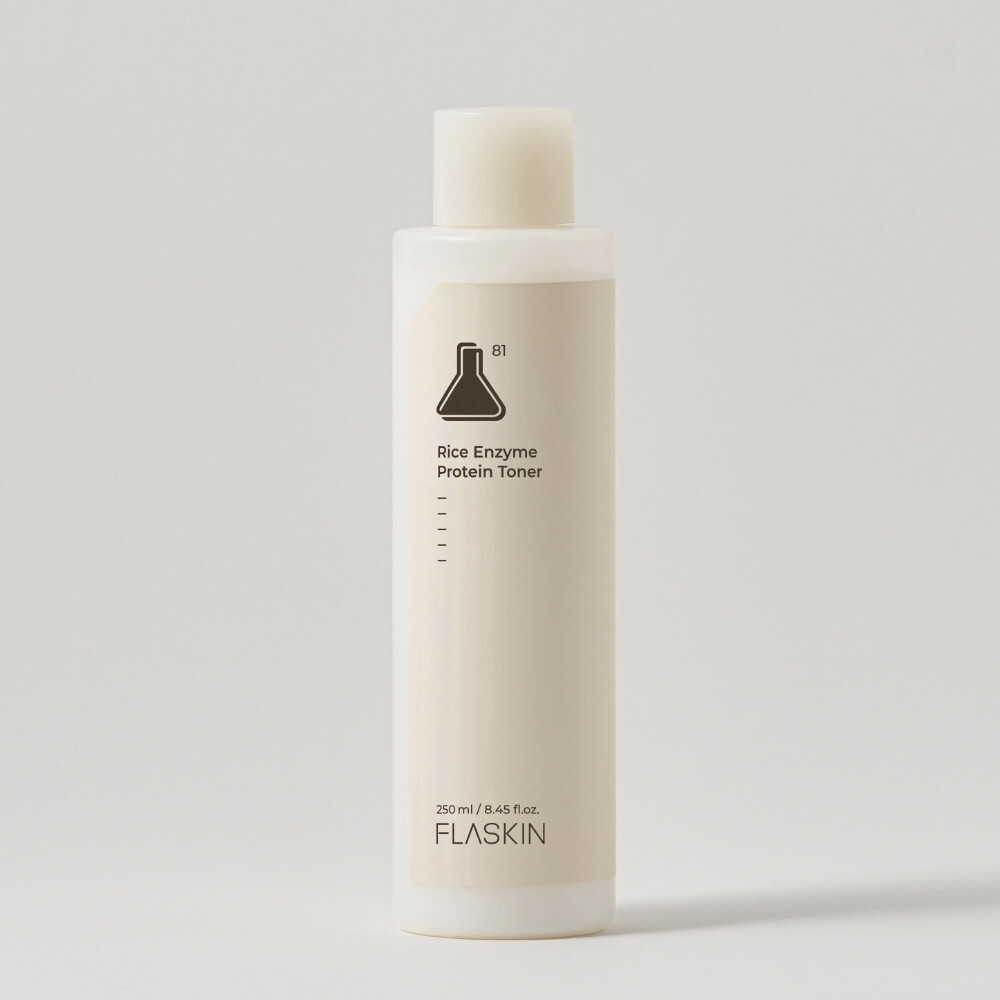
Rice Enzyme Protein Toner
Anua
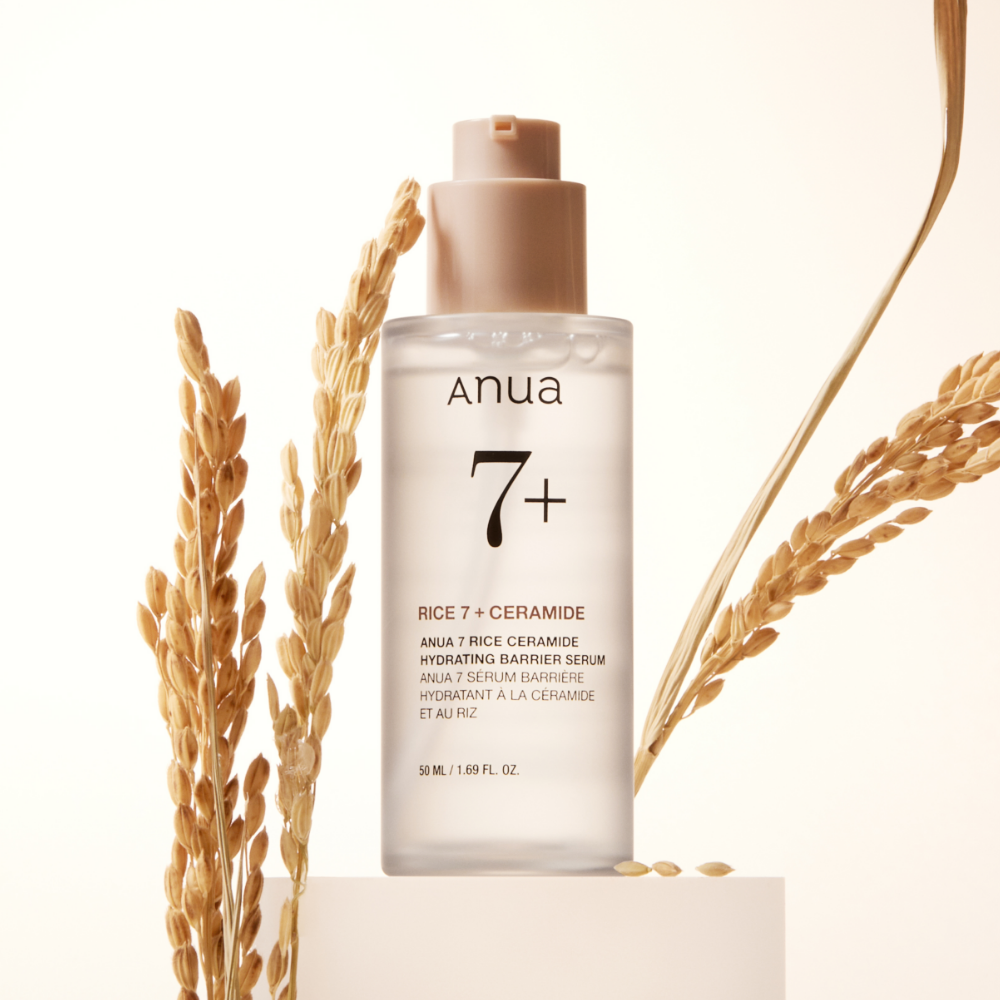
7 Rice Ceramide Hydrating Barrier Serum
Anua
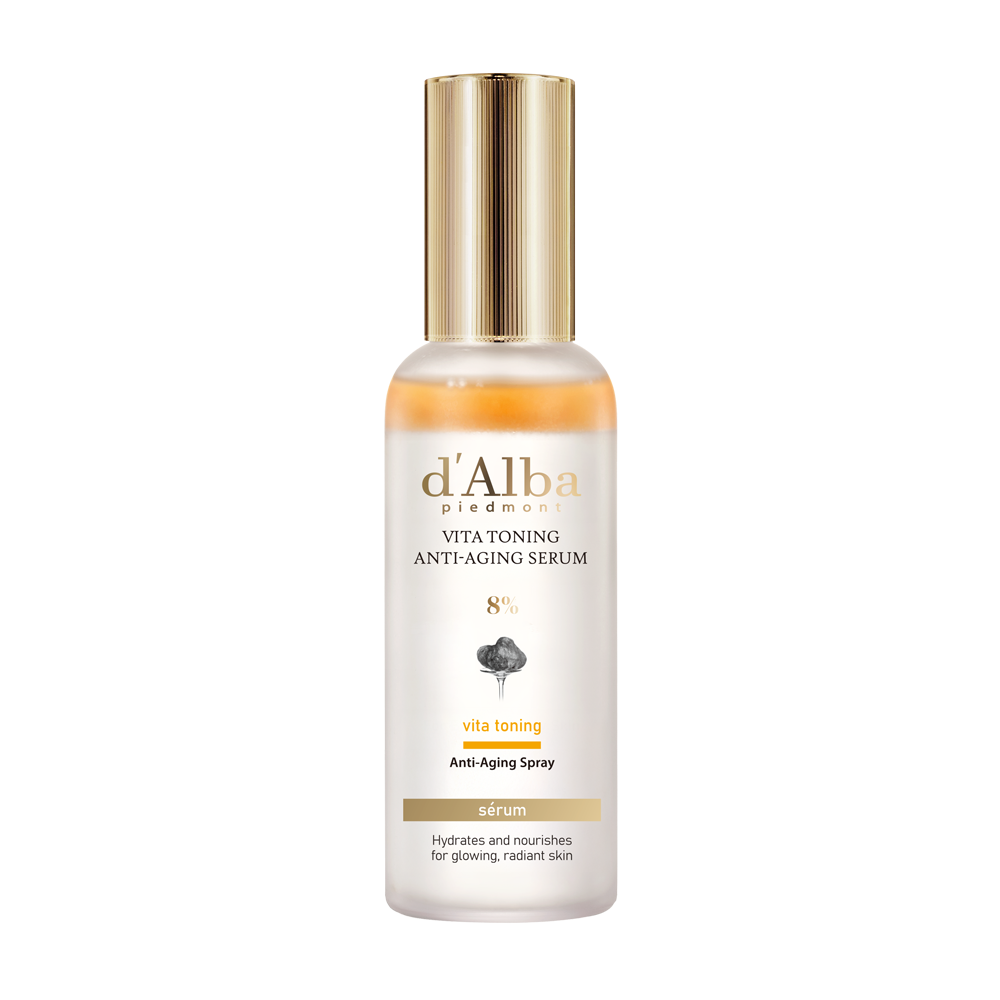
Vita Toning Anti-Aging Spray Serum 8%
d'Alba
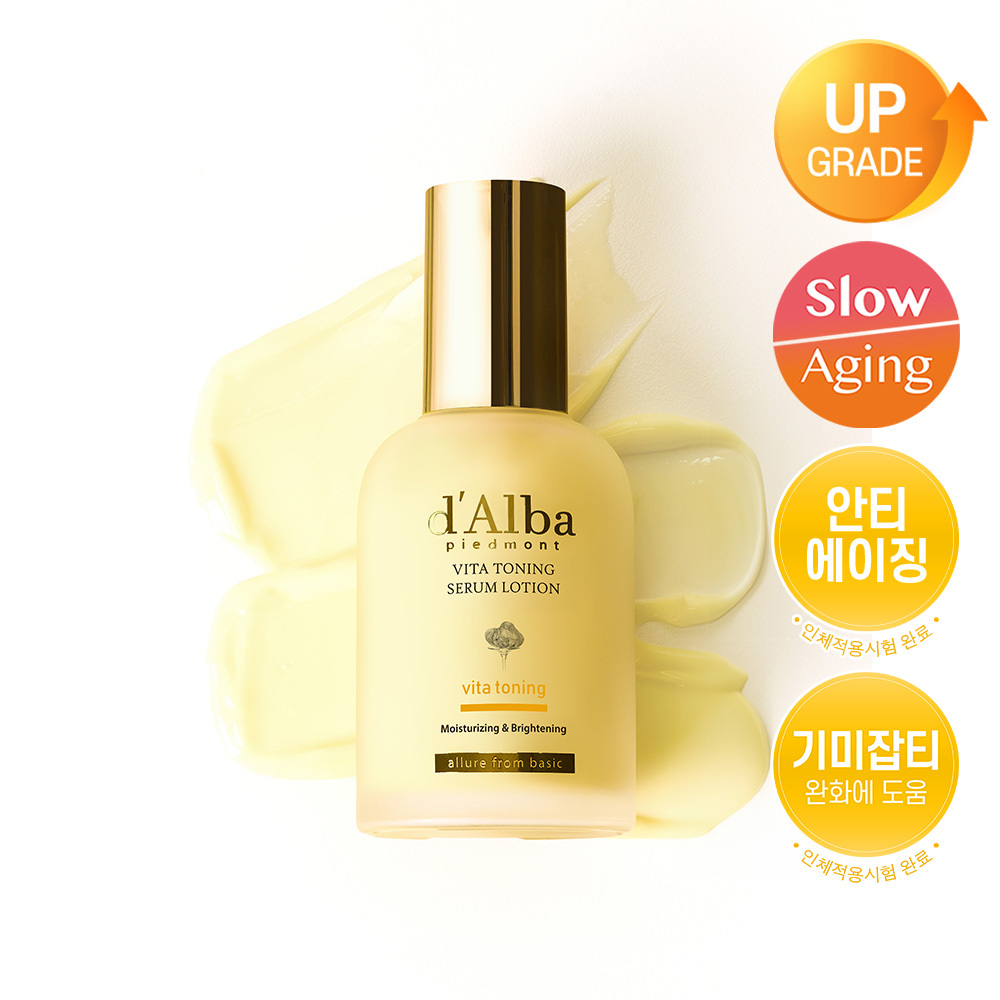
Vita Toning Serum Lotion
d'Alba
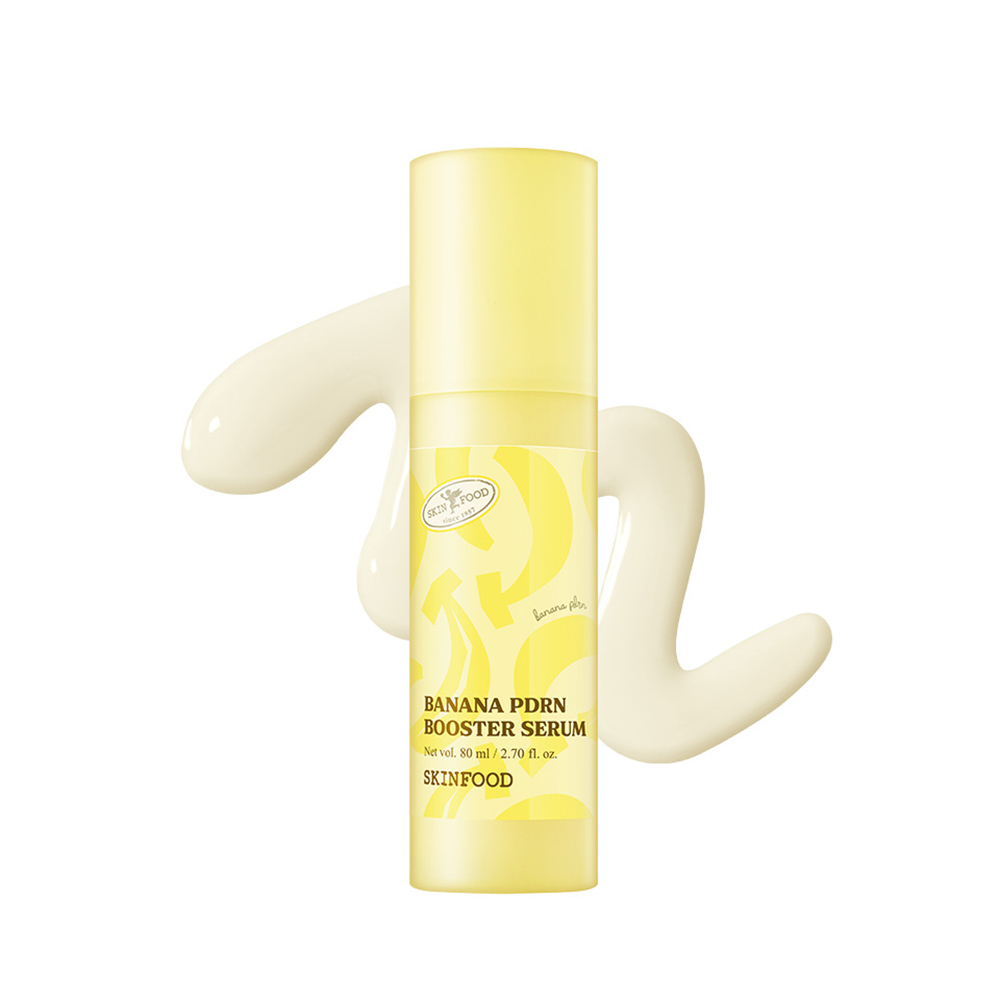
Banana PDRN Booster Serum
Skinfood
Frequently Asked Questions
Is hydrolyzed rice protein actually different from regular rice extract?▼
Can hydrolyzed rice protein help with anti-aging?▼
Will this clog my pores if I have acne-prone skin?▼
How does hydrolyzed rice protein compare to other protein ingredients like silk or collagen?▼
Explore More
Want personalized ingredient advice?
Yuri, our AI beauty advisor, can tell you how Hydrolyzed Rice Protein works with your specific skin type, routine, and concerns.
Ask Yuri, free