Hydrolyzed Soy Protein
Protein conditioning agent and film former
About Hydrolyzed Soy Protein
Hydrolyzed soy protein is a powerhouse conditioning agent derived from soybeans through enzymatic hydrolysis, breaking down larger soy proteins into smaller peptide chains that can actually penetrate skin. In K-beauty formulations, it functions as both a protein conditioning agent and film former, creating a protective barrier on skin's surface while delivering amino acids that support collagen synthesis and moisture retention. Found in 32 products on Seoul Sister, this ingredient appears in some of the highest-rated serums and creams in K-beauty, including Skinfood's Banana PDRN Glow Cream and MISSHA's Atelo Collagen 500 Power Plumping Ampoule, both rated 5.0/5. What makes hydrolyzed soy protein particularly valuable is its biomimetic nature. Your skin naturally contains structural proteins, and hydrolyzed soy protein provides the building blocks (amino acids) skin cells need to maintain firmness, elasticity, and hydration. The hydrolysis process is key here because intact soy protein molecules are too large to benefit skin beyond surface conditioning. By breaking them down into smaller peptides, Korean cosmetic chemists have unlocked their ability to interact with skin's natural repair processes. With a low comedogenic rating of 1/5 and a solid safety rating of 4/5, it works across multiple skin types without clogging pores or causing irritation.
How Hydrolyzed Soy Protein Works
At the molecular level, hydrolyzed soy protein works through a dual mechanism. First, its film-forming properties create a breathable barrier on the skin's surface that reduces transepidermal water loss (TEWL), the invisible evaporation of moisture that leads to dehydration and compromised barrier function. This occlusive layer doesn't suffocate skin but rather acts like a semi-permeable membrane that locks in hydration. Second, and more importantly, the small peptide fragments penetrate into the upper layers of the epidermis where they deliver essential amino acids including glycine, alanine, and proline. These amino acids serve as precursors for collagen and elastin synthesis. When fibroblast cells in the dermis detect these amino acid building blocks, they increase production of structural proteins that maintain skin firmness and elasticity. Hydrolyzed soy protein also contains naturally occurring isoflavones (genistein and daidzein) that have mild phytoestrogen activity, which can help improve skin thickness and collagen density over time. The conditioning effect comes from the protein's ability to bind to keratin in the stratum corneum, smoothing the skin's surface and improving texture immediately upon application.
Hydrolyzed Soy Protein by Skin Type
Oily Skin
Hydrolyzed soy protein works well for oily skin types because of its lightweight texture and low comedogenic rating of 1/5. It provides the protein conditioning and barrier support oily skin needs without adding heavy oils or occlusives that trigger breakouts. The film-forming property helps balance moisture levels, which can actually reduce excess sebum production.
Dry Skin
This ingredient is excellent for dry skin, appearing in multiple high-performing moisturizing formulas on Seoul Sister including products rated 5.0/5. The dual action of film formation (preventing water loss) and amino acid delivery (supporting barrier repair) directly addresses the structural deficiencies that cause chronic dryness. It helps skin hold onto moisture more effectively than humectants alone.
Combo Skin
Combination skin benefits from hydrolyzed soy protein's balanced approach to hydration. It provides enough moisture and conditioning to dry zones without overloading oily areas. The lightweight peptides absorb where needed while the protective film adjusts to different moisture levels across the face, making it ideal for products that need to work across multiple skin zones.
Sensitive Skin
With a safety rating of 4/5, hydrolyzed soy protein is generally well-tolerated by sensitive skin. However, individuals with soy allergies should patch test carefully, as even hydrolyzed proteins can occasionally trigger reactions in highly allergic individuals. The soothing and barrier-strengthening properties make it a common ingredient in calming products like LBB's Cellular Intensive Soothing Ampoule (5.0/5).
Normal Skin
Normal skin types can use hydrolyzed soy protein as a maintenance ingredient to preserve collagen levels and skin elasticity over time. It appears in premium anti-aging formulas like The Whoo's Bichup Ultimate Recovery Youth Serum (5.0/5), where it works synergistically with other actives to maintain skin's youthful structure and hydration balance.
How to Use Hydrolyzed Soy Protein
- 1Layer products containing hydrolyzed soy protein after water-based serums but before heavier creams to maximize peptide absorption while sealing in hydration
- 2Look for this ingredient paired with collagen or PDRN (as in Skinfood's Banana PDRN Glow Cream) for enhanced plumping and anti-aging effects
- 3If you have a known soy allergy, perform a 48-hour patch test on your inner arm before applying products with hydrolyzed soy protein to your face
- 4Products with hydrolyzed soy protein work best with consistent use over 4-8 weeks, as the collagen-supporting benefits are cumulative rather than immediate
Background
Soybeans have been cultivated in Asia for over 5,000 years, initially for food but eventually recognized for medicinal and cosmetic properties in traditional Korean and Chinese medicine. The use of soy in skincare dates back centuries, with fermented soybean paste applied topically for its brightening and nourishing effects. Modern hydrolyzed soy protein emerged in the 1980s when cosmetic chemists developed enzymatic hydrolysis techniques to break down soy proteins into skin-absorbable peptides. Korean beauty brands pioneered its use in high-performance serums and ampoules in the early 2000s, recognizing that hydrolyzed plant proteins offered a vegan alternative to animal-derived collagen and keratin. The ingredient gained prominence in premium K-beauty lines like The Whoo and MISSHA, where it became a signature component in anti-aging formulations focused on traditional Korean herbal medicine principles combined with modern peptide technology.
K-Beauty Products with Hydrolyzed Soy Protein
View all 37 →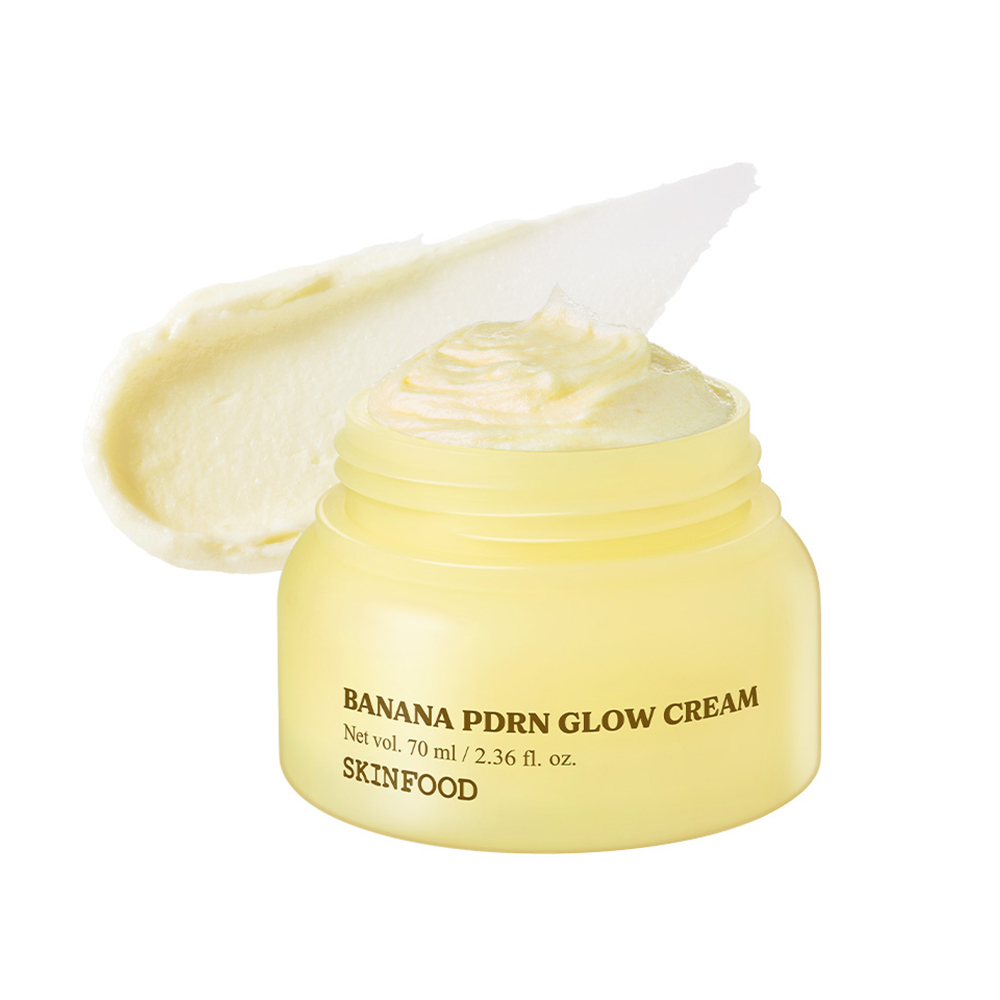
Banana PDRN Glow Cream
Skinfood
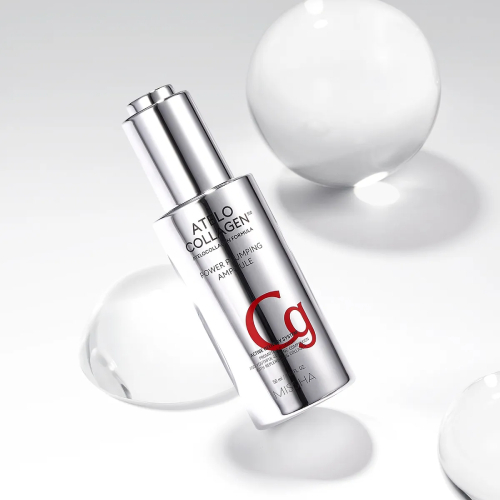
Atelo Collagen 500 Power Plumping Ampoule
MISSHA

Bichup Ultimate Recovery Youth Serum Discovery Set
The Whoo
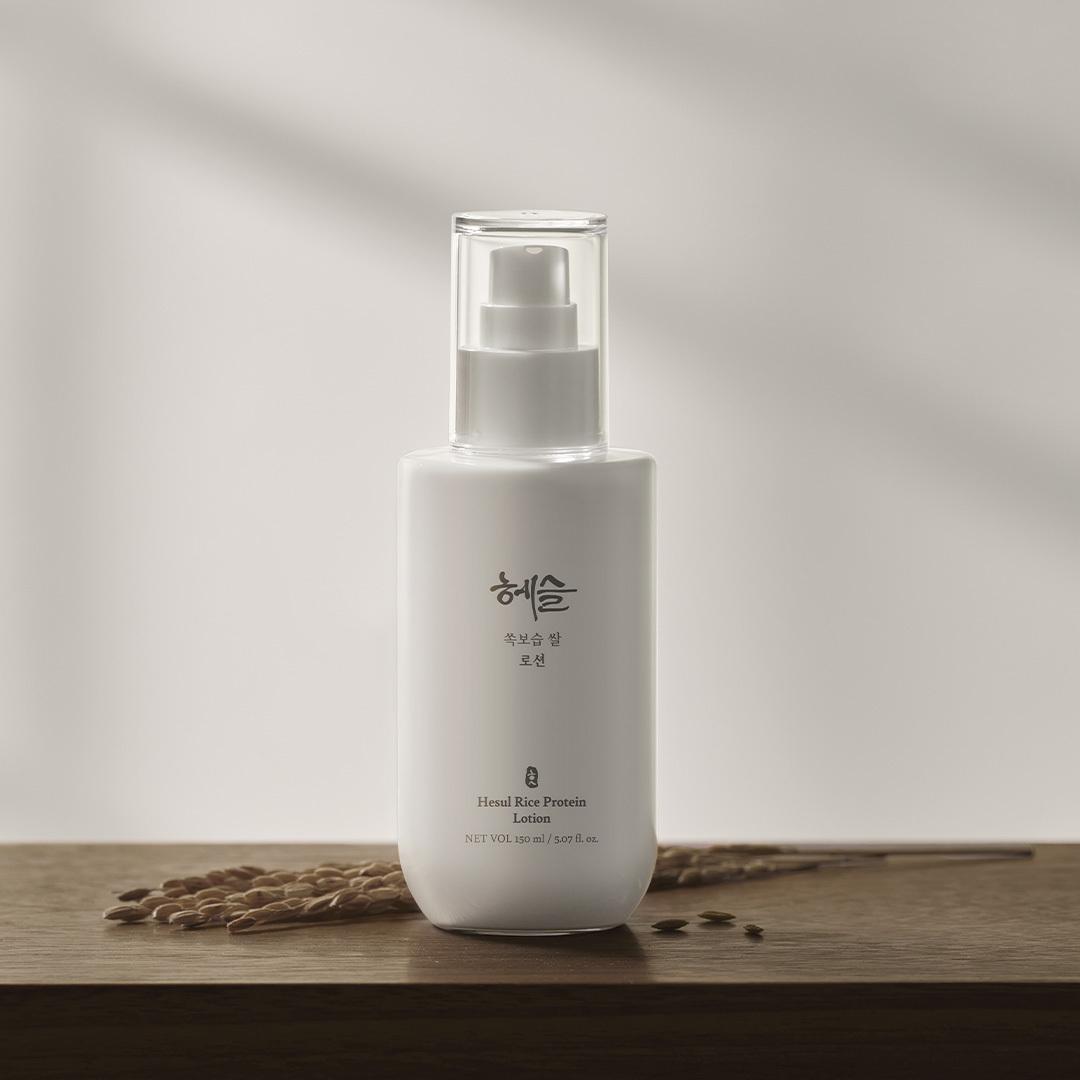
Rice Protein Lotion
Hesul
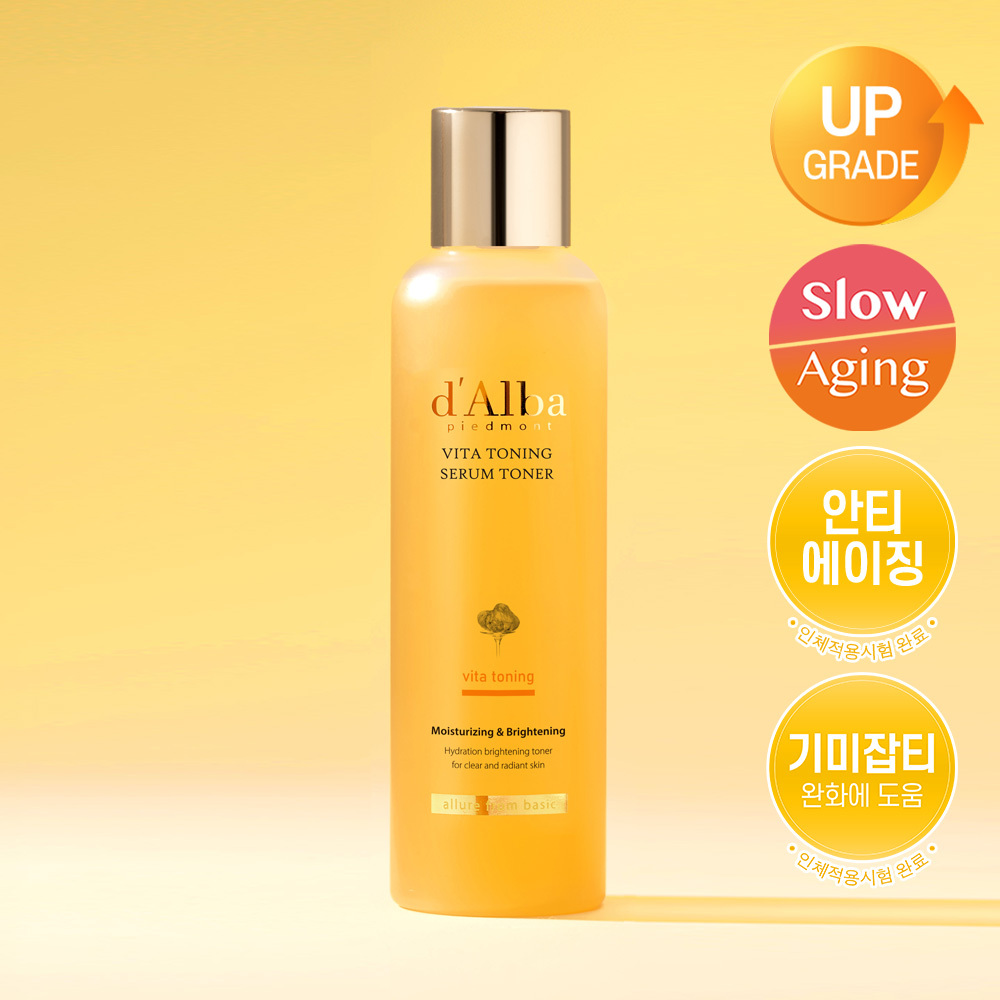
Vita Toning Serum Toner
d'Alba
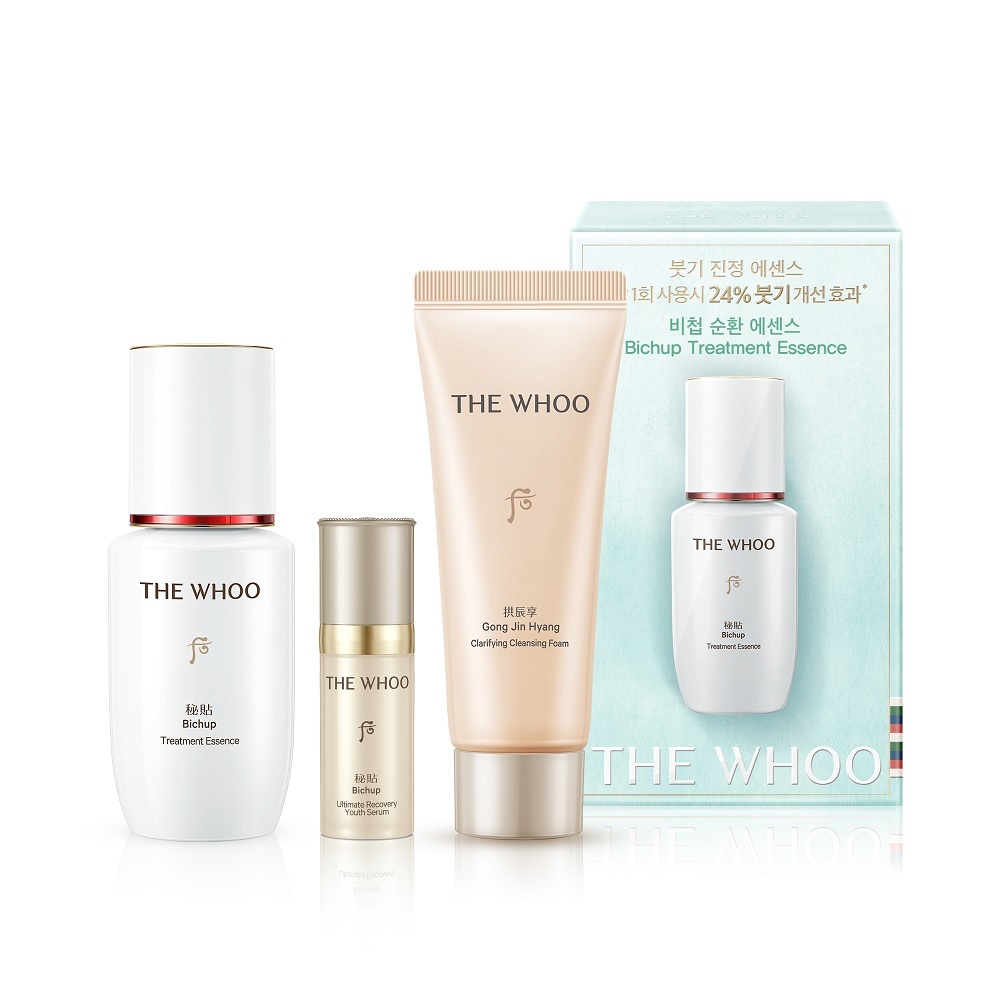
Bichup Treatment Essence 30ml Set
The Whoo

Mung Bean Milk Peeling Gel Special Set
Beplain
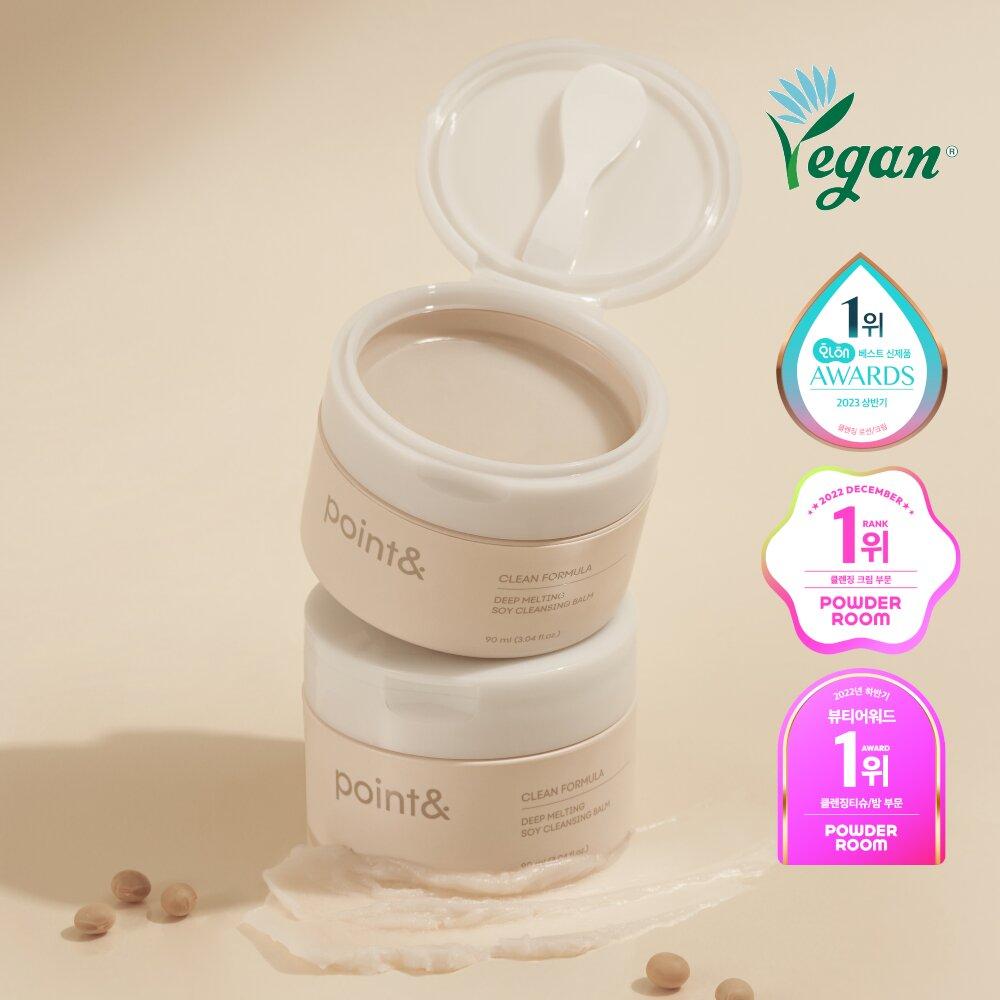
Deep Melting Soy Cleansing Balm
Banila Co
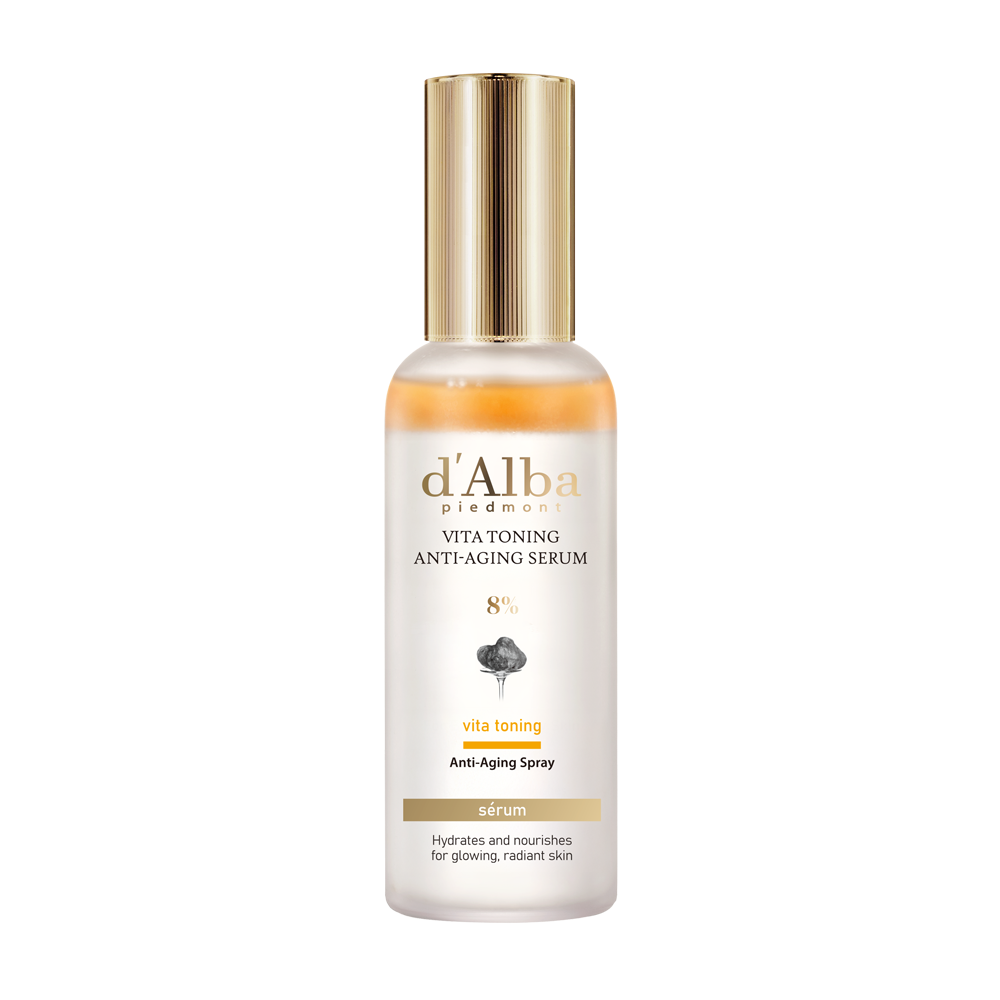
Vita Toning Anti-Aging Spray Serum 8%
d'Alba
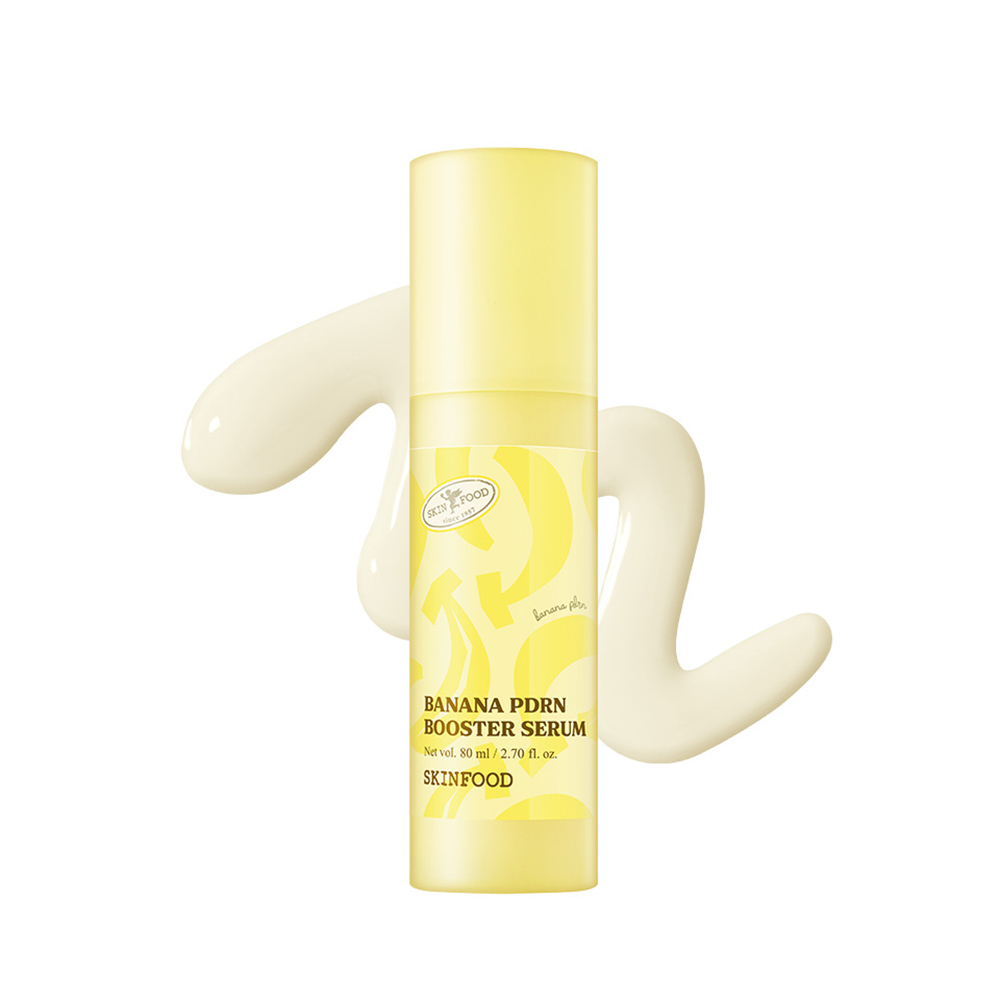
Banana PDRN Booster Serum
Skinfood
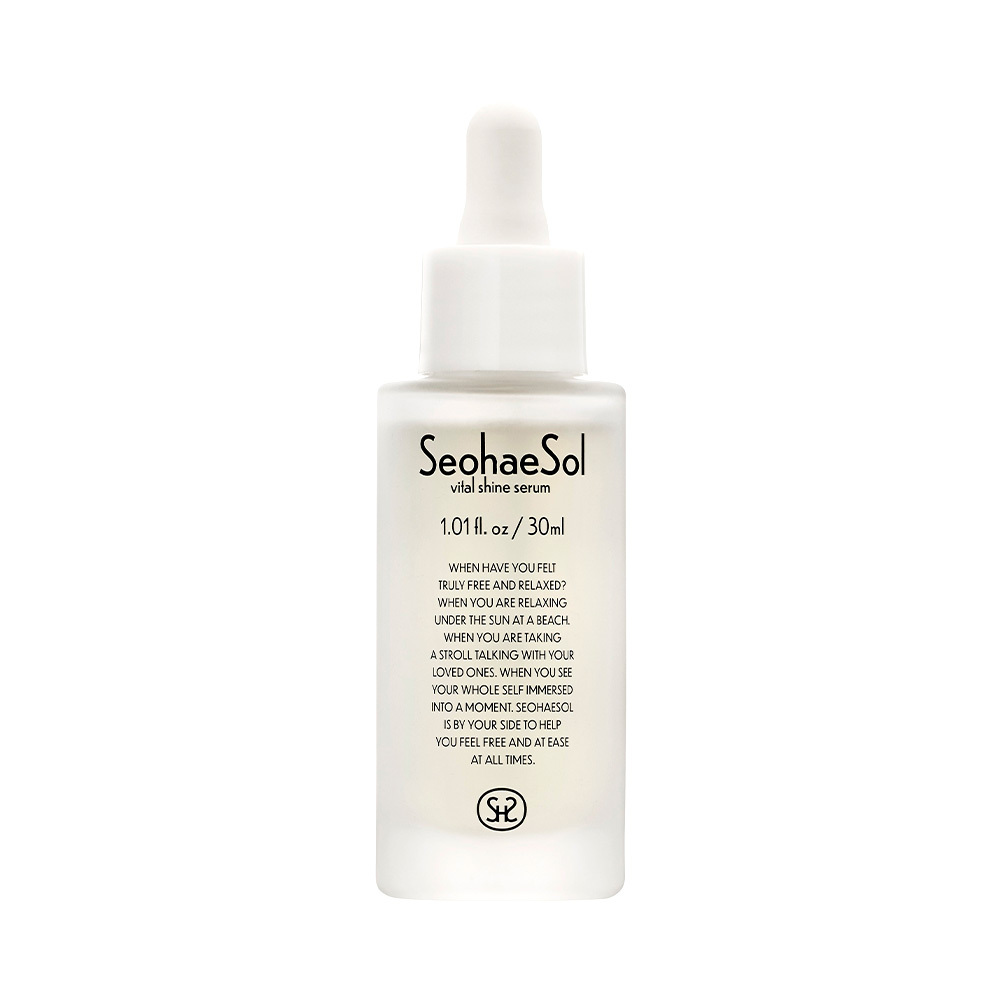
SeohaeSol Vital Shine Serum
Anua
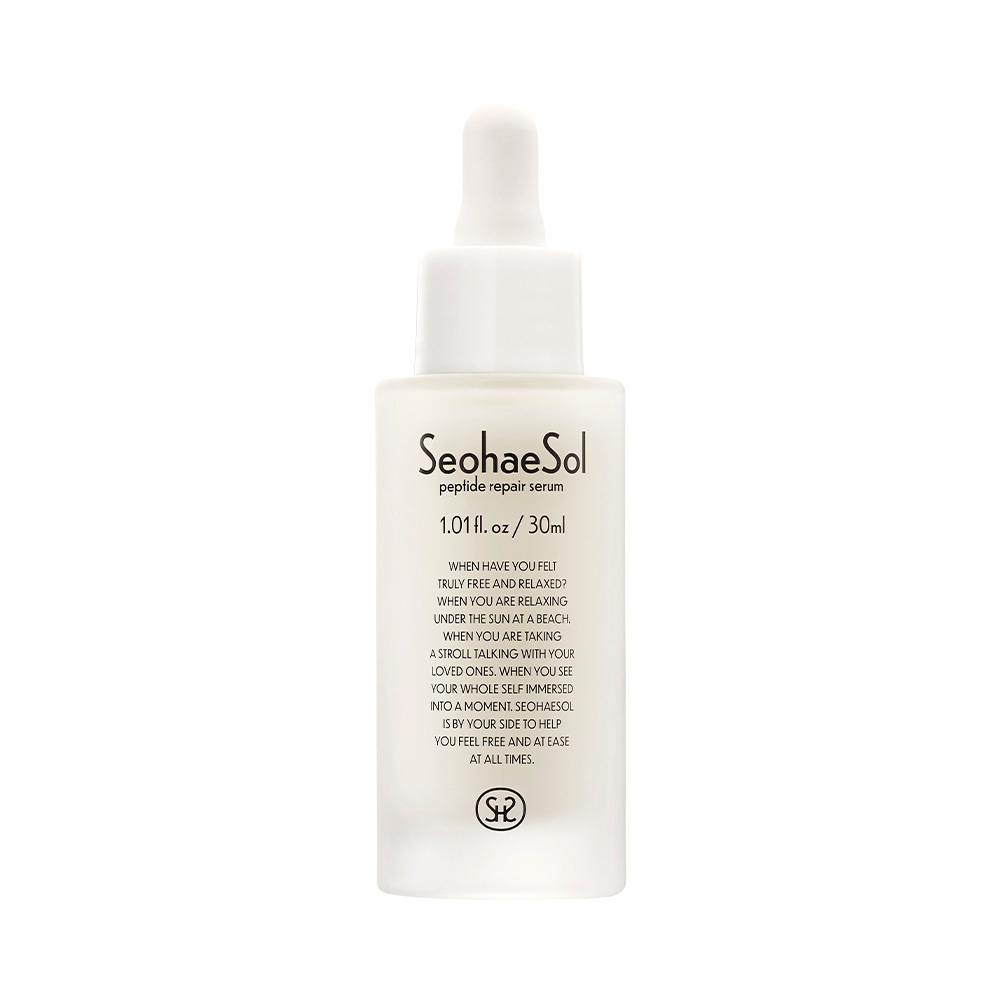
SeohaeSol Peptide Repair Serum
Anua
Frequently Asked Questions
Is hydrolyzed soy protein safe for people with soy allergies?▼
How is hydrolyzed soy protein different from regular collagen in skincare?▼
Why does this ingredient appear in so many 5.0/5 rated products on Seoul Sister?▼
Will hydrolyzed soy protein clog my pores?▼
Explore More
Want personalized ingredient advice?
Yuri, our AI beauty advisor, can tell you how Hydrolyzed Soy Protein works with your specific skin type, routine, and concerns.
Ask Yuri, free