Hydroxycinnamic Acid
Antioxidant and skin brightening agent
About Hydroxycinnamic Acid
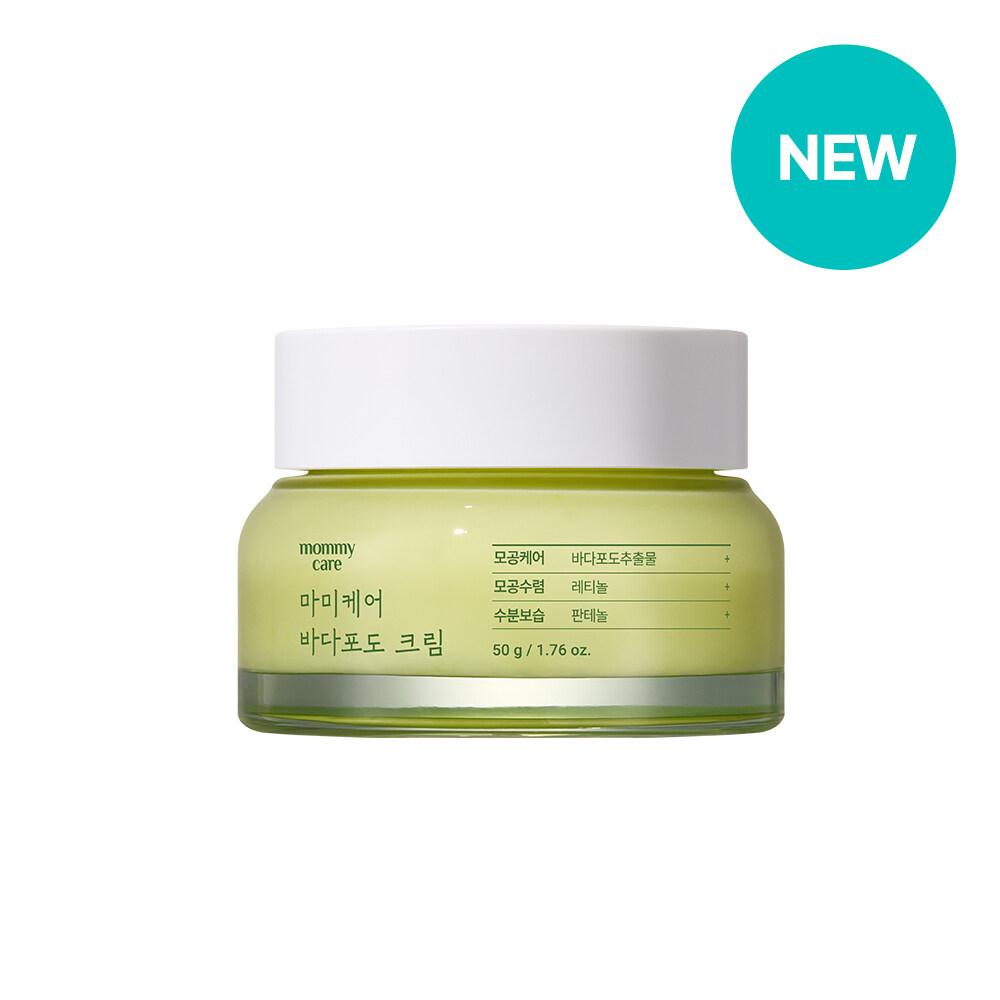
Hydroxycinnamic acid is a plant-derived antioxidant compound that belongs to the phenolic acid family, naturally found in coffee beans, fruits, and vegetables. In K-beauty formulations, it serves a dual purpose as both a potent free radical scavenger and a gentle brightening agent. Unlike more aggressive brightening ingredients, hydroxycinnamic acid works by inhibiting tyrosinase, the enzyme responsible for melanin production, while simultaneously protecting skin from oxidative stress that can trigger hyperpigmentation. What makes this ingredient particularly valuable in Korean skincare is its ability to deliver visible brightening results without irritation. With a comedogenic rating of 0/5, it won't clog pores, making it suitable for formulations targeting both tone correction and texture refinement. You'll find it in 19 K-beauty products on Seoul Sister, often paired with other antioxidants in high-performing formulas like RETURNITY's Yulmu Skinclean Pore Ampoule and Aestura's Sea Grape Pore Lifting Cream, both rated 5.0/5. Its inclusion in everything from cleansing balms to sun protection speaks to its versatility and stability across different product types.
How Hydroxycinnamic Acid Works
At the cellular level, hydroxycinnamic acid functions through two primary mechanisms. First, it donates hydrogen atoms to neutralize reactive oxygen species (ROS) that form when skin is exposed to UV radiation, pollution, and other environmental stressors. These free radicals would otherwise damage cellular components like lipids, proteins, and DNA, leading to premature aging and uneven pigmentation. Second, hydroxycinnamic acid competitively inhibits tyrosinase by binding to the enzyme's active site, preventing it from converting the amino acid tyrosine into melanin precursors. This effect is gentler than hydroquinone but consistent with regular use. The molecule's relatively small size allows it to penetrate the stratum corneum effectively, while its phenolic structure provides the electron-donating capacity that makes it such an effective antioxidant. Because it addresses both existing damage and prevents future oxidative stress, hydroxycinnamic acid supports the skin's natural repair processes while gradually improving overall radiance and tone uniformity.
Hydroxycinnamic Acid by Skin Type
Oily Skin
Hydroxycinnamic acid is particularly beneficial for oily skin types prone to post-inflammatory hyperpigmentation from breakouts. Its non-comedogenic profile means it won't contribute to congestion, while its antioxidant properties help calm the inflammation that often triggers excess sebum production. The brightening effect also helps fade the dark spots that acne can leave behind.
Dry Skin
For dry skin, hydroxycinnamic acid provides antioxidant protection without stripping moisture or causing irritation. It works well in richer formulations like the Aestura Sea Grape Pore Lifting Cream (5.0/5), where it complements hydrating ingredients. The gentle brightening action helps counteract the dullness that often accompanies dehydration, revealing a more luminous complexion over time.
Combo Skin
Combination skin benefits from hydroxycinnamic acid's balanced approach to skin improvement. It addresses the oiliness and potential congestion in the T-zone while brightening areas that may be drier and more prone to dullness. Look for it in lightweight ampoules like Ariul's Green Vitamin C Toning Ampoule (4.8/5) that won't overwhelm oily zones or neglect dry patches.
Sensitive Skin
Hydroxycinnamic acid is generally well-tolerated by sensitive skin due to its plant-derived nature and gentle mechanism of action. Unlike more aggressive brightening agents, it doesn't cause significant irritation or photosensitivity. Products like Medicube's Super Cica Deep Cleansing Balm (4.8/5) pair it with soothing ingredients, making it accessible even for reactive skin types that struggle with traditional brightening treatments.
Normal Skin
Normal skin types can incorporate hydroxycinnamic acid as a preventative measure against environmental damage and age-related pigmentation. It maintains the skin's existing clarity while building antioxidant reserves. The Dr.G Green Mild Up Sun+ Set (5.0/5) demonstrates how this ingredient enhances sun protection formulas, adding an extra layer of defense against UV-induced oxidative stress.
How to Use Hydroxycinnamic Acid
- 1Layer hydroxycinnamic acid products after cleansing and toning but before heavier creams to maximize absorption and efficacy.
- 2Pair with sunscreen during the day, as antioxidants work synergistically with UV filters to prevent photoaging and pigmentation.
- 3For targeting specific dark spots, apply hydroxycinnamic acid serums or ampoules twice daily and allow 6-8 weeks to see visible brightening results.
- 4Combine with other gentle actives like niacinamide or centella asiatica for enhanced brightening and soothing effects without irritation risk.
Background
Hydroxycinnamic acid has its roots in traditional herbal medicine, where coffee beans and certain fruits rich in this compound were used for their anti-inflammatory and healing properties. The scientific isolation and study of hydroxycinnamic acids began in the mid-20th century when researchers identified them as key bioactive components in plants. Korean skincare brands began incorporating this ingredient in the early 2010s as the K-beauty industry shifted toward plant-based actives with proven efficacy and minimal side effects. The rise of "clean beauty" and consumer demand for gentler alternatives to hydroquinone accelerated its adoption. Today, hydroxycinnamic acid represents K-beauty's philosophy of harnessing botanical science, appearing in sophisticated formulations that balance efficacy with skin compatibility, from pore-refining ampoules to protective sun care.
K-Beauty Products with Hydroxycinnamic Acid
View all 22 →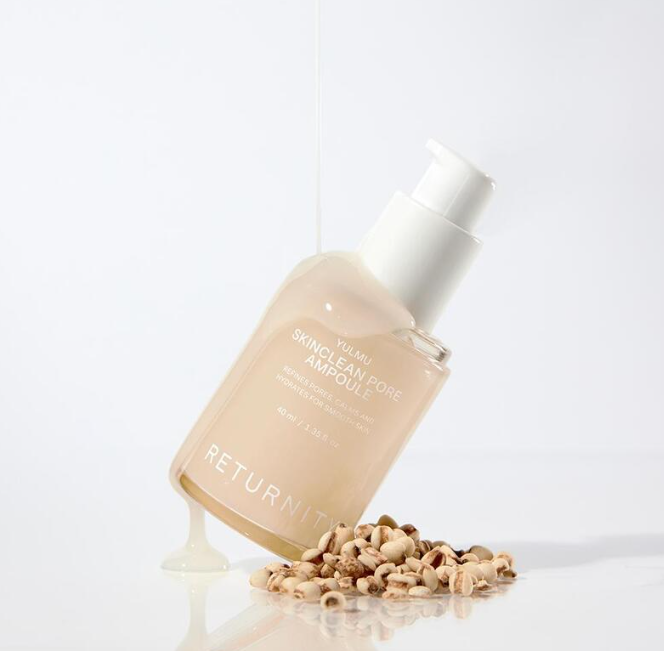
Yulmu Skinclean Pore Ampoule
RETURNITY
Sea Grape Pore Lifting Cream
Aestura
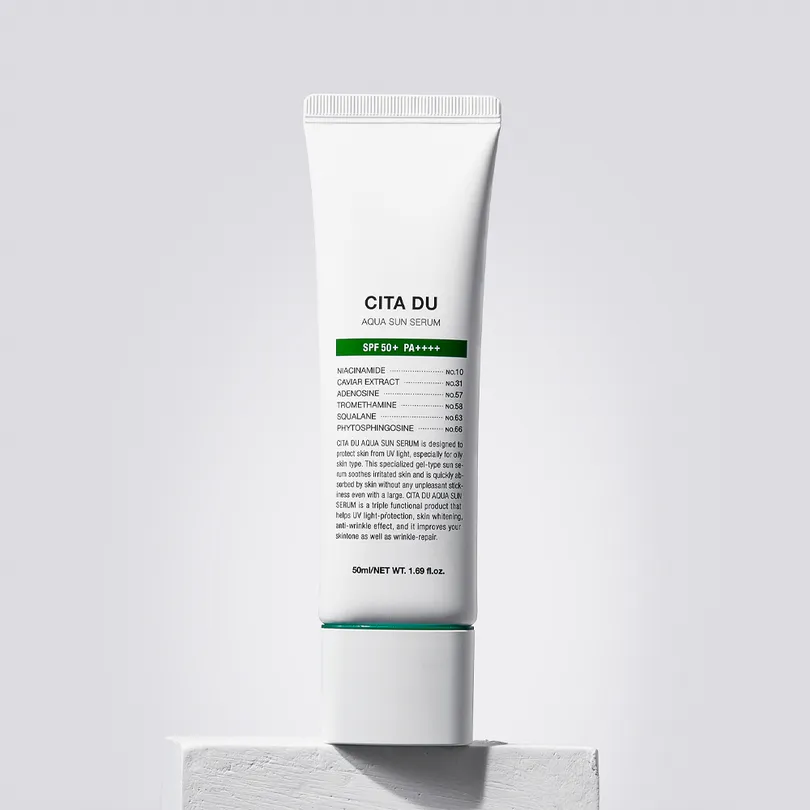
DX Cita Du Aqua Sun Serum
DEMAR3
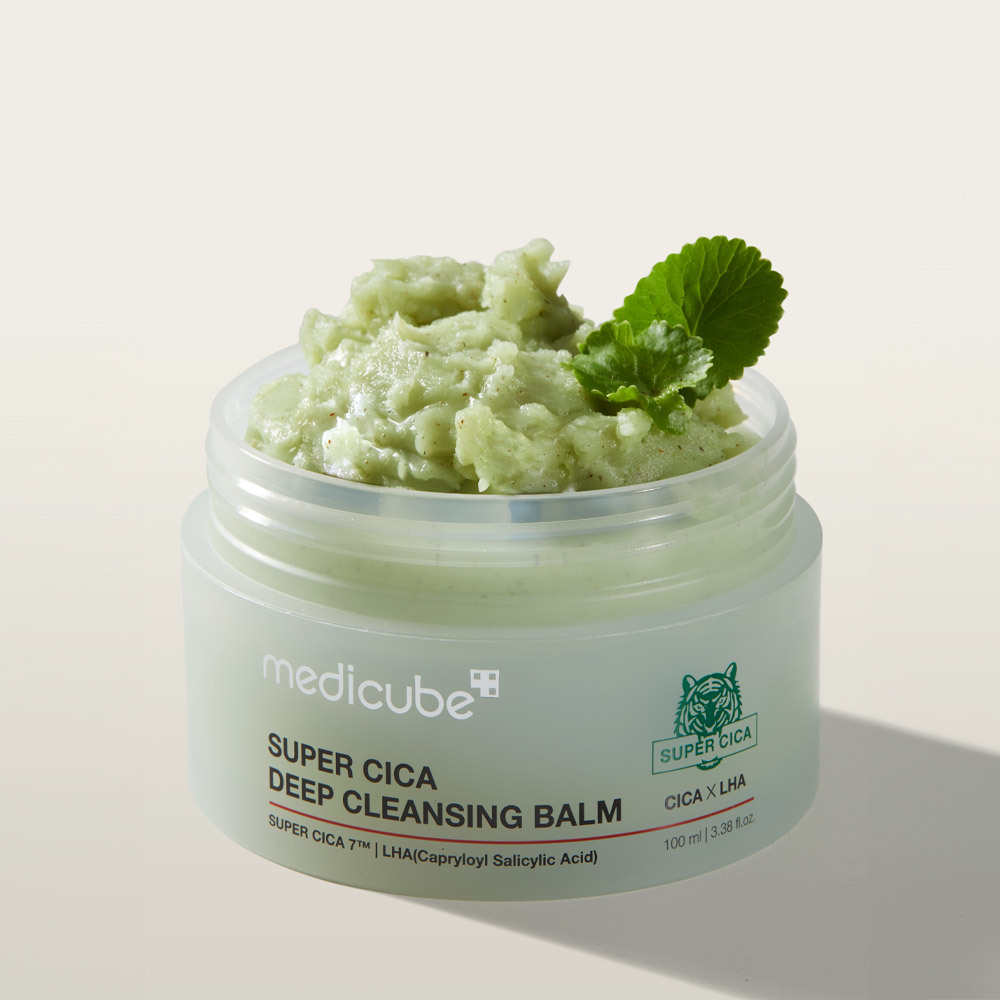
Super Cica Deep Cleansing Balm
Medicube
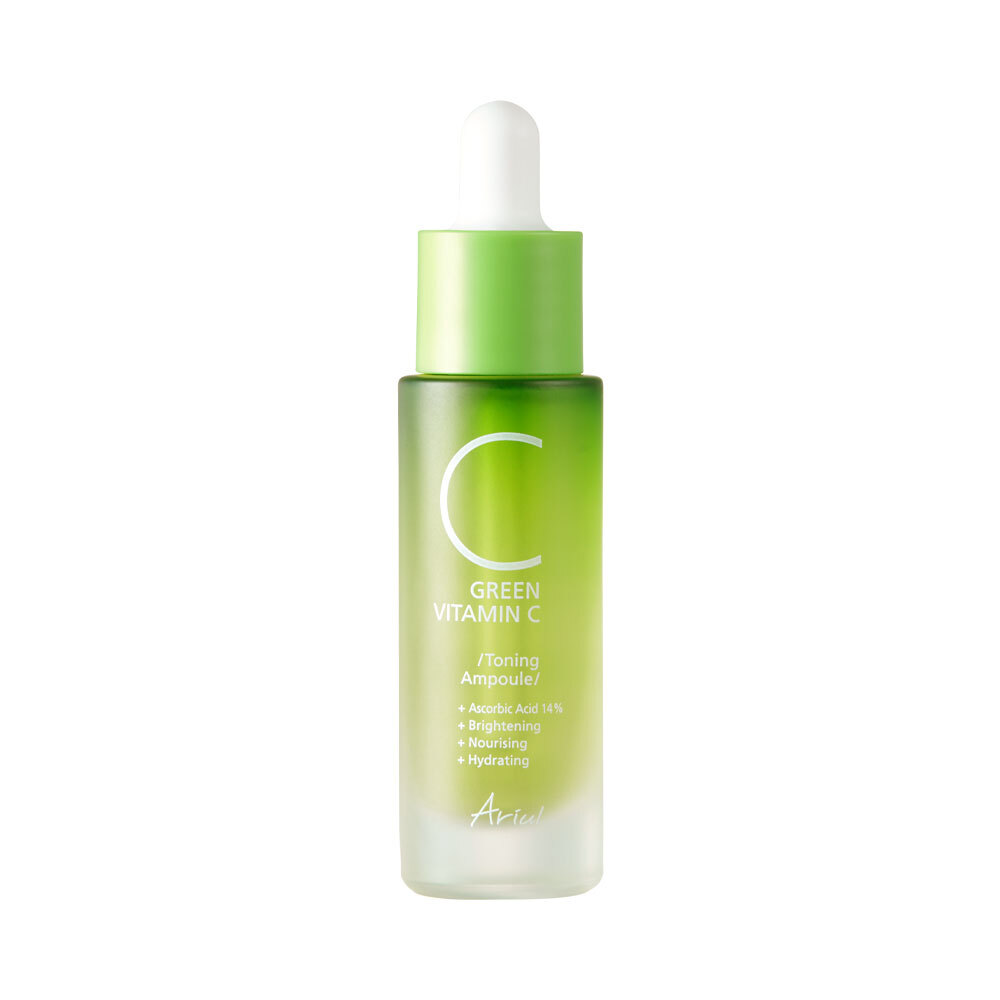
Green Vitamin C Toning Ampoule
Ariul
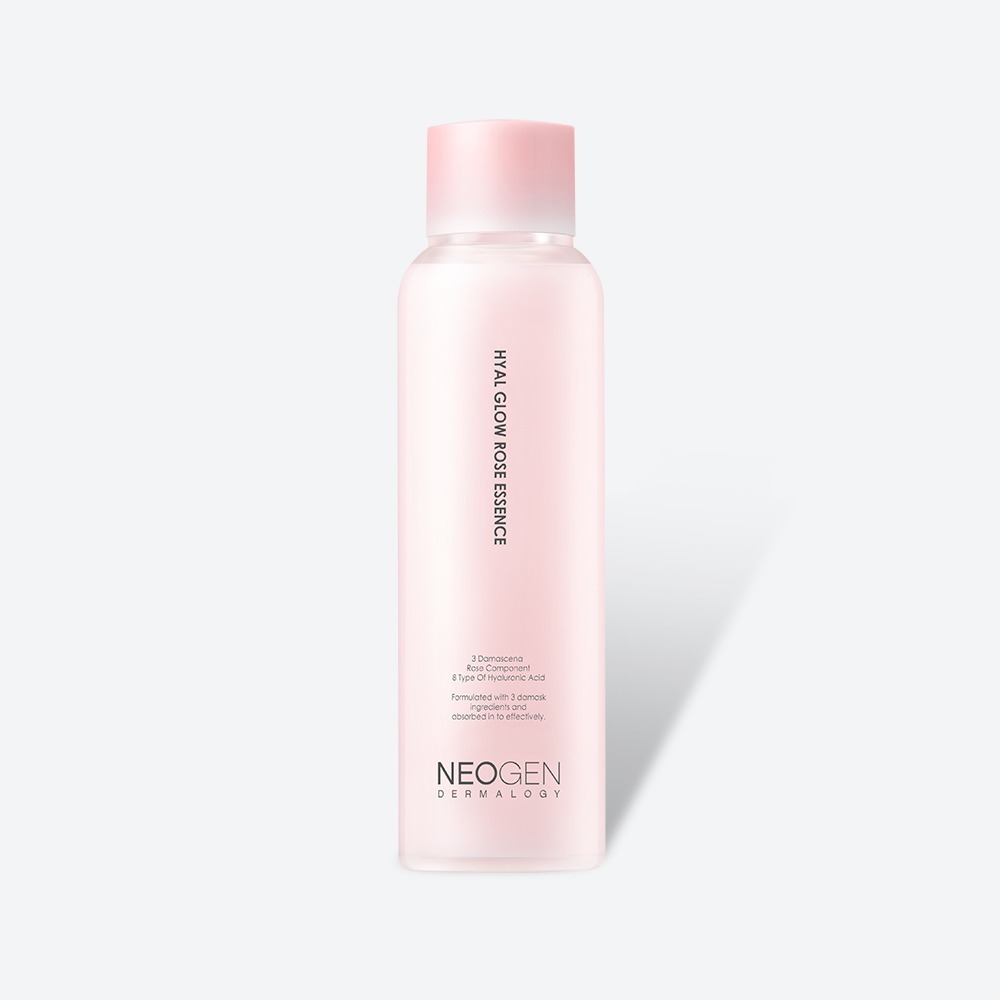
Hyal Glow Rose Essence
Neogen
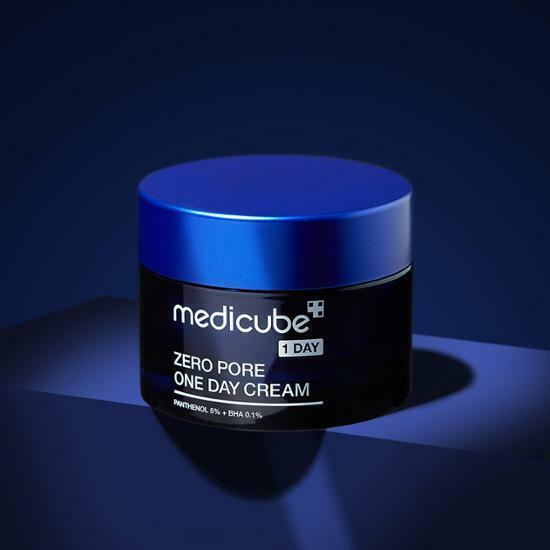
Zero Pore One Day Cream
Medicube
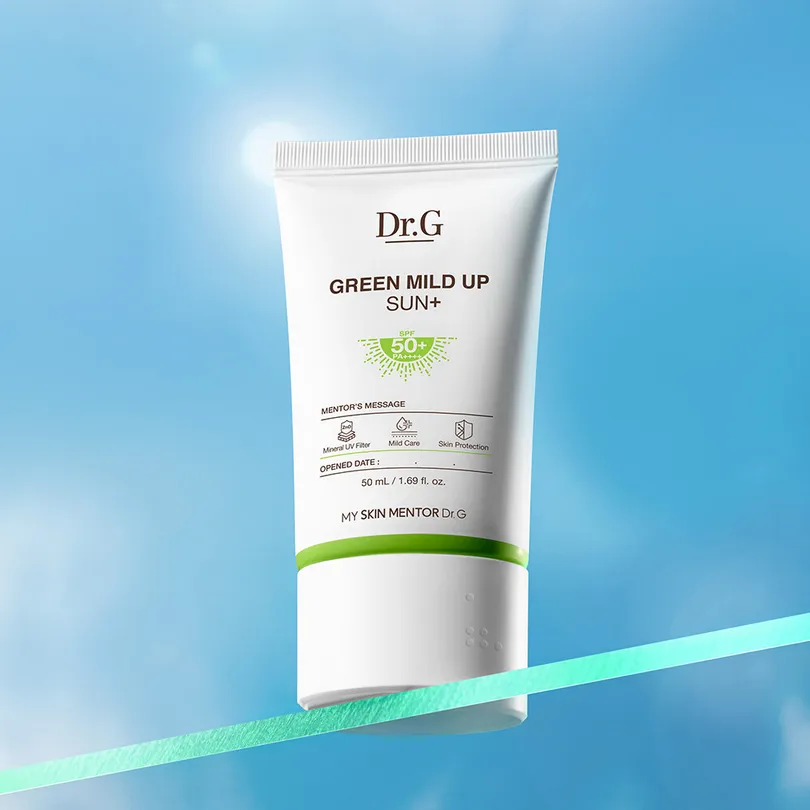
Green Mild Up Sun+
Dr.G
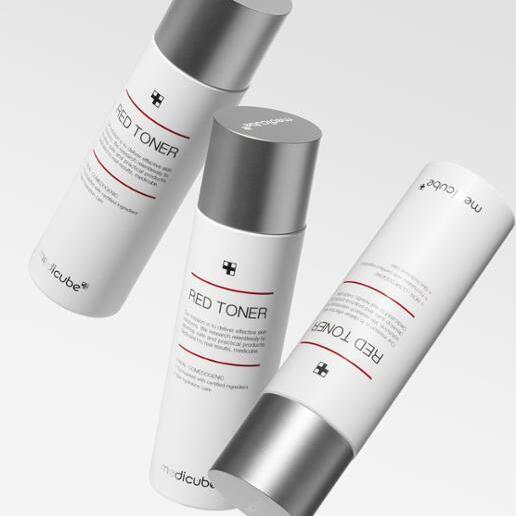
Red Toner 2.0
Medicube
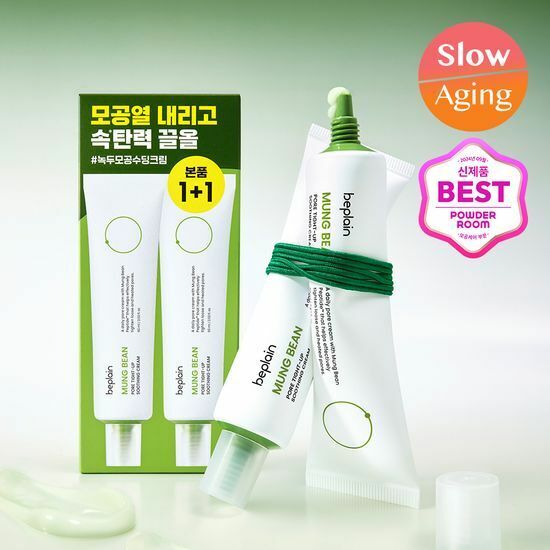
Mung Bean Pore Tight Up Soothing Cream
Beplain
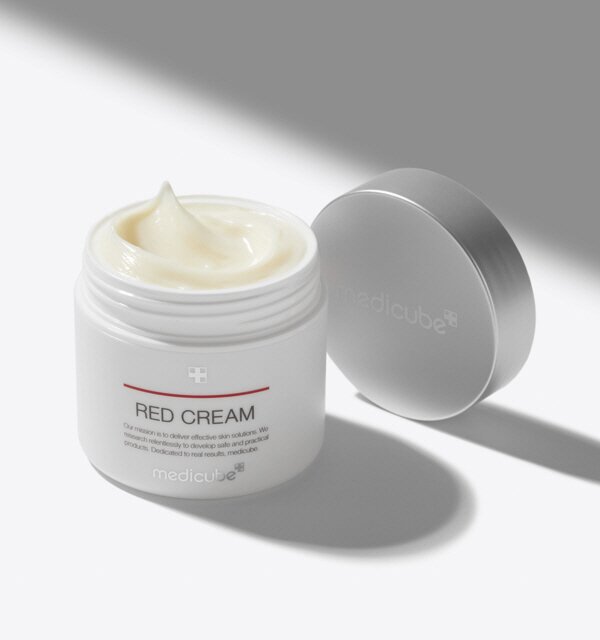
Red Cream 2.0
Medicube
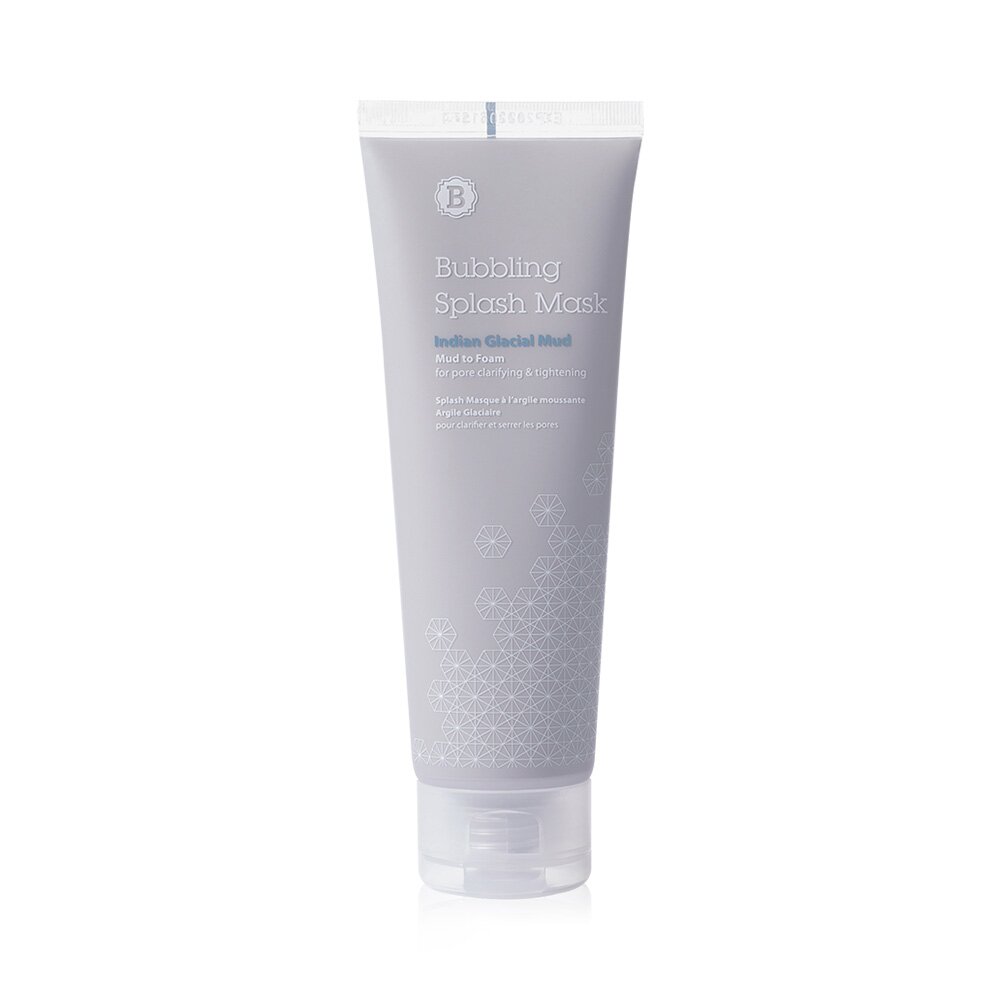
Bubbling Splash Mud Mask Pack to Foam
Blithe
Frequently Asked Questions
Can hydroxycinnamic acid help with acne scars and dark spots?▼
Is hydroxycinnamic acid safe to use during pregnancy?▼
How does hydroxycinnamic acid compare to vitamin C for brightening?▼
Will hydroxycinnamic acid clog my pores?▼
Explore More
Want personalized ingredient advice?
Yuri, our AI beauty advisor, can tell you how Hydroxycinnamic Acid works with your specific skin type, routine, and concerns.
Ask Yuri, free