Hydroxyethyl Urea
Humectant that hydrates and strengthens skin barrier
About Hydroxyethyl Urea
Hydroxyethyl Urea is a modified form of urea, a naturally occurring compound in human skin that plays a vital role in maintaining moisture balance. This synthetic humectant has become a staple in K-beauty formulations because it delivers intense hydration while simultaneously strengthening the skin barrier. Unlike pure urea, which can sometimes irritate sensitive skin at higher concentrations, Hydroxyethyl Urea offers a gentler approach with comparable efficacy. Found in 228 products on Seoul Sister, ranging from sheet masks like Round Lab's Camellia Deep Collagen Firming Gel Mask to barrier repair serums like Aestura's Atobarrier 365 Cera-Ha Ampoule, this ingredient has proven its versatility across product categories. K-beauty brands particularly favor it because it addresses a core principle of Korean skincare philosophy: hydration as the foundation of healthy skin. The ingredient works synergistically with other moisture-binding compounds like hyaluronic acid and ceramides, making it a common supporting player in comprehensive hydration formulas. Its non-comedogenic rating (0/5) and excellent safety profile (4/5) make it suitable for virtually all skin types, including acne-prone and sensitive skin. What sets Hydroxyethyl Urea apart is its dual action. While most humectants simply attract water to the skin's surface, this ingredient also enhances the skin's natural moisture retention capacity by supporting the production of natural moisturizing factors and improving barrier function.
How Hydroxyethyl Urea Works
At the molecular level, Hydroxyethyl Urea functions through two complementary mechanisms. First, as a humectant, its chemical structure contains multiple hydroxyl groups that form hydrogen bonds with water molecules, drawing moisture from both the environment and deeper skin layers to the stratum corneum (the outermost layer of skin). This immediate hydration effect plumps the skin and reduces the appearance of fine lines. Second, and more importantly for long-term skin health, Hydroxyethyl Urea influences the skin's natural exfoliation process by gently disrupting the bonds between dead skin cells. This controlled desquamation allows for better penetration of other skincare ingredients while promoting cell turnover. Additionally, research suggests that urea derivatives like Hydroxyethyl Urea can upregulate the expression of filaggrin, a protein that breaks down into natural moisturizing factors (NMFs) including amino acids and pyrrolidone carboxylic acid. These NMFs are essential components of healthy skin barrier function. By supporting filaggrin production, Hydroxyethyl Urea helps the skin maintain its own hydration from within, rather than relying solely on external moisture sources. This makes it particularly effective for addressing chronic dryness and barrier-compromised skin conditions.
Hydroxyethyl Urea by Skin Type
Oily Skin
Hydroxyethyl Urea works surprisingly well for oily skin because it provides lightweight hydration without adding oil or heaviness. Its non-comedogenic nature means it won't clog pores, and by maintaining optimal hydration levels, it can actually help regulate sebum production. When oily skin is dehydrated, it often overcompensates by producing more oil, so this ingredient addresses the root cause.
Dry Skin
This is where Hydroxyethyl Urea truly shines. Dry skin benefits from both its immediate moisture-binding properties and its ability to strengthen the barrier long-term. Products like Aestura's Atobarrier 365 Cera-Ha Ampoule (4.8/5 rating) combine this ingredient with ceramides for comprehensive barrier repair. The gentle exfoliating action also helps remove the flaky buildup that often plagues dry skin without causing irritation.
Combo Skin
Combination skin types appreciate Hydroxyethyl Urea's ability to hydrate dry zones without overwhelming oily areas. Its lightweight texture and water-binding properties make it ideal for balancing the different needs across your face. Gel formulations like Lagom's Cellup Gel To Water Cleanser (4.8/5) leverage this ingredient to maintain hydration even during cleansing, preventing the tight feeling that can trigger oil production in T-zone areas.
Sensitive Skin
The gentle nature of Hydroxyethyl Urea makes it excellent for sensitive skin that reacts poorly to stronger humectants or acids. Its barrier-strengthening properties can actually help reduce sensitivity over time by fortifying the skin's protective layer. However, those with very reactive skin should still patch test, as individual sensitivities can vary even with well-tolerated ingredients.
Normal Skin
For normal skin, Hydroxyethyl Urea serves as excellent preventative care, maintaining the healthy barrier function you already have. It's particularly useful in products designed to preserve skin health rather than treat specific concerns. The high ratings of products containing this ingredient, like Round Lab's Camellia Deep Collagen Firming Gel Mask (5.0/5), suggest that even balanced skin sees noticeable benefits from regular use.
How to Use Hydroxyethyl Urea
- 1Layer Hydroxyethyl Urea products after water-based serums but before occlusives to maximize its humectant properties. It needs to draw moisture from somewhere, so applying it to damp skin or under a moisturizer works best.
- 2This ingredient works synergistically with hyaluronic acid, glycerin, and ceramides, so look for products that combine these ingredients for enhanced barrier repair and hydration.
- 3If you're using active ingredients like retinoids or acids that can compromise the barrier, incorporating a Hydroxyethyl Urea serum can help counteract potential irritation and dryness.
- 4In dry climates or air-conditioned environments where humidity is low, follow Hydroxyethyl Urea products with an occlusive layer (like a cream with oils or silicones) to prevent transepidermal water loss.
- 5Products containing this ingredient are particularly effective when used in your evening routine, as the skin's barrier repair processes are most active during sleep.
Background
Urea itself has been recognized as a critical component of skin hydration since the 1940s, when researchers identified it as part of the skin's natural moisturizing factor complex. Pure urea has been used in medical dermatology for decades to treat conditions like eczema, psoriasis, and severe dryness, particularly at concentrations of 10-40%. However, at these therapeutic levels, urea can cause stinging and irritation, especially on compromised skin. Hydroxyethyl Urea was developed as a cosmetic-grade derivative that maintains urea's beneficial properties while offering improved tolerability. Korean skincare formulators embraced this ingredient in the 2000s as the K-beauty industry increasingly focused on gentle, barrier-centric approaches to skincare. Its ability to deliver clinical-level hydration without the potential irritation of pure urea aligned perfectly with Korean beauty's emphasis on achieving healthy skin through nurturing rather than aggressive treatment. Today, it appears across multiple product categories in K-beauty, from cleansers to ampoules, reflecting its versatility and effectiveness.
K-Beauty Products with Hydroxyethyl Urea
View all 252 →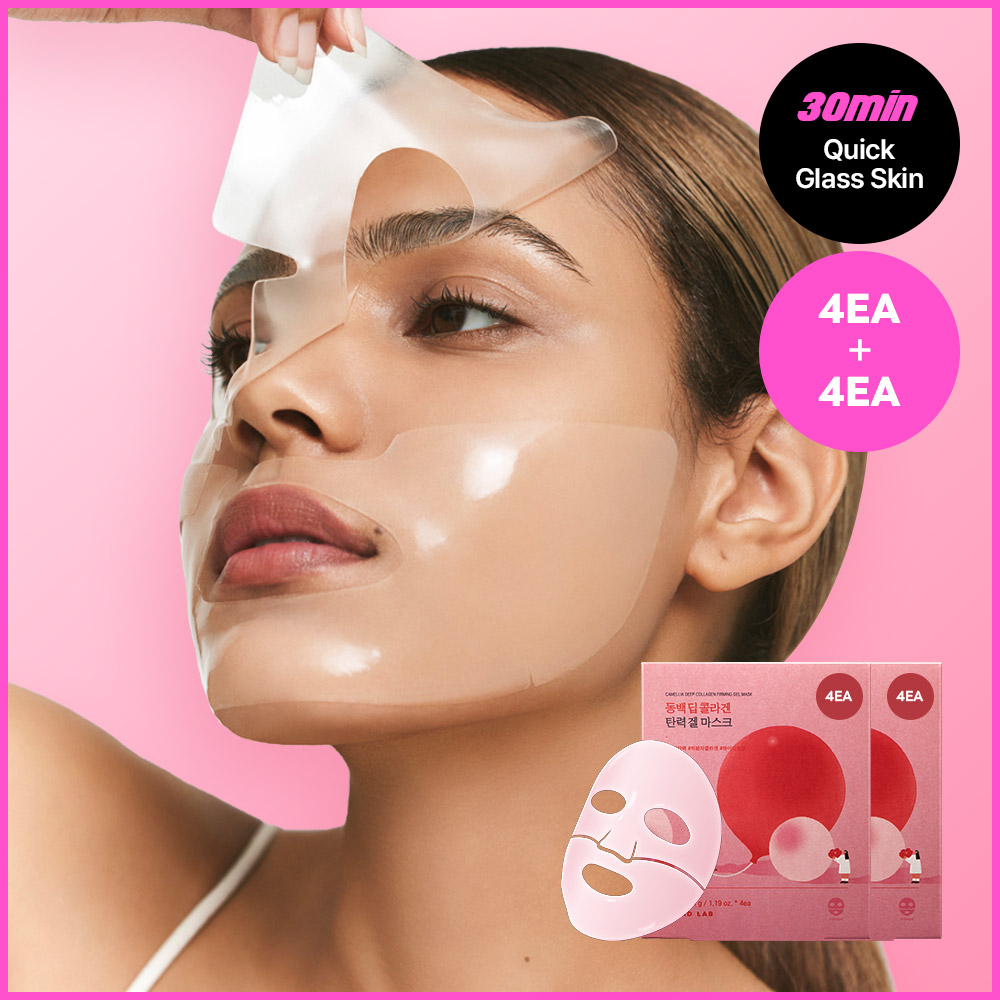
Camellia Deep Collagen Firming Gel Mask Sheet
Round Lab
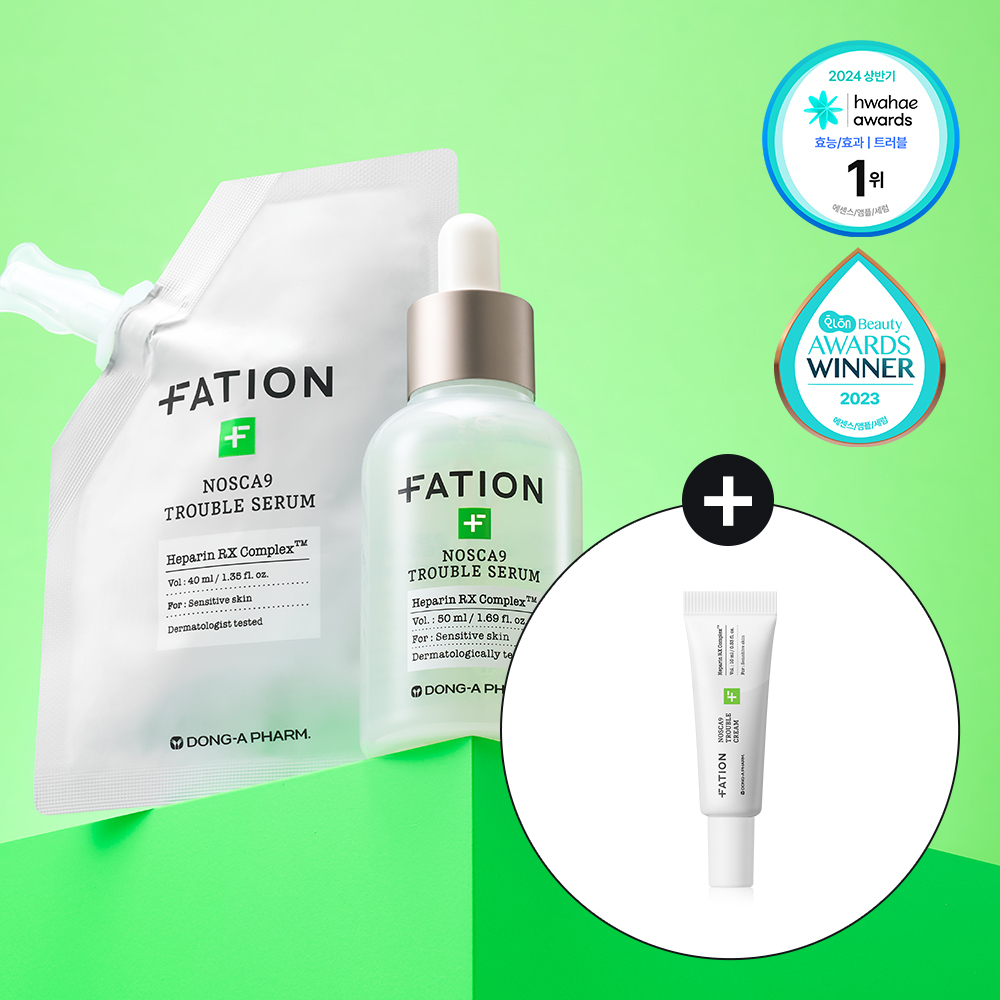
Nosca9 Trouble Serum
Fation
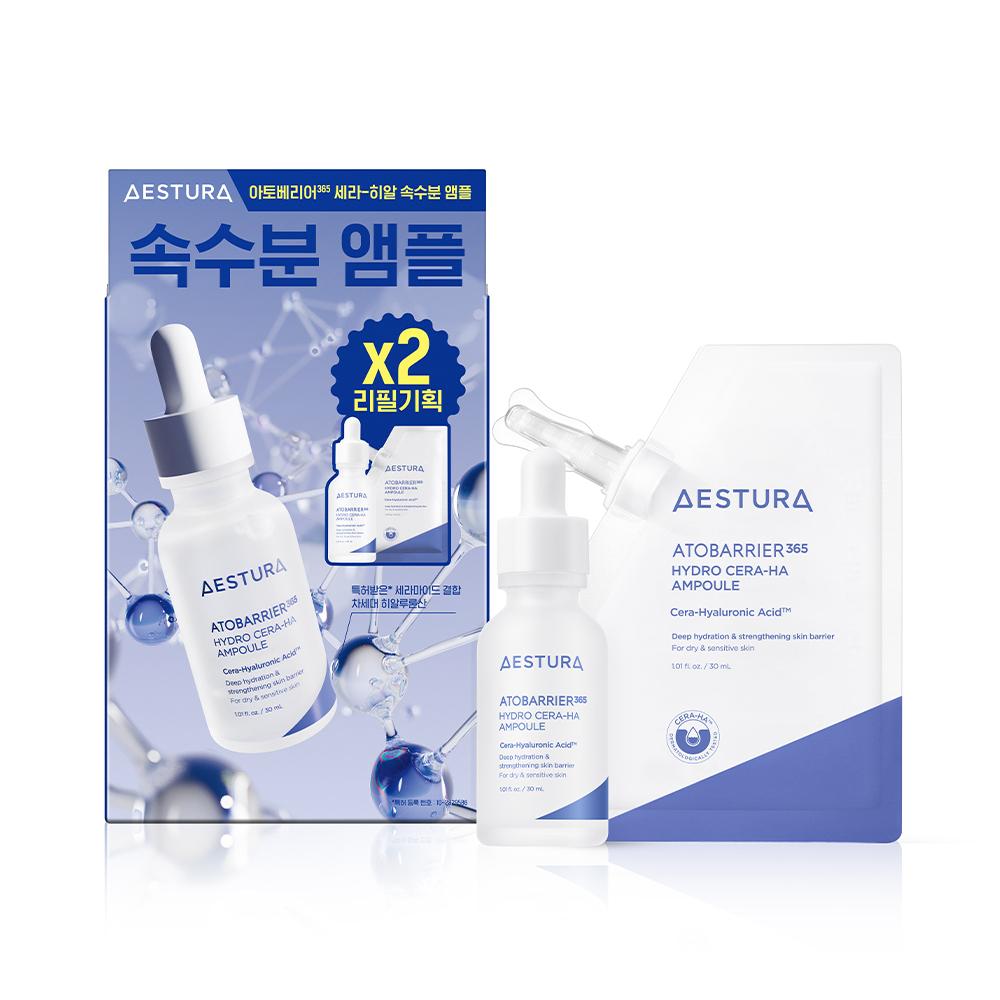
Atobarrier 365 Cera-Ha Ampoule 30ml Refill Set
Aestura
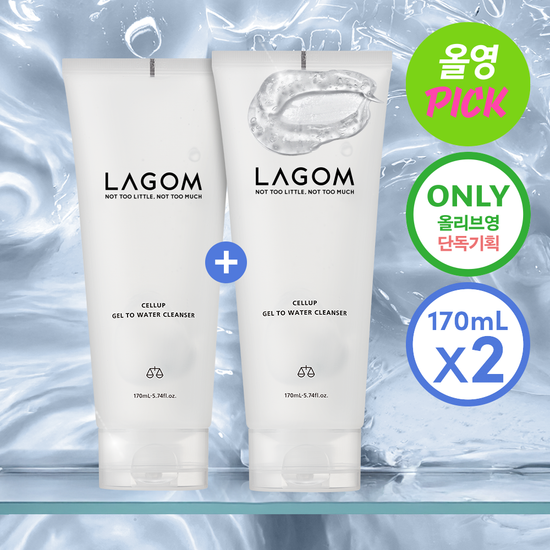
Cellup Gel To Water Cleanser
Lagom
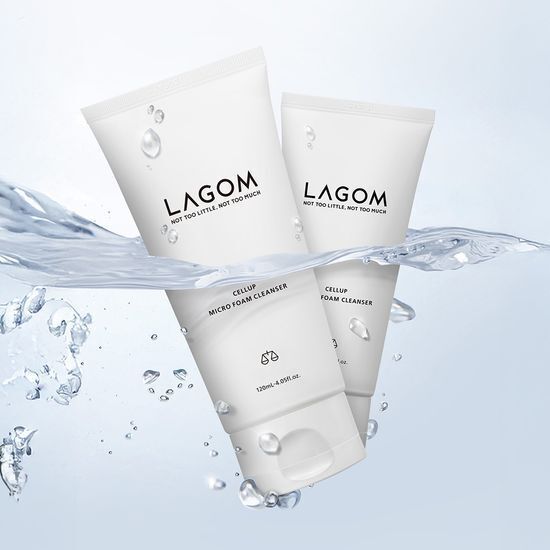
Cellup Micro Foam Cleanser
Lagom
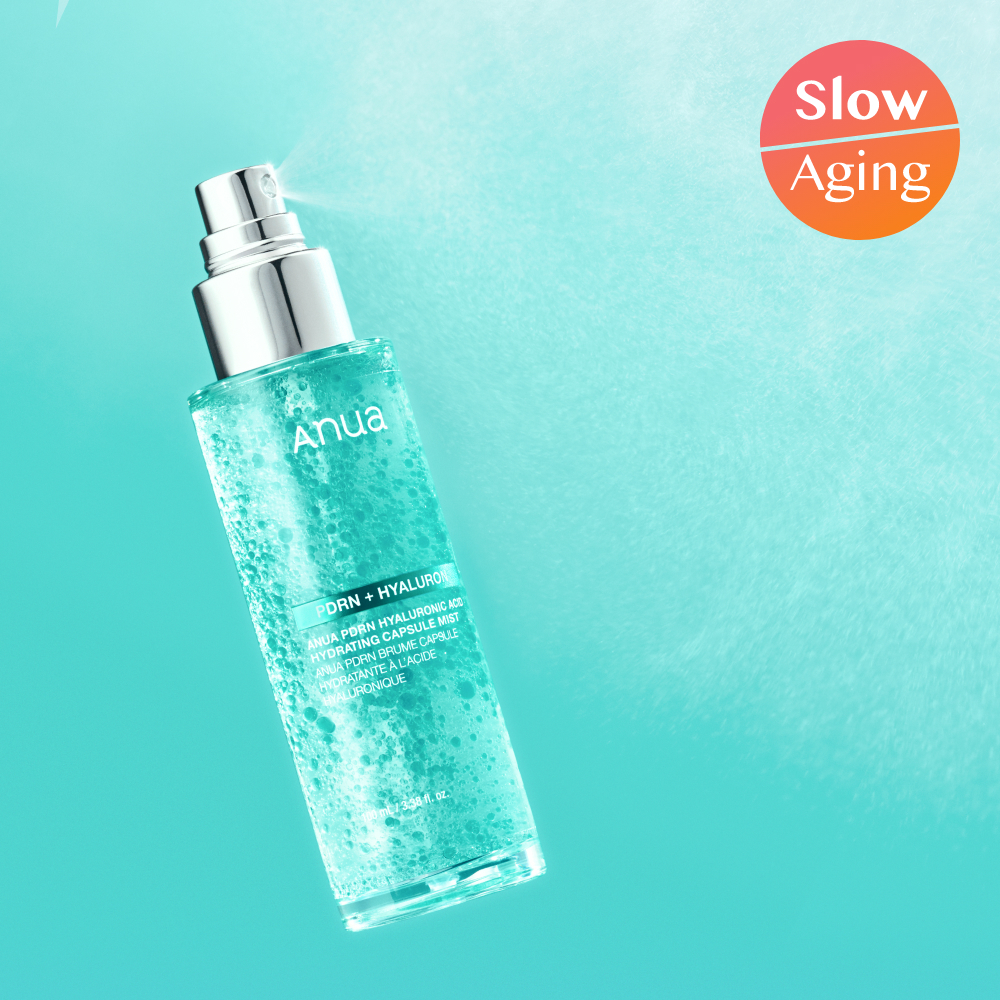
PDRN Hyaluronic Acid Hydrating Capsule Mist
Anua
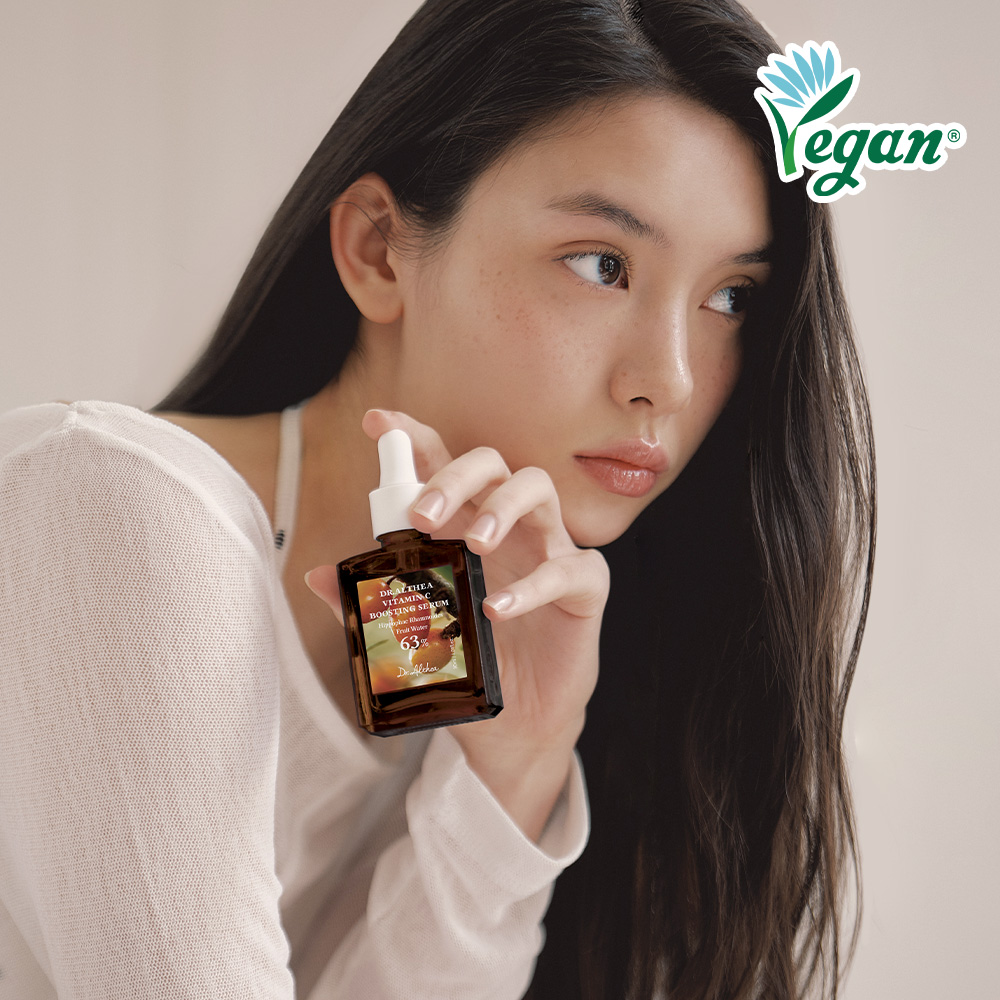
Vitamin C Boosting Serum
Dr. Althea
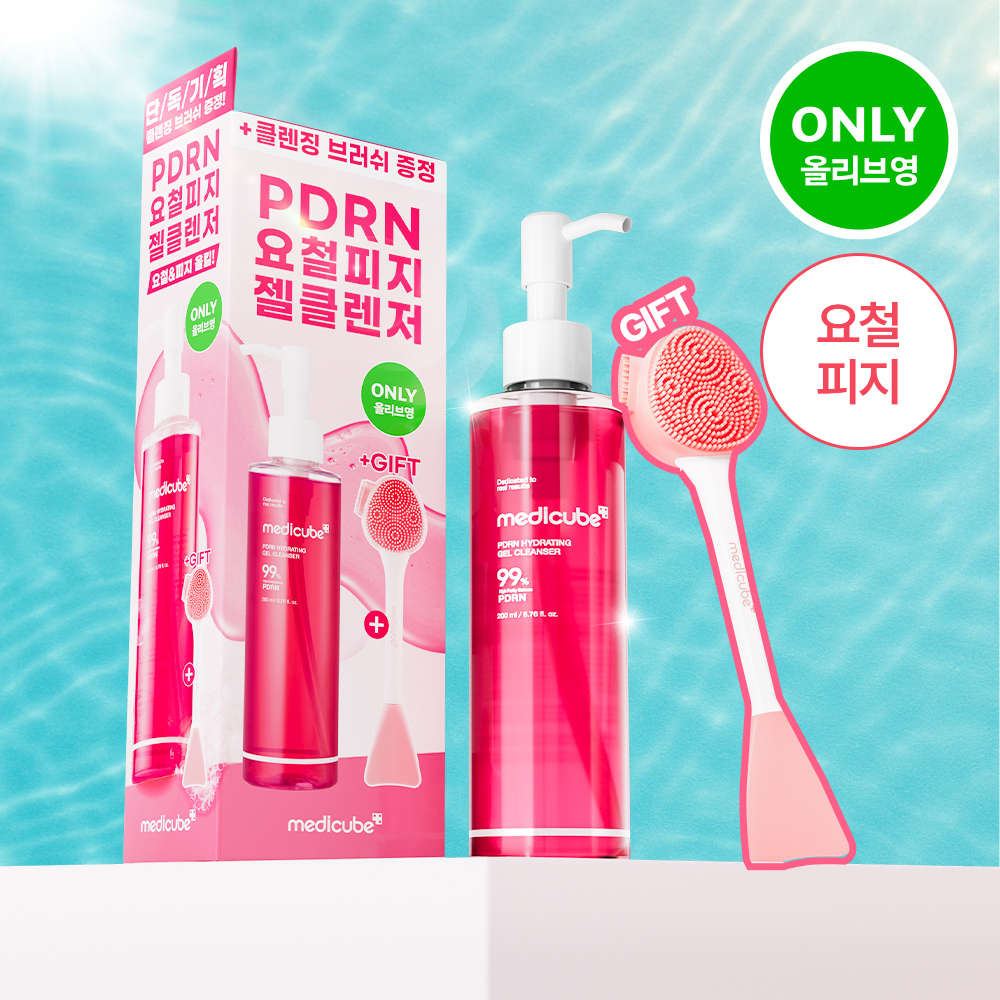
PDRN Gel To Foam Cleanser
Medicube
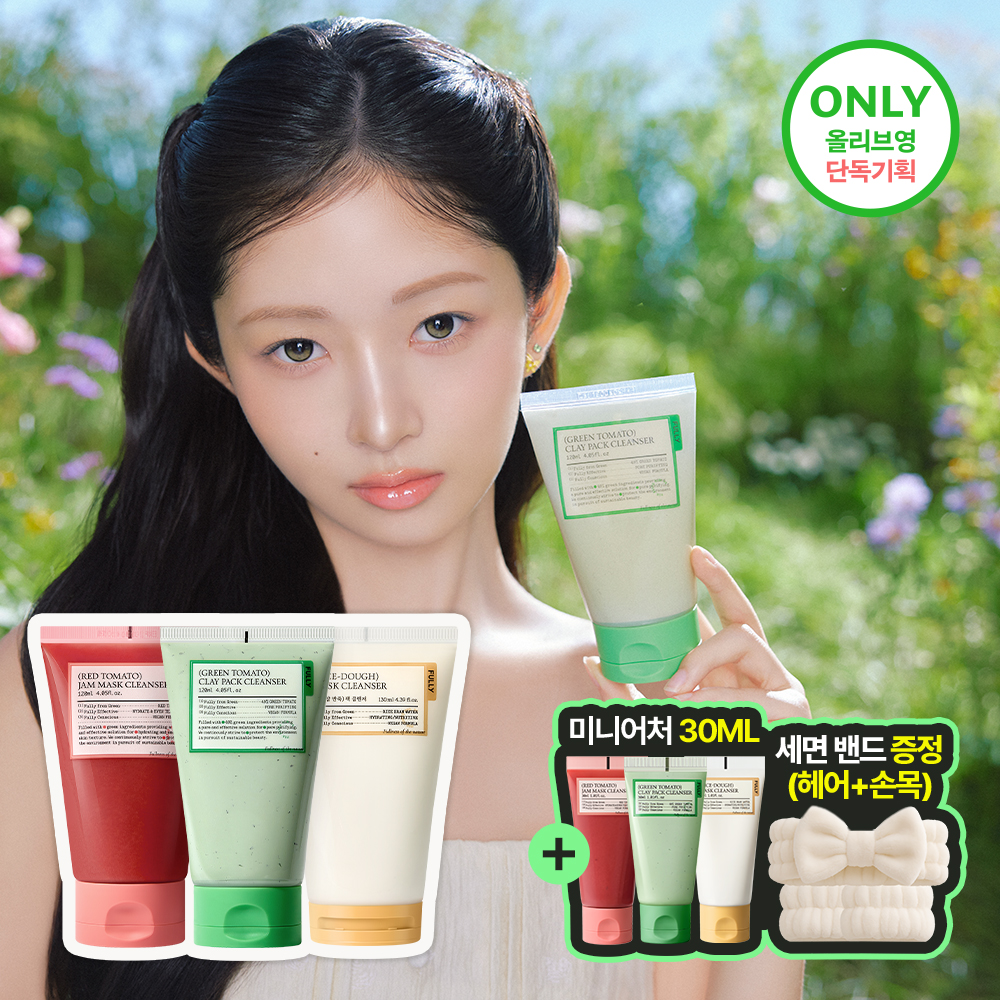
Pack Cleanser Set - Green Tomato / Red Tomato / Rice Dough
Fully
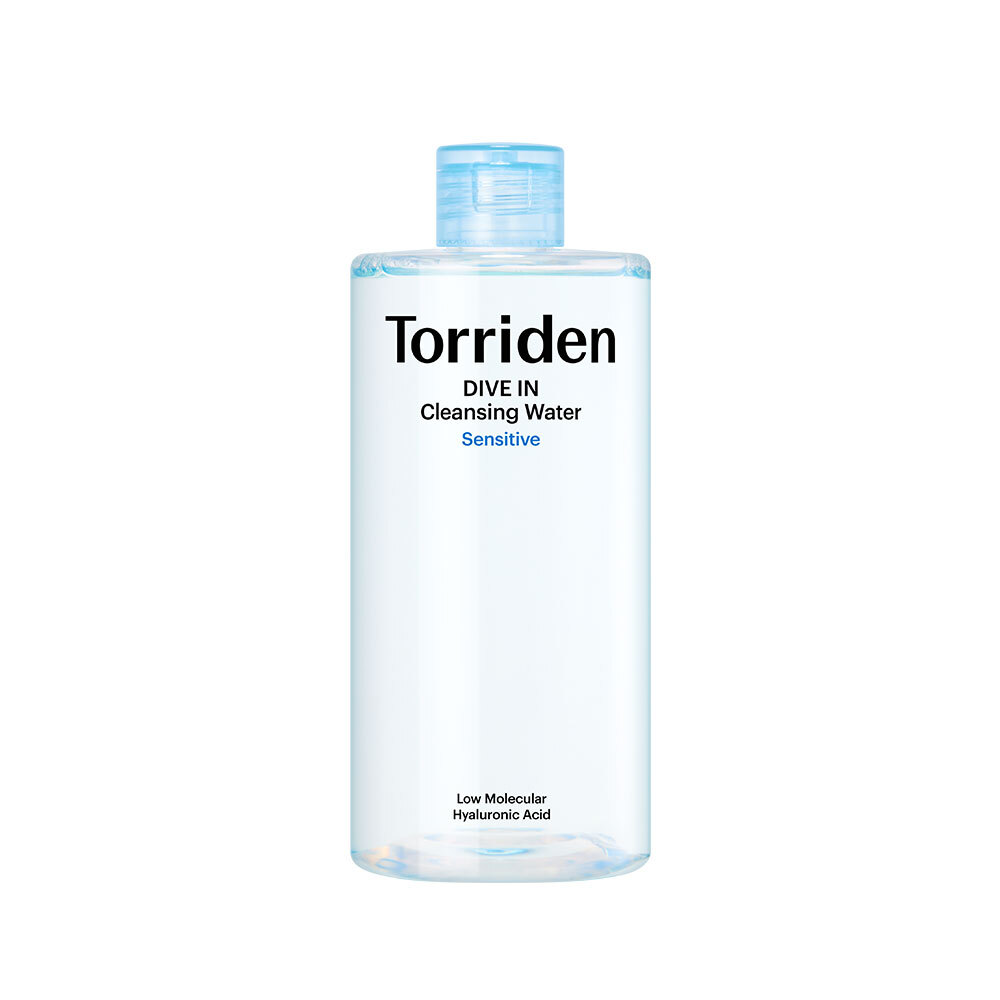
Dive-In Low Molecular Hyaluronic Acid Cleansing Water
Torriden
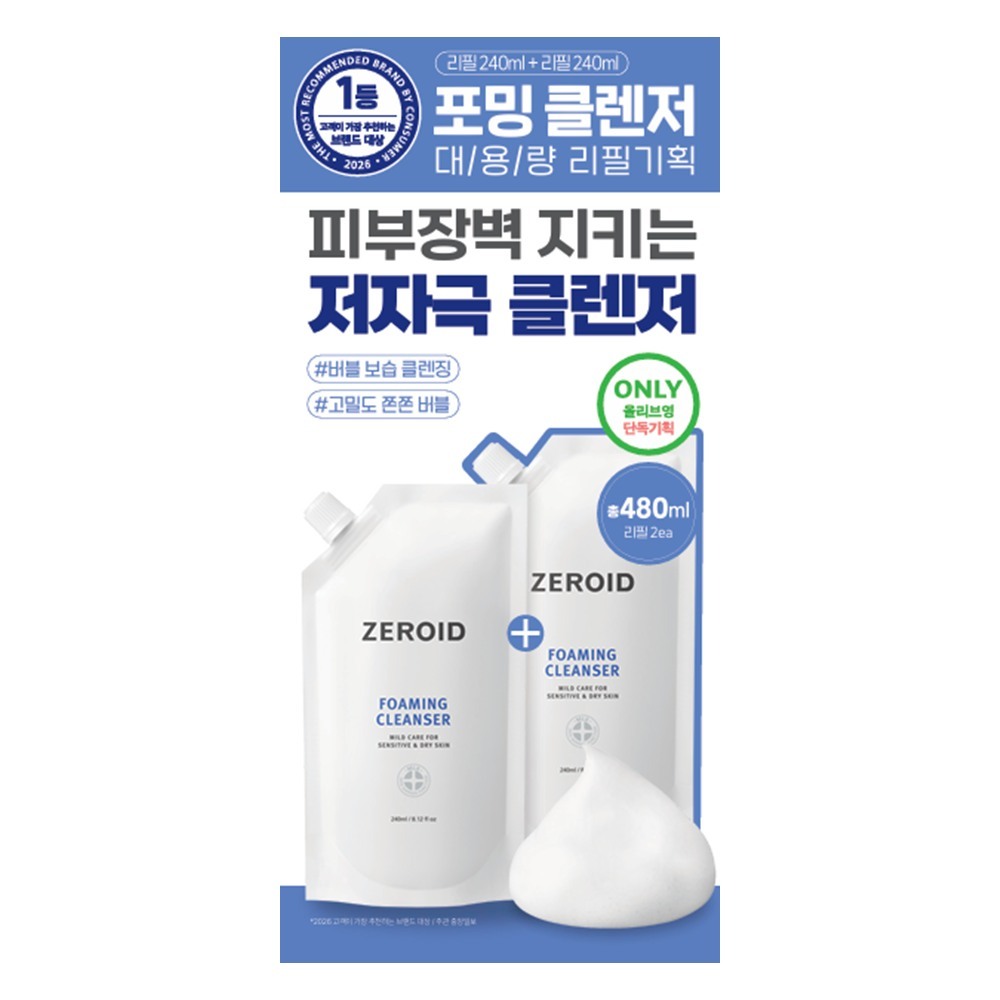
Foaming Cleanser 240ml Refill Set
ZEROID
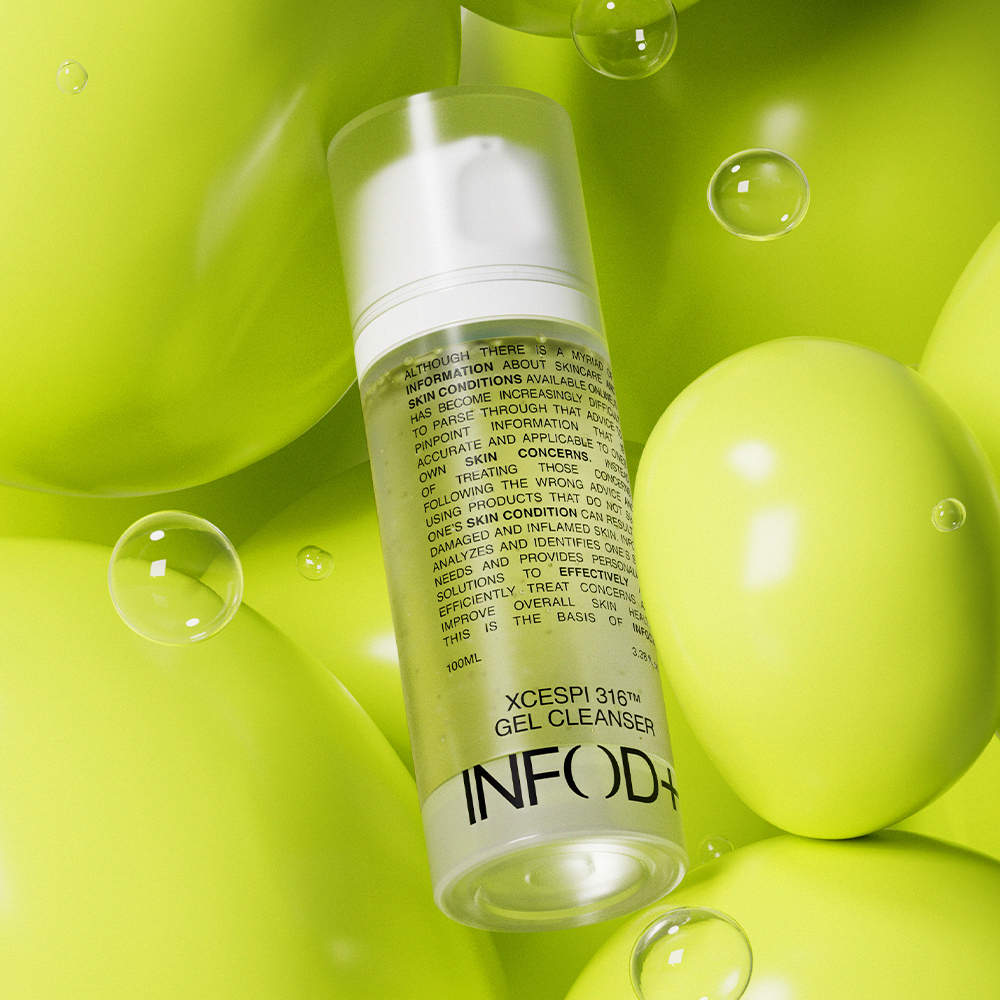
XCESPI 316 Gel Cleanser
Beplain
Frequently Asked Questions
Is Hydroxyethyl Urea the same as regular urea in skincare?▼
Can I use Hydroxyethyl Urea if I have acne-prone skin?▼
How long does it take to see results from Hydroxyethyl Urea products?▼
Can Hydroxyethyl Urea be used during pregnancy or breastfeeding?▼
Will Hydroxyethyl Urea work in low humidity environments?▼
Explore More
Want personalized ingredient advice?
Yuri, our AI beauty advisor, can tell you how Hydroxyethyl Urea works with your specific skin type, routine, and concerns.
Ask Yuri, free