Hydroxyproline
Amino acid that supports collagen synthesis
About Hydroxyproline
Hydroxyproline is a unique amino acid that serves as a fundamental building block of collagen, the structural protein that keeps skin firm, plump, and youthful. Unlike the 20 standard amino acids that make up most proteins, hydroxyproline is synthesized within the body specifically for collagen production. It makes up approximately 13% of collagen's structure, stabilizing its triple-helix formation. In K-beauty, hydroxyproline has gained attention as a targeted anti-aging ingredient that supports the skin's natural collagen matrix from within. When applied topically, it signals to fibroblasts (the cells responsible for producing collagen) to ramp up synthesis, potentially helping to counteract the natural decline in collagen production that begins in our mid-20s. You'll find hydroxyproline in premium Korean skincare lines focused on firming and elasticity, often paired with other collagen-supporting ingredients like peptides and ceramides. Its appearance in luxury formulations from brands like The Whoo and Sooryehan reflects its status as a sophisticated anti-aging active. With a comedogenic rating of 0, hydroxyproline won't clog pores, making it suitable for all skin types seeking age-prevention or correction benefits. The ingredient's safety profile is excellent, though as with any collagen-related ingredient, consistent use over weeks to months is key for visible results.
How Hydroxyproline Works
Hydroxyproline works through a fascinating biochemical process that starts at the cellular level. When you apply hydroxyproline topically, it penetrates the skin and interacts with fibroblasts, the specialized cells in the dermis that manufacture collagen. The presence of hydroxyproline acts as a signal, essentially telling these cells that collagen building blocks are available and that synthesis should increase. Within the collagen molecule itself, hydroxyproline plays a structural role. The hydroxyl groups on this modified amino acid form additional hydrogen bonds that stabilize collagen's characteristic triple-helix structure, making it more resistant to degradation. This is why collagen rich in hydroxyproline is more stable and longer-lasting in the skin. Additionally, hydroxyproline may help prevent collagen breakdown by influencing the activity of matrix metalloproteinases (MMPs), enzymes that naturally degrade collagen as part of skin's remodeling process. By supporting both collagen creation and preservation, hydroxyproline addresses the two-sided challenge of maintaining skin firmness as we age.
Hydroxyproline by Skin Type
Oily Skin
Hydroxyproline is excellent for oily skin seeking anti-aging benefits without heavy textures. Its non-comedogenic nature (0/5 rating) means it won't contribute to congestion or breakouts. The collagen-boosting effects help maintain skin structure even when using mattifying or oil-controlling products that can sometimes be drying.
Dry Skin
This ingredient shines for dry skin types, as improved collagen structure enhances the skin's ability to retain moisture. The plumping effect from increased collagen synthesis can reduce the appearance of fine lines caused by dehydration. Hydroxyproline works synergistically with hydrating ingredients like hyaluronic acid, which you'll find in many of the premium K-beauty products containing this amino acid.
Combo Skin
Combination skin benefits from hydroxyproline's lightweight, non-greasy nature. It provides anti-aging support across both oily and dry zones without disrupting your skin's balance. The ingredient addresses concerns like early signs of aging in the cheek area while remaining gentle enough for the typically oilier T-zone.
Sensitive Skin
With a strong safety rating of 4/5, hydroxyproline is generally well-tolerated by sensitive skin. As a naturally occurring component of skin's own collagen structure, it's recognized by the body and rarely triggers irritation. However, always patch test products, as sensitivity can be triggered by other ingredients in the formulation rather than the hydroxyproline itself.
Normal Skin
Normal skin types can use hydroxyproline as a preventative anti-aging measure to maintain the collagen levels and skin firmness they currently enjoy. Starting in your mid-to-late 20s, when collagen production naturally begins to slow, hydroxyproline helps preserve youthful skin structure and delay visible signs of aging.
How to Use Hydroxyproline
- 1Apply hydroxyproline-containing serums like Bichup Ultimate Recovery Youth Serum in the evening when skin's repair processes are most active, maximizing collagen synthesis overnight.
- 2Layer hydroxyproline products before heavier creams but after watery essences to ensure optimal absorption into the dermis where collagen production occurs.
- 3Pair with vitamin C serums in your routine, as vitamin C is a cofactor in collagen synthesis and enhances hydroxyproline's effectiveness (use vitamin C in the morning, hydroxyproline at night if using both).
- 4Be patient and consistent. Collagen remodeling takes 8-12 weeks, so evaluate results after three months of regular use rather than expecting immediate transformation.
- 5Consider products that combine hydroxyproline with peptides for a multi-pathway approach to collagen support, as seen in many premium Korean formulations.
Background
Hydroxyproline was first identified in collagen hydrolysates in the early 20th century, but its cosmetic application is relatively recent. Scientists discovered that this modified amino acid is unique to collagen and elastin, making up about 13% of collagen's amino acid composition. In traditional Korean medicine and beauty practices, collagen-rich ingredients like bone broths and fish skin were prized for skin health, though the specific role of hydroxyproline wasn't understood. The ingredient gained prominence in K-beauty during the 2010s as Korean cosmetic chemists began incorporating isolated amino acids and peptides into advanced anti-aging formulations. Premium heritage brands like The Whoo and Sooryehan were among the first to feature hydroxyproline in their luxury lines, positioning it as a scientifically sophisticated alternative to collagen molecules, which are often too large to penetrate skin effectively. Today, hydroxyproline represents K-beauty's commitment to ingredient innovation grounded in biochemical research.
K-Beauty Products with Hydroxyproline
View all 16 →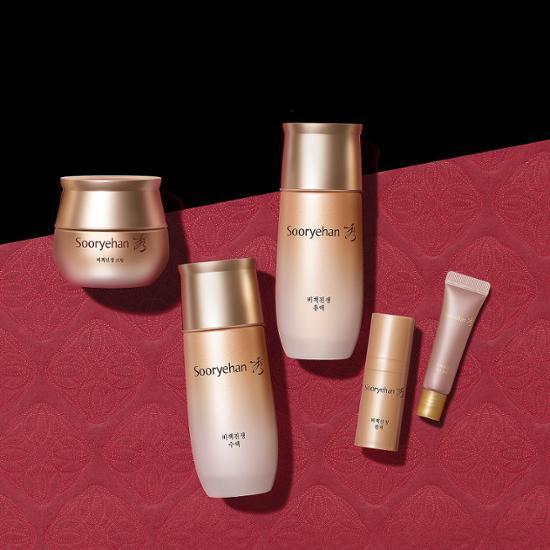
Bichaek True-Rejuvenating 3P Set
Sooryehan
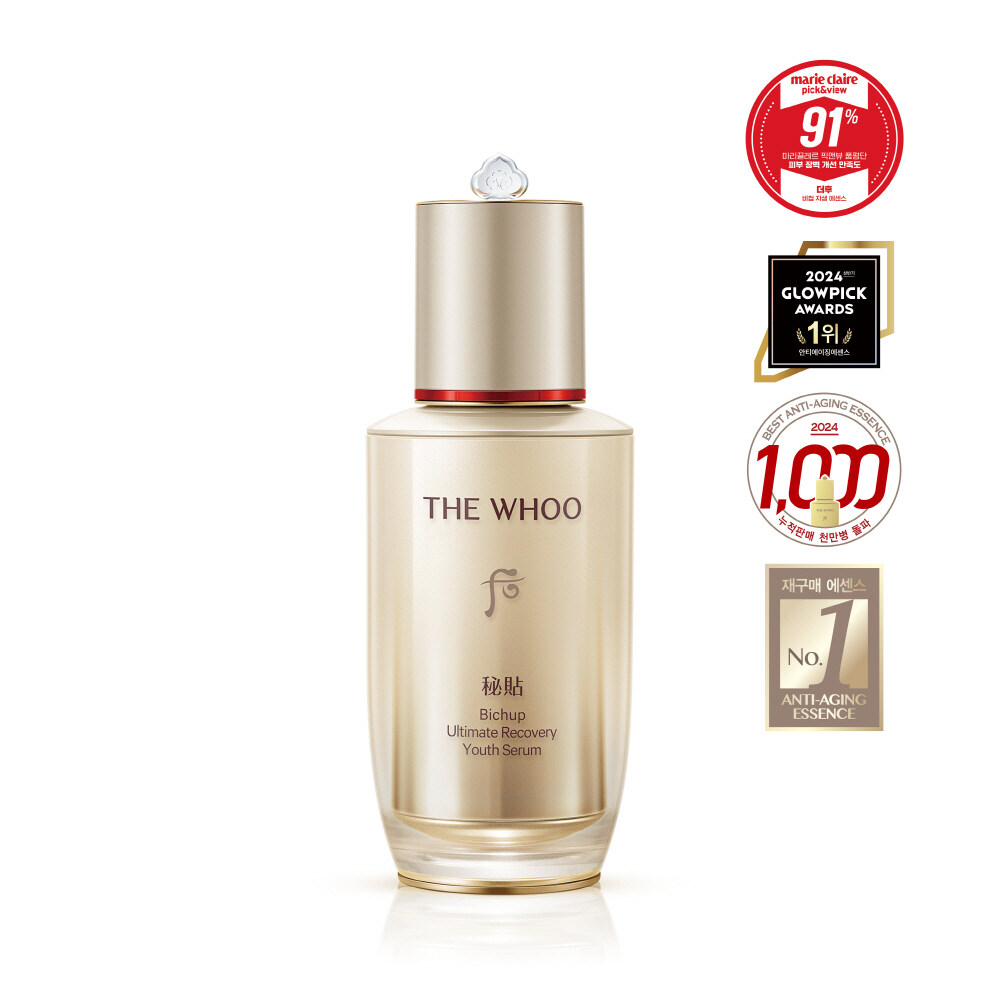
Bichup Ultimate Recovery Youth Serum
The Whoo

Gong Jin Hyang Firming Trial Set
The Whoo

Naked Sunshield EGF Patch
Franz
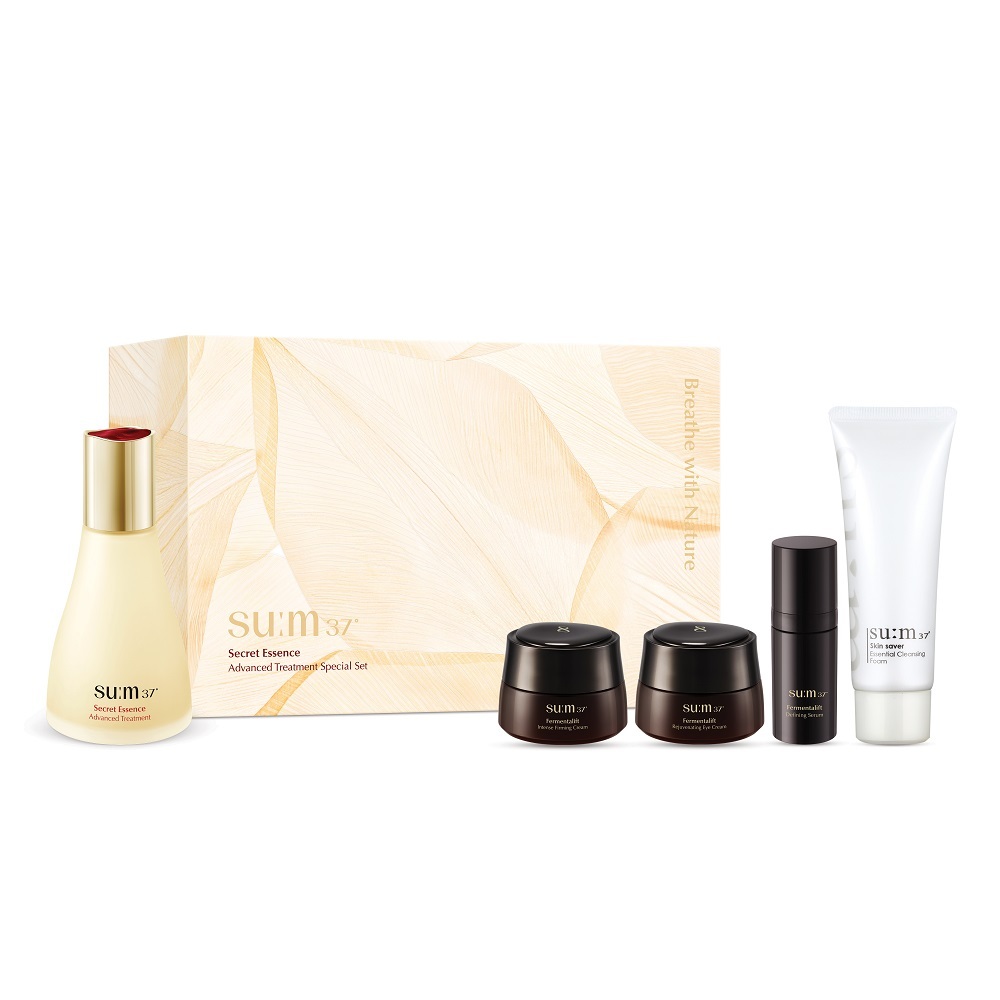
Secret Essence
SUM37

Bichup Ultimate Recovery Youth Serum Discovery Set
The Whoo
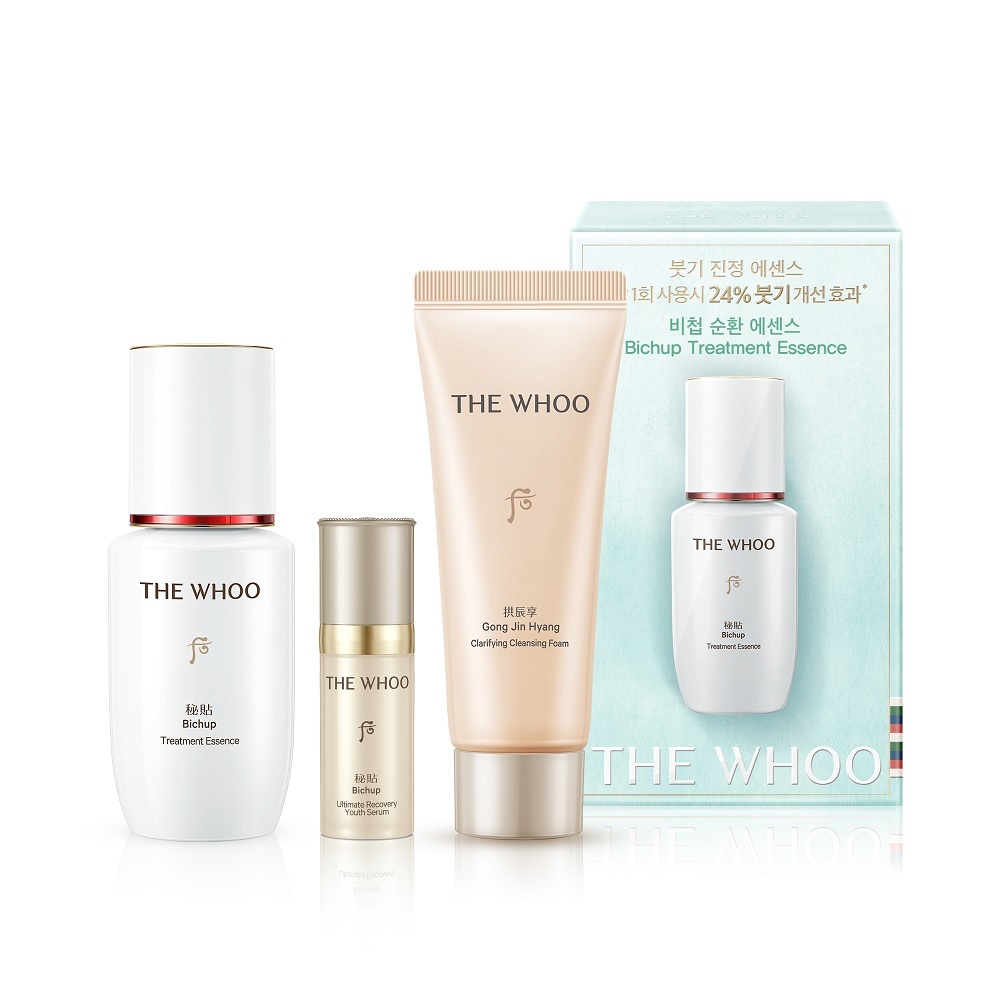
Bichup Treatment Essence 30ml Set
The Whoo
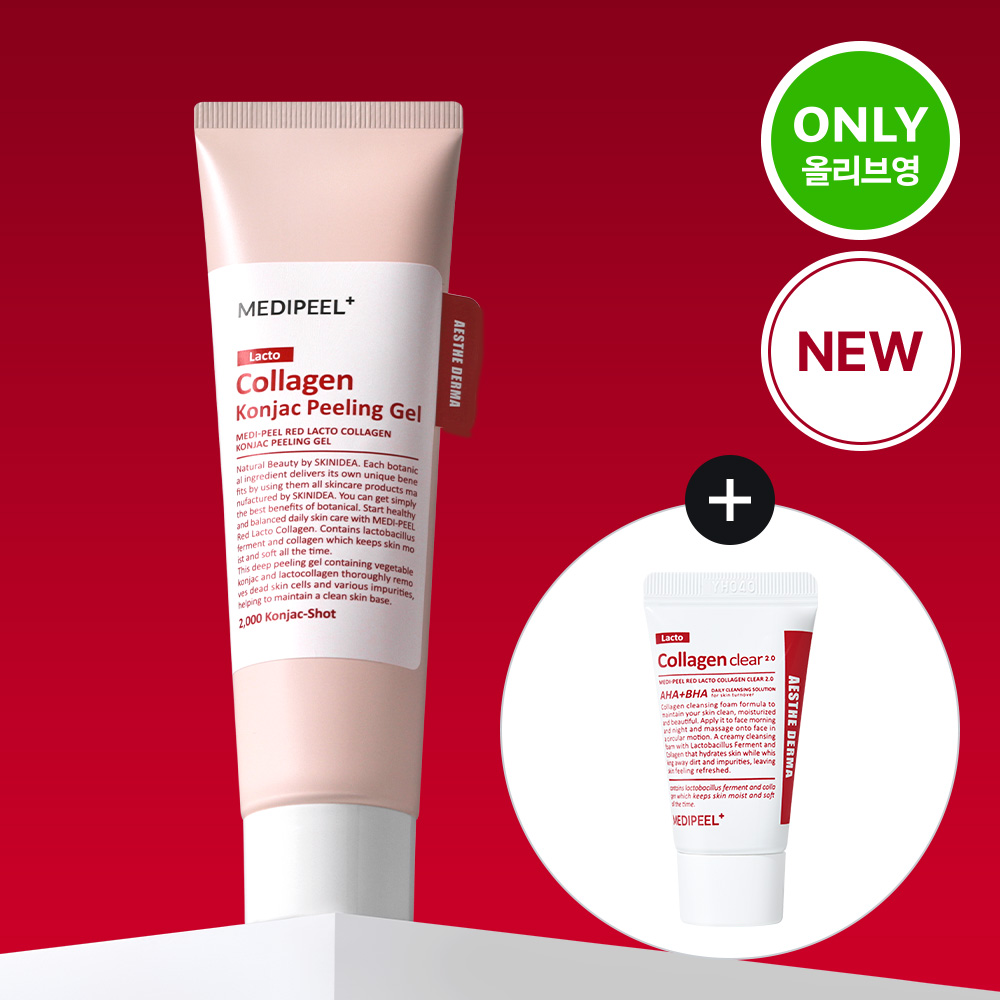
Red Lacto Collagen Konjac Peeling Gel
Medi-Peel
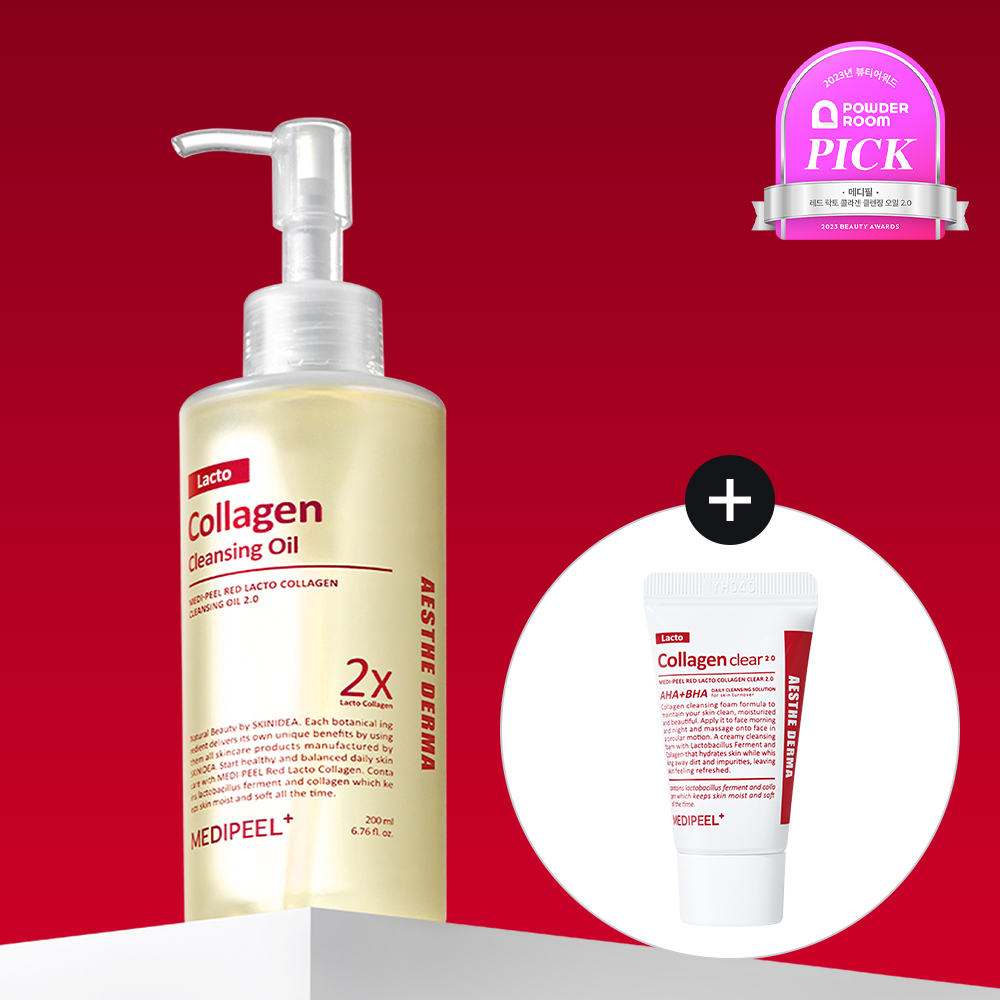
Red Lacto Collagen Cleansing Oil 2.0 Special Set
Medi-Peel
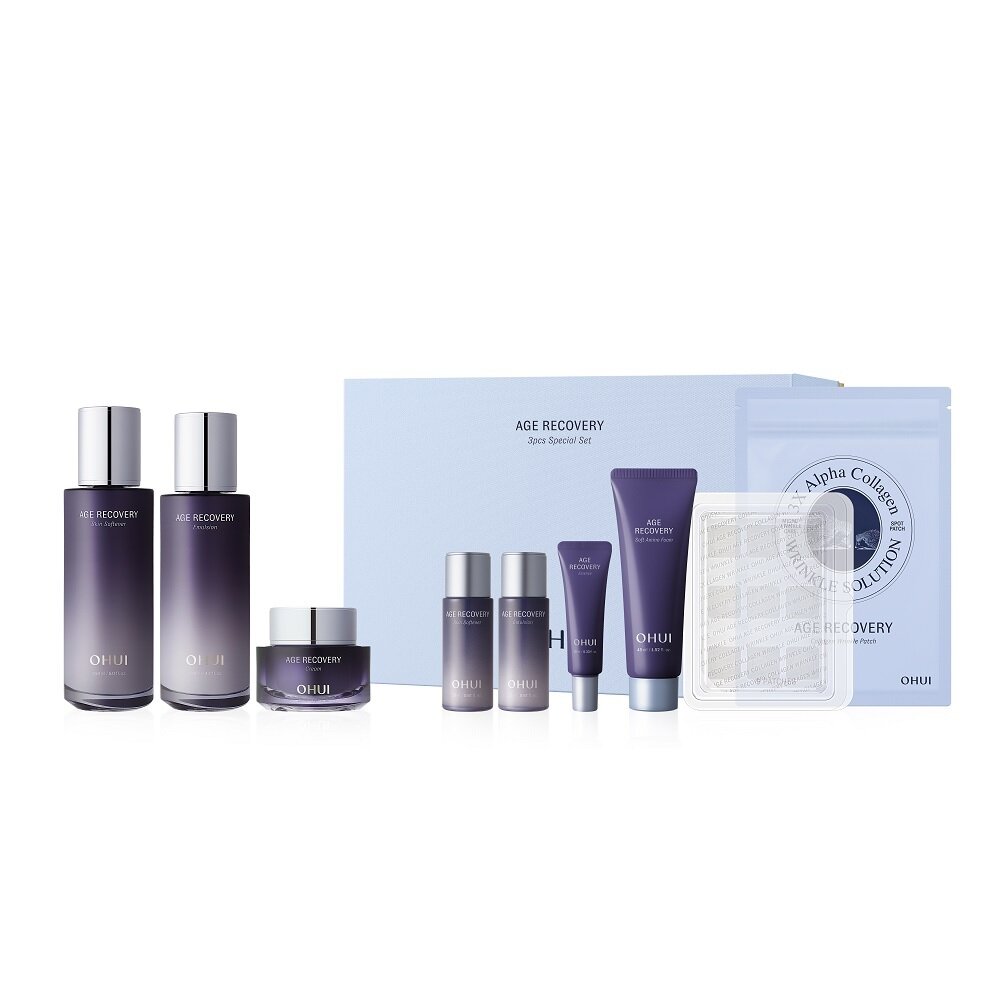
Age Recovery 3P Set
OHUI
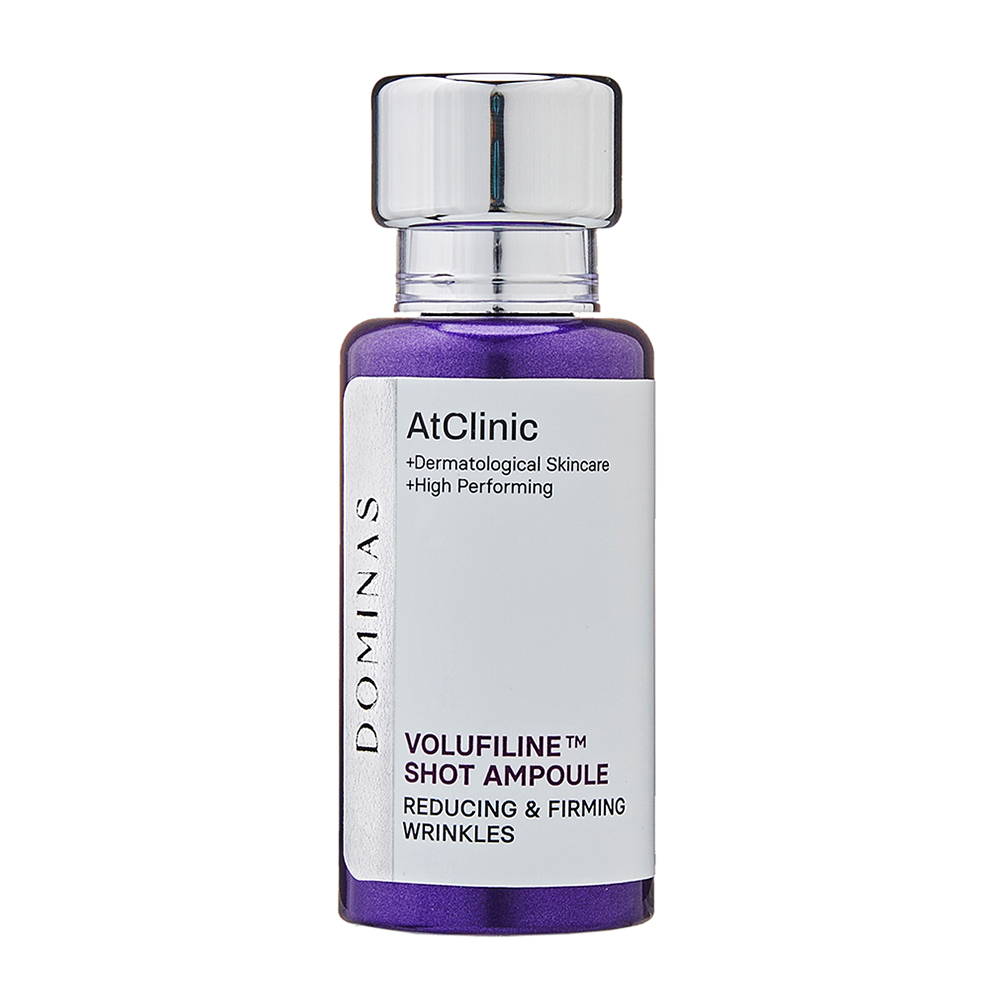
At Clinic Volufiline Shot Ampoule
Anua
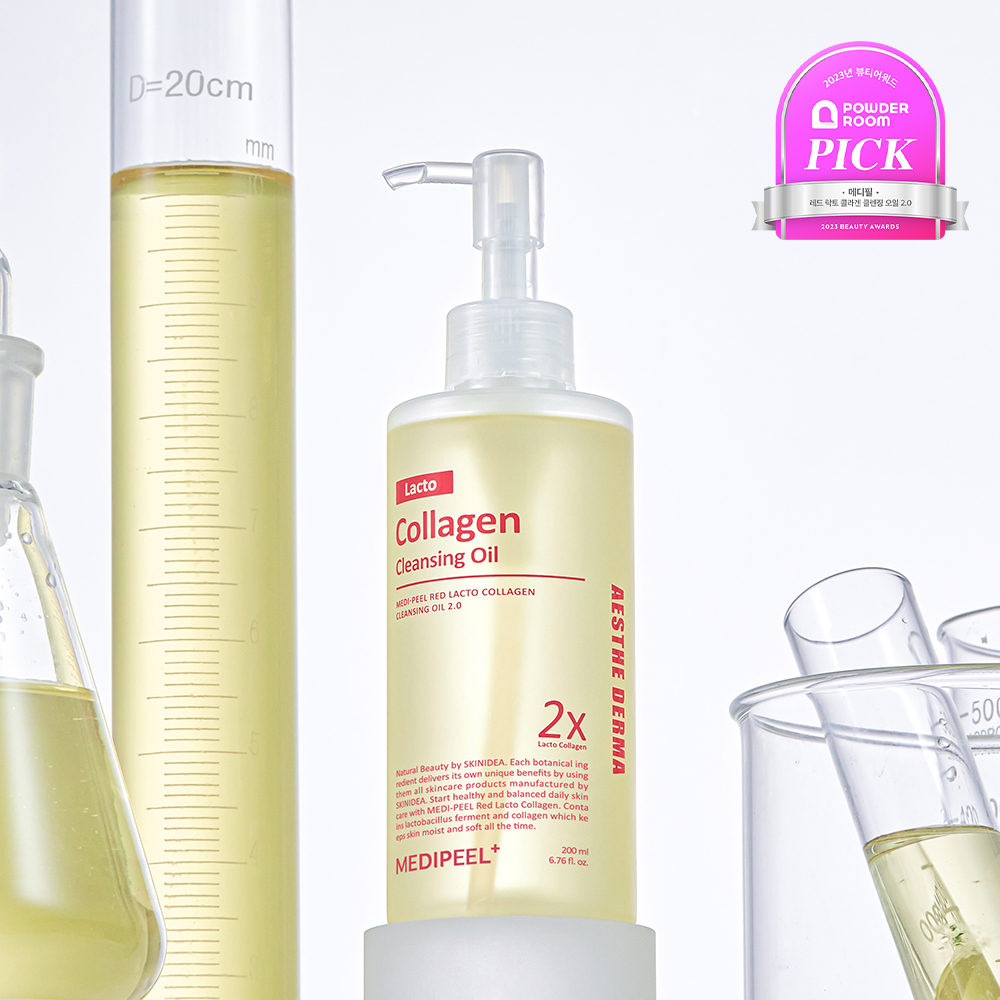
Red Lacto Collagen Cleansing Oil 2.0
MEDIPEEL
Frequently Asked Questions
Is hydroxyproline better than using collagen directly in skincare?▼
How long before I see firming results from hydroxyproline products?▼
Can I use hydroxyproline if I'm pregnant or breastfeeding?▼
Does hydroxyproline conflict with retinol or acids in my routine?▼
Explore More
Want personalized ingredient advice?
Yuri, our AI beauty advisor, can tell you how Hydroxyproline works with your specific skin type, routine, and concerns.
Ask Yuri, free