Inositol
Humectant and skin conditioning agent
About Inositol
Inositol is a carbohydrate molecule that naturally occurs in cell membranes throughout the body, including skin cells. Often called a sugar alcohol or vitamin B8 (though technically not a vitamin), inositol functions as both a humectant and skin conditioning agent in K-beauty formulations. Its smaller molecular structure allows it to penetrate the skin barrier effectively, where it helps regulate cellular processes and maintain optimal hydration levels. Korean skincare brands have embraced inositol for its ability to strengthen the skin barrier without irritation, making it a frequent addition to hydrating toners and sheet masks aimed at achieving the coveted glass skin effect. Unlike heavier humectants that can feel sticky, inositol provides lightweight moisture that layers well with other products. With a perfect safety rating of 5/5 and zero comedogenic potential, it works across all skin types without clogging pores or triggering sensitivity. Its presence in 52 K-beauty products on Seoul Sister, including top-rated formulas like Round Lab's Camellia Deep Collagen line and YUNJAC's Skin Perfecting Glow Up Prep Water, reflects its reliability as a foundational hydrating ingredient that supports overall skin health while enhancing the performance of companion actives.
How Inositol Works
At the cellular level, inositol functions as a component of phospholipids that make up cell membranes, contributing to their structural integrity and fluidity. When applied topically, it acts as a humectant by attracting water molecules to the skin surface and binding them in place, creating a moisture reservoir that keeps the stratum corneum hydrated. Beyond simple hydration, inositol participates in cell signaling pathways, particularly those involving phosphatidylinositol, which regulate cellular responses to growth factors and stress. This signaling role supports the skin's natural repair mechanisms and helps maintain barrier function. Inositol also demonstrates mild antioxidant properties, protecting cell membranes from oxidative damage that can compromise barrier integrity. Its osmoprotectant capabilities mean it helps skin cells maintain proper hydration even under stress, preventing trans-epidermal water loss. The molecule's compatibility with the skin's natural moisturizing factor (NMF) allows it to integrate seamlessly into the skin's existing hydration system rather than sitting on the surface, which is why products containing inositol often feel lightweight despite providing substantial moisture.
Inositol by Skin Type
Oily Skin
Inositol is excellent for oily skin because its lightweight texture provides hydration without adding heaviness or greasiness. The zero comedogenic rating means it won't contribute to clogged pores or breakouts, while its barrier-supporting properties can help regulate sebum production over time by keeping skin properly hydrated.
Dry Skin
For dry skin, inositol serves as a foundational humectant that draws moisture into the skin and helps prevent water loss throughout the day. Its ability to support cell membrane function means it strengthens the barrier from within, addressing one of the root causes of chronic dryness rather than just treating surface symptoms.
Combo Skin
Combination skin benefits from inositol's balanced approach to hydration, providing enough moisture to dry zones without overwhelming oilier areas. Its lightweight feel and non-comedogenic nature mean it can be used liberally across the entire face without adjustment, making multi-step routines simpler.
Sensitive Skin
The perfect 5/5 safety rating reflects inositol's exceptional gentleness, making it ideal for sensitive skin that reacts to stronger actives. As a molecule naturally found in the body, it's recognized by skin cells and rarely triggers irritation, while its barrier-strengthening effects can actually reduce sensitivity over time.
Normal Skin
Normal skin uses inositol as maintenance hydration that supports the skin's existing balance without disruption. Its presence in prep waters and toners helps optimize the skin for subsequent product absorption while maintaining the healthy barrier function that defines normal skin.
How to Use Inositol
- 1Layer inositol-containing toners or essences immediately after cleansing on damp skin to maximize humectant benefits and lock in moisture before it evaporates.
- 2Use inositol products as a first hydrating step before applying heavier serums or actives, as its lightweight texture and small molecular size won't create a barrier that blocks absorption.
- 3In dry climates or air-conditioned environments, apply an inositol-rich toner throughout the day as a hydration boost without disrupting makeup or feeling heavy.
- 4Combine inositol products with occlusive moisturizers at night to prevent the water it attracts from evaporating, creating a more effective hydration sandwich.
- 5If using multiple products with inositol (like both a toner and sheet mask), don't worry about overdoing it since the ingredient is exceptionally safe and non-irritating even in higher concentrations.
Background
Inositol was first isolated from muscle tissue in 1850 by German physician Justus von Liebig, though its presence in plants had been noted even earlier. The name derives from the Greek word for muscle fiber or sinew. For decades, inositol was classified as part of the B-vitamin complex (B8), though scientists later determined the body produces it naturally and doesn't require dietary intake for survival. In skincare, inositol's use began in Western dermatology as researchers explored naturally occurring compounds that could support barrier function without irritation. Korean beauty brands adopted inositol in the 2010s as the clean beauty movement gained momentum and consumers sought gentler, skin-identical ingredients. Its appearance in cutting-edge formulations like glass skin toners and collagen-boosting masks reflects K-beauty's philosophy of working with the skin's natural systems rather than against them. Today, it's valued as a foundational hydrator that enhances rather than competes with other actives.
K-Beauty Products with Inositol
View all 66 →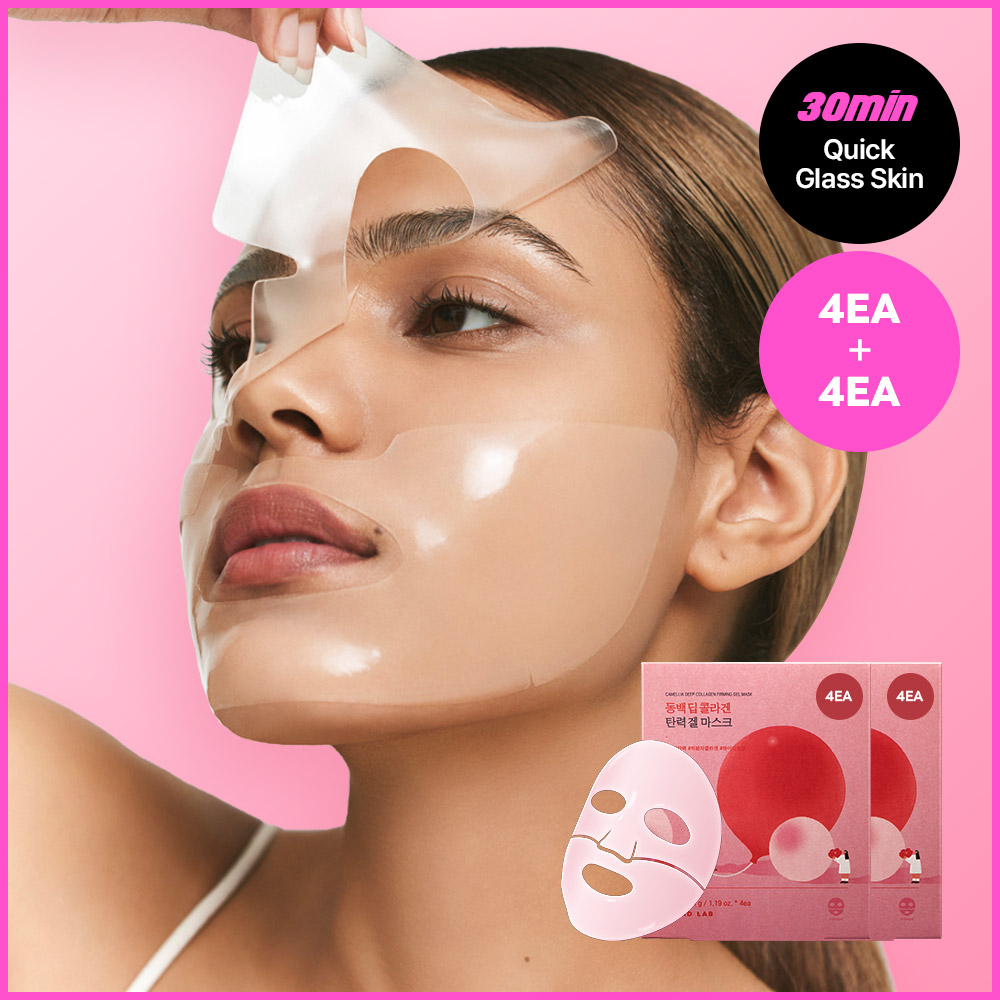
Camellia Deep Collagen Firming Gel Mask Sheet
Round Lab
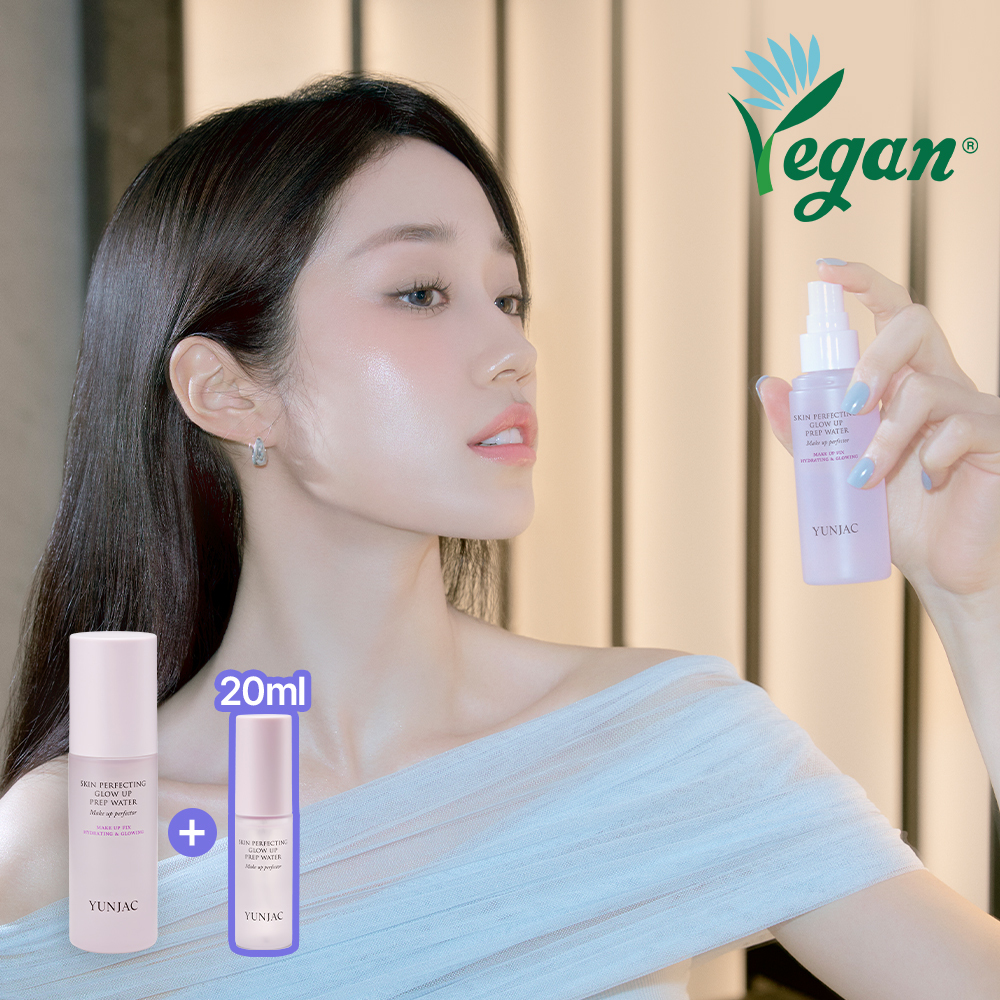
Skin Perfecting Glow Up Prep Water
YUNJAC
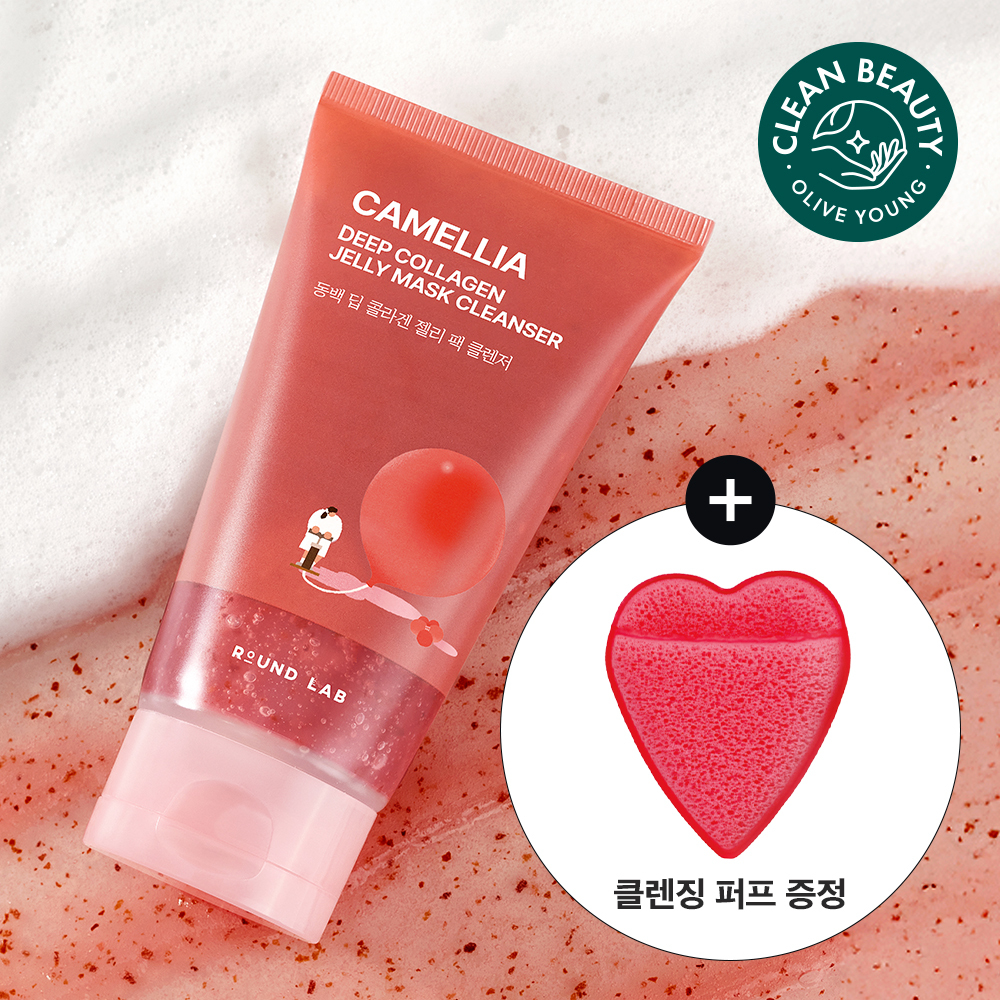
Camellia Deep Collagen Jelly Mask Cleanser
Round Lab

Bichup Ultimate Recovery Youth Serum Discovery Set
The Whoo
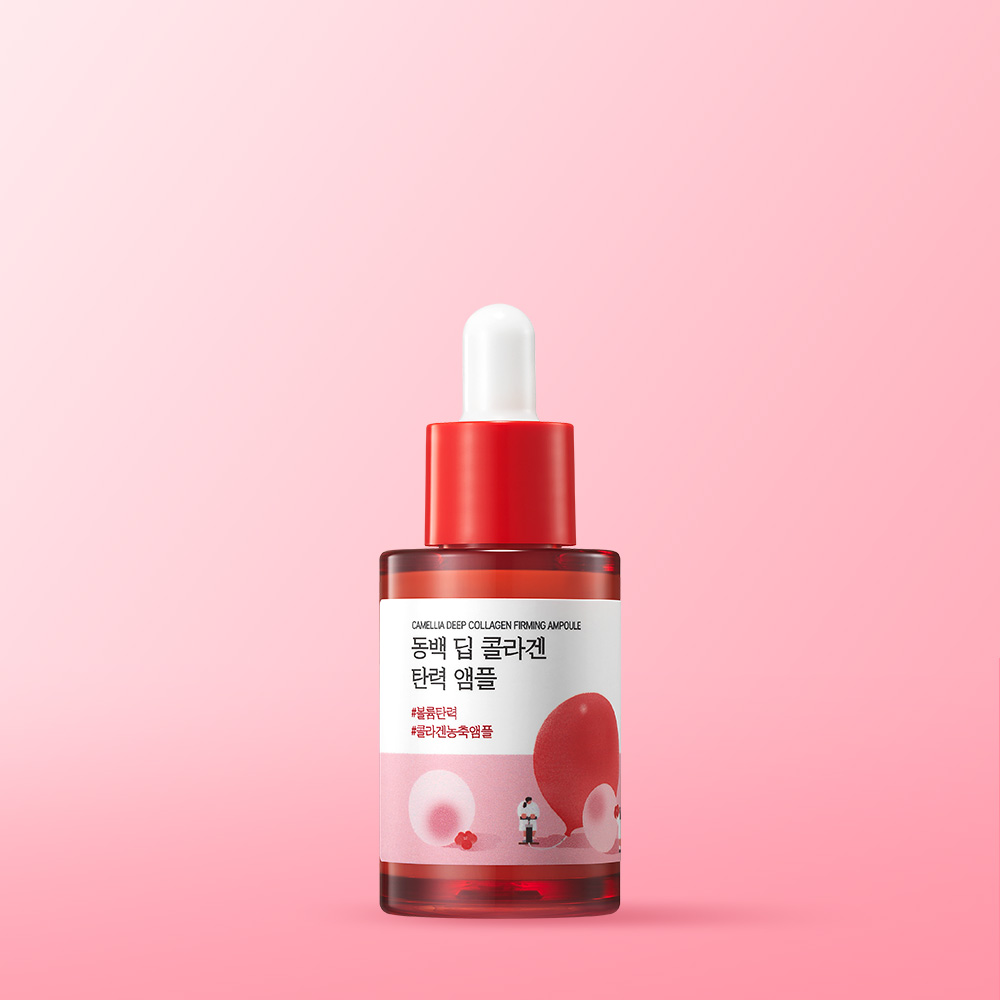
Camellia Deep Collagen Firming Ampoule
Round Lab
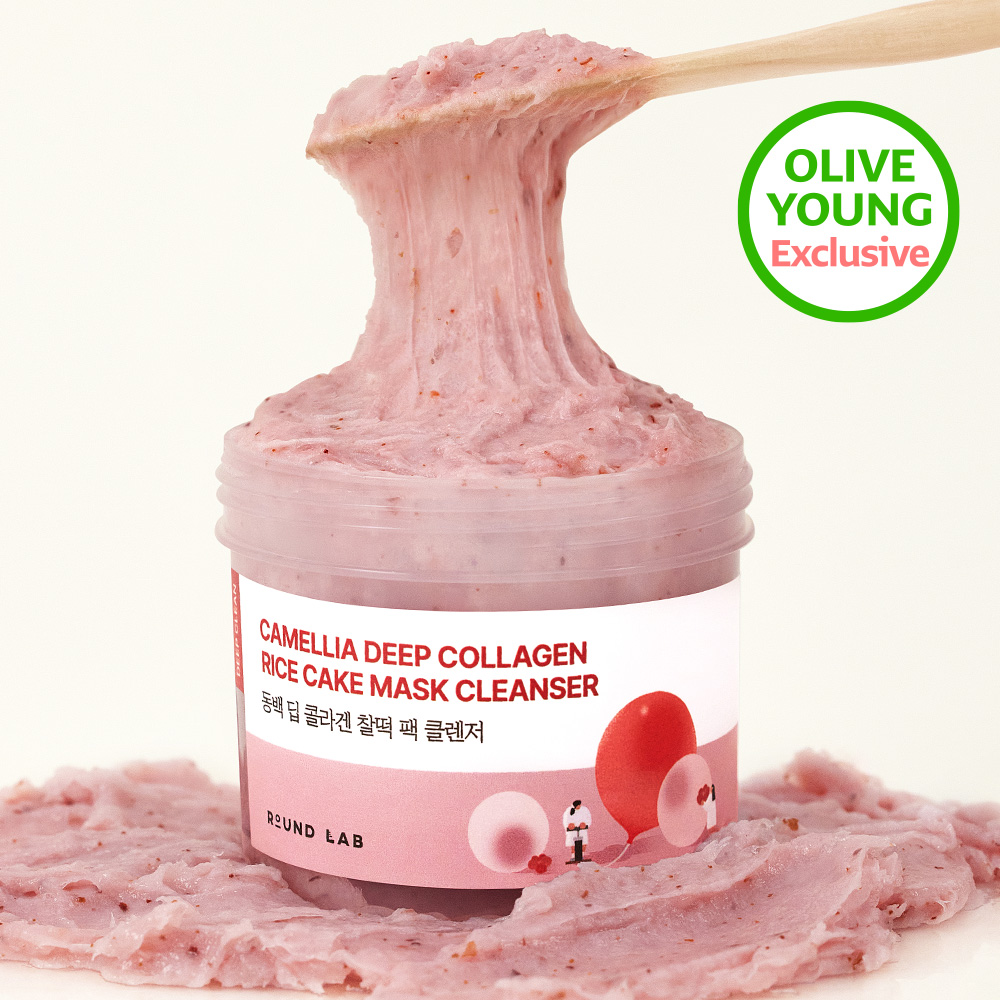
Camellia Deep Collagen Rice Cake Mask Cleanser
Round Lab
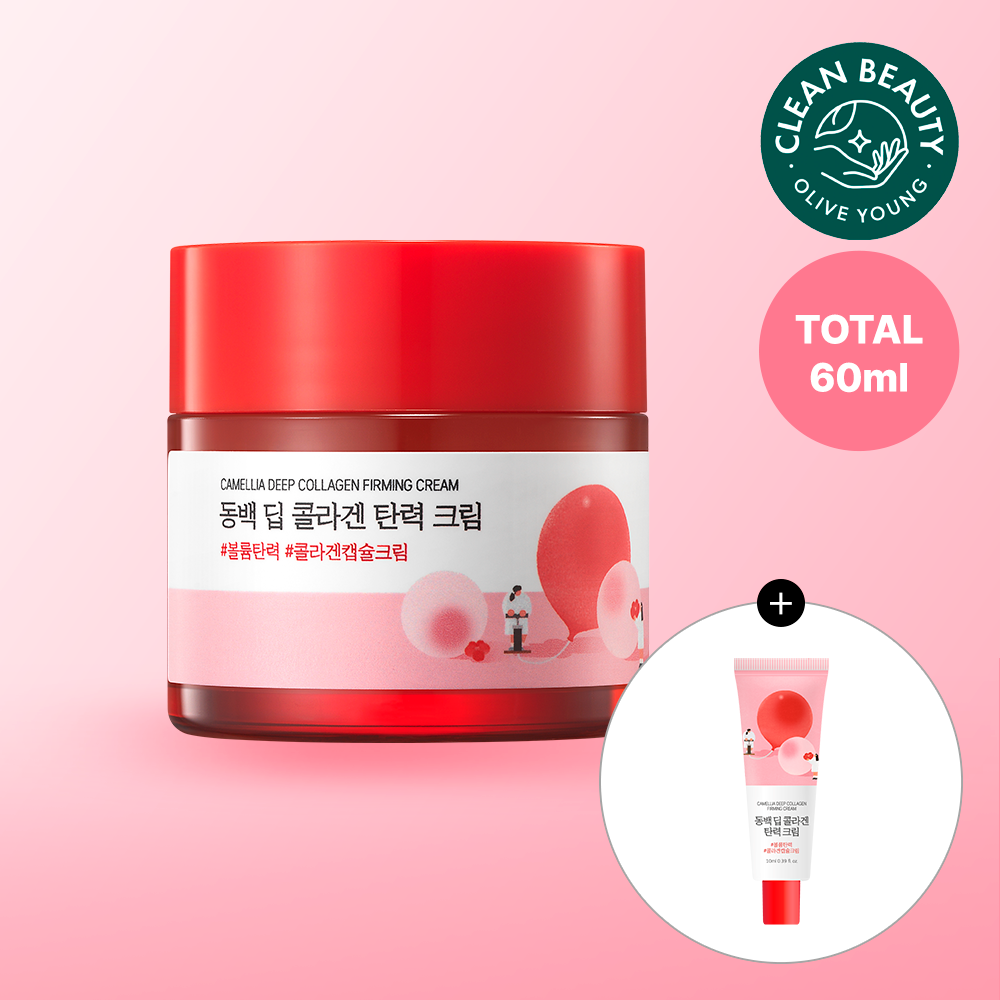
Camellia Deep Collagen Firming Cream Set
Round Lab
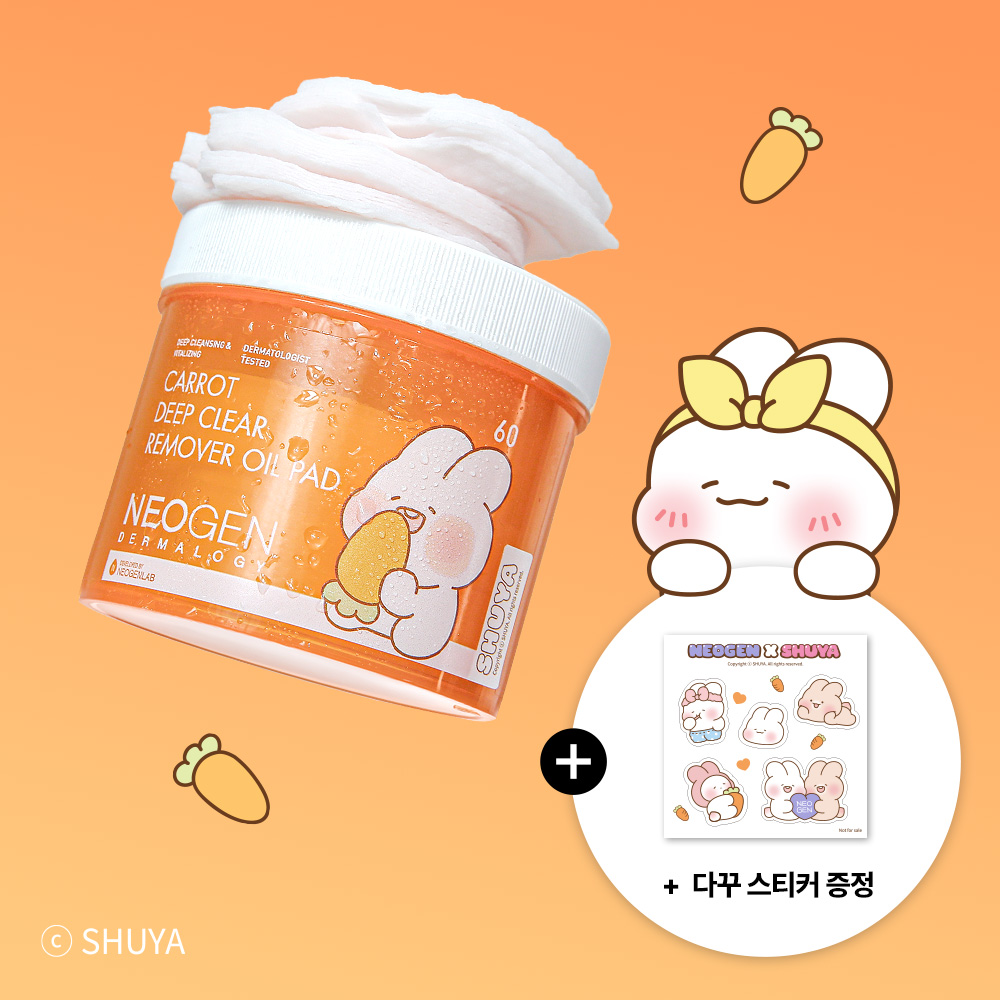
Dermalogy Carrot Deep Clear Remover Oil Pad
Neogen
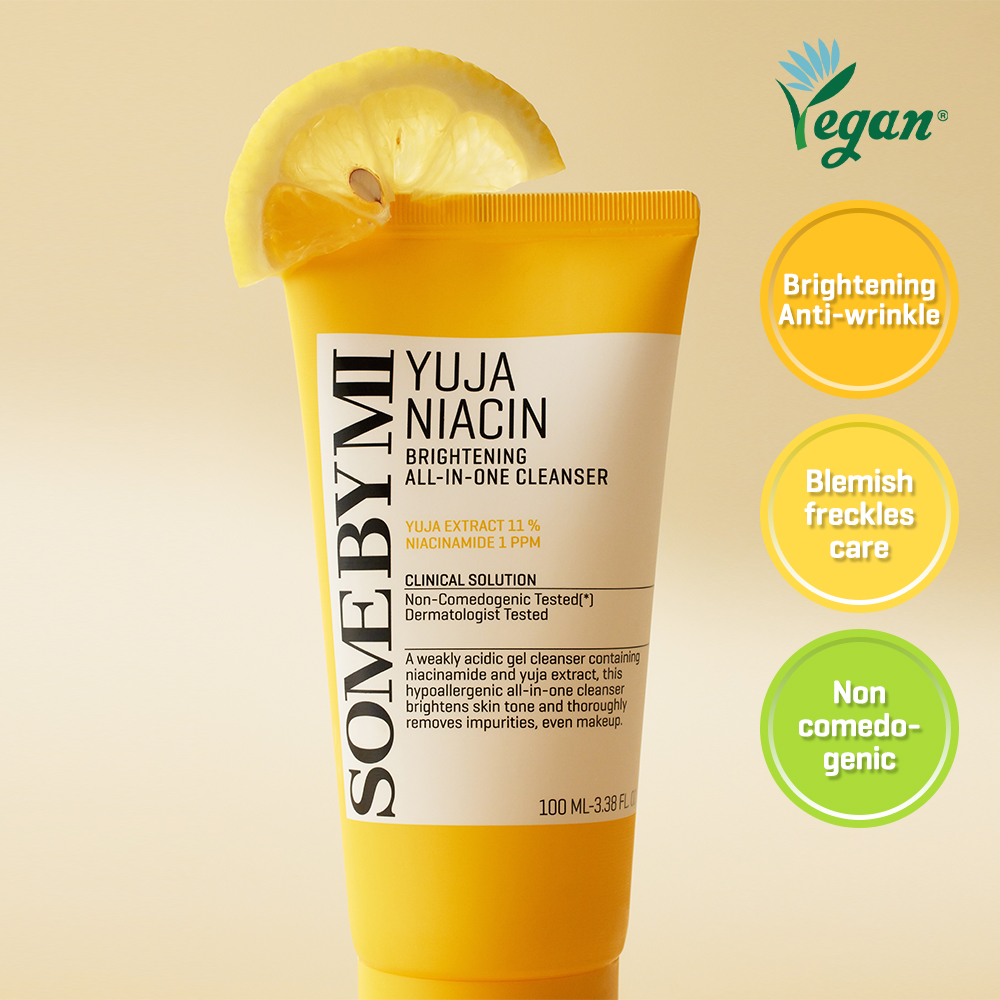
Yuja Niacin Brightening All In One Cleanser
Some By Mi
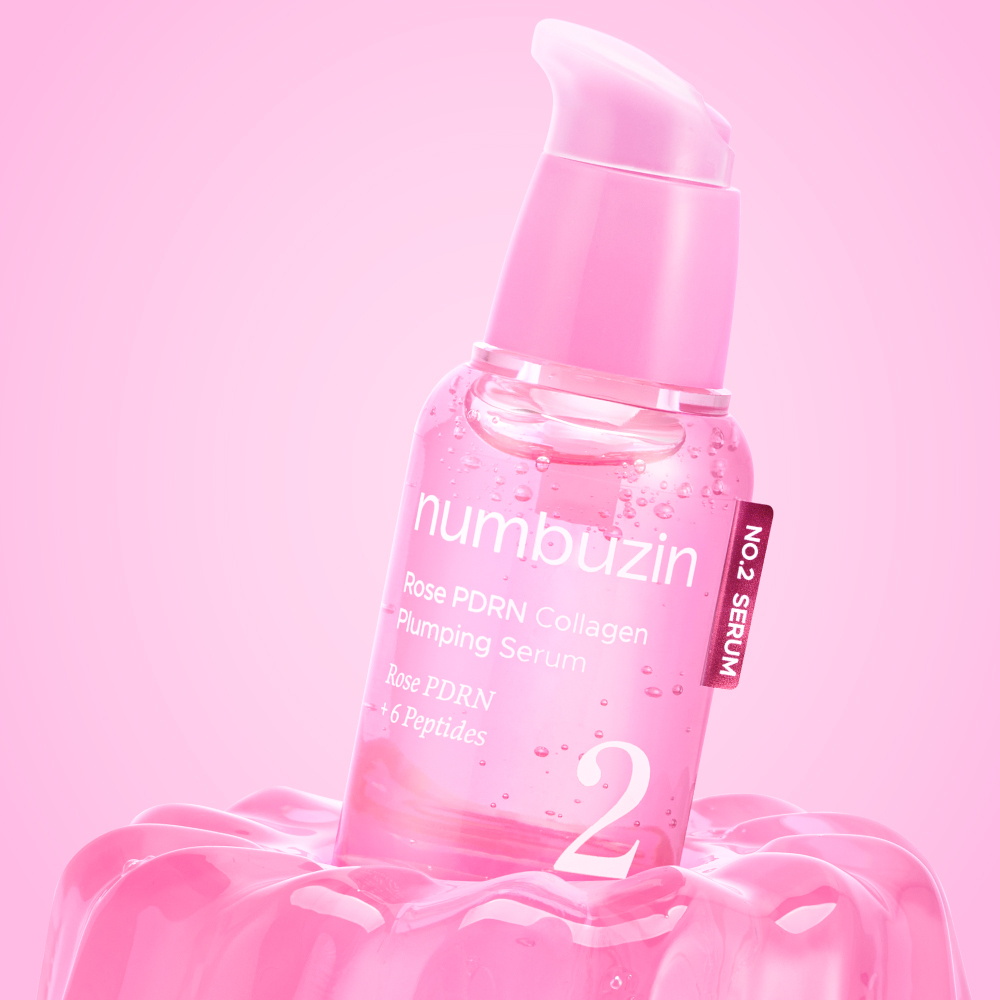
No. 2 PDRN Collagen Plumping Serum
Numbuzin
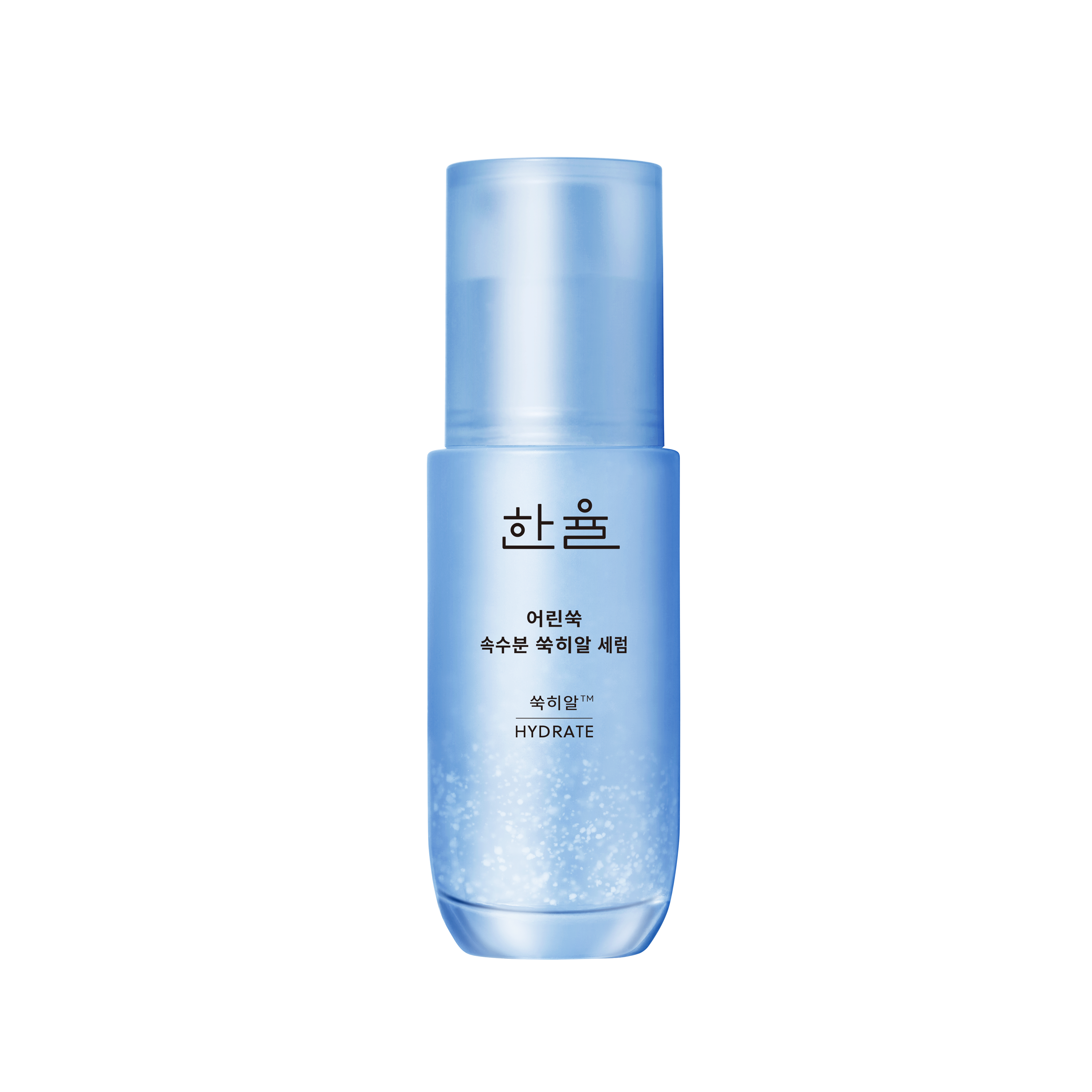
Pure Artemisia Ssuk-Hyal Serum
Hanyul
Pure Artemisia Ssuk-Hyal Cream
Hanyul
Frequently Asked Questions
Can inositol help with acne or breakouts?▼
Is inositol the same as niacinamide?▼
Why do so many K-beauty glass skin products contain inositol?▼
Can I use inositol if I'm pregnant or breastfeeding?▼
Explore More
Want personalized ingredient advice?
Yuri, our AI beauty advisor, can tell you how Inositol works with your specific skin type, routine, and concerns.
Ask Yuri, free