Inulin
Prebiotic humectant and skin conditioning agent
About Inulin
Inulin is a naturally occurring polysaccharide (a complex carbohydrate) extracted from chicory root, Jerusalem artichoke, and other plant sources. In K-beauty, it functions as both a prebiotic and a humectant, meaning it feeds beneficial skin bacteria while simultaneously drawing moisture into the skin. This dual action makes inulin particularly valuable in products targeting barrier health and hydration. Unlike simple moisturizers that just coat the surface, inulin works at a deeper level by supporting the skin's microbiome, the delicate ecosystem of bacteria that protects against irritation, inflammation, and premature aging. Korean brands like Bioheal BOH have embraced inulin in their Probioderm line, pairing it with other microbiome-supporting ingredients to create products that strengthen skin resilience from within. With a perfect safety rating of 5/5 and zero comedogenic potential, inulin suits all skin types without risk of clogging pores or causing sensitivity. Its inclusion in 42 K-beauty products on Seoul Sister reflects growing recognition that healthy skin isn't just about what you put on it, but how you nurture the living organisms that naturally protect it.
How Inulin Works
Inulin functions through two complementary mechanisms. As a prebiotic, it serves as food for beneficial bacteria (probiotics) that naturally live on your skin's surface. These good bacteria metabolize inulin and produce metabolites like short-chain fatty acids that strengthen the skin barrier, reduce inflammation, and inhibit harmful bacteria growth. This creates a balanced microbiome environment where skin can defend itself more effectively against external stressors. As a humectant, inulin's molecular structure contains multiple hydroxyl groups that bind water molecules and pull moisture from the atmosphere into the stratum corneum (outermost skin layer). This hydration effect is sustained because inulin forms a lightweight film that prevents transepidermal water loss without feeling heavy or occlusive. Additionally, inulin has been shown to enhance the penetration and efficacy of other active ingredients by improving skin permeability in a controlled way. The combination of microbiome support and moisture retention creates a synergistic effect that results in plumper, more resilient skin with improved texture and reduced sensitivity over time.
Inulin by Skin Type
Oily Skin
Inulin is excellent for oily skin because it provides lightweight hydration without adding oils or clogging pores (0/5 comedogenic rating). Its prebiotic properties help balance the microbiome, which can reduce excess sebum production triggered by dysbiosis (bacterial imbalance). The non-greasy moisture it delivers helps prevent the dehydration that often causes oily skin to overproduce oil as a compensation mechanism.
Dry Skin
Dry skin benefits significantly from inulin's humectant properties, which draw moisture into dehydrated skin layers and help maintain hydration levels throughout the day. The prebiotic function strengthens the compromised barrier common in dry skin types, reducing moisture loss and improving the skin's ability to retain hydration naturally. Products like Bioheal BOH's Probioderm 3D Lifting Cream (4.8/5 rating) leverage inulin to deliver long-lasting moisture that doesn't just sit on the surface.
Combo Skin
Combination skin thrives with inulin because it balances hydration needs across different zones without overloading oily areas or under-serving dry patches. The lightweight texture and non-comedogenic profile mean it won't exacerbate oiliness in the T-zone, while its humectant properties address dryness on cheeks. The microbiome-balancing effect helps normalize skin behavior across all areas, gradually reducing the contrast between oily and dry zones.
Sensitive Skin
Sensitive skin responds particularly well to inulin's gentle, barrier-supporting approach. By feeding beneficial bacteria and strengthening the microbiome, inulin helps reduce the inflammatory responses and irritation that characterize sensitive skin. Its natural origin and excellent safety rating (5/5) mean minimal risk of adverse reactions. The ingredient appears in gentle formulations like VIDIVICI's Clear Mild Amino Cleansing Foam (5.0/5), which cleanses without disrupting sensitive skin's delicate balance.
Normal Skin
Normal skin maintains its balanced state beautifully with inulin, which provides preventative care by supporting an already healthy microbiome and ensuring consistent hydration. Regular use helps preserve the resilience and clarity that define normal skin, protecting against future imbalances caused by environmental stress, aging, or lifestyle factors. Inulin acts as maintenance rather than correction, keeping normal skin functioning optimally.
How to Use Inulin
- 1Layer inulin-containing products like Bioheal BOH's Probioderm 3D Lifting Essential Toner (4.9/5) after cleansing and before heavier serums to maximize its humectant effect and prepare skin for subsequent ingredients.
- 2Use inulin products consistently for at least 4-6 weeks to see full microbiome-balancing benefits, as rebuilding healthy bacterial populations takes time and regular prebiotic feeding.
- 3Pair inulin with probiotic or postbiotic ingredients (fermented extracts, lactobacillus) for enhanced microbiome support, a strategy used effectively in the Bioheal BOH Probioderm line.
- 4Apply inulin-based products to damp skin to boost their humectant action, helping them capture and seal in more moisture from your just-cleansed face.
- 5If you're using active ingredients like retinol or acids that can disrupt the microbiome, incorporate inulin products to help maintain bacterial balance and reduce irritation potential.
Background
Inulin has been used in traditional medicine for centuries, particularly in Native American and European herbalism where chicory root (its primary source) was valued for digestive health. The same prebiotic properties that benefit gut bacteria were discovered to work on skin bacteria in the early 2000s, when microbiome research revealed that skin health depends heavily on maintaining balanced bacterial populations. K-beauty brands were early adopters of this science, with companies like Bioheal BOH launching entire product lines (Probioderm) centered on microbiome care. The ingredient gained momentum around 2015-2017 as the skincare industry shifted from aggressive, bacteria-killing approaches to gentler, microbiome-supporting strategies. Korean formulators particularly appreciated inulin's dual functionality as both prebiotic and humectant, allowing them to address multiple skin concerns with a single, natural ingredient. Today, inulin represents K-beauty's holistic approach to skincare, treating skin as a living ecosystem rather than just a surface to be treated.
K-Beauty Products with Inulin
View all 44 →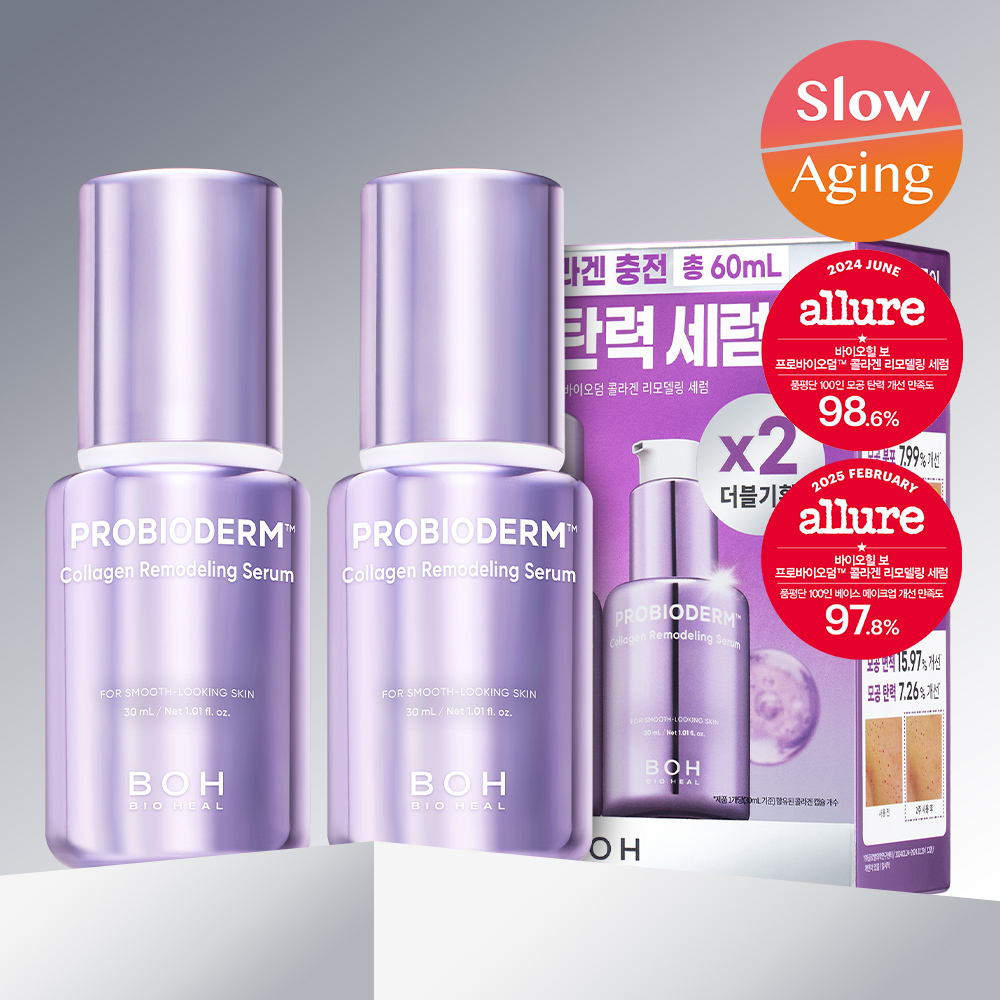
Probioderm Collagen Remodeling Serum
Bioheal BOH
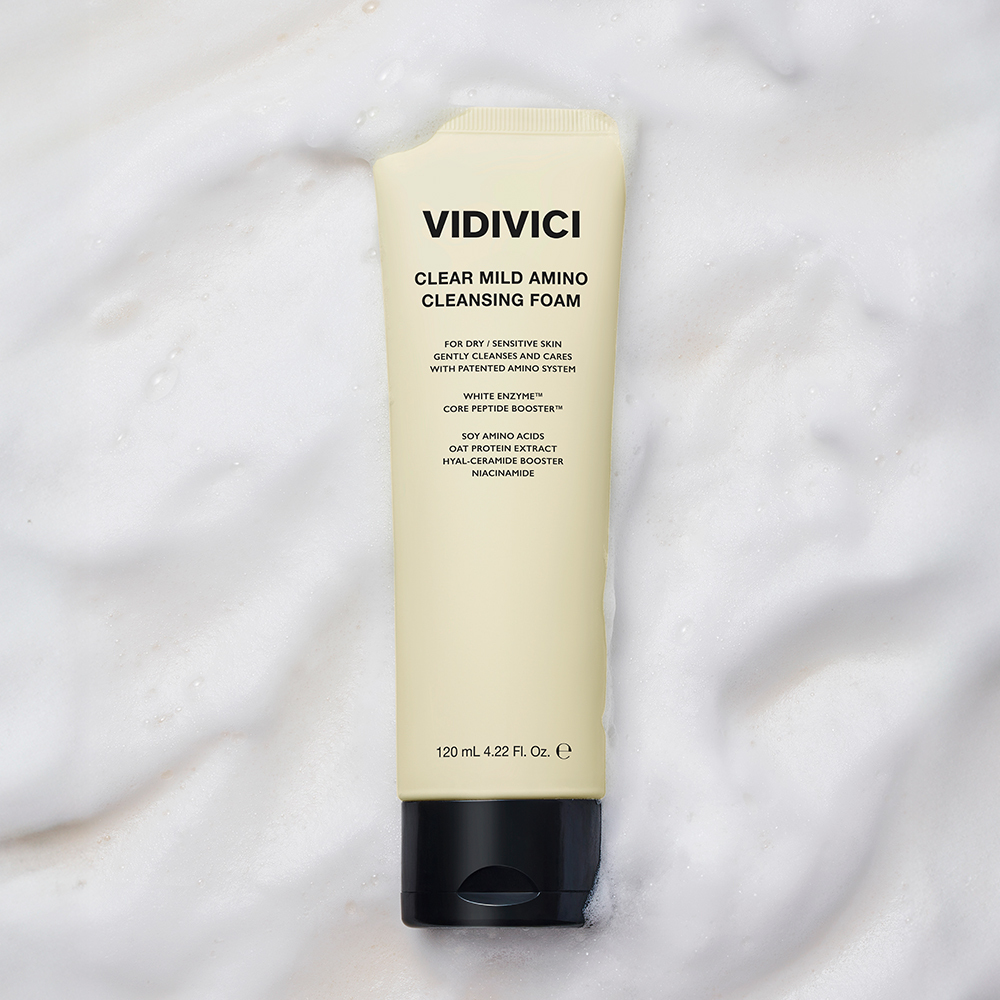
Clear Mild Amino Cleansing Foam
VIDIVICI
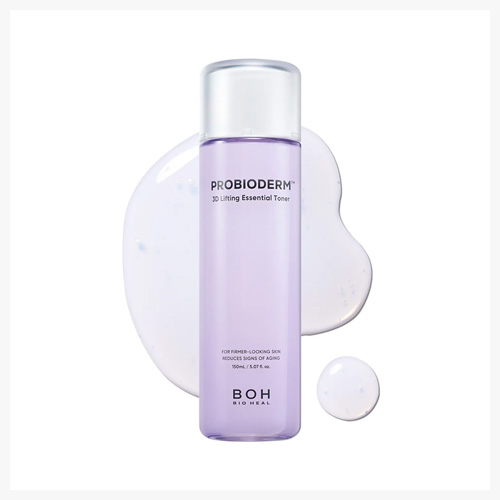
Probioderm 3D Lifting Essential Toner
Bioheal BOH
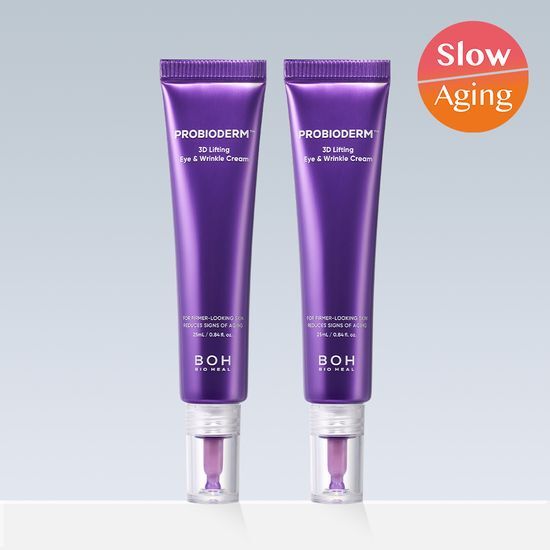
Probioderm 3D Lifting Eye & Wrinkle Cream Double Pack
Bioheal BOH
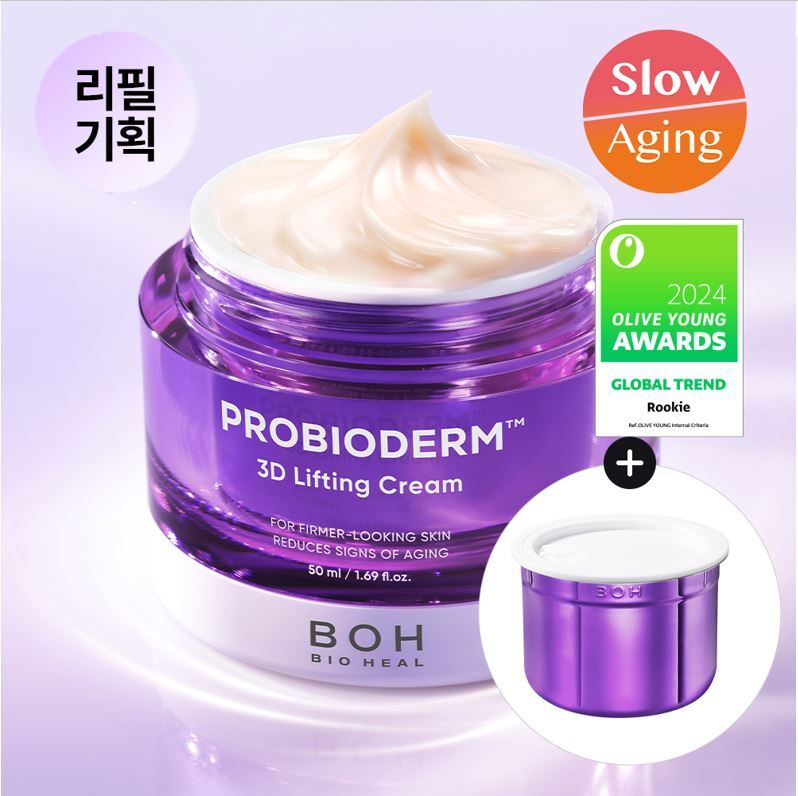
Probioderm 3D Lifting Cream
Bioheal BOH
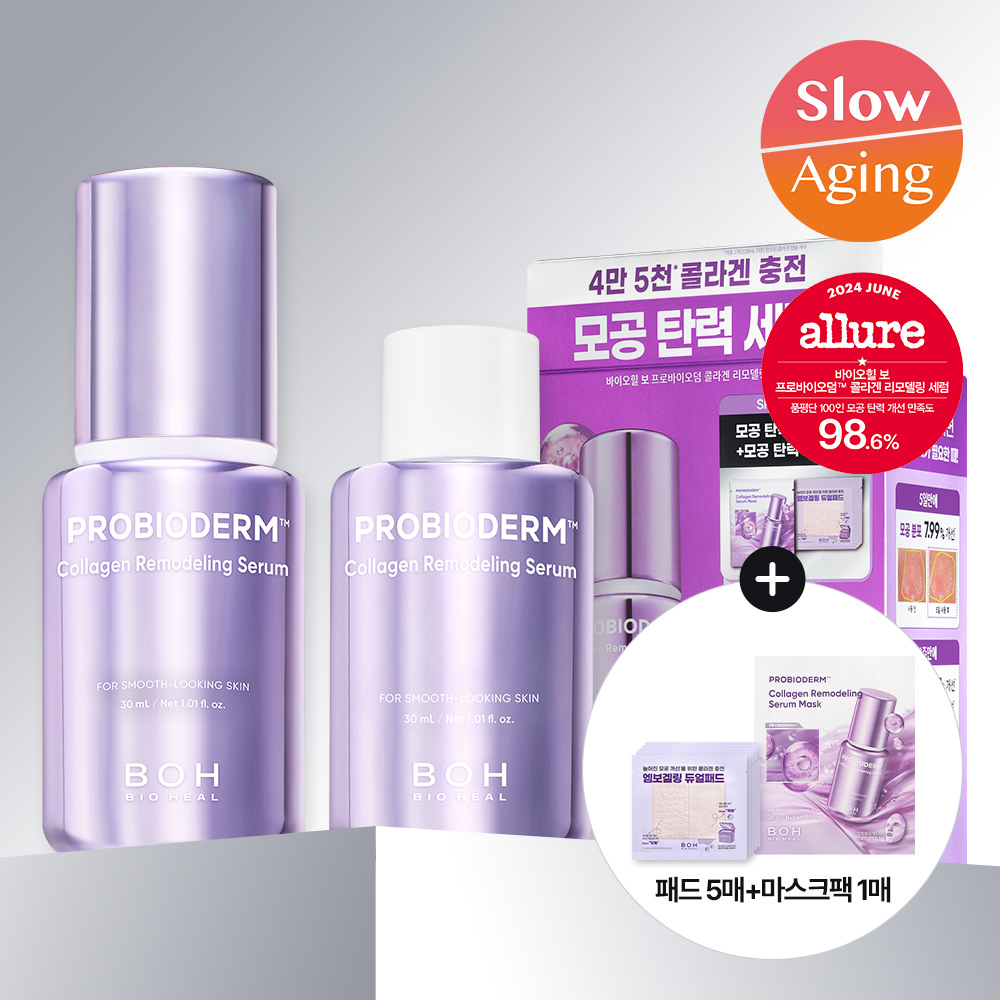
Probioderm Collagen Remodelling Serum Refill Set
Bioheal BOH
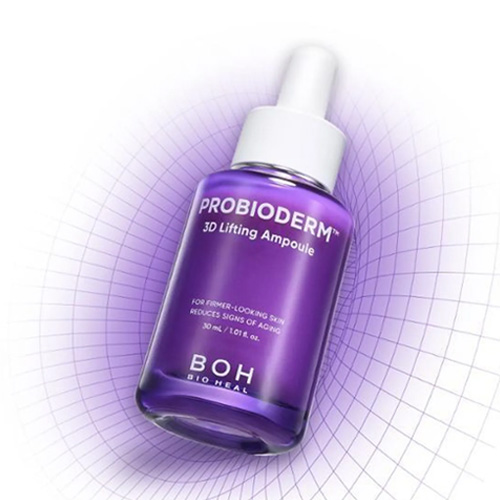
Probioderm 3D Lifting Ampoule
Bioheal BOH
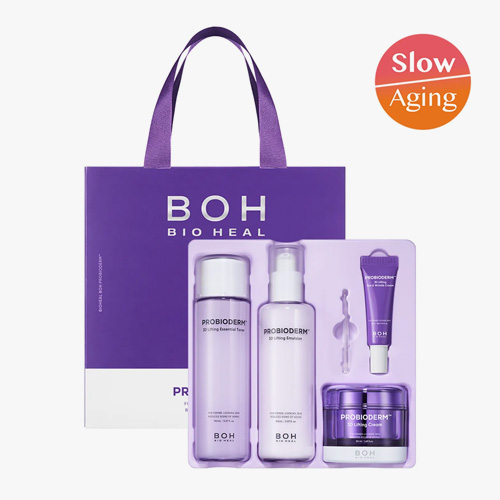
Probioderm 3D Lifting Skincare 3P Set
Bioheal BOH

Probioderm 3D Lifting Cream Mist
Bioheal BOH

Glutathione Niacinamide Ampoule Serum
APLB
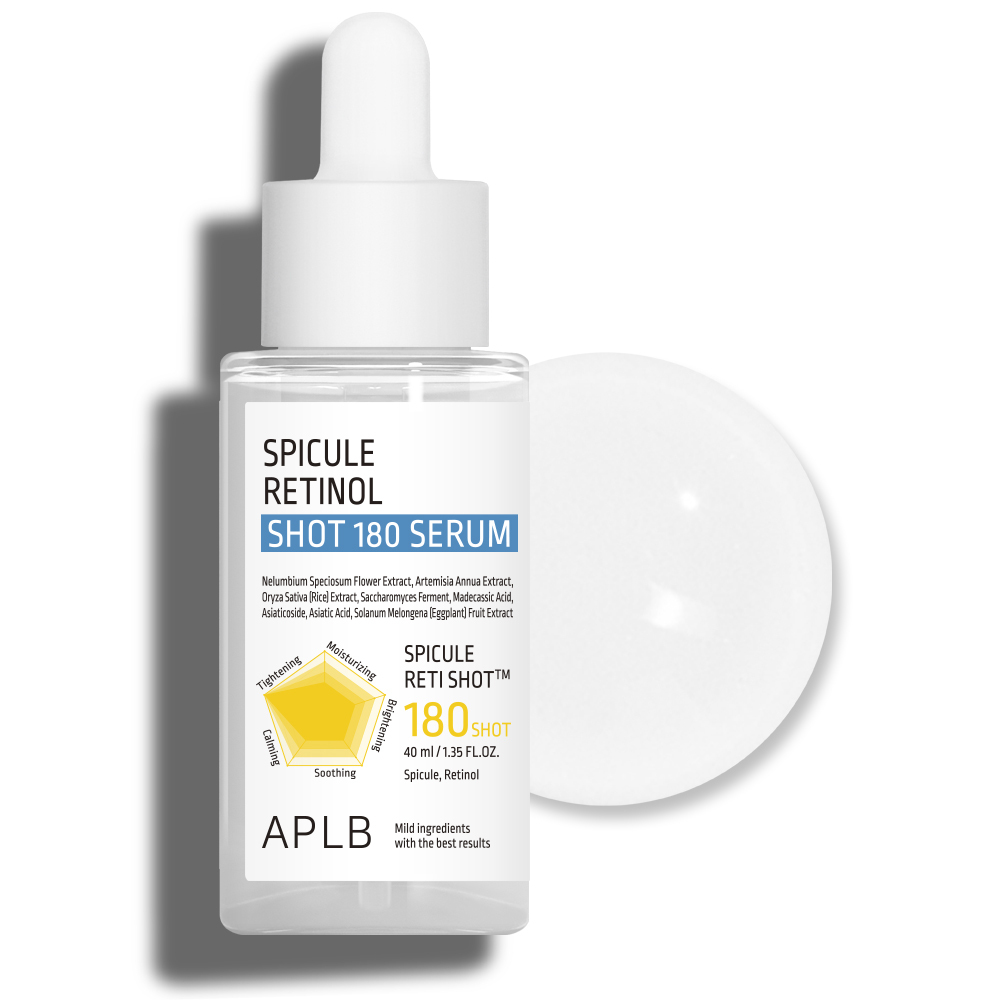
Spicule Retinol Shot 180 Serum
APLB
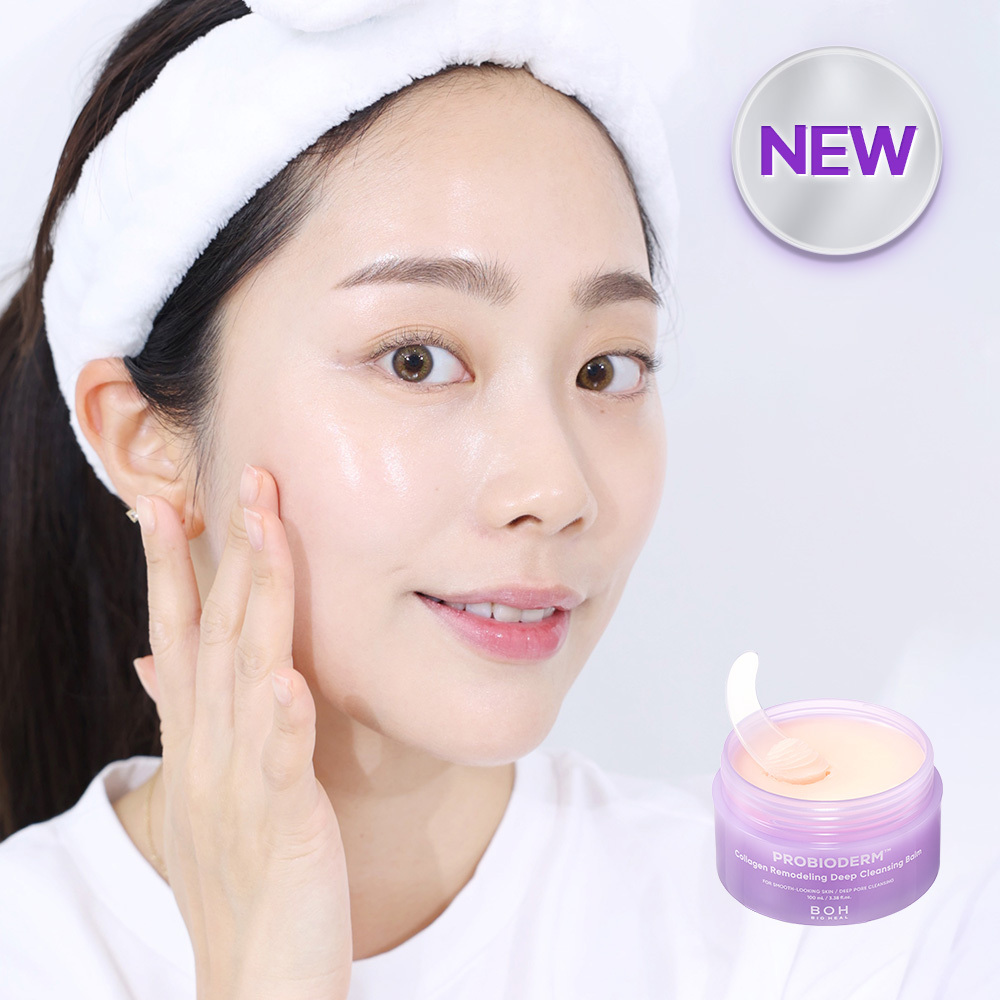
Probioderm Collagen Remodeling Deep Cleansing Balm
Bioheal BOH
Frequently Asked Questions
Is inulin the same as the fiber supplement?▼
How long does it take to see results from inulin in skincare?▼
Can inulin cause breakouts?▼
Should I avoid inulin if I'm using acids or retinol?▼
Why do so many Bioheal BOH products contain inulin?▼
Explore More
Want personalized ingredient advice?
Yuri, our AI beauty advisor, can tell you how Inulin works with your specific skin type, routine, and concerns.
Ask Yuri, free