Jasmine Flower Water
INCI: Jasminum Officinale (Jasmine) Flower Water
Soothing and hydrating botanical water
About Jasmine Flower Water
Jasmine Flower Water is a botanical hydrosol created through steam distillation of Jasminum officinale flowers, capturing the plant's water-soluble compounds and delicate aromatic molecules. Unlike jasmine essential oil, which is highly concentrated, jasmine flower water offers gentle hydration and soothing properties with minimal risk of irritation. In K-beauty formulations, it serves dual purposes as both a functional skincare ingredient and a natural fragrance component, adding a subtle floral note while delivering antioxidant benefits. The water contains trace amounts of jasmine's bioactive compounds, including flavonoids and phenolic acids, which contribute mild anti-inflammatory and skin-conditioning effects. Korean brands favor jasmine flower water in calming formulations, particularly those designed for sensitive or compromised skin barriers, where synthetic fragrances might cause reactivity. Its non-comedogenic profile (0/5 rating) and excellent safety record (4/5) make it suitable across all skin types. Found in 25 products on Seoul Sister, including top-rated formulas like Aestura's Cerachiol Crush Cream and Anua's Teca-Micro Bubble Ampoule Toner, jasmine flower water exemplifies K-beauty's philosophy of marrying sensory pleasure with skin health. The ingredient represents a bridge between traditional botanical skincare and modern cosmetic science, offering consumers who want clean, recognizable ingredients without sacrificing the luxurious experience that keeps them consistent with their routines.
How Jasmine Flower Water Works
Jasmine flower water functions primarily through its hydrating humectant properties and secondary bioactive compounds. When applied topically, the water-soluble molecules help attract and bind moisture to the skin's surface through hydrogen bonding, similar to other botanical hydrosols. The trace phytochemicals, particularly linalool and benzyl benzoate naturally present in jasmine, interact with skin cells to modulate inflammatory pathways, though at much lower concentrations than pure essential oil. Research suggests jasmine's flavonoid content may help neutralize free radicals through electron donation, providing mild antioxidant protection against environmental stressors. The ingredient's pH typically ranges between 4.5 and 6.0, which supports the skin's natural acid mantle and optimal enzyme function. At the cellular level, jasmine flower water doesn't penetrate deeply into the dermis, instead working primarily in the stratum corneum to improve hydration metrics and provide temporary barrier reinforcement. The aromatic compounds also engage the olfactory system, which can indirectly benefit skin through stress reduction, as cortisol elevation is linked to increased inflammation and barrier disruption. This makes jasmine flower water particularly effective in calming formulations where both physiological and psychological comfort matter.
Jasmine Flower Water by Skin Type
Oily Skin
Jasmine flower water works well for oily skin because its lightweight, water-based composition provides hydration without adding oils or occlusives that could exacerbate sebum production. The mild astringent properties help refresh skin without disrupting moisture balance. Its non-comedogenic rating means it won't contribute to pore congestion, making it ideal for toners and essence-type products in oily skin routines.
Dry Skin
For dry skin, jasmine flower water serves as a supportive hydrating layer rather than a primary moisturizer. It works best when layered under richer creams and oils, helping to prepare the skin for better absorption of subsequent products. The antioxidant compounds provide additional protection for dry skin, which often has a compromised barrier more vulnerable to environmental damage.
Combo Skin
Combination skin benefits significantly from jasmine flower water's balanced profile. It hydrates dry zones without overwhelming oily areas, making it perfect for all-over application in toners or mists. Products like Anua's Teca-Micro Bubble Ampoule Toner (5.0/5 rating) leverage this versatility, pairing jasmine flower water with other ingredients that address multiple skin concerns simultaneously.
Sensitive Skin
Jasmine flower water is generally well-tolerated by sensitive skin, though individuals with fragrance sensitivities should note it does contain natural aromatic compounds. The soothing and anti-inflammatory properties can help calm reactive skin, which is why it appears in barrier-support products like Aestura's Cerachiol Crush Cream (5.0/5). The gentle nature of the hydrosol, compared to concentrated essential oils, makes it a safer option for most sensitive skin types.
Normal Skin
Normal skin can use jasmine flower water liberally as a refreshing, hydrating step that enhances the sensory experience of a skincare routine without disrupting balance. It provides light antioxidant benefits and helps maintain the skin's healthy state. The pleasant scent makes it particularly appealing in morning routines or as a midday refresh without requiring active treatment.
How to Use Jasmine Flower Water
- 1Layer jasmine flower water immediately after cleansing on damp skin to maximize hydration absorption, then follow with serums and moisturizers to seal in the moisture.
- 2Store products containing jasmine flower water away from direct sunlight and heat, as the delicate aromatic compounds can degrade with exposure, diminishing both scent and antioxidant benefits.
- 3If you have known fragrance sensitivities, patch test jasmine flower water products first, even though it's milder than essential oils. Apply a small amount behind your ear or on your inner arm for 24 hours before full-face application.
- 4Use jasmine flower water products in your evening routine to take advantage of the aromatherapeutic benefits, which may help reduce stress-related skin inflammation and improve your overall wind-down experience.
Background
Jasmine has been revered in skincare and aromatherapy for centuries, originating in the Himalayas and Persia before spreading throughout Asia and the Middle East. In traditional Chinese medicine and Ayurveda, jasmine was valued for its cooling properties and ability to balance emotional states, which practitioners believed directly affected skin health. The hydrosol production method, steam distillation, dates back thousands of years to ancient Persia and was refined by Islamic scholars during the Golden Age. K-beauty's embrace of jasmine flower water reflects a broader trend toward transparent, botanical ingredients that provide both functional and experiential benefits. Korean formulators began incorporating it more prominently in the 2010s as consumers demanded cleaner ingredient lists without sacrificing the sensory luxury that characterizes K-beauty. Today, jasmine flower water bridges traditional botanical wisdom with modern cosmetic chemistry, appearing in everything from barrier creams to calming toners across premium and accessible product lines.
K-Beauty Products with Jasmine Flower Water
View all 26 →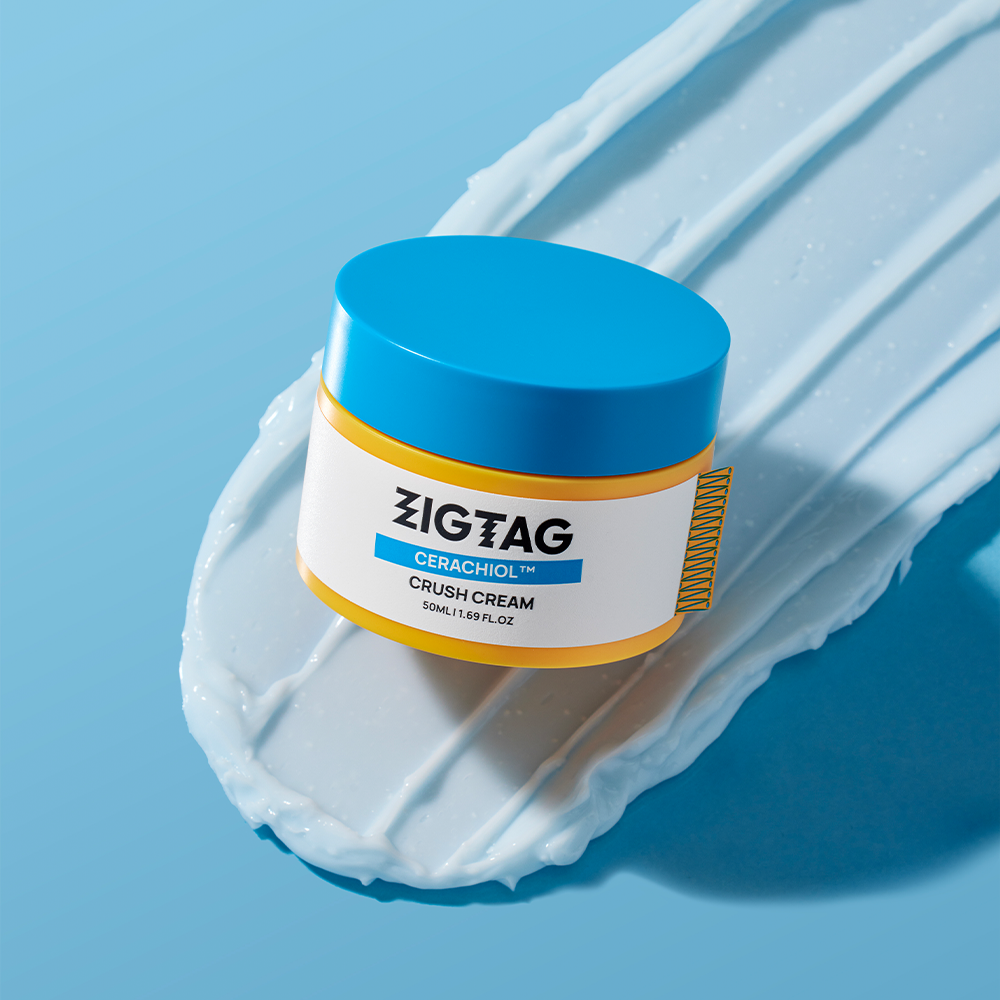
Cerachiol Crush Cream
Aestura
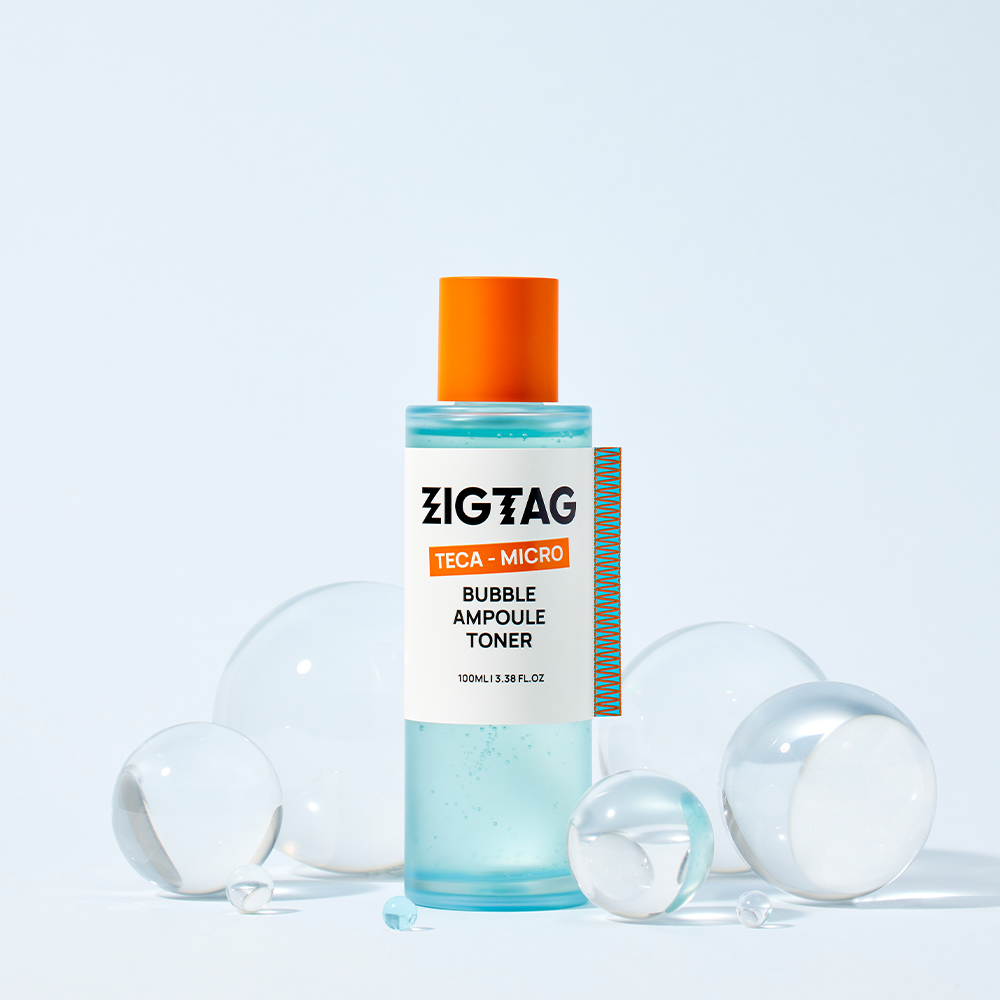
Teca-Micro Bubble Ampoule Toner
Anua
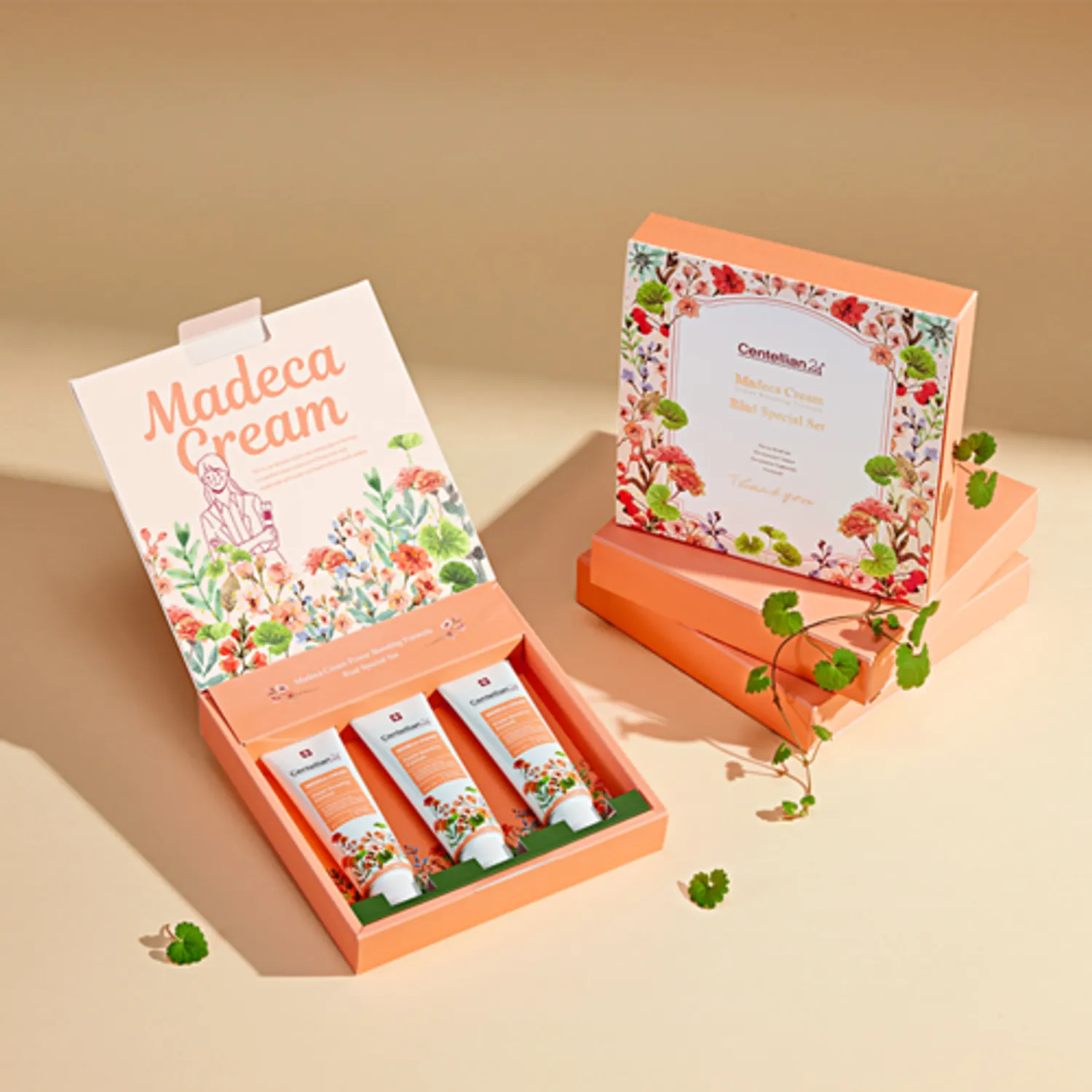
Madeca Cream Power Boosting Formula Triple Set
Centellian24
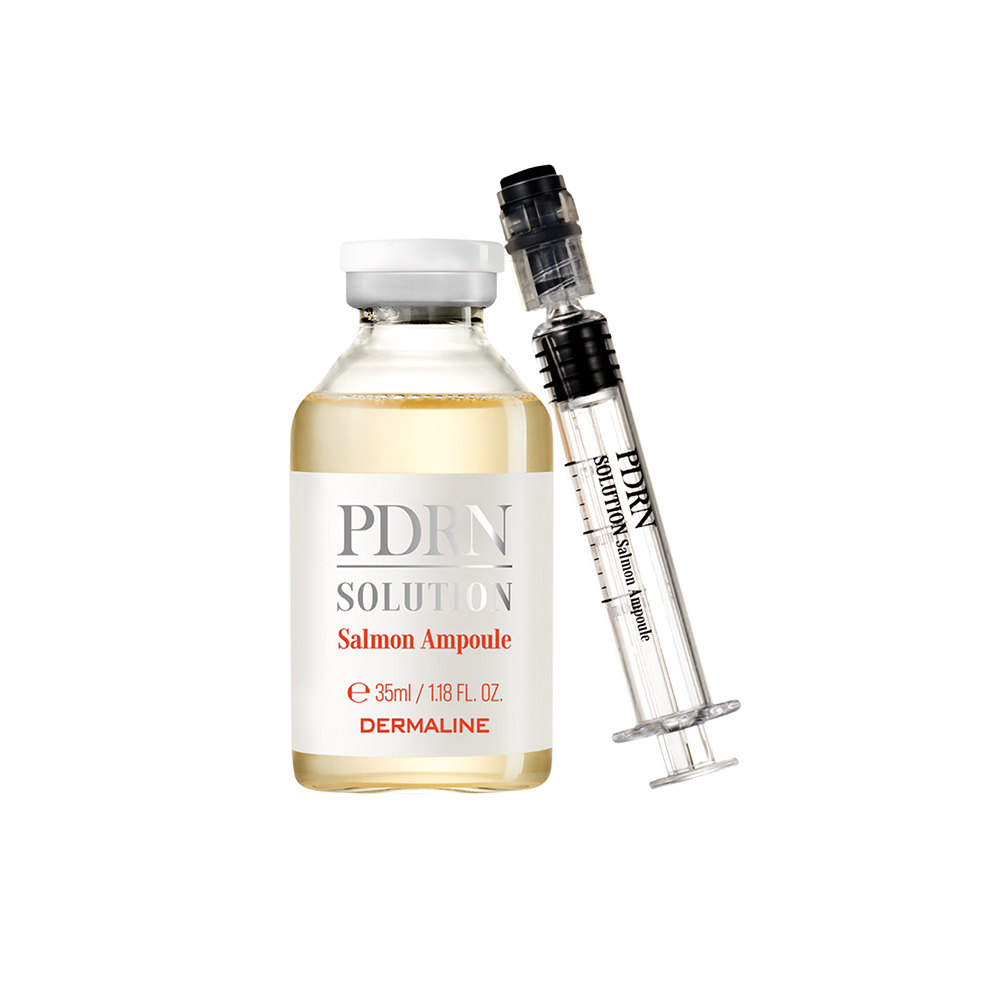
D'LEXO PDRN Solution Salmon Ampoule
DERMALINE
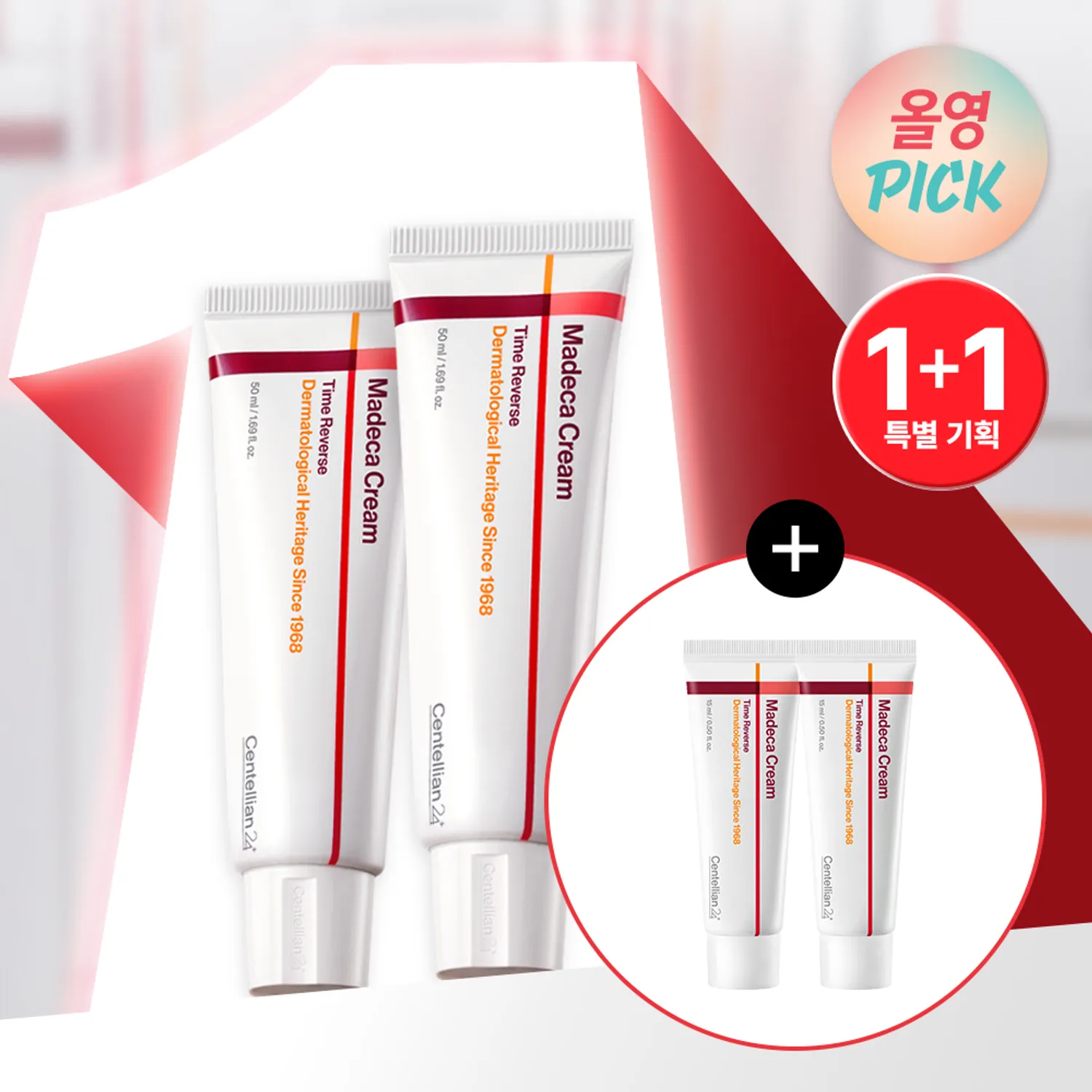
Madeca Cream Time Reverse Double Pack
Centellian24
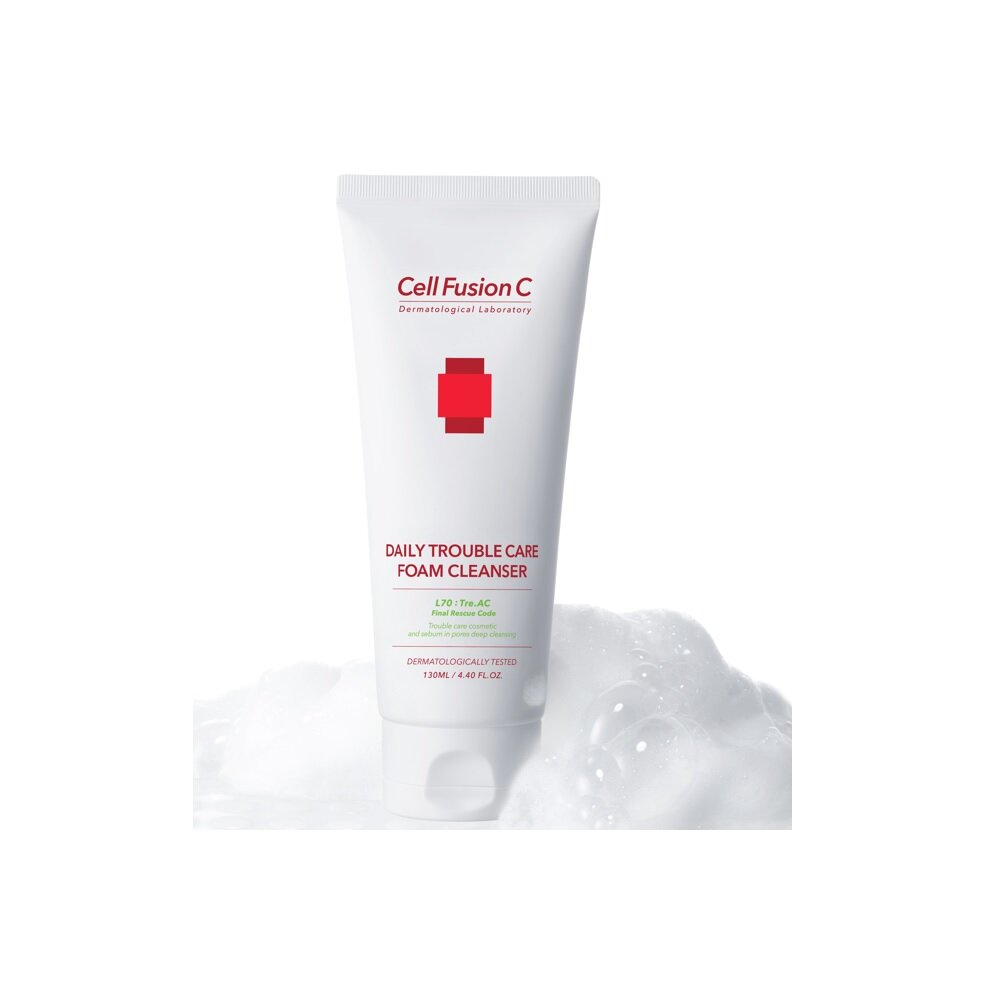
Tre-AC Daily Trouble Care Foam Cleanser
Cell Fusion C
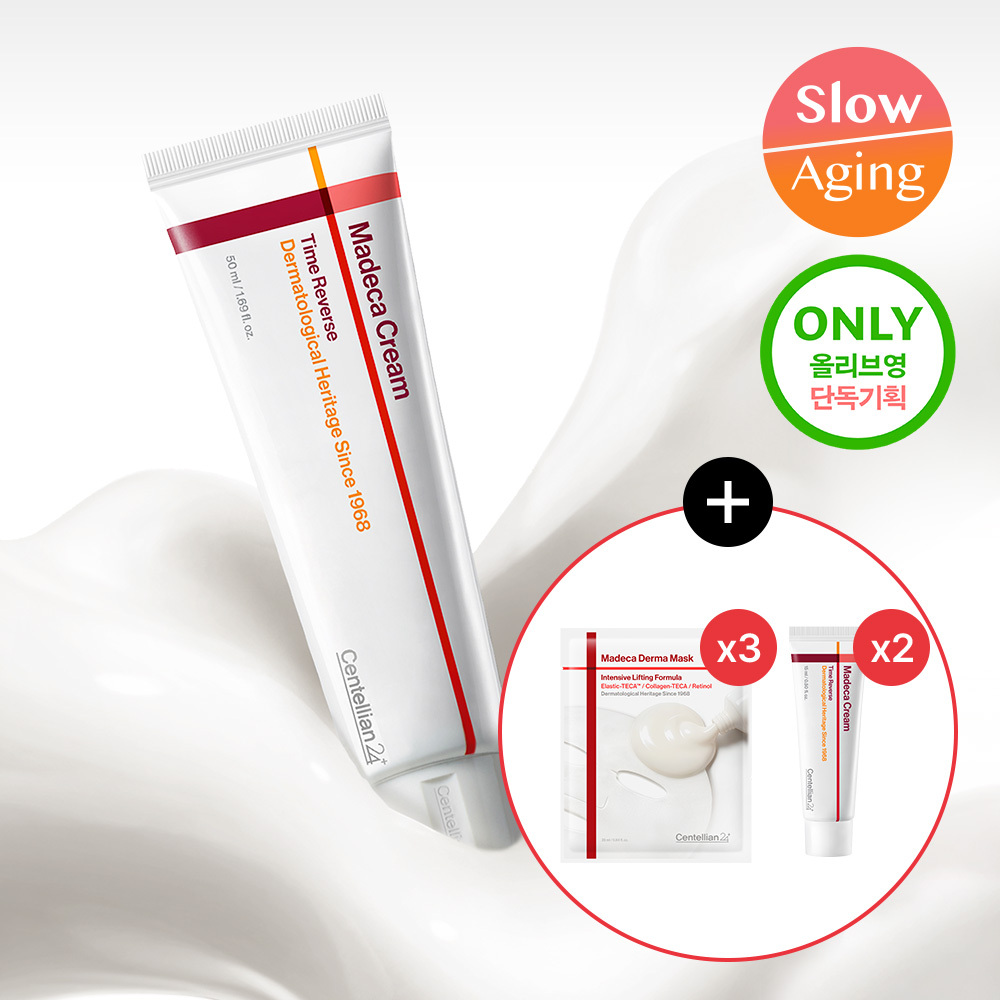
Madeca Cream Time Reverse Set
Centellian24
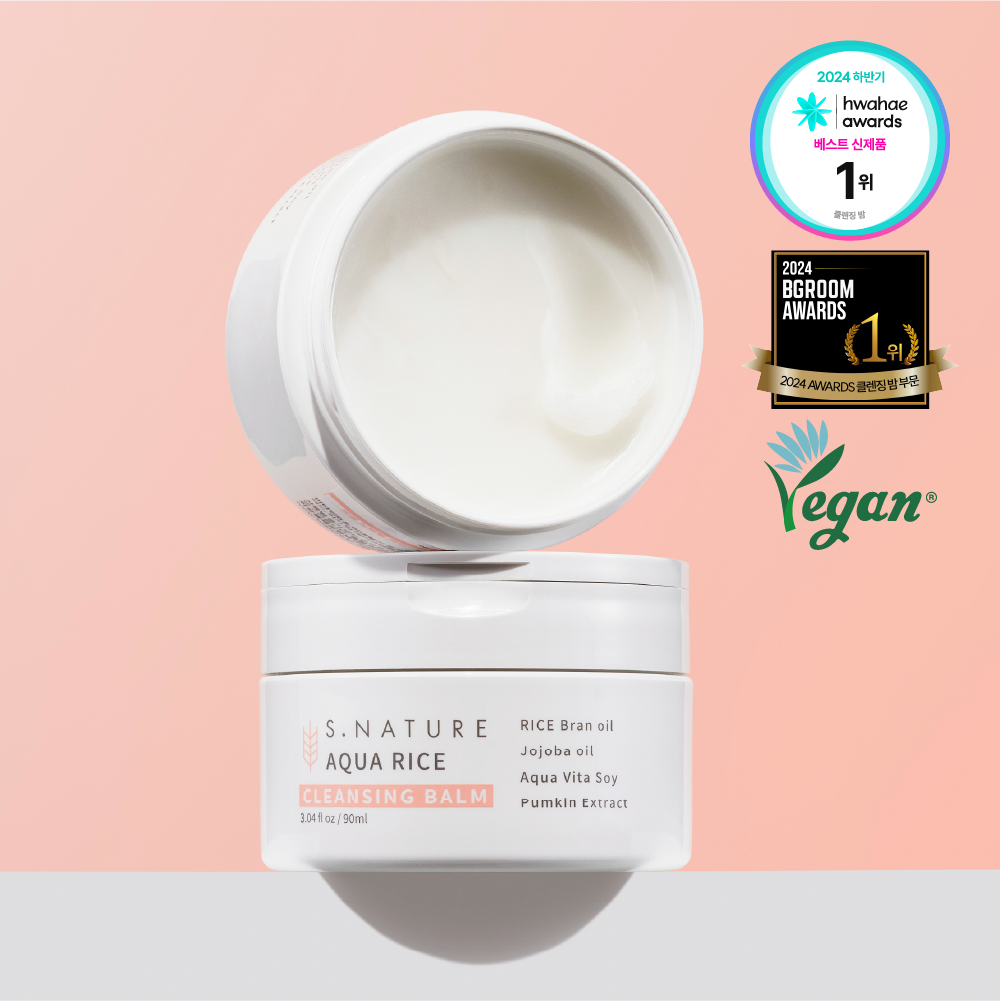
Aqua Rice Cleansing Balm
S.Nature
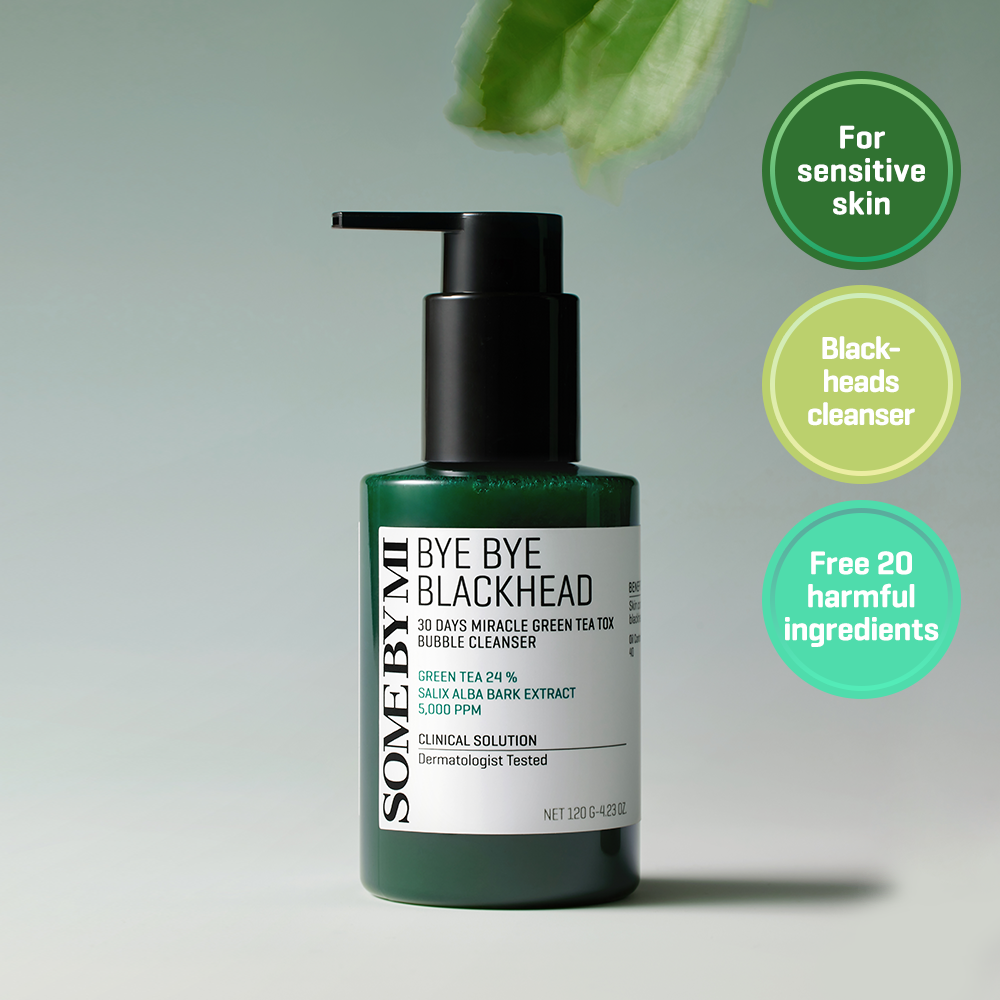
Bye Bye Blackhead 30 Days Miracle Green Tea Tox Bubble Cleanser
Some By Mi
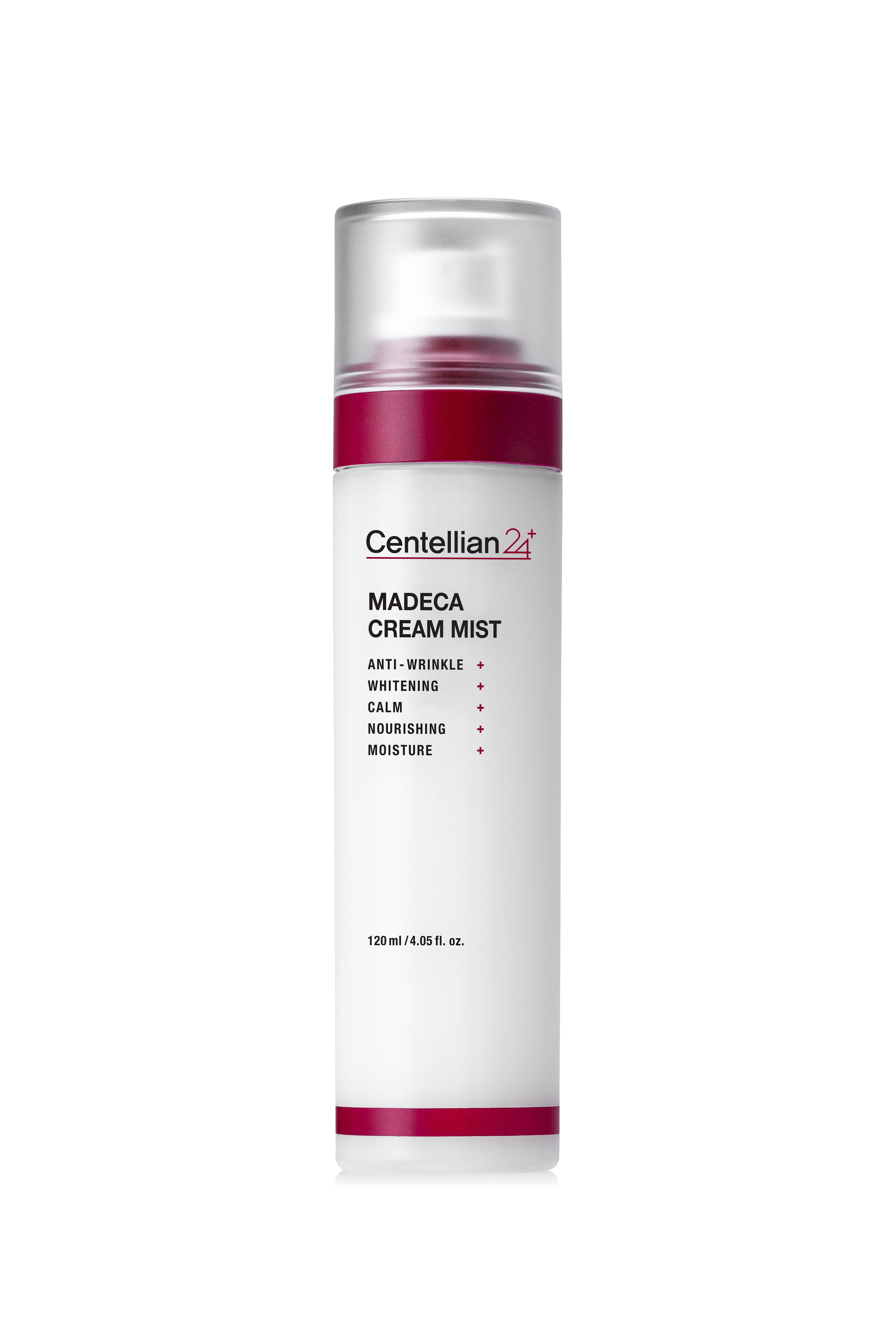
Madeca Cream Mist
Centellian24
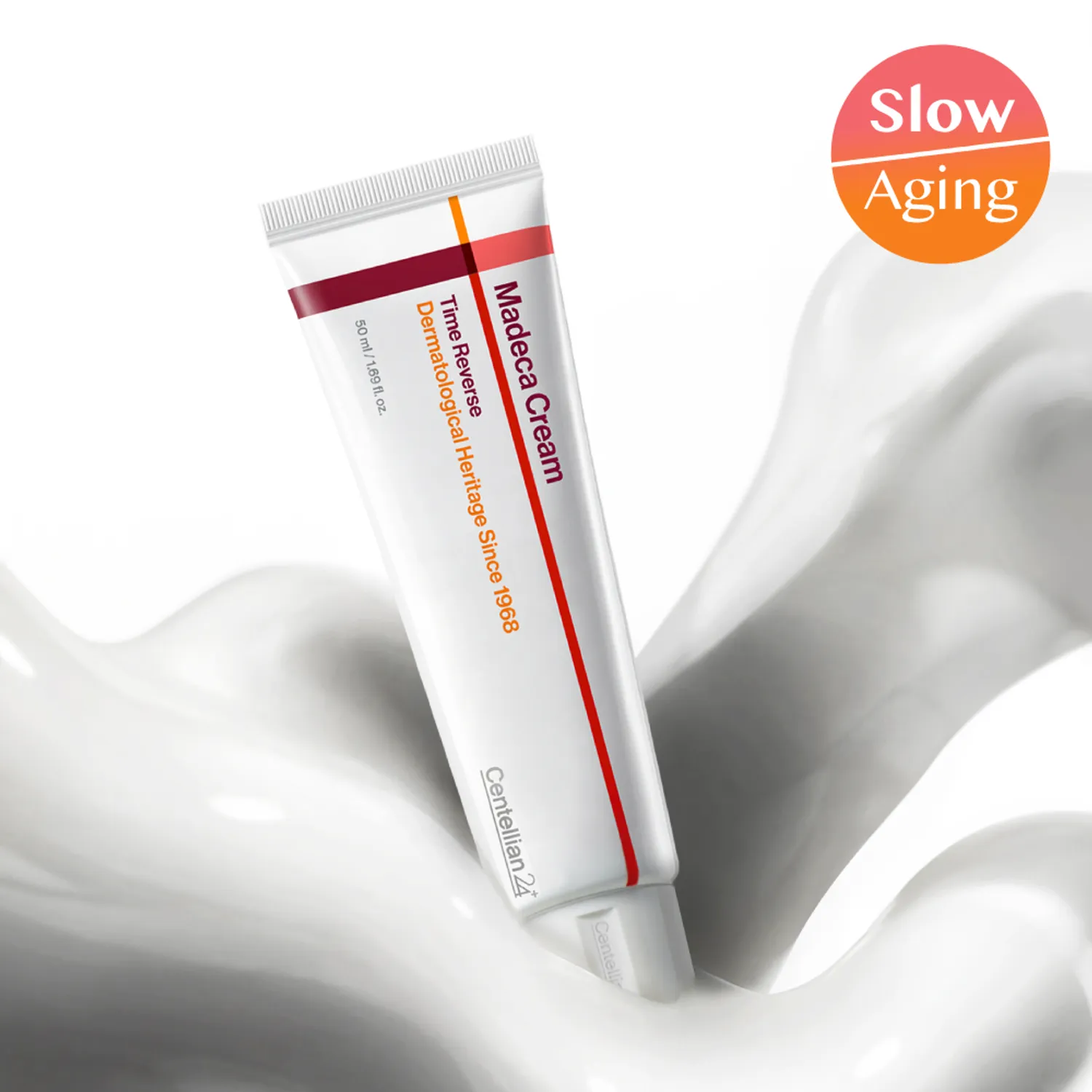
Madeca Cream Time Reverse
Centellian24
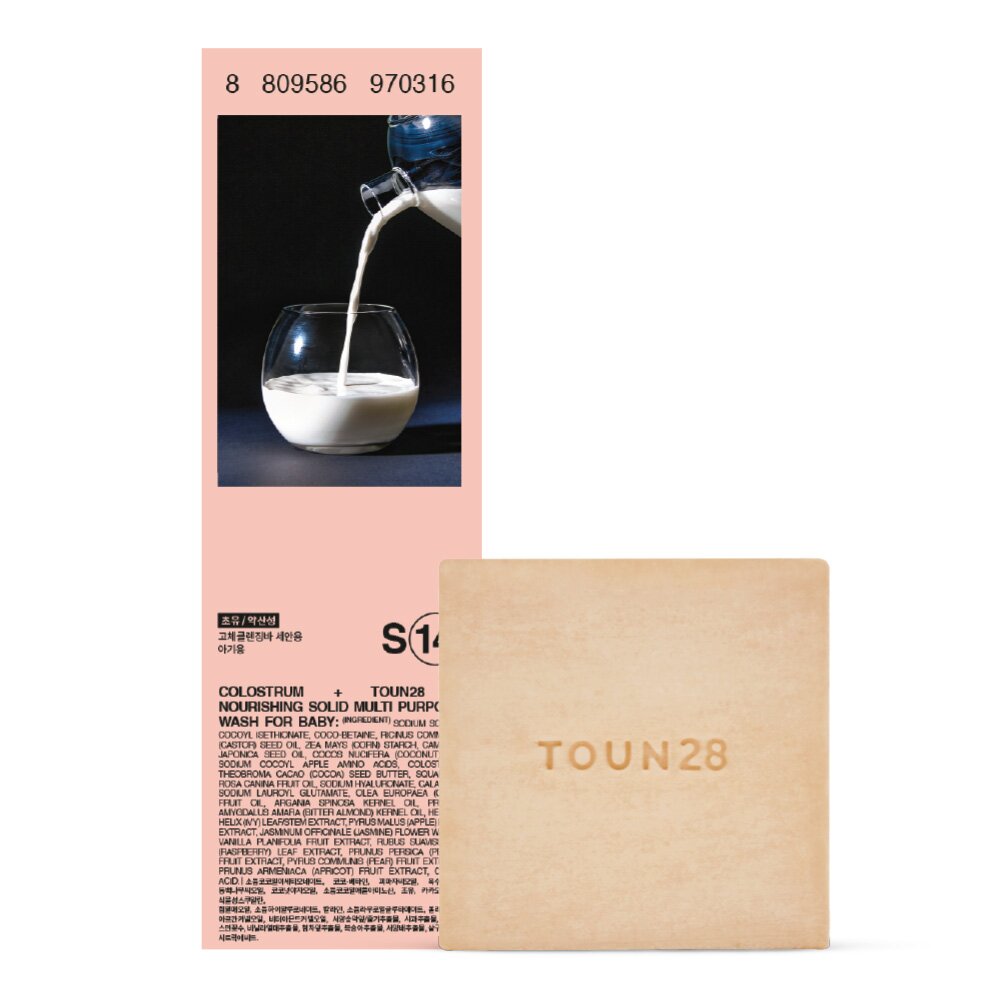
Facial Soap S14 (Foremilk / For all family)
TOUN28
Frequently Asked Questions
Is jasmine flower water the same as jasmine essential oil?▼
Can I use jasmine flower water if I'm sensitive to fragrances?▼
Why do top-rated products like Aestura Cerachiol Crush Cream include jasmine flower water?▼
Will jasmine flower water break me out?▼
Explore More
Want personalized ingredient advice?
Yuri, our AI beauty advisor, can tell you how Jasmine Flower Water works with your specific skin type, routine, and concerns.
Ask Yuri, free