Jojoba Esters
Emollient and skin conditioning agent
About Jojoba Esters
Jojoba esters are a refined form of jojoba oil that have been molecularly restructured into solid wax esters, creating a synthetic-free alternative to silicones and petroleum derivatives in K-beauty formulations. Unlike liquid jojoba oil, these esters form tiny spherical beads that provide a silky, powdery finish without the greasy residue associated with traditional oils. K-beauty chemists prize jojoba esters for their biomimetic properties, meaning they closely resemble the sebum naturally produced by human skin, making them exceptionally compatible across different skin types. In Korean skincare, you'll find them serving multiple roles: as gentle physical exfoliants in cleansing balms, texture enhancers in moisturizers that create that coveted "mochi skin" feel, and sensory modifiers that help heavier ingredients absorb more elegantly. The ingredient appears in 96 products on Seoul Sister, ranging from the cult-favorite Deep Cleansing Oil Balm & Blackhead by Hanskin to the Red Blemish Clear Moisture Cream by Dr.G, demonstrating its versatility across cleansing, treatment, and moisturizing categories. What makes jojoba esters particularly relevant in modern K-beauty is their ability to deliver the luxurious slip and smooth after-feel that consumers expect, while maintaining clean beauty credentials with an excellent 5/5 safety rating. Their moderate comedogenic rating of 2/5 means they're generally well-tolerated, though those with severely congestion-prone skin should monitor their response.
How Jojoba Esters Works
Jojoba esters function through a combination of physical and biochemical mechanisms that make them uniquely effective in skincare. At the molecular level, these wax esters are composed of long-chain fatty acids and fatty alcohols that mirror the structure of human sebum, particularly the wax esters our skin produces naturally but decreases with age. When applied topically, they integrate seamlessly into the skin's lipid barrier, filling micro-gaps between corneocytes (dead skin cells) in the stratum corneum to create a smoother surface texture. Unlike occlusive ingredients that sit on top of skin, jojoba esters have an optimal molecular size that allows partial absorption while still providing surface benefits. Their spherical bead structure acts as a microscopic ball bearing system, reducing friction and creating that signature "slip" sensation during application. This same structure provides gentle mechanical exfoliation in cleansing formulations, physically lifting away dead skin cells and embedded debris without causing irritation. Additionally, jojoba esters help stabilize emulsions and prevent moisture loss through their semi-occlusive properties, while their non-polar nature allows them to dissolve excess sebum and lipid-soluble impurities. This makes them particularly effective in oil cleansers, where they break down makeup and sunscreen through the principle of "like dissolves like."
Jojoba Esters by Skin Type
Oily Skin
Jojoba esters work exceptionally well for oily skin because their sebum-like structure helps regulate oil production through a feedback mechanism, essentially tricking skin into producing less of its own sebum. The non-greasy, dry-touch finish makes them ideal for layering multiple products without heaviness. Their ability to dissolve excess sebum in cleansing formulas helps prevent congestion while the moderate comedogenic rating of 2/5 means most oily skin types tolerate them well, though those prone to severe cystic acne should patch test first.
Dry Skin
For dry skin, jojoba esters provide sustained moisture retention by reinforcing the lipid barrier and preventing transepidermal water loss, all while delivering a silky texture that absorbs beautifully. Their biomimetic properties mean they integrate into compromised skin barriers more effectively than synthetic alternatives. The conditioning benefits help soften rough patches and improve skin texture without requiring heavy, occlusive formulations that some find uncomfortable.
Combo Skin
Combination skin benefits from jojoba esters' balancing act, as they provide adequate moisture to dry zones without overloading oily areas. The powder-dry finish prevents the shiny T-zone appearance that heavier emollients can create, while still nourishing drier cheek areas. This makes them a staple in K-beauty moisturizers designed for combination skin, where they create uniform texture across different facial zones.
Sensitive Skin
Sensitive skin types appreciate jojoba esters for their exceptional 5/5 safety rating and low irritation potential, stemming from their structural similarity to skin's natural lipids. They provide soothing emolliency without common sensitizing ingredients like fragrances or essential oils that are often present in plant oils. The gentle physical exfoliation properties in cleansing products offer a non-chemical alternative to potentially irritating AHAs or BHAs.
Normal Skin
Normal skin thrives with jojoba esters as a maintenance ingredient that supports healthy barrier function without disrupting the skin's natural balance. They enhance product textures and absorption without adding unnecessary weight or changing skin's baseline oil production. The versatility of jojoba esters means normal skin types can use them across their entire routine, from cleansing to moisturizing, without concern.
How to Use Jojoba Esters
- 1In cleansing balms like Hanskin's Deep Cleansing Oil Balm, massage the product in circular motions for 30-60 seconds to allow the jojoba ester beads to gently exfoliate while dissolving makeup and sunscreen for a deeper clean.
- 2Layer jojoba ester-containing moisturizers over humectants like hyaluronic acid to lock in moisture, as their semi-occlusive properties work best when there's hydration to seal in beneath.
- 3If you have congestion-prone skin with a comedogenic rating concern, use jojoba ester products in your morning routine only, allowing skin to fully renew overnight without occlusion.
- 4During winter months, combine jojoba ester creams with a facial oil for extra protection, as the esters will help the oil absorb more elegantly and prevent that greasy, sliding sensation.
- 5Apply products containing jojoba esters to slightly damp skin for enhanced absorption and a more luminous finish, taking advantage of their ability to trap that surface moisture.
Background
Jojoba esters are derived from jojoba oil, which comes from the seeds of the Simmondsia chinensis plant native to the Sonoran Desert of Arizona, California, and Mexico. Indigenous peoples of these regions used jojoba oil for centuries to treat skin conditions and protect against harsh desert conditions. The modern story of jojoba esters begins in the 1970s when the ban on sperm whale oil (previously used in cosmetics) created demand for sustainable alternatives, and jojoba oil's unique wax ester composition made it an ideal substitute. Korean cosmetic chemists began incorporating refined jojoba esters in the early 2000s as the K-beauty industry shifted toward more sophisticated, biomimetic ingredients that could deliver luxury textures while maintaining natural-derived credentials. The development of hydrogenated and processed jojoba esters created the solid, beaded form now popular in K-beauty, offering functionality that liquid jojoba oil couldn't provide. Today, jojoba esters represent K-beauty's approach to clean beauty innovation: taking traditional ingredients and refining them through technology to create superior performing products.
K-Beauty Products with Jojoba Esters
View all 107 →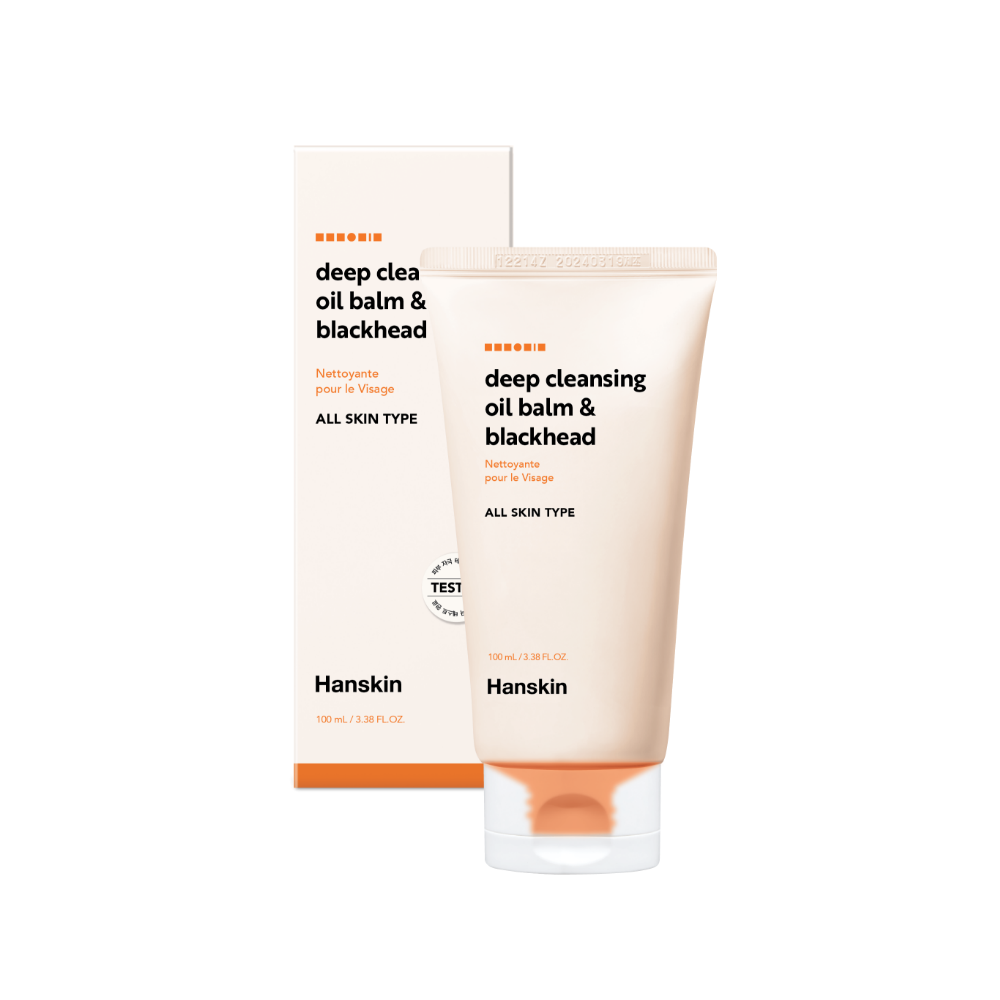
Deep Cleansing Oil Balm & Blackhead
Hanskin
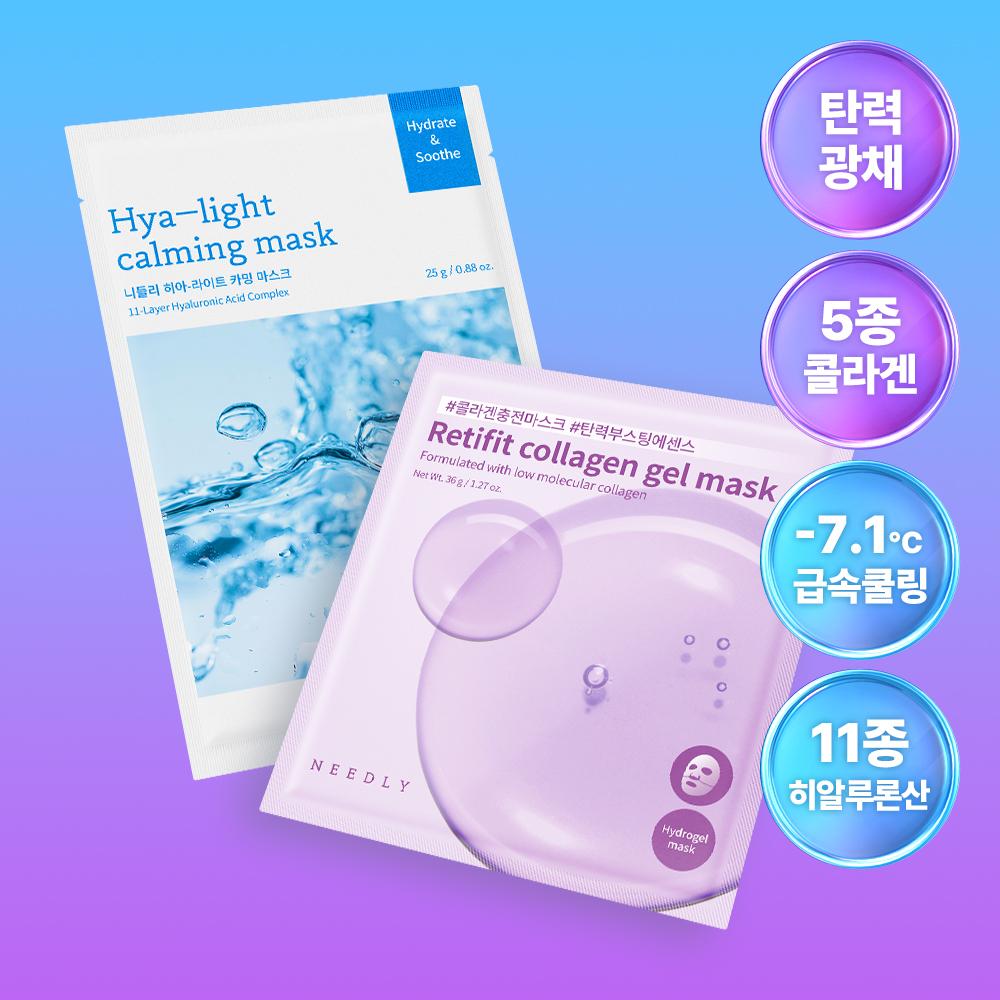
Mask Sheet (Retifit Collagen / Hya-light Calming)
NEEDLY
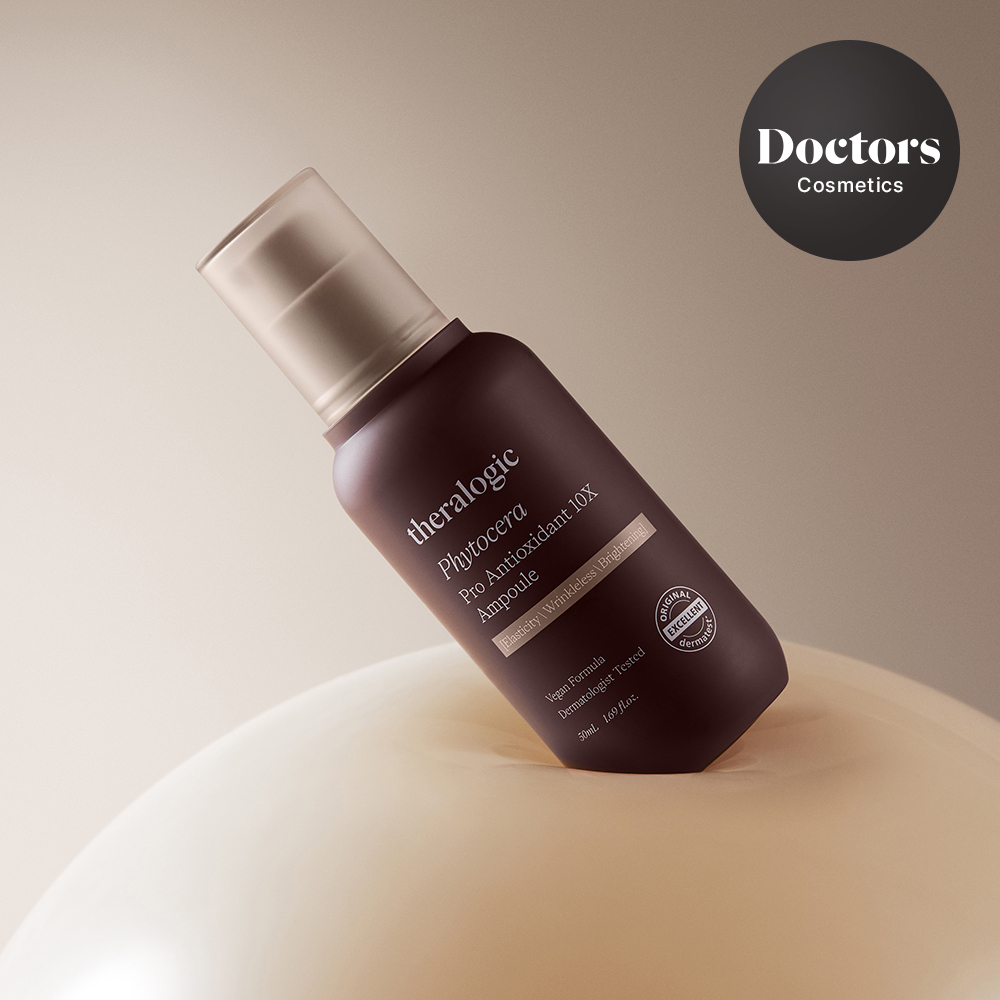
Phytocera Pro Antioxidant 10X Ampoule
Theralogic
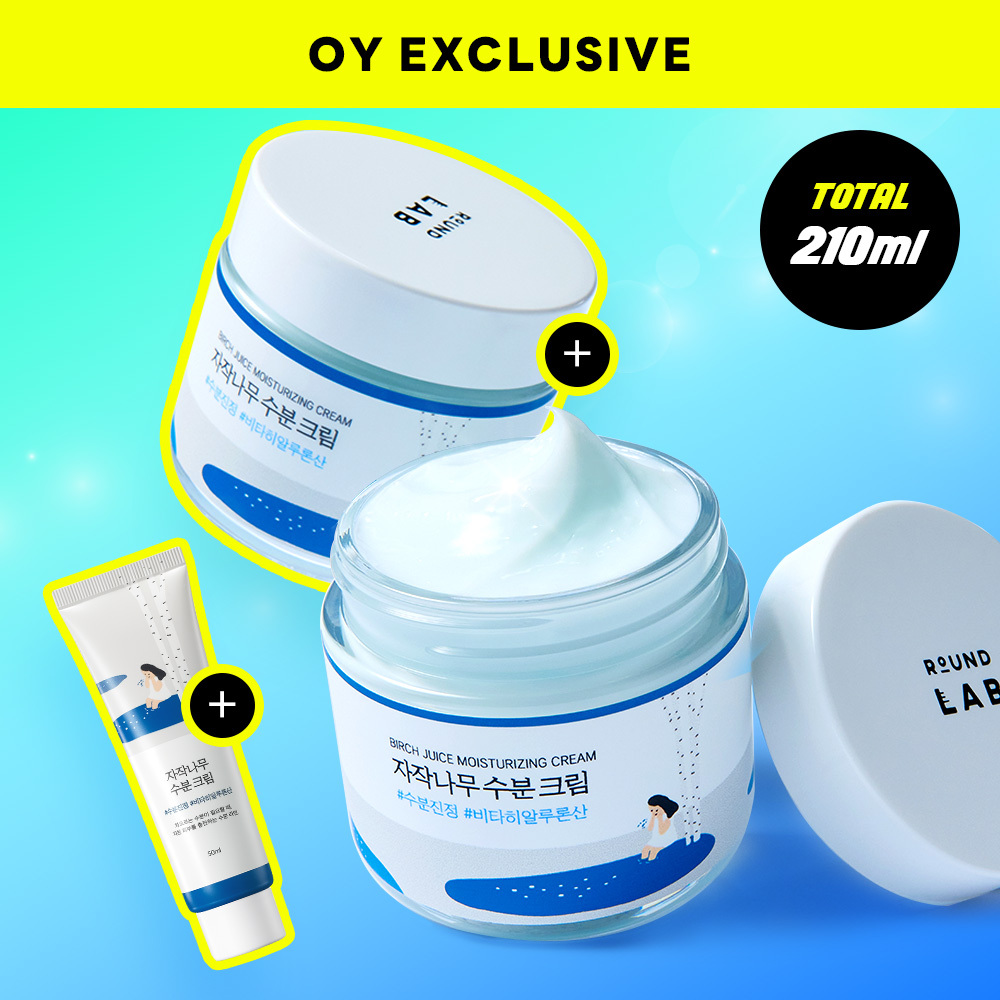
Birch Juice Moisturizing Cream Double Set
Round Lab
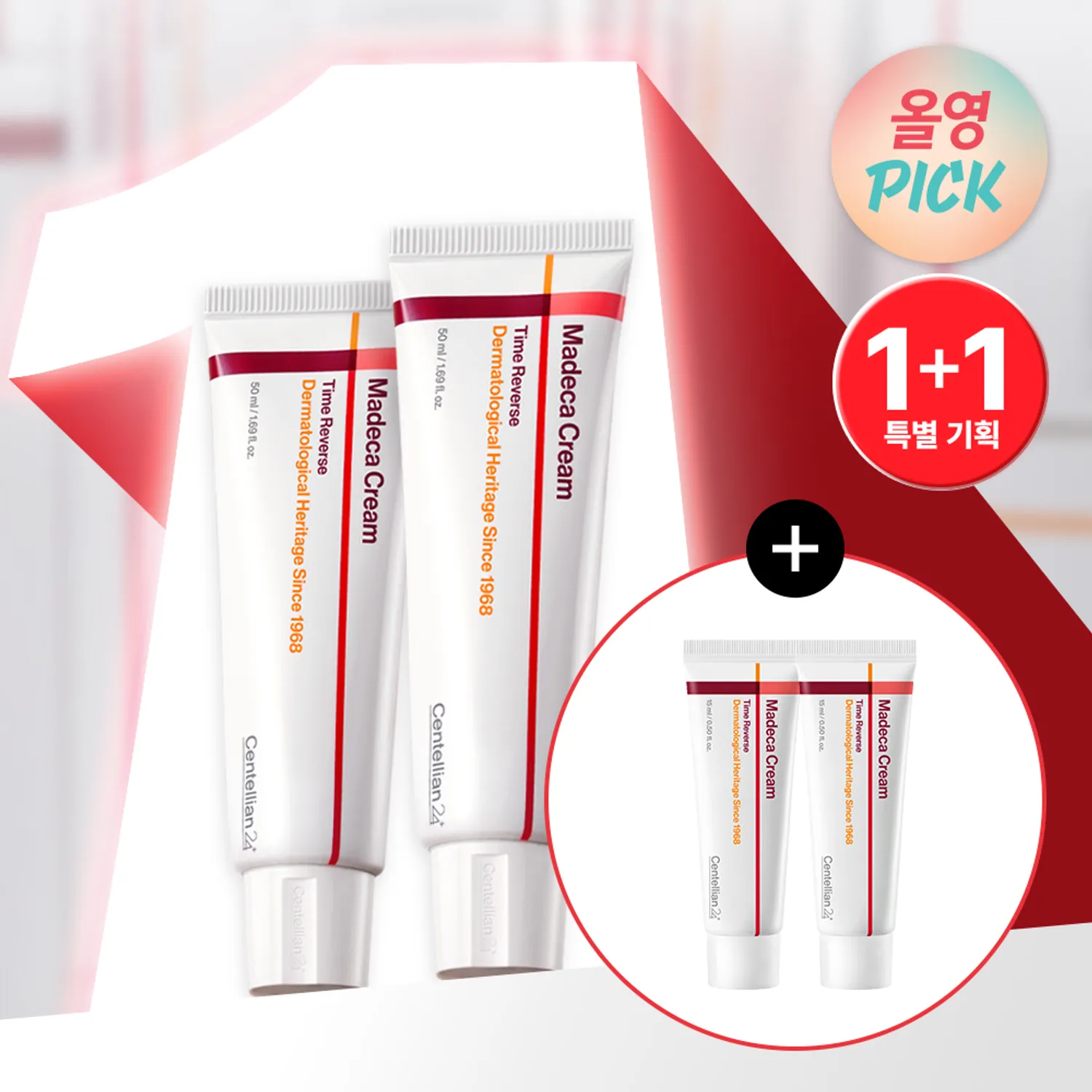
Madeca Cream Time Reverse Double Pack
Centellian24
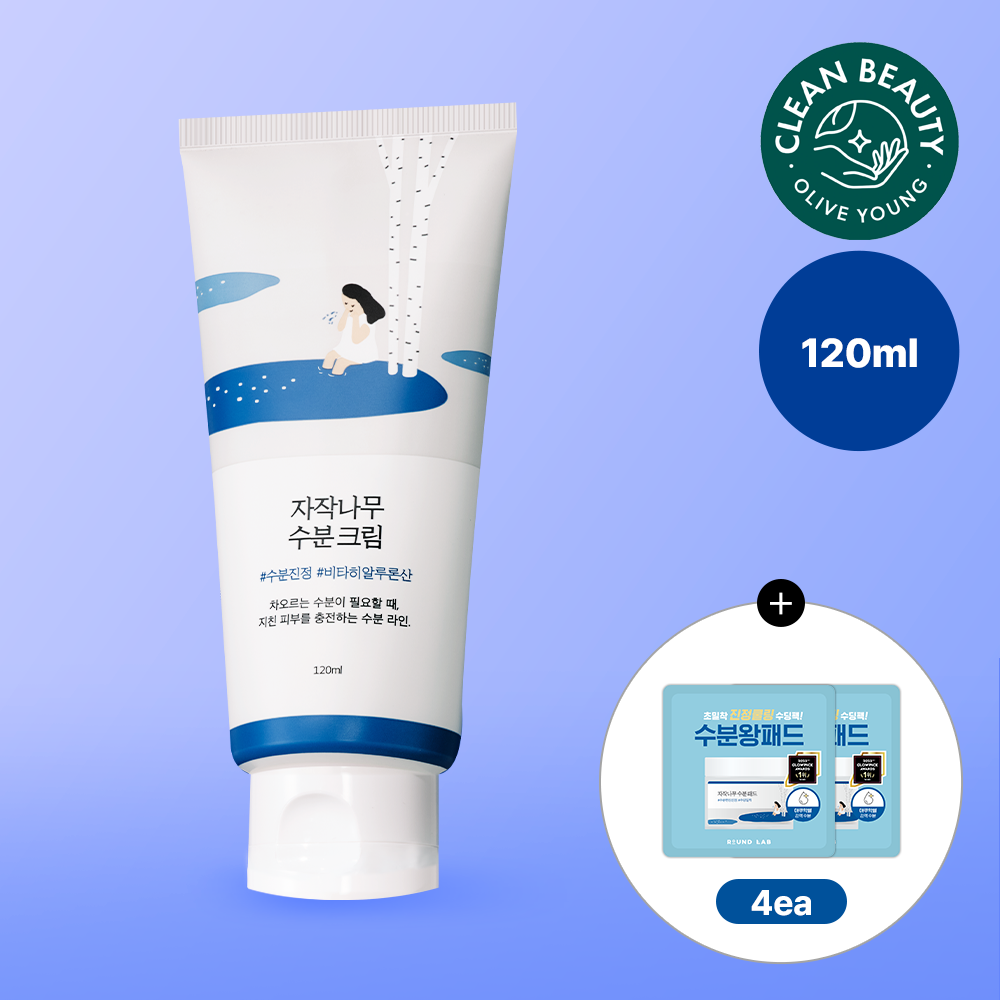
Birch Juice Moisturizing Cream Jumbo Size
Round Lab
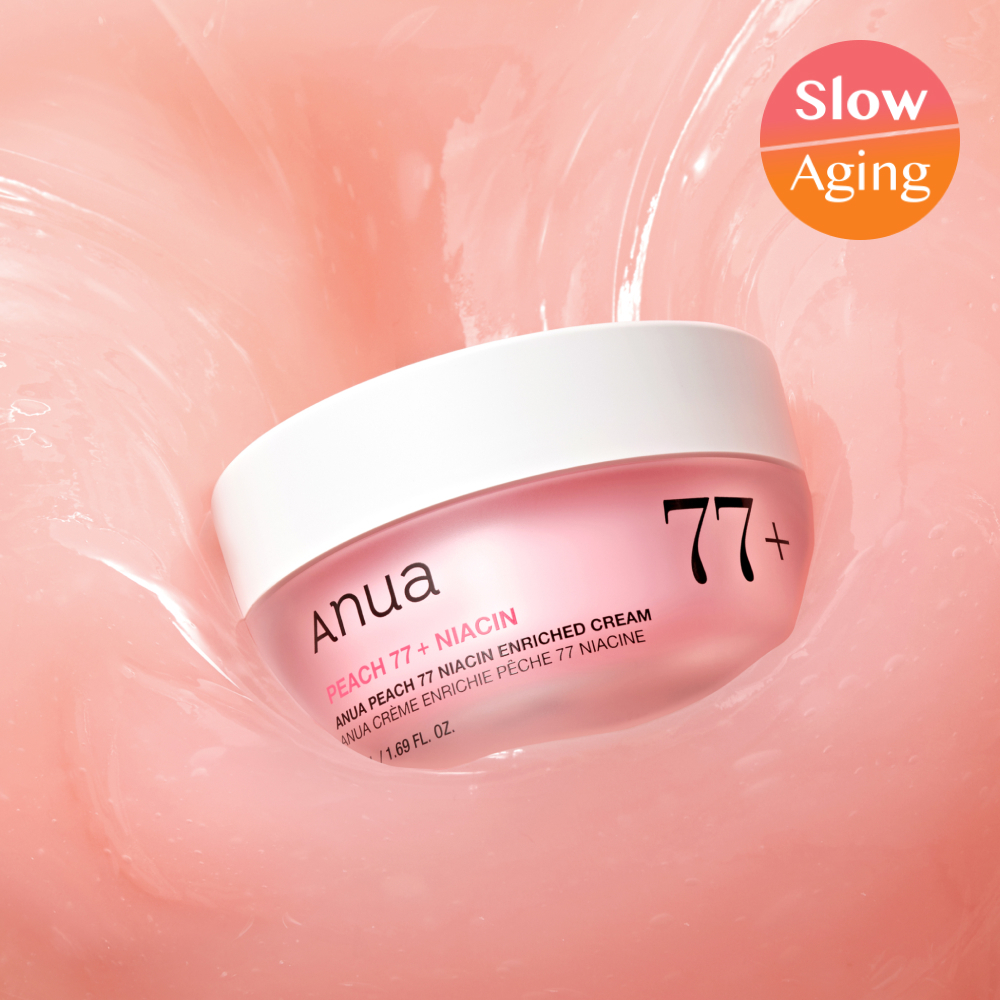
Peach 77 Niacin Enriched Cream
Anua
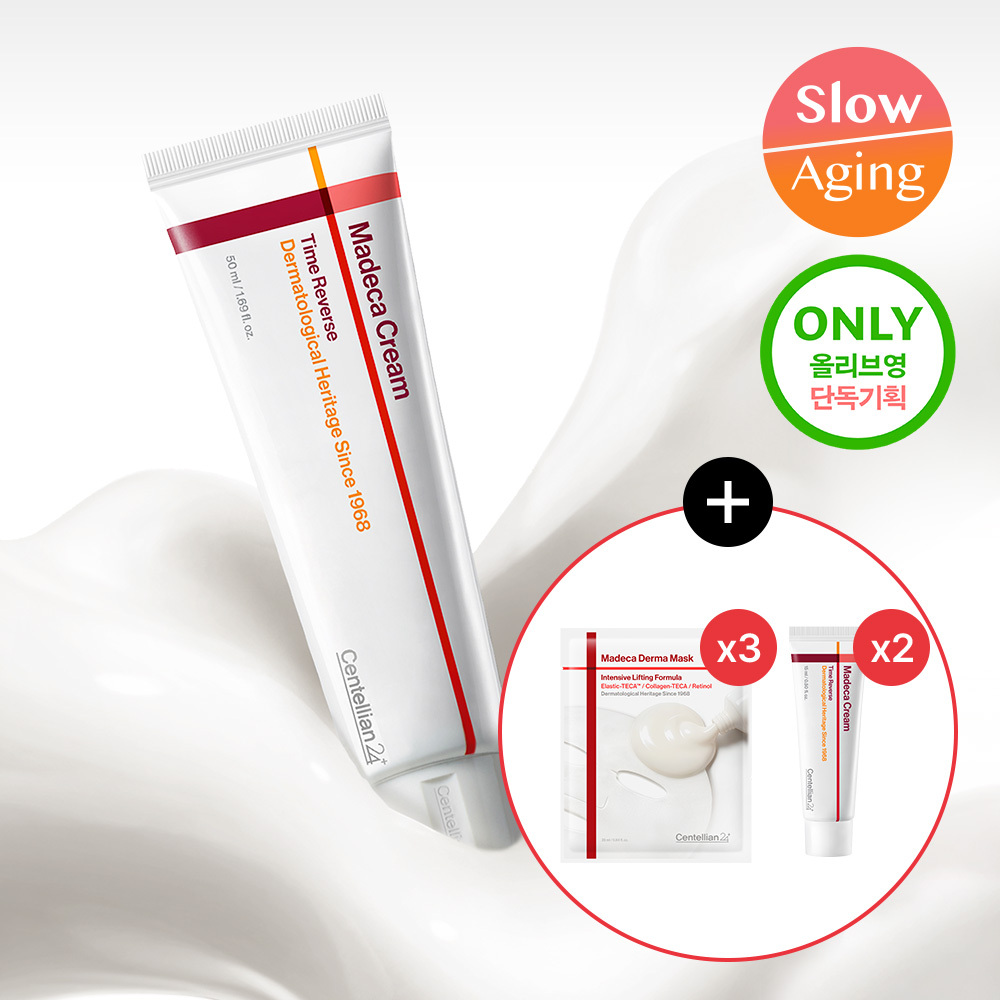
Madeca Cream Time Reverse Set
Centellian24
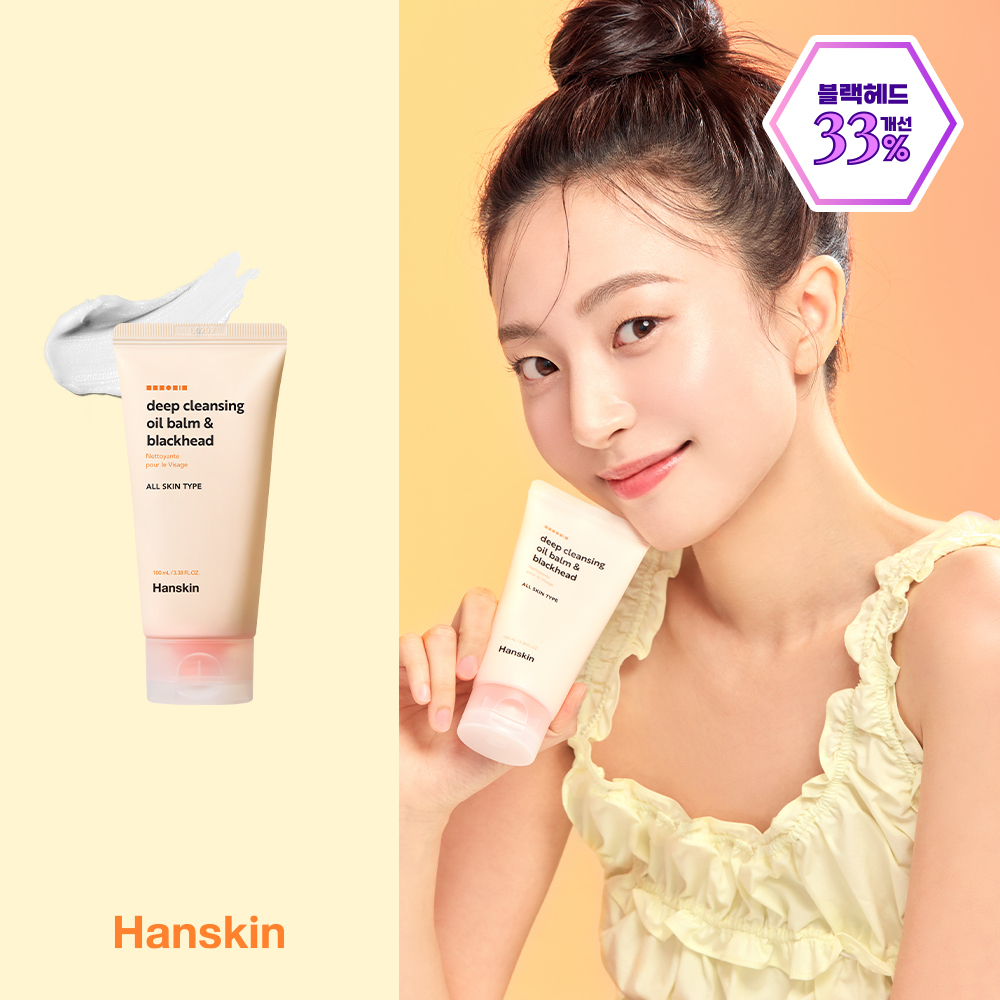
Deep Cleansing Oil Balm & Blackhead Set
Hanskin
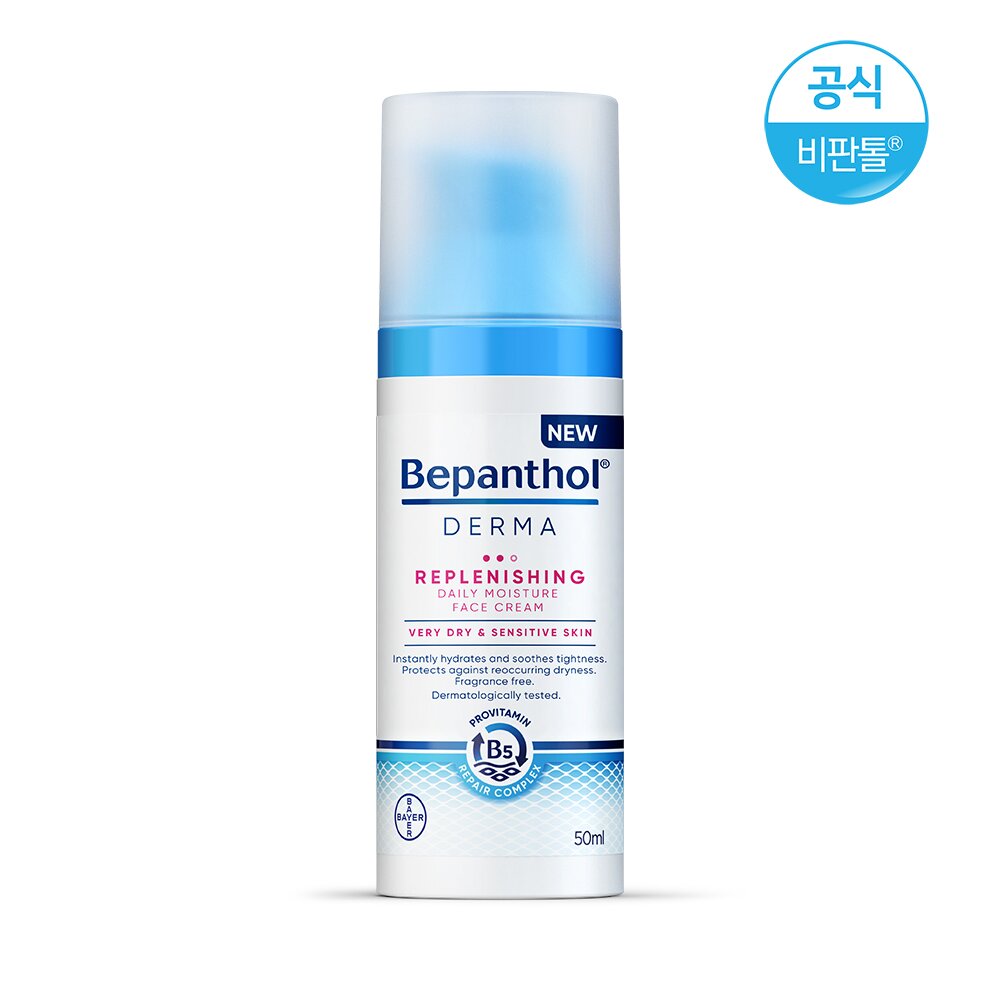
Derma Replenishing Daily Moisture Face Cream
Bepanthol
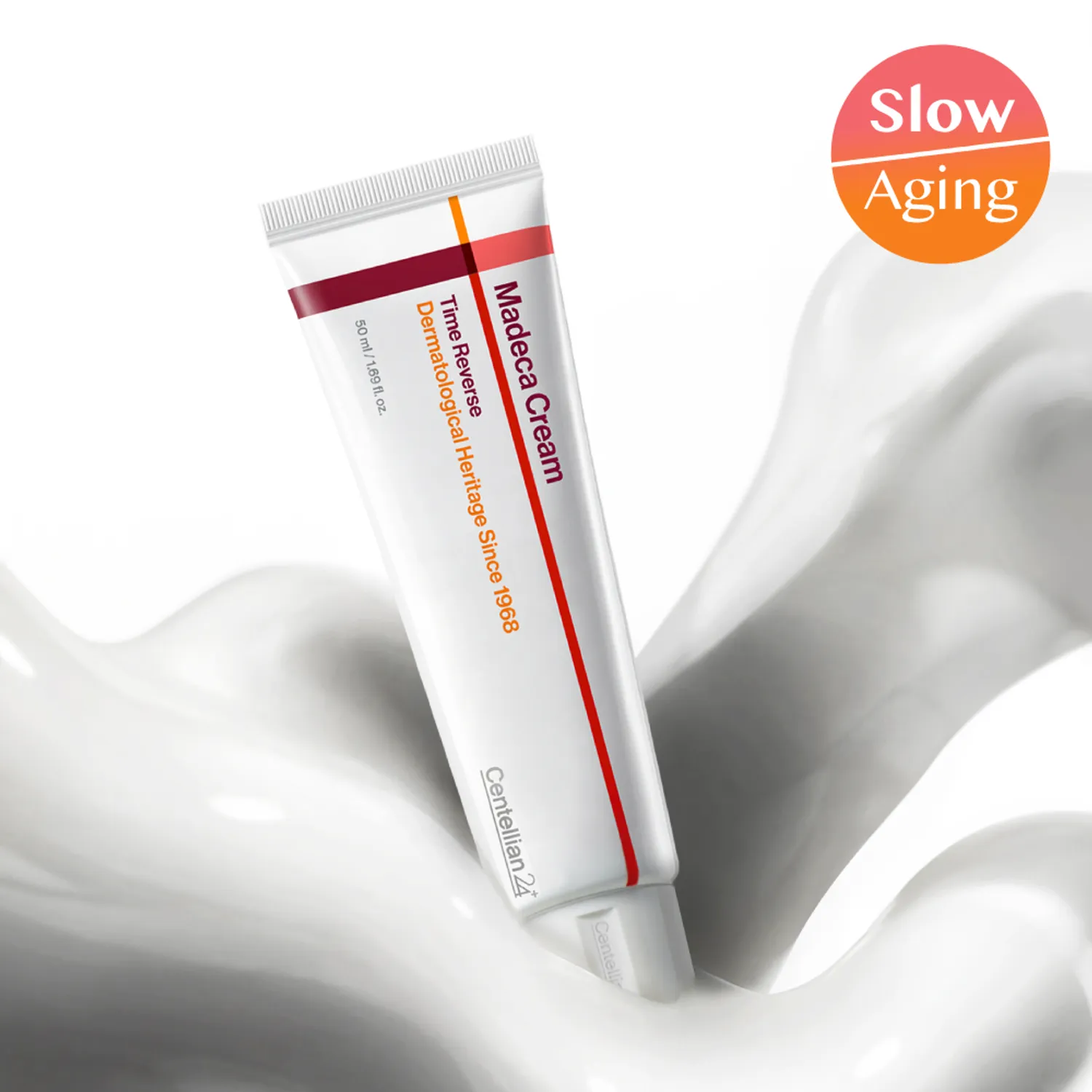
Madeca Cream Time Reverse
Centellian24

Birch Juice Moisturizing Cream
Round Lab
Frequently Asked Questions
What's the difference between jojoba oil and jojoba esters?▼
Can jojoba esters clog pores?▼
Are jojoba esters natural or synthetic?▼
Why do so many K-beauty cleansing balms contain jojoba esters?▼
Can I use jojoba esters if I have fungal acne?▼
Explore More
Want personalized ingredient advice?
Yuri, our AI beauty advisor, can tell you how Jojoba Esters works with your specific skin type, routine, and concerns.
Ask Yuri, free