Lactic Acid
Alpha hydroxy acid (AHA) exfoliant and pH adjuster
About Lactic Acid
Lactic acid is a gentle alpha hydroxy acid (AHA) derived from fermented milk or synthetic sources, prized in K-beauty for its dual role as an exfoliant and humectant. Unlike harsher AHAs, lactic acid has a larger molecular size, which means it penetrates more slowly and works primarily on the skin's surface layers. This makes it ideal for beginners or those with sensitive skin who want the brightening, texture-smoothing benefits of chemical exfoliation without excessive irritation. In K-beauty formulations, lactic acid serves multiple purposes: it dissolves the bonds between dead skin cells to reveal fresher skin underneath, helps fade post-acne marks and hyperpigmentation, and attracts moisture to the skin due to its humectant properties. With a comedogenic rating of 0/5, it won't clog pores, making it suitable for acne-prone users. You'll find it in 104 K-beauty products on Seoul Sister, from high-performing peels like Medicube's Red Acne Succinic Acid Peel to cleansing balms like KAHI's Pore Control Mung Bean formula. Korean brands often pair lactic acid with soothing botanicals like artemisia or centella to balance its exfoliating action, reflecting K-beauty's philosophy of effective yet gentle skincare. Its safety rating of 4/5 indicates it's well-tolerated when used correctly, though sun protection is essential since AHAs increase photosensitivity.
How Lactic Acid Works
Lactic acid works by breaking down the desmosomes, the protein structures that hold dead skin cells together on the stratum corneum (your skin's outermost layer). Once these bonds are weakened, dead cells shed more easily, accelerating natural cell turnover and revealing the newer, brighter cells beneath. At the molecular level, lactic acid also inhibits tyrosinase, the enzyme responsible for melanin production, which helps fade dark spots and even out skin tone over time. Because lactic acid is an alpha hydroxy acid with a relatively large molecular structure (90 Da), it doesn't penetrate as deeply as smaller AHAs like glycolic acid. This surface-level action makes it less irritating while still delivering visible results. Beyond exfoliation, lactic acid is a natural humectant, meaning it draws water from the air and deeper skin layers to the surface, providing a hydration boost. It also functions as a pH adjuster in formulations, helping maintain the slightly acidic environment (around 5.5) that keeps your skin barrier healthy and less vulnerable to harmful bacteria.
Lactic Acid by Skin Type
Oily Skin
Lactic acid is excellent for oily skin because it exfoliates without adding oil, unclogs pores by removing dead cell buildup, and has a 0/5 comedogenic rating. Products like Dr.Different's Zero Cleanser for Oily Skin use it to control excess sebum and refine texture. Regular use can reduce the appearance of enlarged pores and prevent breakouts by keeping follicles clear.
Dry Skin
Dry skin benefits uniquely from lactic acid's dual action as both exfoliant and humectant. While it removes flaky, dead skin that makes dryness look worse, it simultaneously attracts moisture to the skin's surface, creating a smoother, more hydrated appearance. Start with lower concentrations (5-8%) and always follow with a rich moisturizer to lock in the hydration boost.
Combo Skin
Combination skin types can use lactic acid to address multiple concerns at once: it exfoliates and controls oil in the T-zone while providing gentle hydration to drier areas. The key is applying it evenly across your face rather than spot-treating, since its balanced profile works well on both oily and dry patches. Products like KAHI's Pore Control Mung Bean Cleansing Balm leverage this versatility.
Sensitive Skin
Lactic acid is often called the gentlest AHA because its larger molecular size means slower, more superficial penetration. Sensitive skin can tolerate it better than glycolic or mandelic acid, especially in lower concentrations (under 10%). Korean brands often buffer it with calming ingredients like artemisia (as in Hanyul's Pure Artemisia Cleansing Melting Pack Balm) to minimize irritation. Introduce it slowly, starting once or twice weekly.
Normal Skin
Normal skin can use lactic acid as a maintenance treatment to keep texture smooth, tone even, and cell turnover optimized. You have the flexibility to use higher concentrations or more frequent application than sensitive types. Peels like Dr.G's Hyper Glow 30% Ampoule Peeling can deliver dramatic brightening results without the downtime of harsher treatments, making it perfect for maintaining that coveted glass skin glow.
How to Use Lactic Acid
- 1Always apply lactic acid to dry, cleansed skin and wait 1-2 minutes before layering other products to let the pH do its work.
- 2Use lactic acid in your evening routine only, as AHAs increase sun sensitivity. Follow with SPF 30+ every morning, even on cloudy days.
- 3If you're new to chemical exfoliation, start with products containing 5-8% lactic acid 1-2 times per week, gradually increasing frequency as your skin builds tolerance.
- 4Avoid combining lactic acid with other strong actives like retinol, vitamin C (L-ascorbic acid), or other AHAs/BHAs in the same routine to prevent irritation. Alternate nights or use gentler forms of these ingredients.
- 5For intensive treatments like 30% peels (such as Dr.G's Hyper Glow), limit use to once every 7-10 days and always follow the product's recommended contact time to avoid over-exfoliation.
Background
Lactic acid's skincare origins trace back to ancient Egypt, where Cleopatra famously bathed in sour milk for its beautifying effects. The lactic acid in fermented milk was responsible for her glowing complexion. Scientifically isolated in 1780 by Swedish chemist Carl Wilhelm Scheele, lactic acid wasn't used in commercial skincare until the late 20th century when dermatologists began exploring AHAs for anti-aging and hyperpigmentation. K-beauty embraced lactic acid in the early 2000s as part of the chemical exfoliation movement, favoring it over physical scrubs that could damage skin. Korean chemists perfected the art of pairing it with hydrating and soothing botanicals, creating formulations that exfoliate without compromising the moisture barrier. Today, it's a staple in Korean peels, cleansers, and toners, reflecting the industry's commitment to gentle yet effective actives that suit even sensitive Asian skin types.
K-Beauty Products with Lactic Acid
View all 125 →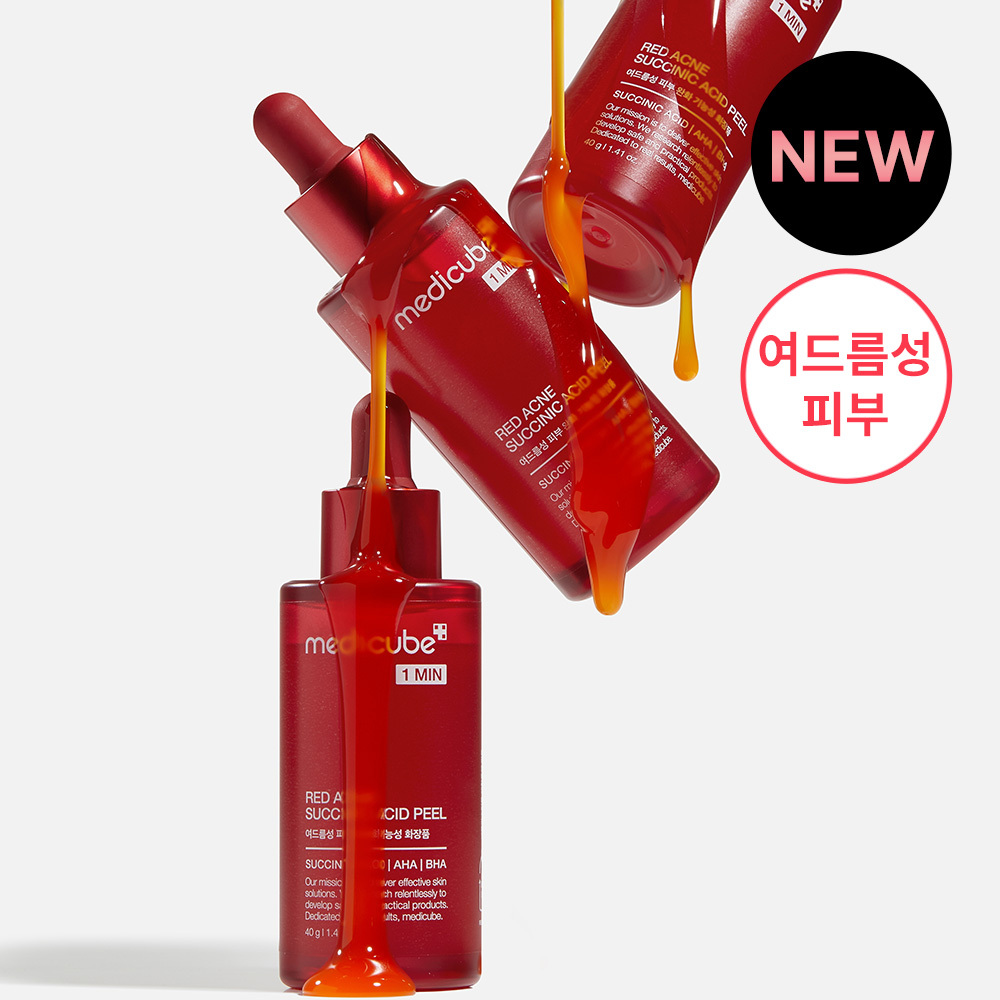
Red Acne Succinic Acid Peel
Medicube
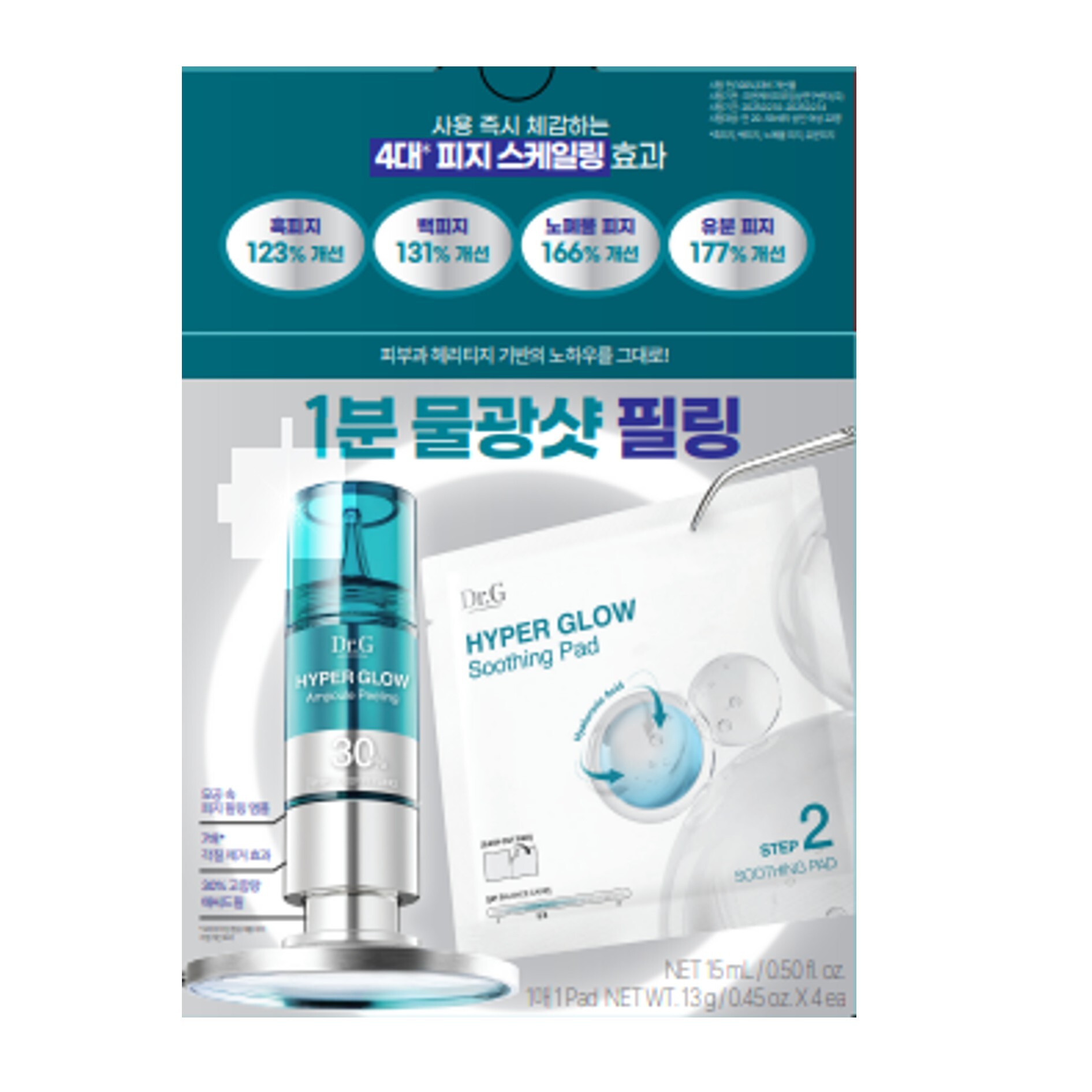
Hyper Glow 30% Ampoule Peeling 2-Step Program
Dr.G
Pore Control Mung Bean Cleansing Balm
KAHI
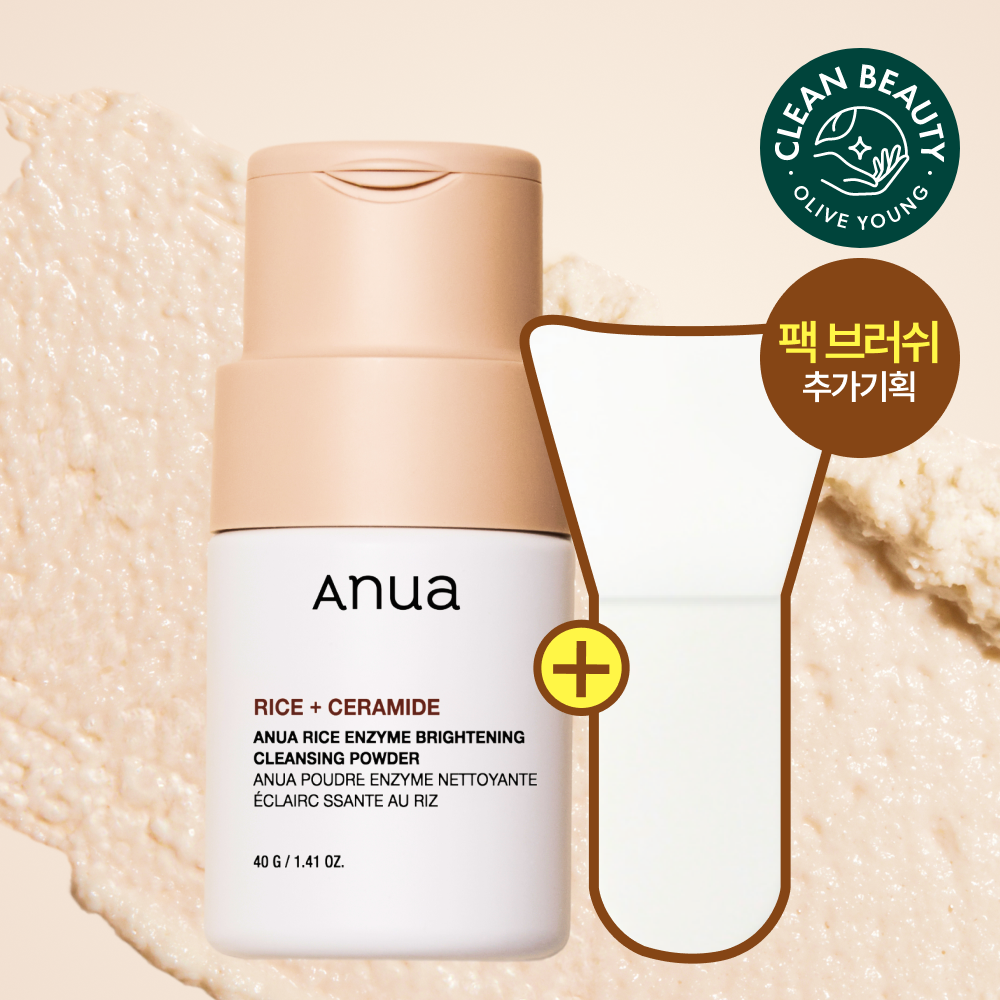
Rice Enzyme Brightening Cleansing Powder
Anua
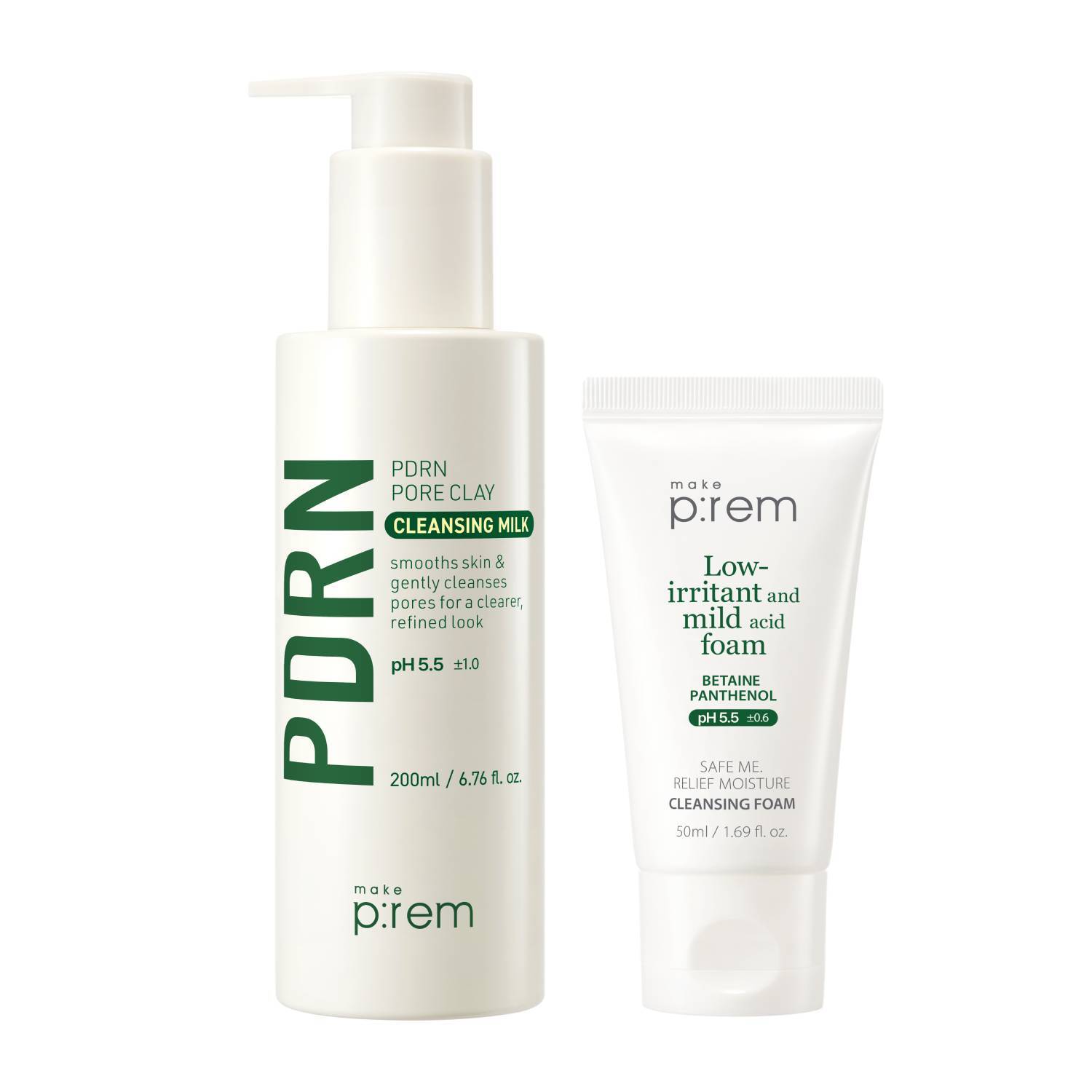
PDRN Pore Clay Cleansing Milk Set
Makeprem

Madeca Matcha Toning Peeling Gel
Centellian24
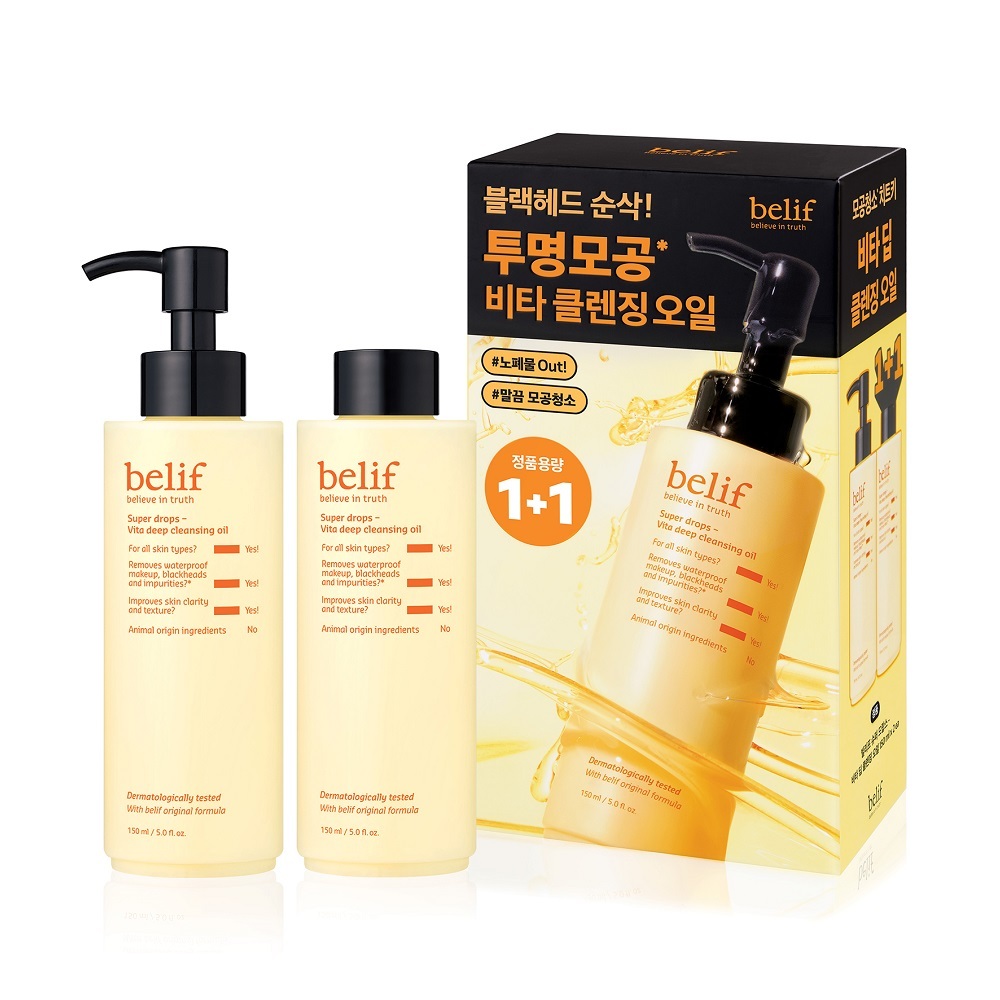
Super Drops Vita Deep Cleansing Oil
Belif
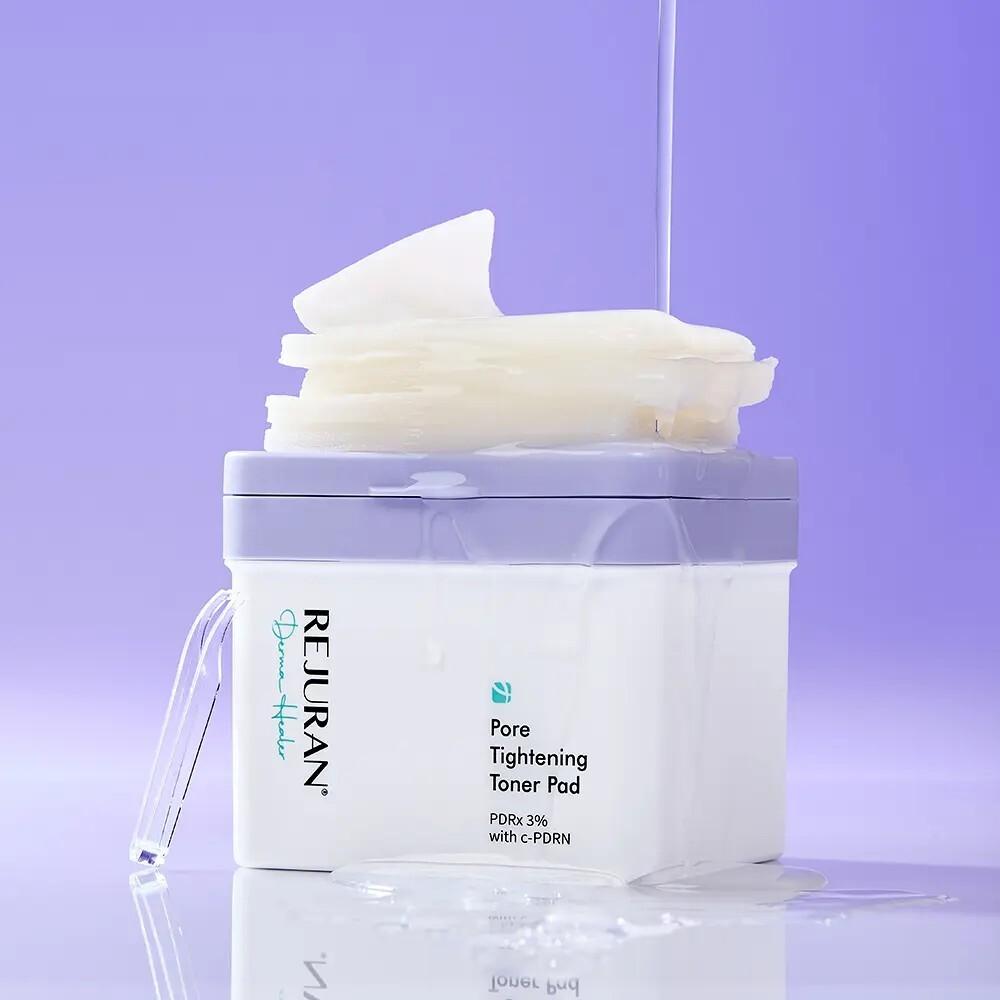
Derma Healer Pore Tightening Toner Pad 60P Limited Set
Rejuran
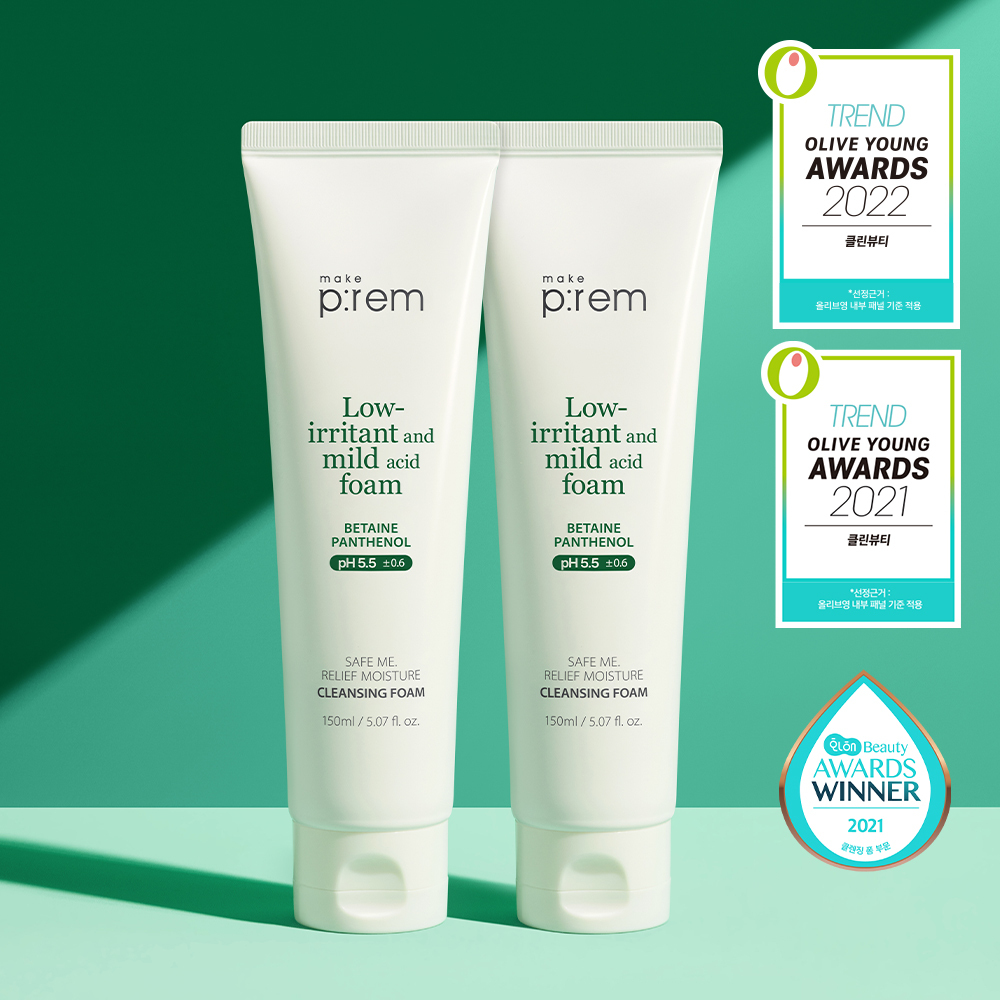
Safe Me Relief Moisture Cleansing Foam
Makeprem
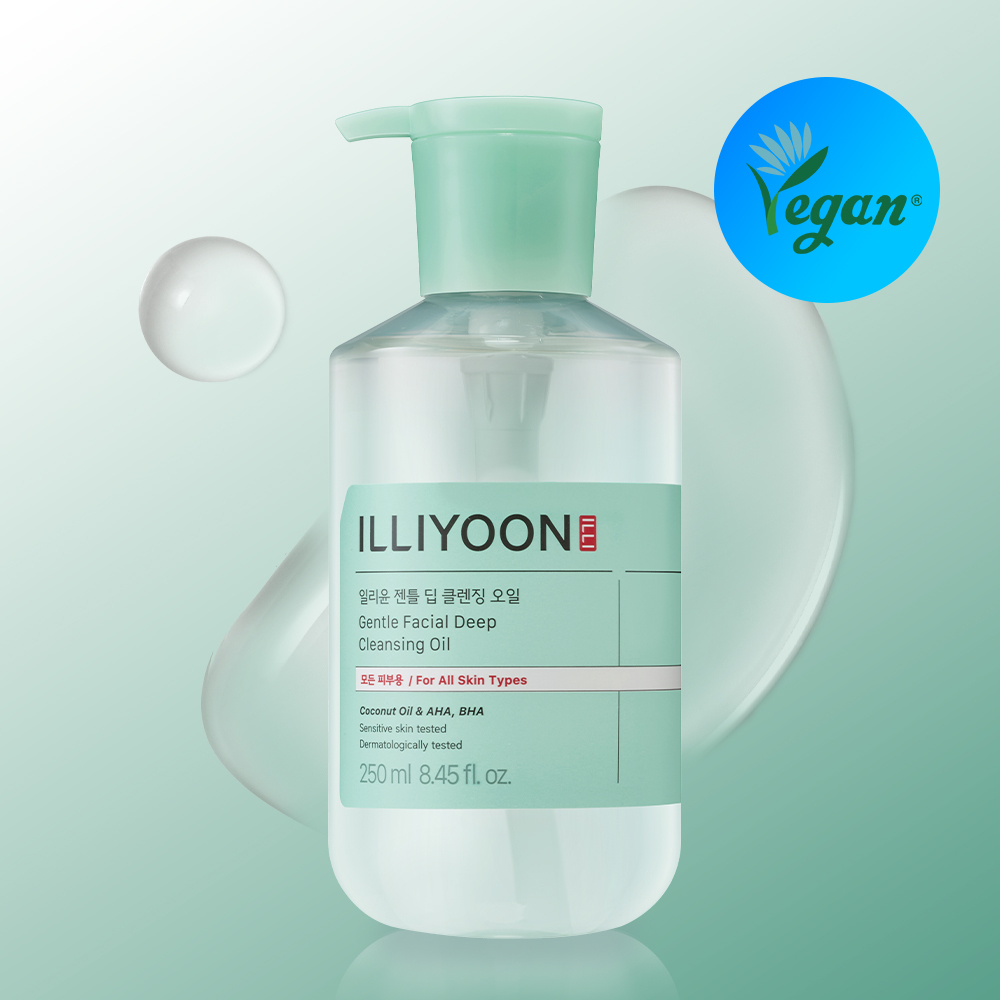
Gentle Facial Deep Cleansing Oil
Illiyoon
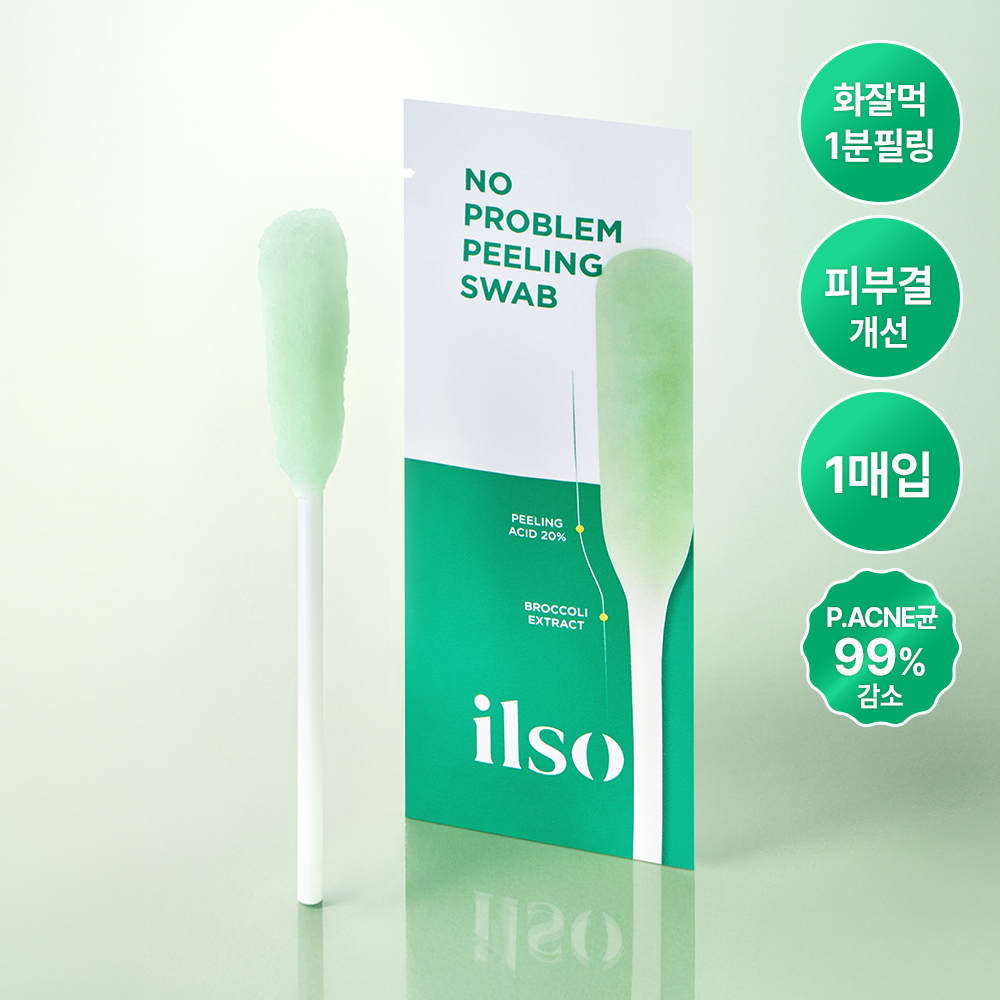
No Problem Peeling Swab
Ilso
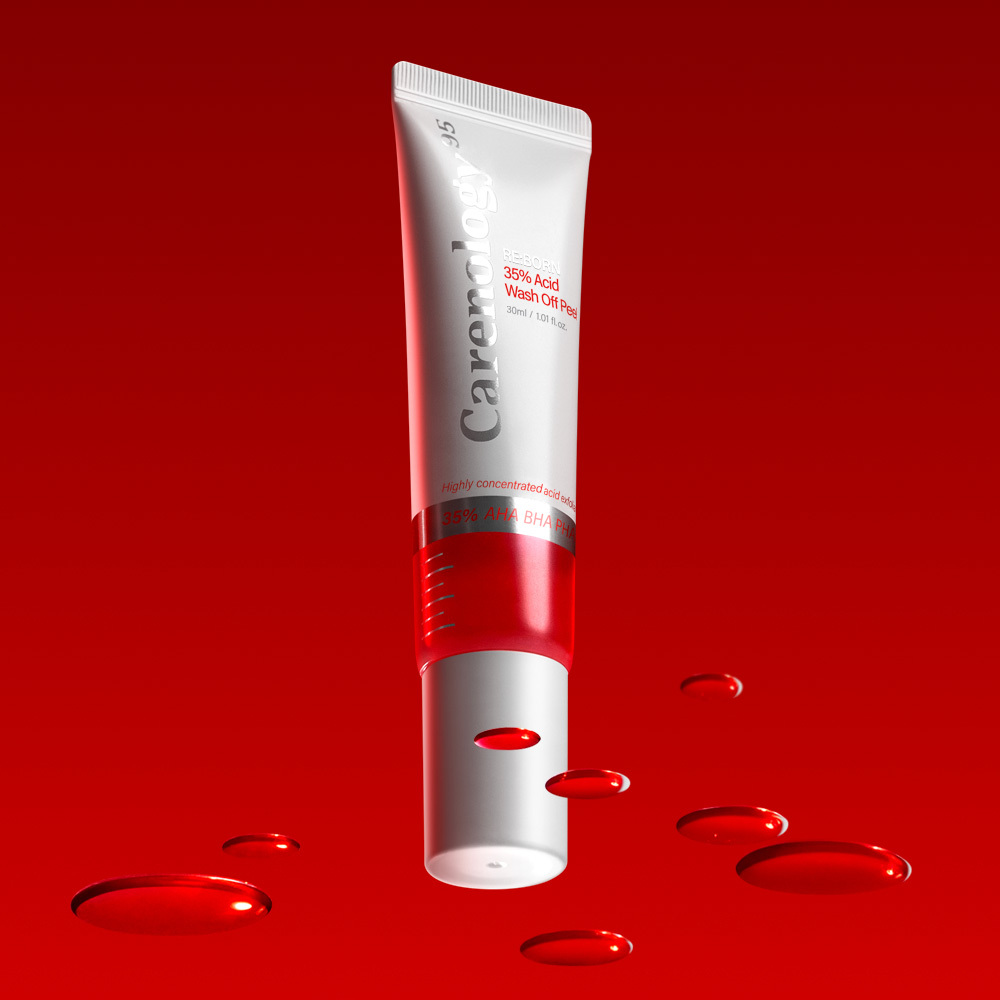
Re:Born 35% Acid Wash Off Peel
Carenology
Frequently Asked Questions
Can I use lactic acid every day?▼
Is lactic acid better than glycolic acid for sensitive skin?▼
Will lactic acid help fade acne scars and dark spots?▼
Can I use lactic acid if I'm pregnant or breastfeeding?▼
What's the difference between lactic acid in a cleanser versus a leave-on product?▼
Explore More
Want personalized ingredient advice?
Yuri, our AI beauty advisor, can tell you how Lactic Acid works with your specific skin type, routine, and concerns.
Ask Yuri, free