Lactic Acid/Glycolic Acid Copolymer
Film-forming humectant and gentle exfoliant
About Lactic Acid/Glycolic Acid Copolymer
Lactic Acid/Glycolic Acid Copolymer is a synthetic polymer that combines two powerhouse alpha hydroxy acids (AHAs) into a single molecular structure, creating a multitasking ingredient that's become a quiet hero in K-beauty formulations. Unlike free-form lactic or glycolic acid, which directly exfoliate the skin, this copolymer functions primarily as a film-forming humectant that delivers moisture-retention benefits with only mild exfoliating properties. The polymer structure essentially locks the acids together, preventing them from penetrating deeply into the skin, which makes it significantly gentler than traditional AHA treatments while still offering surface-level smoothing and hydration. In K-beauty, brands love this ingredient because it supports the signature glass skin aesthetic by creating a smooth, hydrated surface without the sensitivity concerns that often come with acids. You'll find it in everything from cleansers to sunscreens, where it helps products glide on smoothly and keeps skin plump throughout the day. With a perfect 0/5 comedogenic rating and presence in highly-rated products like Innisfree's Volcanic BHA Pore Cleansing Foam (5.0/5) and Round Lab's Birch Juice Moisturizing Sunscreen (4.9/5), it's clear this ingredient plays well with others and doesn't clog pores. The fact that it appears in both cleansing products and leave-on treatments like Laneige's Water Bank BlueHA set demonstrates its versatility across different product categories and its compatibility with various skin concerns.
How Lactic Acid/Glycolic Acid Copolymer Works
At a molecular level, Lactic Acid/Glycolic Acid Copolymer consists of lactic acid and glycolic acid units chemically bonded into a larger polymer chain. This structure is key to understanding why it behaves so differently from free acids. When applied to skin, the polymer forms a thin, breathable film on the stratum corneum (your outermost skin layer) that attracts and binds water molecules through its hygroscopic properties. The glycolic acid components, with their smaller molecular size, contribute to very gentle surface exfoliation by weakening the bonds between dead skin cells, but because they're locked into the polymer, they can't penetrate deeply enough to cause the irritation associated with traditional glycolic acid peels. The lactic acid portions offer additional humectant benefits and help maintain skin's pH balance. Think of it like having AHAs on a leash—they can do some light work on the surface, smoothing texture and improving product absorption, but they can't run wild and cause sensitivity. The film-forming aspect also creates a temporary blurring effect that makes skin appear smoother immediately upon application, which is why Korean brands incorporate it into primers, sunscreens, and essence-type products designed to create that coveted luminous finish.
Lactic Acid/Glycolic Acid Copolymer by Skin Type
Oily Skin
This ingredient is excellent for oily skin because it provides hydration without heaviness or pore-clogging (0/5 comedogenic rating). The gentle exfoliating properties help keep pores clear and skin texture smooth without triggering the sensitivity that can sometimes cause oily skin to overproduce sebum as a defense mechanism.
Dry Skin
Dry skin types benefit significantly from the humectant properties of this copolymer, as it creates a moisture-retaining film that prevents transepidermal water loss. The mild exfoliation also helps remove flaky patches and improves the absorption of subsequent hydrating products, making it a smart addition to layered K-beauty routines.
Combo Skin
Combination skin gets the best of both worlds with this ingredient since it hydrates dry zones without adding oil to T-zone areas, and the non-comedogenic formula won't cause breakouts in oilier regions. The film-forming property helps balance skin texture across different areas of the face.
Sensitive Skin
While the safety rating is 4/5 rather than perfect, this ingredient is generally well-tolerated by sensitive skin because the polymer structure prevents the acids from penetrating deeply. However, those with very reactive skin or rosacea should patch test first, especially in products where it's listed high in the ingredient list.
Normal Skin
Normal skin can enjoy all the benefits without concerns. The ingredient maintains skin's healthy appearance, provides light exfoliation to keep texture smooth, and adds an extra layer of hydration that supports the skin barrier without disrupting balance.
How to Use Lactic Acid/Glycolic Acid Copolymer
- 1Layer it strategically in your K-beauty routine. Since it forms a film, apply it in earlier steps (essence or serum stage) so it can create a smooth base for heavier creams or occlusives.
- 2It works particularly well in morning routines under sunscreen. Products like Round Lab's Birch Juice Moisturizing Sunscreen leverage this ingredient to help SPF glide on smoothly and stay comfortable all day.
- 3If you're using stronger exfoliating acids elsewhere in your routine, this copolymer is a good way to add hydration without over-exfoliating. It's gentle enough to use daily, even on days when you're using retinol or vitamin C.
- 4Don't skip it in cleansers. When formulated in products like Innisfree's Volcanic BHA Pore Cleansing Foam, it helps the cleanser rinse away smoothly without leaving a stripped feeling, offering a gentler alternative to harsh surfactants alone.
Background
Lactic Acid/Glycolic Acid Copolymer emerged from cosmetic chemistry labs in the late 1990s and early 2000s as formulators sought ways to incorporate the benefits of AHAs without the drawbacks of irritation and photosensitivity. The polymer technology allowed chemists to harness the humectant properties of these acids while minimizing their exfoliating punch. Korean beauty brands, always at the forefront of gentle yet effective skincare innovation, quickly adopted this ingredient as it aligned perfectly with the K-beauty philosophy of building healthy skin through consistent, non-irritating care rather than aggressive treatments. While lactic acid itself has ancient origins (Cleopatra's legendary milk baths) and glycolic acid rose to fame in Western dermatology in the 1990s, the copolymer represents a modern synthesis that prioritizes skin barrier health. Its integration into diverse K-beauty products, from high-end lines like Laneige to accessible brands like Innisfree, reflects the industry's commitment to science-backed ingredients that deliver results without compromise.
K-Beauty Products with Lactic Acid/Glycolic Acid Copolymer
View all 22 →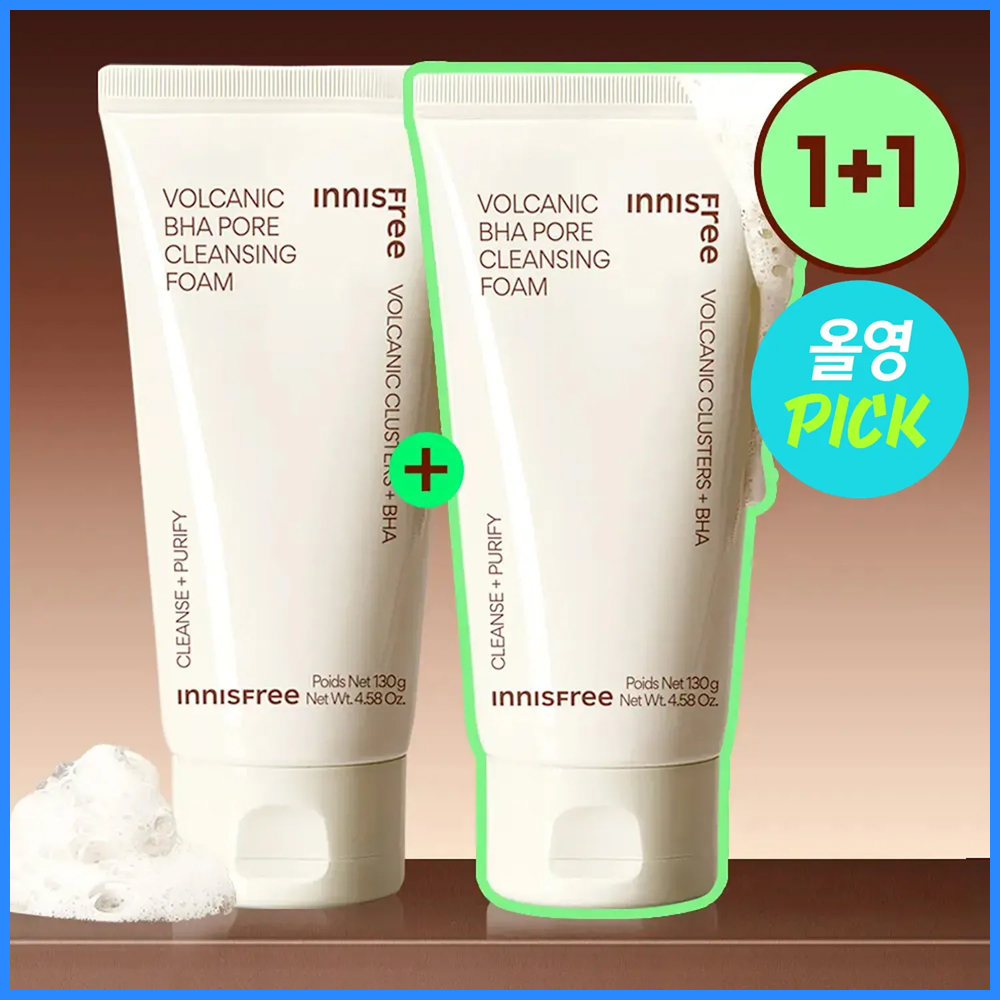
Volcanic BHA Pore Cleansing Foam Double Pack
Innisfree
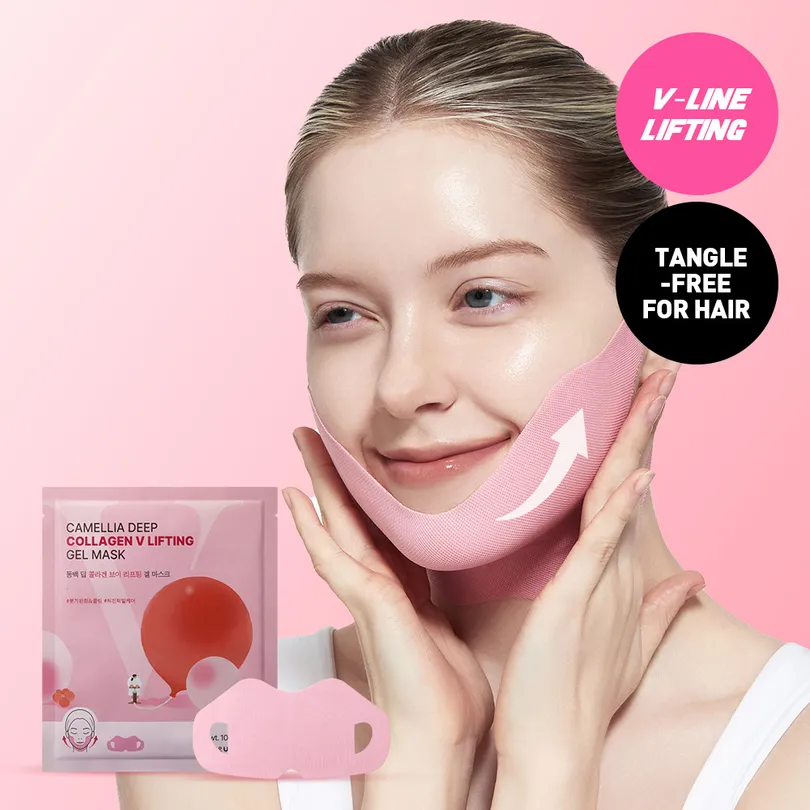
Camellia Deep Collagen V Lifting Gel Mask Sheet
Round Lab
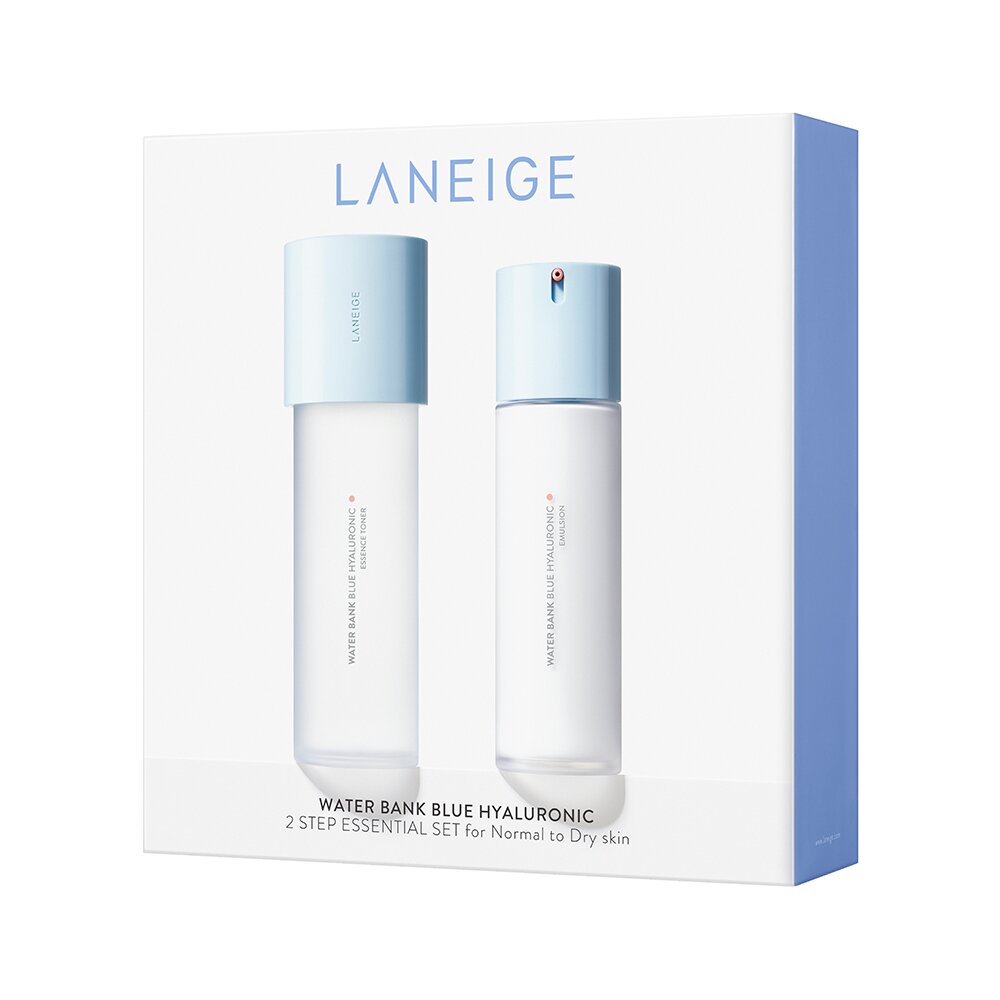
Water Bank BlueHA 2 Step Essential Set
Laneige
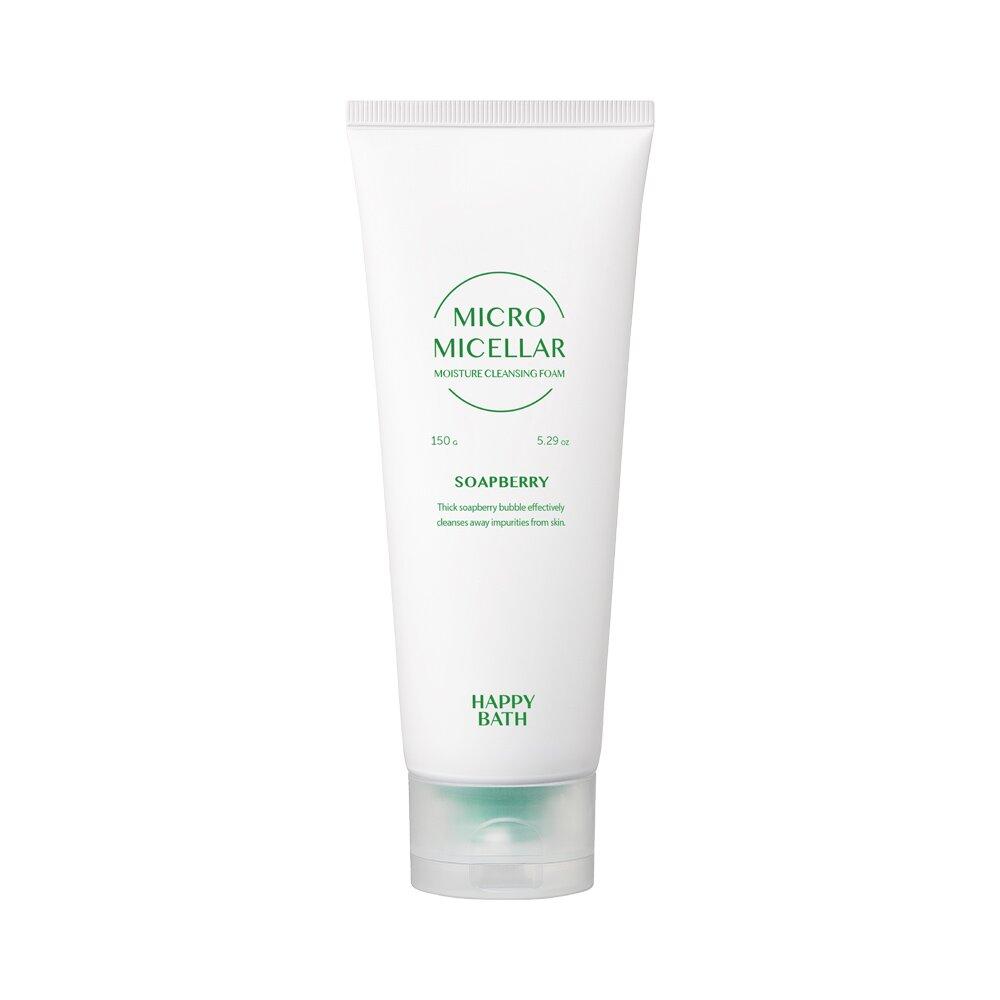
Micro Micellar Soapberry Cleansing Foam
Happy Bath
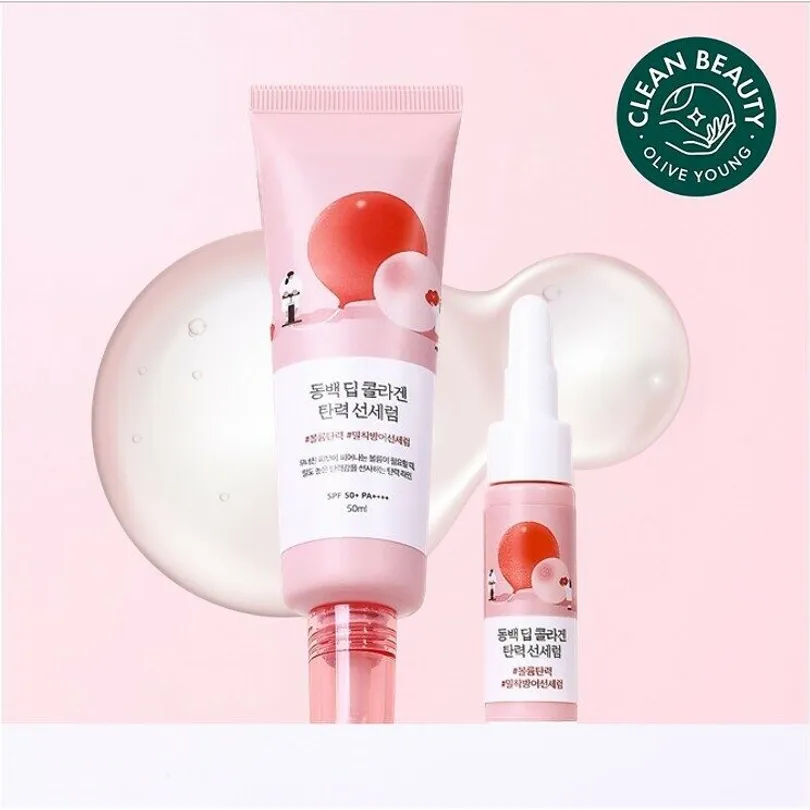
Camellia Deep Collagen Firming Sun Serum 50ml Set
Round Lab
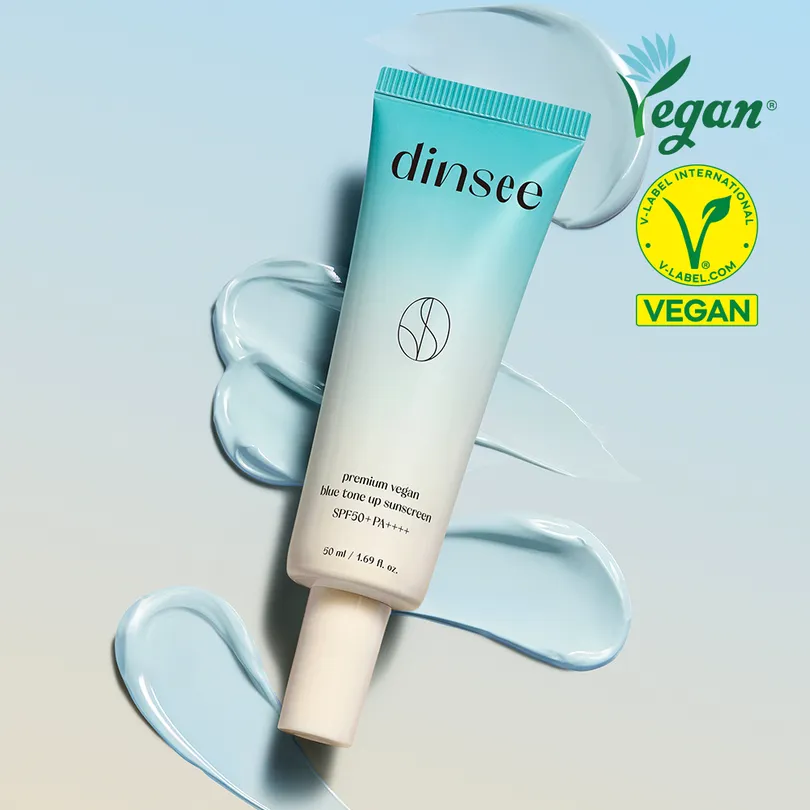
Premium Vegan Blue Tone Up Sunscreen SPF50+ PA++++
Dinsee
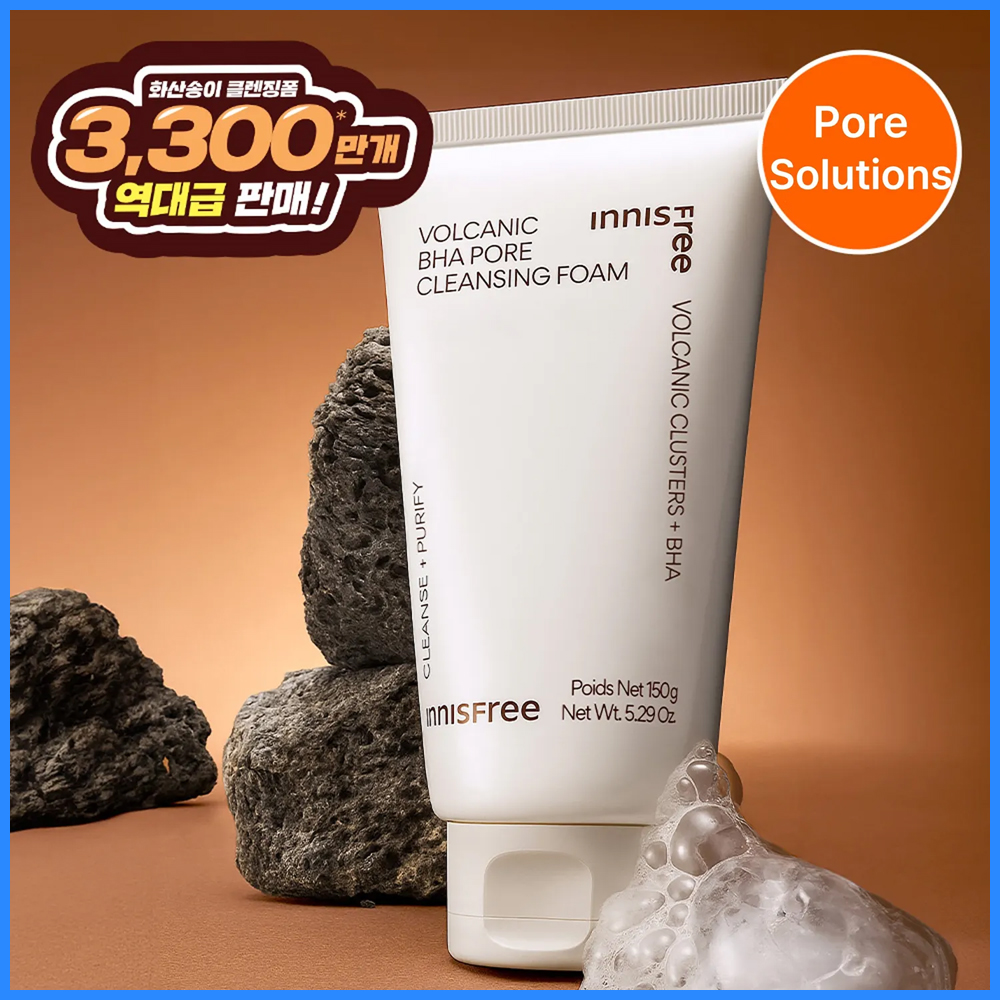
Volcanic BHA Pore Cleansing Foam
Innisfree
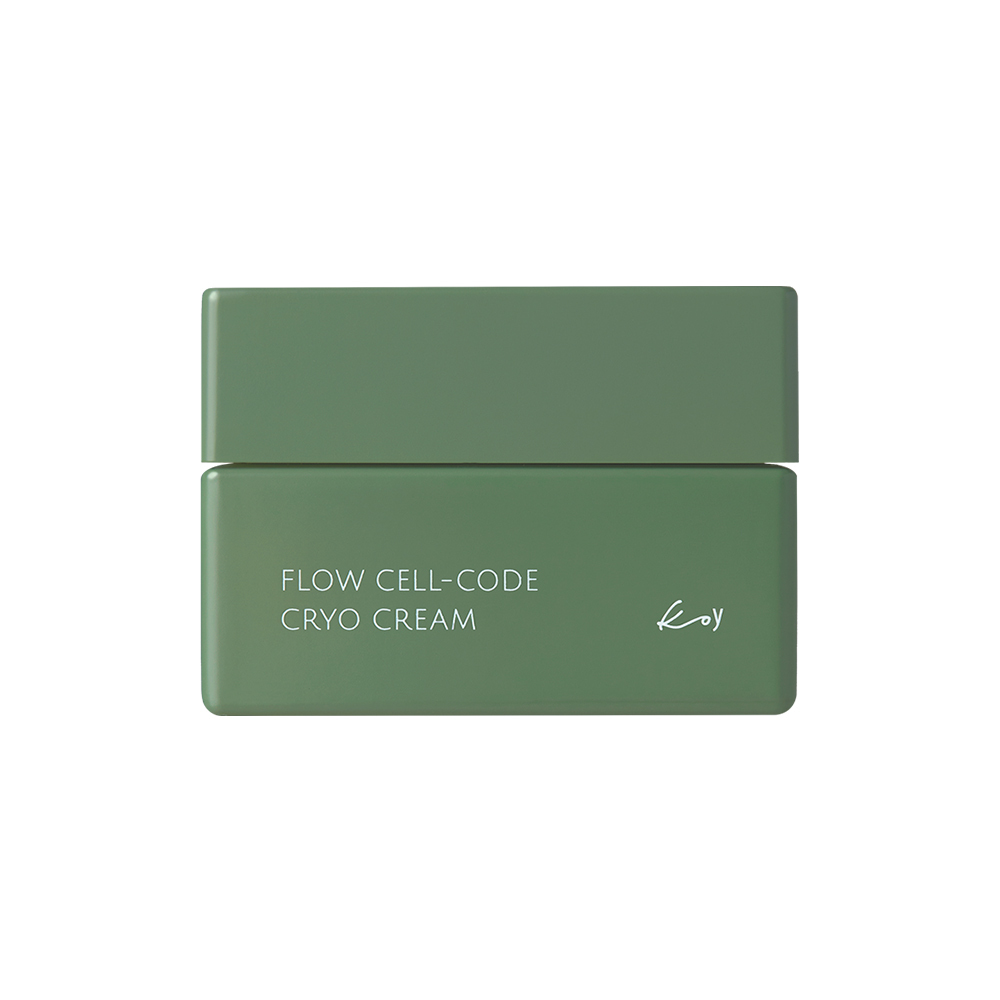
Flow Cell-Code Cryo Cream
koy
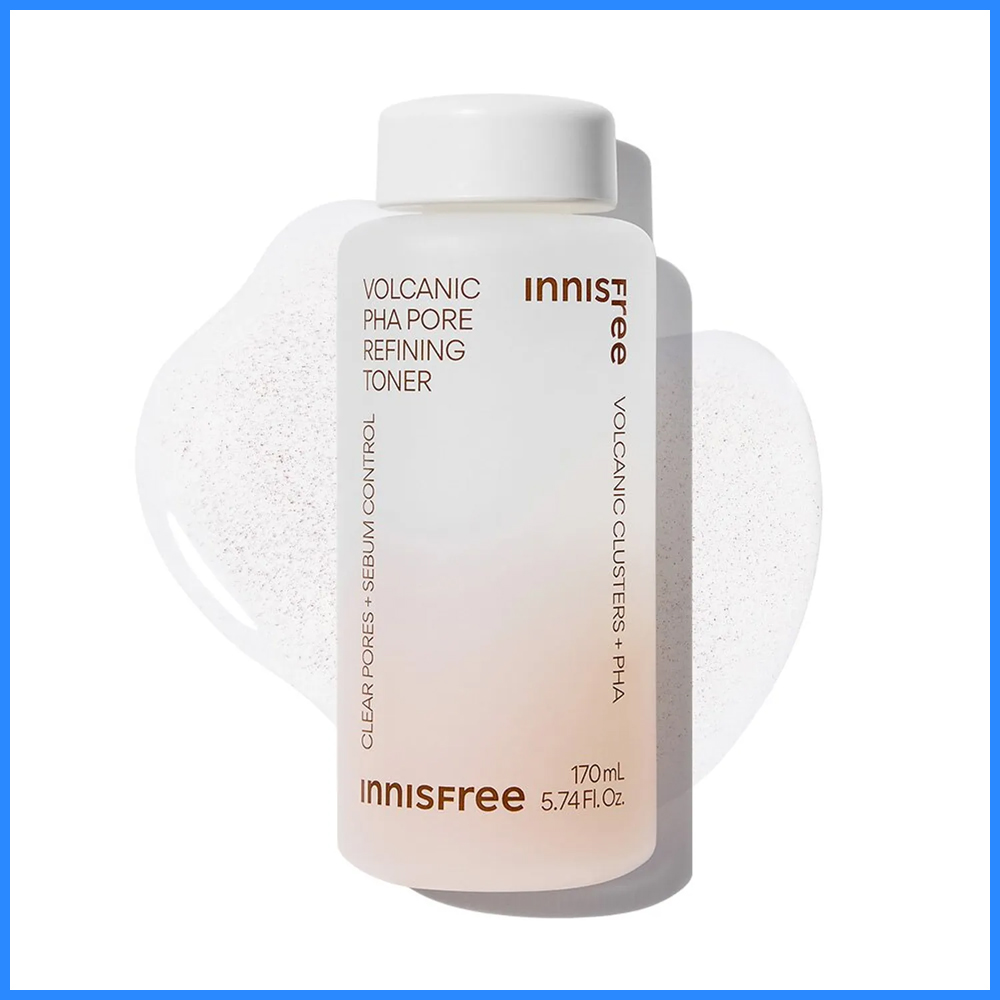
Volcanic PHA Pore Refining Toner
Innisfree
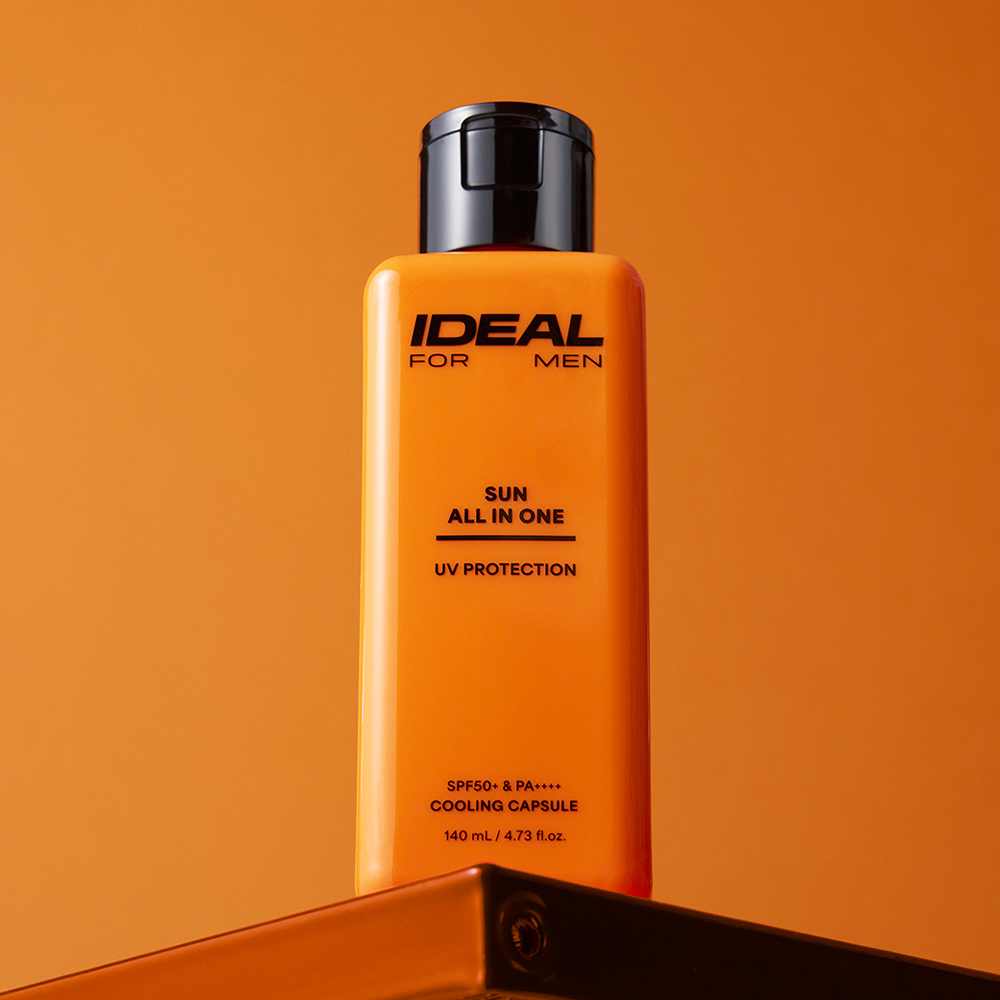
Sun All In One
Ideal for Men
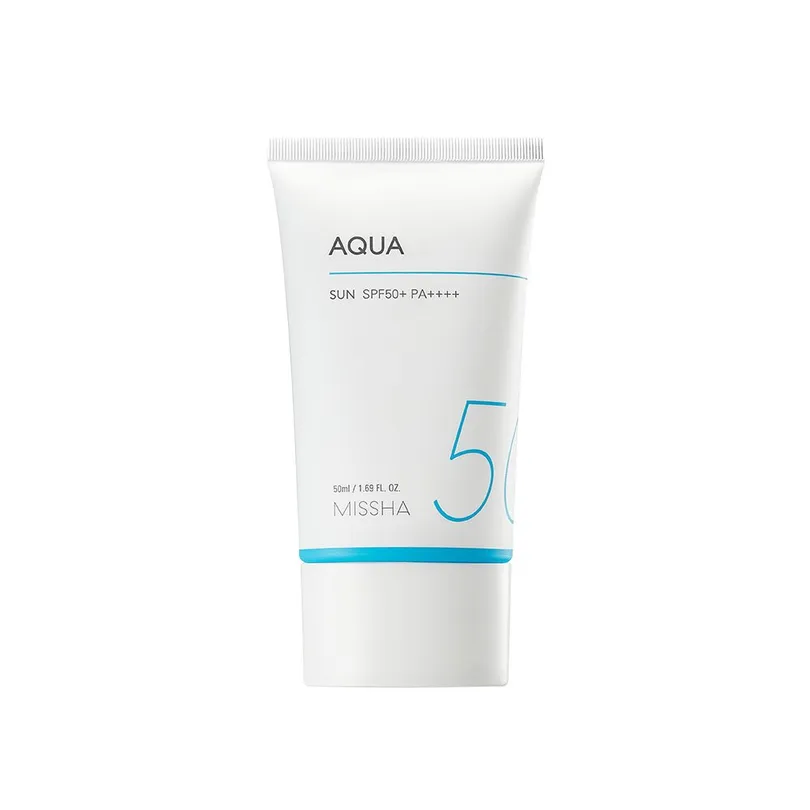
All Around Safe Block Aqua Sun SPF50+ PA++++
MISSHA
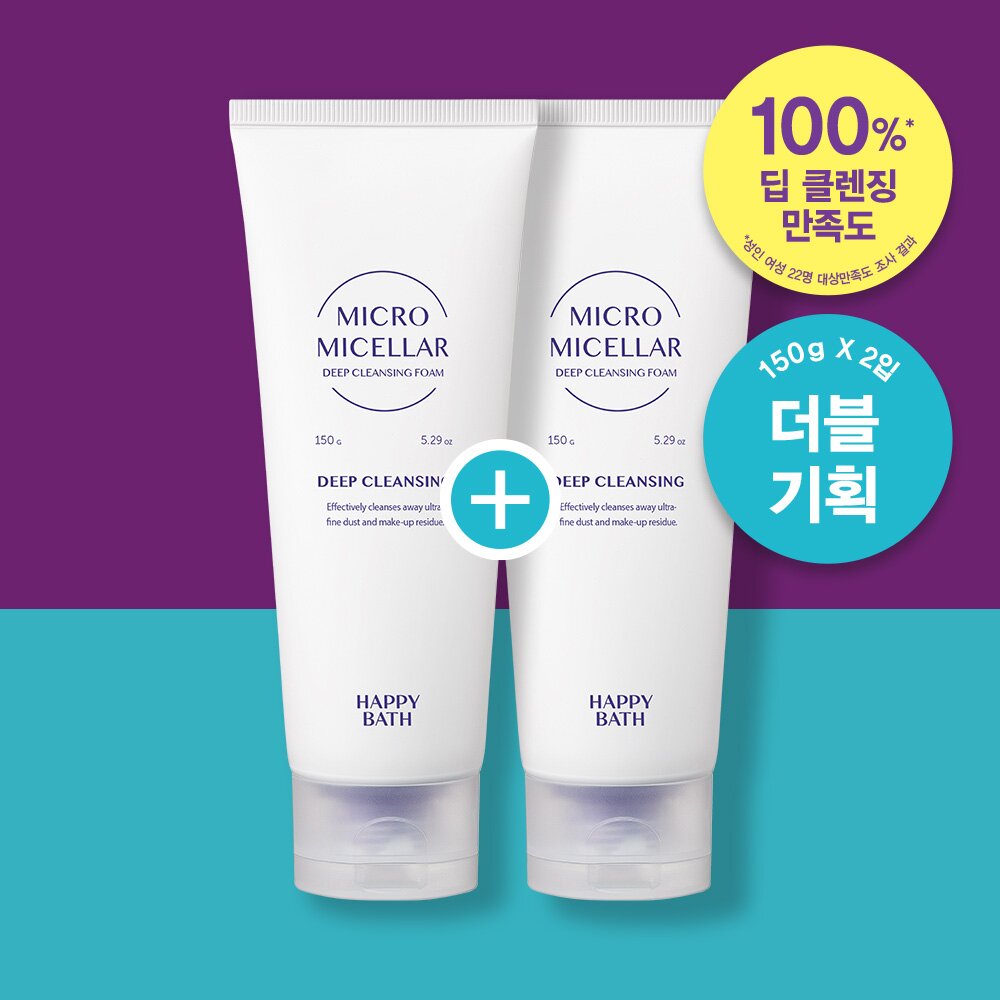
Micro Micellar Deep Cleansing Foam
Happy Bath
Frequently Asked Questions
Is Lactic Acid/Glycolic Acid Copolymer the same as using lactic acid and glycolic acid separately?▼
Can I use this ingredient if I'm already using other exfoliating acids?▼
Why do K-beauty brands put this in sunscreens and cleansers?▼
Will this ingredient make my skin more sensitive to the sun?▼
Is this ingredient actually effective or just filler?▼
Explore More
Want personalized ingredient advice?
Yuri, our AI beauty advisor, can tell you how Lactic Acid/Glycolic Acid Copolymer works with your specific skin type, routine, and concerns.
Ask Yuri, free