Lactobacillus Ferment
INCI: Lactobacillus
Probiotic that supports skin microbiome balance
About Lactobacillus Ferment
Lactobacillus Ferment is a probiotic ingredient derived from the fermentation of Lactobacillus bacteria, the same beneficial microorganisms found in yogurt and kimchi. In skincare, it functions as a postbiotic, meaning the active compounds are produced during fermentation rather than from live bacteria. This ingredient has become a cornerstone of K-beauty's approach to skin health, reflecting Korean skincare's deep roots in fermentation traditions. Lactobacillus Ferment works by supporting the skin's natural microbiome, the diverse ecosystem of bacteria that lives on your skin's surface and plays a crucial role in maintaining barrier function, hydration, and protection against environmental stressors. When your microbiome is balanced, your skin is better equipped to defend itself against acne-causing bacteria, inflammation, and sensitivity. The fermentation process breaks down nutrients into smaller molecules that penetrate skin more effectively while producing beneficial metabolites like lactic acid, peptides, and vitamins. With an excellent safety rating of 4/5 and a non-comedogenic rating of 0/5, Lactobacillus Ferment is suitable for virtually all skin types, including sensitive and acne-prone skin. It appears in 11 products on Seoul Sister, including top-rated formulas like Anua's DPPR Hyalcube Flooding Serum (5.0/5) and Easydew's DW-EGF MELALHA Peel One Day Program (5.0/5), demonstrating its versatility across product categories from serums to cleansers.
How Lactobacillus Ferment Works
Lactobacillus Ferment works through multiple mechanisms at the cellular level. First, it produces antimicrobial peptides that selectively inhibit harmful bacteria while preserving beneficial microbes, helping maintain a healthy skin microbiome. This selective action is gentler than traditional antibacterial ingredients that indiscriminately kill all bacteria. Second, the fermentation metabolites including lactic acid gently exfoliate the skin's surface by loosening the bonds between dead skin cells, promoting cell turnover without irritation. Third, Lactobacillus Ferment strengthens the skin barrier by stimulating ceramide production and improving tight junction proteins between skin cells, reducing transepidermal water loss. The ingredient also modulates the skin's immune response by interacting with Toll-like receptors on keratinocytes, helping calm inflammation and reduce sensitivity. Additionally, the small molecular weight of fermented compounds allows them to penetrate deeper into the epidermis, delivering nutrients and supporting cellular metabolism more effectively than their non-fermented counterparts. This multi-pronged approach makes Lactobacillus Ferment particularly effective for addressing concerns like sensitivity, dehydration, and compromised barrier function.
Lactobacillus Ferment by Skin Type
Oily Skin
Lactobacillus Ferment is excellent for oily skin as it helps balance sebum production by supporting a healthy microbiome, which can become disrupted by over-cleansing or harsh acne treatments. The gentle exfoliating action from lactic acid metabolites keeps pores clear without stripping skin, while antimicrobial properties help control acne-causing bacteria like C. acnes naturally. Its non-comedogenic rating of 0/5 means it won't clog pores or contribute to breakouts.
Dry Skin
This ingredient is highly beneficial for dry skin due to its barrier-strengthening properties and ability to enhance moisture retention. Lactobacillus Ferment stimulates ceramide synthesis, helping repair the compromised barrier common in dry skin types, while its humectant properties draw moisture into the skin. The fermented metabolites are particularly effective at delivering hydration because their smaller molecular size allows better penetration into dehydrated skin layers.
Combo Skin
Combination skin benefits from Lactobacillus Ferment's balancing properties, as it can simultaneously address oiliness in the T-zone while hydrating drier areas. By supporting microbiome balance across different facial zones, it helps normalize sebum production without causing dryness or excess oil. Products like Anua's DPPR Hyalcube Flooding Serum (5.0/5) demonstrate how this ingredient can provide balanced hydration for combination skin types.
Sensitive Skin
Lactobacillus Ferment is particularly well-suited for sensitive skin, as evidenced by its 4/5 safety rating. It strengthens the compromised barrier often seen in sensitive skin while modulating inflammatory responses that lead to redness and reactivity. The gentle nature of fermented ingredients means they're less likely to trigger irritation compared to synthetic alternatives, making products like Dr.G's pH Cleansing Gel Foam Special Set (4.8/5) ideal for reactive skin.
Normal Skin
Even normal skin benefits from Lactobacillus Ferment as a preventative ingredient that maintains optimal microbiome balance and barrier health. It provides gentle daily exfoliation, ongoing hydration support, and protection against environmental stressors that could compromise skin health over time. Regular use helps preserve the balanced state of normal skin and delay visible signs of aging.
How to Use Lactobacillus Ferment
- 1Apply Lactobacillus Ferment products on damp skin after cleansing to maximize absorption of the fermented metabolites into the epidermis.
- 2Layer this ingredient before heavier creams or oils, as its water-based nature and small molecular size allow it to penetrate more effectively when applied to bare skin.
- 3Pair with other microbiome-friendly ingredients like prebiotics (inulin, fructooligosaccharides) for synergistic benefits, but avoid using immediately after strong chemical exfoliants that might disrupt the probiotic benefits.
- 4Store products containing Lactobacillus Ferment in a cool, dark place and use within the recommended timeframe, as fermented ingredients can be sensitive to heat and light exposure.
Background
Lactobacillus Ferment's presence in K-beauty is deeply rooted in Korea's thousand-year fermentation traditions, particularly the practice of fermenting foods like kimchi, doenjang (soybean paste), and makgeolli (rice wine) for preservation and enhanced nutrition. Korean skincare innovators observed that women who regularly handled fermented foods often had exceptionally smooth, clear skin, leading to research into fermentation's cosmetic benefits in the 1990s. The Lactobacillus genus became a focus because it's one of the most studied and safe probiotic strains, with decades of food safety data supporting its use. Korean beauty brands were pioneers in applying fermentation technology to skincare, inspired by the concept that fermentation could make nutrients more bioavailable while producing beneficial metabolites. This approach aligned perfectly with K-beauty's philosophy of working with the skin's natural processes rather than against them. Today, Lactobacillus Ferment represents the intersection of traditional wisdom and modern biotechnology in Korean skincare formulation.
K-Beauty Products with Lactobacillus Ferment
View all 14 →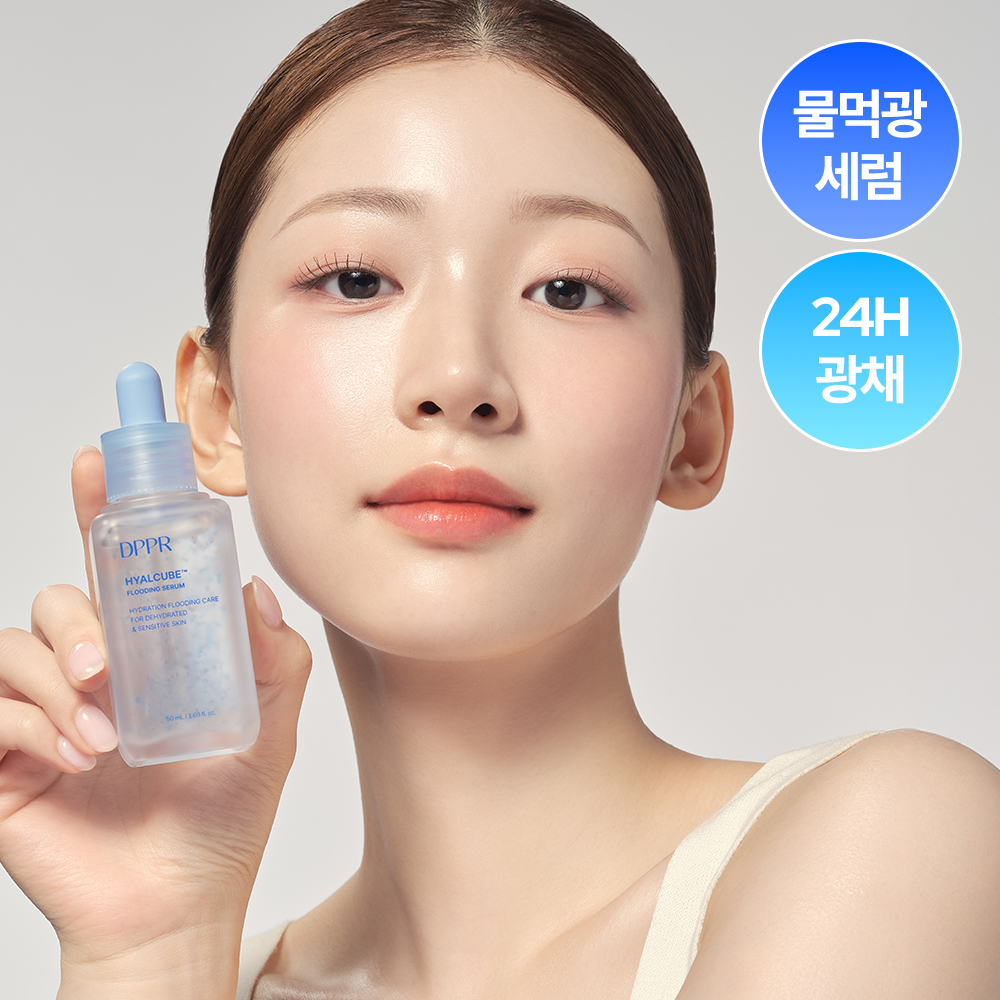
DPPR Hyalcube Flooding Serum
Anua
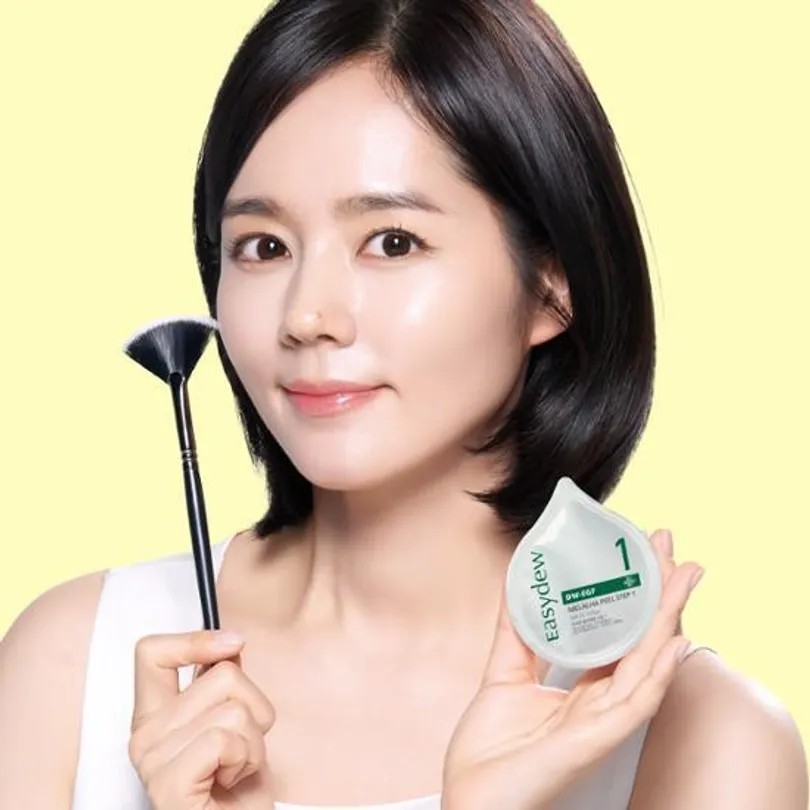
DW-EGF MELALHA Peel One Day Program
Easydew
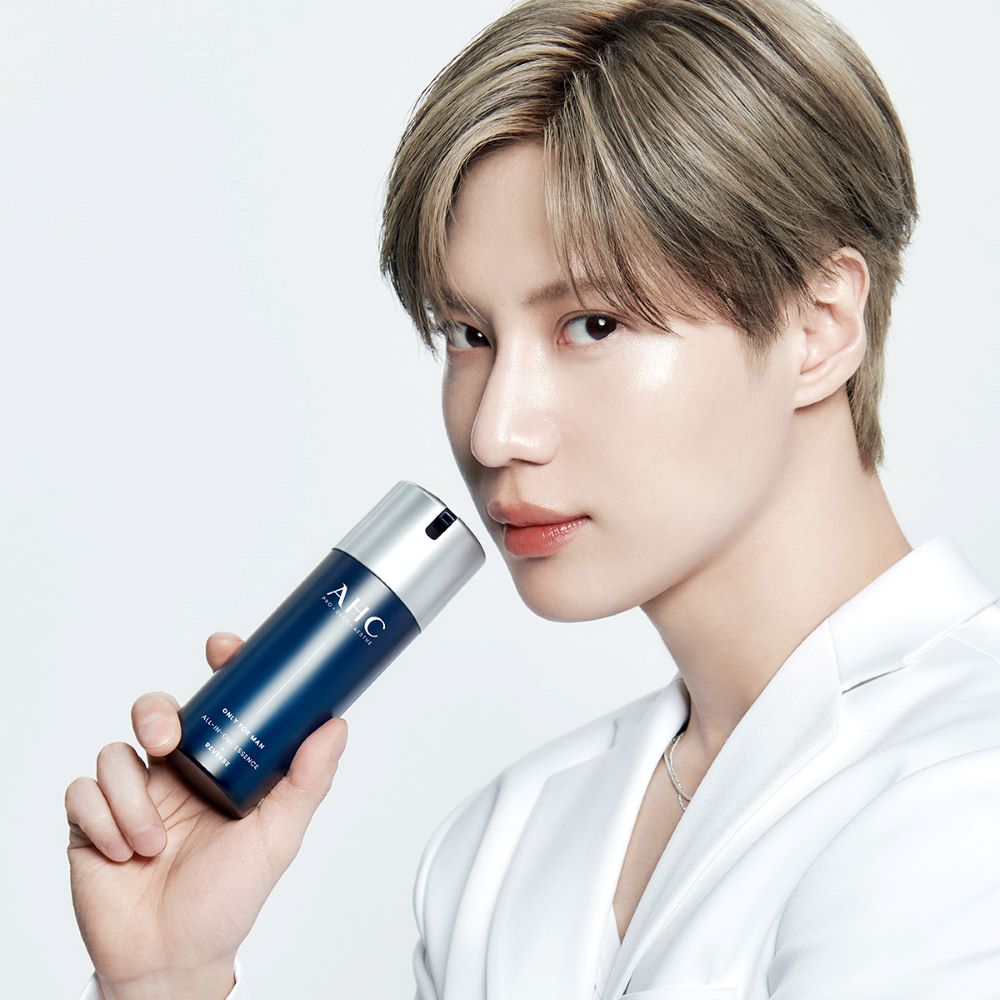
Only For Man All In One Essence
AHC
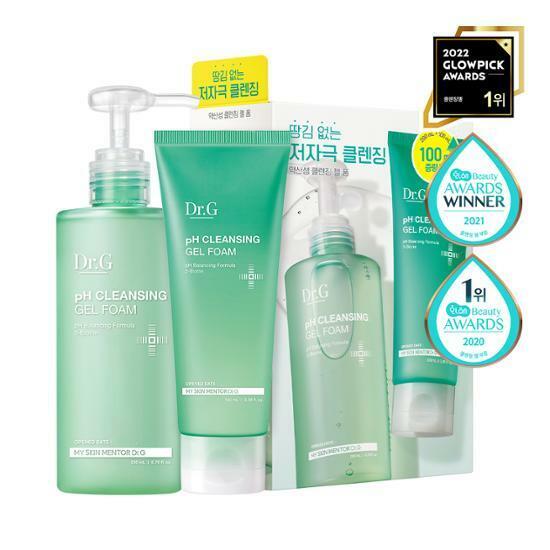
pH Cleansing Gel Foam Special Set
Dr.G
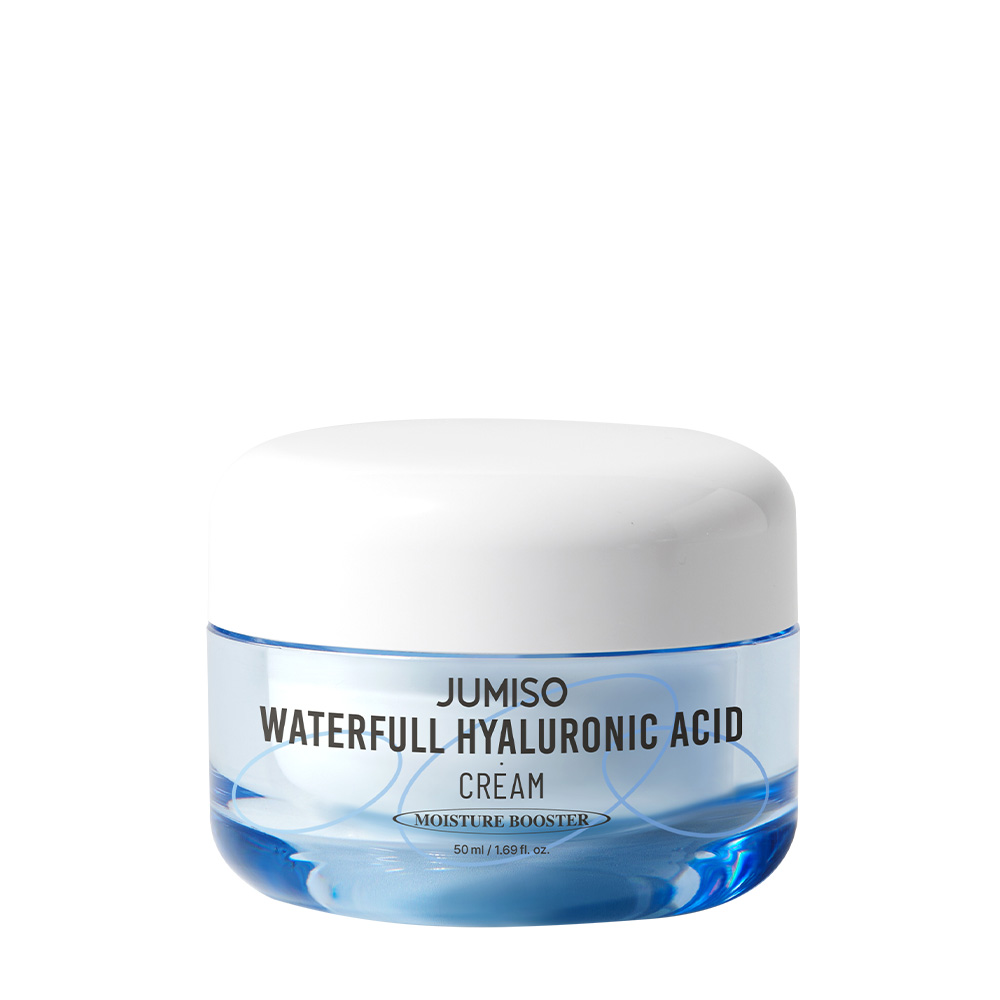
Waterfull Hyaluronic Acid Cream
Jumiso
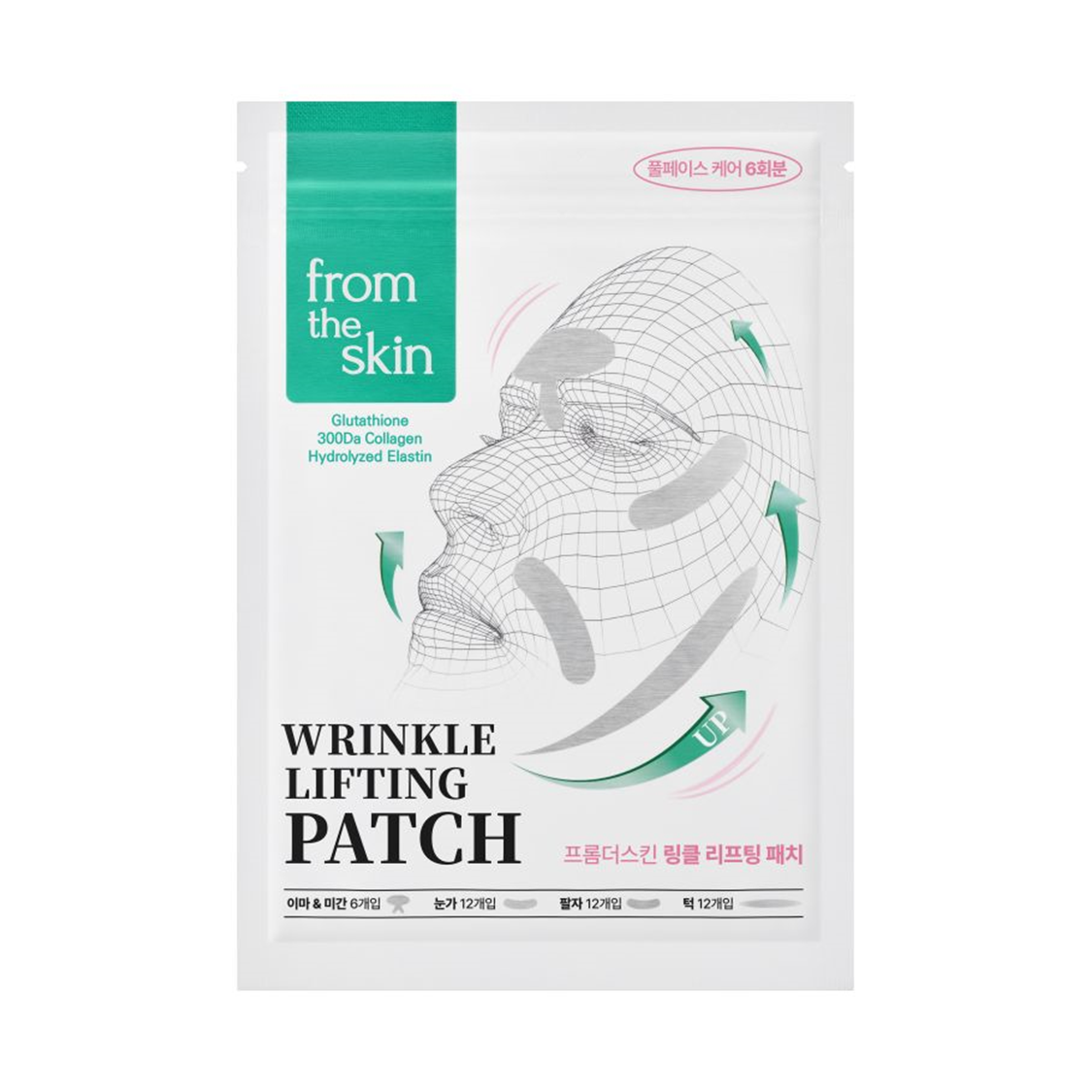
Wrinkle Lifting Patch 6P (Full-Face Care)
fromtheskin
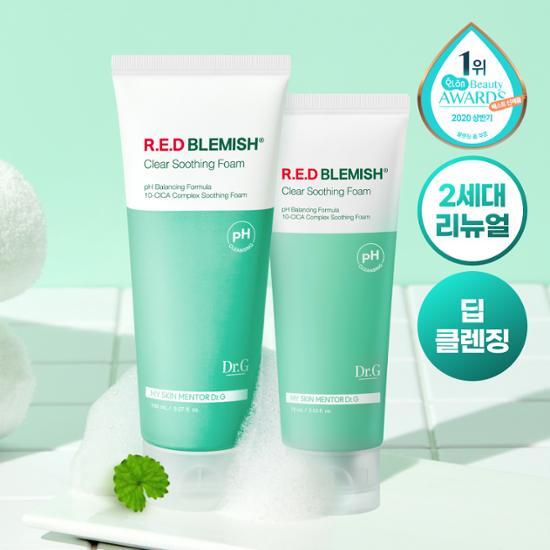
pH Cleansing Red Blemish Clear Soothing Foam Duo Set
Dr.G
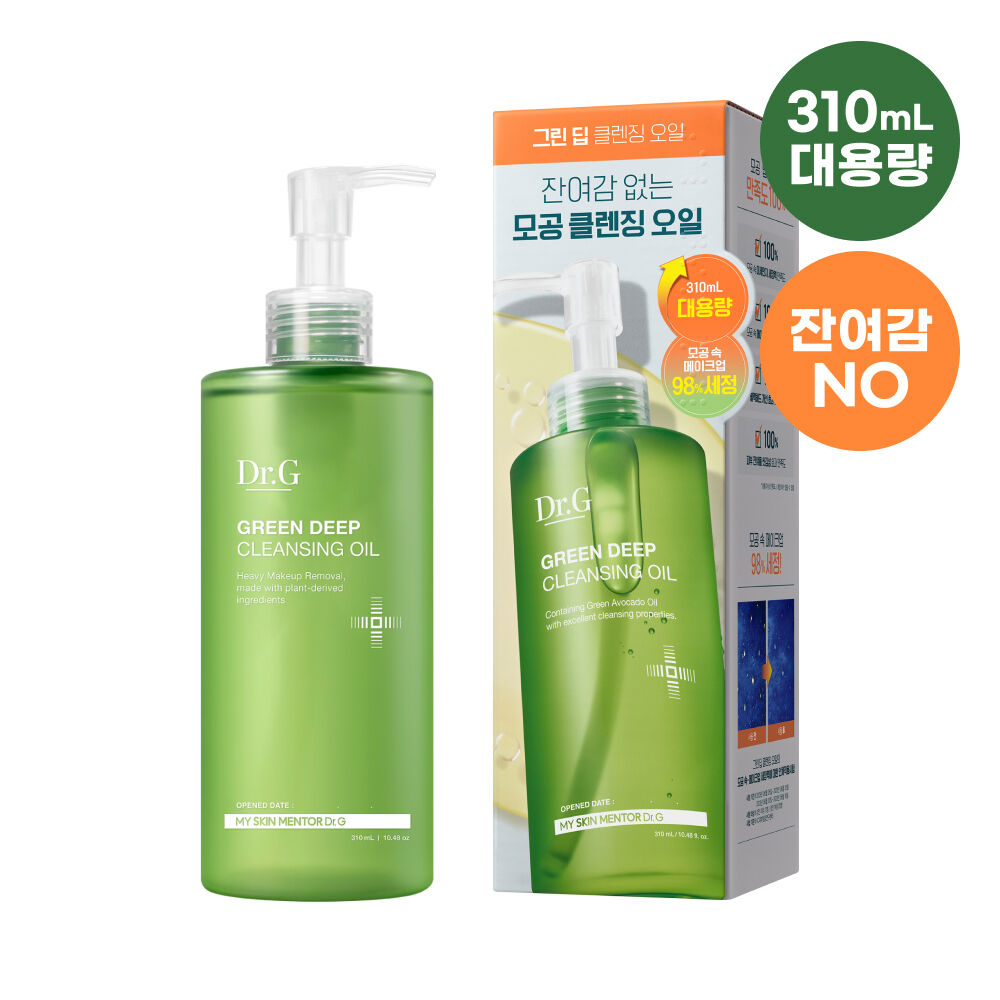
Green Deep Cleansing Oil
Dr.G
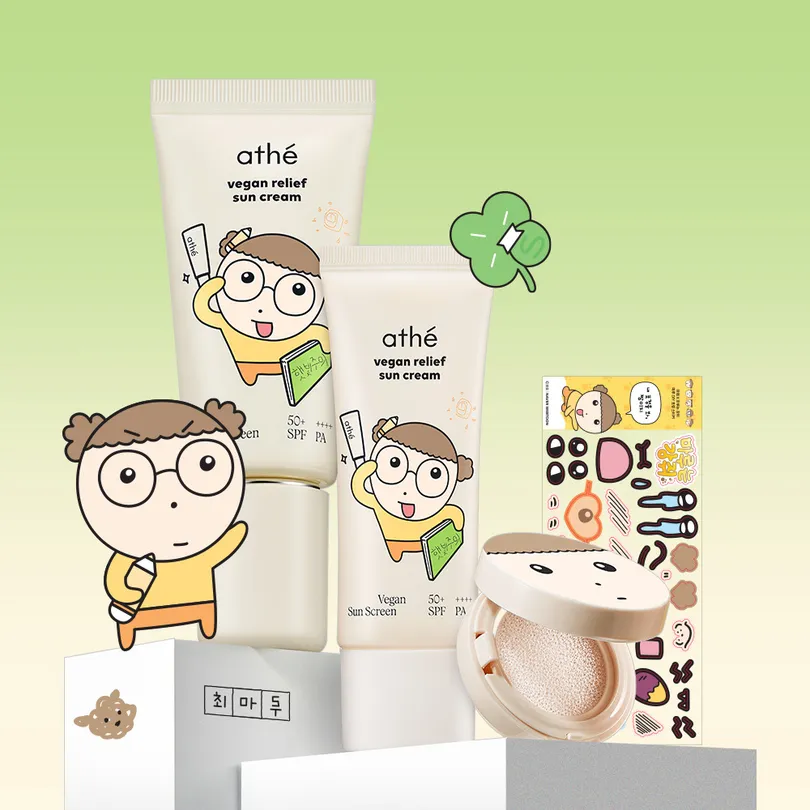
Vegan Relief Sun Cream SPF50+ PA++++
Athe
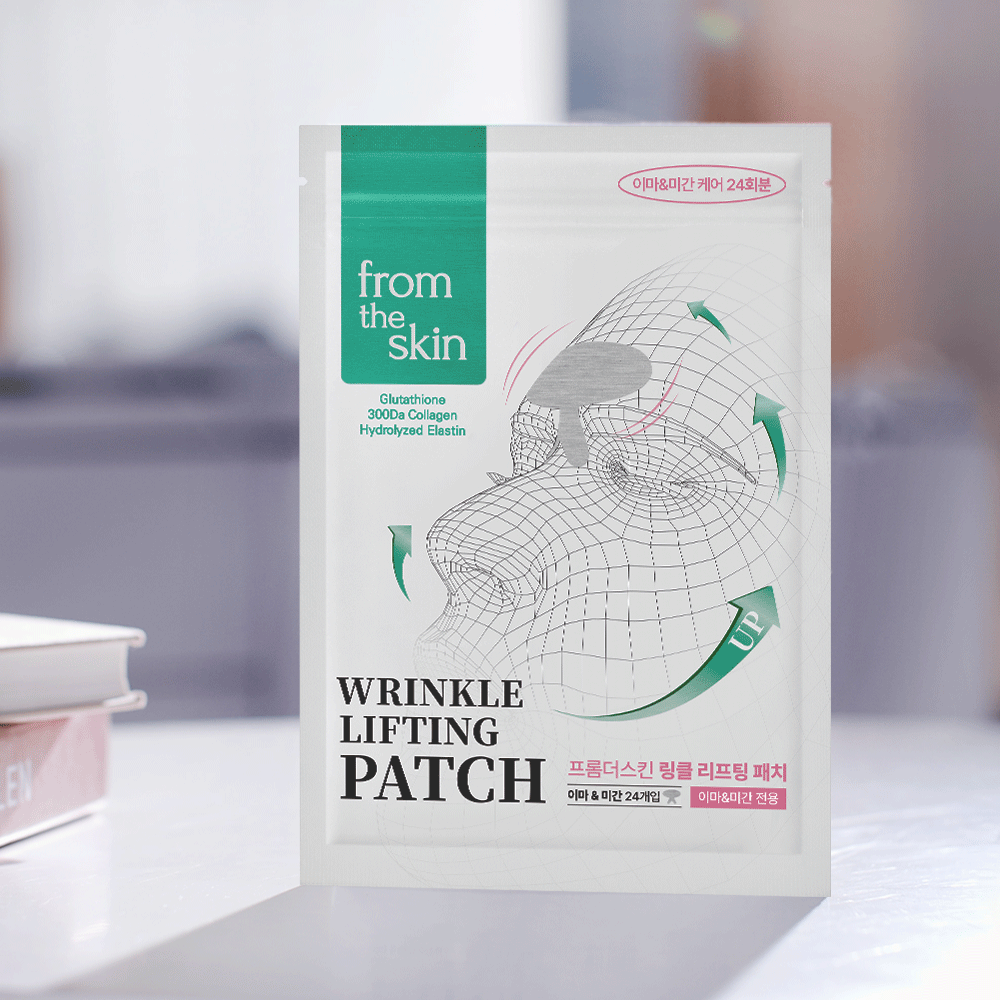
Wrinkle Lifting Patch 24P (Forehead, Glabella)
fromtheskin
Waterfull Hyaluronic Cream
Jumiso
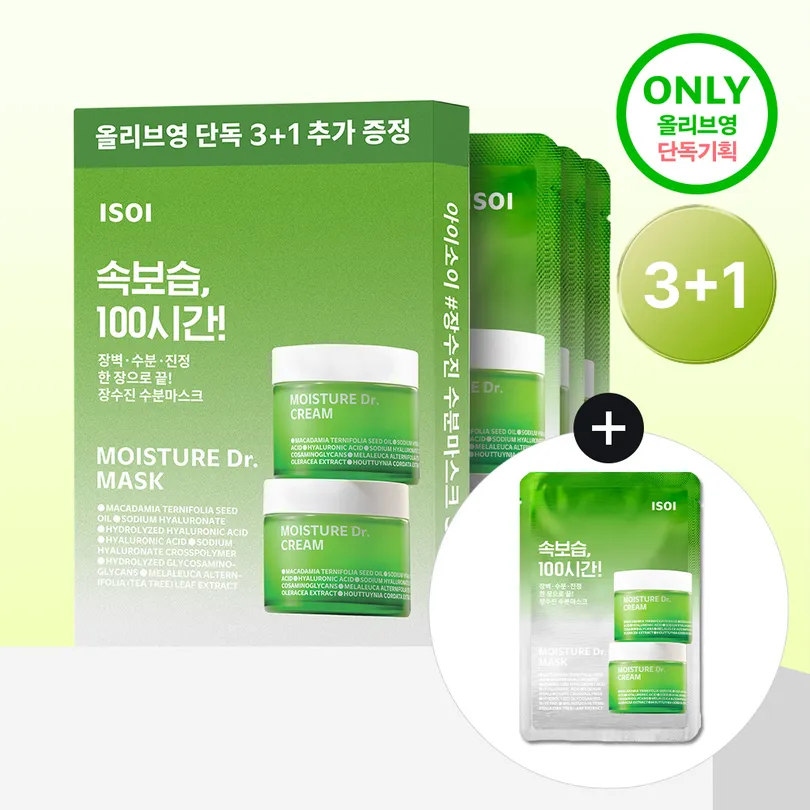
Moisture Dr. Cream Mask Sheet
Isoi
Frequently Asked Questions
Is Lactobacillus Ferment the same as putting yogurt on your face?▼
Can I use Lactobacillus Ferment with retinol or vitamin C?▼
How long does it take to see results from Lactobacillus Ferment?▼
Will Lactobacillus Ferment cause purging or breakouts?▼
Explore More
Want personalized ingredient advice?
Yuri, our AI beauty advisor, can tell you how Lactobacillus Ferment works with your specific skin type, routine, and concerns.
Ask Yuri, free