Lactobacillus Ferment Lysate
Probiotic-derived ingredient that supports skin barrier function
About Lactobacillus Ferment Lysate
Lactobacillus Ferment Lysate is a postbiotic ingredient derived from beneficial Lactobacillus bacteria through a fermentation process that breaks down the cells to release bioactive compounds. Unlike live probiotics, which are difficult to stabilize in skincare, this lysate contains the metabolic byproducts and cellular components that deliver the skin benefits without requiring living organisms. In K-beauty, it has become a cornerstone ingredient for microbiome-friendly formulations, appearing in over 200 products on Seoul Sister, from cleansers to serums. The ingredient works by supporting the skin's natural defense mechanisms, strengthening barrier function, and helping to maintain a balanced skin microbiome. K-beauty brands particularly value it for its ability to calm inflammation while simultaneously fortifying the skin against environmental stressors. With a safety rating of 4/5 and a comedogenic rating of 0/5, it suits virtually all skin types, which explains its widespread use in everything from Dr.Ceuracle's Pro Balance Pure Cleansing Oil to Bioheal BOH's Probioderm Collagen Remodeling Serum. The lysate delivers peptides, enzymes, and other bioactive molecules that communicate with skin cells to optimize barrier repair and immune response.
How Lactobacillus Ferment Lysate Works
When Lactobacillus bacteria are fermented and lysed (broken down), they release a complex mixture of cell wall fragments, peptides, enzymes, amino acids, and metabolites that interact with the skin's innate immune system. These components bind to pattern recognition receptors on keratinocytes, triggering a cascade of beneficial responses including increased production of antimicrobial peptides, ceramides, and other barrier lipids. The lysate also modulates inflammatory pathways by influencing cytokine production, helping to calm reactive skin without suppressing necessary immune functions. At the cellular level, it enhances tight junction proteins between skin cells, physically strengthening the barrier and reducing transepidermal water loss. The fermentation process also produces lactic acid and other alpha hydroxy acids in small amounts, contributing gentle exfoliation and pH optimization. Additionally, the bioactive compounds support the diversity and balance of the skin's resident microbiome by creating an environment that favors beneficial bacteria over pathogenic species, essentially acting as a prebiotic for your skin's ecosystem.
Lactobacillus Ferment Lysate by Skin Type
Oily Skin
Lactobacillus Ferment Lysate helps regulate sebum production by supporting a balanced skin microbiome, which research links to reduced acne-causing bacteria overgrowth. Its barrier-strengthening properties prevent the compensatory oil production that occurs when skin becomes dehydrated. The non-comedogenic rating of 0/5 makes it ideal for acne-prone skin without clogging pores.
Dry Skin
This ingredient excels for dry skin by stimulating ceramide synthesis and strengthening tight junctions between skin cells, directly addressing the compromised barrier function that causes moisture loss. The lysate's ability to reduce inflammation also helps calm the irritation that often accompanies dryness. Look for it in formulations like Banila Co's Clean It Zero Fig Berry Moisture Pack Cleanser, where it supports hydration retention.
Combo Skin
The microbiome-balancing properties of Lactobacillus Ferment Lysate make it particularly effective for combination skin, which often results from localized barrier dysfunction. It helps normalize both oily and dry zones by supporting each area's specific needs without over-correcting. The ingredient's versatility appears in products like Isntree's Yam Root Vegan pH-balancing Cleanser, designed to maintain equilibrium across varied skin zones.
Sensitive Skin
Sensitive skin benefits significantly from this lysate's anti-inflammatory properties and immune-modulating effects, which calm reactivity without compromising the skin's ability to defend itself. By strengthening the barrier and supporting beneficial bacteria, it reduces the triggers that cause sensitivity flare-ups. The lysate's gentle nature and proven safety profile (4/5 rating) make it suitable even for highly reactive skin types.
Normal Skin
Even balanced skin benefits from Lactobacillus Ferment Lysate as a preventive measure, maintaining optimal barrier function and microbiome diversity to resist future damage. It helps preserve the skin's natural resilience against environmental stressors and aging factors. Regular use supports long-term skin health by keeping defense mechanisms functioning efficiently.
How to Use Lactobacillus Ferment Lysate
- 1Layer products containing Lactobacillus Ferment Lysate after cleansing but before heavier creams to maximize absorption of the bioactive compounds into the skin barrier.
- 2Combine with other barrier-supporting ingredients like ceramides and niacinamide for synergistic effects, as the lysate enhances the skin's ability to utilize these components.
- 3If using multiple fermented ingredients, allow 30-60 seconds between applications to give each formula time to penetrate and interact with skin receptors.
- 4Start with leave-on products like serums (such as Bioheal BOH's Probioderm Collagen Remodeling Serum) rather than cleansers to experience the full benefits, then add cleansing products once your skin adjusts.
- 5Store products containing this ingredient away from extreme heat, as high temperatures can degrade the bioactive peptides and enzymes that provide the benefits.
Background
Lactobacillus fermentation has roots in traditional Korean food preservation, particularly in the creation of kimchi and other fermented foods known for their health benefits. Korean skincare scientists began exploring fermented ingredients in the early 2000s, inspired by observations that fermentation workers often had exceptionally smooth hands despite constant exposure to harsh conditions. The shift from whole probiotics to lysates occurred when formulators realized that the beneficial compounds could be isolated and stabilized more effectively than living bacteria. By the 2010s, fermented ingredients became a defining characteristic of K-beauty innovation, with Lactobacillus Ferment Lysate emerging as one of the most researched and widely adopted postbiotics. Korean brands pioneered the use of fermentation technology to create more bioavailable, skin-compatible versions of traditional ingredients, positioning fermented skincare as both scientifically advanced and culturally rooted.
K-Beauty Products with Lactobacillus Ferment Lysate
View all 224 →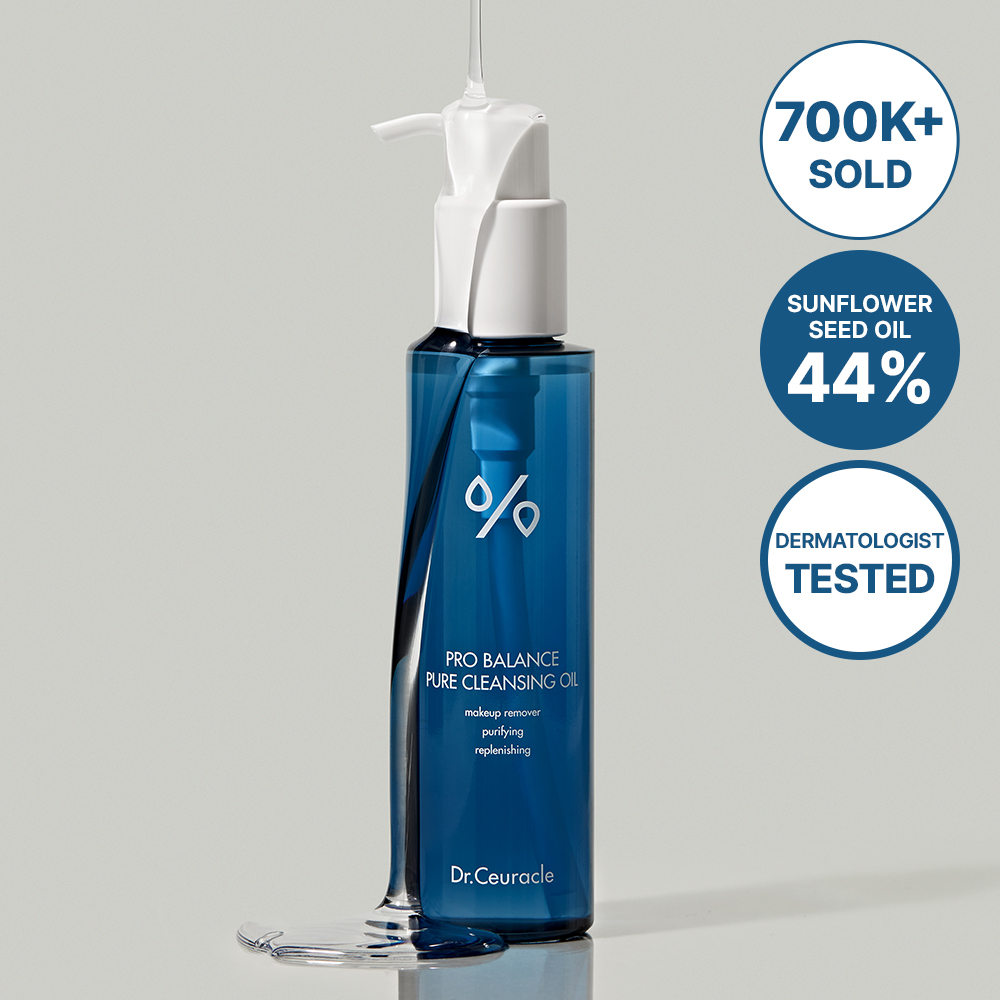
Pro Balance Pure Cleansing Oil
Dr.Ceuracle
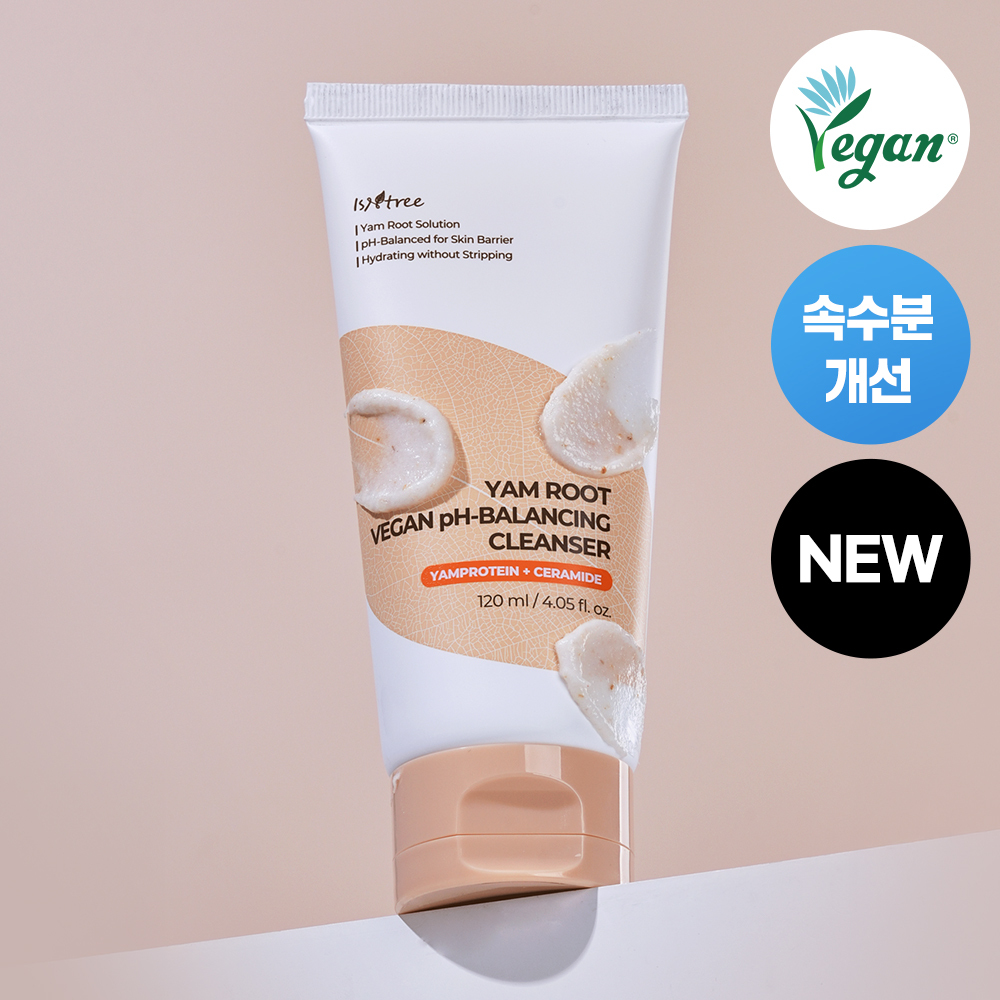
Yam Root Vegan pH-balancing Cleanser
Isntree
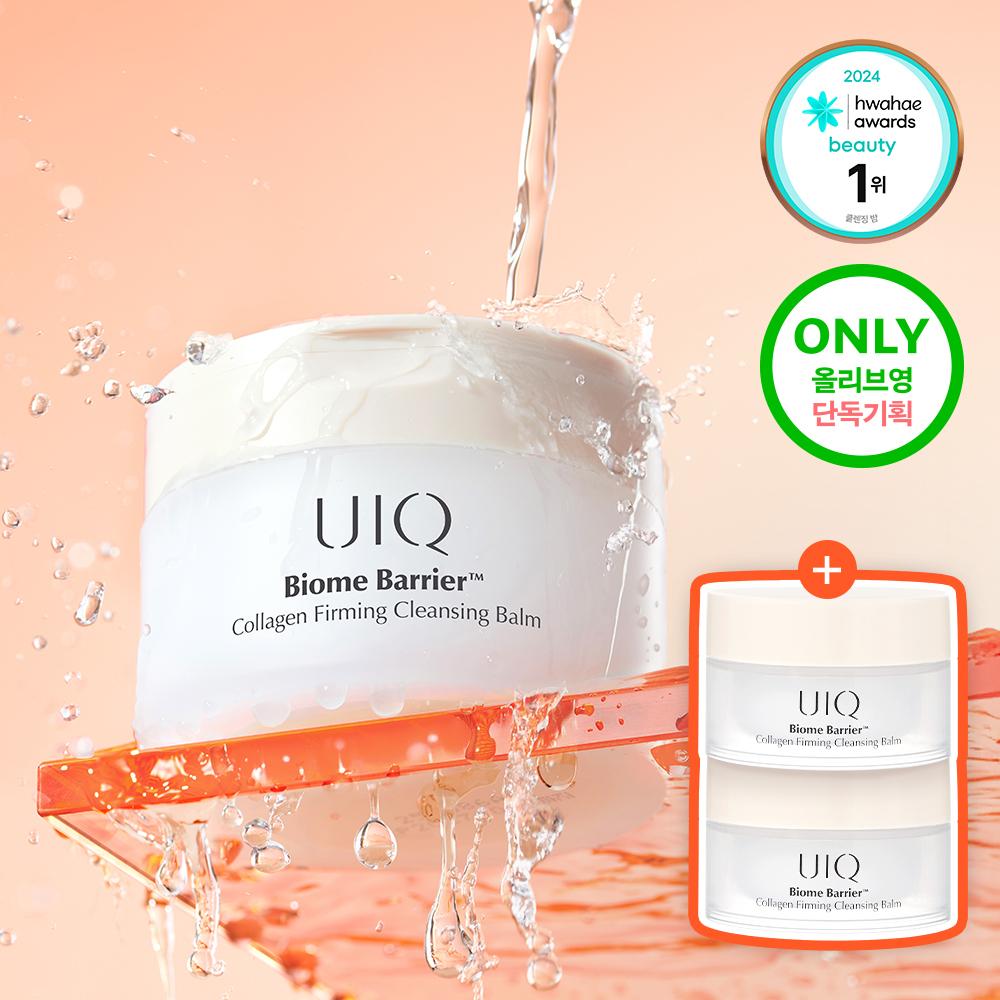
Biome Barrier Collagen Firming Cleansing Balm
UIQ
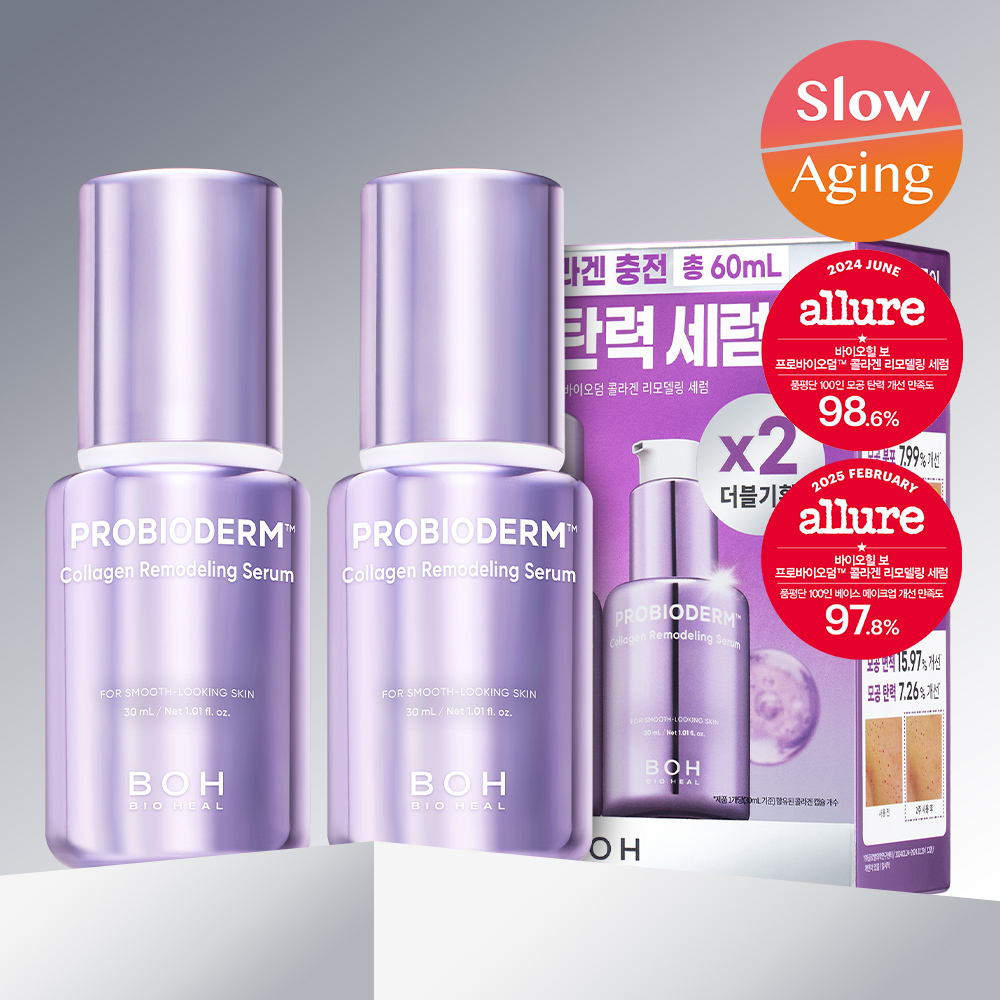
Probioderm Collagen Remodeling Serum
Bioheal BOH
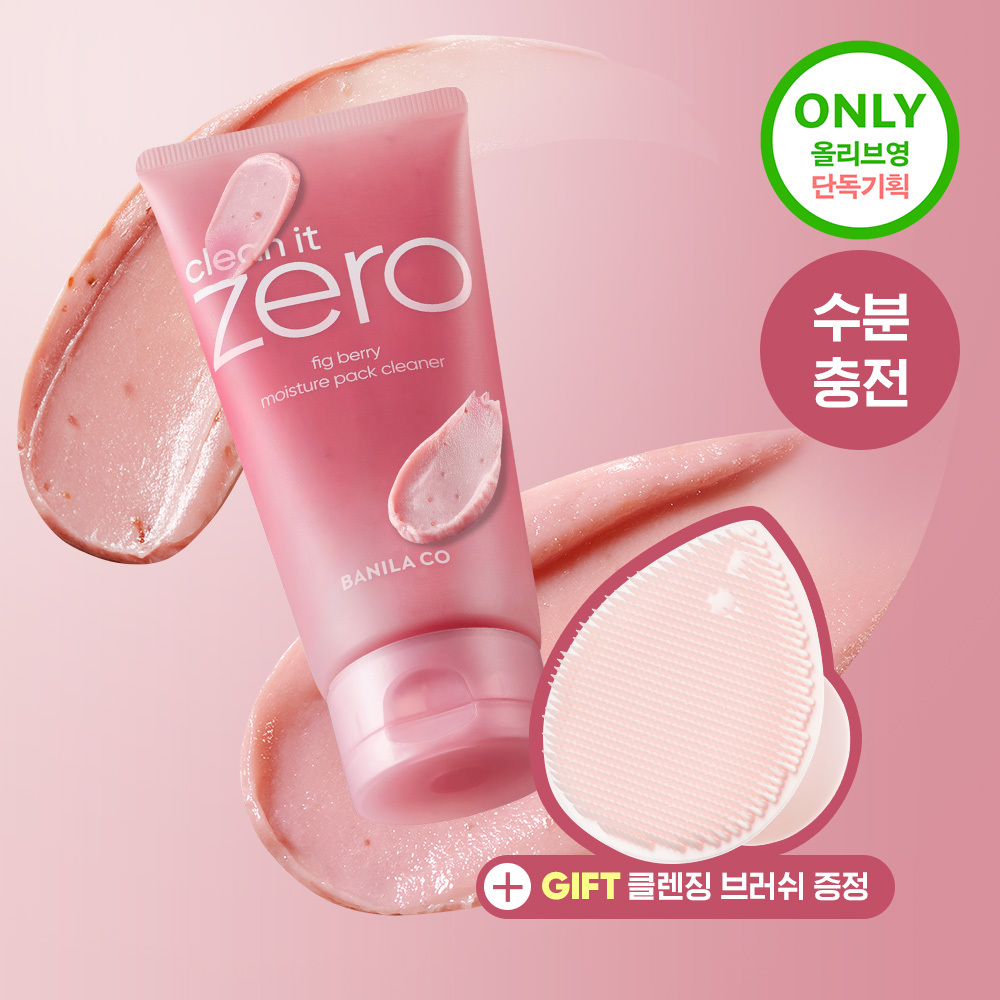
Clean It Zero Fig Berry Moisture Pack Cleanser
Banila Co
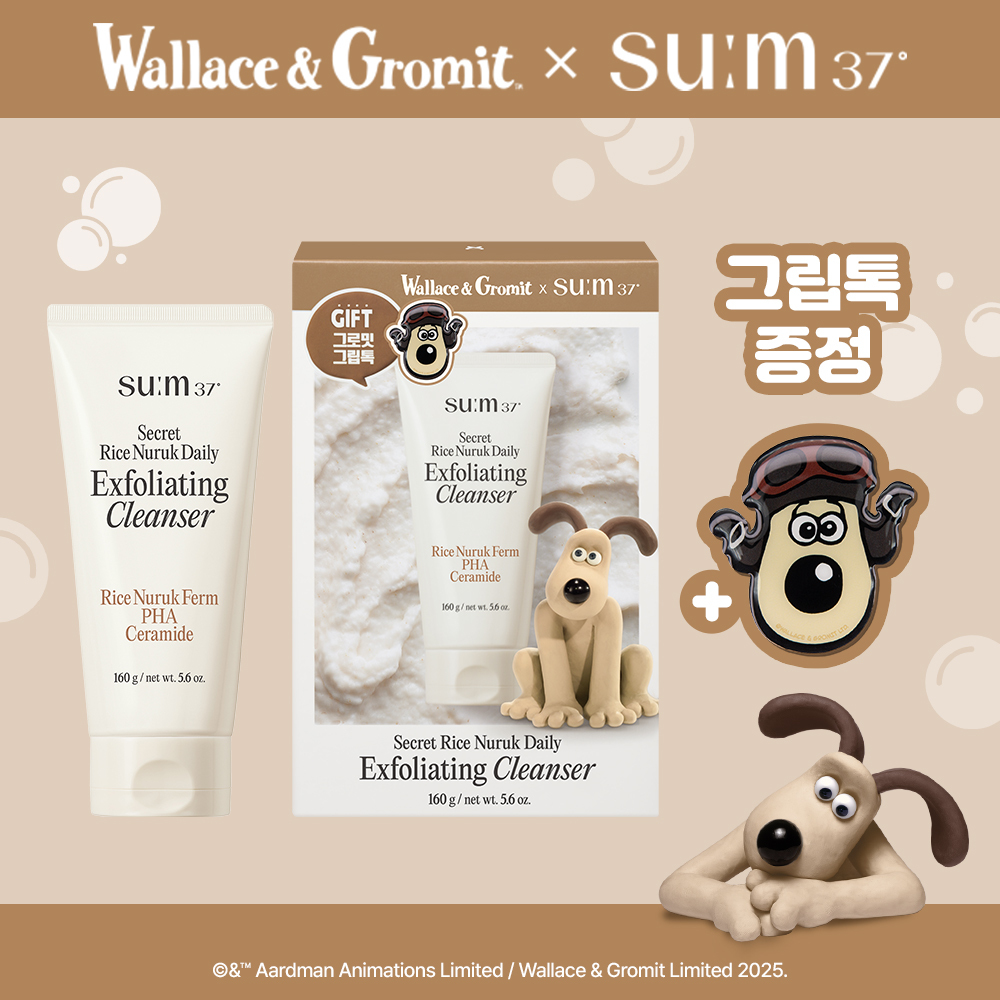
Secret Rice Nuruk Daily Exfoliating Cleanser
SUM37
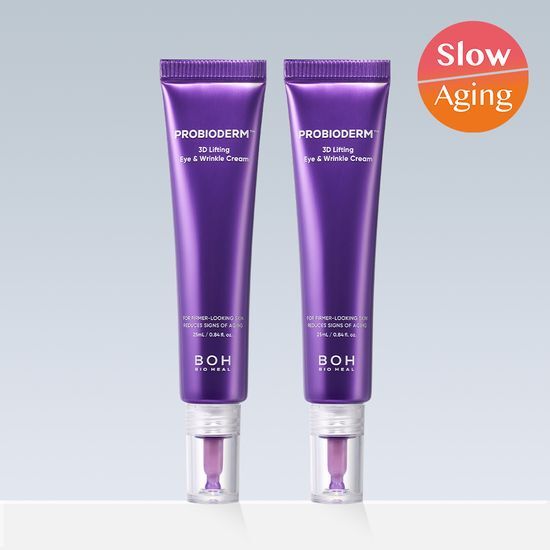
Probioderm 3D Lifting Eye & Wrinkle Cream Double Pack
Bioheal BOH
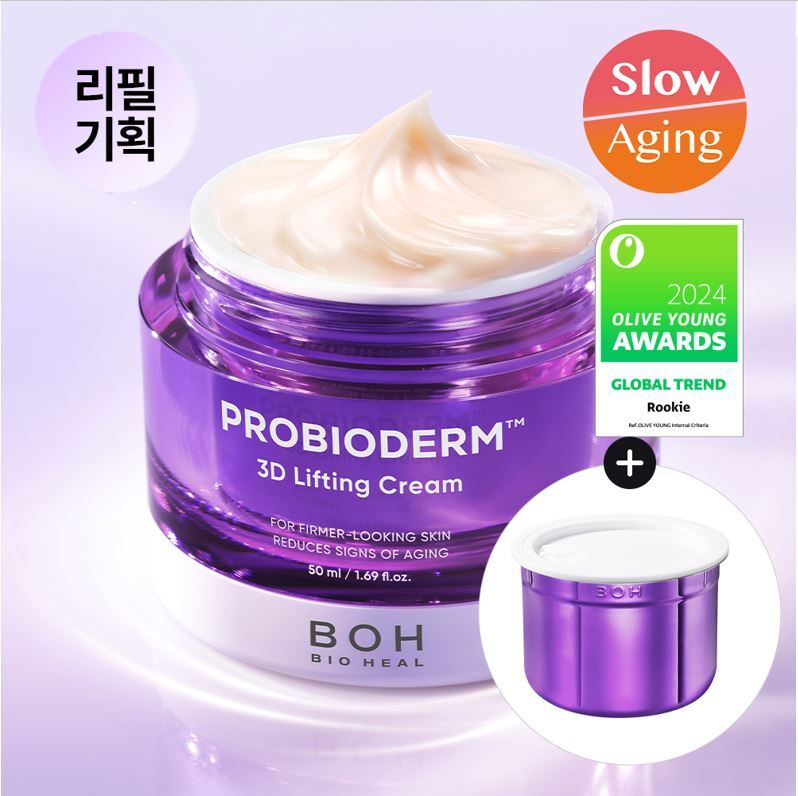
Probioderm 3D Lifting Cream
Bioheal BOH
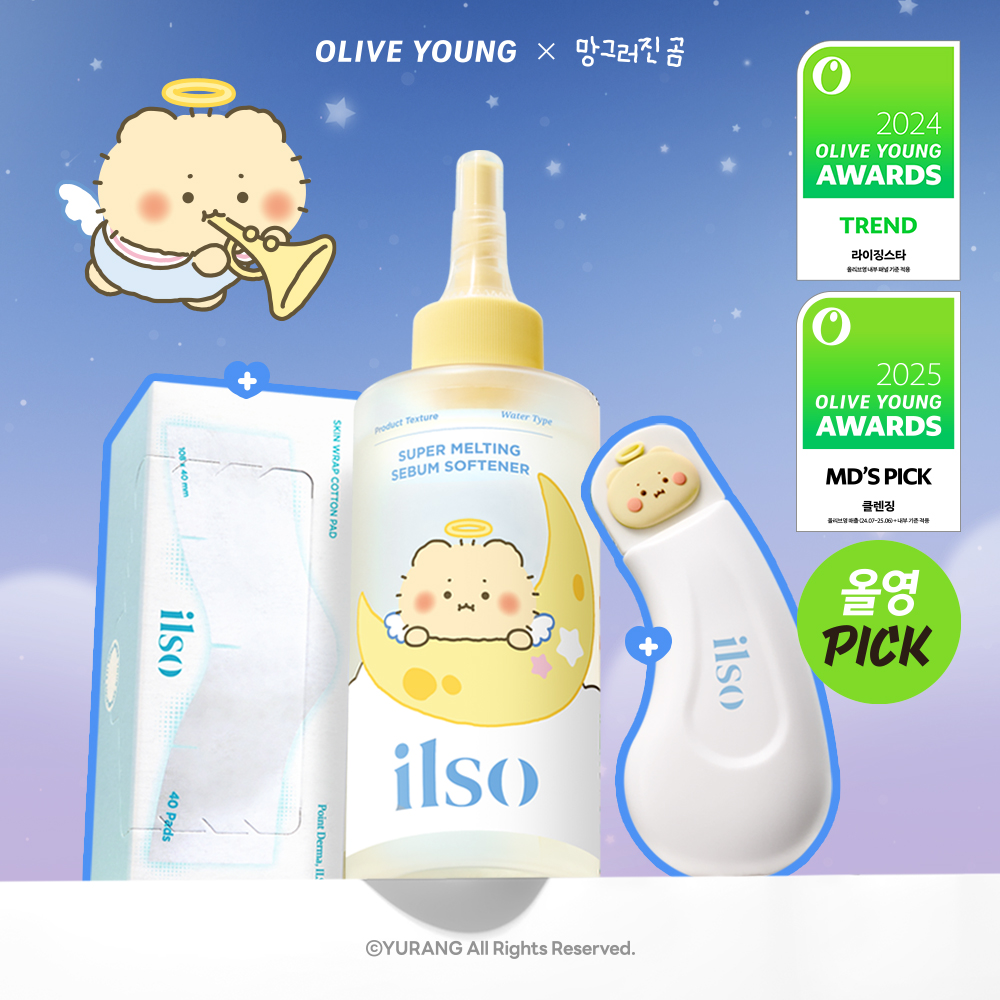
Super Melting Sebum Softener Set
Ilso
Yuja Cleansing Peeling Gel Balm
Hanyul
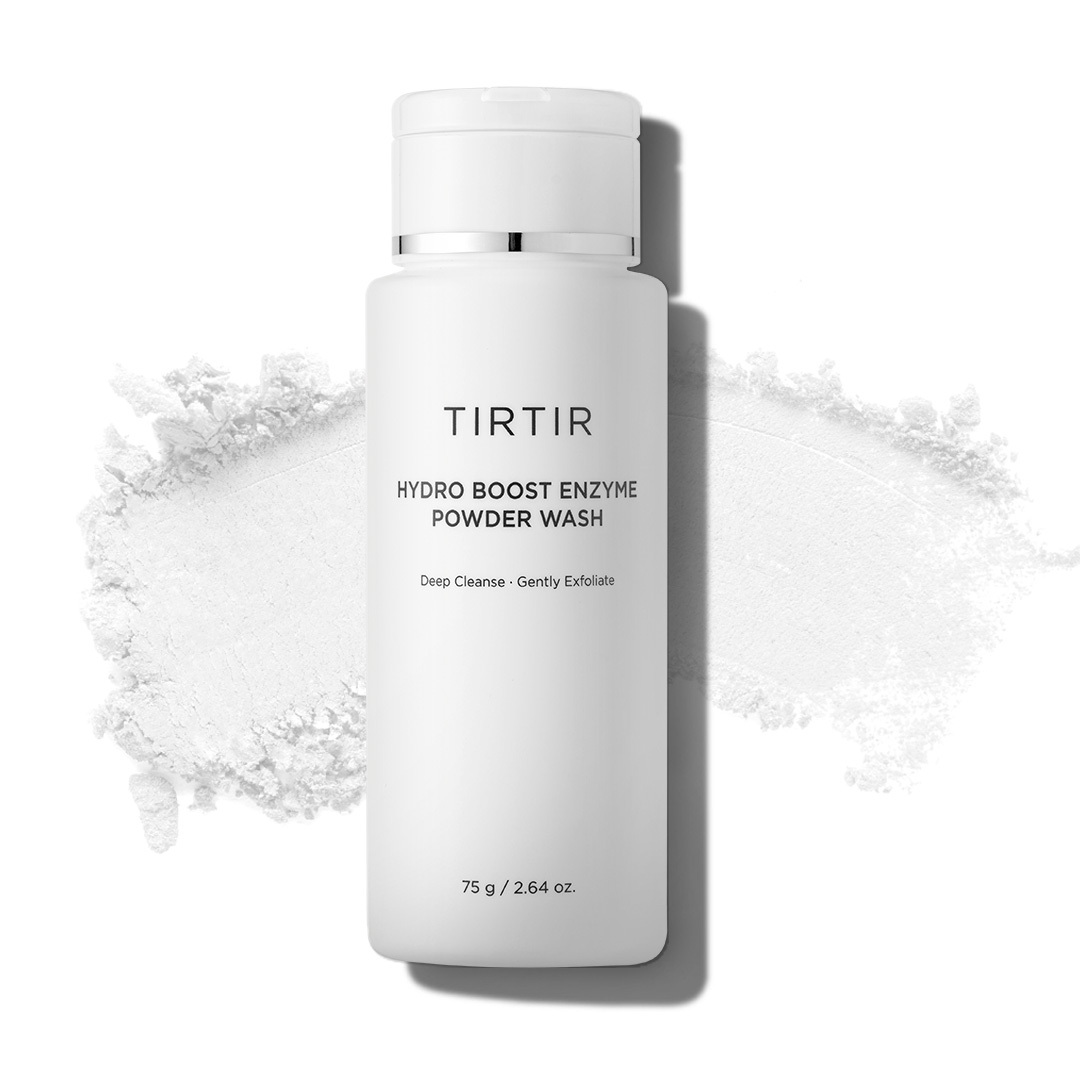
Hydro Boost Enzyme Powder Wash
TIRTIR
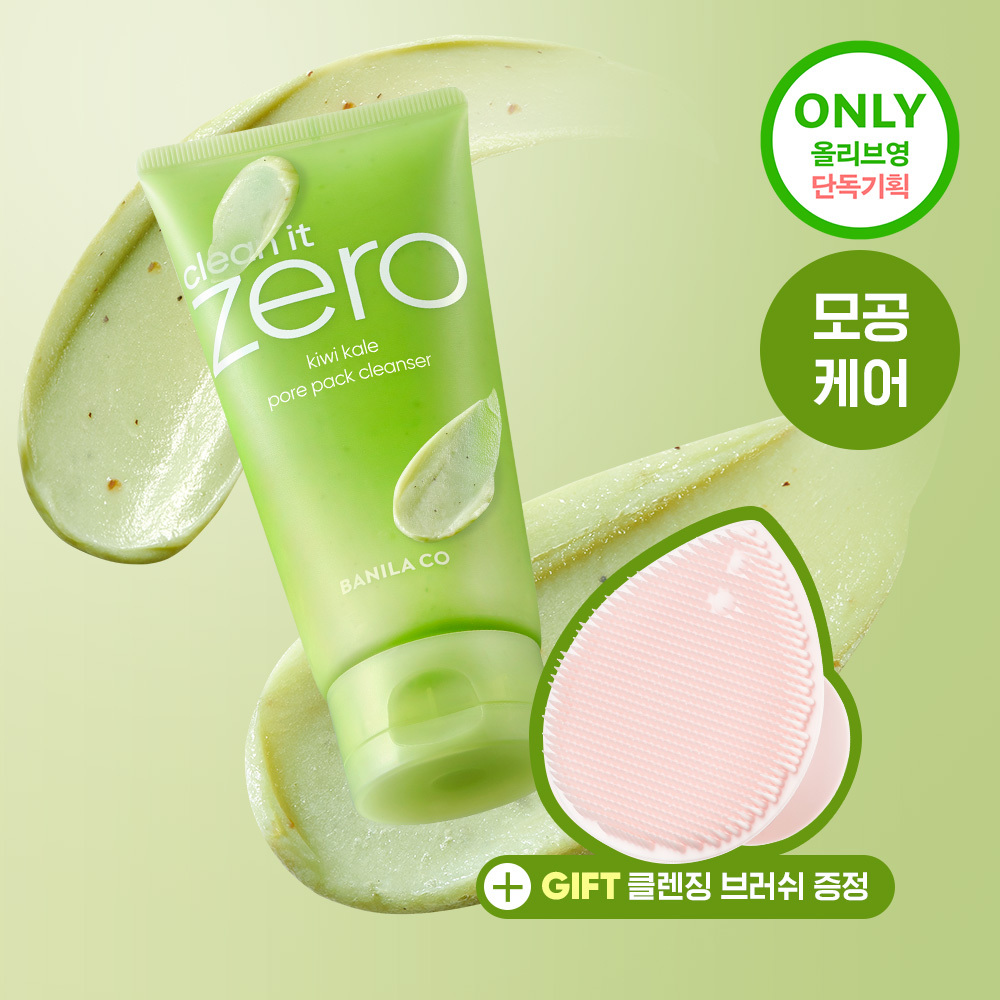
Clean It Zero Kiwi Kale Pore Pack Cleanser
Banila Co
Frequently Asked Questions
Is Lactobacillus Ferment Lysate the same as taking probiotics for your skin?▼
Can I use Lactobacillus Ferment Lysate with active ingredients like retinol or acids?▼
Why do so many top-rated K-beauty products on Seoul Sister contain this ingredient?▼
How long does it take to see results from products with Lactobacillus Ferment Lysate?▼
Is this ingredient safe during pregnancy or for sensitive conditions like rosacea?▼
Explore More
Want personalized ingredient advice?
Yuri, our AI beauty advisor, can tell you how Lactobacillus Ferment Lysate works with your specific skin type, routine, and concerns.
Ask Yuri, free