Hibiscus Ferment Filtrate
INCI: Lactobacillus/Hibiscus Sabdariffa Flower Ferment Filtrate
Probiotic extract that brightens and exfoliates skin
About Hibiscus Ferment Filtrate
Hibiscus Ferment Filtrate is a probiotic extract created by fermenting hibiscus flowers (Hibiscus sabdariffa) with Lactobacillus bacteria. This biotech ingredient represents K-beauty's signature approach to skincare: taking a traditional botanical and enhancing its efficacy through fermentation. The process breaks down hibiscus flower compounds into smaller, more bioavailable molecules while generating new beneficial metabolites like organic acids, peptides, and postbiotics. The result is a multitasking ingredient that brightens skin, provides gentle exfoliation through natural alpha-hydroxy acids (particularly citric and malic acid), and supports the skin microbiome. In K-beauty formulations, it's prized for delivering visible radiance without the irritation often associated with chemical exfoliants. With a comedogenic rating of 0/5, it won't clog pores, making it universally suitable across skin types. The ingredient appears in highly-rated products on Seoul Sister, including SUM37's Micro-Active Bubbletox masks and Numbuzin's Super Glowing Essence Toner (all rated 5.0/5), where it contributes to brightening, texture refinement, and that coveted Korean glass skin glow. Its probiotic nature also helps balance skin's beneficial bacteria, supporting barrier function and resilience against environmental stressors.
How Hibiscus Ferment Filtrate Works
The magic happens at the molecular level during fermentation. When Lactobacillus bacteria metabolize hibiscus flower compounds, they break down large polysaccharides and anthocyanins into smaller molecules that penetrate skin more effectively. The bacteria produce natural AHAs (citric, malic, and lactic acids) that gently dissolve the bonds between dead skin cells, accelerating cellular turnover without aggressive stripping. These organic acids also inhibit tyrosinase, the enzyme responsible for melanin production, which explains the brightening effect. Simultaneously, fermentation generates postbiotics (bacterial metabolites) that communicate with skin cells to reduce inflammation and strengthen barrier proteins like filaggrin. The filtrate contains vitamin C derivatives and anthocyanins with antioxidant properties that neutralize free radicals and prevent oxidative damage to melanocytes and collagen. Unlike synthetic AHAs that work solely through chemical exfoliation, hibiscus ferment filtrate also delivers prebiotic compounds that feed beneficial skin bacteria, helping maintain an optimal microbiome pH of 4.5 to 5.5. This dual action means you get exfoliation plus microbiome support, leading to smoother texture, improved radiance, and more resilient skin over time.
Hibiscus Ferment Filtrate by Skin Type
Oily Skin
Excellent for oily skin. The natural AHAs help control excess sebum by keeping pores clear of dead cells and debris, while the non-comedogenic formula (0/5 rating) ensures it won't trigger breakouts. The gentle exfoliation also helps fade post-acne marks faster, which is why it appears in Papa Recipe's Blemish line.
Dry Skin
Surprisingly beneficial for dry skin despite being an exfoliant. The fermentation process creates humectant compounds and postbiotics that support barrier repair, helping skin retain moisture. The exfoliation is gentle enough to remove flaky patches without causing sensitivity, and unlike harsh acids, it doesn't compromise the lipid barrier.
Combo Skin
Ideal for combination skin because it addresses multiple concerns simultaneously. It manages oiliness in the T-zone through gentle exfoliation while the probiotic components support hydration in drier areas. The balanced approach makes it perfect for products like Numbuzin's essence toner, which needs to work across different zones.
Sensitive Skin
Generally well-tolerated by sensitive skin due to its probiotic nature and gentle fermented acids. The postbiotics actively reduce inflammation and strengthen the skin barrier, making it less reactive over time. However, if you're extremely sensitive to acids, start with once or twice weekly use and observe how your skin responds.
Normal Skin
Perfect maintenance ingredient for normal skin. It provides preventative care by supporting microbiome balance, delivering antioxidant protection, and maintaining smooth texture and even tone. Regular use helps keep normal skin in optimal condition and can prevent future concerns from developing.
How to Use Hibiscus Ferment Filtrate
- 1Layer it strategically: Use products with hibiscus ferment filtrate after cleansing but before heavier serums and creams to maximize absorption of those smaller fermented molecules.
- 2Start gradually if new to acids: Even though it's gentle, introduce it 2-3 times per week initially, then increase frequency as your skin builds tolerance.
- 3Pair with niacinamide for amplified brightening: The combination targets hyperpigmentation through complementary mechanisms (hibiscus inhibits tyrosinase, niacinamide blocks melanosome transfer).
- 4Use morning or night, but add SPF in daytime: While gentler than synthetic AHAs, it still increases photosensitivity slightly, so sunscreen is non-negotiable.
- 5Don't overdo acid layering: If your routine already includes strong exfoliants like glycolic acid or retinol, let hibiscus ferment filtrate be your gentler option on alternate days to avoid barrier damage.
Background
Hibiscus sabdariffa, also called roselle, has been used for centuries in traditional African and Asian medicine for its anti-inflammatory and antioxidant properties. Korean beauty brands discovered that fermenting hibiscus with Lactobacillus bacteria, a technique borrowed from traditional kimchi-making and fermented skincare practices, dramatically enhanced its skincare benefits. The fermentation technology emerged in the early 2010s as K-beauty brands like SUM37 (the name refers to ideal fermentation temperature, 37°C) pioneered ingredient fermentation for cosmetic applications. This innovation transformed hibiscus from a simple botanical extract into a sophisticated biotech ingredient with proven efficacy. Today, it represents K-beauty's philosophy of "slow beauty," where ingredients are carefully cultured over weeks or months to maximize potency. The probiotic skincare trend has further elevated hibiscus ferment filtrate's status, as consumers seek microbiome-friendly alternatives to harsh chemical exfoliants.
K-Beauty Products with Hibiscus Ferment Filtrate
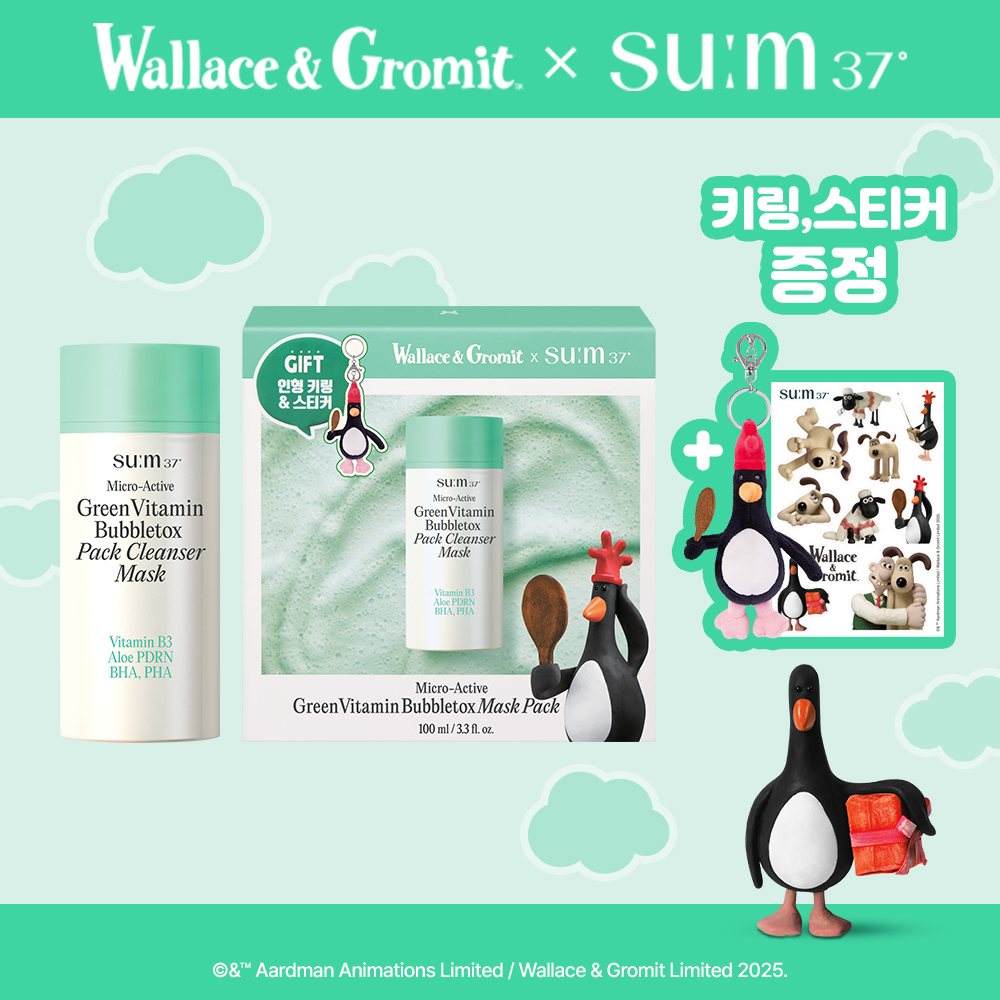
Micro-Active Green Vitamin Bubbletox Pack Cleanser Mask
SUM37
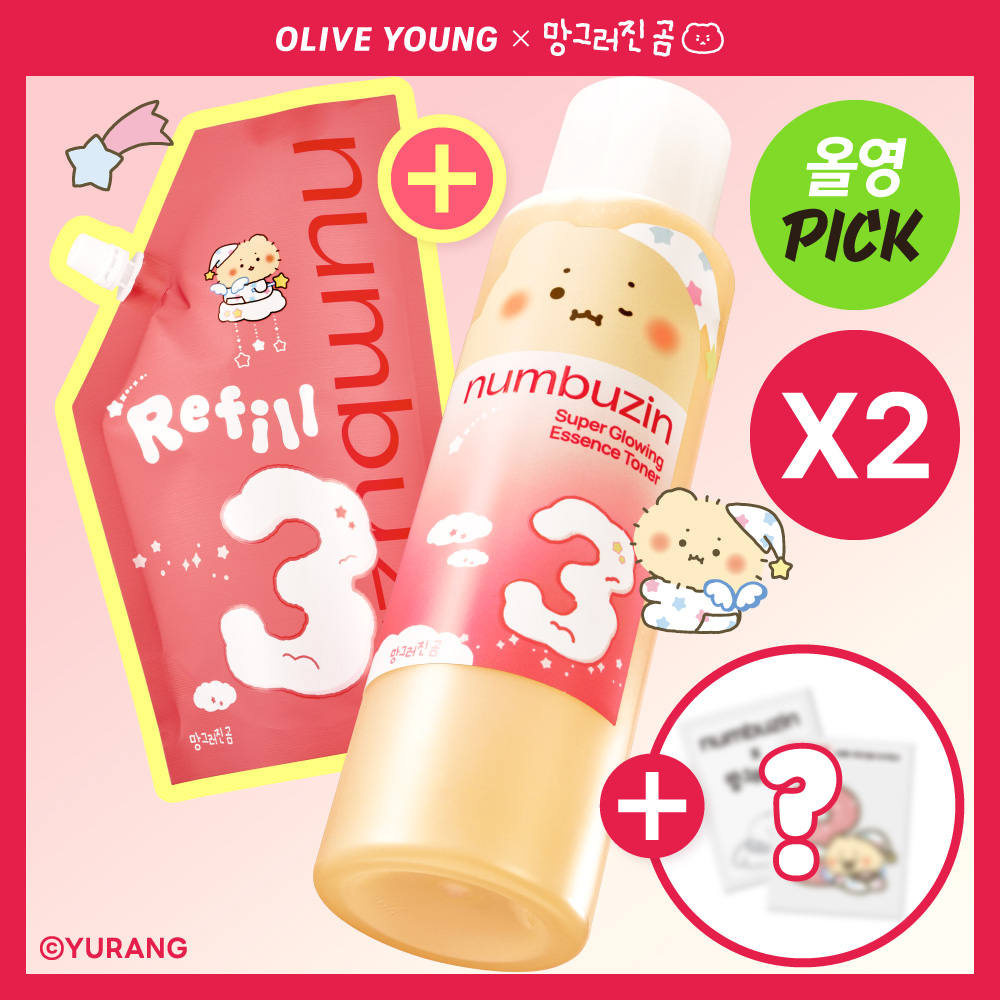
No. 3 Super Glowing Essence Toner
Numbuzin
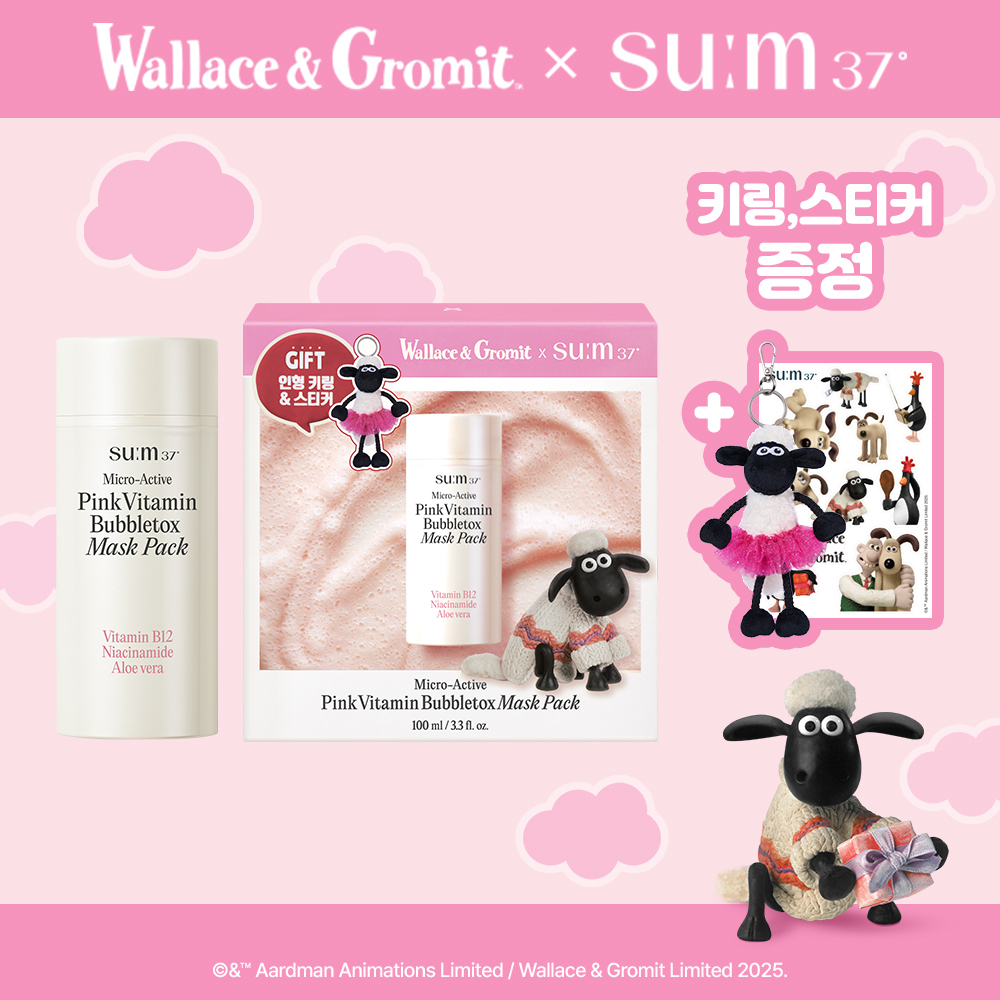
Micro-Active Pink Vitamin Bubbletox Mask Pack
SUM37
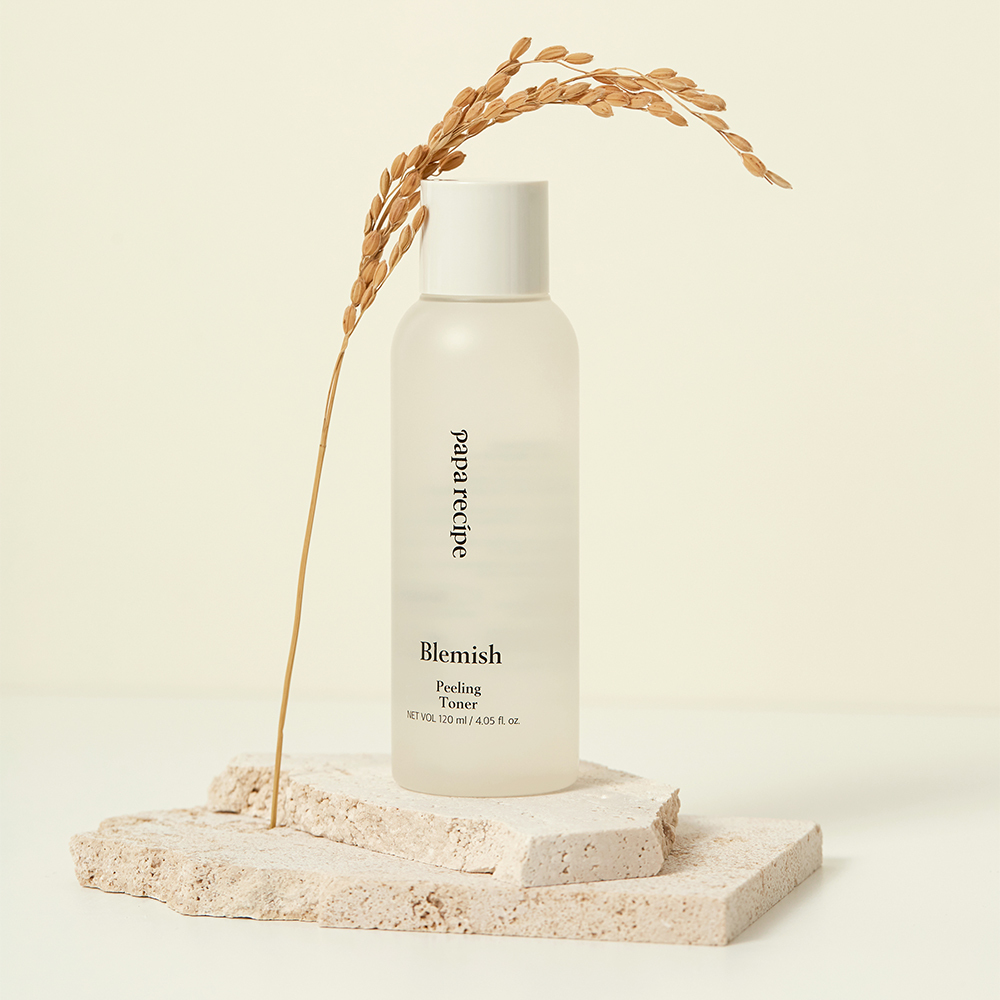
Blemish Peeling Toner
Papa Recipe
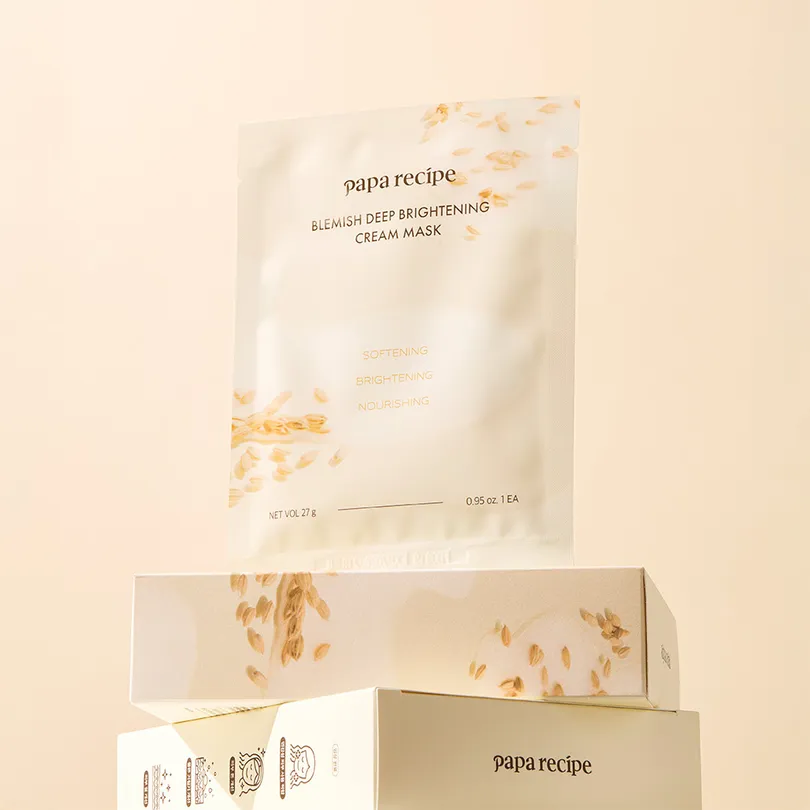
Blemish Deep Brightening Cream Mask Sheet
Papa Recipe
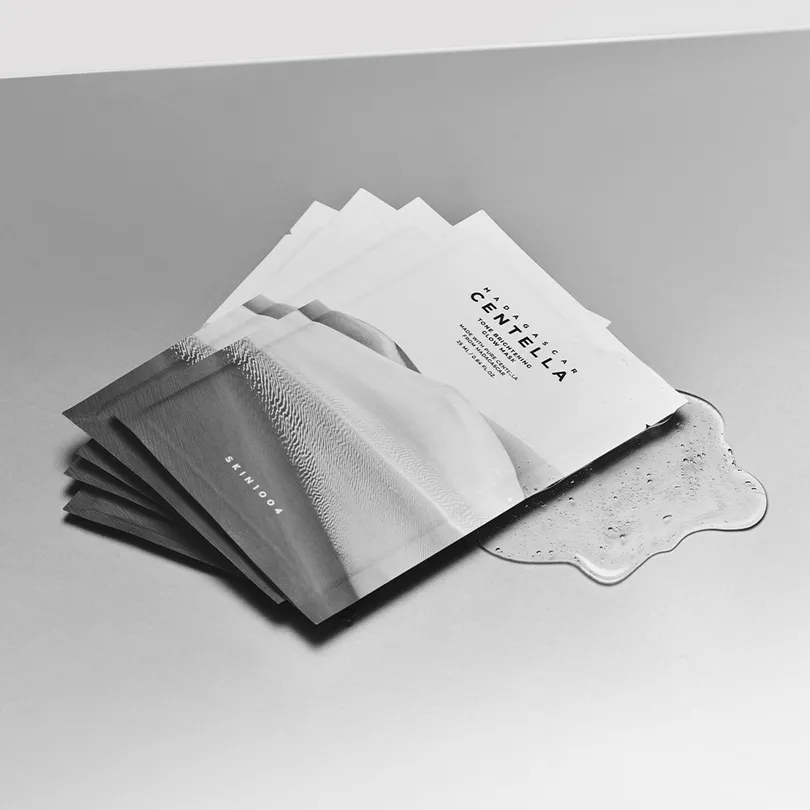
Madagascar Centella Tone Brightening Glow Mask
SKIN1004
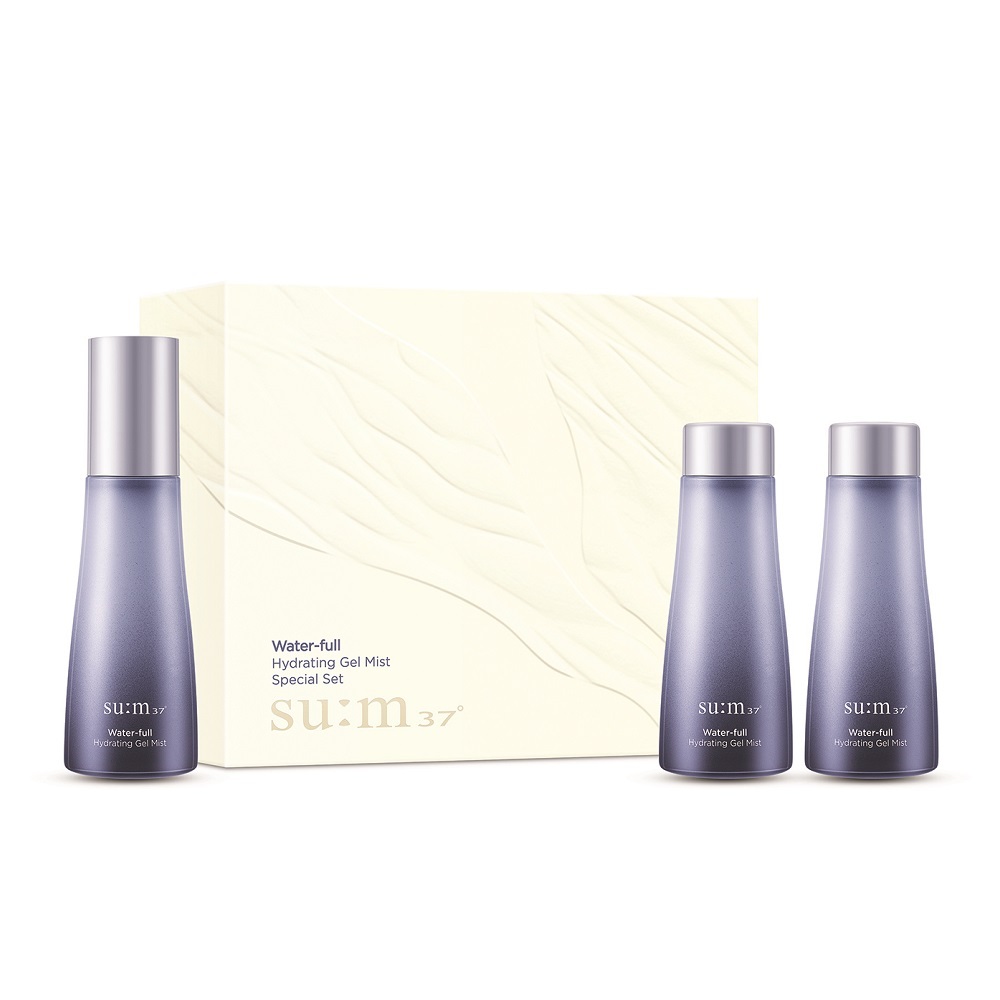
Water-full Hydrating Gel Mist
SUM37
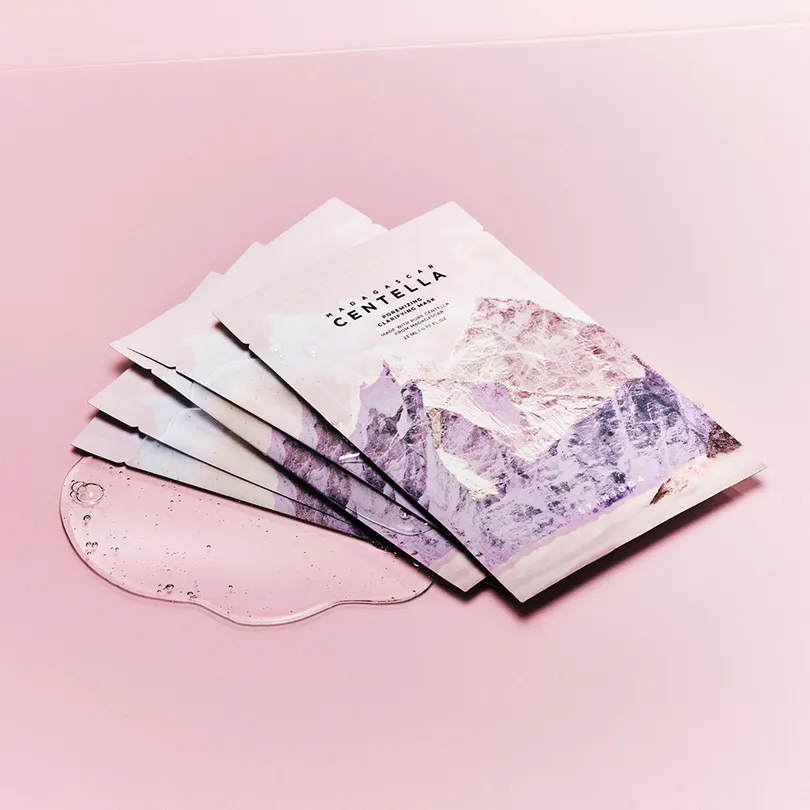
Madagascar Centella Poremizing Clarifying Mask
SKIN1004
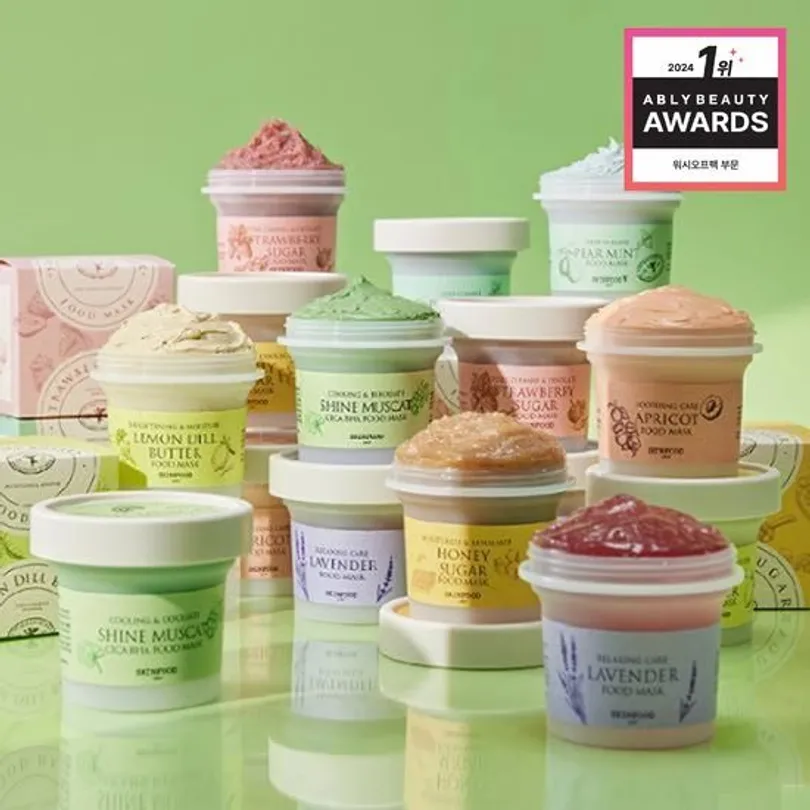
Food Mask
Skinfood
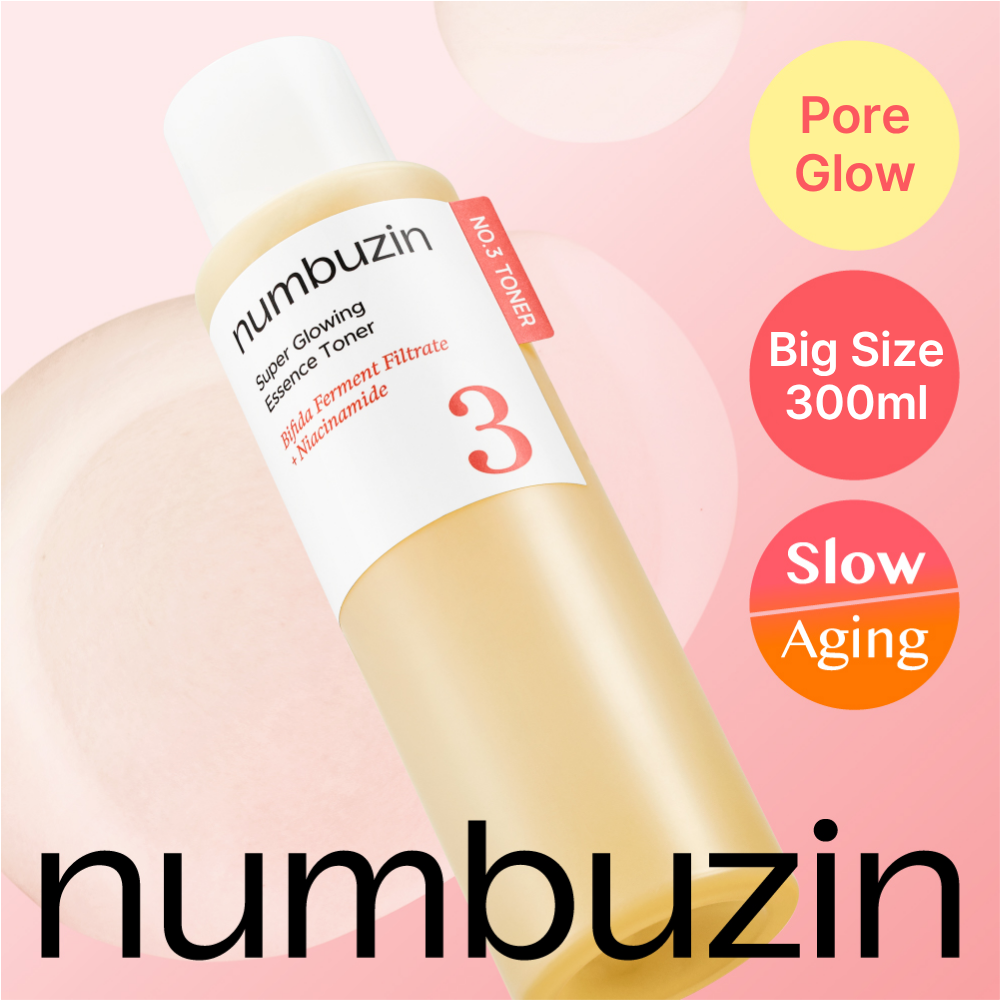
No.3 Super Glowing Essence Toner
Numbuzin
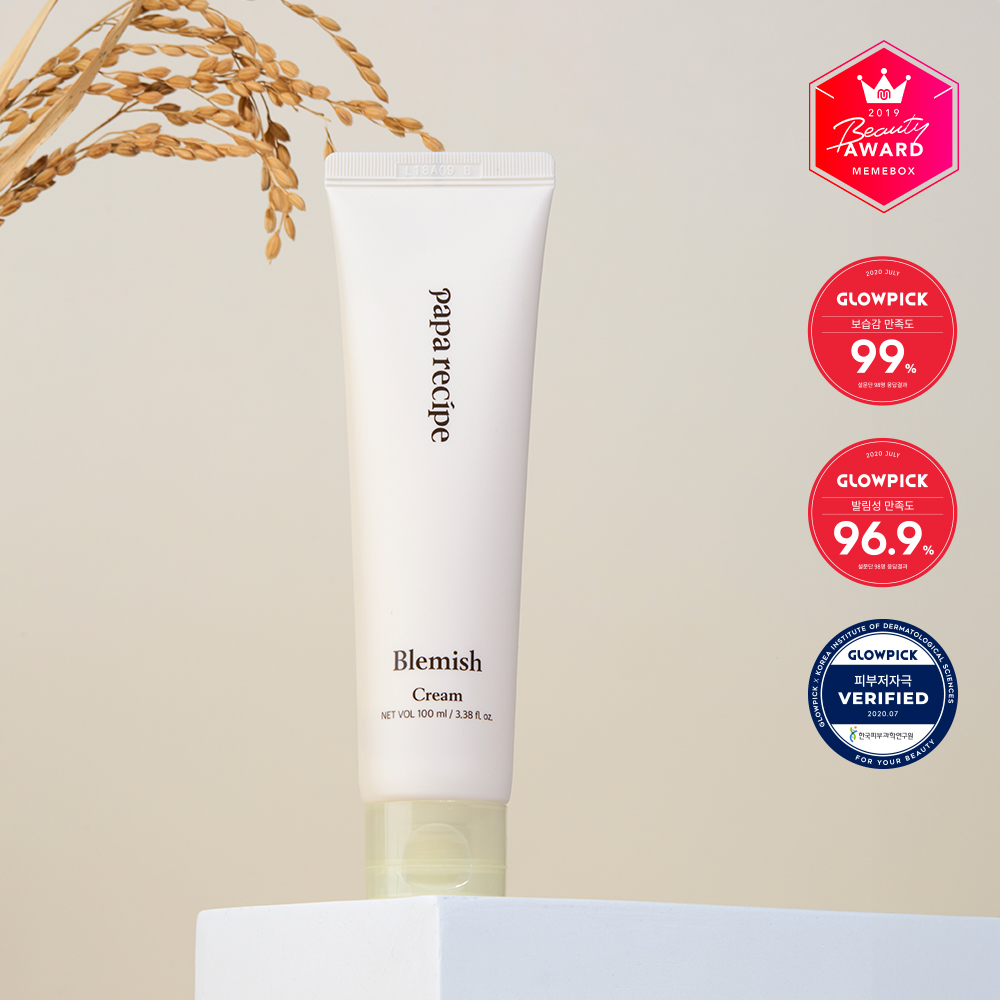
Blemish Cream
Papa Recipe
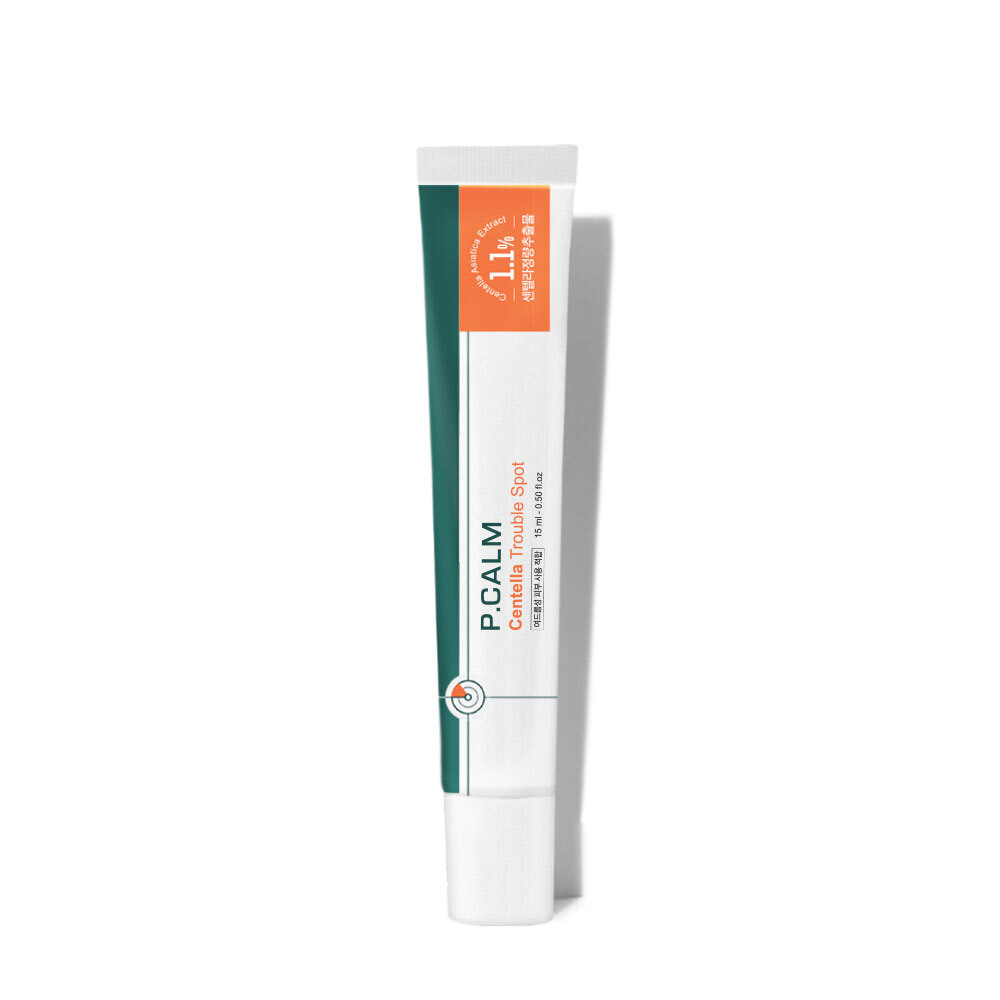
P.CALM Centella Trouble Spot
Aestura
Frequently Asked Questions
Is hibiscus ferment filtrate the same as regular hibiscus extract?▼
Can I use hibiscus ferment filtrate with retinol or vitamin C?▼
How long does it take to see brightening results?▼
Why is fermented hibiscus so popular in K-beauty but rare in Western skincare?▼
Will this make my skin purge like other exfoliating acids?▼
Explore More
Want personalized ingredient advice?
Yuri, our AI beauty advisor, can tell you how Hibiscus Ferment Filtrate works with your specific skin type, routine, and concerns.
Ask Yuri, free