Fermented Rye Extract
INCI: Lactobacillus/Rye Flour Ferment
Probiotic-derived conditioning and skin barrier support
About Fermented Rye Extract
Fermented Rye Extract, scientifically known as Lactobacillus/Rye Flour Ferment, represents a sophisticated evolution in K-beauty's postbiotic skincare movement. This ingredient is created through a carefully controlled fermentation process where Lactobacillus bacteria break down rye flour, producing a complex mixture of beneficial metabolites, amino acids, peptides, and organic acids. The fermentation process transforms simple rye flour into a bioactive powerhouse that supports skin barrier function, provides conditioning benefits, and delivers gentle exfoliation through naturally occurring lactic acid. Unlike live probiotics, which can be unstable in skincare formulations, this fermented extract offers the skin-strengthening benefits of postbiotics in a shelf-stable form. K-beauty brands have embraced fermented ingredients for decades, with rye extract becoming particularly popular in products targeting dull, compromised, or sensitized skin. The ingredient's impressive safety rating of 4/5 and low comedogenic rating of 1/5 make it suitable for most skin types, while its presence in 18 products across Seoul Sister's database, including cult favorites like Numbuzin's No. 3 Super Glowing Essence Toner, demonstrates its versatility. The fermentation process also creates natural humectants that help skin retain moisture, while the probiotic-derived compounds support a balanced skin microbiome. This makes fermented rye extract especially valuable in modern K-beauty routines focused on skin barrier repair and long-term skin health rather than quick fixes.
How Fermented Rye Extract Works
The Lactobacillus fermentation process breaks down rye flour's complex starches and proteins into smaller, skin-accessible molecules including peptides, amino acids, and alpha-hydroxy acids. These metabolites work on multiple levels to improve skin function. The amino acids act as natural moisturizing factors, binding water to the skin's surface and strengthening the moisture barrier. Peptides derived from fermentation can signal fibroblasts to increase collagen production and support skin structure. The naturally occurring lactic acid provides gentle chemical exfoliation by loosening the bonds between dead skin cells, promoting cell turnover without the irritation associated with higher-concentration acids. Perhaps most importantly, the postbiotic compounds (metabolic byproducts of beneficial bacteria) help regulate the skin's microbiome by creating an environment where healthy bacteria thrive and harmful bacteria struggle to colonize. This microbiome support strengthens the skin's first line of defense against environmental stressors and inflammation. The fermentation process also increases the bioavailability of vitamins and minerals originally present in rye, making these nutrients more easily absorbed by skin cells.
Fermented Rye Extract by Skin Type
Oily Skin
Fermented rye extract works exceptionally well for oily skin due to its gentle exfoliating properties and microbiome-balancing effects. The natural lactic acid helps prevent pore congestion without stripping skin or triggering rebound oil production. Its low comedogenic rating of 1/5 means it won't clog pores, making it ideal for acne-prone oily types.
Dry Skin
This ingredient is highly beneficial for dry skin because the fermentation process creates natural humectants and amino acids that act as moisture magnets. The conditioning properties help repair a compromised skin barrier, which is often the root cause of chronic dryness. Products like SUM37's Secret Pore Ceramide Bubble Spray Serum pair fermented rye with barrier-repair ingredients for maximum hydration benefits.
Combo Skin
Combination skin benefits from fermented rye extract's balanced approach to skin conditioning. It provides enough moisture for dry zones without overwhelming oily areas, while the gentle exfoliation helps normalize skin texture across different face regions. The microbiome support helps combination skin maintain equilibrium, reducing the appearance of contrast between different zones.
Sensitive Skin
With a 4/5 safety rating and probiotic-derived postbiotics, fermented rye extract is generally well-tolerated by sensitive skin. The gentle nature of enzymatic fermentation produces milder acids compared to synthetic formulations, and the microbiome-supporting properties can actually help reduce sensitivity over time by strengthening skin's defenses. However, those with specific grain sensitivities should patch test first.
Normal Skin
Normal skin types can use fermented rye extract as a preventative maintenance ingredient that keeps skin functioning optimally. The conditioning and microbiome-balancing effects help preserve skin health, while the gentle exfoliation maintains the natural glow evident in products like Numbuzin's No. 3 Super Glowing Essence Toner, which has earned a perfect 5.0/5 rating.
How to Use Fermented Rye Extract
- 1Look for fermented rye extract in essence toners or first treatment essences, where its water-soluble compounds can penetrate effectively on clean skin.
- 2Layer fermented rye products before heavier creams or oils to maximize absorption of the amino acids and peptides.
- 3If you're new to fermented ingredients, start with leave-on products like essences rather than wash-off cleansers to give your skin time to adapt to the postbiotic benefits.
- 4Pair fermented rye extract with ceramides or other barrier-repair ingredients (as seen in SUM37's formulations) for enhanced skin strengthening effects.
- 5Use products containing fermented rye extract consistently for at least 4-6 weeks to see microbiome-balancing and barrier-repair benefits, as these changes happen gradually at the cellular level.
Background
Rye has been cultivated for over 4,000 years, primarily in Eastern Europe and Asia, where it served as a staple grain in harsh climates. Traditional Korean fermentation practices, which date back centuries and include fermented foods like makgeolli (rice wine) and doenjang (soybean paste), laid the cultural foundation for K-beauty's innovative use of fermented skincare ingredients. The modern application of Lactobacillus fermentation to rye flour for cosmetic use emerged in the early 2000s as Korean cosmetic scientists explored traditional fermentation wisdom through a biotechnology lens. Brands like SUM37 (whose name references the optimal 37°C fermentation temperature) pioneered fermented skincare in K-beauty, elevating ancient preservation techniques into cutting-edge postbiotic skincare. The ingredient gained mainstream attention as consumers became more educated about the microbiome's role in skin health, transforming from a niche fermented ingredient into a sought-after component in products ranging from cleansers to ampoules.
K-Beauty Products with Fermented Rye Extract
View all 21 →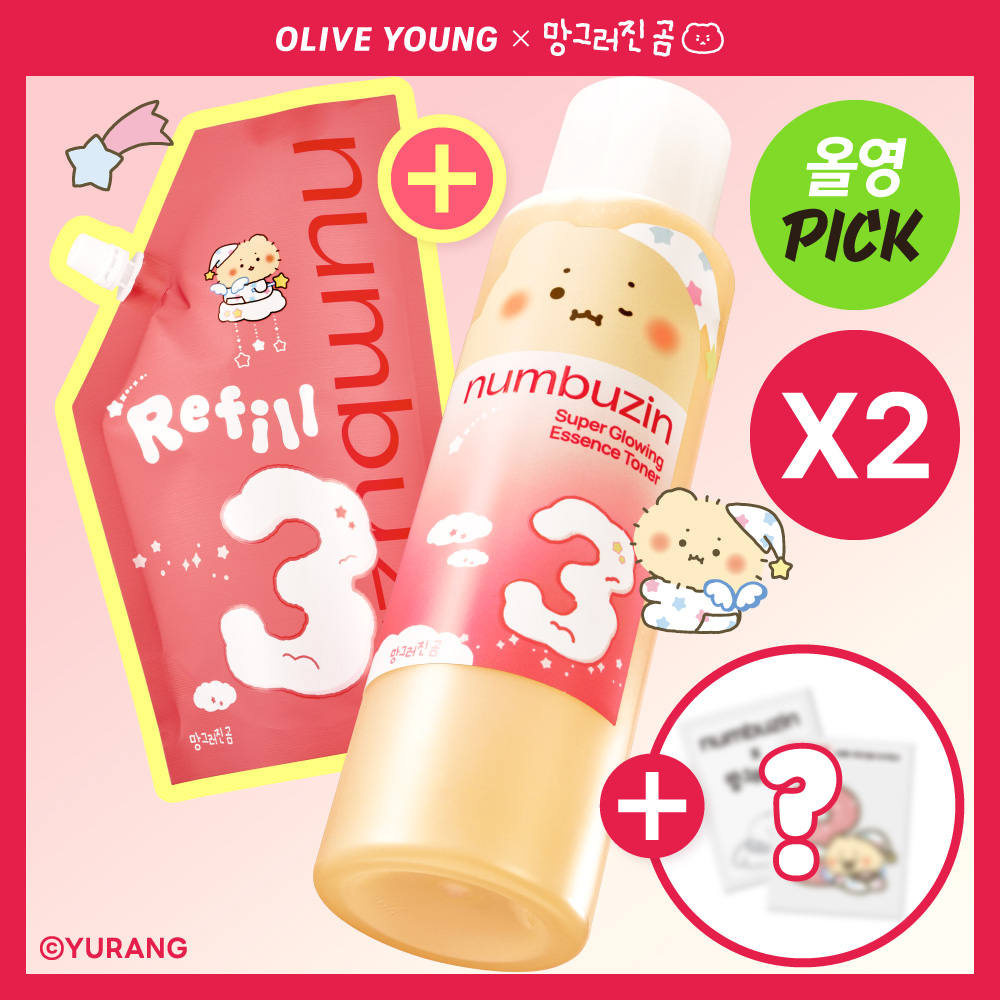
No. 3 Super Glowing Essence Toner
Numbuzin
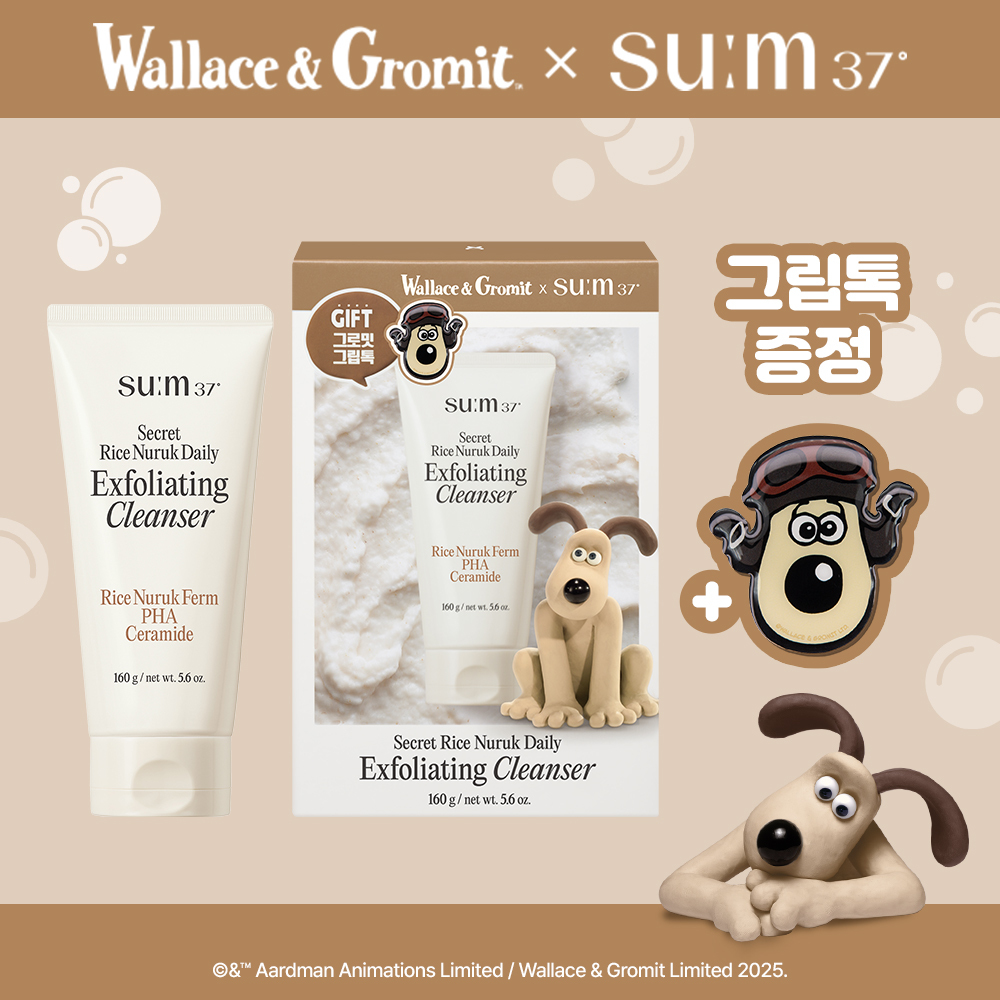
Secret Rice Nuruk Daily Exfoliating Cleanser
SUM37
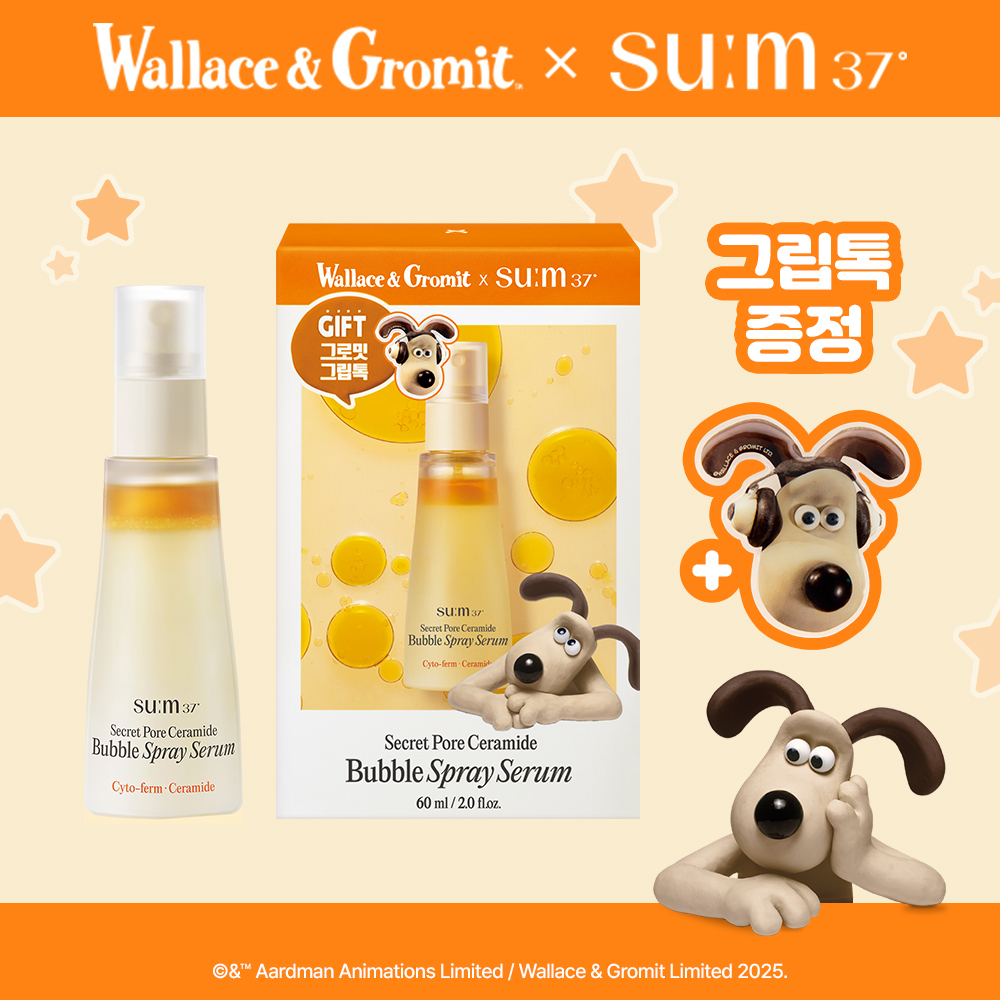
Secret Pore Ceramide Bubble Spray Serum
SUM37
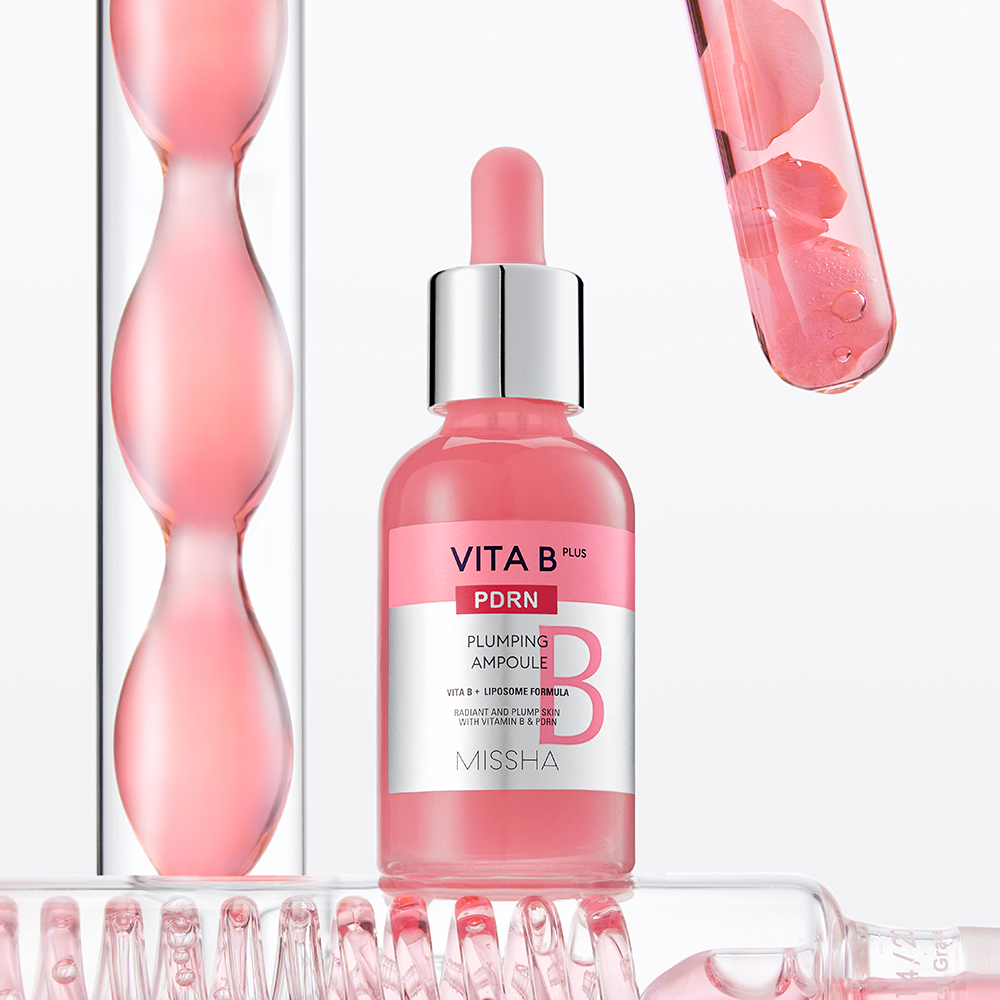
Vita B Plus PDRN Plumping Ampoule
MISSHA
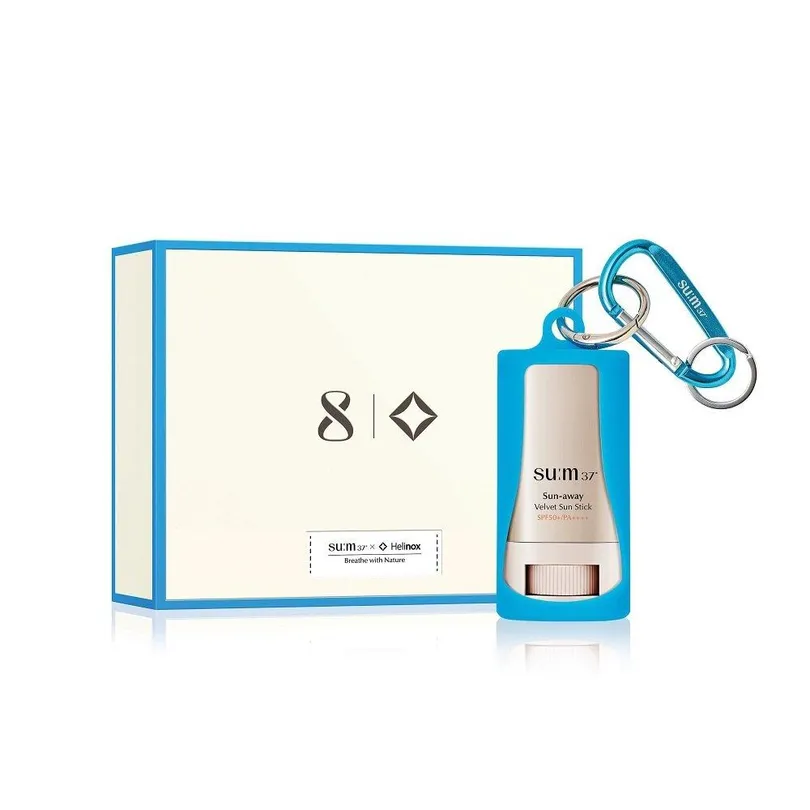
Sun-away Velvet Sun Stick Set
SUM37
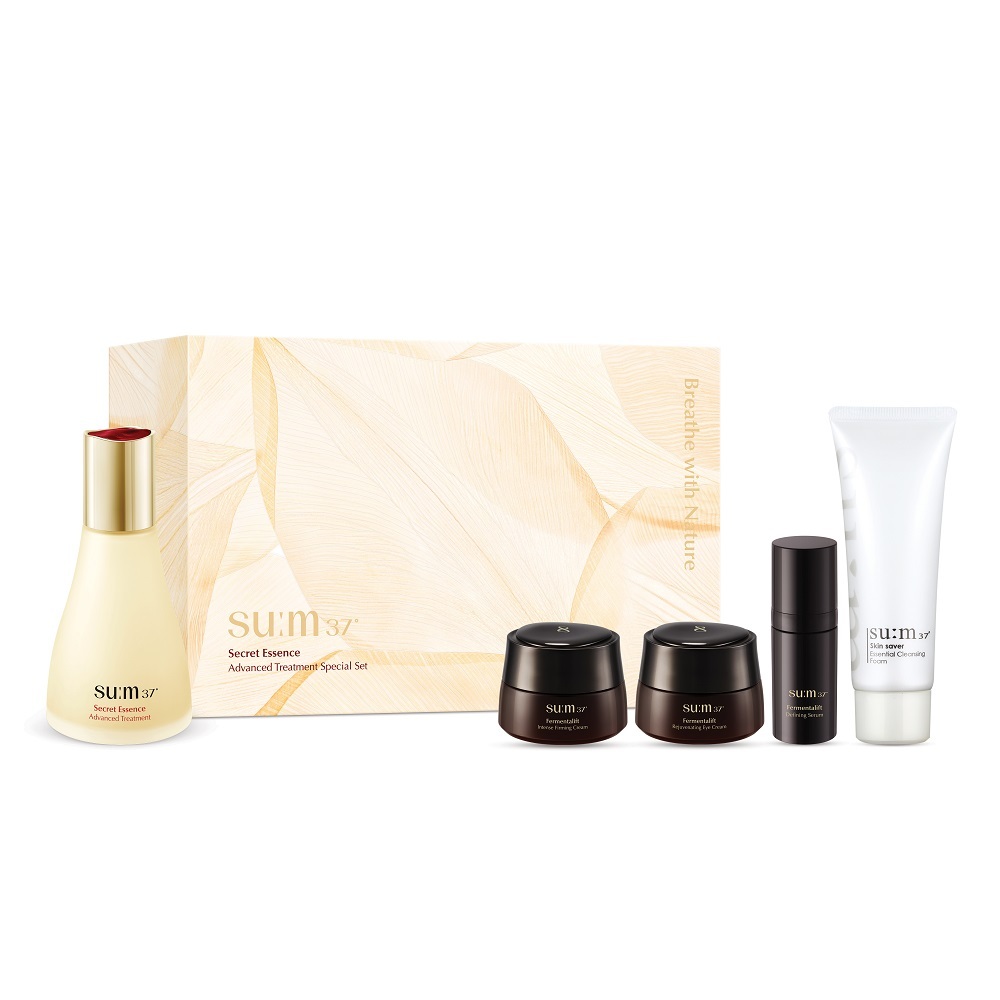
Secret Essence
SUM37
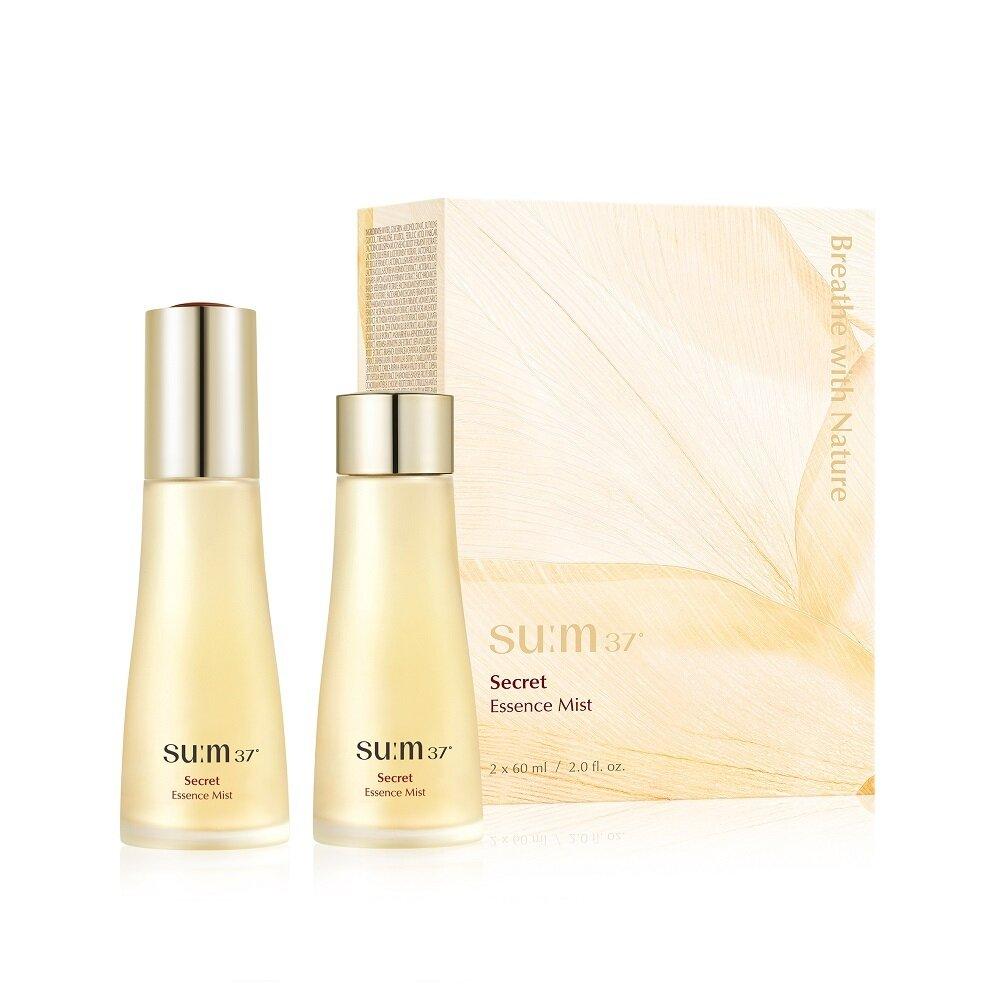
Secret Essence Mist
SUM37
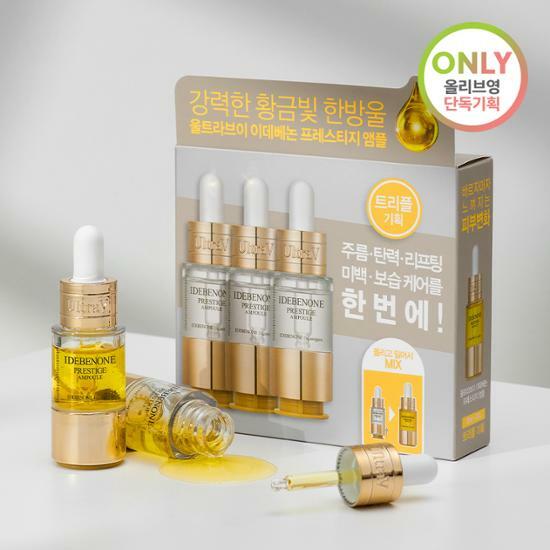
Ultra V Idebenone Prestige Ampoule 3ea
Anua
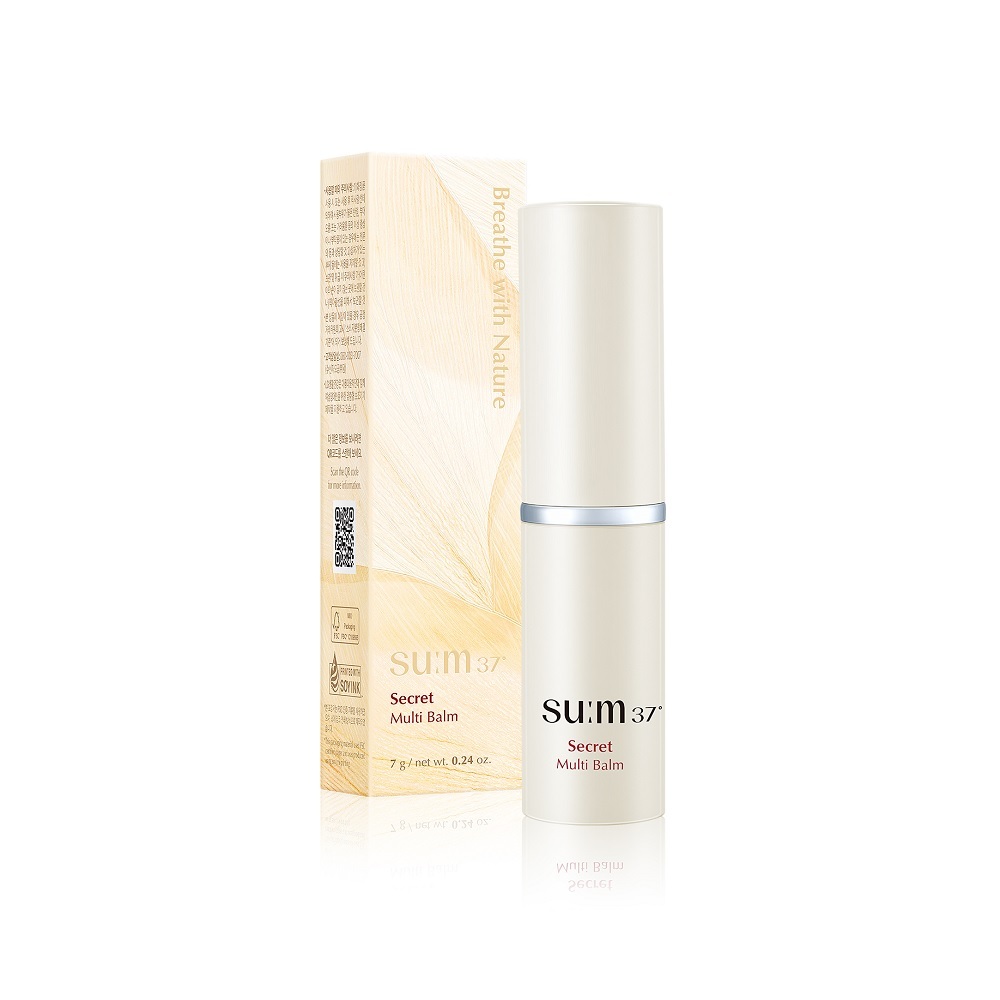
Secret Multi Balm
SUM37
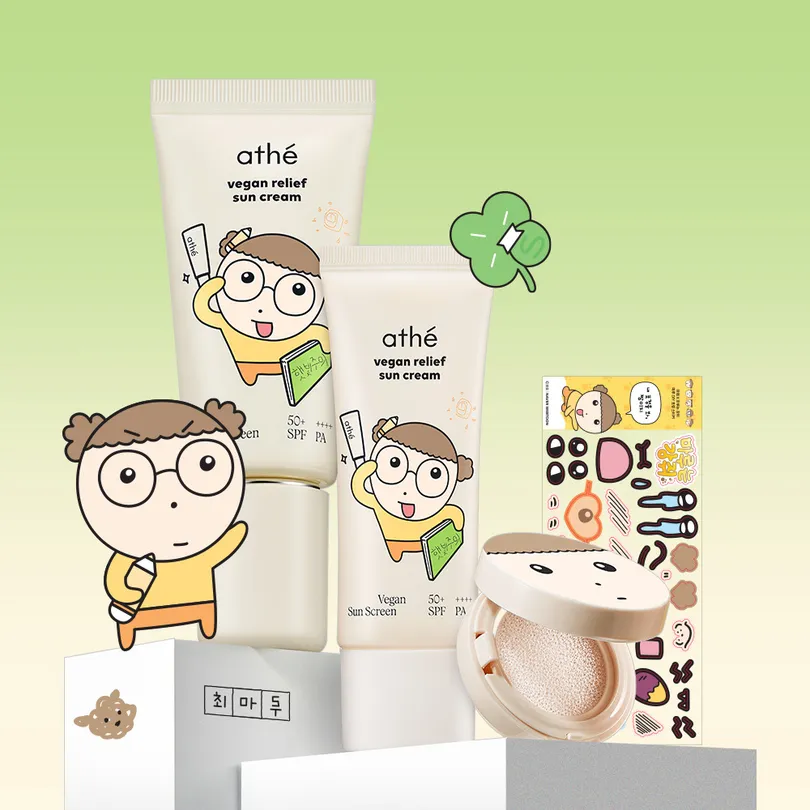
Vegan Relief Sun Cream SPF50+ PA++++
Athe
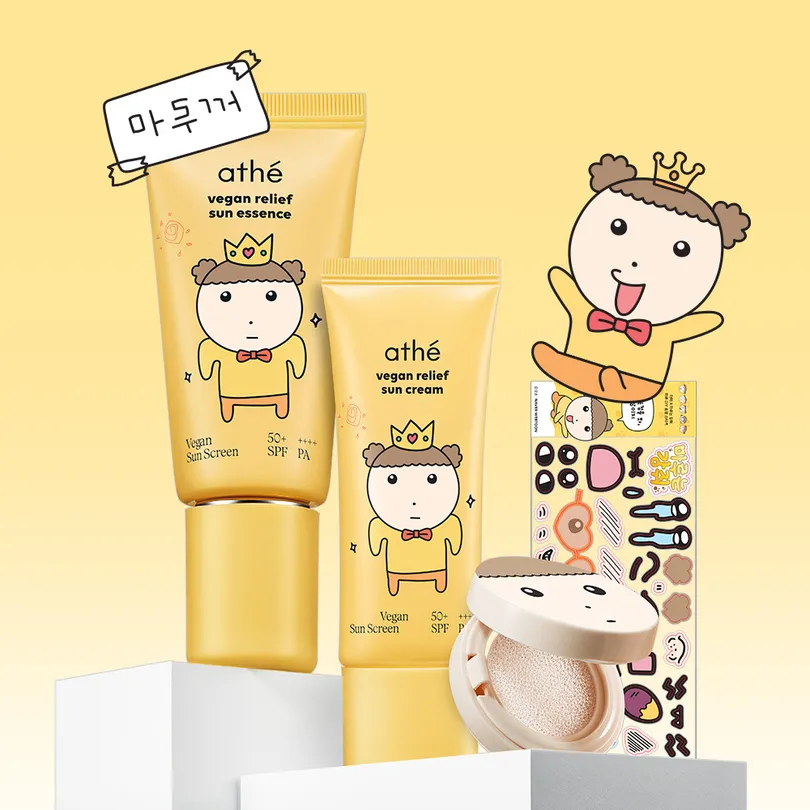
Vegan Relief Sun Essence EX SPF50+ PA++++ Set
Athe
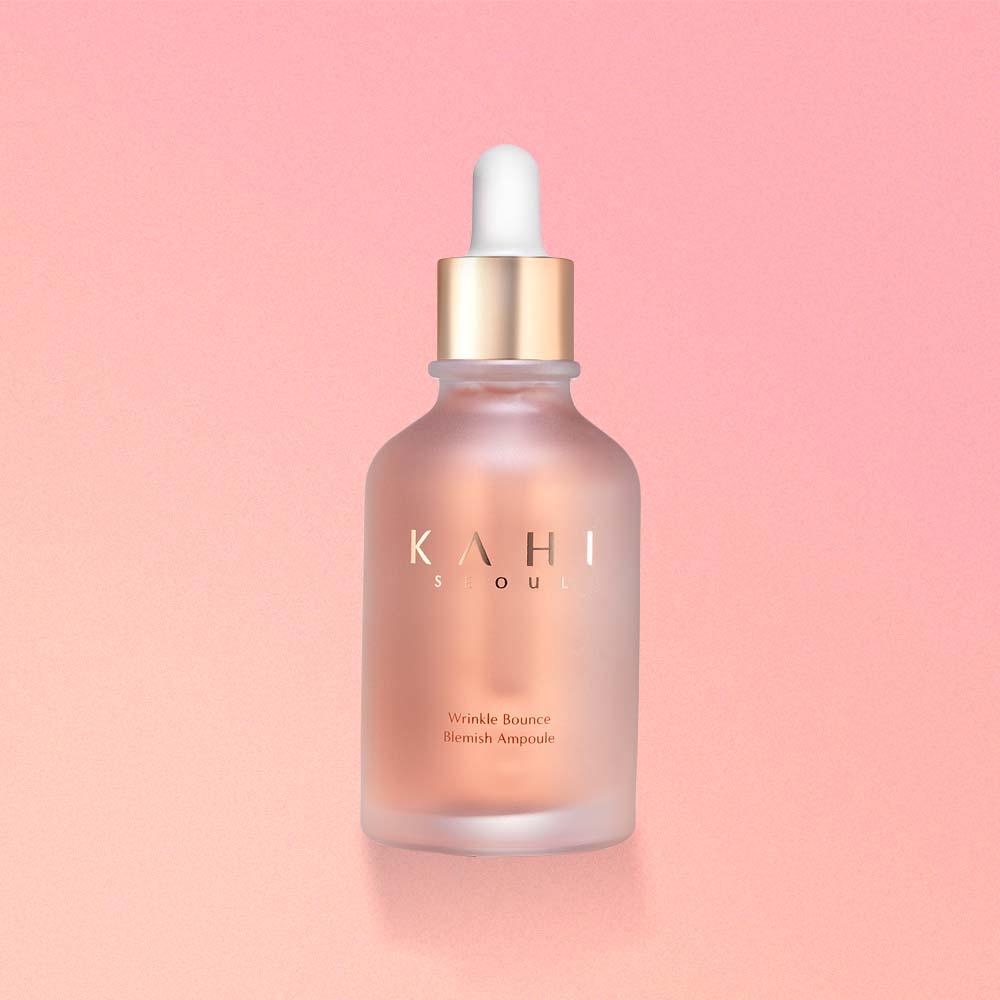
Blemish Ampoule
KAHI
Frequently Asked Questions
Is fermented rye extract safe for gluten-sensitive skin?▼
How does fermented rye extract compare to other fermented ingredients like galactomyces?▼
Why do so many highly-rated products on Seoul Sister contain fermented rye extract?▼
Can I use fermented rye extract with acids or retinol?▼
Explore More
Want personalized ingredient advice?
Yuri, our AI beauty advisor, can tell you how Fermented Rye Extract works with your specific skin type, routine, and concerns.
Ask Yuri, free