Lactobionic Acid
Gentle PHA exfoliant and humectant
About Lactobionic Acid
Lactobionic acid is a next-generation polyhydroxy acid (PHA) that delivers gentle exfoliation without the irritation often associated with AHAs like glycolic acid. Unlike its smaller molecular cousins, lactobionic acid has a larger molecular structure that prevents deep penetration into the skin, making it ideal for sensitive types who still want the brightening and texture-refining benefits of chemical exfoliation. In K-beauty formulations, lactobionic acid is prized for its dual action as both an exfoliant and a powerful humectant, meaning it actively draws moisture into the skin while sloughing away dead cells. This makes it particularly popular in cleansers and mists where you want efficacy without stripping. The ingredient also functions as an antioxidant, helping to neutralize free radicals that accelerate aging. With 48 products featuring lactobionic acid on Seoul Sister, including top-rated formulas like VIDIVICI's Clear Mild Amino Cleansing Foam and CNP's Propolis Energy Active Ampule Mist, Korean brands have clearly recognized its versatility. Its non-comedogenic rating of 0/5 makes it safe for acne-prone users, while its gentle nature has earned it a solid 4/5 safety rating, suitable for even reactive skin types.
How Lactobionic Acid Works
Lactobionic acid works through a combination of chelation and hydration mechanisms. As a PHA, it loosens the bonds between dead skin cells on the stratum corneum (the outermost layer of skin), allowing them to shed naturally and reveal fresher cells underneath. However, unlike smaller AHAs that can penetrate deeper and cause irritation, lactobionic acid's large molecular size limits it to surface-level action, which translates to visible results without compromising the skin barrier. On a molecular level, lactobionic acid contains multiple hydroxyl groups that act like magnets for water molecules. This humectant property means it doesn't just exfoliate, it simultaneously pulls moisture from the environment into the upper layers of your skin, keeping it plump and hydrated throughout the exfoliation process. Additionally, lactobionic acid functions as a chelating agent, binding to metal ions that can trigger oxidative stress and inflammation. This antioxidant capacity helps protect skin from environmental damage while you're getting smoother, brighter results.
Lactobionic Acid by Skin Type
Oily Skin
Lactobionic acid is excellent for oily skin because it exfoliates without clogging pores (0/5 comedogenic rating) and helps regulate sebum by keeping dead cells from accumulating and trapping oil. Its gentle action means you can use it daily in cleansers without over-stripping, which actually helps prevent the rebound oil production that happens when skin gets too dry.
Dry Skin
This is where lactobionic acid truly shines for dry skin types. While it gently buffs away flaky patches, its humectant properties actively draw moisture into the skin, so you're exfoliating and hydrating simultaneously. Products like CNP's Propolis Energy Active Ampule Mist demonstrate this dual benefit perfectly, delivering exfoliation without the tightness or irritation that AHAs can cause on compromised dry skin.
Combo Skin
Combination skin benefits from lactobionic acid's balanced approach, as it addresses both the oily T-zone (by gently clearing congestion) and dry cheek areas (by providing hydration). The ingredient works across different zones without causing imbalance, making it ideal for products you apply to your entire face rather than spot-treating.
Sensitive Skin
Lactobionic acid is one of the best exfoliating options for sensitive skin precisely because its large molecular size prevents deep penetration that could trigger irritation. Its anti-inflammatory and antioxidant properties also help calm reactive skin while improving texture. The high ratings of gentle formulas like VIDIVICI's Clear Mild Amino Cleansing Foam (5.0/5) reflect how well this ingredient works for easily irritated complexions.
Normal Skin
For normal skin, lactobionic acid provides maintenance exfoliation that keeps texture smooth and radiant without disrupting your skin's natural balance. It's gentle enough for daily use in cleansers or weekly use in peeling gels, helping to prevent the buildup of dead cells that can make even healthy skin look dull.
How to Use Lactobionic Acid
- 1Start with lactobionic acid in a cleanser (like the top-rated options from VIDIVICI or Papa Recipe) before graduating to leave-on products, as this allows your skin to adjust to the exfoliating action gradually.
- 2Because lactobionic acid is gentle, you can use it in the morning without the photosensitivity concerns of stronger AHAs, making it perfect for AM cleansing routines.
- 3Layer lactobionic acid products before heavier serums and creams so the exfoliating action can clear the path for better absorption of your other actives.
- 4If you're using lactobionic acid in a powder cleanser format (like Papa Recipe's enzyme formulas), activate it with lukewarm water and use gentle circular motions for 30-60 seconds to maximize the exfoliating benefit without over-scrubbing.
Background
Lactobionic acid is derived from lactose (milk sugar) through an oxidation process, placing it in the family of sugar acids used in skincare. It was developed as part of research into gentler alternatives to traditional alpha hydroxy acids, which were effective but often too harsh for many skin types. The ingredient gained traction in medical and pharmaceutical applications before crossing over into cosmetic formulations in the 1990s. K-beauty brands were relatively early adopters of PHAs like lactobionic acid, recognizing that Korean consumers' preference for gentle, hydrating formulas aligned perfectly with this ingredient's profile. While it hasn't reached the cult status of some AHAs, lactobionic acid has carved out a dedicated niche in products designed for sensitive or compromised skin barriers. Its presence in 48 products on Seoul Sister, particularly in cleansers and mists, reflects K-beauty's ongoing commitment to efficacy without aggression.
K-Beauty Products with Lactobionic Acid
View all 54 →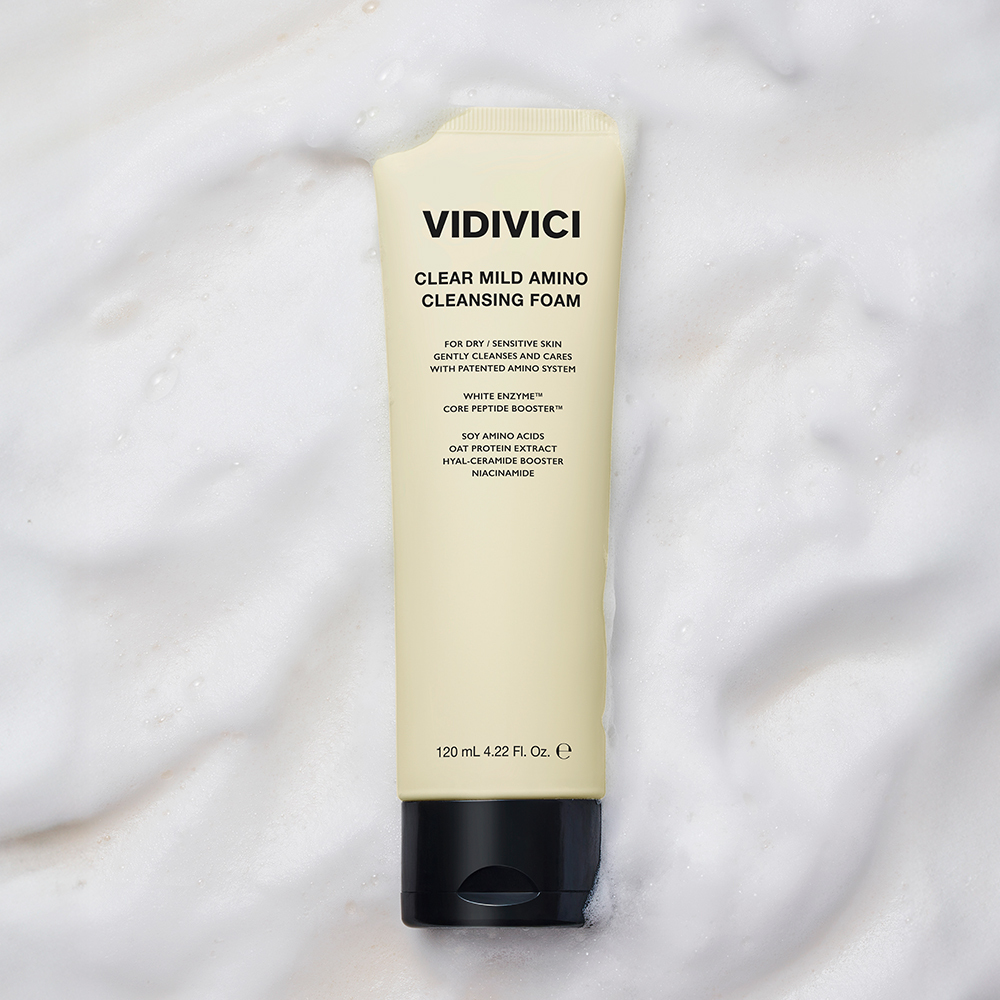
Clear Mild Amino Cleansing Foam
VIDIVICI
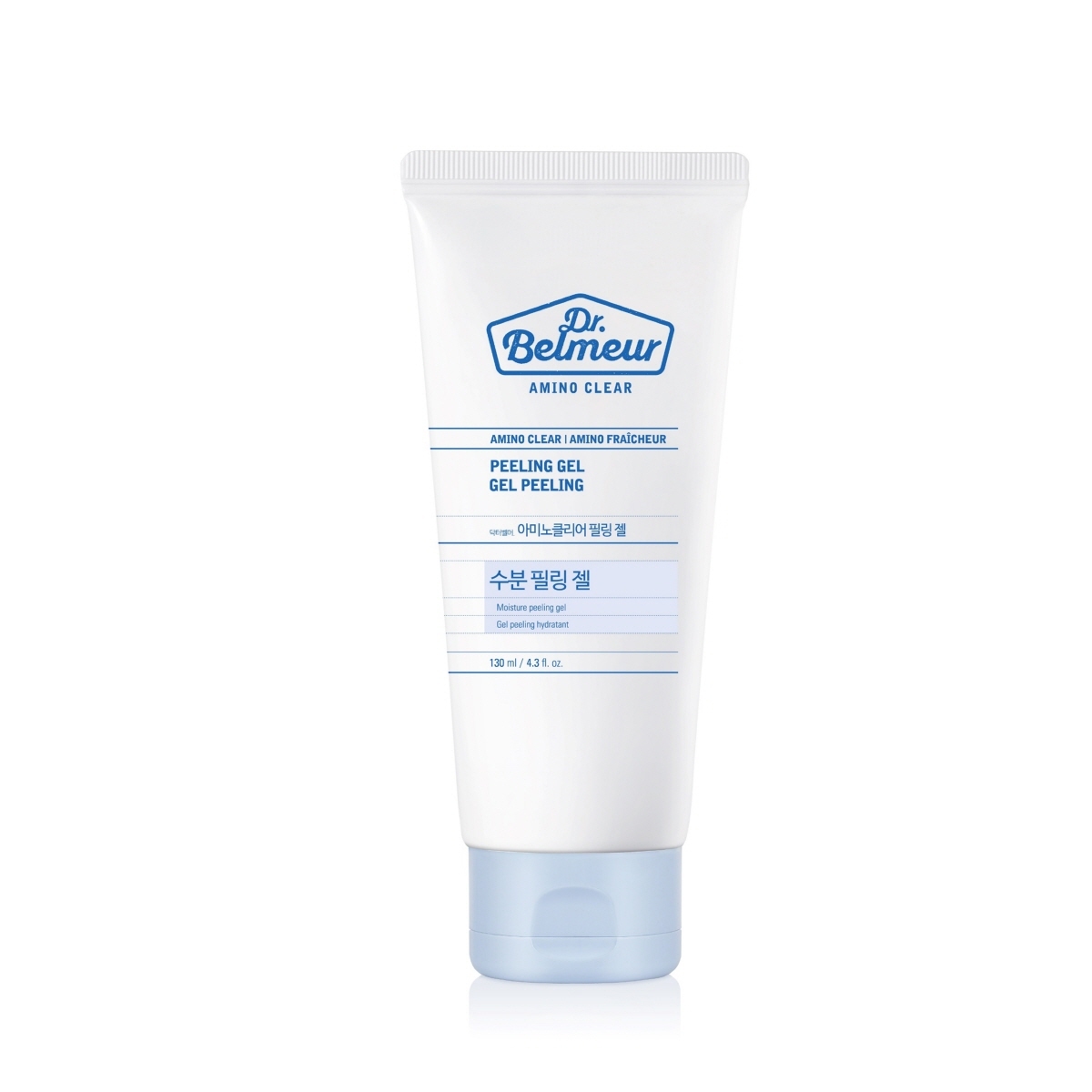
Amino Clear Peeling Gel
Dr. Belmeur
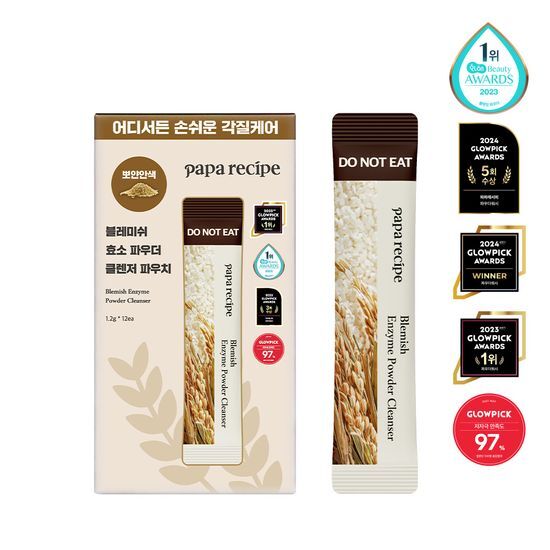
Blemish Enzyme Powder Cleanser Pouch
Papa Recipe
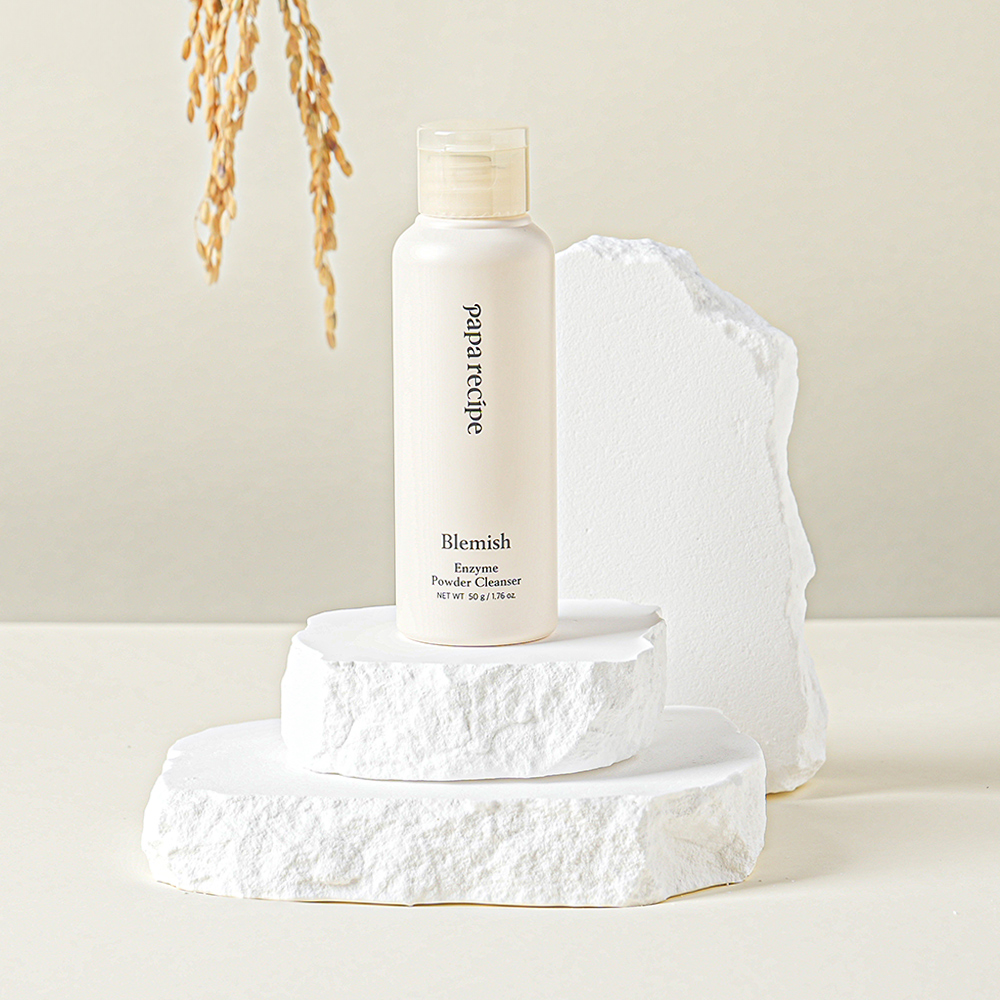
Blemish Enzyme Powder Cleanser
Papa Recipe
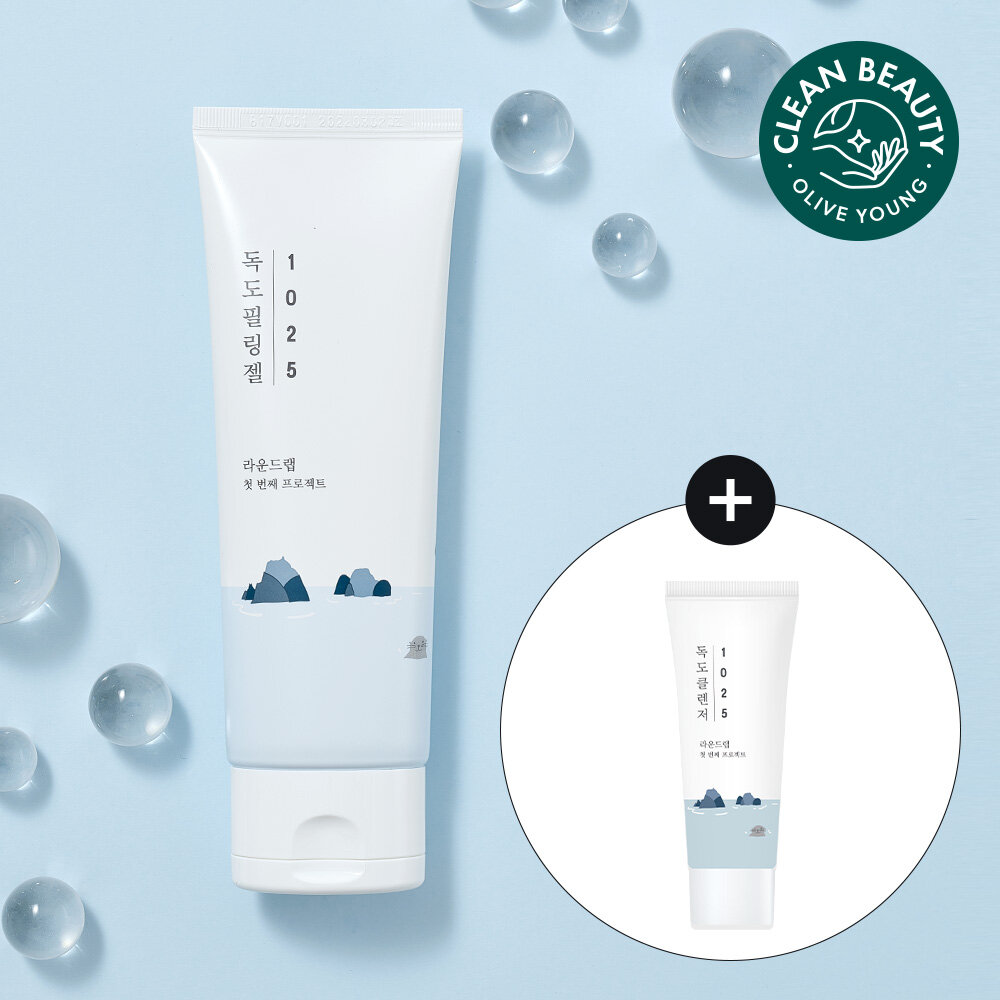
1025 Dokdo Peeling Gel
Round Lab
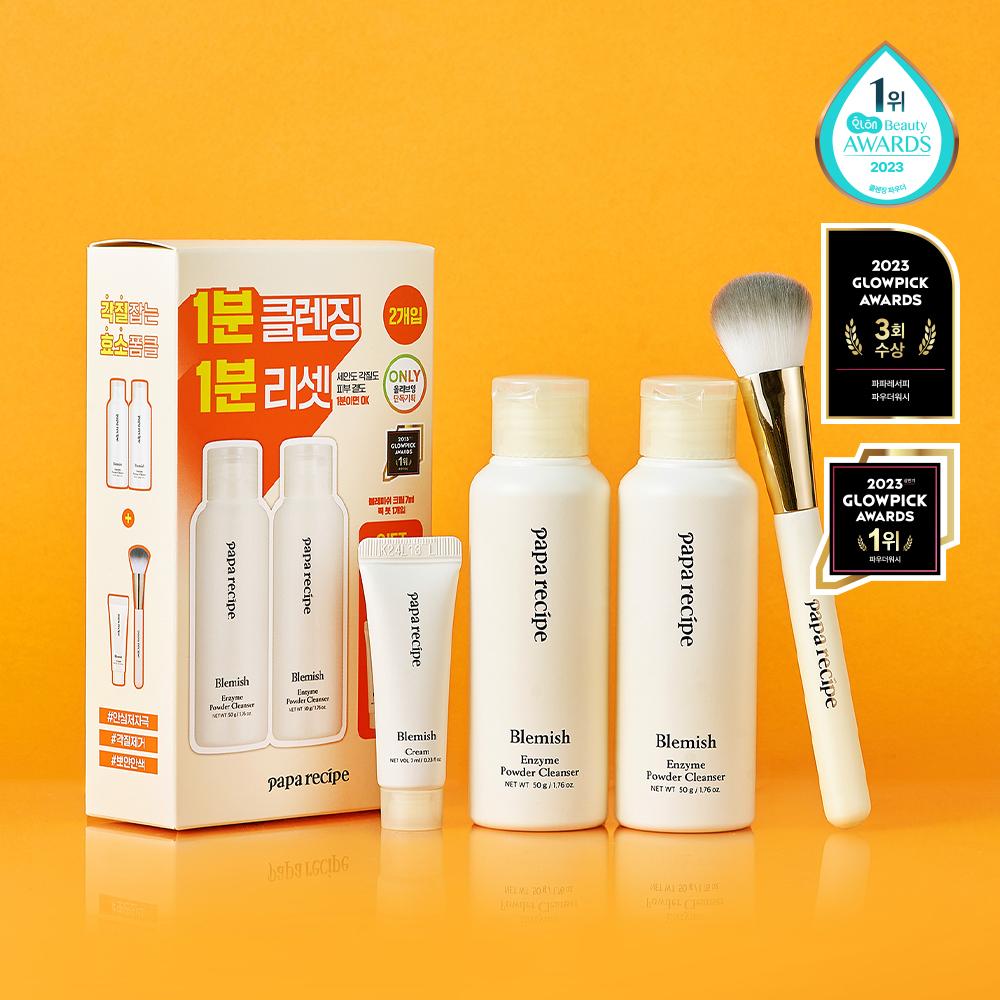
Blemish Enzyme Powder Cleanser Double Pack
Papa Recipe
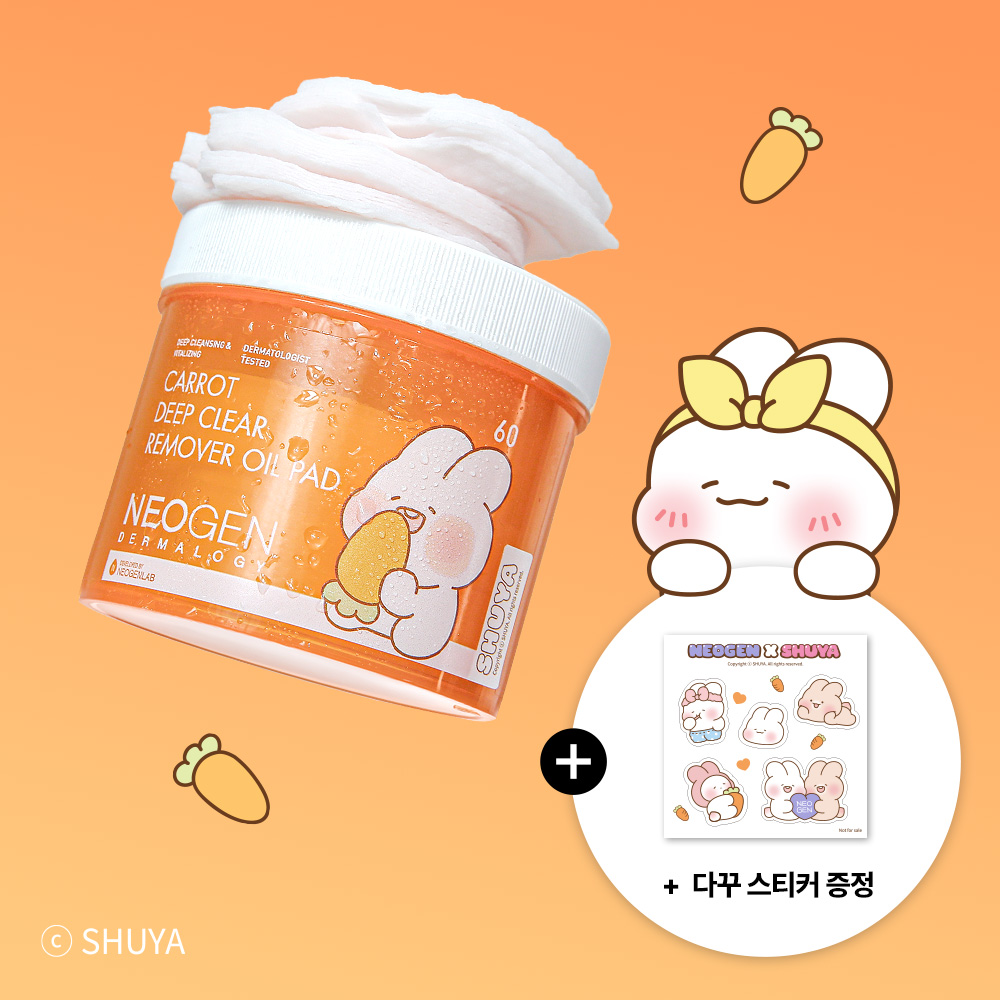
Dermalogy Carrot Deep Clear Remover Oil Pad
Neogen
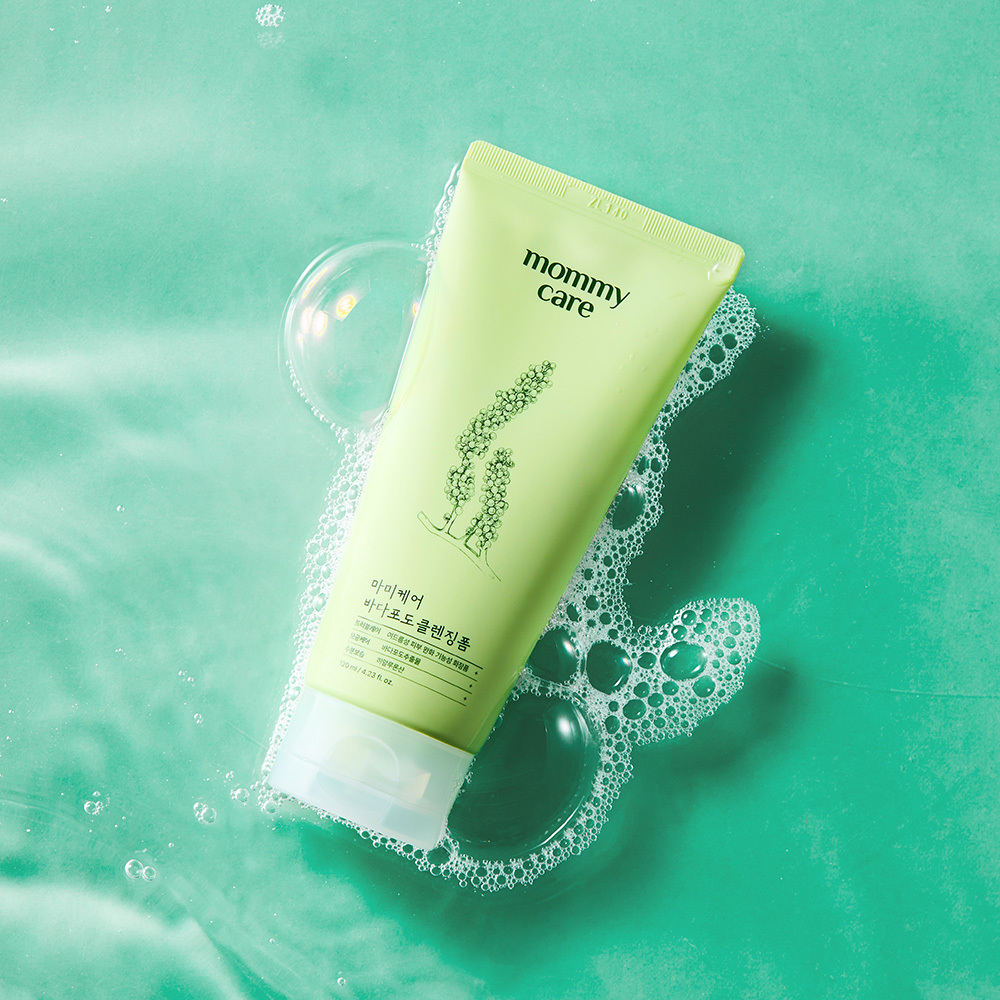
Sea Grape Cleansing Foam
Beplain
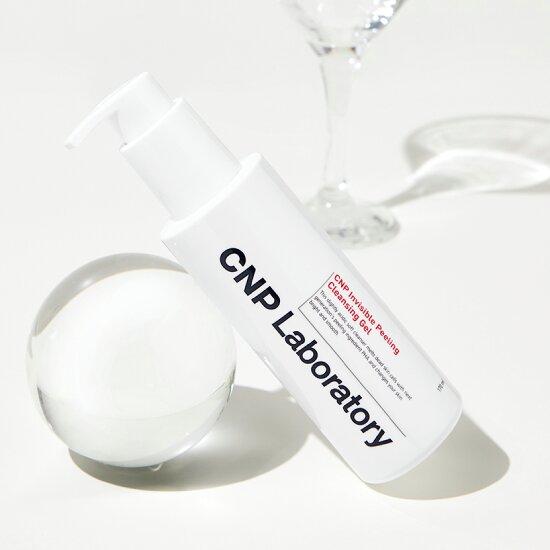
Invisible Peeling Cleansing Gel
CNP
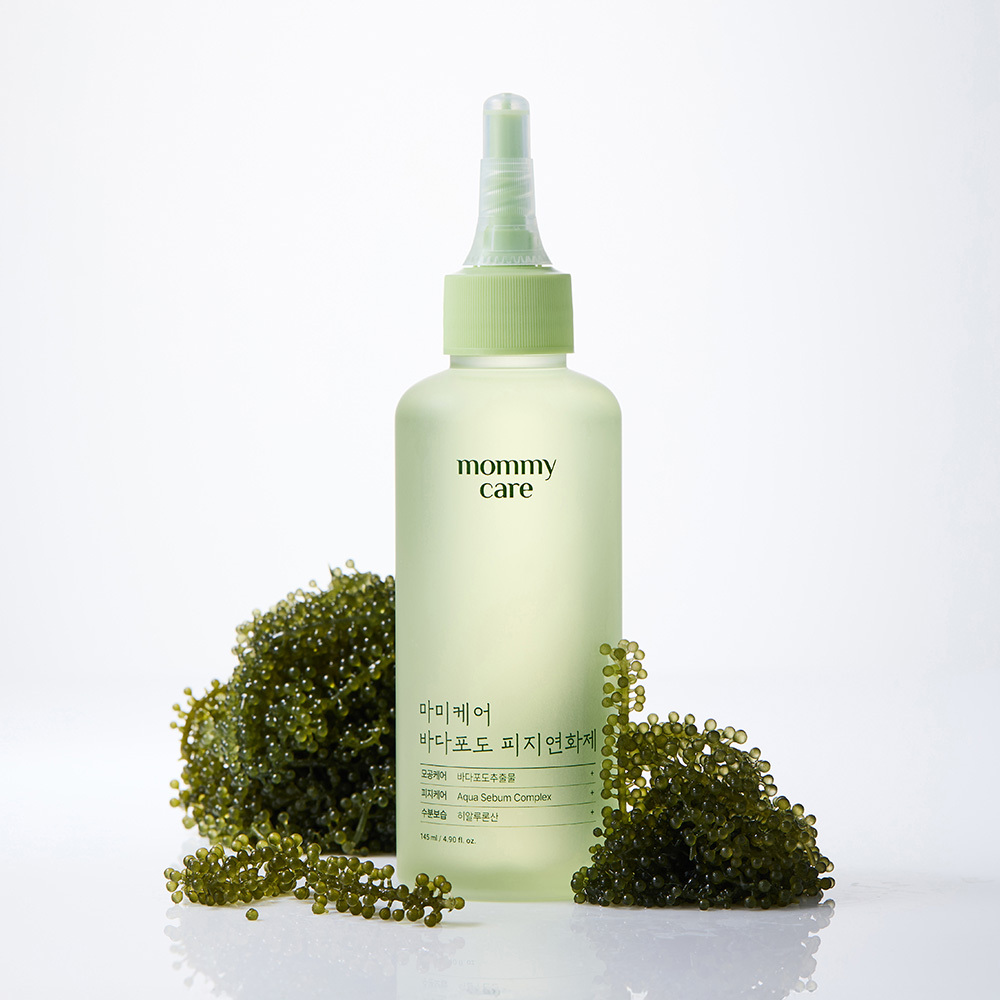
Sea Grape Aqua Sebum Softener
Ilso

Extra Super 9+ Active Stick
Medi-Peel
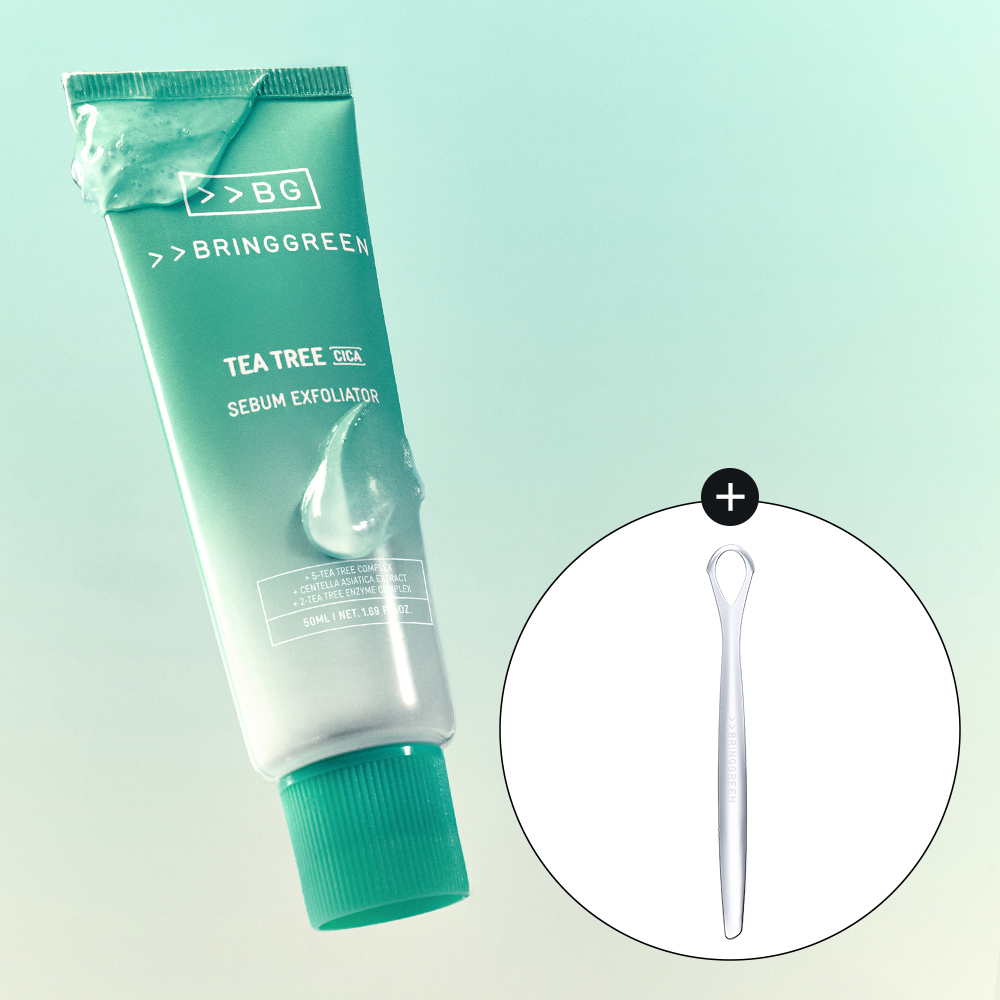
Tea Tree Cica Sebum Cleansing Gel Set
Bringgreen
Frequently Asked Questions
Is lactobionic acid better than glycolic acid for sensitive skin?▼
Can I use lactobionic acid every day?▼
Will lactobionic acid help with acne and blackheads?▼
Do I need to use sunscreen if I use lactobionic acid in the morning?▼
Explore More
Want personalized ingredient advice?
Yuri, our AI beauty advisor, can tell you how Lactobionic Acid works with your specific skin type, routine, and concerns.
Ask Yuri, free