Lactococcus Ferment Lysate
Probiotic-derived ingredient that supports skin barrier
About Lactococcus Ferment Lysate
Lactococcus Ferment Lysate is a postbiotic ingredient derived from the bacterial strain Lactococcus lactis, the same microorganism used to ferment dairy into yogurt and cheese. In skincare, this ingredient represents a newer evolution of probiotic science. Rather than applying live bacteria to the skin, Lactococcus Ferment Lysate contains the beneficial metabolites, proteins, and cell fragments produced when these bacteria are lysed (broken down). This postbiotic approach offers the barrier-supporting and microbiome-balancing benefits of probiotics without the stability concerns of live cultures. K-beauty brands have embraced this ingredient for its ability to strengthen the skin's natural defense system, reduce inflammation, and improve overall skin resilience. With a safety rating of 4/5 and a non-comedogenic rating of 0/5, it's suitable for nearly all skin types, including sensitive and acne-prone skin. The ingredient appears in 70 K-beauty products on Seoul Sister, often formulated into cleansers, toners, and serums where it works synergistically with other barrier-supporting actives. Top-rated products like Dr.Ceuracle's Pro Balance line and Numbuzin's No. 3 Super Glowing Essence Toner have helped establish Lactococcus Ferment Lysate as a go-to ingredient for anyone dealing with compromised barriers, sensitivity, or chronic inflammation.
How Lactococcus Ferment Lysate Works
When Lactococcus bacteria are lysed, they release a complex mixture of bioactive compounds including amino acids, peptides, enzymes, vitamins, and signaling molecules. These components interact with the skin's immune cells, particularly Langerhans cells and keratinocytes, to modulate inflammatory responses and strengthen barrier function. The peptides and amino acids provide building blocks for ceramide synthesis and natural moisturizing factor production, which are critical for maintaining the stratum corneum's integrity. Lactococcus Ferment Lysate also influences the skin's resident microbiome by creating an environment that favors beneficial bacteria over potentially harmful strains. This happens through competitive exclusion and the production of antimicrobial peptides. Additionally, the ingredient has been shown to enhance tight junction proteins between skin cells, reducing transepidermal water loss and protecting against environmental stressors. The fermentation metabolites also exhibit antioxidant properties, neutralizing free radicals that can damage lipids and proteins in the skin barrier. This multi-targeted approach makes it particularly effective for skin experiencing chronic sensitivity or barrier disruption.
Lactococcus Ferment Lysate by Skin Type
Oily Skin
Lactococcus Ferment Lysate benefits oily skin by supporting a balanced microbiome, which can help regulate sebum production and reduce inflammation associated with acne. Its non-comedogenic rating of 0/5 means it won't clog pores, making it safe for congestion-prone skin. The barrier-strengthening effects can also help oily skin recover faster from harsh treatments or over-exfoliation.
Dry Skin
This ingredient is excellent for dry skin because it enhances the skin's natural moisture retention capabilities by supporting ceramide production and reducing transepidermal water loss. The amino acids and peptides in the lysate provide essential building blocks for a healthy barrier, helping dry skin hold onto hydration more effectively. Products like Dr.Ceuracle's Pro Balance line pair this ingredient with other hydrating actives for comprehensive dryness relief.
Combo Skin
Combination skin benefits from Lactococcus Ferment Lysate's ability to normalize barrier function across different zones without adding excess oil or causing dryness. It helps balance the microbiome in both oily and dry areas, reducing the appearance of uneven texture or tone. The ingredient works well in lightweight formulas like Numbuzin's No. 3 Super Glowing Essence Toner that won't feel heavy on oily zones.
Sensitive Skin
Sensitive skin sees significant benefits from this postbiotic because it actively calms inflammation and reduces reactivity to external triggers. By modulating immune responses in the skin and strengthening barrier defenses, it helps sensitive skin become more resilient over time. The gentle, non-irritating nature of ferment lysates makes them ideal for those who react poorly to many active ingredients.
Normal Skin
Normal skin can use Lactococcus Ferment Lysate as a preventative measure to maintain barrier health and protect against future damage from environmental stressors. It helps preserve the skin's natural balance and supports the healthy microbiome that keeps normal skin looking its best. Regular use can enhance skin's natural glow and resilience without disrupting its already well-functioning barrier.
How to Use Lactococcus Ferment Lysate
- 1Layer Lactococcus Ferment Lysate products early in your routine, right after cleansing or toning, to maximize barrier-supporting benefits throughout subsequent steps.
- 2Pair with ceramide or cholesterol-rich moisturizers to enhance barrier repair, as the lysate provides the signaling molecules that help your skin produce these crucial lipids more effectively.
- 3Use consistently for at least 4-6 weeks to see measurable improvements in barrier function and sensitivity, as microbiome and barrier changes happen gradually.
- 4Combine with gentle chemical exfoliants like PHA if you need exfoliation but have sensitive skin, the lysate helps buffer potential irritation while still allowing effective cell turnover.
Background
Lactococcus lactis has been used for thousands of years in food fermentation, but its application in skincare is a relatively recent innovation driven by our growing understanding of the skin microbiome. Korean skincare researchers began exploring fermentation-derived ingredients in the early 2000s, inspired by traditional fermented foods like kimchi and their health benefits. The shift from live probiotics to postbiotics like Lactococcus Ferment Lysate emerged around 2015-2018 as brands sought more stable, effective alternatives that could survive formulation processes and deliver consistent results. This lysate form solved the challenge of keeping beneficial bacteria alive in products while still providing their skin-beneficial compounds. K-beauty's emphasis on gentle, barrier-focused skincare made it a natural home for this ingredient, with brands like Dr.Ceuracle and Bioheal BOH pioneering its use in cleansers, essences, and serums. The ingredient reflects K-beauty's signature approach of combining traditional wisdom with cutting-edge biotechnology.
K-Beauty Products with Lactococcus Ferment Lysate
View all 75 →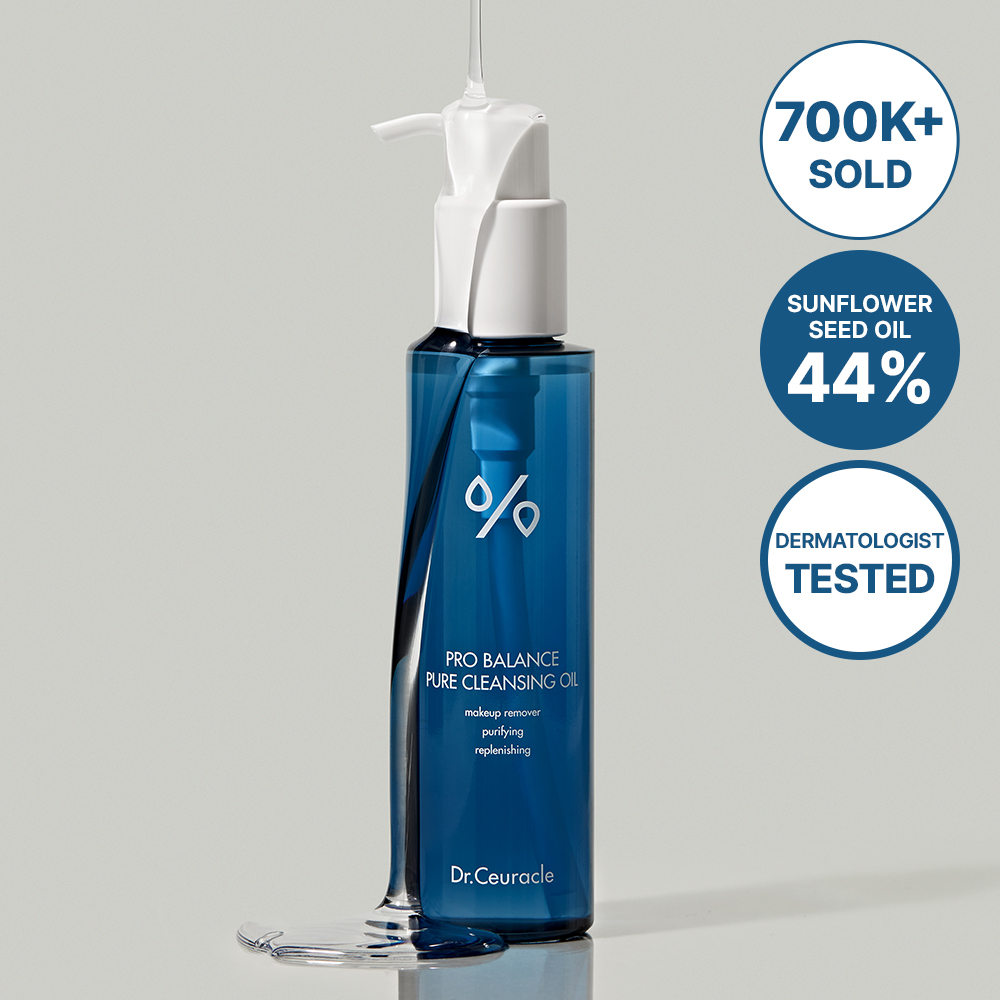
Pro Balance Pure Cleansing Oil
Dr.Ceuracle
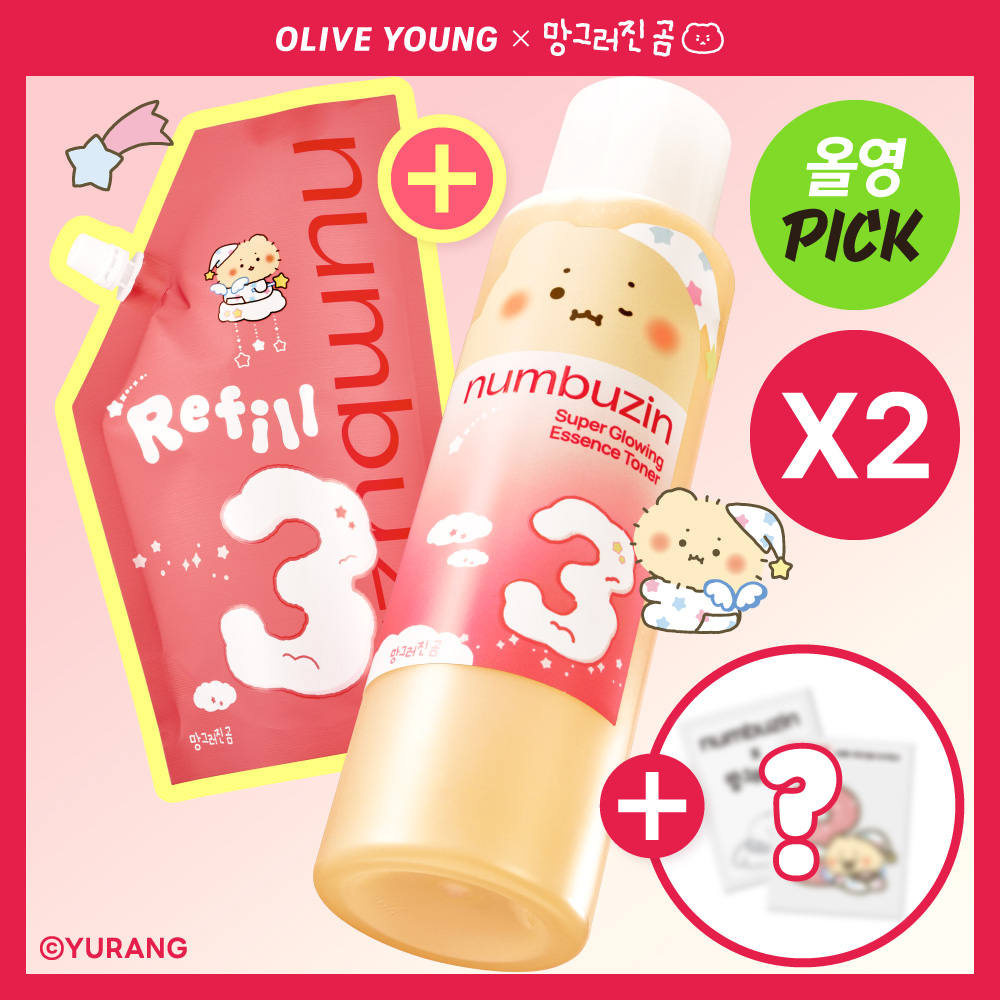
No. 3 Super Glowing Essence Toner
Numbuzin
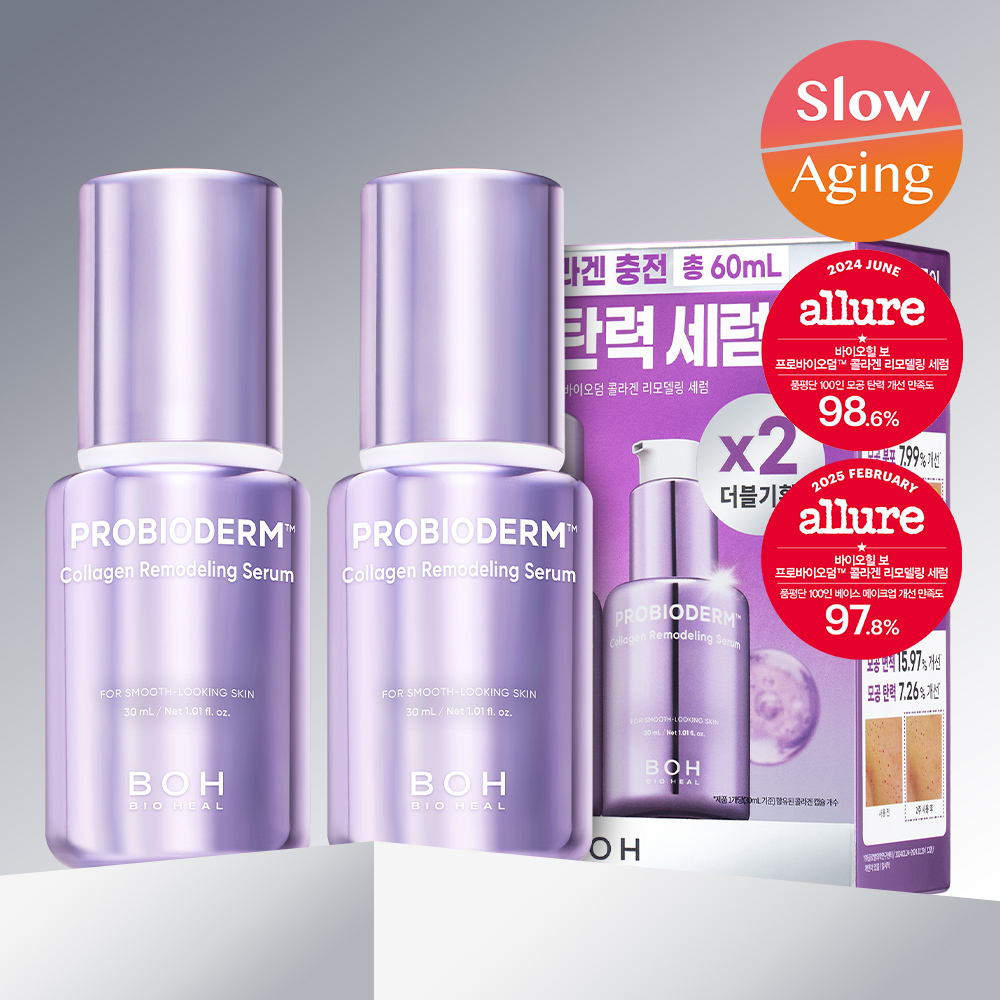
Probioderm Collagen Remodeling Serum
Bioheal BOH
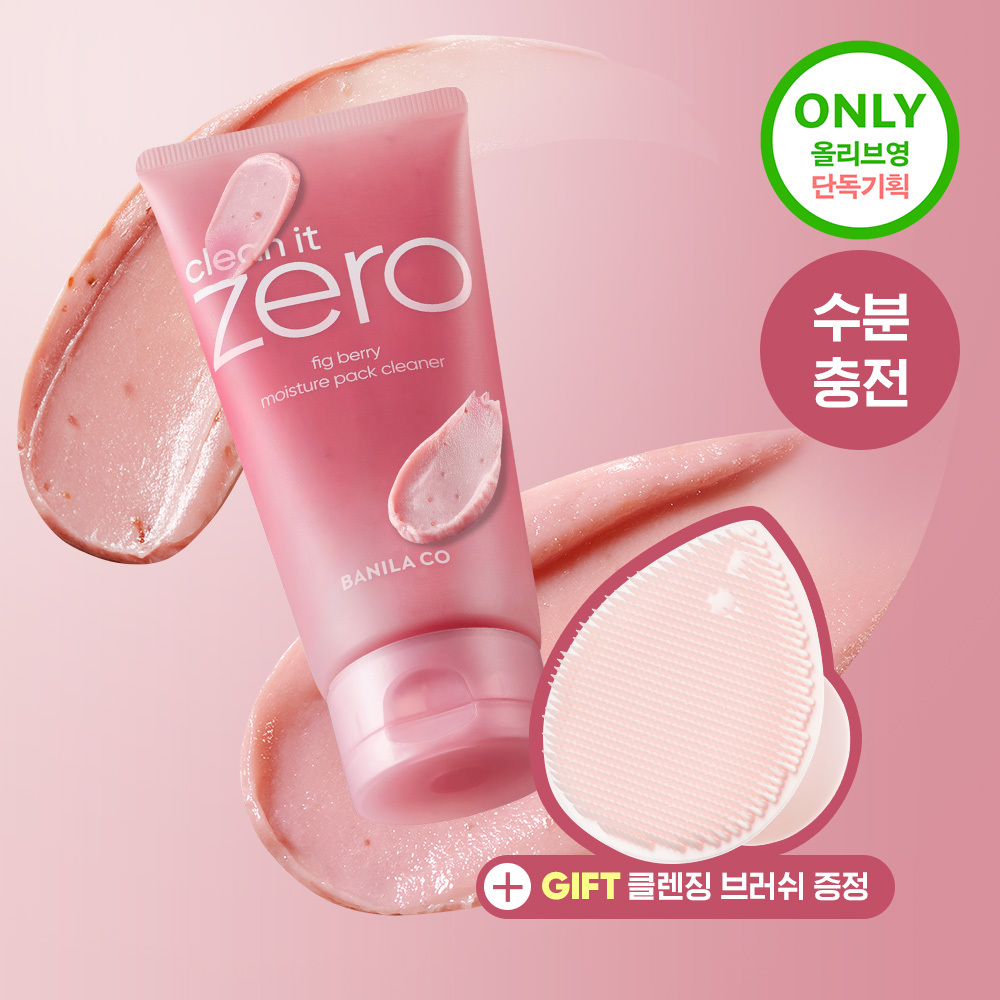
Clean It Zero Fig Berry Moisture Pack Cleanser
Banila Co
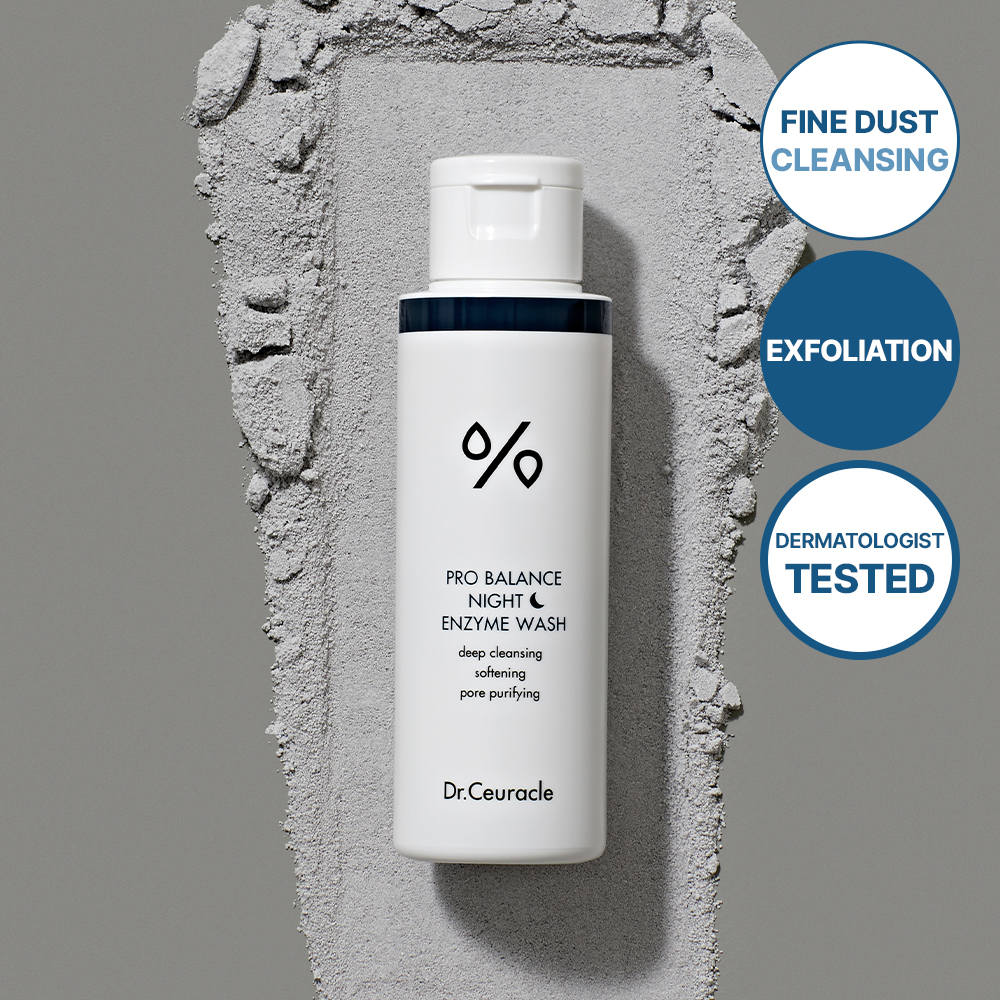
Pro Balance Night Enzyme Wash
Dr.Ceuracle
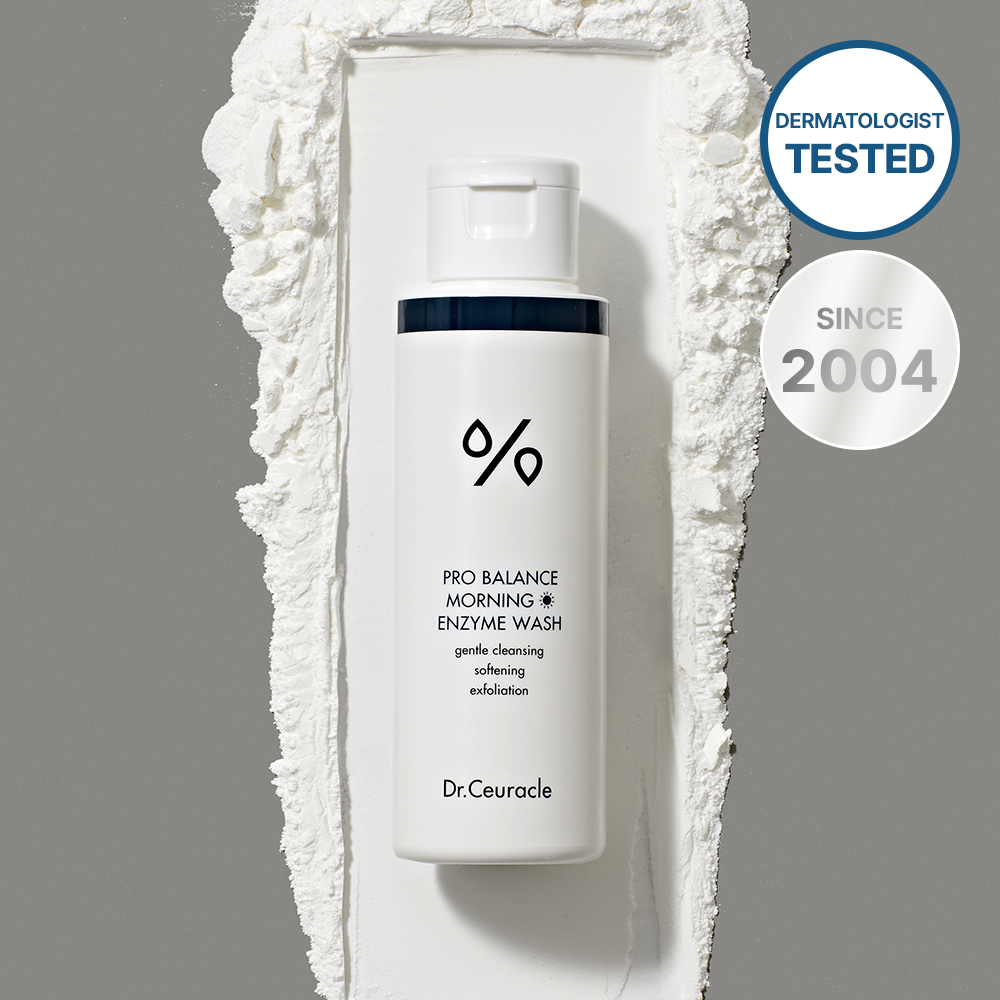
Pro Balance Morning Enzyme Wash
Dr.Ceuracle
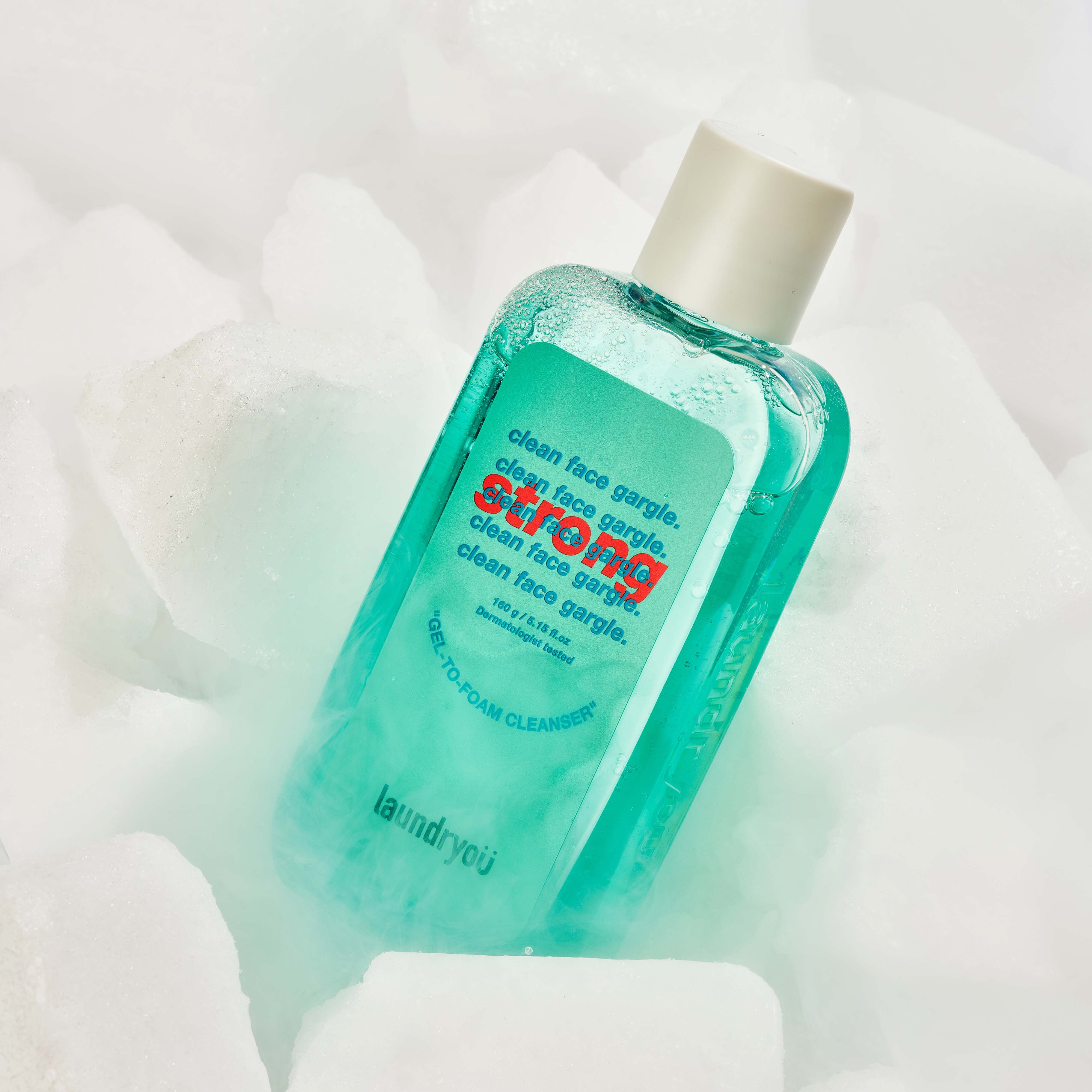
Clean Face Gargle Gel To Foam Cleanser Strong Set
Laundryou
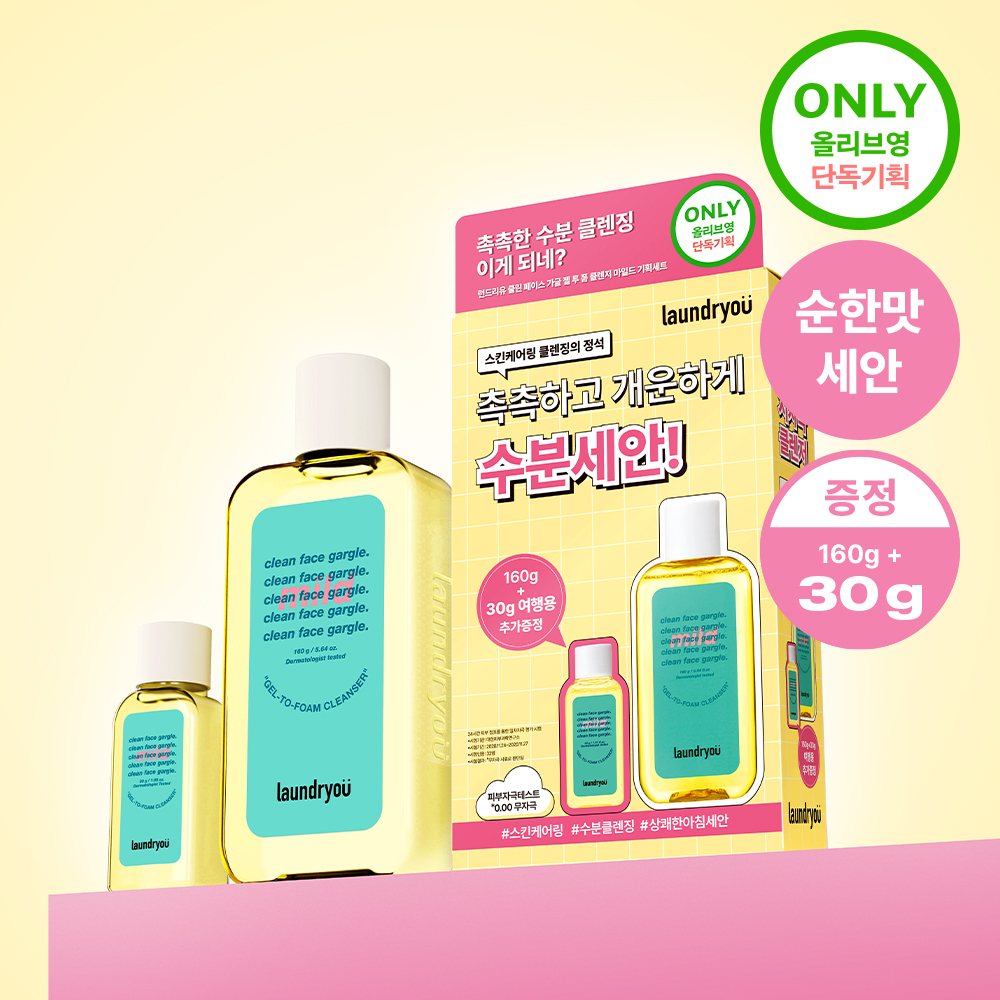
Clean Face Gargle Gel-To-Foam Cleanser Mild Set
Laundryou
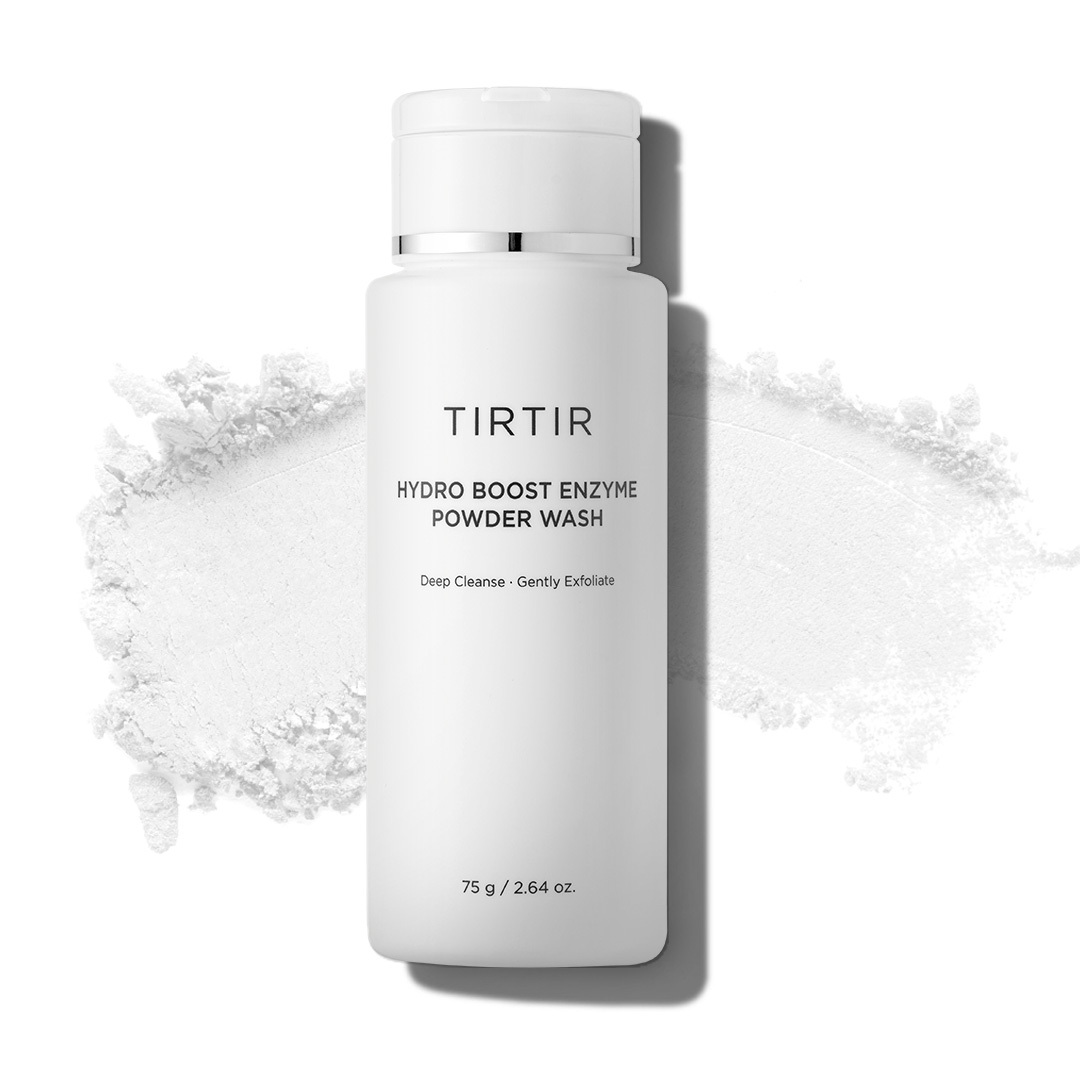
Hydro Boost Enzyme Powder Wash
TIRTIR
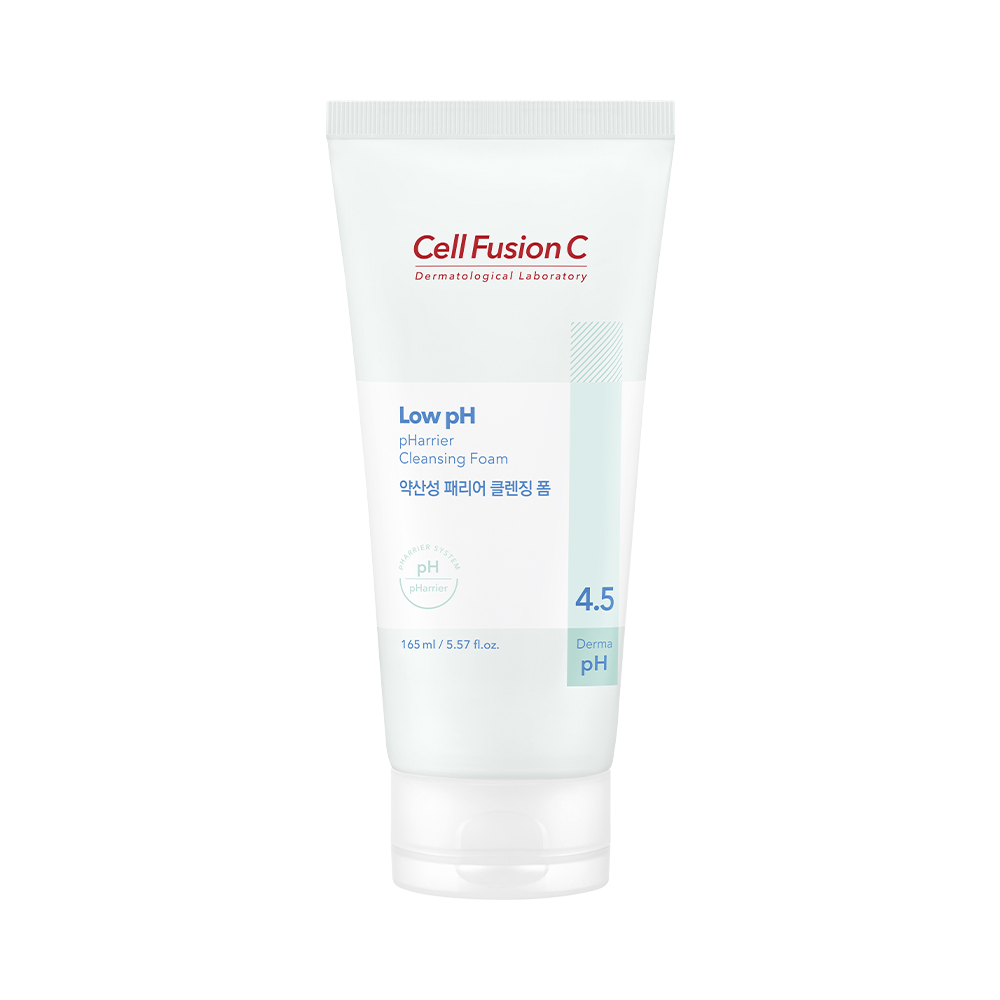
Low pH pHarrier Cleansing Foam
Cell Fusion C
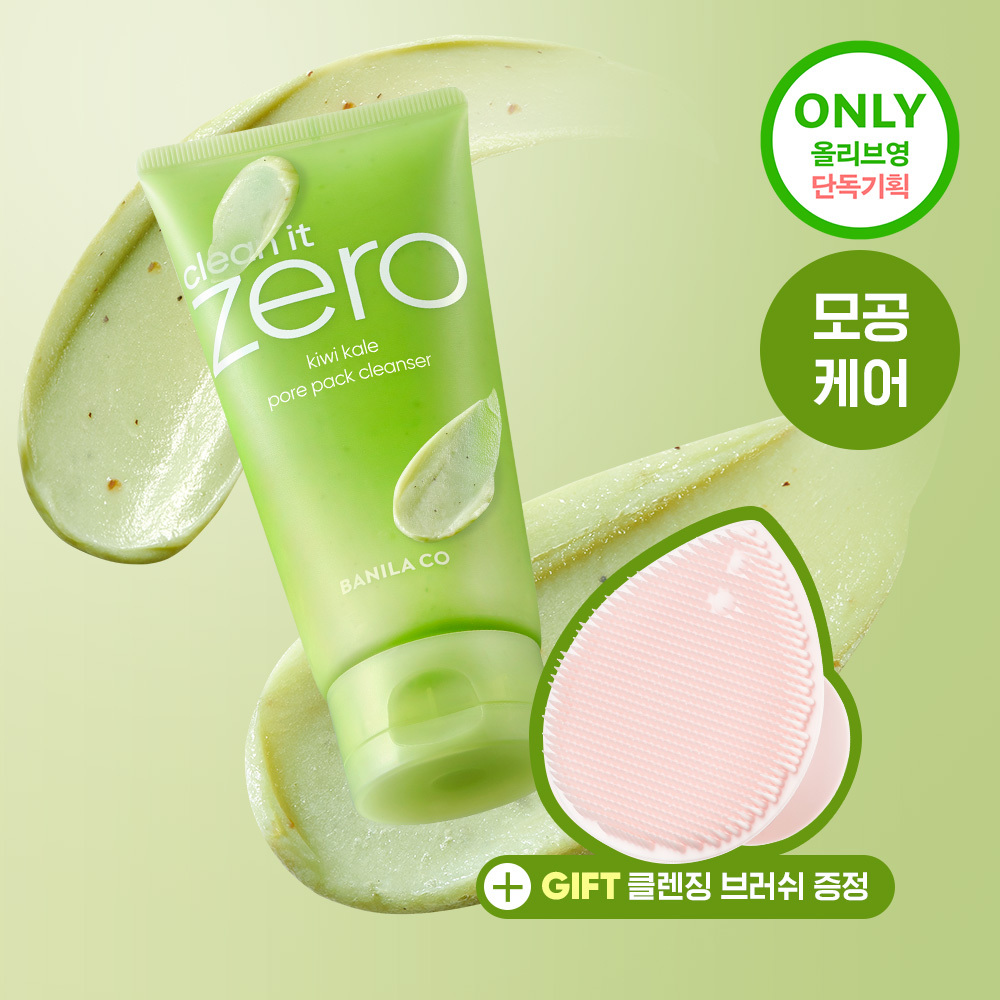
Clean It Zero Kiwi Kale Pore Pack Cleanser
Banila Co
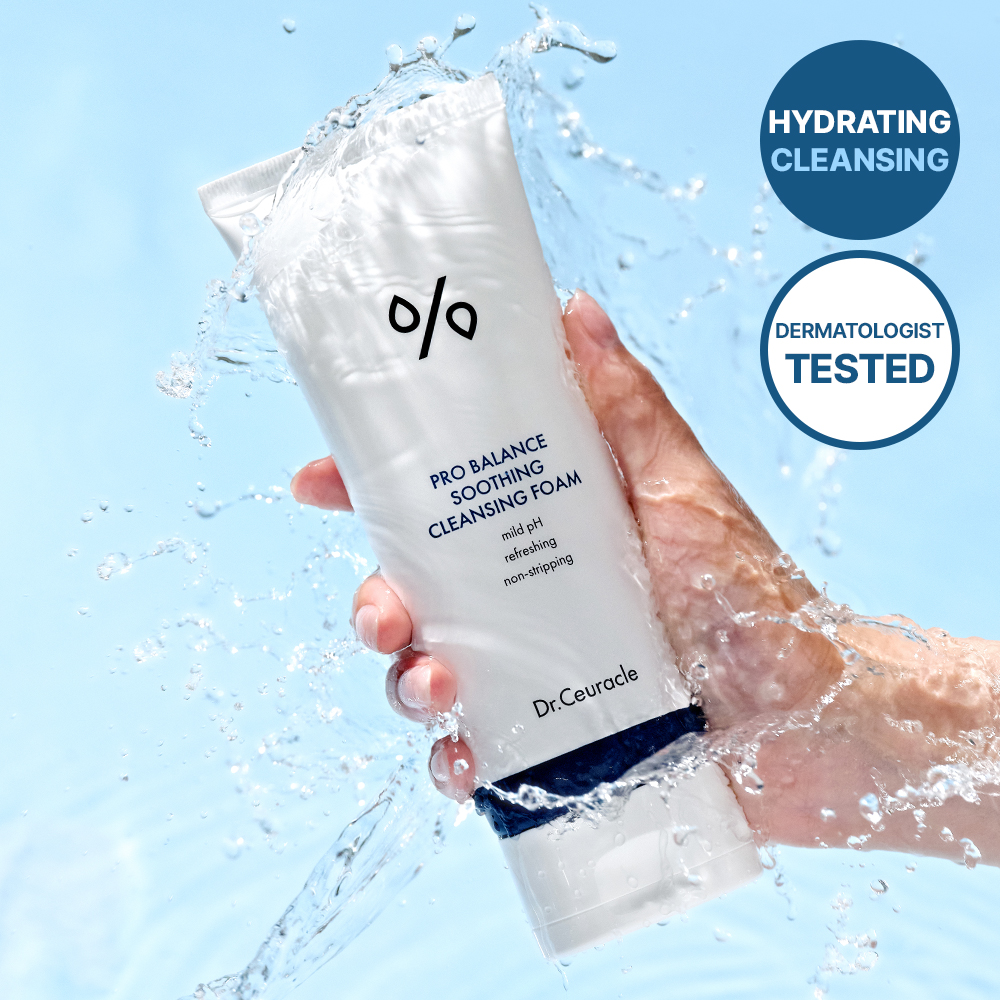
Pro Balance Soothing Cleansing Foam
Dr.Ceuracle
Frequently Asked Questions
Is Lactococcus Ferment Lysate safe for fungal acne?▼
How is this different from regular probiotics in skincare?▼
Can I use this ingredient with retinol or acids?▼
Will this ingredient help with redness and rosacea?▼
Explore More
Want personalized ingredient advice?
Yuri, our AI beauty advisor, can tell you how Lactococcus Ferment Lysate works with your specific skin type, routine, and concerns.
Ask Yuri, free