Lavender Extract
INCI: Lavandula Angustifolia (Lavender) Extract
Soothing and antioxidant botanical extract
About Lavender Extract
Lavender extract is a botanical powerhouse derived from Lavandula angustifolia flowers, prized in K-beauty for its dual role as a soothing agent and antioxidant defender. While Western skincare often focuses on lavender's aromatic properties, Korean formulations harness its active compounds like linalool, linalyl acetate, and rosmarinic acid for their anti-inflammatory and skin-calming benefits. Found in 29 products on Seoul Sister, including top-rated formulas like Rejuran's Healer Skin Protection Mask Sheet (5.0/5) and OOTD's Cica Soothing Mask Sheet (5.0/5), this ingredient appears frequently in products designed to reduce redness and protect against environmental stressors. The extract contains polyphenols that neutralize free radicals, helping prevent premature aging while calming irritated skin. However, it's important to note that lavender extract serves as a fragrance ingredient, which gives it a safety rating of 3/5. Some people with highly reactive skin or fragrance sensitivities may experience irritation, despite its soothing properties for most users. Its low comedogenic rating of 1/5 makes it suitable for most skin types, though those with known sensitivities to essential oils or fragranced products should patch test first. Korean brands strategically pair lavender extract with other calming ingredients like centella asiatica (as seen in the Madeca Micro Startoc Serum by Centellian24, rated 4.8/5) to create synergistic soothing effects while minimizing potential irritation from the fragrance component.
How Lavender Extract Works
Lavender extract works through multiple biological pathways to calm and protect skin. At the cellular level, its rosmarinic acid content inhibits the production of pro-inflammatory cytokines, essentially turning down your skin's inflammatory response when it's overreacting to irritants or environmental stress. The linalool and linalyl acetate compounds interact with sensory neurons in the skin, producing a mild analgesic effect that helps reduce the sensation of irritation or discomfort. Meanwhile, the extract's polyphenols donate electrons to unstable free radicals generated by UV exposure and pollution, neutralizing them before they can damage cellular membranes and DNA. This antioxidant action helps preserve collagen and elastin fibers, maintaining skin's structural integrity. Lavender extract also demonstrates antimicrobial properties by disrupting bacterial cell membranes, which can be beneficial for blemish-prone skin. However, the fragrance components can trigger histamine release in sensitive individuals, potentially causing localized inflammation despite the extract's overall anti-inflammatory profile. This dual nature explains why it soothes most people while irritating others, and why K-beauty brands carefully balance concentration levels in their formulations.
Lavender Extract by Skin Type
Oily Skin
Lavender extract can benefit oily skin through its antimicrobial properties that help manage excess bacteria associated with breakouts, while its antioxidants protect sebum from oxidative degradation that can clog pores. The low comedogenic rating (1/5) means it's unlikely to contribute to congestion. However, if you have oily skin that's also sensitized or reactive to fragrances, the aromatic compounds could potentially trigger irritation.
Dry Skin
For dry skin, lavender extract provides antioxidant protection against environmental stressors that can compromise the skin barrier, but it doesn't offer significant moisturizing or hydrating benefits on its own. It works best in dry skin formulations when paired with humectants and occlusives, as seen in products like TIRTIR's Hydro Boost Enzyme Cleansing Balm (4.9/5). Some people with dry, sensitive skin may find the fragrance component irritating, especially if their barrier is already compromised.
Combo Skin
Combination skin often benefits from lavender extract's balanced profile since it soothes reactive zones without adding heaviness to oilier areas. The ingredient's antioxidant and anti-inflammatory properties address multiple concerns across different facial zones without disrupting skin's equilibrium. Just monitor how the T-zone and cheek areas respond, as sensitivity to the fragrance component can vary by region.
Sensitive Skin
This is where lavender extract becomes complicated. While its anti-inflammatory compounds can genuinely calm redness and irritation for many people, the fragrance component gives it a 3/5 safety rating precisely because some sensitive skin types react to aromatic compounds. Products that pair lavender with heavy-hitting soothers like centella or madecassoside (as in Centellian24's serum) may buffer potential irritation. Patch test any lavender-containing product if you have known fragrance sensitivities.
Normal Skin
Normal skin typically tolerates lavender extract well and can enjoy both its antioxidant protection and soothing benefits without concern. The ingredient helps maintain skin's balanced state by defending against daily environmental stressors while providing gentle calming effects. With a comedogenic rating of 1/5, it won't disrupt normal skin's natural equilibrium or cause unexpected breakouts.
How to Use Lavender Extract
- 1If you have sensitive skin or known fragrance sensitivities, always patch test lavender-containing products on your inner arm or behind your ear for 24-48 hours before applying to your face.
- 2Layer lavender extract products under sunscreen during the day to maximize antioxidant protection against UV-generated free radicals, but note that the extract itself provides no UV filtering.
- 3When using lavender extract in evening routines, pair it with barrier-repairing ingredients like ceramides or peptides to support overnight skin recovery, as seen in effective K-beauty formulations.
- 4If you're using actives like retinoids or acids that can sensitize skin, lavender extract products may help soothe resulting irritation, but discontinue use if you notice increased redness or stinging (a sign you're reacting to the fragrance component).
Background
Lavender has been used medicinally for over 2,500 years, from ancient Egyptian mummification practices to Roman bathing rituals, but its journey into modern K-beauty reflects Korea's approach to bridging traditional herbal medicine with clinical skincare. In traditional Korean medicine (hanbang), aromatic herbs were valued for their qi-regulating and circulation-promoting properties, making lavender a natural fit when Western botanical ingredients began integrating into K-beauty formulations in the early 2000s. Korean chemists recognized that lavender's benefits extended beyond aromatherapy, isolating and studying its active compounds like rosmarinic acid for anti-inflammatory effects. However, K-beauty's emphasis on gentle, sensitive-skin-friendly formulations also led brands to carefully calibrate lavender concentrations, often combining it with more proven soothers like centella to minimize fragrance-related irritation while maintaining botanical appeal. Today, it appears across 29 products on Seoul Sister, reflecting its established but carefully managed role in Korean skincare.
K-Beauty Products with Lavender Extract
View all 30 →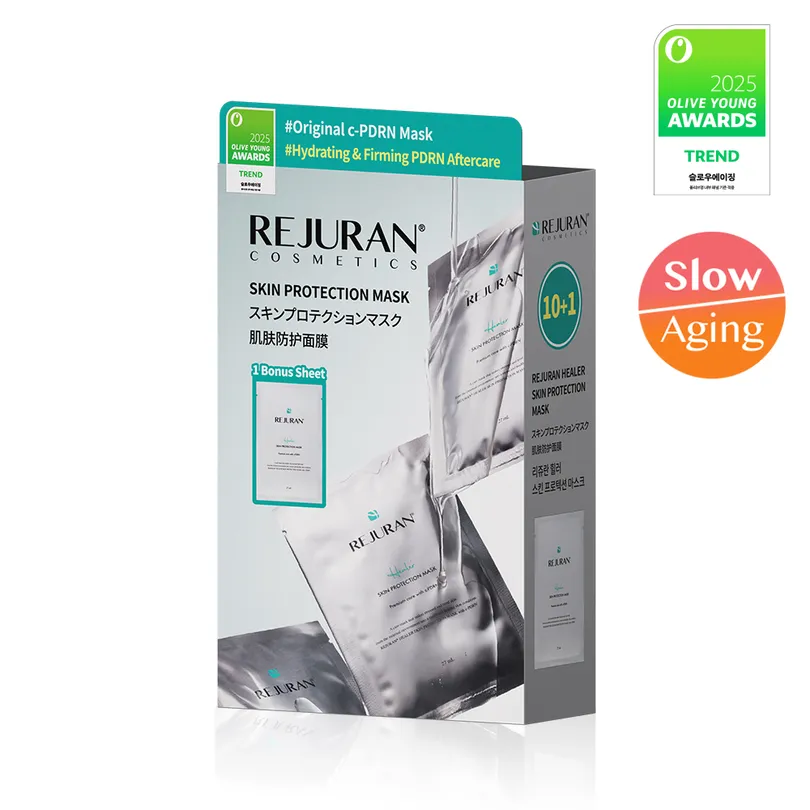
Healer Skin Protection Mask Sheet
Rejuran
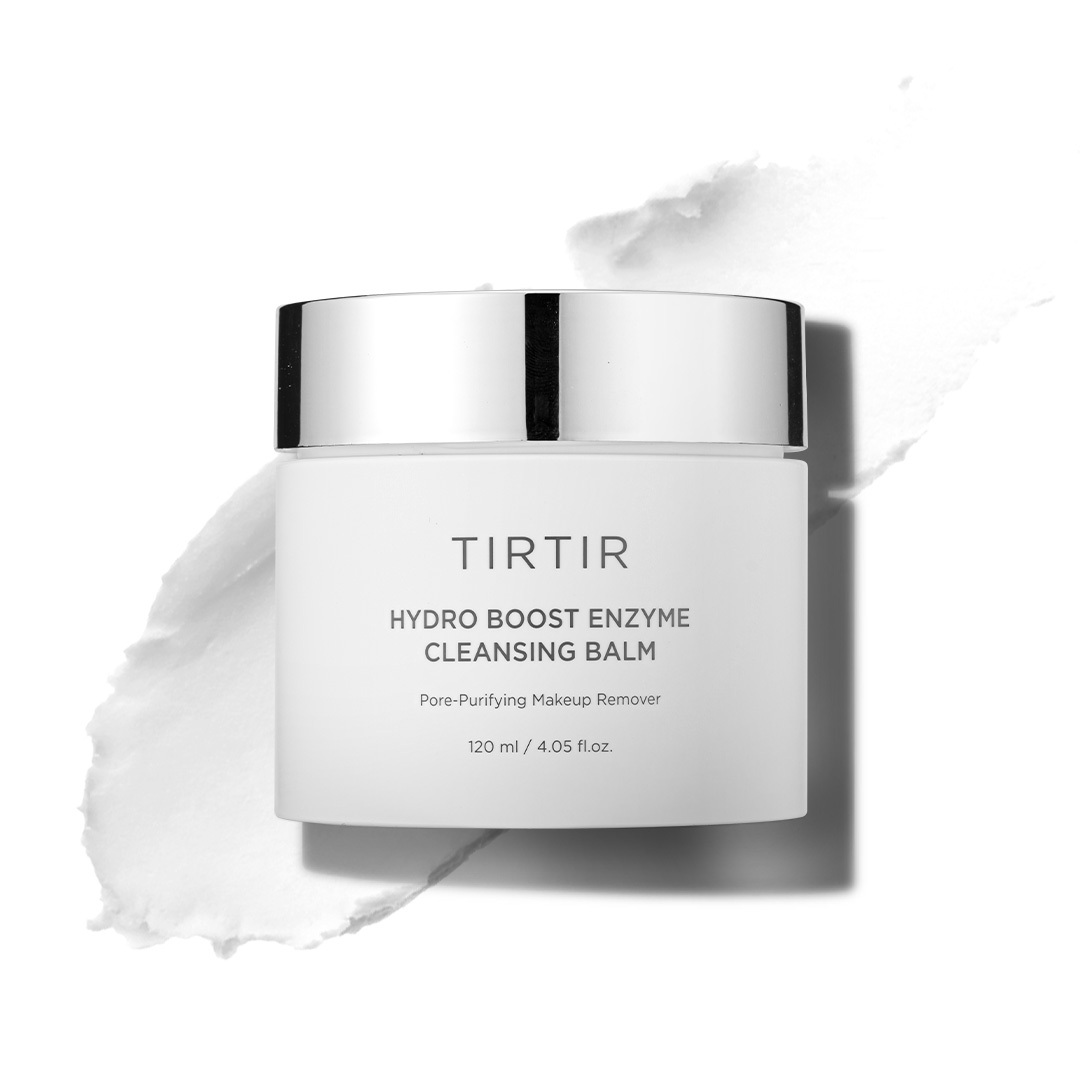
Hydro Boost Enzyme Cleansing Balm
TIRTIR
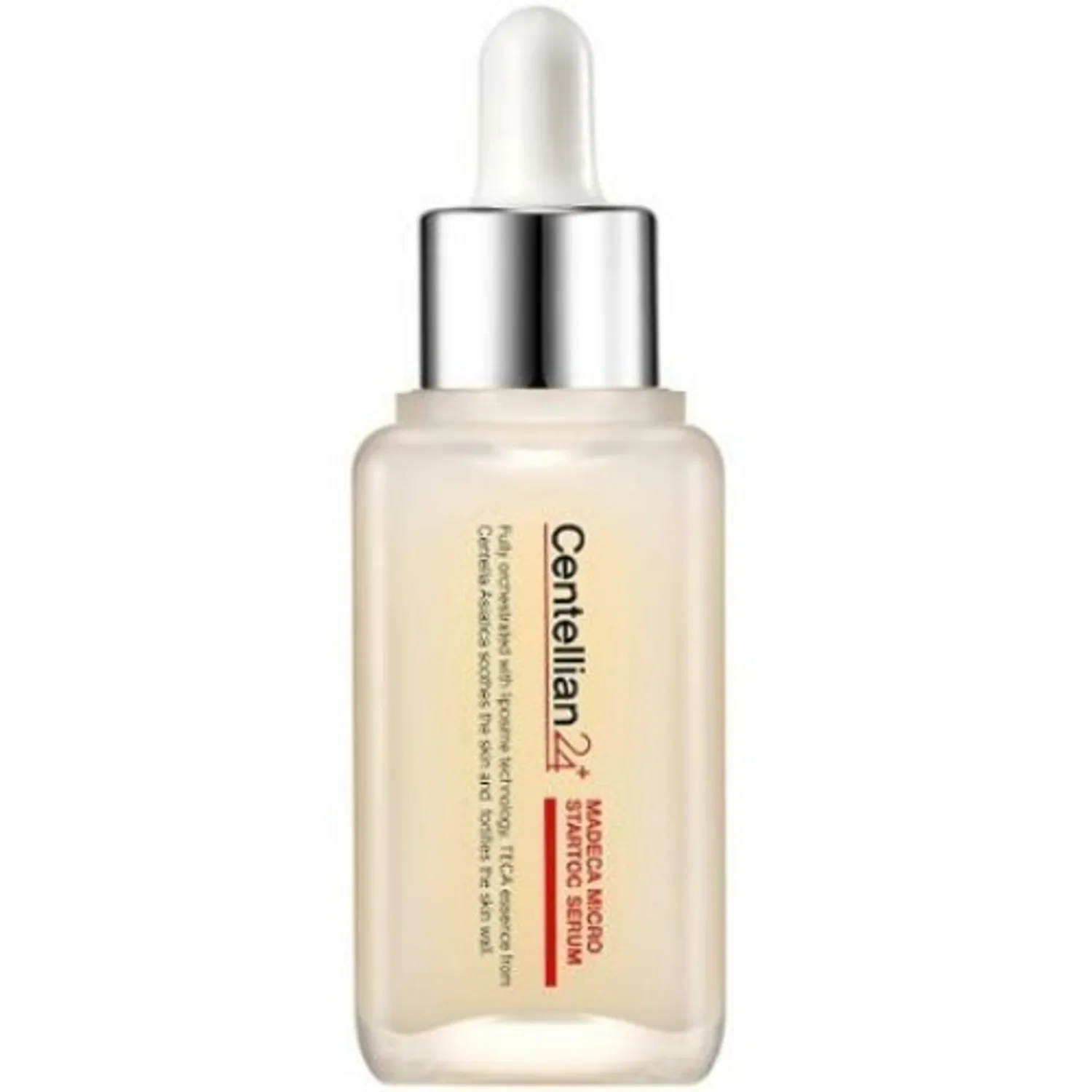
Madeca Micro Startoc Serum
Centellian24
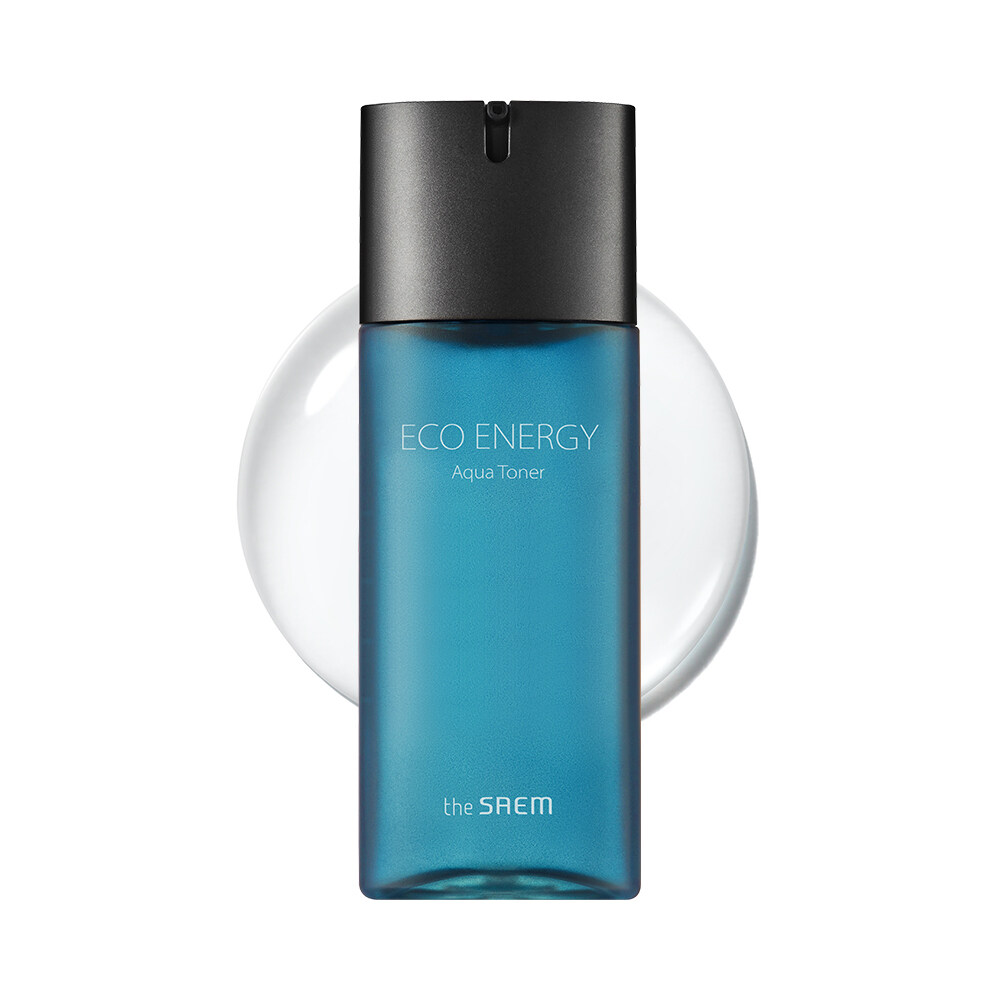
Eco Energy Emulsion
The Saem

Super Melting Sebum Softener
Ilso
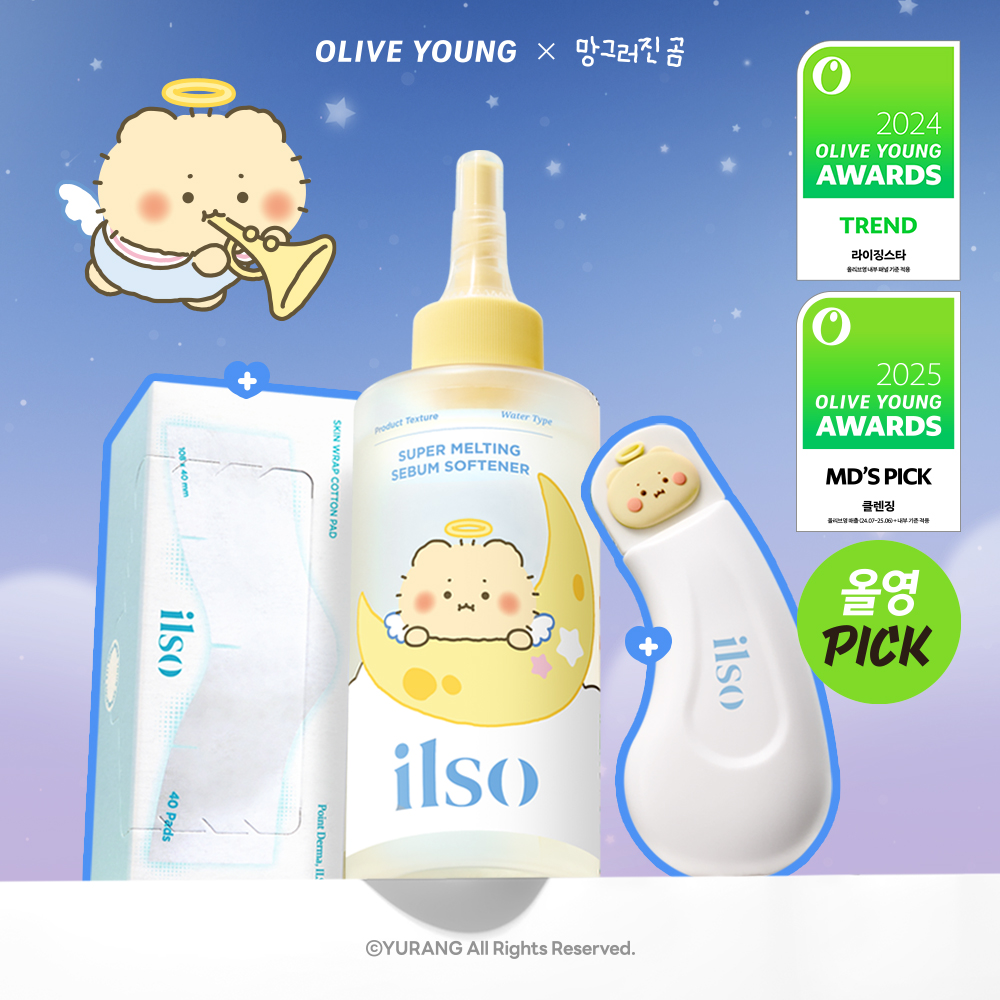
Super Melting Sebum Softener Set
Ilso
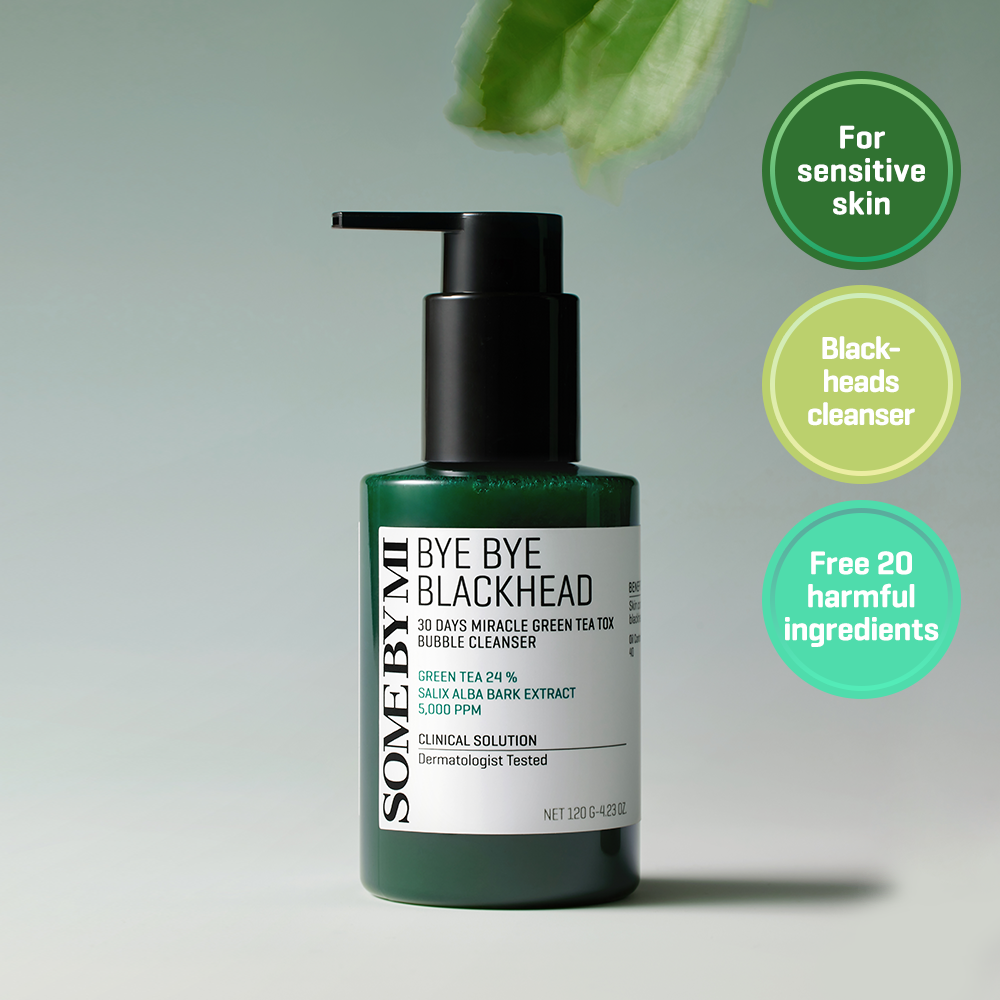
Bye Bye Blackhead 30 Days Miracle Green Tea Tox Bubble Cleanser
Some By Mi
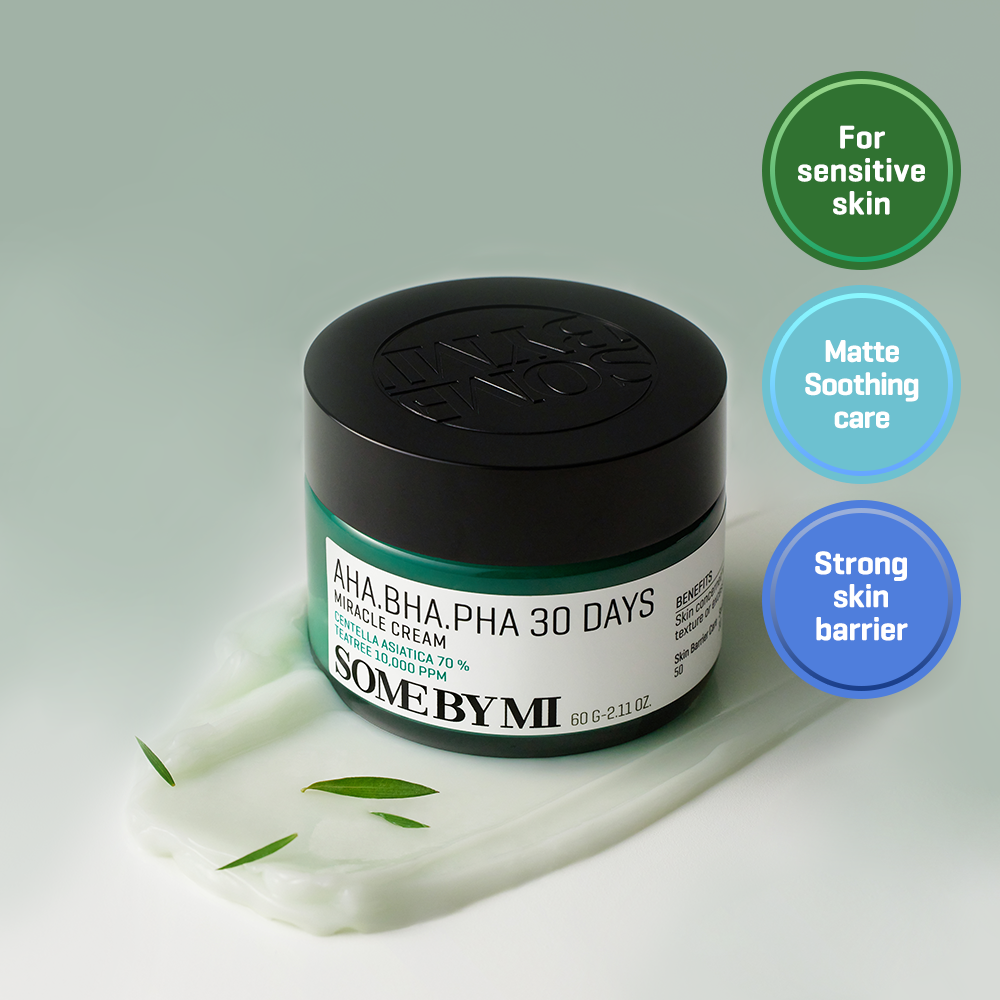
AHA BHA PHA 30 Days Miracle Cream
Some By Mi
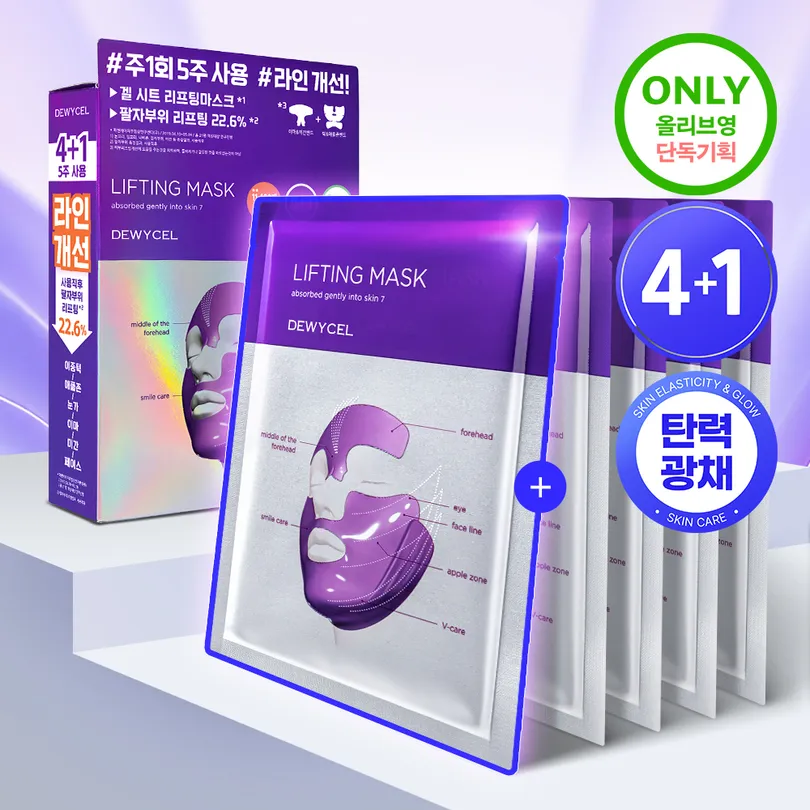
7 Lifting Mask Sheet 4ea Set (+1ea)
DEWY CEL
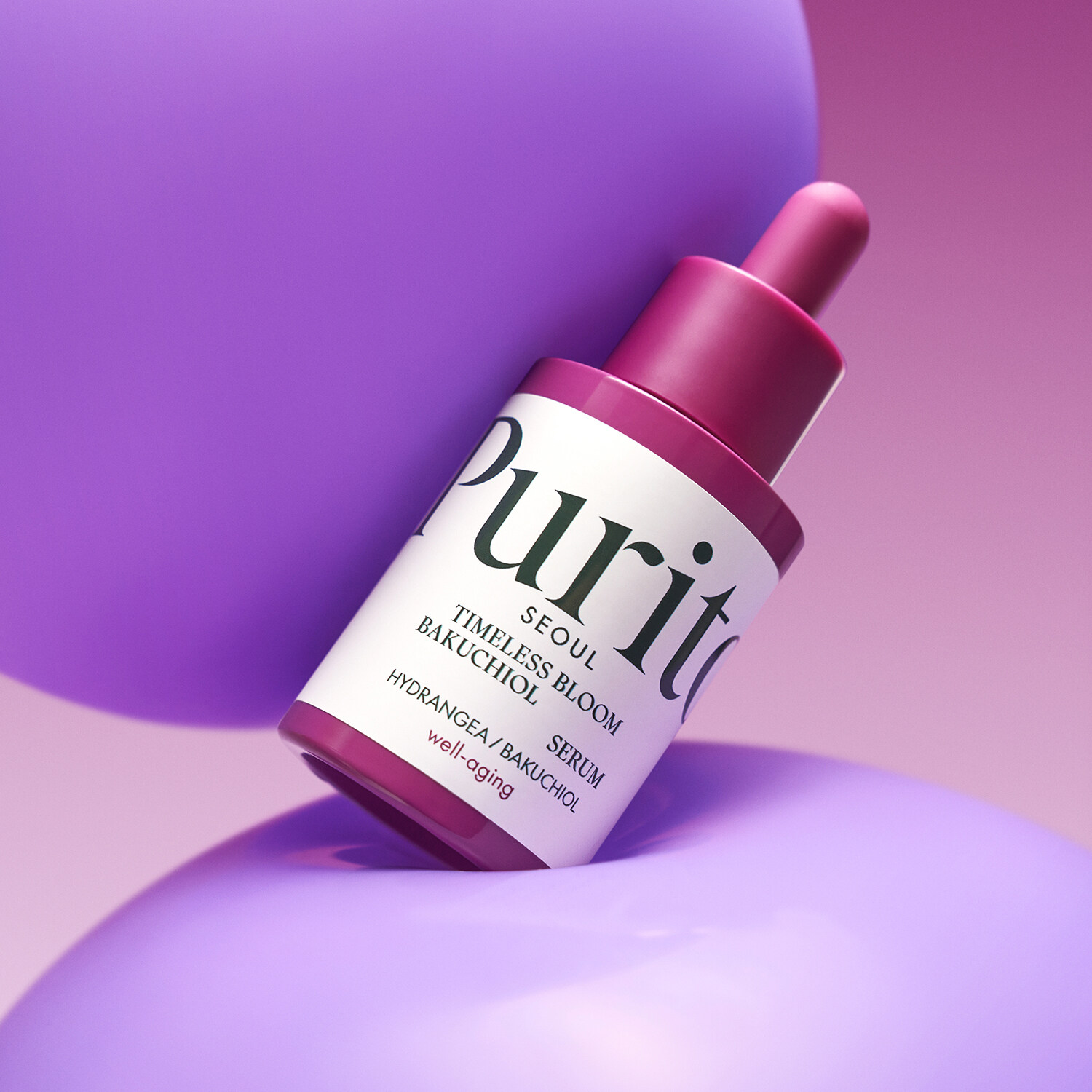
Timeless Bloom Bakuchiol Serum
Purito Seoul

Kombucha Plant Biome Serum
Anua
Eco Energy Skincare 2P Set (Toner + Emulsion)
The Saem
Frequently Asked Questions
Is lavender extract safe for sensitive skin if it's rated 3/5 for safety?▼
Will lavender extract cause breakouts on acne-prone skin?▼
Can I use lavender extract products if I'm pregnant or breastfeeding?▼
Why do some products with lavender extract irritate my skin while others don't?▼
Does lavender extract provide any anti-aging benefits?▼
Explore More
Want personalized ingredient advice?
Yuri, our AI beauty advisor, can tell you how Lavender Extract works with your specific skin type, routine, and concerns.
Ask Yuri, free