Lavender Flower Extract
INCI: Lavandula Angustifolia (Lavender) Flower Extract
Soothing and antioxidant botanical extract
About Lavender Flower Extract
Lavender Flower Extract is a botanical powerhouse derived from Lavandula angustifolia, prized in K-beauty for its dual action as both a soothing agent and antioxidant defender. While many recognize lavender for its calming aromatherapeutic qualities, the extract itself delivers tangible skin benefits beyond fragrance. It contains active compounds like linalool, linalyl acetate, and rosmarinic acid that work to reduce inflammation, neutralize free radicals, and support skin barrier function. Found in 96 K-beauty products on Seoul Sister, this ingredient appears frequently in cleansing formulations like Papa Recipe's Pack & Foam and VDL's Pure Stain Pore Control Cleansing Oil, where it helps offset the potential irritation from surfactants while providing a sensory experience. Its comedogenic rating of 1/5 makes it suitable for most skin types, though its safety rating of 3/5 reflects an important caveat: as a fragrance component, lavender extract can trigger sensitivities in reactive skin. Korean formulators appreciate this extract for its multitasking nature, delivering both functional skincare benefits and the signature calming scent that transforms cleansing into a ritual. The extract represents K-beauty's philosophy of blending efficacy with experience, where ingredients serve multiple purposes without compromising skin health.
How Lavender Flower Extract Works
At the molecular level, lavender flower extract functions through several complementary pathways. Its polyphenolic compounds, particularly rosmarinic acid, inhibit inflammatory mediators like NF-κB and cytokines that trigger redness and irritation. This makes it especially valuable in cleansing products where surfactants can compromise the skin barrier. The extract's antioxidant activity comes from flavonoids and phenolic acids that donate electrons to unstable free radicals, preventing oxidative damage to lipids and proteins in skin cells. Linalool and linalyl acetate, the primary aromatic compounds, also demonstrate antimicrobial properties against common skin bacteria, which explains lavender's traditional use in blemish-prone formulations. These terpene alcohols can modulate calcium ion channels in sensory neurons, which may explain the extract's calming effect on irritated skin beyond just psychological aromatherapy. The extract also contains tannins that provide mild astringent benefits, helping to temporarily tighten pores without stripping moisture. This complex phytochemical profile allows lavender extract to simultaneously protect, soothe, and refine skin texture during the cleansing process.
Lavender Flower Extract by Skin Type
Oily Skin
Lavender flower extract works well for oily skin through its mild astringent properties and antimicrobial activity against acne-causing bacteria. The extract helps control excess sebum without over-drying, which is why it appears in pore-focused cleansers like VDL's Pure Stain Pore Control Cleansing Oil. Its low comedogenic rating (1/5) means it won't clog pores even in oil-based formulations.
Dry Skin
While lavender extract provides antioxidant protection for dry skin, its astringent tannins may be less beneficial than more emollient botanicals. In cleansing balms like Banila Co's Clean It Zero White, the extract's soothing properties help calm any tightness after cleansing, but those with very dry, sensitive skin should patch test first. The extract works best when combined with hydrating ingredients rather than as a standalone moisturizing agent.
Combo Skin
Combination skin benefits significantly from lavender extract's balanced profile, as it can simultaneously address the oiliness in the T-zone while soothing drier cheek areas. Products like Dewytree's Hi Amino All Pore Cleansing Balm leverage this versatility. The extract's lightweight nature means it won't overload dry patches or leave oily zones feeling greasy.
Sensitive Skin
This is where lavender extract requires caution. Despite its anti-inflammatory properties, the fragrance compounds (linalool, linalyl acetate) can trigger contact dermatitis in sensitive or reactive skin. The safety rating of 3/5 reflects this potential for irritation. If you have a history of fragrance sensitivities, patch test products containing lavender extract or opt for fragrance-free alternatives, even though the extract offers legitimate soothing benefits for non-reactive sensitive skin.
Normal Skin
Normal skin can fully enjoy lavender extract's benefits without the concerns that limit other skin types. The extract provides preventative antioxidant protection, maintains skin balance, and enhances the sensory experience of cleansing routines. In formulations like Beplain's Homme Brightening Foam Cleansing, it supports overall skin health without disrupting the skin's natural equilibrium.
How to Use Lavender Flower Extract
- 1Always patch test lavender-containing products if you have known fragrance sensitivities, especially on your inner arm or behind your ear for 24-48 hours before facial application.
- 2Lavender extract works best in rinse-off products like cleansers and masks where exposure time is limited, reducing the risk of irritation while still delivering soothing and antioxidant benefits.
- 3Pair lavender extract cleansers with fragrance-free serums and moisturizers to minimize cumulative exposure to potential irritants while still enjoying the extract's benefits during cleansing.
- 4Store products containing lavender extract away from direct sunlight and heat, as UV exposure and high temperatures can degrade the beneficial polyphenols and alter the aromatic compounds.
Background
Lavender has been cultivated for over 2,500 years, originating in the Mediterranean region where ancient Egyptians, Romans, and Greeks used it in bathing rituals and medicinal preparations. The name derives from the Latin 'lavare,' meaning 'to wash,' reflecting its historical role in cleansing practices. Traditional Korean medicine (hanbang) didn't originally feature lavender, but modern K-beauty has embraced it as formulators seek botanicals that bridge efficacy and sensorial appeal. The extract gained prominence in Korean skincare during the 2010s when brands began incorporating Western botanicals backed by clinical research. French lavender farming, particularly in Provence, supplies much of the cosmetic-grade extract used in K-beauty today. Korean brands transformed lavender from purely an aromatherapeutic ingredient into a functional skincare component by standardizing extracts for specific antioxidant and anti-inflammatory compounds, reflecting K-beauty's evidence-based approach to traditional botanicals.
K-Beauty Products with Lavender Flower Extract
View all 107 →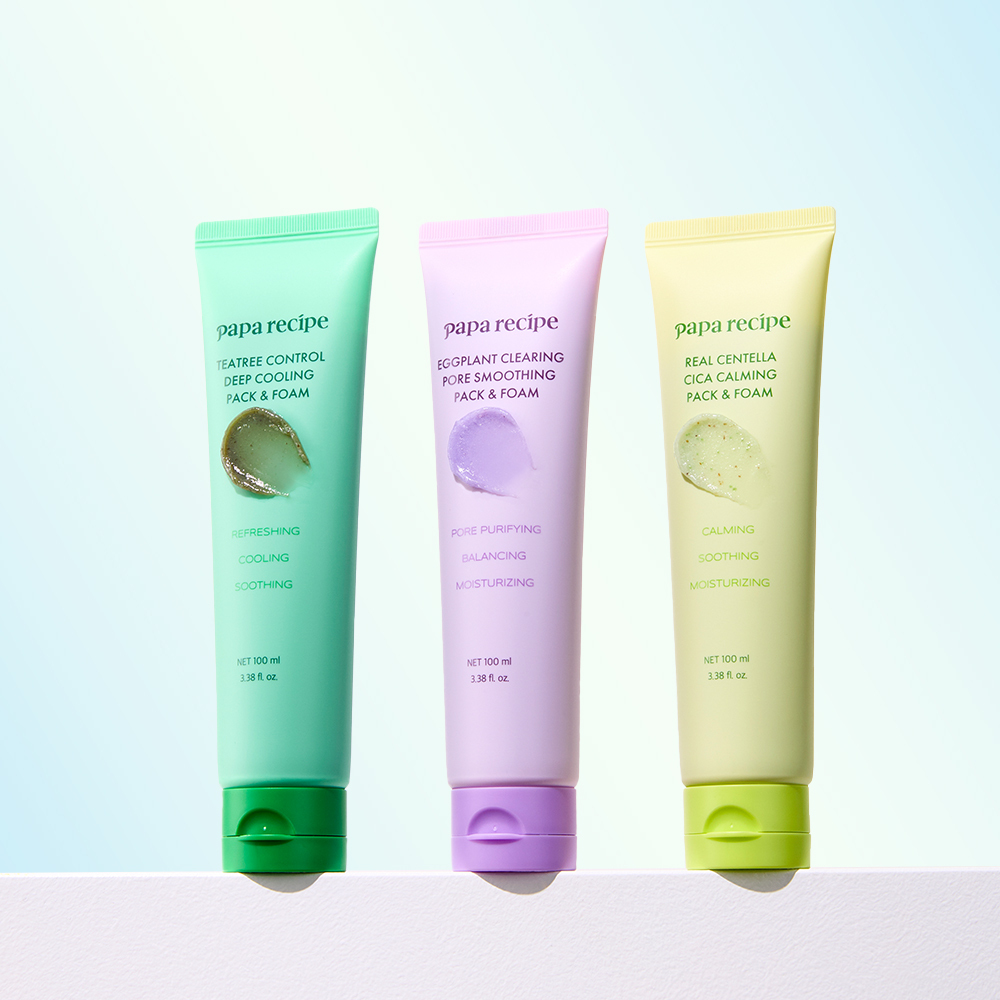
Pack & Foam (Real Centella/Eggplant Clearing/Teatree Control)
Papa Recipe
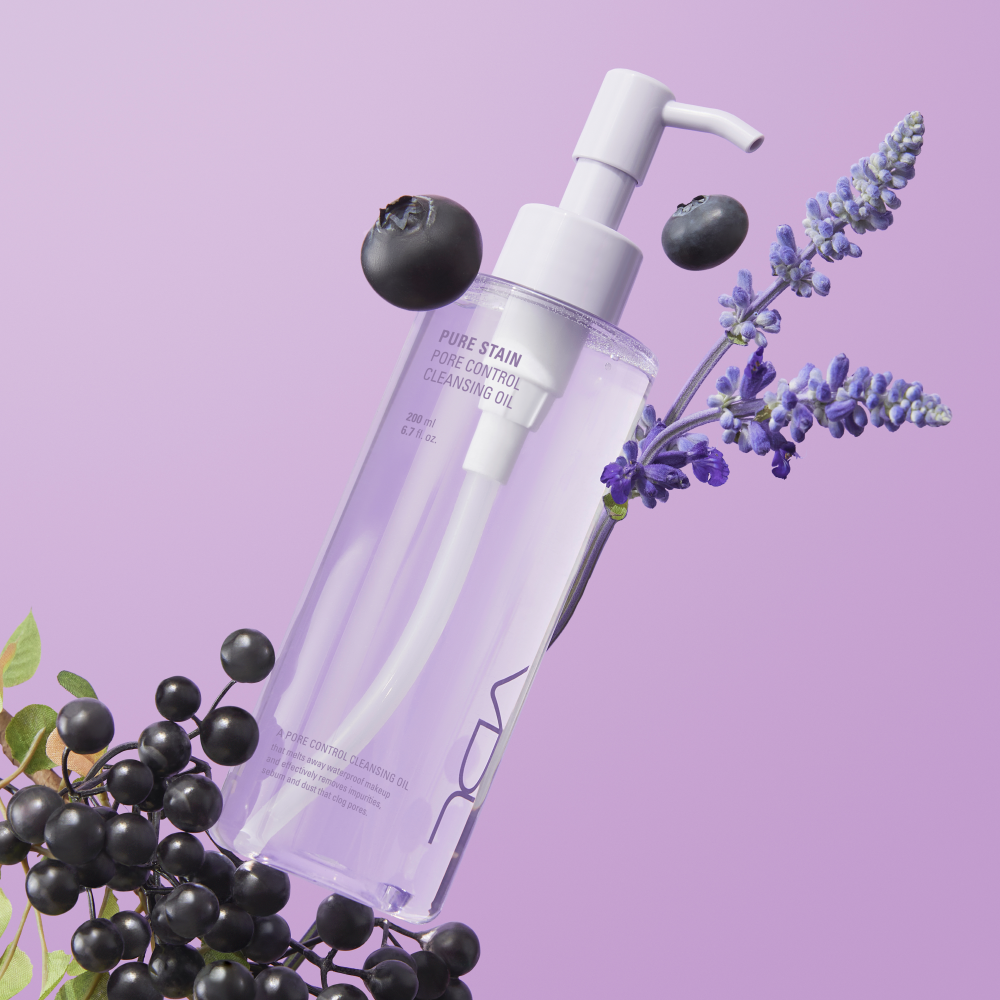
Pure Stain Pore Control Cleansing Oil
VDL
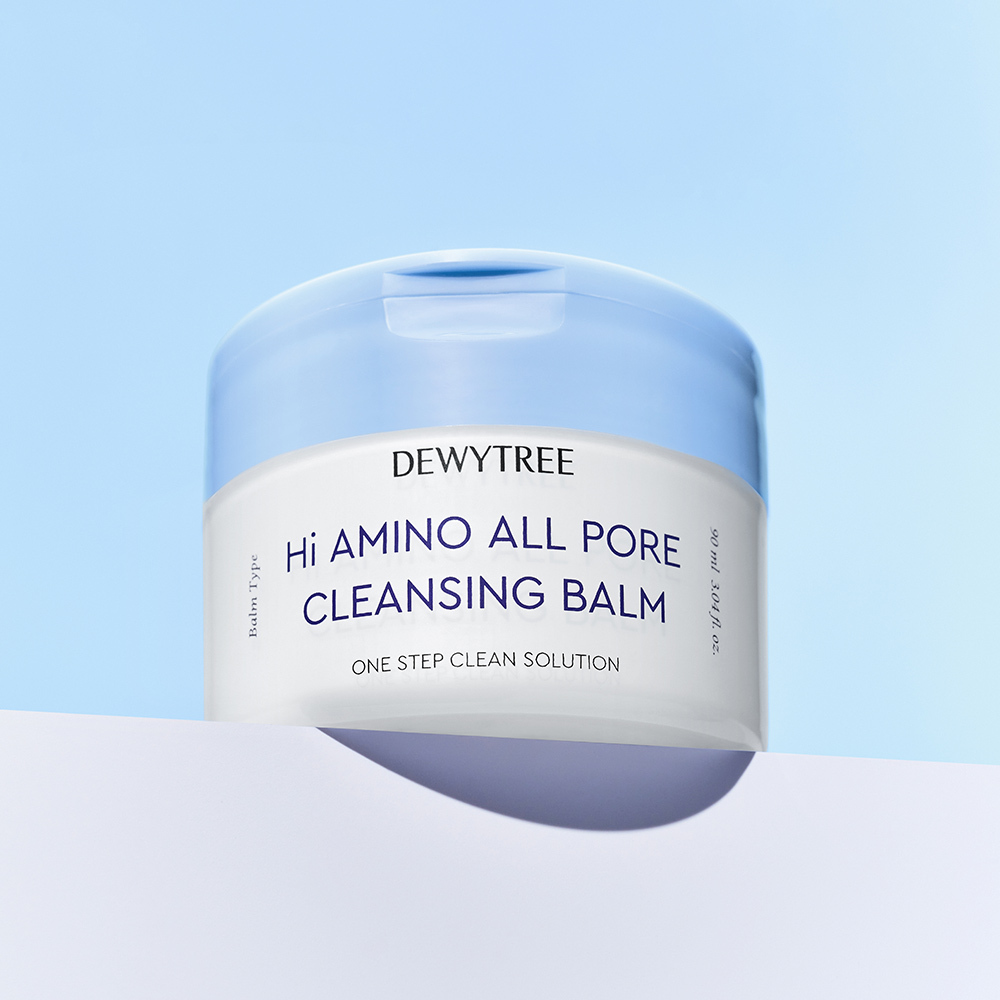
Hi Amino All Pore Cleansing Balm
Dewytree
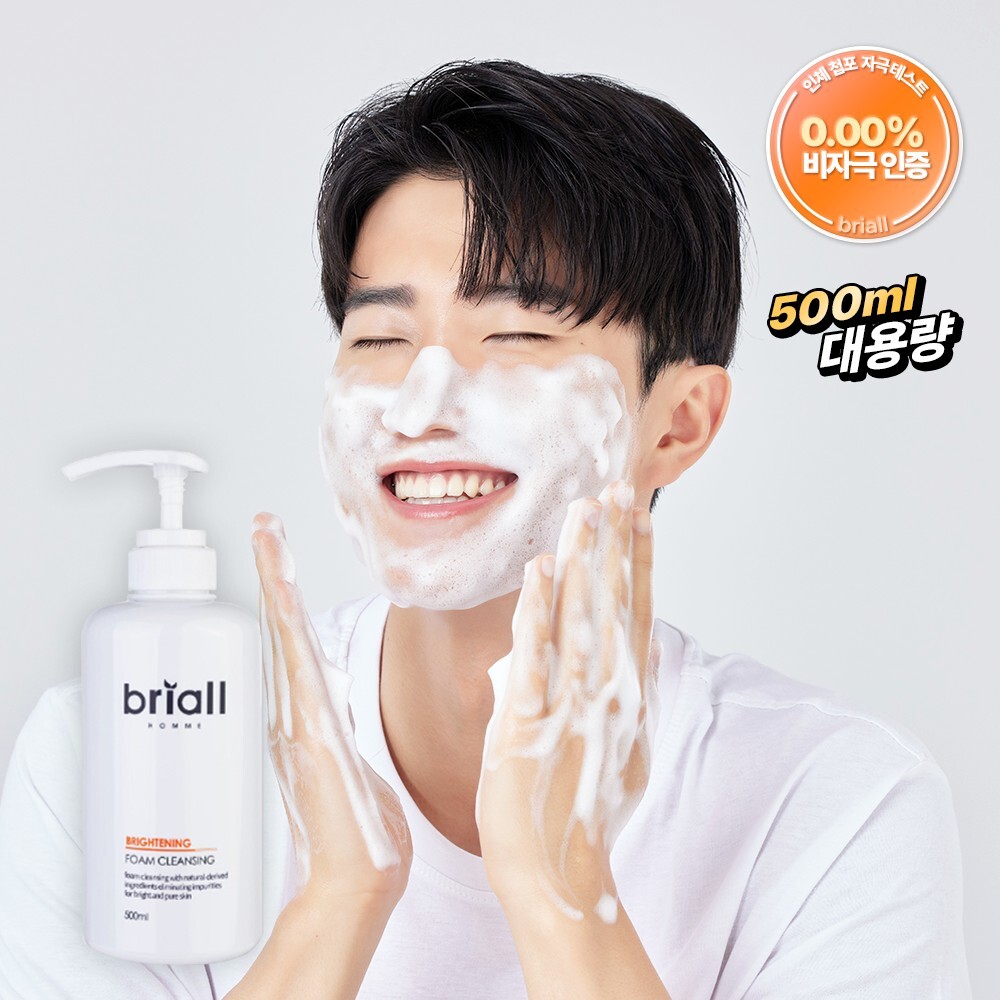
Homme Brightening Foam Cleansing Large Size
Beplain
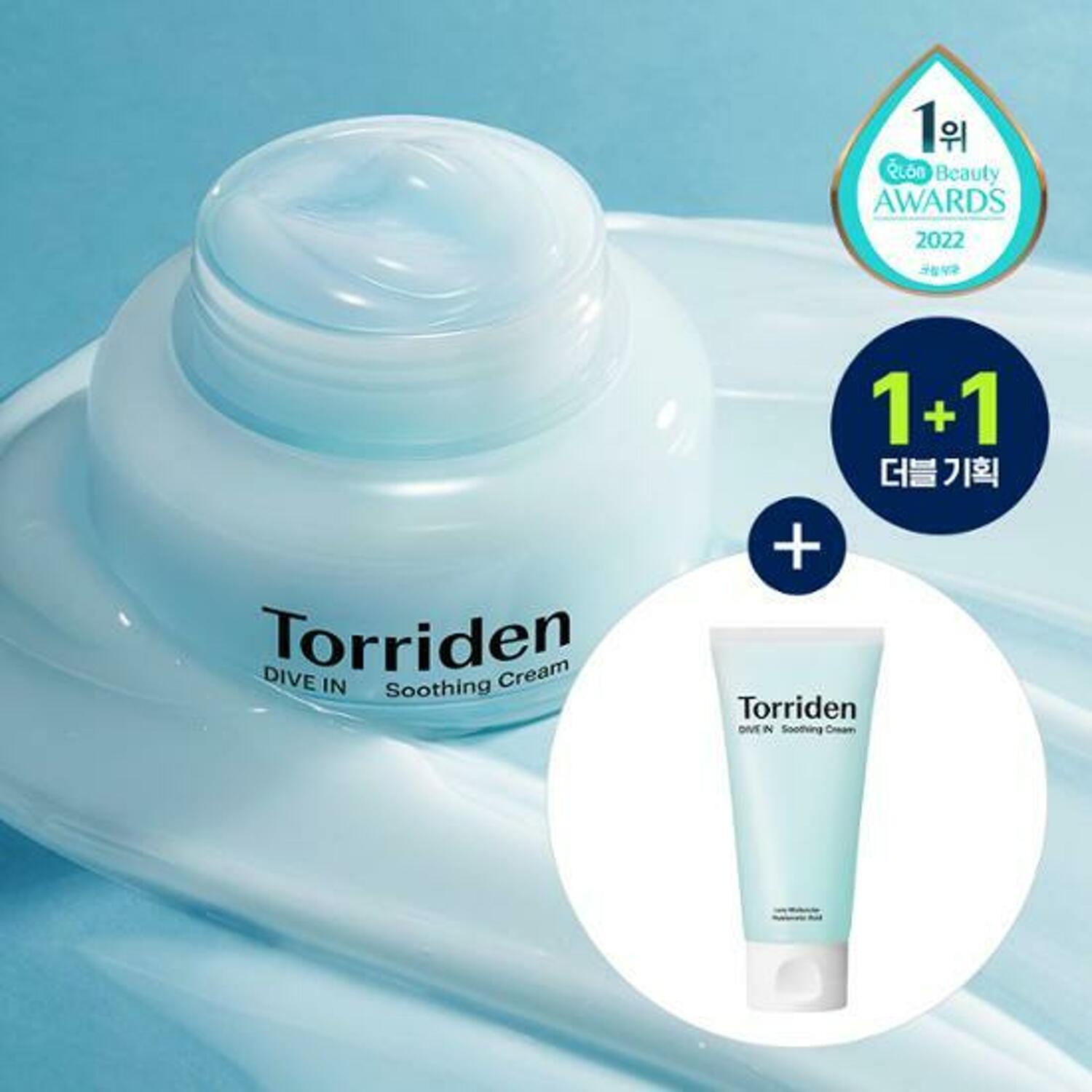
Dive-in Soothing Cream Double Pack
Torriden
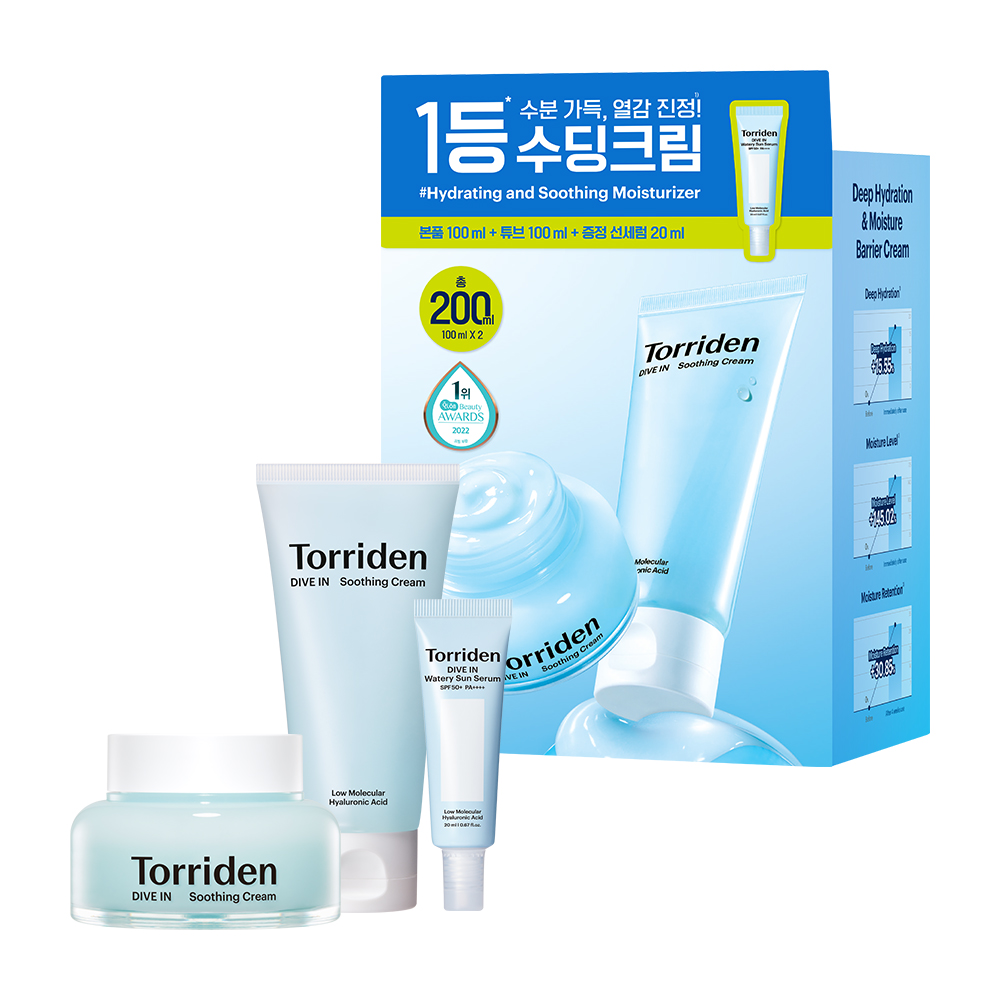
Dive-In Soothing Cream
Torriden

Phyto Ganic Cleansing Liquid
Beyond

Melanon X Ampoule Cleanser
Medi-Peel

Pore Cleansing Oil Heartleaf Oil-Wash
Abib

P.Z Ssoc Ssoc No More Black Head Special Set
Ilso
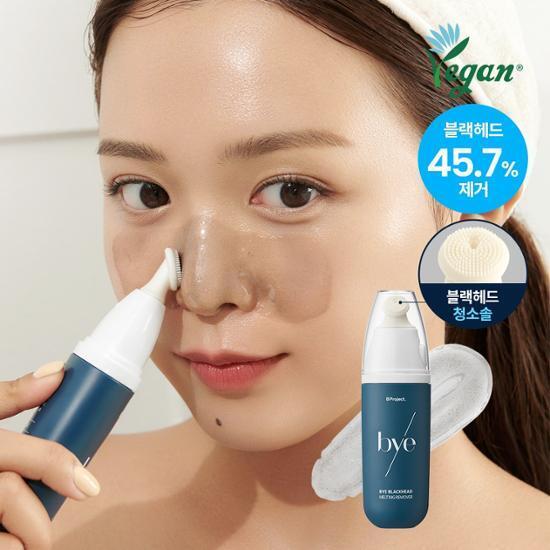
Bye Blackhead Melting Remover
Ilso
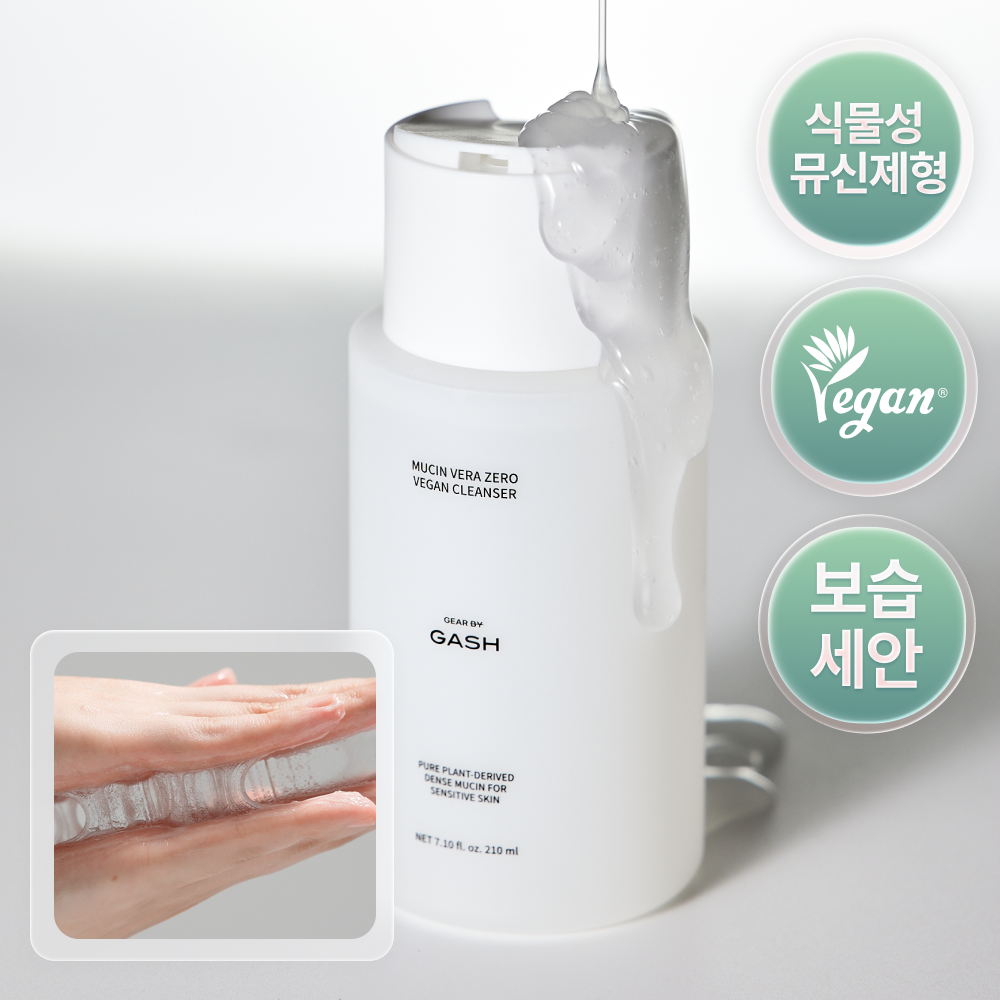
Mucin Vera Zero Vegan Cleanser
Beplain
Frequently Asked Questions
Is lavender extract safe for sensitive skin?▼
Why is lavender extract in so many K-beauty cleansers?▼
Can lavender extract help with acne?▼
Does lavender extract actually provide antioxidant benefits or is it just for fragrance?▼
Explore More
Want personalized ingredient advice?
Yuri, our AI beauty advisor, can tell you how Lavender Flower Extract works with your specific skin type, routine, and concerns.
Ask Yuri, free