Maca Root Extract
INCI: Lepidium Meyenii Root Extract
Antioxidant and skin energizing botanical extract
About Maca Root Extract
Maca root extract comes from Lepidium meyenii, a hardy cruciferous plant that thrives in the harsh high-altitude conditions of the Peruvian Andes. In K-beauty formulations, this botanical powerhouse functions primarily as an antioxidant and skin energizer, bringing adaptogenic benefits from traditional Andean medicine into modern skincare. The extract is packed with vitamins (B1, B2, C, and E), minerals (iron, calcium, zinc, and copper), and essential amino acids that work synergistically to protect skin from environmental stressors while promoting a revitalized, healthy-looking complexion. What makes maca particularly interesting for Korean skincare is its dual action: it delivers immediate antioxidant protection against free radical damage while also supporting long-term skin vitality through nutrient delivery. With a comedogenic rating of 0/5, maca root extract won't clog pores, making it suitable across product categories from cleansers to serums. Its presence in 40 K-beauty products on Seoul Sister, including top-rated cleansing oils and bubble foams, demonstrates its versatility as both a functional active and a skin-conditioning agent. The extract's adaptogenic properties, which help the plant survive extreme temperature fluctuations and UV exposure at 14,000+ feet elevation, translate into resilience-boosting benefits for stressed urban skin facing pollution, blue light, and climate-controlled environments.
How Maca Root Extract Works
Maca root extract functions at the cellular level through multiple complementary mechanisms. Its high concentration of glucosinolates and polyphenols acts as a first line of defense, neutralizing reactive oxygen species (ROS) before they can damage cellular membranes and DNA. The vitamin C content supports collagen synthesis pathways, while vitamin E works synergistically to regenerate oxidized vitamin C molecules, creating an antioxidant recycling system within the skin. The amino acid profile, particularly arginine and lysine, provides building blocks for protein synthesis and supports the skin's natural repair processes. Maca's mineral content plays a catalytic role in enzymatic reactions: zinc regulates sebum production and supports barrier function, copper is essential for lysyl oxidase (the enzyme that cross-links collagen and elastin), and iron supports cellular respiration and energy production. The adaptogenic compounds, including macamides and macaenes unique to this plant, appear to modulate cellular stress responses, helping skin cells maintain homeostasis under environmental pressure. This metabolic support translates to improved skin energy metabolism, potentially explaining the 'energizing' effect noted in product formulations.
Maca Root Extract by Skin Type
Oily Skin
Maca root extract works well for oily skin thanks to its zero comedogenic rating and zinc content, which helps regulate sebum production without stripping the skin. The antioxidant protection is particularly valuable since excess sebum can oxidize and contribute to inflammation and breakouts. You'll find it in several highly-rated cleansers on Seoul Sister, including Banila Co's Pongdang Pore Deep Clean Cleansing Oil (5.0/5), where it helps remove impurities while delivering skin-conditioning benefits.
Dry Skin
For dry skin, maca root extract provides antioxidant protection without the potential irritation of some other actives, while its amino acid and mineral content supports barrier repair and moisture retention. The vitamin E component helps protect lipid structures in the stratum corneum, which is essential for preventing transepidermal water loss. Pair it with humectants and emollients for optimal hydration, as maca functions more as a protective and energizing agent than a direct moisturizer.
Combo Skin
Combination skin benefits from maca root extract's balanced profile: it provides antioxidant protection across all zones without aggravating oil production in the T-zone or causing dryness on the cheeks. The extract appears in versatile products like LACVERT's Homme Re:charge All-In-One Lotion (4.9/5), demonstrating its ability to work in formulations designed for varied skin needs. Its non-comedogenic nature means it won't contribute to congestion in oilier areas.
Sensitive Skin
Maca root extract is generally well-tolerated by sensitive skin, with a safety rating of 4/5 indicating minimal irritation potential. The antioxidant protection is particularly valuable for sensitive skin types that are more vulnerable to environmental damage and inflammation. However, as with any botanical extract, those with known cruciferous vegetable sensitivities should patch test first, though topical reactions to maca are rare compared to oral consumption.
Normal Skin
Normal skin can use maca root extract as a preventive antioxidant and skin energizer without concerns about disrupting the skin's natural balance. The nutrient-dense profile supports overall skin health and resilience, helping maintain that 'normal' status as environmental stressors and aging factors increase. It works across product categories, from cleansers like Skinfood's Black Sugar line (4.8-4.9/5 ratings) to treatment products, providing consistent protective benefits.
How to Use Maca Root Extract
- 1Look for maca root extract in cleansers and first-step products where it can provide antioxidant protection during the cleansing process while being thoroughly rinsed, or in leave-on products like serums and lotions for sustained benefits throughout the day.
- 2Maca works synergistically with other antioxidants like vitamin C, niacinamide, and green tea extract, creating a more comprehensive defense system against free radical damage than any single ingredient alone.
- 3Use maca-containing products in your morning routine for daytime environmental protection, or at night to support skin's repair processes with its amino acid and mineral content.
- 4The extract is stable in various formulations from oils to foams, so choose your delivery system based on your skin type and routine preferences rather than worrying about ingredient degradation.
Background
Maca has been cultivated in the Peruvian Andes for over 2,000 years, where indigenous communities valued it as both a nutritious food source and traditional medicine for energy and vitality. The plant's ability to thrive at 11,000 to 14,500 feet elevation, where few other crops survive, made it a crucial resource in harsh mountain environments. Traditional uses focused on internal consumption for stamina and hormonal balance, but modern phytochemical research has identified the potent antioxidant and adaptogenic compounds that translate well to topical applications. K-beauty formulators embraced maca root extract as part of the broader trend toward nutrient-dense botanical ingredients, particularly those with scientific backing for stress protection and skin energizing properties. Its integration into popular Korean products, from Skinfood's Black Sugar line to premium cleansing oils, reflects the industry's philosophy of combining traditional botanical wisdom with modern skin science to create effective, skin-friendly formulations.
K-Beauty Products with Maca Root Extract
View all 43 →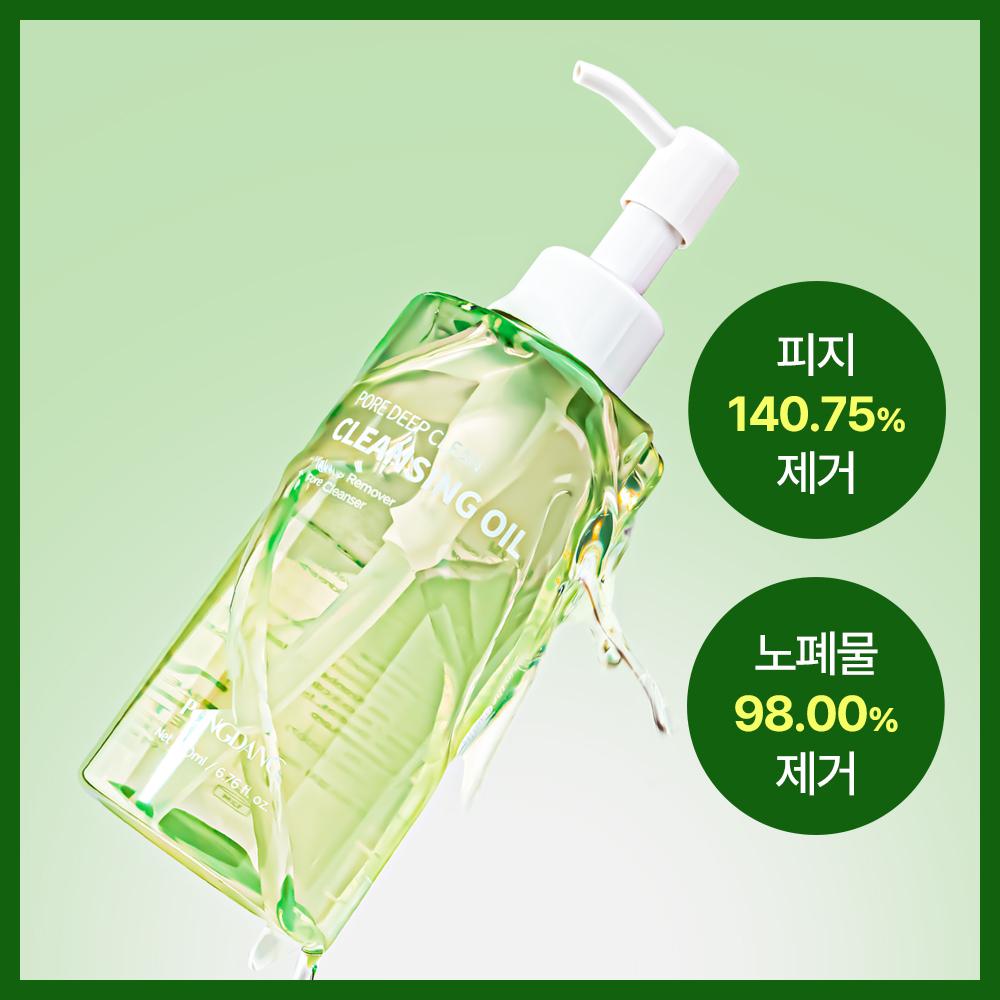
Pongdang Pore Deep Clean Cleansing Oil
Banila Co
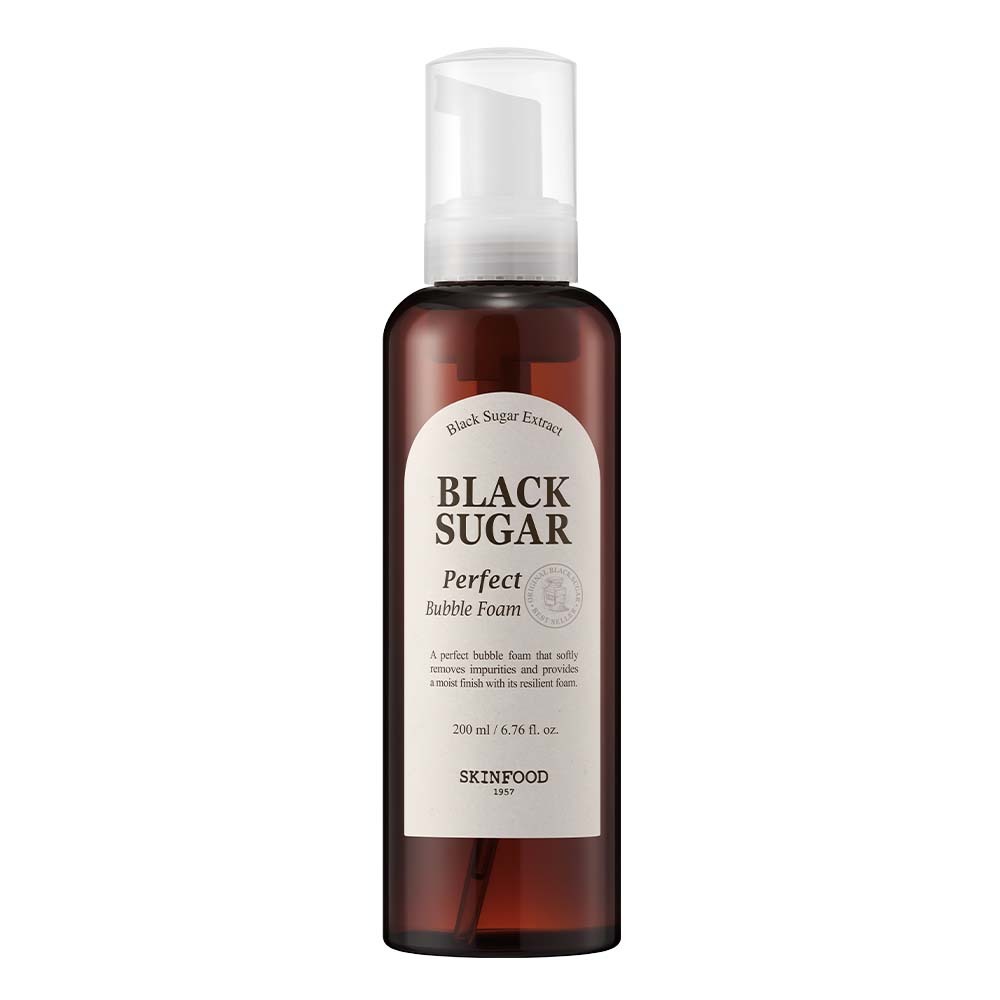
Black Sugar Perfect Bubble Foam
Skinfood
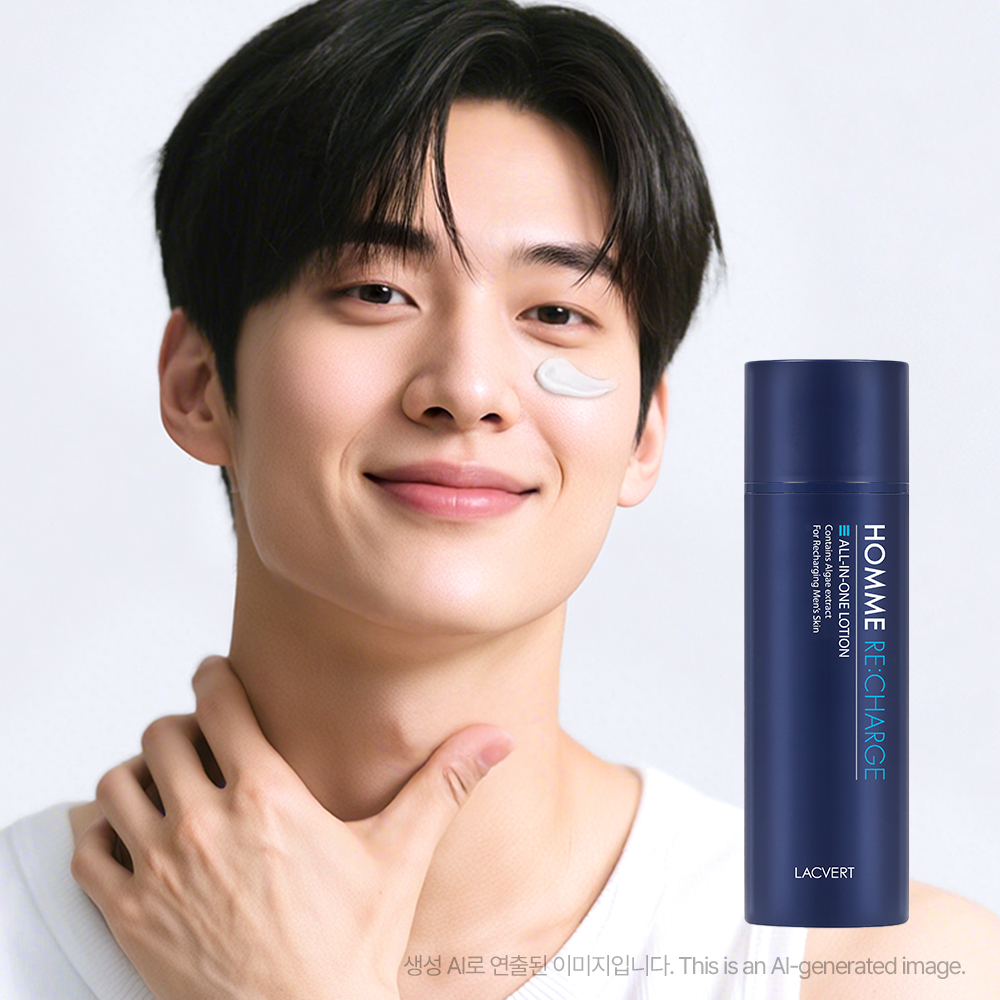
Homme Re:charge All-In-One Lotion
LACVERT
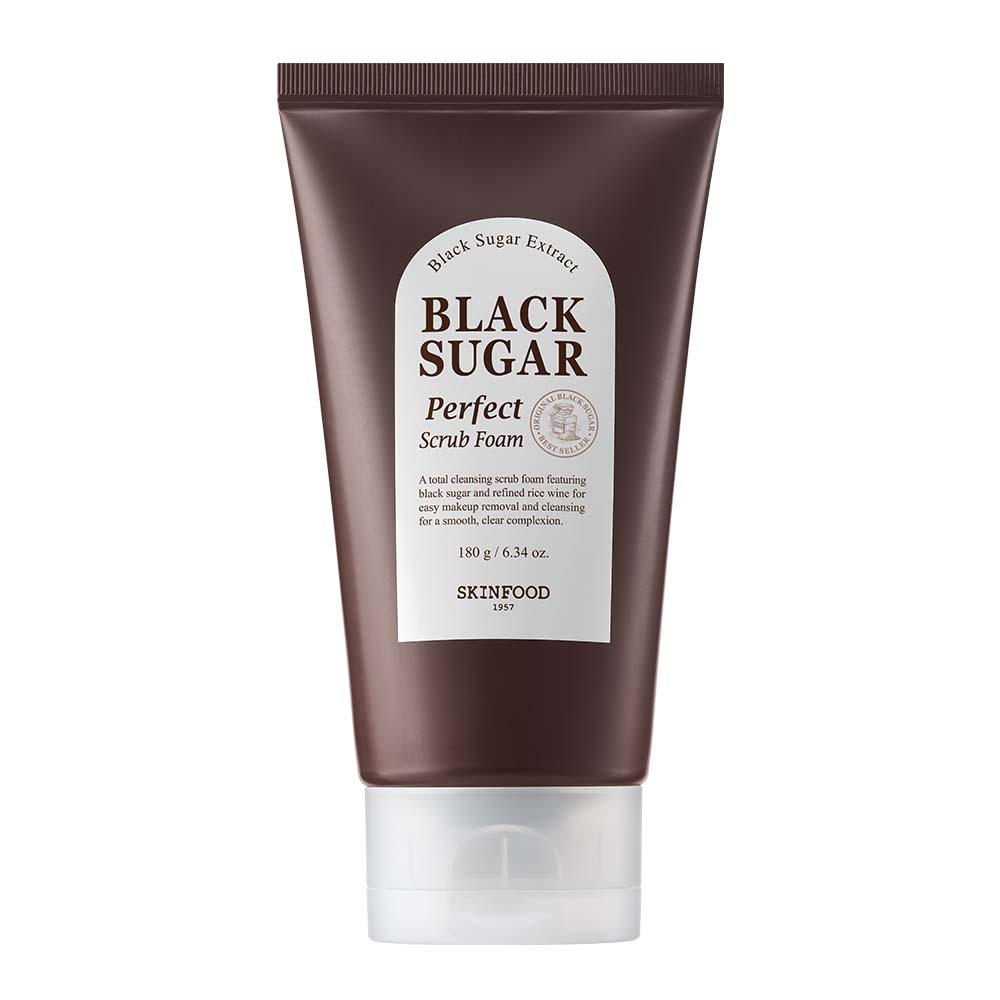
Black Sugar Perfect Scrub Foam
Skinfood
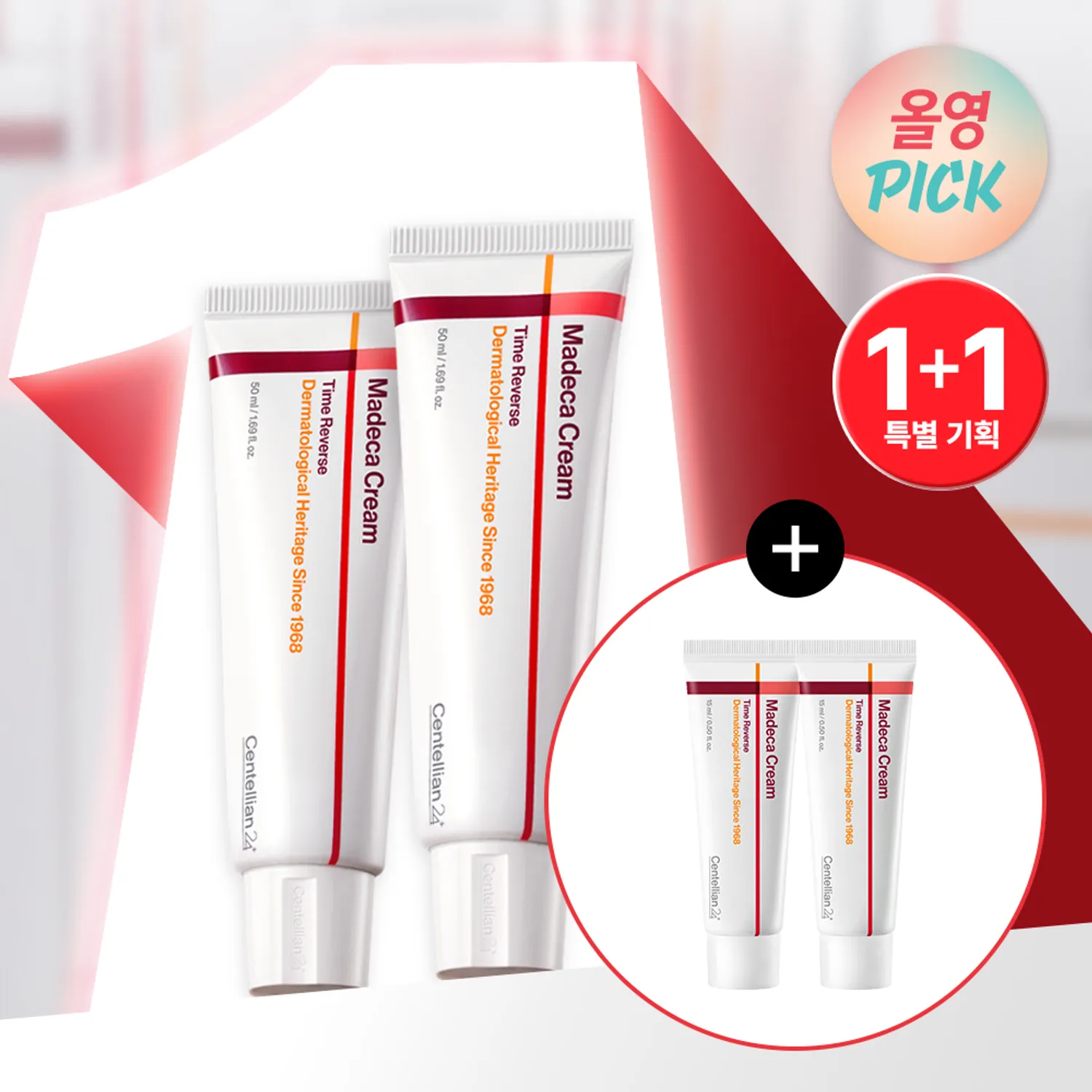
Madeca Cream Time Reverse Double Pack
Centellian24
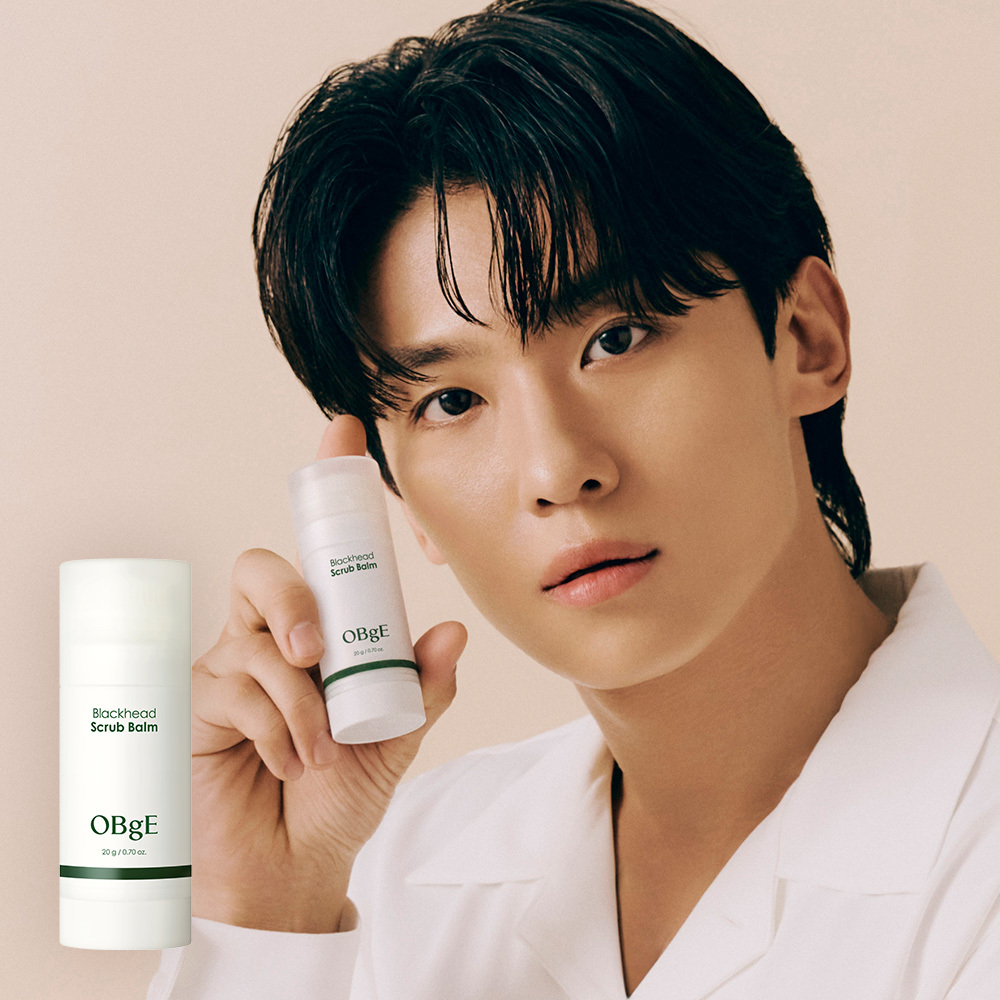
Blackhead Scrub Balm
OBgE
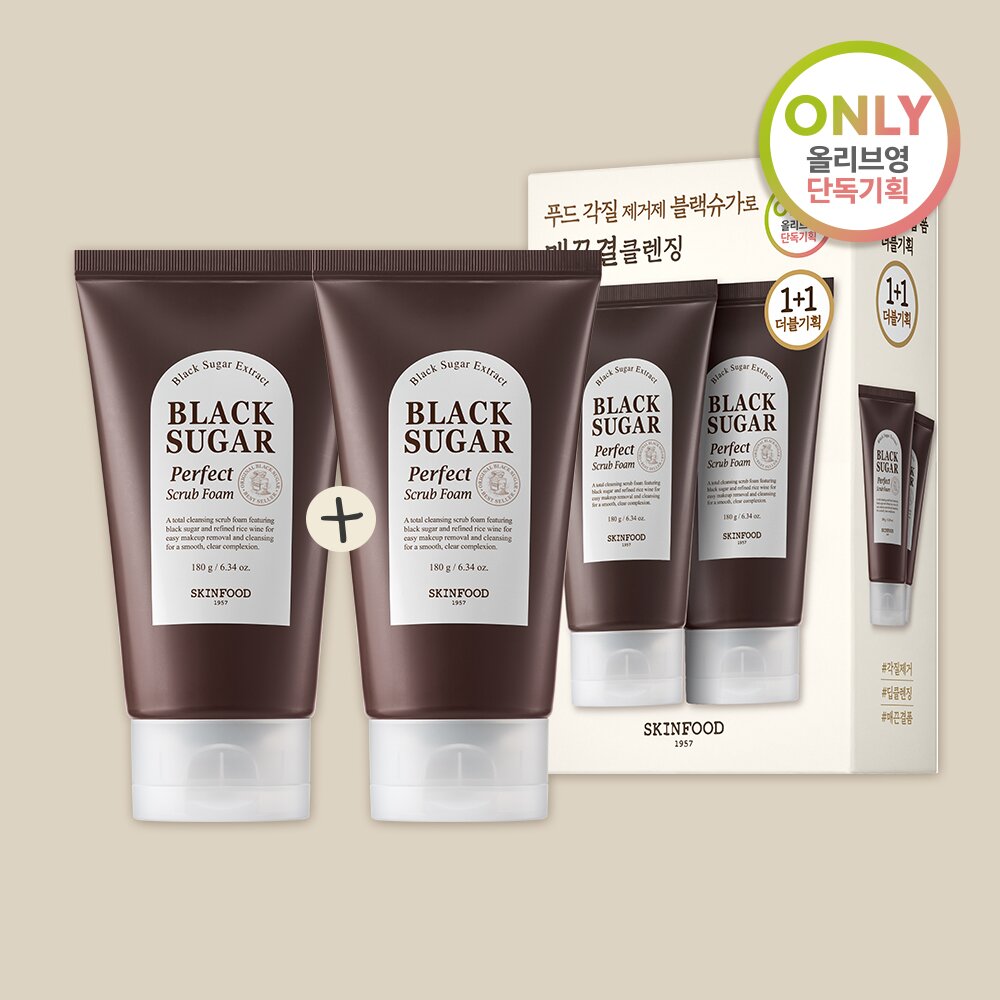
Black Sugar Perfect Scrub Foam Double Set
Skinfood
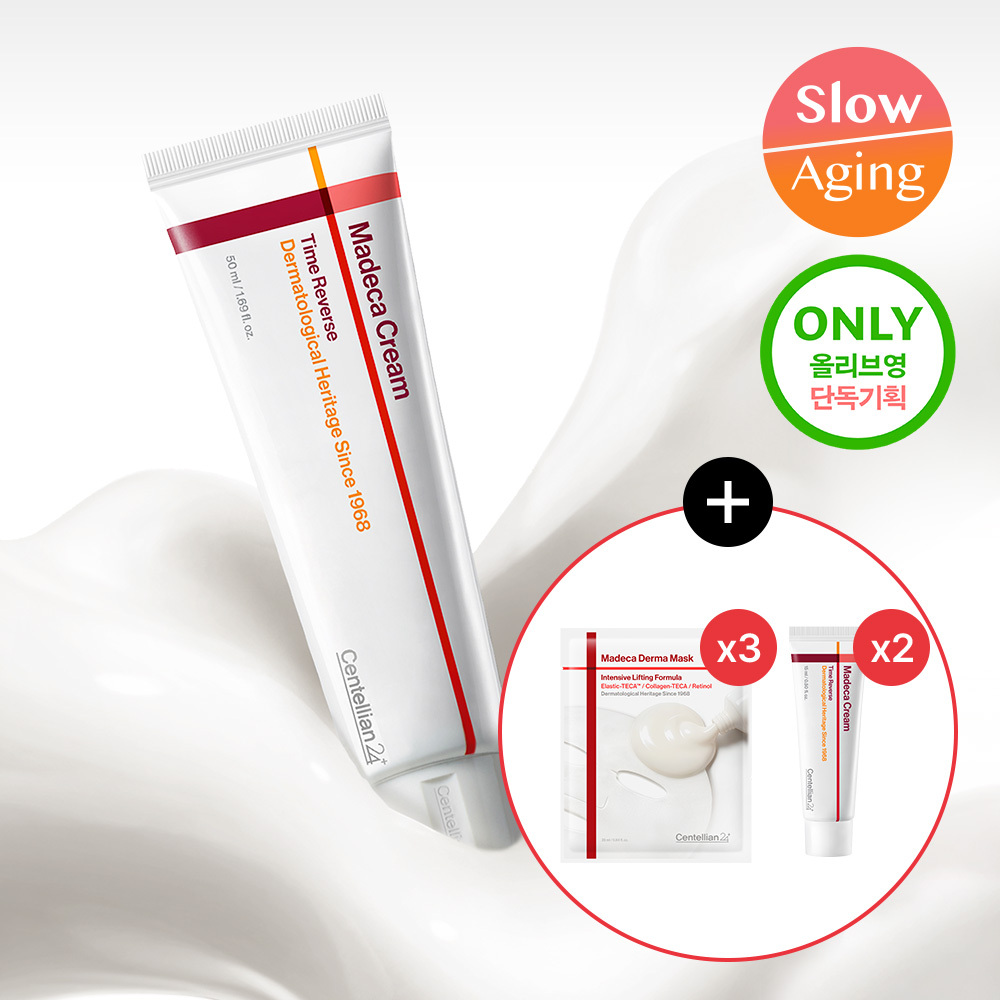
Madeca Cream Time Reverse Set
Centellian24
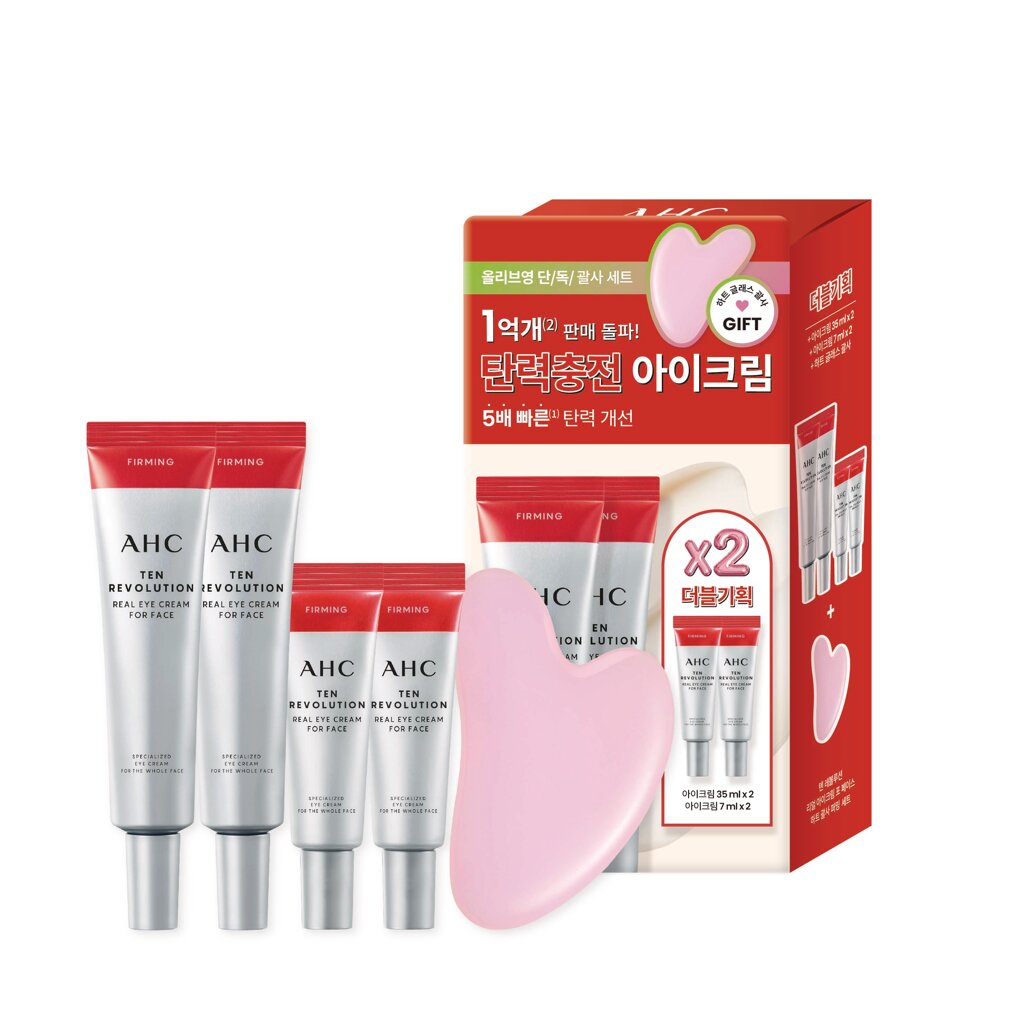
10 Revolution Real Eye Cream For Face
AHC
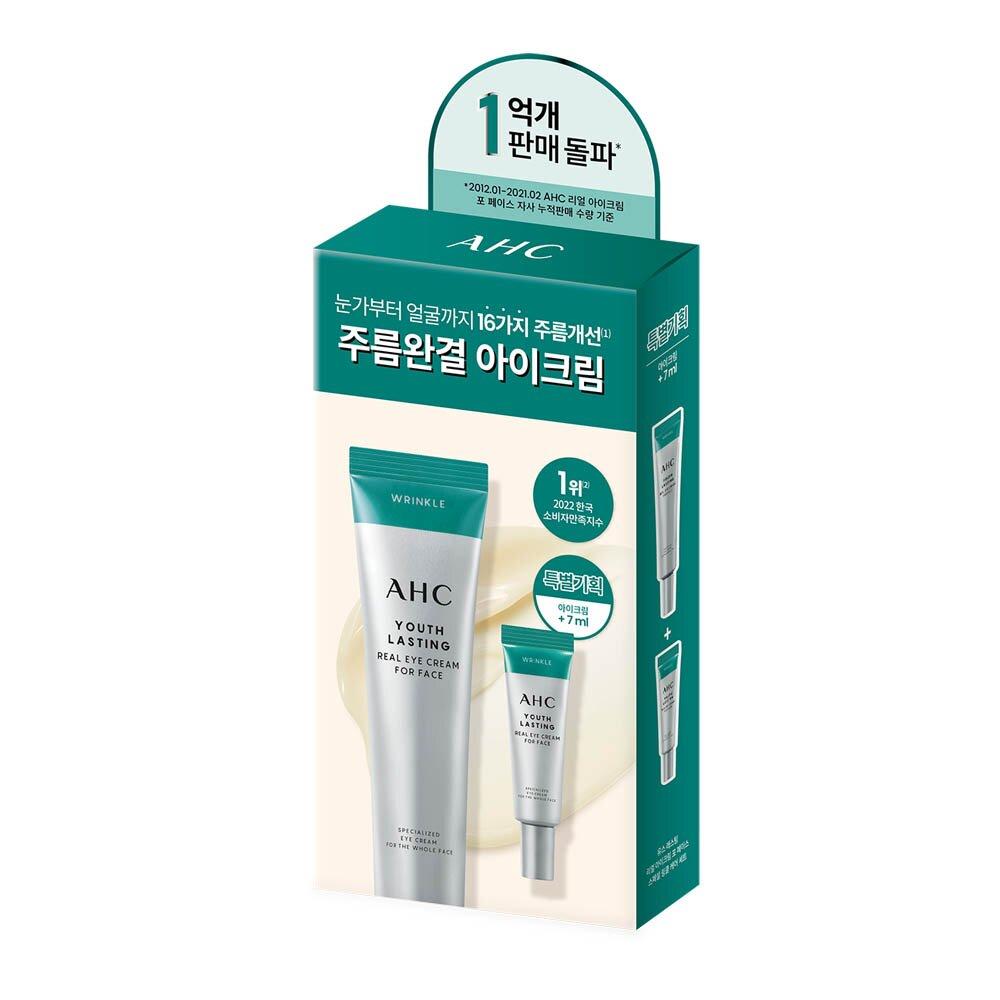
Youth Lasting Real Eye Cream For Face Special Wrinkle Care Set
AHC
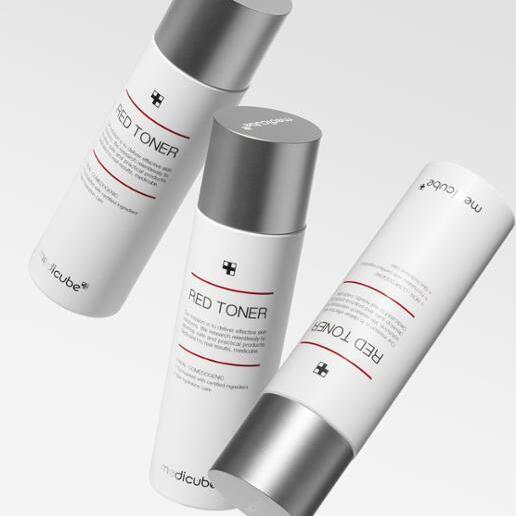
Red Toner 2.0
Medicube
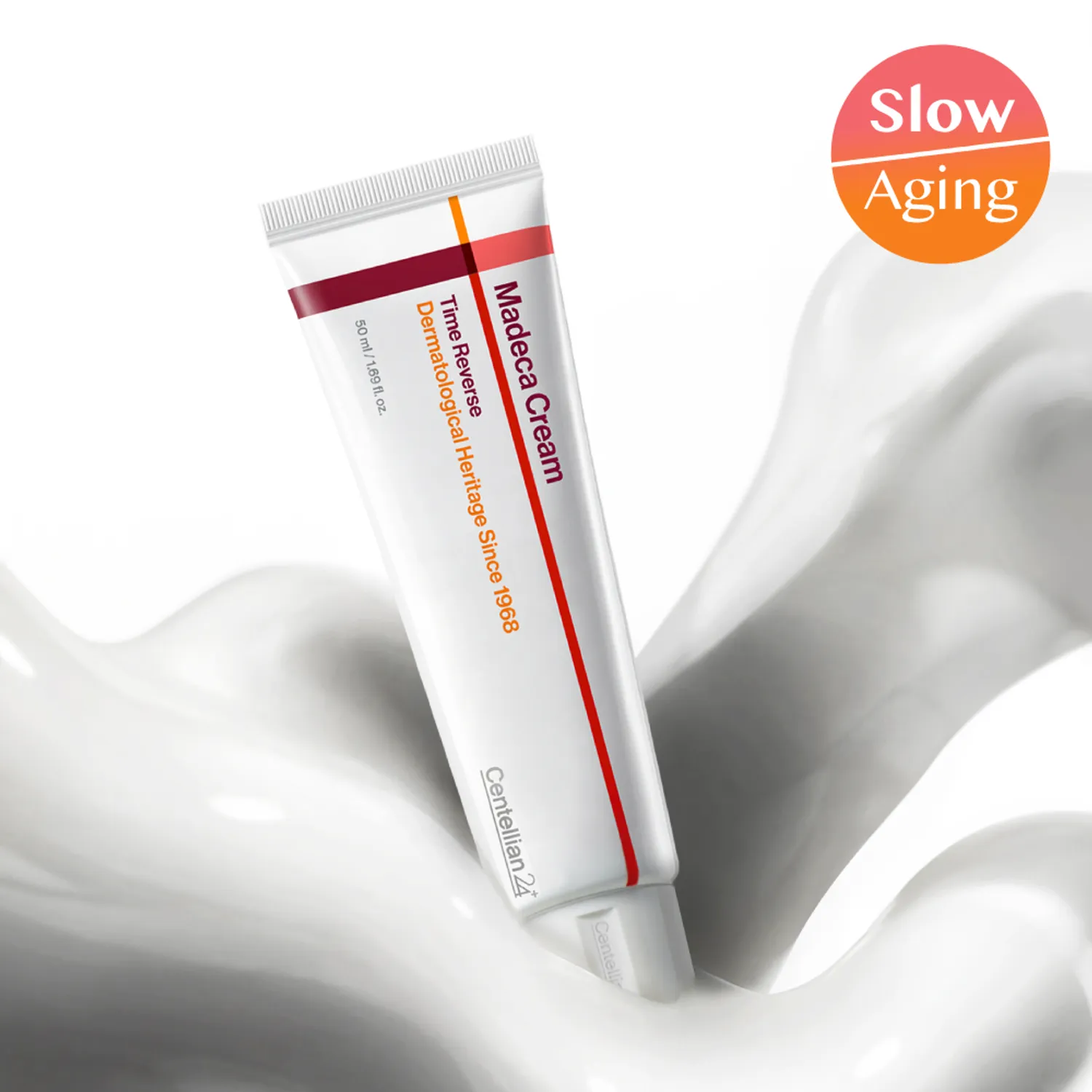
Madeca Cream Time Reverse
Centellian24
Frequently Asked Questions
Is maca root extract the same as the maca powder used in smoothies?▼
Can maca root extract cause hormonal effects when applied to skin?▼
Why is maca root extract showing up in so many K-beauty cleansers?▼
Does maca root extract actually energize skin or is that just marketing?▼
Explore More
Want personalized ingredient advice?
Yuri, our AI beauty advisor, can tell you how Maca Root Extract works with your specific skin type, routine, and concerns.
Ask Yuri, free