Linoleic Acid
Essential fatty acid that strengthens skin barrier
About Linoleic Acid
Linoleic acid is an omega-6 essential fatty acid that your skin cannot produce on its own, making it a crucial component in maintaining a healthy skin barrier. Found naturally in plant oils like safflower, sunflower, and rosehip, linoleic acid plays a fundamental role in ceramide synthesis, the lipid molecules that hold your skin cells together like mortar between bricks. In K-beauty formulations, linoleic acid is prized for its lightweight, non-greasy texture and its ability to regulate sebum production, making it particularly valuable for acne-prone and oily skin types. Unlike its cousin oleic acid (an omega-9 fatty acid that can clog pores), linoleic acid has a low comedogenic rating of 1/5, meaning it rarely causes breakouts. Research shows that acne-prone skin often has lower levels of linoleic acid in its sebum, creating an imbalance that can lead to thicker, more pore-clogging oil. By replenishing linoleic acid topically, you can help normalize sebum composition and improve overall skin texture. Seoul Sister data shows linoleic acid appears in 83 K-beauty products, including top-rated formulas like SUM37's Secret Rice Nuruk Daily Exfoliating Cleanser and Real Barrier's Control-T Cleansing Foam, both earning perfect 5.0/5 scores. Its versatility allows it to work across product categories, from cleansers to serums, delivering barrier-strengthening benefits without heaviness.
How Linoleic Acid Works
At the cellular level, linoleic acid integrates directly into your skin's lipid matrix, where it serves as a building block for ceramides, particularly ceramide 1 (also called ceramide EOS). These ceramides form the intercellular lipid lamellae, the layered structure that prevents water loss and keeps irritants out. When your skin has adequate linoleic acid, it can maintain optimal barrier function and hydration levels. Linoleic acid also influences sebaceous gland activity through a fascinating mechanism: it helps keep sebum fluid and light. When linoleic acid levels drop, your sebum becomes thicker and richer in oleic acid, which is more likely to solidify in pores and trigger inflammatory acne. Additionally, linoleic acid demonstrates anti-inflammatory properties by competing with arachidonic acid (another omega-6 fatty acid that promotes inflammation) for the same enzymes, potentially reducing redness and irritation. Its small molecular structure allows for easy penetration into the stratum corneum, where it can immediately begin reinforcing barrier function and supporting the skin's natural lipid balance.
Linoleic Acid by Skin Type
Oily Skin
Linoleic acid is exceptionally beneficial for oily skin because it helps regulate sebum composition and flow. Studies show that acne-prone, oily skin tends to be deficient in linoleic acid, leading to thicker sebum that clogs pores more easily. By replenishing linoleic acid, you can help normalize oil production and reduce the likelihood of breakouts, which explains why it appears in highly-rated products like Real Barrier's Control-T Cleansing Foam (5.0/5) specifically designed for sebum control.
Dry Skin
Dry skin benefits significantly from linoleic acid's barrier-repairing properties. As a key component in ceramide synthesis, linoleic acid helps rebuild the skin's protective moisture barrier, reducing trans-epidermal water loss and improving hydration retention. Its lightweight texture makes it ideal for layering under richer moisturizers without feeling greasy, and it enhances the skin's ability to hold onto moisture naturally rather than just sitting on the surface.
Combo Skin
Combination skin finds an ideal balance with linoleic acid because it addresses both oily and dry concerns simultaneously. It regulates sebum in the T-zone while strengthening the barrier in drier cheek areas, making it a versatile ingredient for this skin type. Products like Dr. Jart+'s Ctrl-A Teatreement Toner (5.0/5) leverage linoleic acid to help normalize skin function across different facial zones without over-treating any single area.
Sensitive Skin
Sensitive skin responds well to linoleic acid's anti-inflammatory properties and barrier-strengthening abilities. By reinforcing the lipid barrier, linoleic acid helps protect sensitive skin from environmental irritants and reduces inflammatory responses. Its low irritation potential and compatibility with other ingredients make it a safe choice for reactive skin types, though those with specific fatty acid sensitivities should patch test first.
Normal Skin
Normal skin can maintain its balanced state with linoleic acid's preventative benefits. Regular use helps preserve barrier integrity and prevents the development of issues like dehydration or congestion. Linoleic acid supports the skin's natural functions without disrupting its equilibrium, making it an excellent maintenance ingredient found in comprehensive formulas like Torriden's Solid-In For Men Ceramide All In One Set (5.0/5).
How to Use Linoleic Acid
- 1Layer linoleic acid products under your moisturizer in the morning to strengthen your barrier before environmental exposure throughout the day.
- 2If you have acne-prone skin, look for leave-on products (serums, toners) rather than cleansers to maximize linoleic acid's sebum-regulating benefits.
- 3Store linoleic acid products in cool, dark places and use them within 6 months of opening, as this omega-6 fatty acid can oxidize when exposed to light, heat, and air.
- 4Pair linoleic acid with ceramides and cholesterol for optimal barrier repair, as these three lipids work synergistically in a 1:1:1 ratio to mimic your skin's natural composition.
- 5Apply linoleic acid products to slightly damp skin to enhance penetration and maximize hydration benefits.
Background
Linoleic acid has been a cornerstone of traditional skincare for centuries, though its scientific understanding is relatively modern. Plant oils rich in linoleic acid, such as safflower, evening primrose, and rosehip, have been used in traditional medicine across Asia, Europe, and the Middle East for treating skin conditions and promoting wound healing. The term 'essential fatty acid' was coined in 1929 when researchers discovered that certain fats were necessary for health but couldn't be synthesized by the body. Korean skincare brands began isolating and highlighting linoleic acid in formulations during the early 2010s as the K-beauty industry shifted toward ingredient transparency and science-backed actives. The discovery that acne-prone skin is often deficient in linoleic acid (research published in the 1980s and 1990s) sparked renewed interest in this fatty acid for treating breakouts naturally. Today, K-beauty formulations often combine linoleic acid with other barrier-supporting ingredients like ceramides and peptides, reflecting the Korean skincare philosophy of strengthening skin from within rather than just treating surface symptoms.
K-Beauty Products with Linoleic Acid
View all 93 →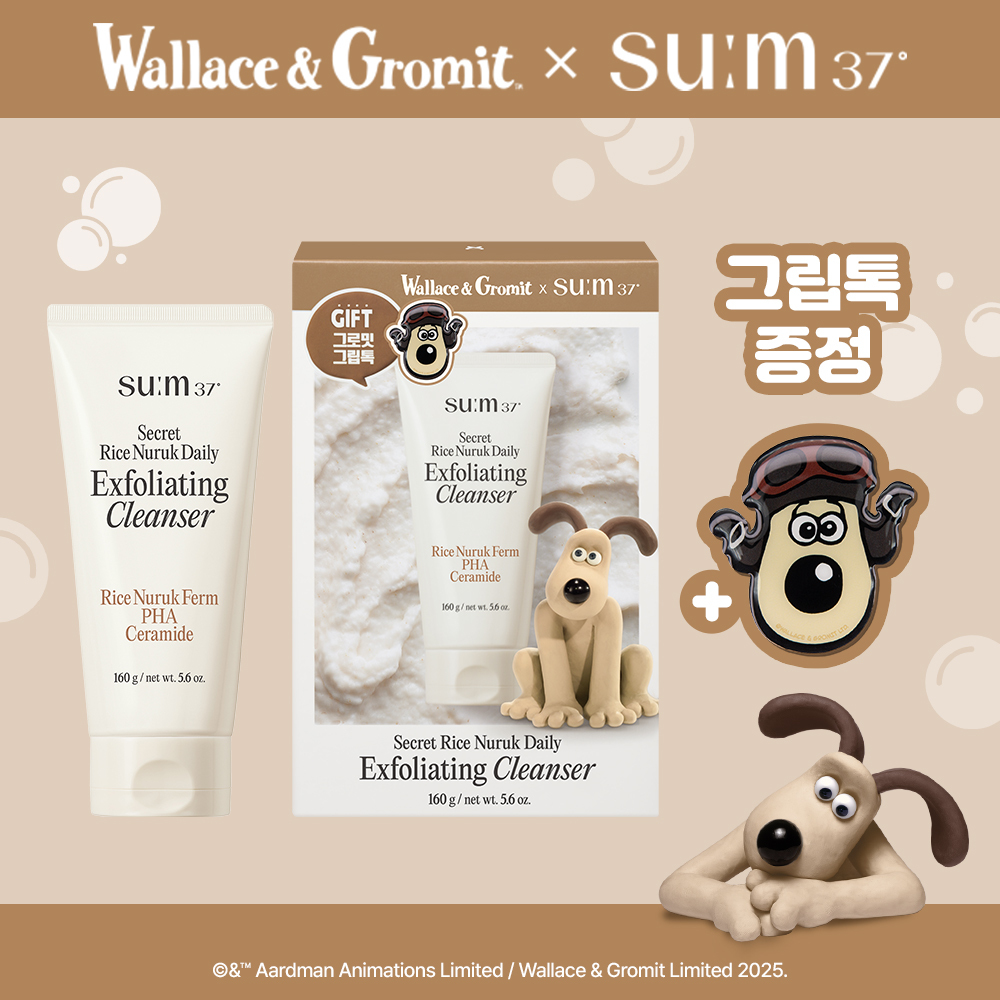
Secret Rice Nuruk Daily Exfoliating Cleanser
SUM37
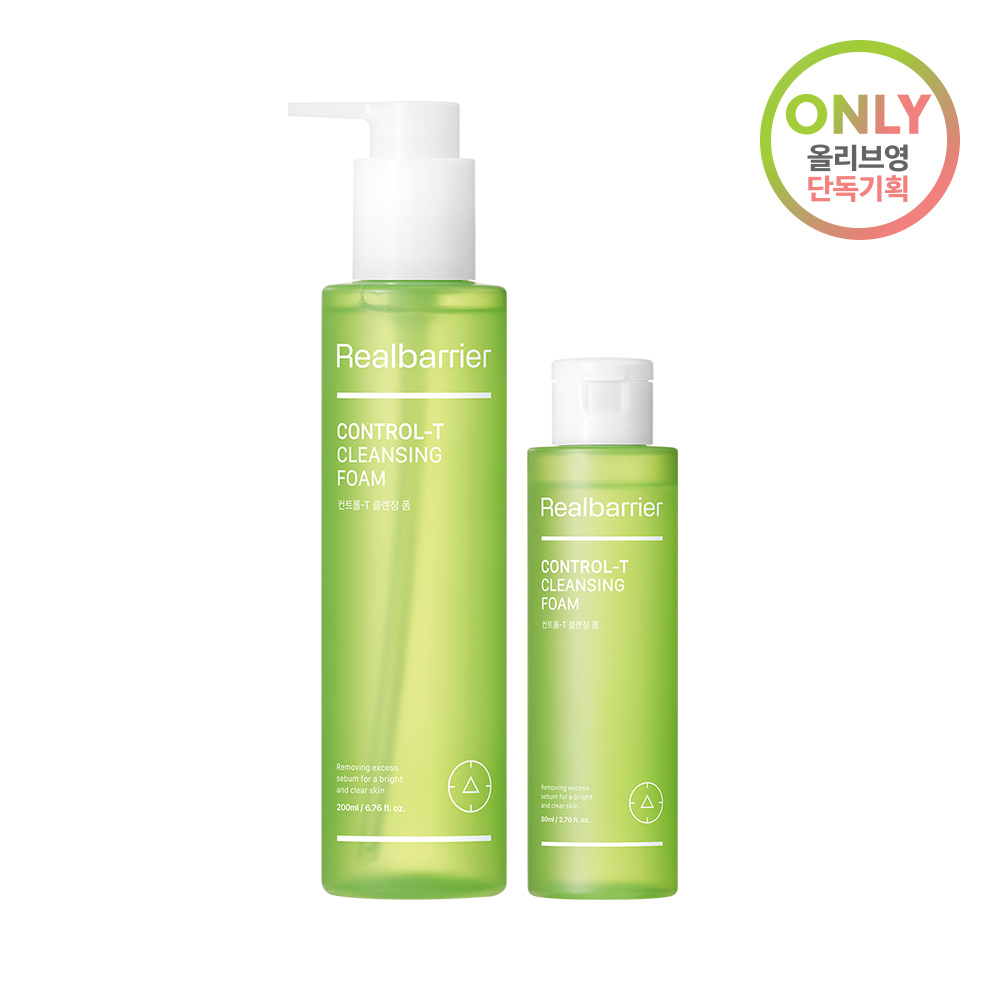
Control-T Cleansing Foam
Real Barrier
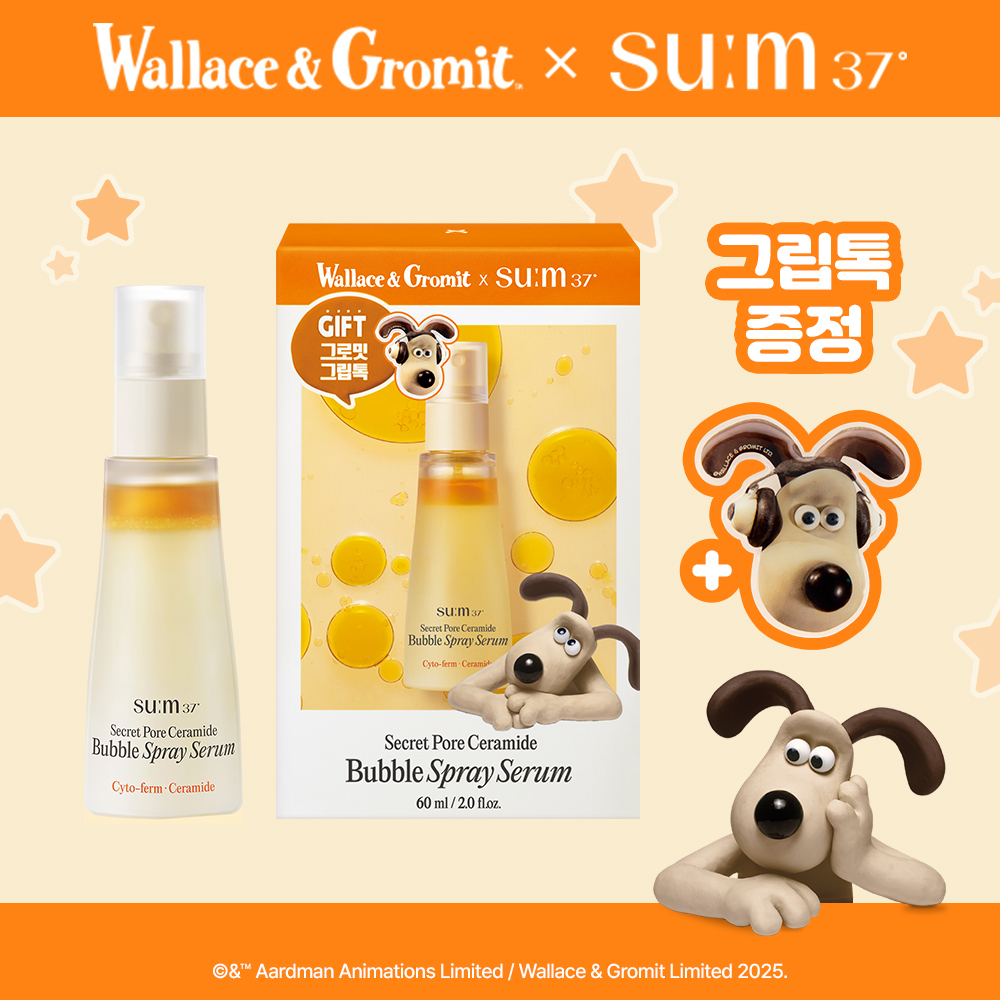
Secret Pore Ceramide Bubble Spray Serum
SUM37
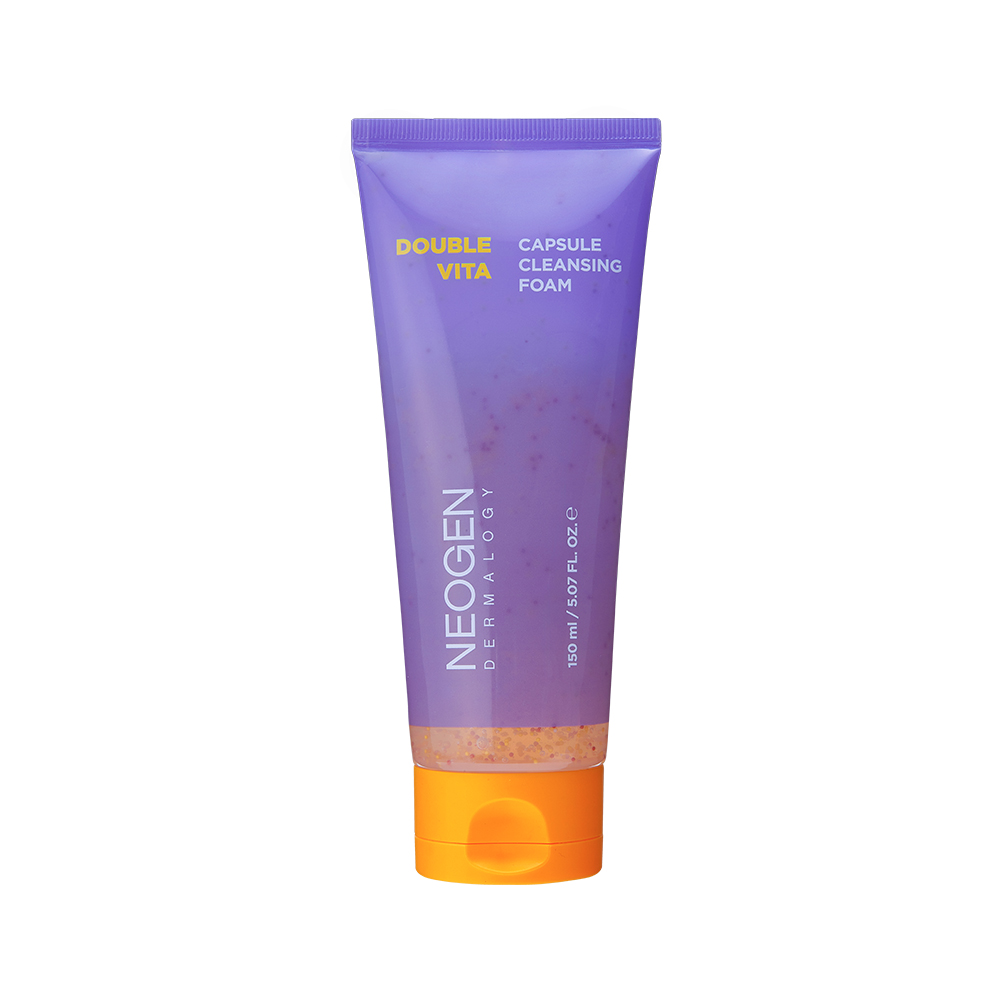
Double Vita Capsule Cleansing Foam
Neogen
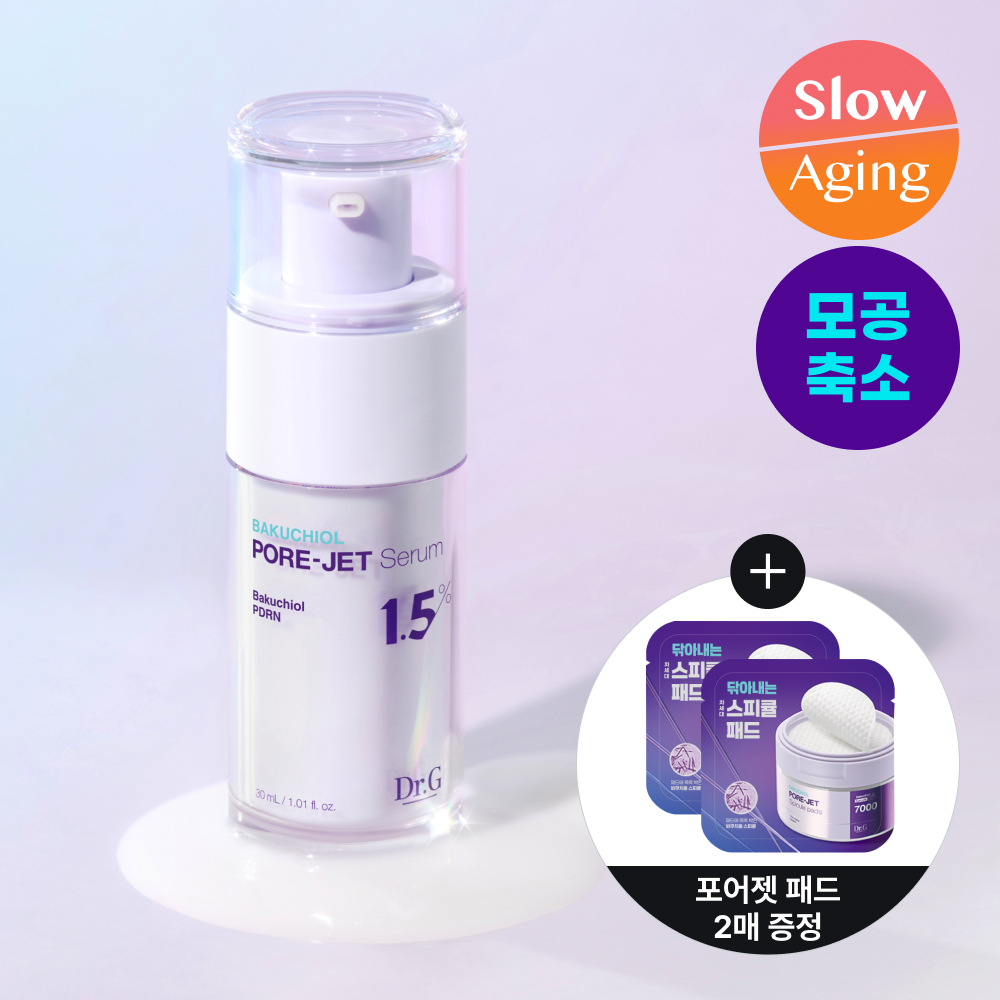
Bakuchiol Pore-Jet Serum
Dr.G
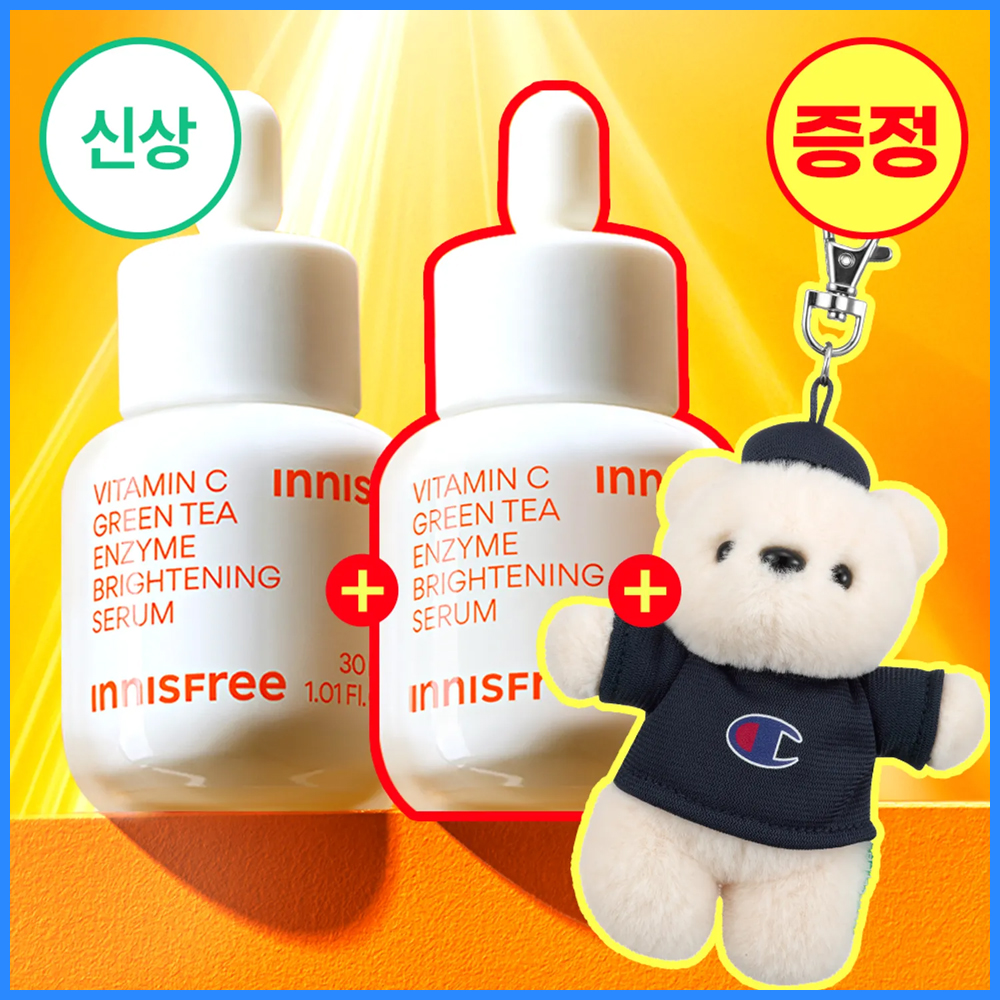
Vitamin C Green Tea Enzyme Brightening Serum
Innisfree
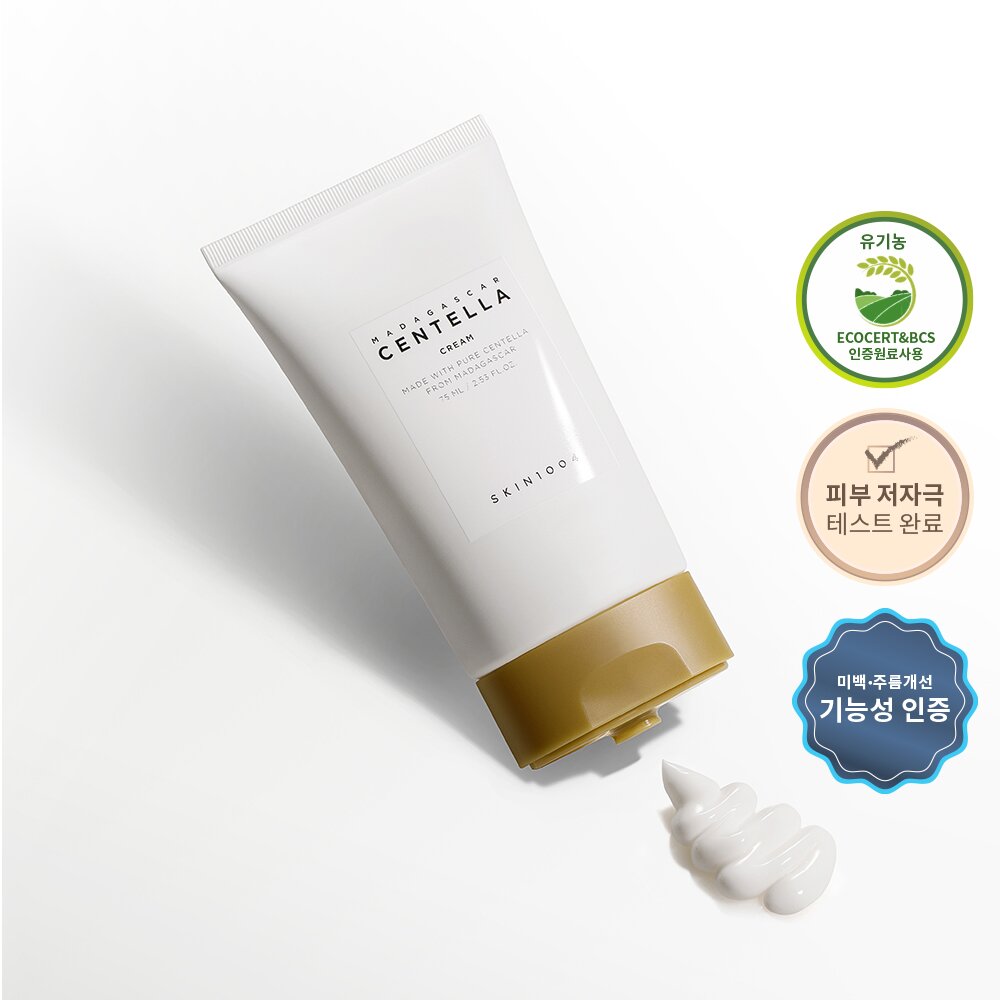
Madagascar Centella Cream
SKIN1004
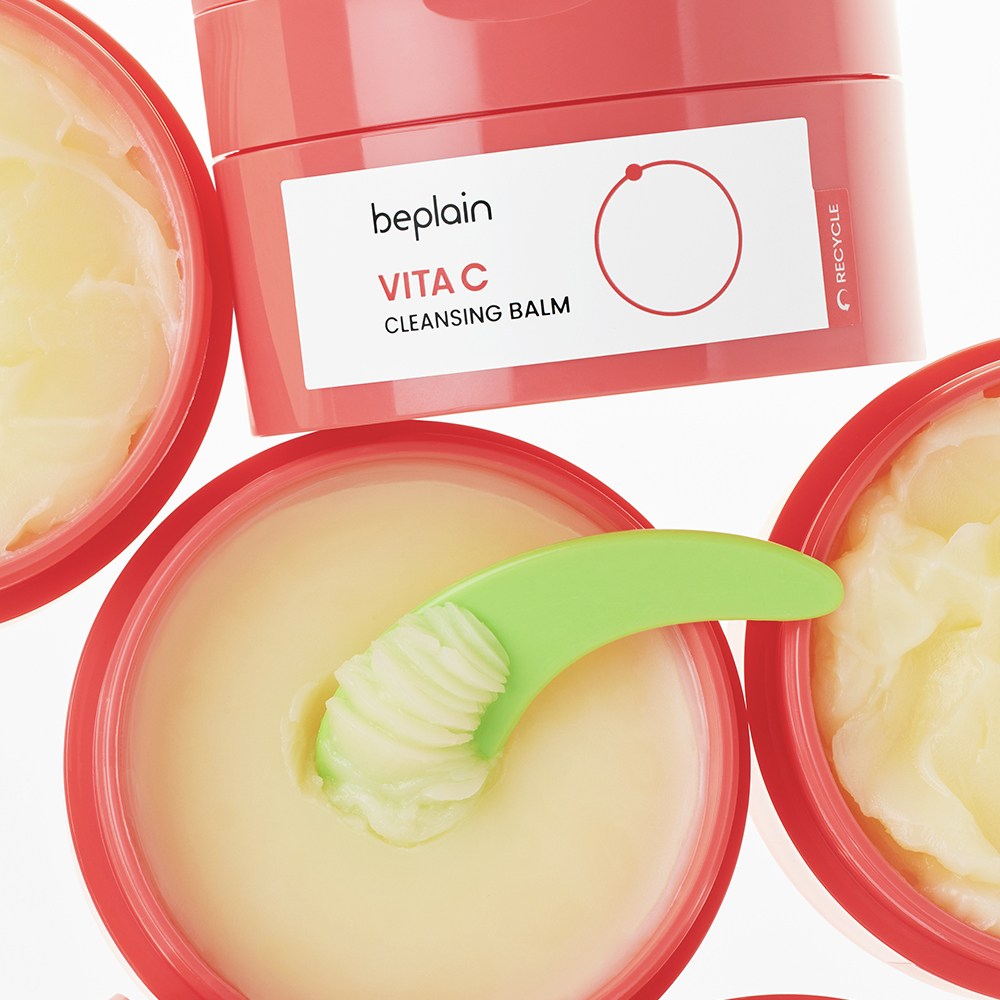
Vita C Cleansing Balm
Beplain
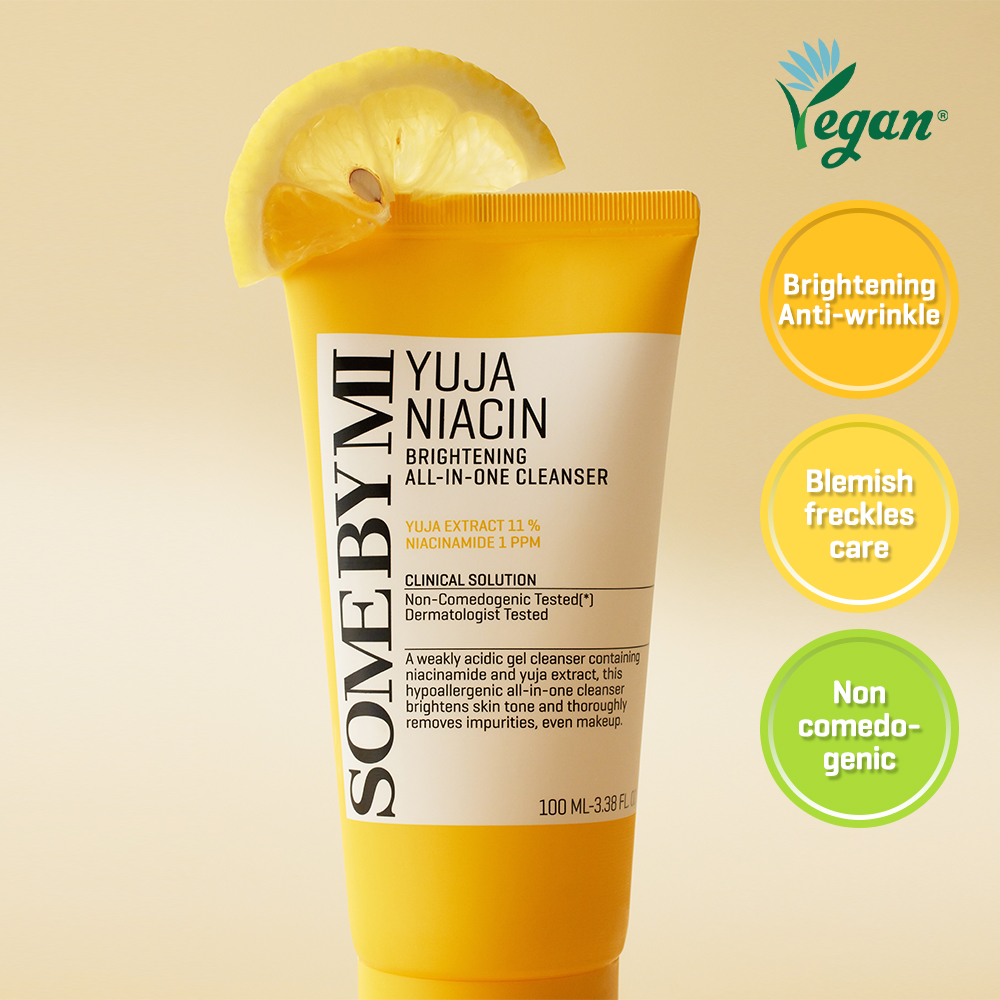
Yuja Niacin Brightening All In One Cleanser
Some By Mi

Melanon X Ampoule Cleanser
Medi-Peel
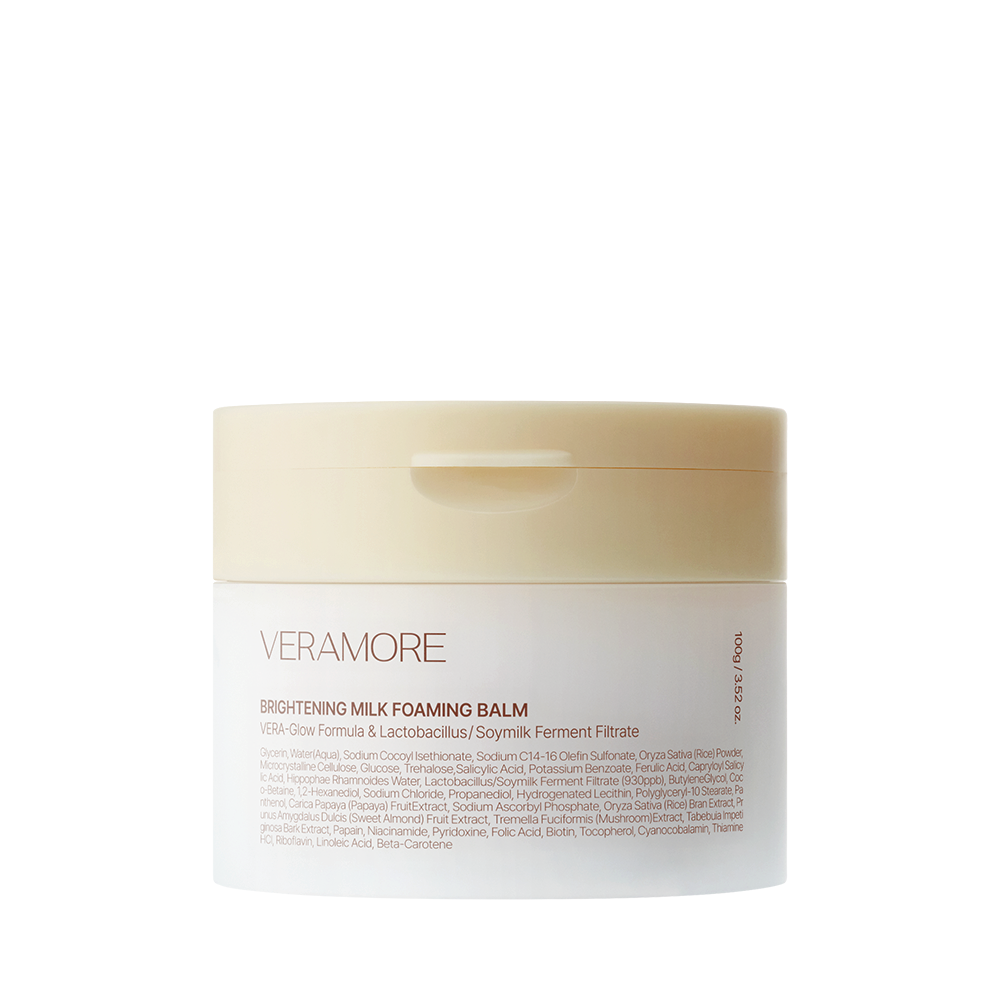
Veramore Brightening Milk Foaming Balm
Banila Co
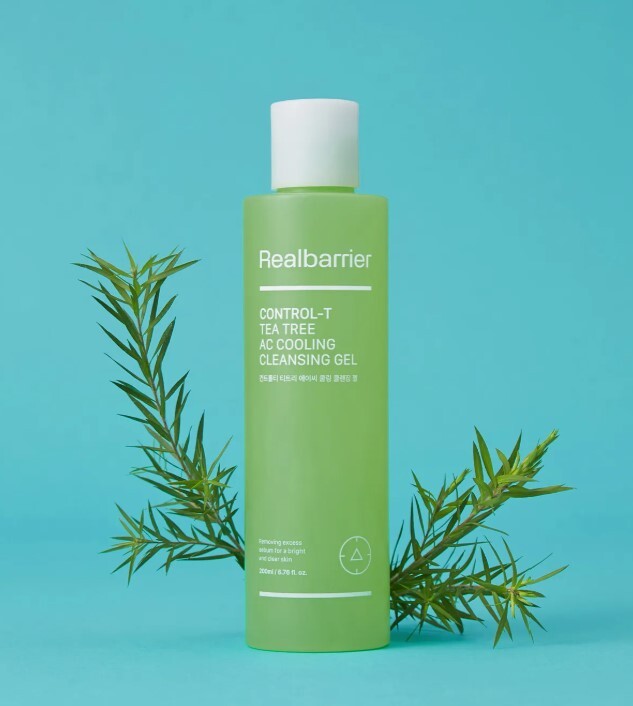
Control-T Tea Tree AC Cooling Cleansing Gel
Real Barrier
Frequently Asked Questions
Can linoleic acid help with acne?▼
Is linoleic acid the same as hyaluronic acid?▼
Will linoleic acid clog my pores?▼
How long does it take to see results from linoleic acid?▼
Can I use linoleic acid with retinol or vitamin C?▼
Explore More
Want personalized ingredient advice?
Yuri, our AI beauty advisor, can tell you how Linoleic Acid works with your specific skin type, routine, and concerns.
Ask Yuri, free