Alpha-Linolenic Acid
INCI: Linolenic Acid
Essential fatty acid that strengthens skin barrier
About Alpha-Linolenic Acid
Alpha-linolenic acid (ALA) is an omega-3 essential fatty acid that your body cannot produce on its own, making topical application a smart way to deliver it directly to your skin. In K-beauty formulations, ALA functions as a potent skin barrier strengthener, working to reinforce the lipid matrix that keeps moisture in and irritants out. This ingredient is particularly valued in Korean skincare for its anti-inflammatory properties, helping to calm reactive skin while simultaneously improving texture and resilience. Unlike some barrier-repair ingredients that can feel heavy, ALA is relatively lightweight and absorbs well, which is why you'll find it in everything from cleansing oils to serums across 61 K-beauty products. Its ability to reduce transepidermal water loss makes it a go-to for formulas targeting dehydration, sensitivity, and compromised skin barriers. K-beauty brands have embraced ALA not just for its functional benefits, but because it pairs beautifully with other staple ingredients like ceramides and hyaluronic acid, creating synergistic formulations that address multiple skin concerns at once. With a safety rating of 4 out of 5 and moderate comedogenic potential (2 out of 5), it's generally well-tolerated but requires thoughtful formulation and usage for acne-prone skin types.
How Alpha-Linolenic Acid Works
At the molecular level, alpha-linolenic acid integrates into the skin's lipid bilayer, the structure that acts as your skin's protective barrier. Once absorbed, ALA helps regulate inflammatory pathways by converting into anti-inflammatory compounds like resolvins and protectins, which actively calm skin irritation and redness. It also supports ceramide synthesis, the waxy lipid molecules that form the mortar between your skin cells. By strengthening this intercellular cement, ALA reduces transepidermal water loss, meaning your skin holds onto hydration more effectively. Additionally, ALA has been shown to inhibit certain enzymes that break down collagen and elastin, offering subtle anti-aging benefits. Its antioxidant properties help neutralize free radicals from UV exposure and pollution, protecting cell membranes from oxidative damage. The omega-3 structure of ALA also influences cell signaling, helping to regulate skin cell turnover and maintain a healthy, balanced complexion. This multi-pathway action explains why ALA appears in high-performing K-beauty products that target both barrier repair and inflammation management.
Alpha-Linolenic Acid by Skin Type
Oily Skin
Alpha-linolenic acid can benefit oily skin by reducing inflammation that often triggers excess sebum production, but its comedogenic rating of 2 out of 5 means formulation matters. Look for lightweight serums or cleansing products where ALA is rinsed off rather than leave-on creams that might contribute to congestion. Products like the Clear Deep Cleansing Oil by VIDIVICI (5.0/5) allow oily skin to reap ALA's anti-inflammatory benefits without pore-clogging residue.
Dry Skin
This is where alpha-linolenic acid truly shines. Dry skin desperately needs lipid replenishment, and ALA delivers by strengthening the barrier and preventing moisture loss. The Secret Pore Ceramide Bubble Spray Serum by SUM37 (5.0/5) combines ALA with ceramides for maximum hydration and barrier repair. For chronically dry skin, products with ALA can reduce flakiness and that tight, uncomfortable feeling within days of consistent use.
Combo Skin
Combination skin often struggles with products that are either too heavy for the T-zone or too light for dry patches. Alpha-linolenic acid's moderate weight makes it ideal for this skin type, delivering barrier support without overwhelming oily areas. The key is choosing formulations that balance ALA with lightweight hydrators, allowing you to address both dehydration in dry zones and inflammation in oily areas simultaneously.
Sensitive Skin
Sensitive skin and alpha-linolenic acid are a match made in skincare heaven. ALA's anti-inflammatory properties directly combat the reactivity that defines sensitive skin, while its barrier-strengthening effects help protect against environmental triggers. The Melanonx Ampoule RX by MEDIPEEL (5.0/5) leverages ALA to calm sensitivity while improving skin resilience. Just ensure you're not sensitive to the source plant oils (like flaxseed or chia) from which ALA is often derived.
Normal Skin
Even balanced skin benefits from alpha-linolenic acid's protective and preventative properties. Using ALA-containing products helps maintain your skin's healthy barrier function, protecting against future damage from environmental stressors. Products like the Pore Sun Cleansing Foam by Cell Fusion C (4.8/5) incorporate ALA to keep normal skin functioning optimally, preventing the barrier breakdown that can lead to sensitivity or dehydration over time.
How to Use Alpha-Linolenic Acid
- 1Layer ALA-containing serums or ampoules after toning and before heavier moisturizers to maximize absorption into the skin barrier.
- 2If you have oily or acne-prone skin, prioritize rinse-off products with ALA (like cleansing oils) or use lightweight serums sparingly to avoid potential congestion.
- 3Pair alpha-linolenic acid with ceramides, niacinamide, or centella asiatica for amplified barrier repair and anti-inflammatory benefits.
- 4Store ALA-containing products away from light and heat, as omega-3 fatty acids can oxidize and lose effectiveness when exposed to air and warmth.
- 5Start with once-daily application if you have reactive skin, gradually increasing frequency as your skin adjusts and barrier function improves.
Background
Alpha-linolenic acid has been a staple in nutritional science for decades, recognized as an essential omega-3 fatty acid critical for human health. Its journey into topical skincare began as researchers discovered that the same anti-inflammatory benefits ALA provides internally could be harnessed externally. Traditionally sourced from plant oils like flaxseed, chia, and perilla (a staple in Korean cuisine and traditional medicine), ALA found a natural home in K-beauty formulations. Korean skincare philosophy has long emphasized barrier health and anti-inflammation, making ALA an obvious ingredient choice. The rise of sensitive skin concerns in Korea, partly attributed to pollution and stress, accelerated ALA's popularity in the 2010s. Today, it appears in premium K-beauty lines that focus on skin barrier recovery and calming reactive complexions, often combined with other traditional Korean botanicals for synergistic effects.
K-Beauty Products with Alpha-Linolenic Acid
View all 66 →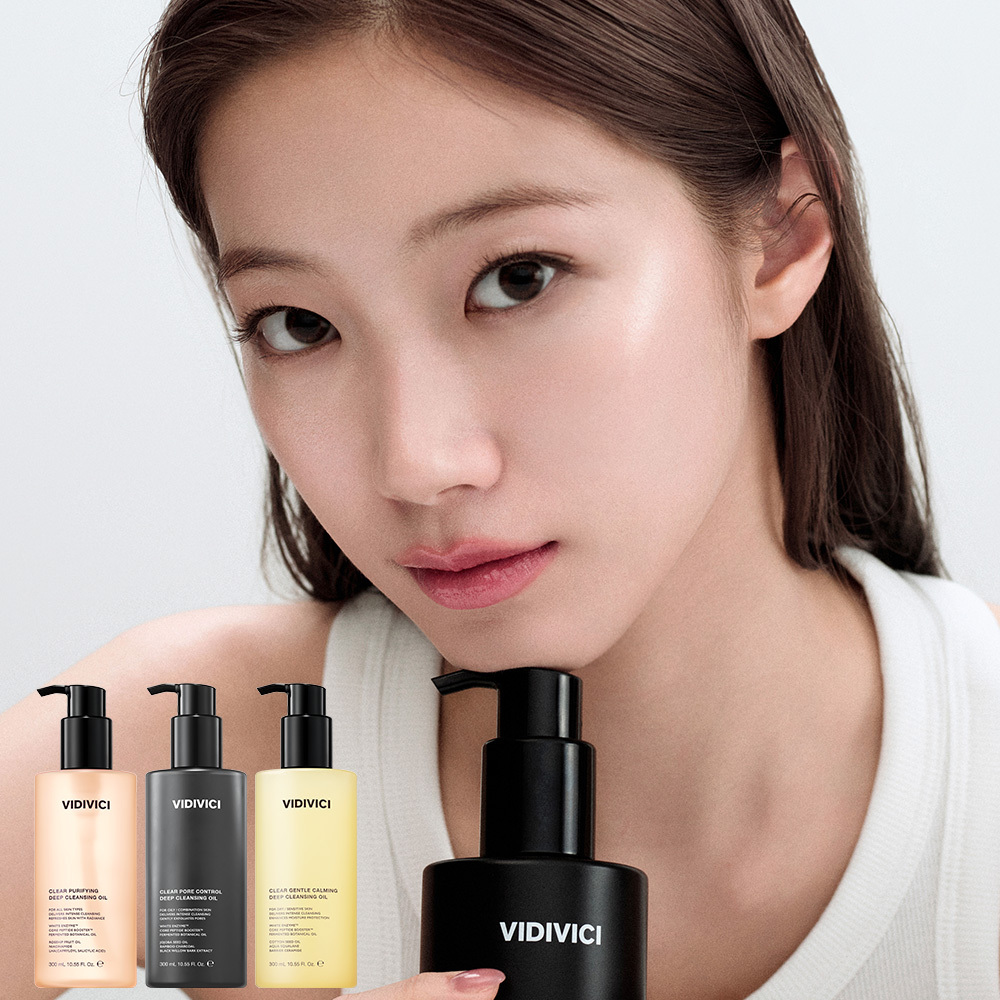
Clear Deep Cleansing Oil
VIDIVICI
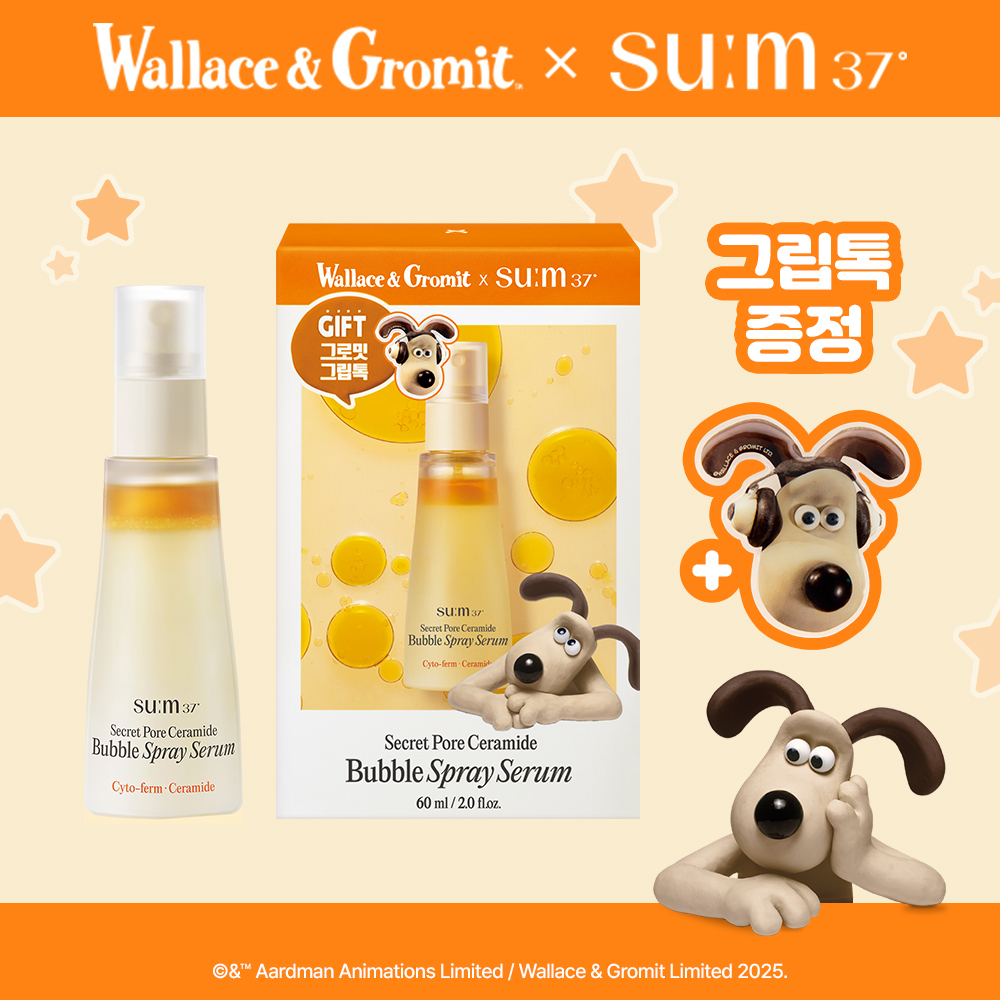
Secret Pore Ceramide Bubble Spray Serum
SUM37
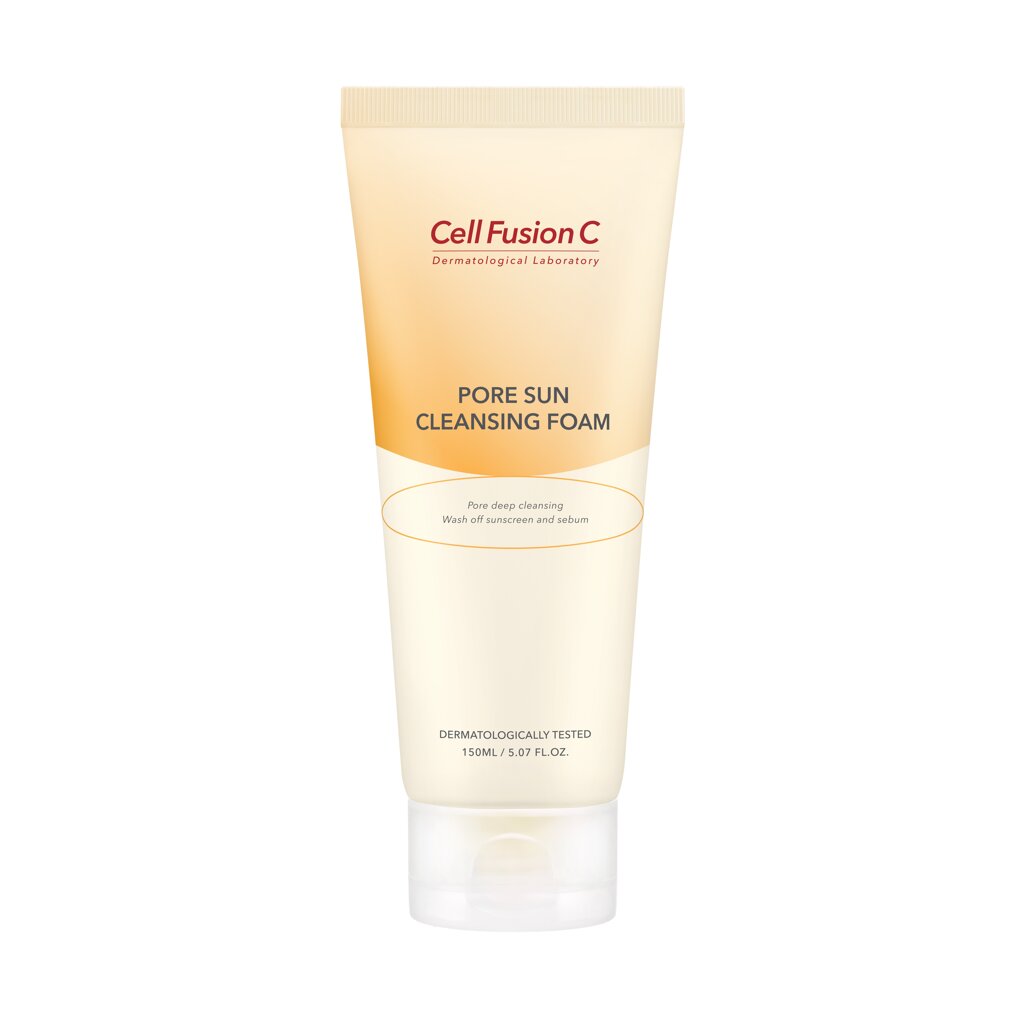
Pore Sun Cleansing Foam
Cell Fusion C
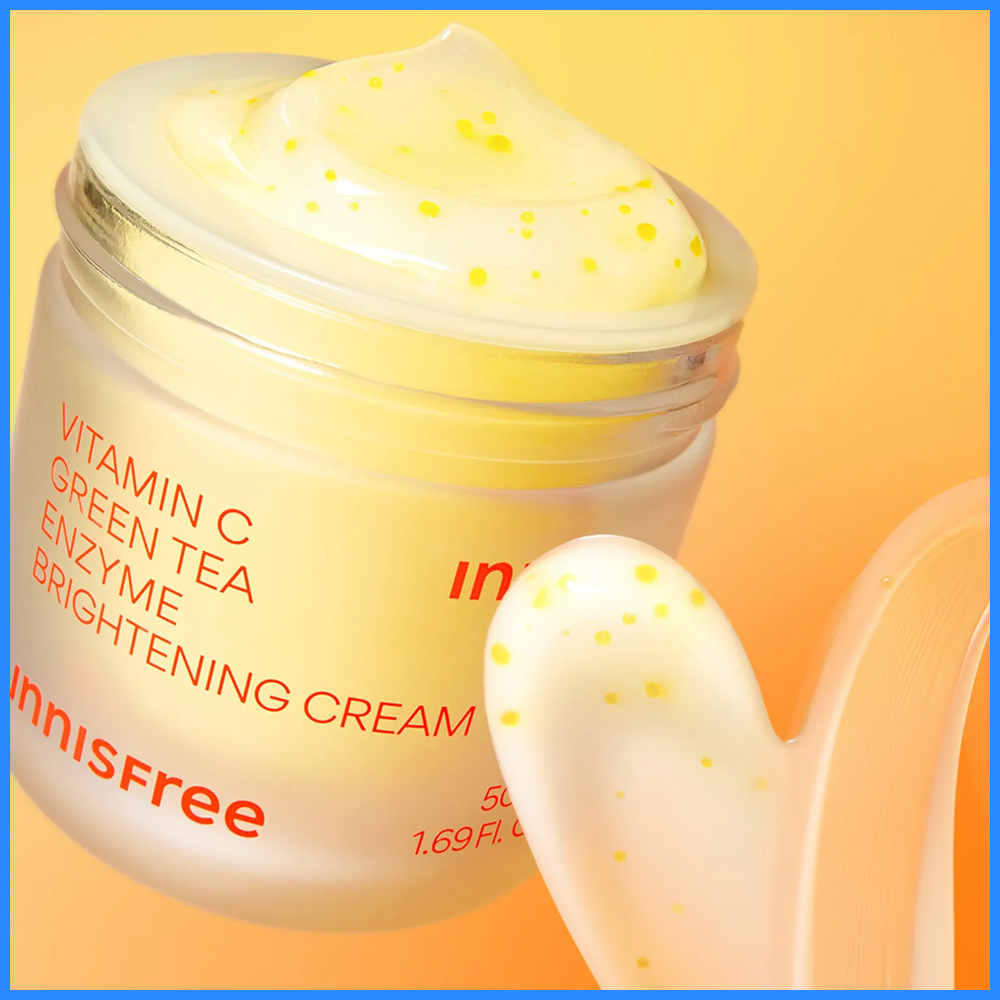
Vitamin C Green Tea Enzyme Brightening Cream
Innisfree
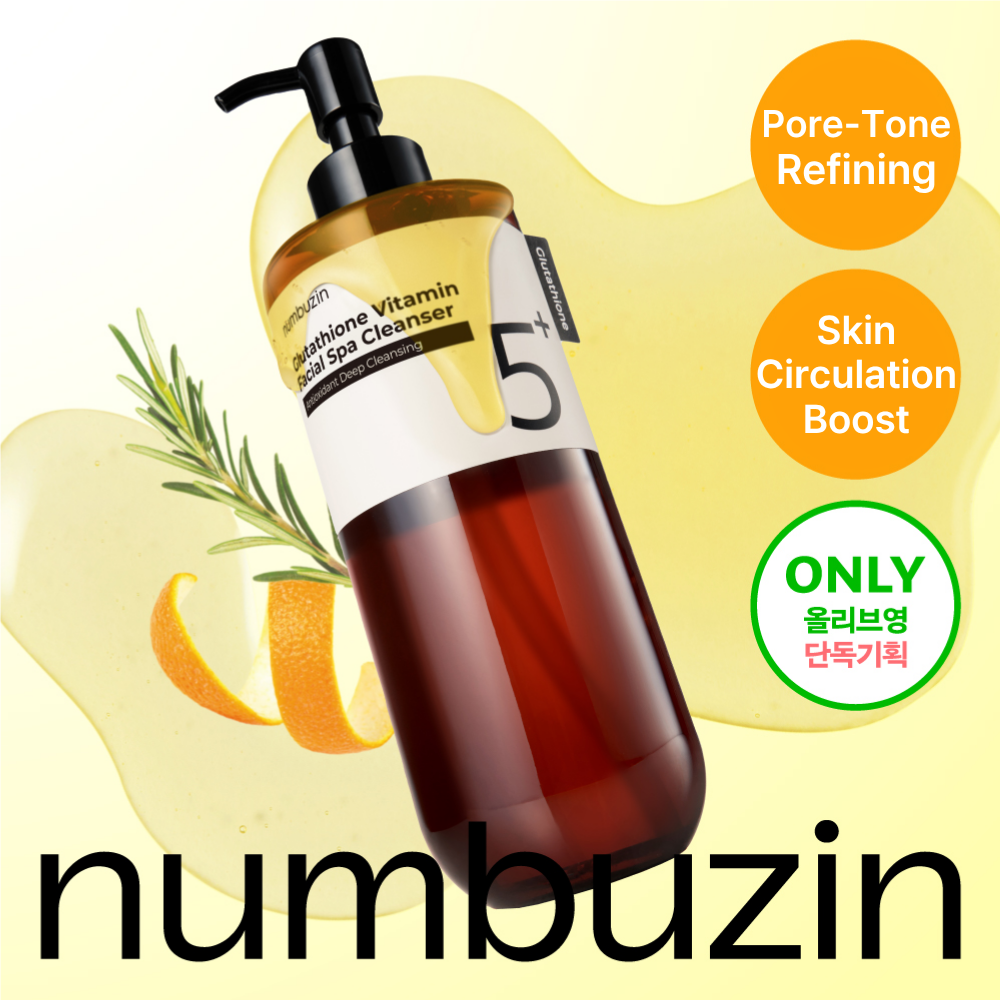
No. 5 Glutathione C Facial Spa Cleanser
Numbuzin
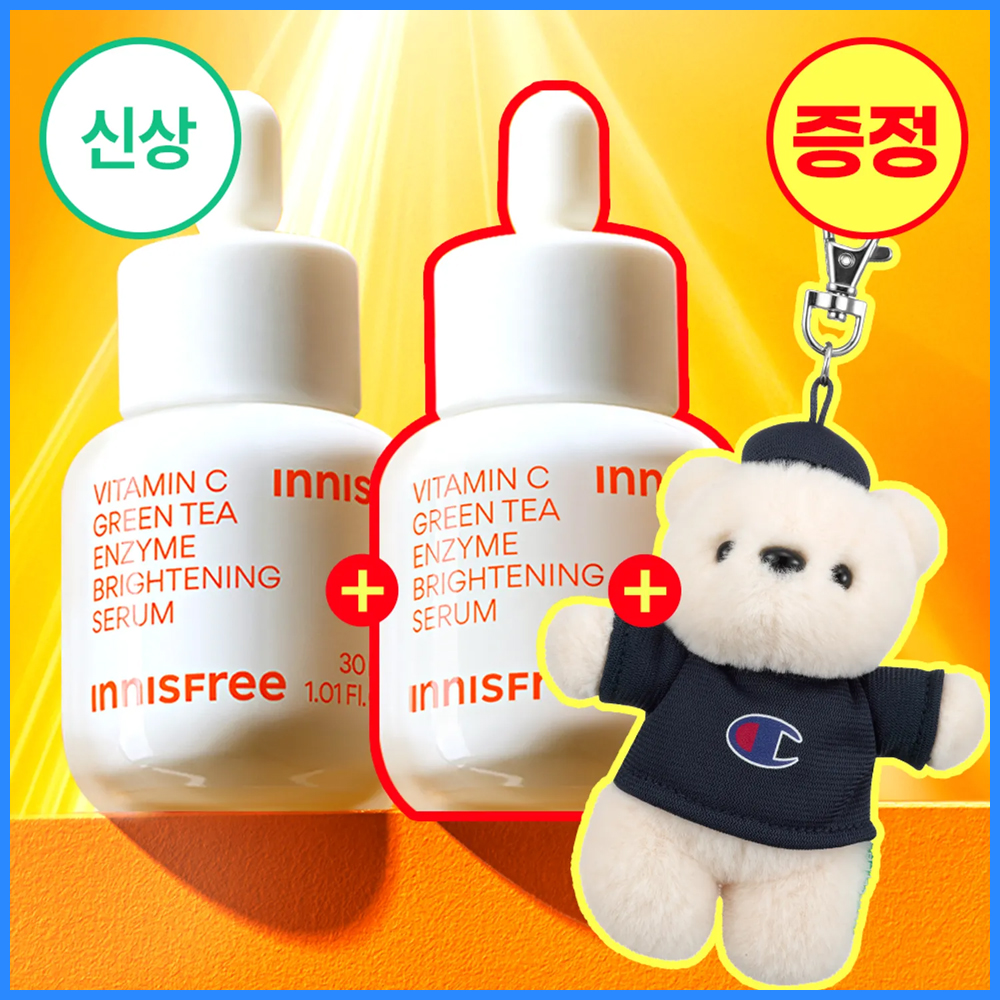
Vitamin C Green Tea Enzyme Brightening Serum
Innisfree
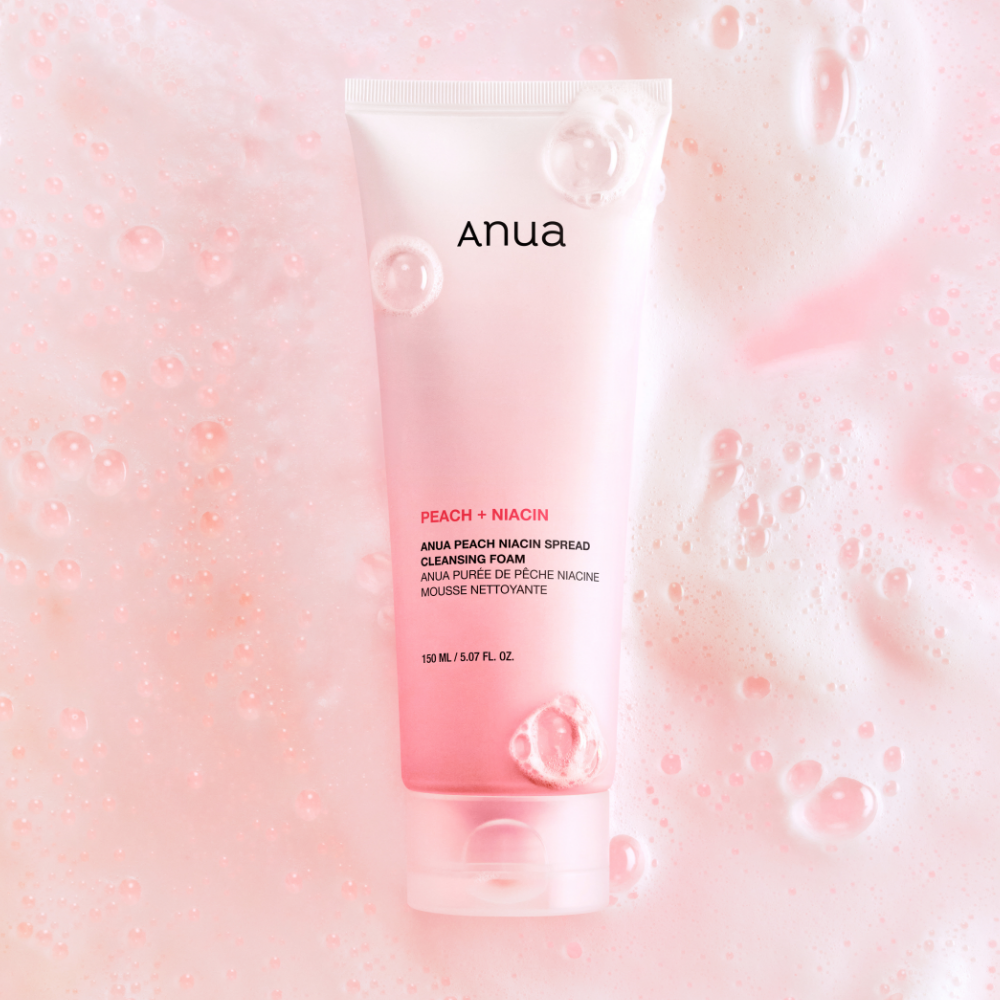
Peach Niacin Spread Cleansing Foam
Anua
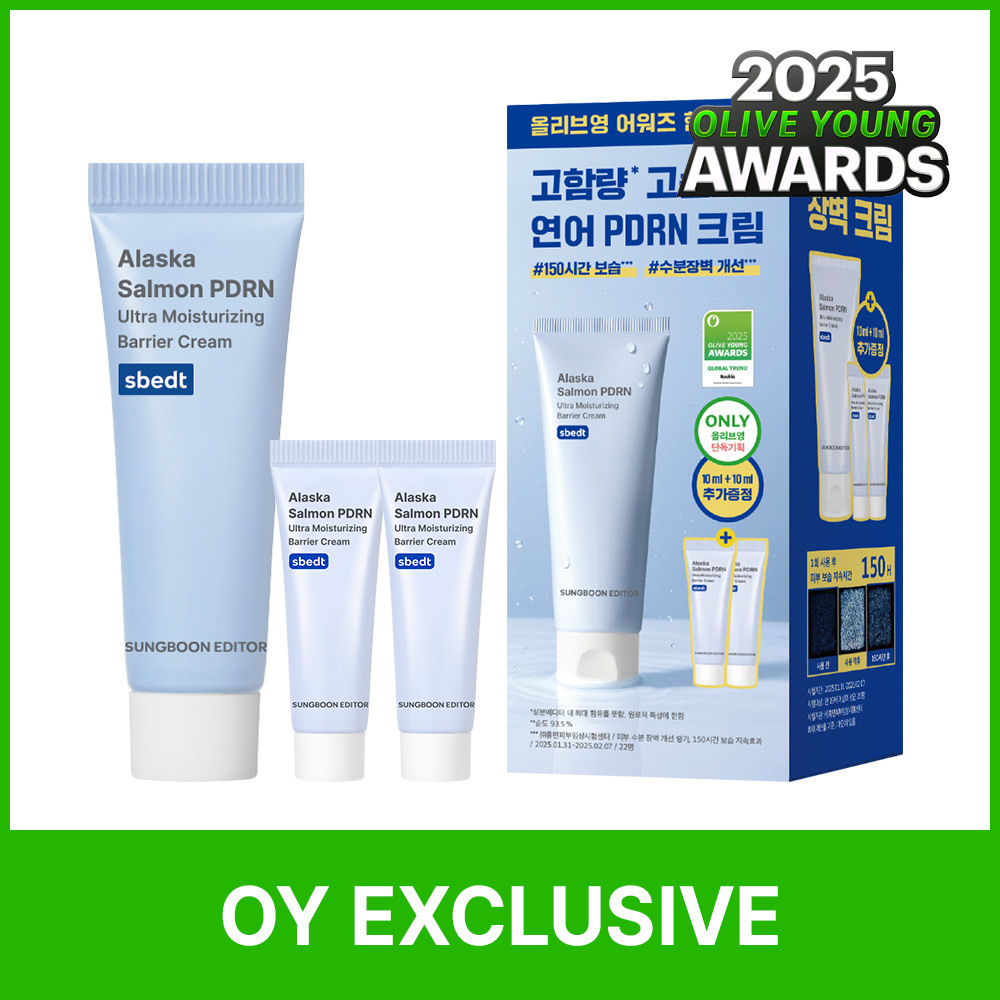
Alaska PDRN Ultra Moisturizing Barrier Cream
Sungboon Editor
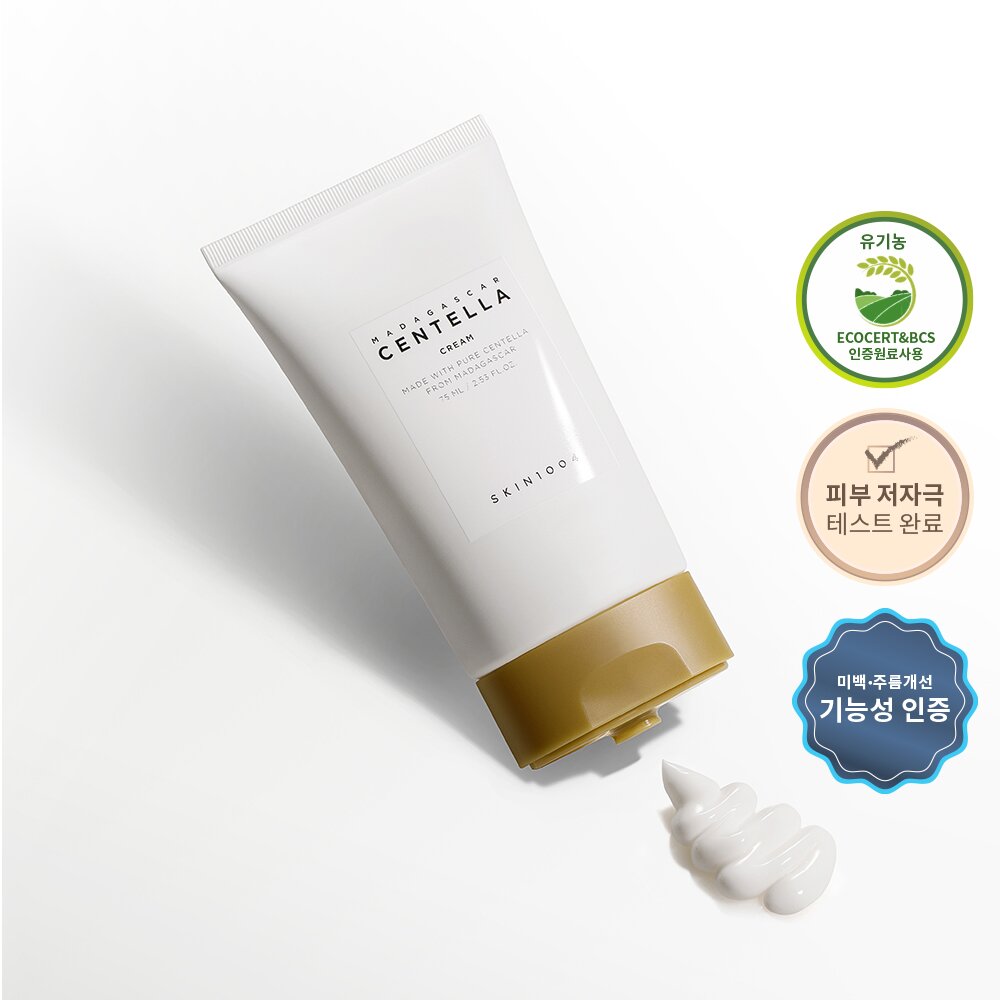
Madagascar Centella Cream
SKIN1004
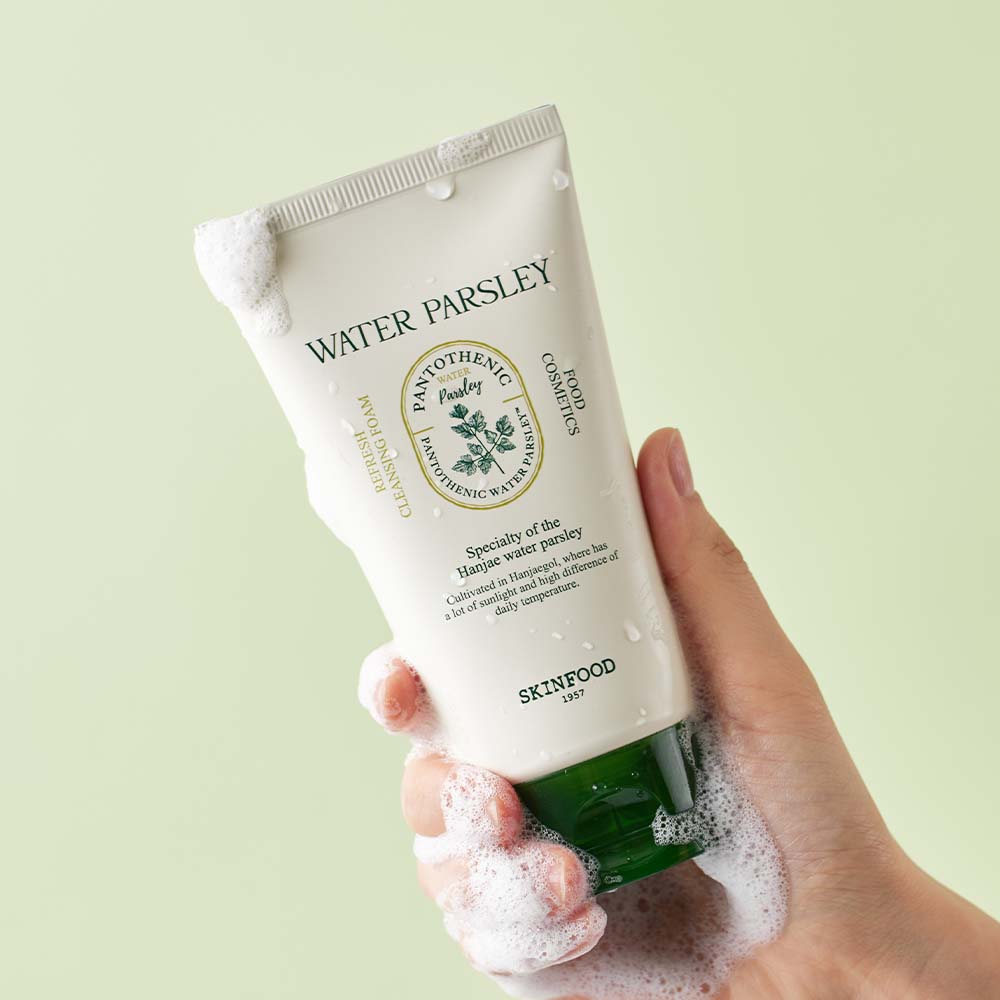
Pantothenic Water Parsley Refresh Cleansing Foam
Skinfood

Melanon X Ampoule Cleanser
Medi-Peel
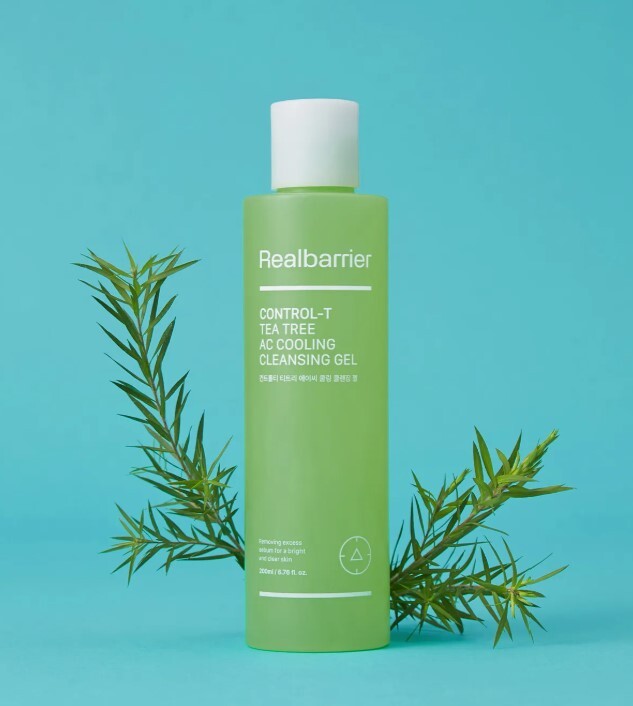
Control-T Tea Tree AC Cooling Cleansing Gel
Real Barrier
Frequently Asked Questions
Will alpha-linolenic acid clog my pores?▼
How long does it take to see results from alpha-linolenic acid?▼
Can I use alpha-linolenic acid with retinol or acids?▼
Is alpha-linolenic acid better than other omega fatty acids for skin?▼
Explore More
Want personalized ingredient advice?
Yuri, our AI beauty advisor, can tell you how Alpha-Linolenic Acid works with your specific skin type, routine, and concerns.
Ask Yuri, free