Linseed Oil
INCI: Linum Usitatissimum (Linseed) Seed Oil
Emollient rich in omega-3 fatty acids
About Linseed Oil
Linseed oil, also known as flaxseed oil, is a plant-derived emollient extracted from the seeds of the flax plant (Linum usitatissimum). What sets this oil apart in K-beauty formulations is its exceptionally high concentration of alpha-linolenic acid (ALA), an omega-3 fatty acid that comprises up to 57% of its composition. This makes linseed oil one of the richest plant-based sources of omega-3s available in skincare. In Korean beauty products, it's valued for its ability to strengthen the skin barrier, reduce trans-epidermal water loss, and provide anti-inflammatory benefits without the heavy feel of traditional oils. You'll find it in luxurious cleansing oils like Belif's Super Drops Vita Deep Cleansing Oil and treatment ampoules such as Anua's Heukdango Vintage Herb Nutri Wrinkle Ampoule, where it works alongside other botanical actives to address aging and dehydration. However, linseed oil requires thoughtful use. With a comedogenic rating of 4/5, it can be problematic for acne-prone skin types, which is why K-beauty brands typically incorporate it at lower concentrations or pair it with lighter, non-comedogenic oils. Its safety rating of 4/5 reflects its generally gentle profile, though the oil oxidizes relatively quickly when exposed to air and light, potentially reducing efficacy and causing irritation if not properly stabilized in formulations.
How Linseed Oil Works
Linseed oil functions primarily through its unique fatty acid profile. The omega-3 fatty acids, particularly alpha-linolenic acid, integrate into the lipid matrix of the stratum corneum, the skin's outermost protective layer. This integration helps repair compromised barrier function by filling gaps between corneocytes (skin cells), reducing water loss and improving hydration retention. At the cellular level, omega-3s modulate inflammatory pathways by competing with omega-6 fatty acids for the same metabolic enzymes. This competition produces anti-inflammatory metabolites that can calm reactive skin and reduce redness. The oil also contains lignans, plant compounds with antioxidant properties that help neutralize free radicals from UV exposure and pollution. Additionally, linseed oil's emollient properties create an occlusive film on the skin surface, sealing in moisture while delivering its beneficial fatty acids. The vitamin E naturally present in linseed oil provides additional antioxidant protection, though K-beauty formulators often add extra stabilizers since the oil's high unsaturated fat content makes it susceptible to oxidation, which would otherwise diminish its therapeutic benefits and potentially create irritating byproducts.
Linseed Oil by Skin Type
Oily Skin
Linseed oil is generally not recommended as a primary ingredient for oily skin due to its 4/5 comedogenic rating, meaning it has significant potential to clog pores and trigger breakouts. However, in carefully formulated cleansing oils like Belif's Super Drops Vita Deep Cleansing Oil, where it's combined with lighter oils and emulsifiers that rinse clean, it can be tolerated by some oily skin types for its barrier-supporting omega-3 benefits.
Dry Skin
This is where linseed oil truly excels. Dry skin lacks sufficient lipids in the barrier, and linseed oil's rich omega-3 content directly addresses this deficiency by replenishing the lipid matrix and preventing moisture evaporation. Products like Jumiso's D-Panthenol Barrier Soothing Cleansing Milk leverage linseed oil to deliver intensive hydration without stripping already compromised skin, making it an ideal ingredient for dehydrated, flaky, or tight-feeling complexions.
Combo Skin
For combination skin, linseed oil works best when used strategically on drier areas or in products designed to balance rather than overload. Formulations that combine it with sebum-regulating or lightweight ingredients can provide barrier support to dry zones (cheeks, jawline) without exacerbating oiliness in the T-zone. However, if you're prone to breakouts in oily areas, approach linseed oil-heavy products with caution and consider spot-treating only the areas that need extra nourishment.
Sensitive Skin
Linseed oil's anti-inflammatory omega-3 fatty acids make it a valuable ingredient for sensitive skin prone to redness and reactivity. The oil helps strengthen a compromised barrier, which is often the root cause of sensitivity. High-end formulations like The Whoo's Royal Regina Energy Drop Treatment incorporate linseed oil in luxurious bases designed to calm and fortify delicate skin. That said, oxidized linseed oil can be irritating, so always look for products in opaque, airtight packaging and check expiration dates carefully.
Normal Skin
Normal skin can enjoy linseed oil's full spectrum of benefits without many of the concerns that limit its use for other skin types. It provides preventative barrier support, antioxidant protection, and a comfortable texture that doesn't feel heavy or greasy. Products like Real Barrier's Watery Hyal Serum Mask Sheet use linseed oil as part of a balanced formula that maintains skin health without tipping into excess oiliness or dryness, making it an excellent maintenance ingredient for already balanced complexions.
How to Use Linseed Oil
- 1Store linseed oil products in cool, dark places and use them within 6 months of opening, as the omega-3s oxidize quickly when exposed to light and air, reducing effectiveness and potentially causing irritation.
- 2If you have oily or acne-prone skin, reserve linseed oil for rinse-off products like cleansing oils rather than leave-on serums or moisturizers to minimize comedogenic risk.
- 3For maximum barrier repair, apply linseed oil-containing products on damp skin to help lock in moisture, then follow with an occlusive layer if your skin is extremely dry.
- 4Patch test products with high concentrations of linseed oil, especially if you have sensitive skin or a history of contact dermatitis, as oxidized oils can trigger reactions even in gentle formulations.
Background
Flax has been cultivated for over 8,000 years, making it one of humanity's oldest crops, originally grown for linen fiber production in ancient Mesopotamia and Egypt. The oil extracted from flax seeds, called linseed oil when used industrially and flaxseed oil when used as food, has been valued in traditional medicine across cultures for its anti-inflammatory properties. Historically, it was used topically to soothe burns and skin irritations in European folk medicine. Linseed oil entered modern skincare relatively recently, gaining attention in the 2000s as research highlighted the importance of omega-3 fatty acids for skin barrier health. K-beauty brands began incorporating it into premium formulations in the 2010s, drawn to its alignment with the Korean skincare philosophy of barrier protection and prevention. Its presence in high-end lines like The Whoo reflects its positioning as a luxury botanical ingredient, while its inclusion in barrier-focused brands like Real Barrier demonstrates its functional credibility in addressing compromised skin health.
K-Beauty Products with Linseed Oil
View all 13 →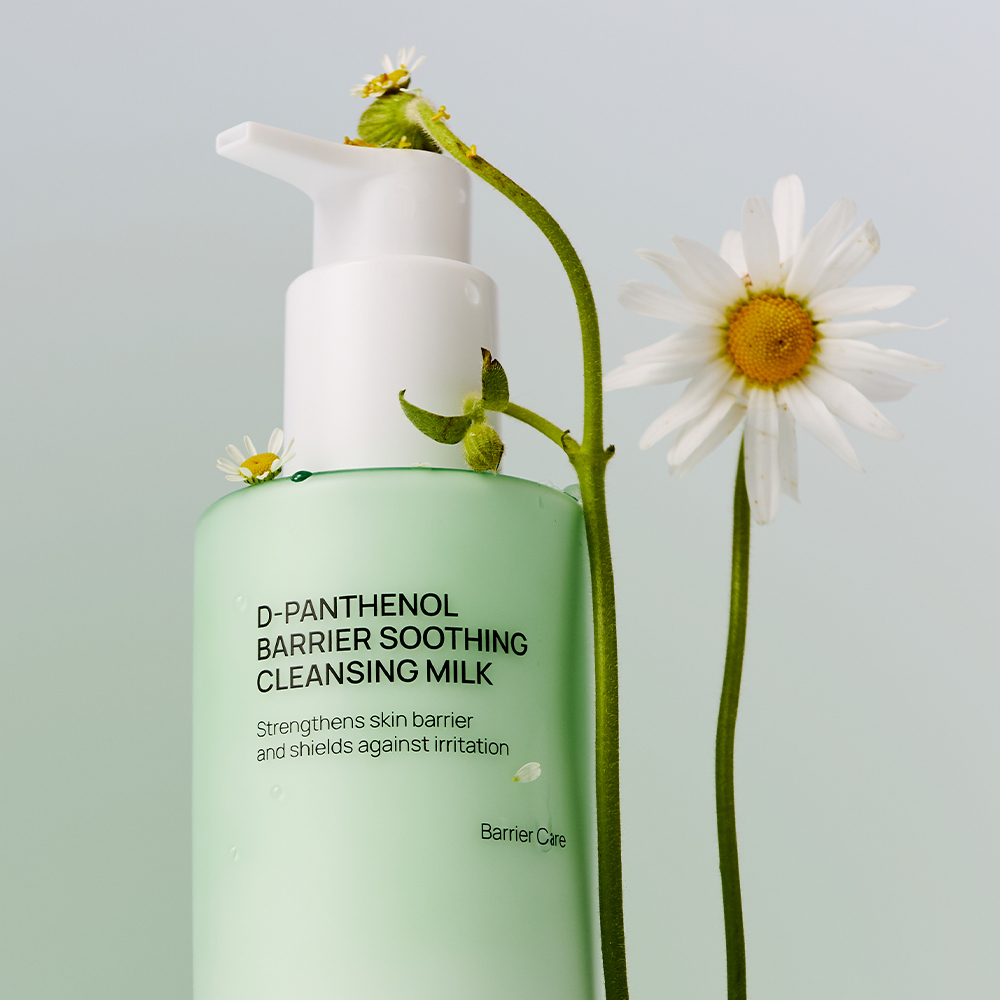
D-Panthenol Barrier Soothing Cleansing Milk
Jumiso
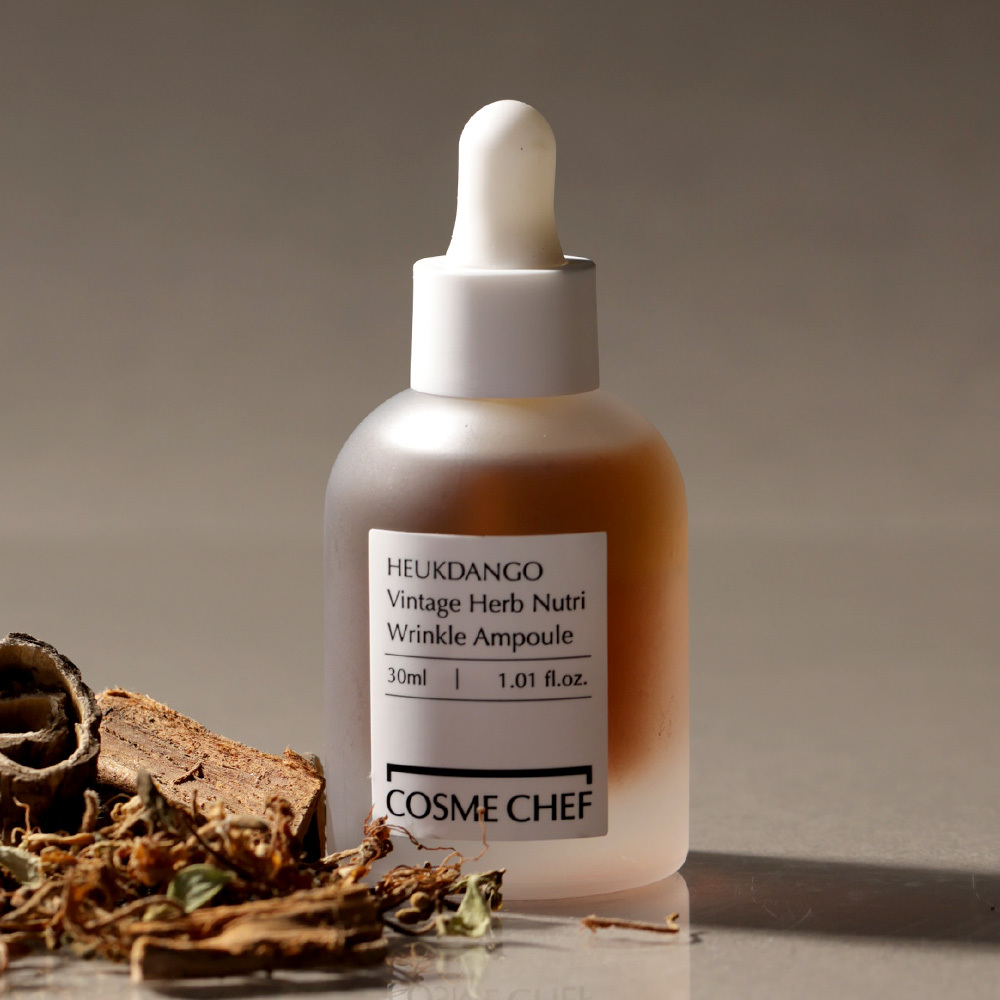
Heukdango Vintage Herb Nutri Wrinkle Ampoule
Anua
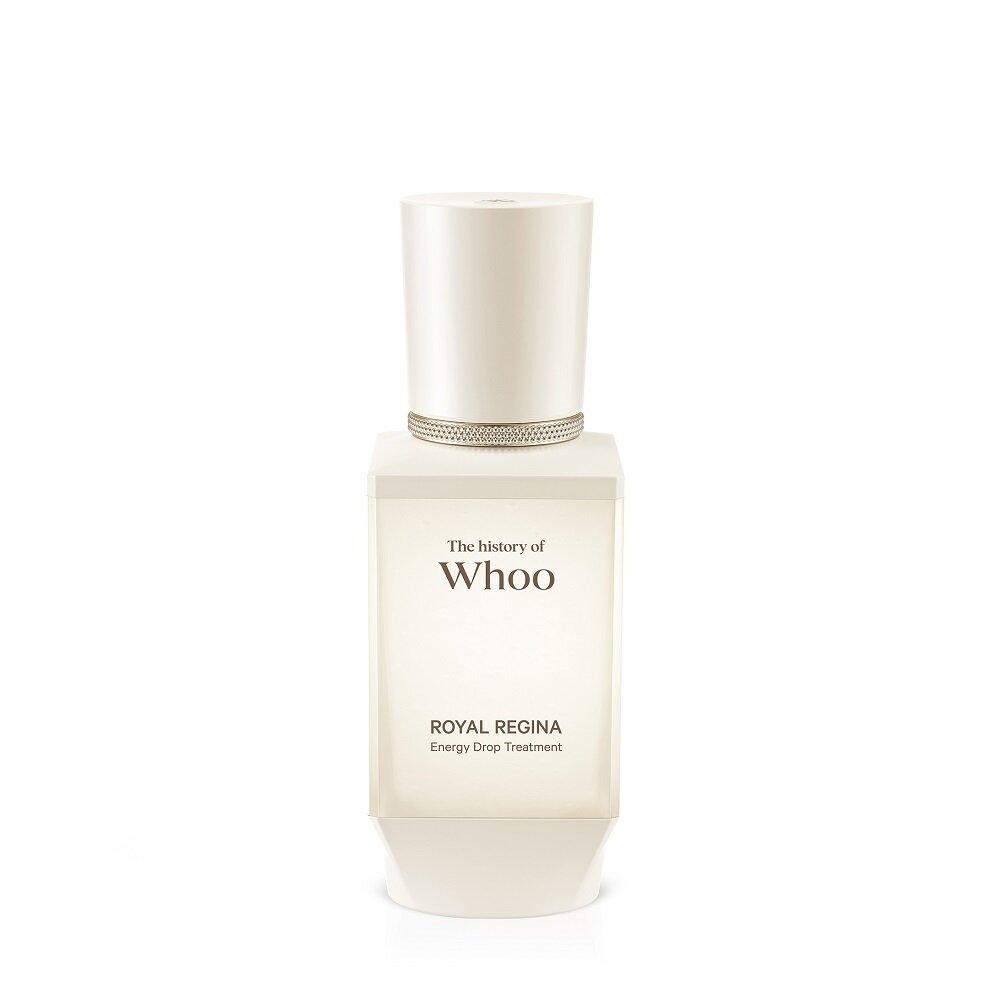
Royal Regina Energy Drop Treatment
The Whoo
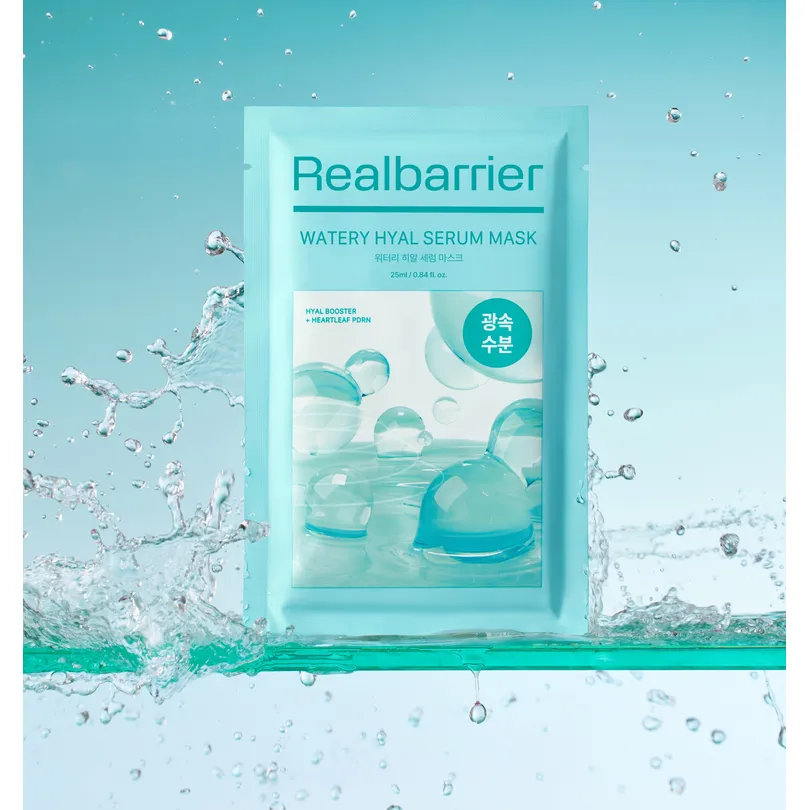
Watery Hyal Serum Mask Sheet
Real Barrier
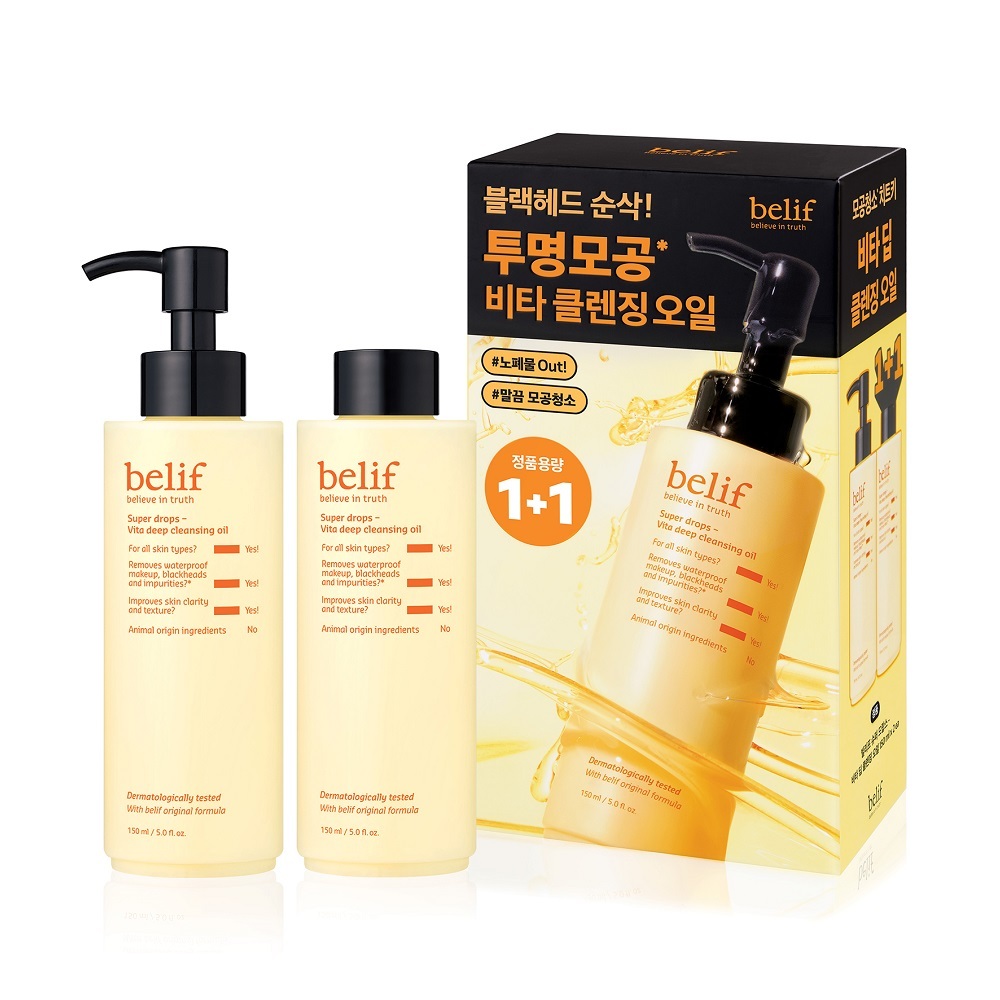
Super Drops Vita Deep Cleansing Oil
Belif
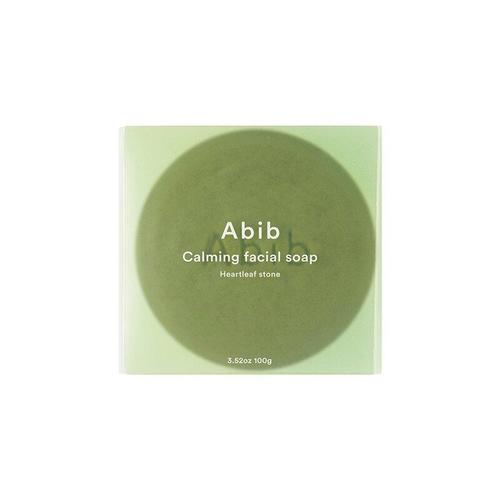
Calming Facial Soap Heartleaf Stone
Abib

Niacinamide Glutathione Mask
ONE THING
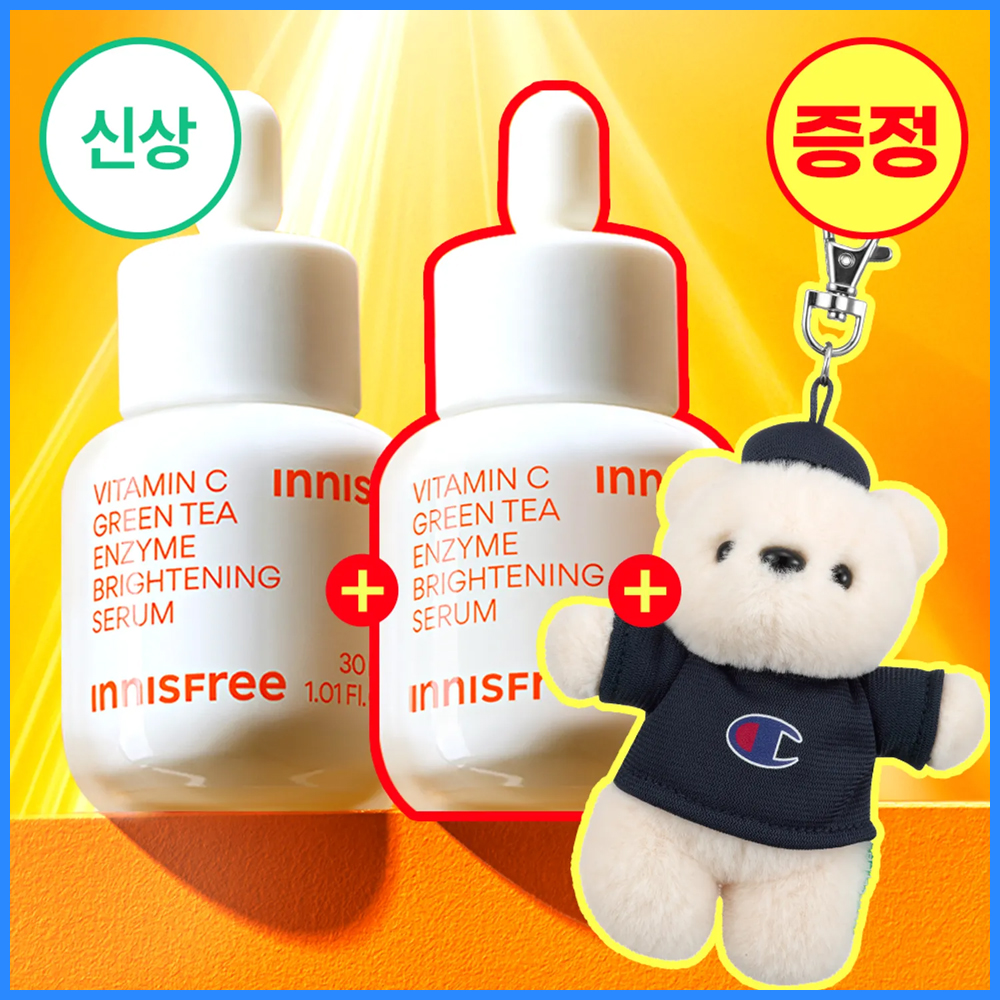
Vitamin C Green Tea Enzyme Brightening Serum
Innisfree
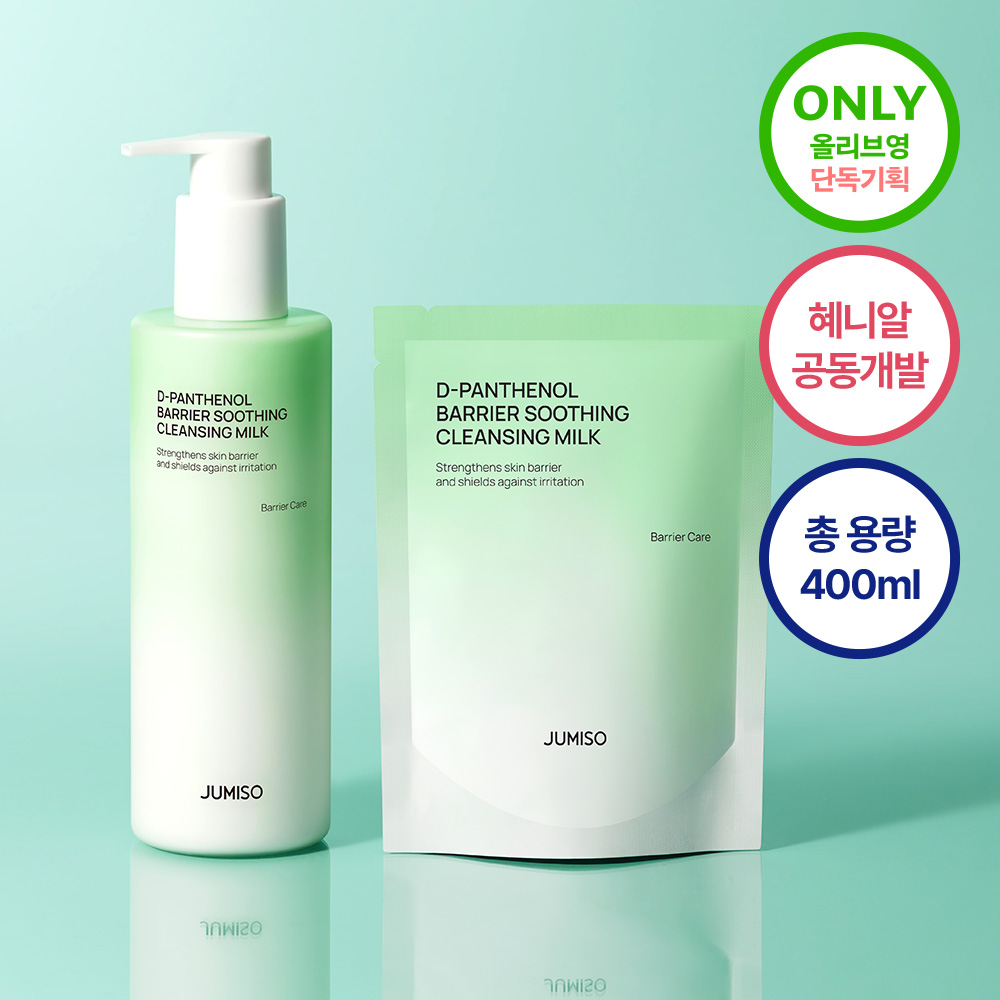
D-Panthenol Barrier Soothing Cleansing Milk 300ml Refill Set
Jumiso
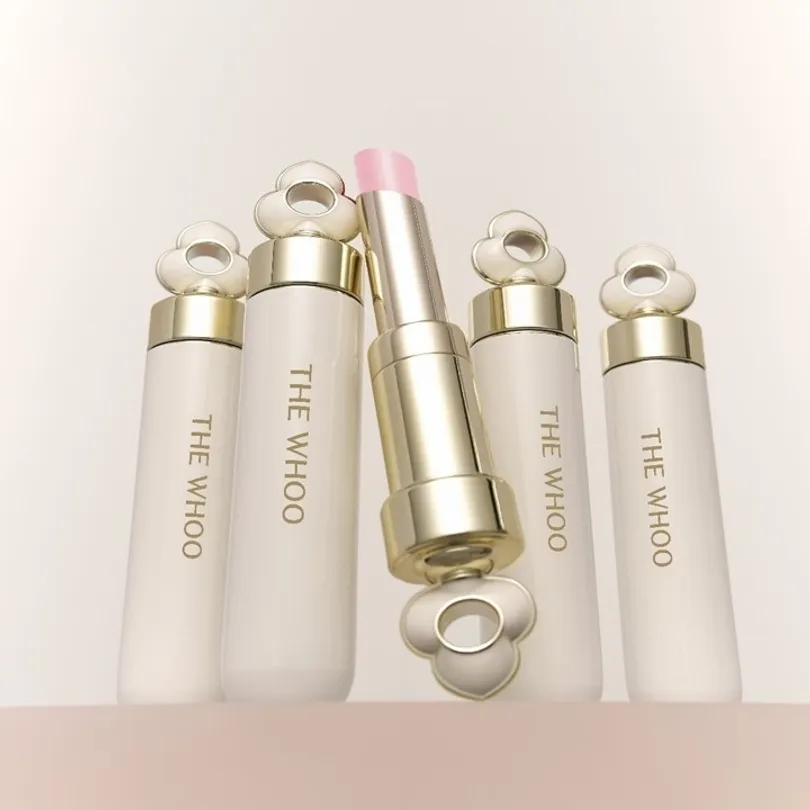
Essential Lip Glow Balm
The Whoo
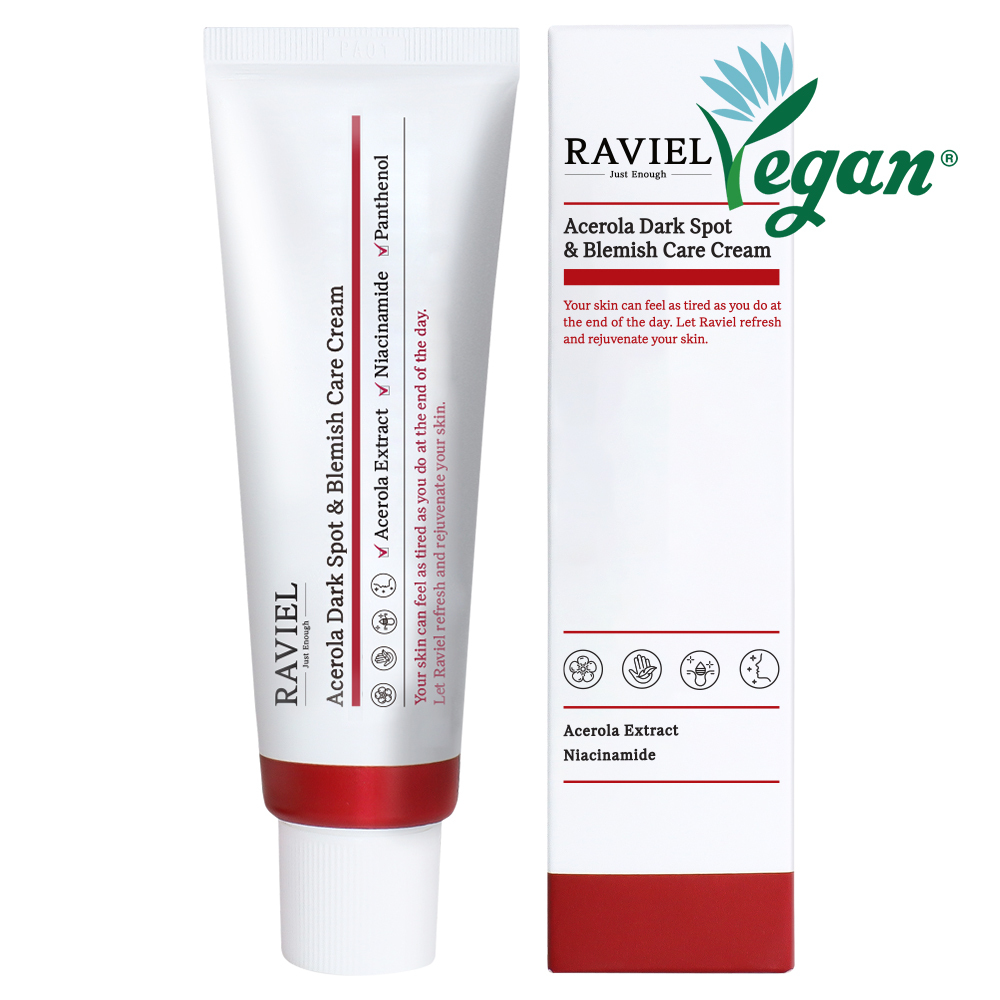
Acerola Dark Spot & Blemish Care Cream
Centellian24
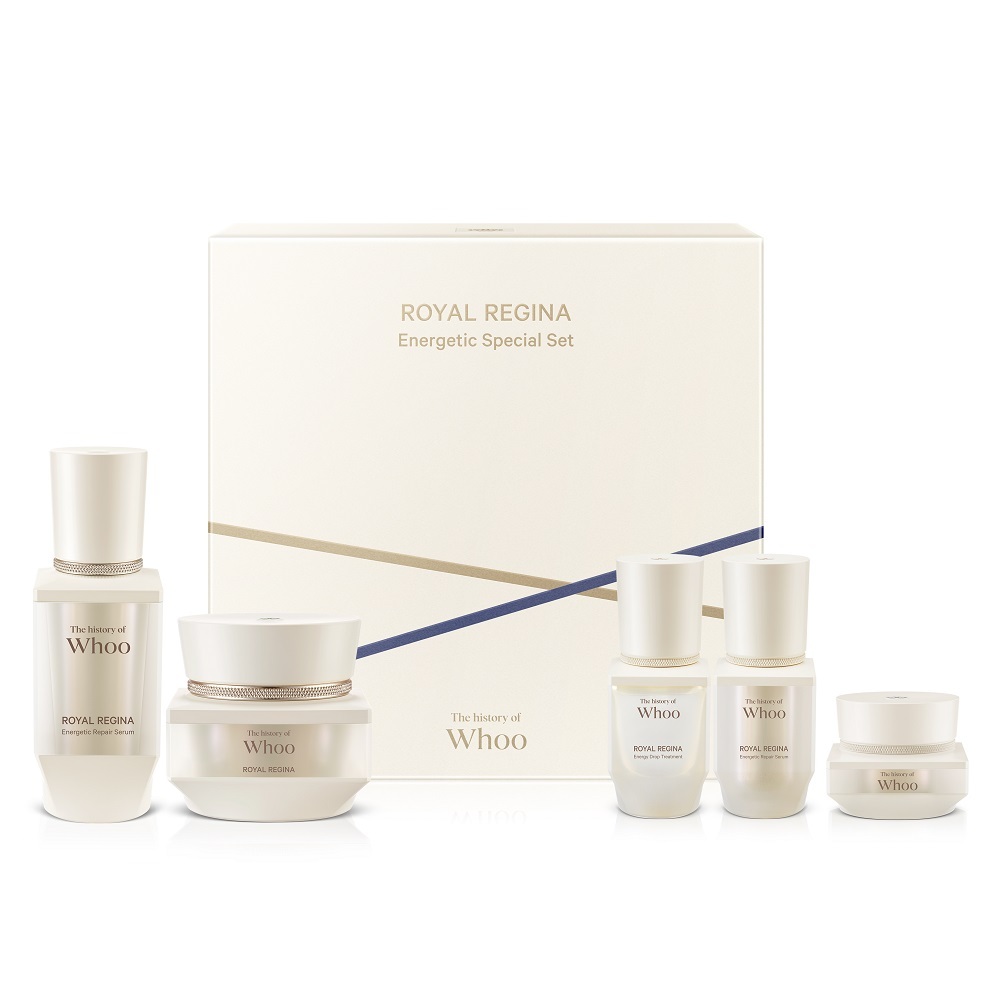
Royal Regina 2P Set (Serum 30ml + Cream 50ml)
The Whoo
Frequently Asked Questions
Will linseed oil clog my pores if I'm acne-prone?▼
How is linseed oil different from other facial oils in K-beauty?▼
Can linseed oil help with aging skin and wrinkles?▼
Why do some linseed oil products smell fishy or off?▼
Explore More
Want personalized ingredient advice?
Yuri, our AI beauty advisor, can tell you how Linseed Oil works with your specific skin type, routine, and concerns.
Ask Yuri, free