Lipase
Enzyme that breaks down lipids and oils
About Lipase
Lipase is a naturally occurring enzyme that specializes in breaking down lipids, oils, and sebum into smaller molecules. In K-beauty formulations, lipase serves as a gentle yet effective cleansing agent that dissolves makeup, excess sebum, and oil-based impurities without harsh surfactants or physical scrubbing. Unlike traditional cleansers that rely on detergents to strip away oils, lipase works through enzymatic activity, making it particularly popular in powder cleansers and oil-based formulas. This ingredient has gained traction in K-beauty for its ability to deep clean pores while maintaining the skin's natural moisture barrier. Korean brands like Banila Co and Suisai have incorporated lipase into high-performing products that achieve thorough cleansing without the tight, stripped feeling common with conventional cleansers. The enzyme's targeted action on lipids makes it especially valuable for managing sebum production and preventing clogged pores, which is why it appears frequently in products designed for oily and combination skin types. With a comedogenic rating of 0/5, lipase won't contribute to breakouts, a critical consideration for anyone prone to congestion or acne.
How Lipase Works
Lipase functions through a process called hydrolysis, where it breaks the ester bonds in triglycerides (fats and oils) to produce fatty acids and glycerol. When applied to the skin, the enzyme specifically targets sebum, makeup oils, and other lipid-based debris that accumulates on the skin's surface and within pores. This enzymatic action is highly selective, meaning lipase primarily affects excess oils and impurities rather than stripping away the skin's natural protective lipid barrier. The process occurs at a molecular level, with lipase recognizing and attaching to oil molecules, then catalyzing their breakdown into water-soluble components that rinse away easily. This mechanism is particularly gentle because it doesn't rely on pH disruption or mechanical abrasion. In powder cleanser formulations, lipase remains dormant until activated by water, allowing for controlled release of its cleansing properties. The enzymatic breakdown also helps prevent the redeposition of oils back onto the skin during rinsing, resulting in a more thorough cleanse that leaves skin feeling clean but not dehydrated.
Lipase by Skin Type
Oily Skin
Lipase is exceptionally well-suited for oily skin types due to its ability to break down excess sebum at the source. Products like Banila Co's Pongdang Pore Deep Clean Cleansing Oil leverage lipase to manage oil production without triggering the rebound sebum that harsh cleansers can cause. The enzyme's targeted action helps keep pores clear and reduces the shiny appearance associated with overactive sebaceous glands.
Dry Skin
While lipase is primarily known for managing excess oil, it can benefit dry skin when used in balanced formulations like the Fully Rice Ceramide Capsule Cream, where it aids in breaking down old, oxidized lipids that can interfere with moisture absorption. However, dry skin types should use lipase-containing cleansers sparingly and always follow with hydrating products to prevent any potential dryness from over-cleansing.
Combo Skin
Combination skin often sees the greatest benefit from lipase, as the enzyme can address oiliness in the T-zone while remaining gentle enough for drier cheek areas. Products like Suisai's Beauty Clear powder washes allow for customizable cleansing—using more product on oily areas and less on dry patches. This targeted approach helps balance combination skin without creating dry, flaky areas or leaving oily zones under-cleansed.
Sensitive Skin
Lipase offers a gentler alternative to traditional surfactants for sensitive skin, as its enzymatic action doesn't require harsh detergents or aggressive pH levels. The enzyme works at skin-friendly pH levels and doesn't cause the irritation often associated with sulfate-based cleansers. However, sensitive skin types should introduce lipase gradually and monitor for any reactions, particularly when using powder formulations that may contain other active enzymes.
Normal Skin
Normal skin types can incorporate lipase-containing products like the I'm From Fig Enzyme Powder Cleanser as part of a regular cleansing routine to maintain clear, balanced skin. The enzyme helps prevent the buildup of oxidized sebum and environmental pollutants without disrupting the skin's equilibrium. Normal skin tolerates lipase well and can benefit from both daily gentle formulations and occasional deeper cleansing treatments.
How to Use Lipase
- 1Activate powder cleansers containing lipase with lukewarm water in your palm before applying to create a gentle foam, this ensures even distribution and optimal enzyme activity.
- 2Allow lipase-based cleansers to sit on the skin for 30-60 seconds before rinsing to give the enzyme sufficient time to break down oils and impurities effectively.
- 3Use lipase cleansers as your second cleanse in a double-cleansing routine for maximum effectiveness, or as a standalone cleanser for light makeup days.
- 4Store powder formulations in a cool, dry place away from moisture to preserve enzyme activity, as exposure to humidity can reduce lipase effectiveness over time.
- 5Pair lipase cleansers with a hydrating toner or essence immediately after cleansing to maintain moisture balance and support the skin barrier.
Background
Lipase has been used in traditional fermentation processes across Asia for centuries, particularly in Korean and Japanese cuisine where it aids in breaking down fats in fermented foods like doenjang and miso. The application of lipase in skincare emerged from the broader trend of incorporating fermentation and enzyme technology into beauty products, a movement that gained momentum in Korea during the early 2000s. Japanese brand Suisai pioneered enzyme powder cleansers in the 1970s, but the ingredient saw renewed interest as K-beauty emphasized gentle, skin-barrier-friendly formulations. Korean chemists recognized that the same enzymatic processes used in food fermentation could be adapted for skincare to achieve deep cleansing without harsh surfactants. This aligned perfectly with the K-beauty philosophy of achieving results through gentle, consistent care rather than aggressive treatments. Today, lipase represents the evolution of cleansing technology in Korea, where innovation focuses on working with the skin's biology rather than against it.
K-Beauty Products with Lipase
View all 14 →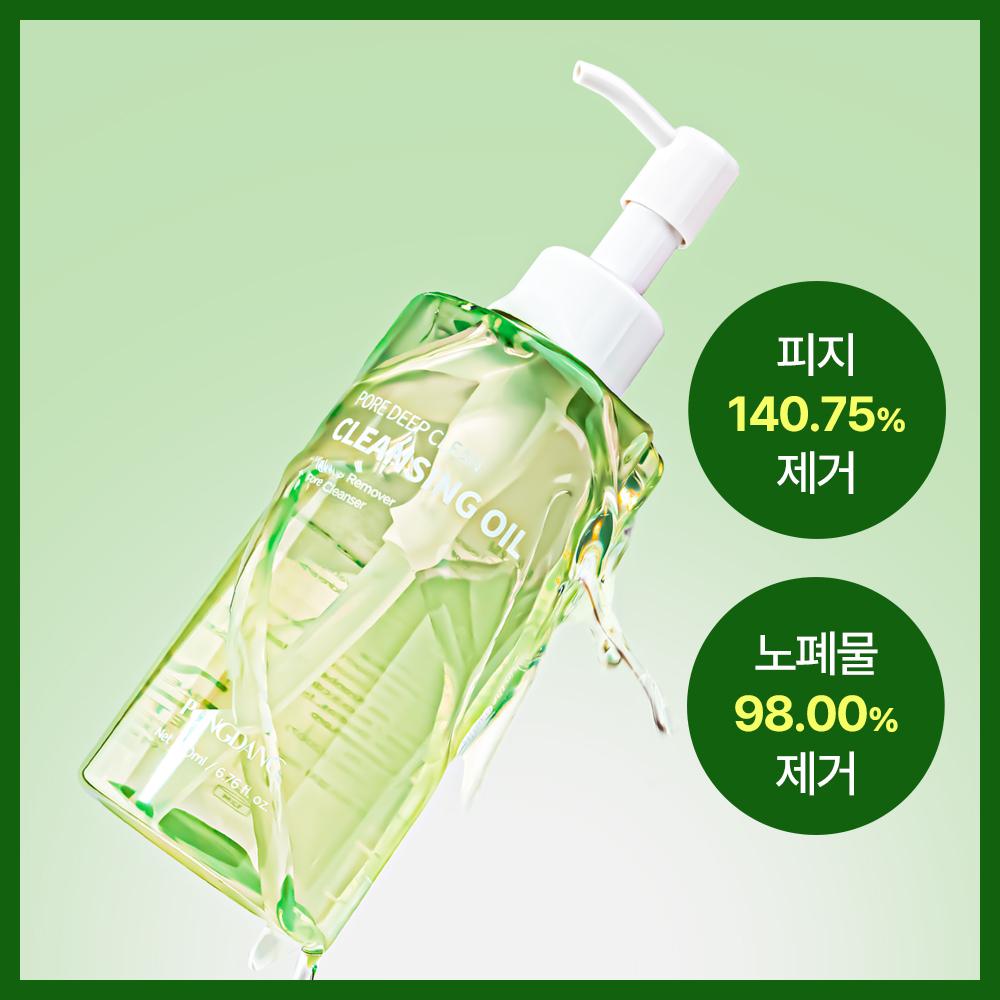
Pongdang Pore Deep Clean Cleansing Oil
Banila Co
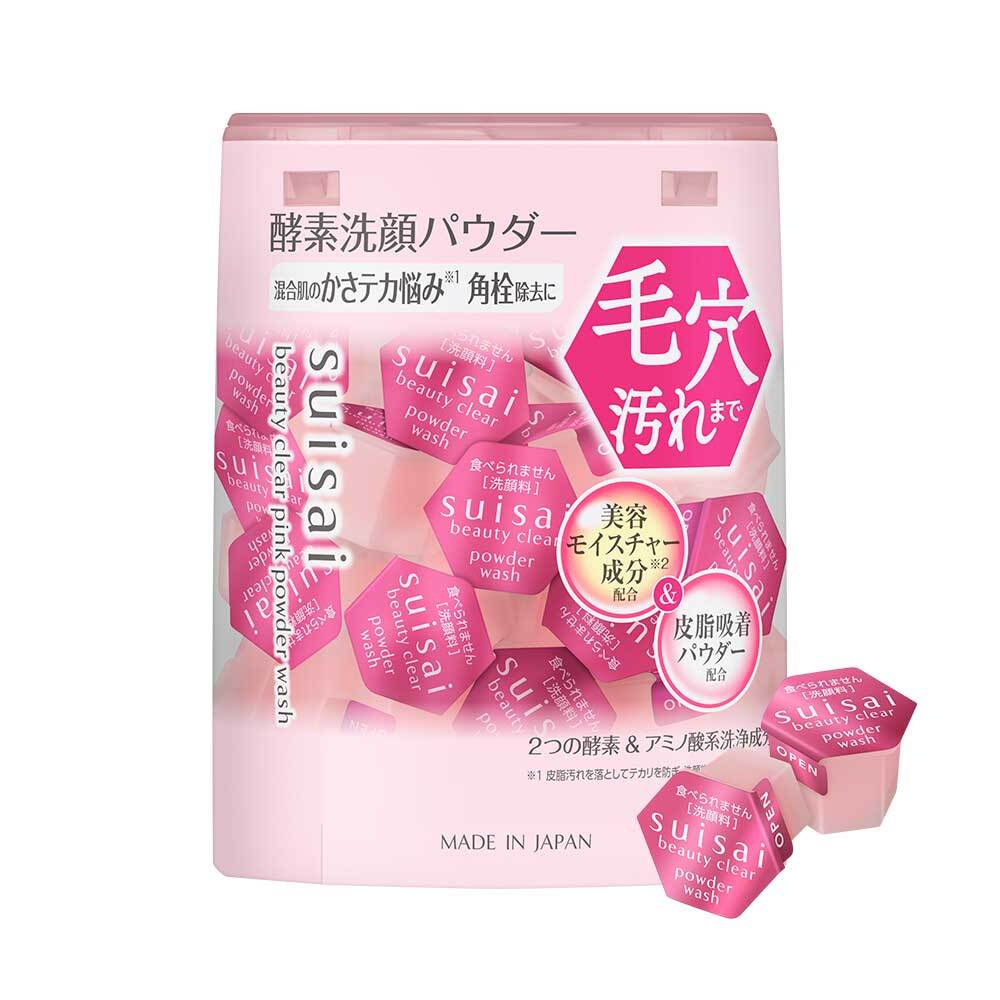
Beauty Clear Pink Powder Wash
Suisai

Rice Ceramide Capsule Cream
Fully
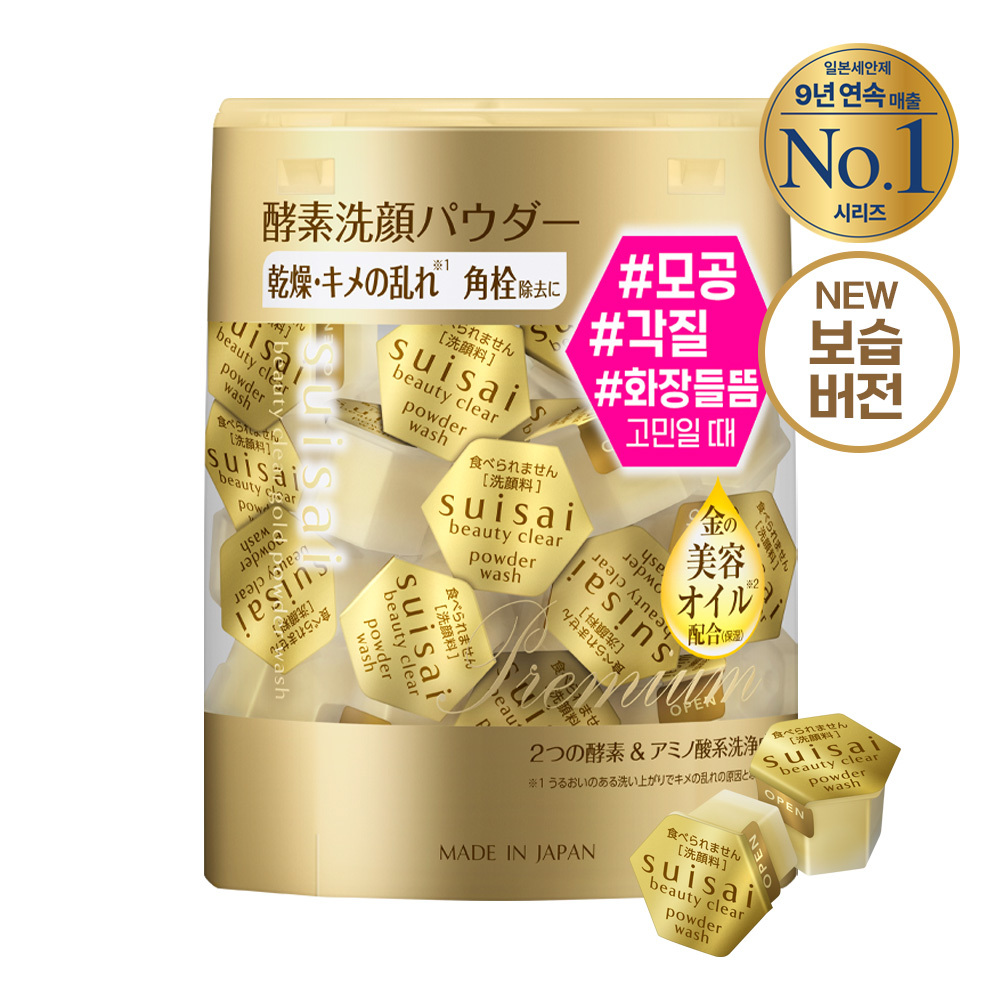
Beauty Clear Gold Powder Wash
Suisai
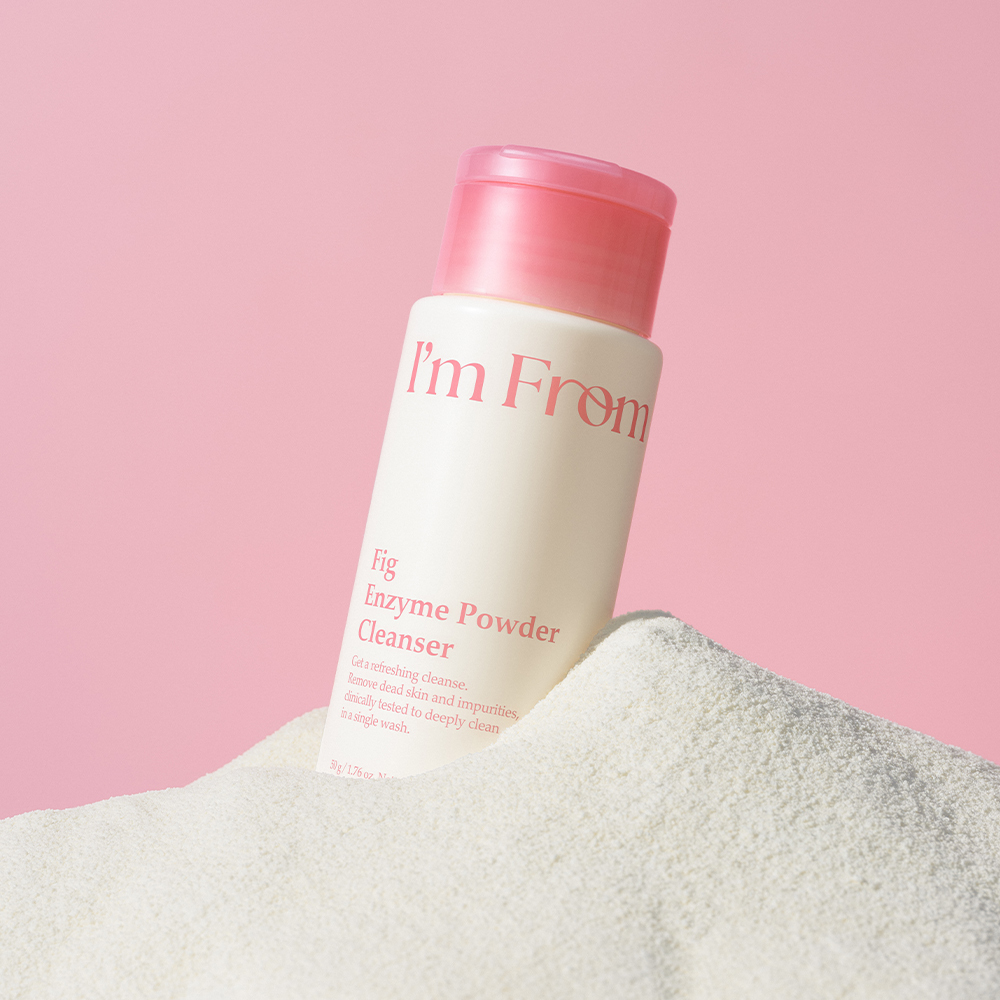
Fig Enzyme Powder Cleanser
I'm From
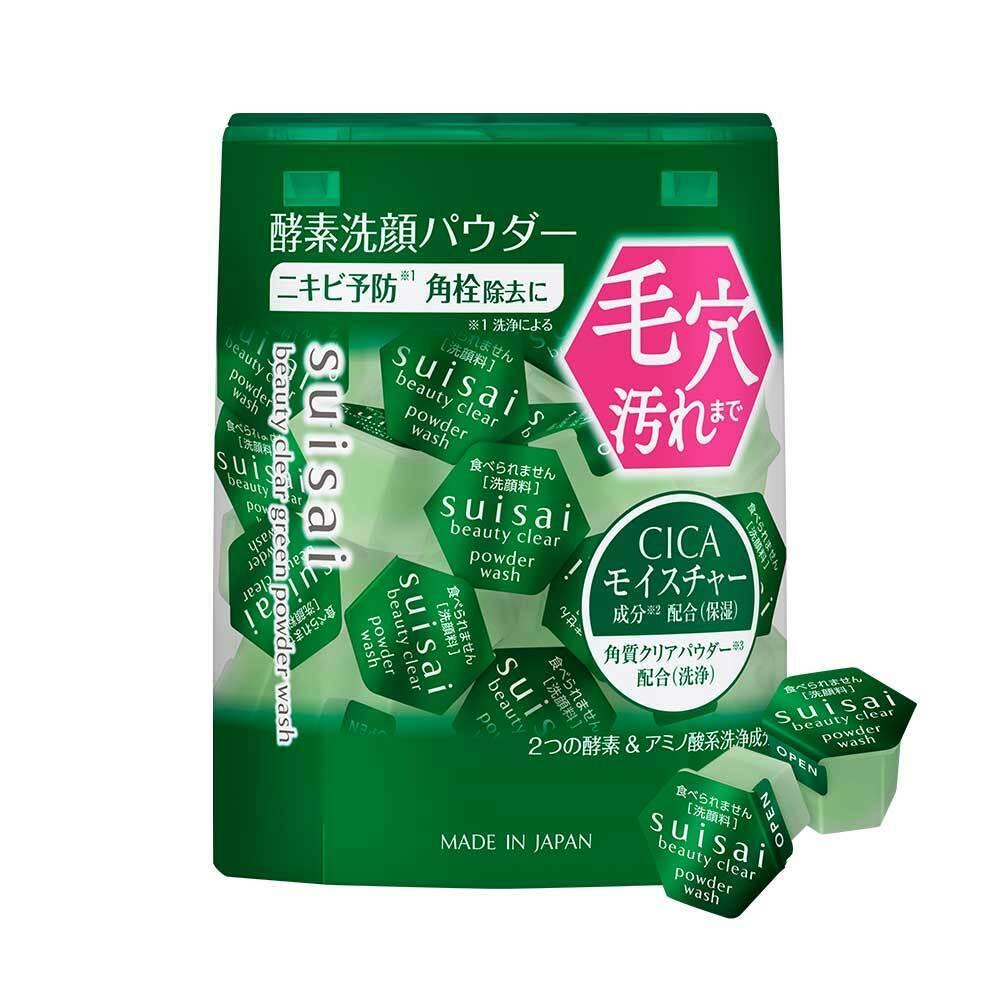
Beauty Clear Green Powder Wash
Suisai
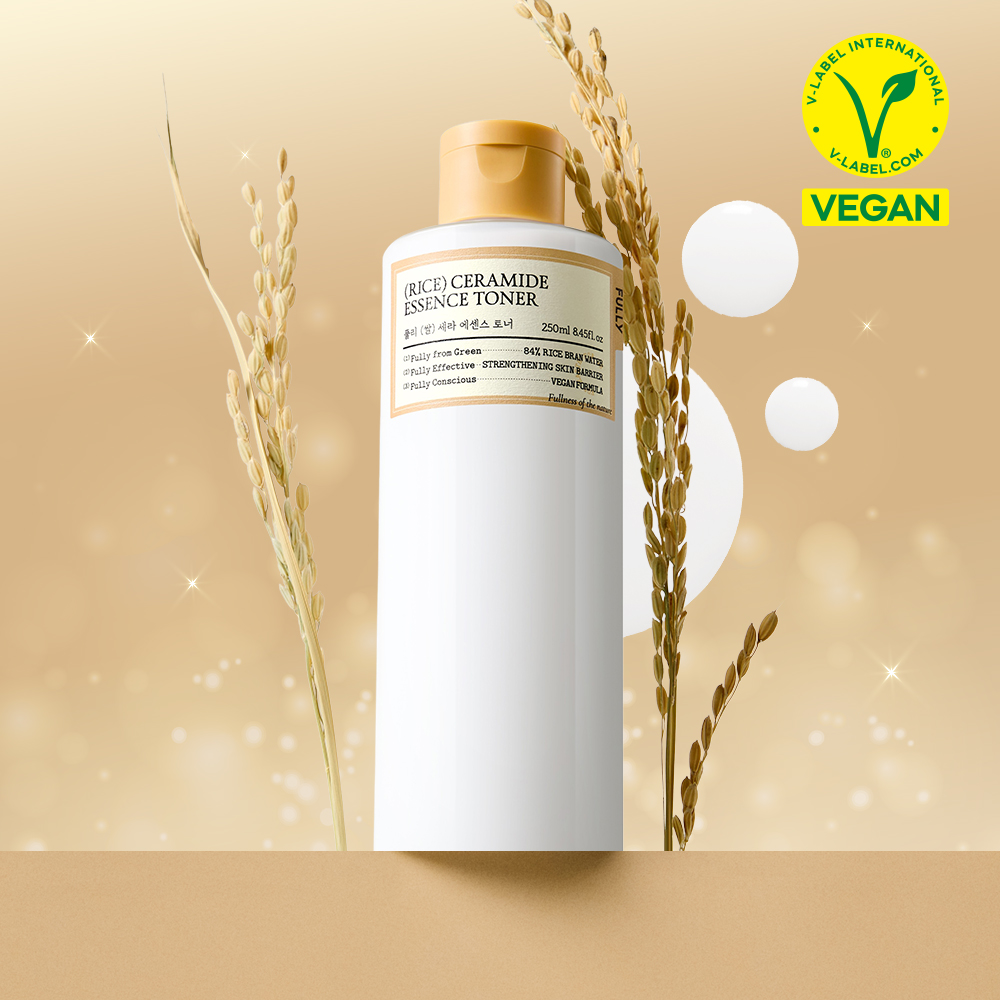
Rice Ceramide Essence Toner
Fully
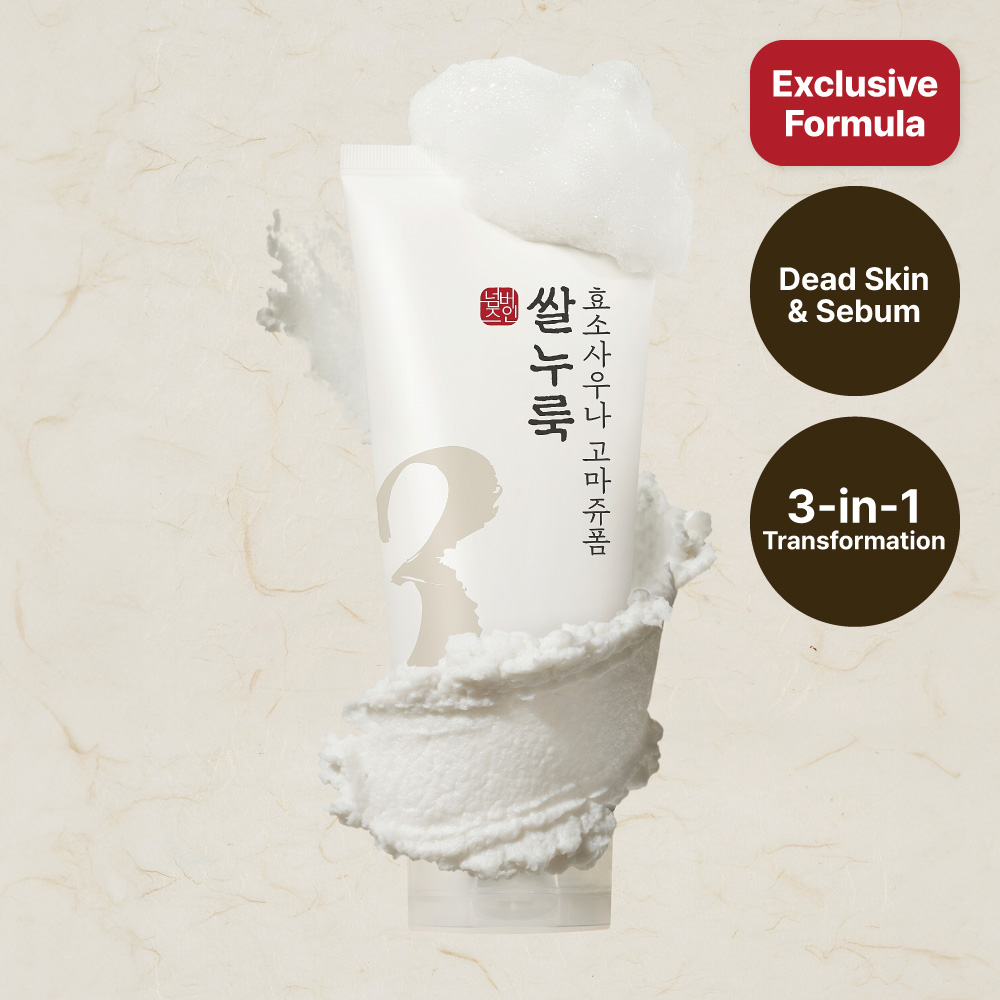
No. 3 Rice Yeast Enzyme Sauna Gommage Foam
Numbuzin
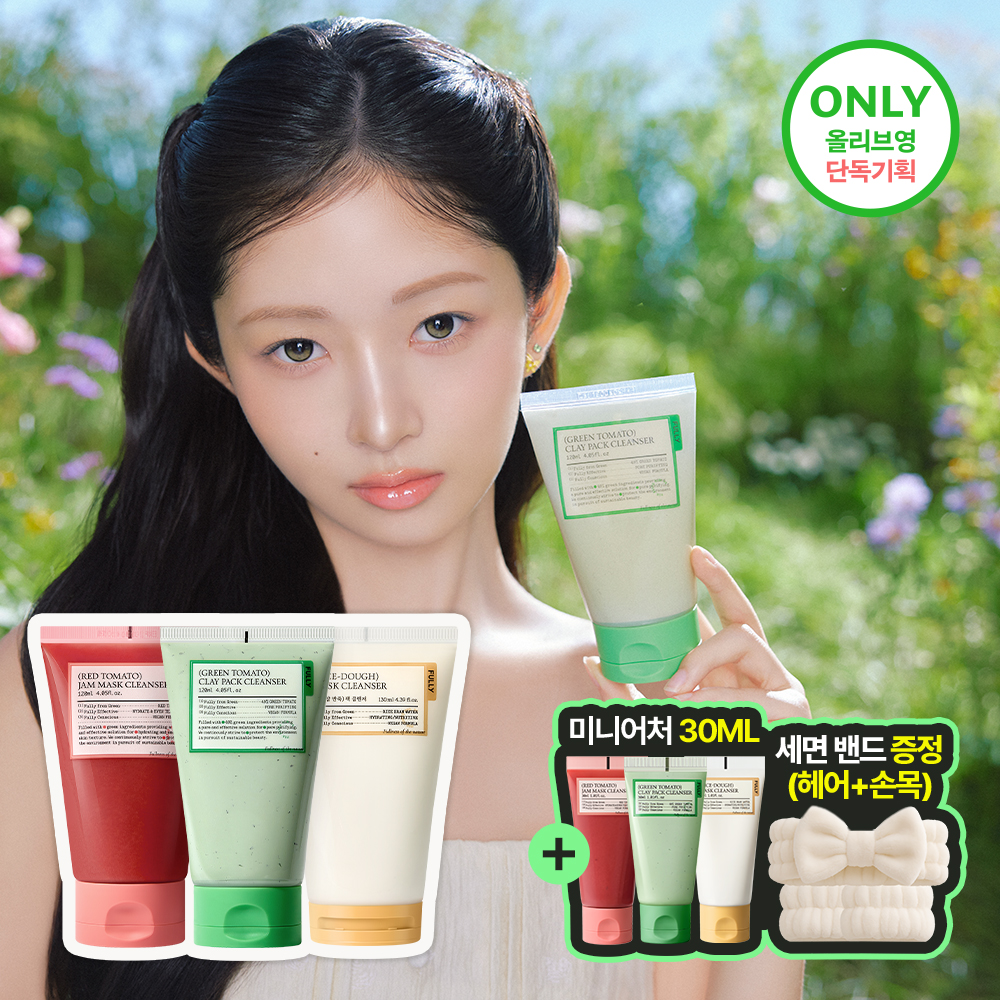
Pack Cleanser Set - Green Tomato / Red Tomato / Rice Dough
Fully
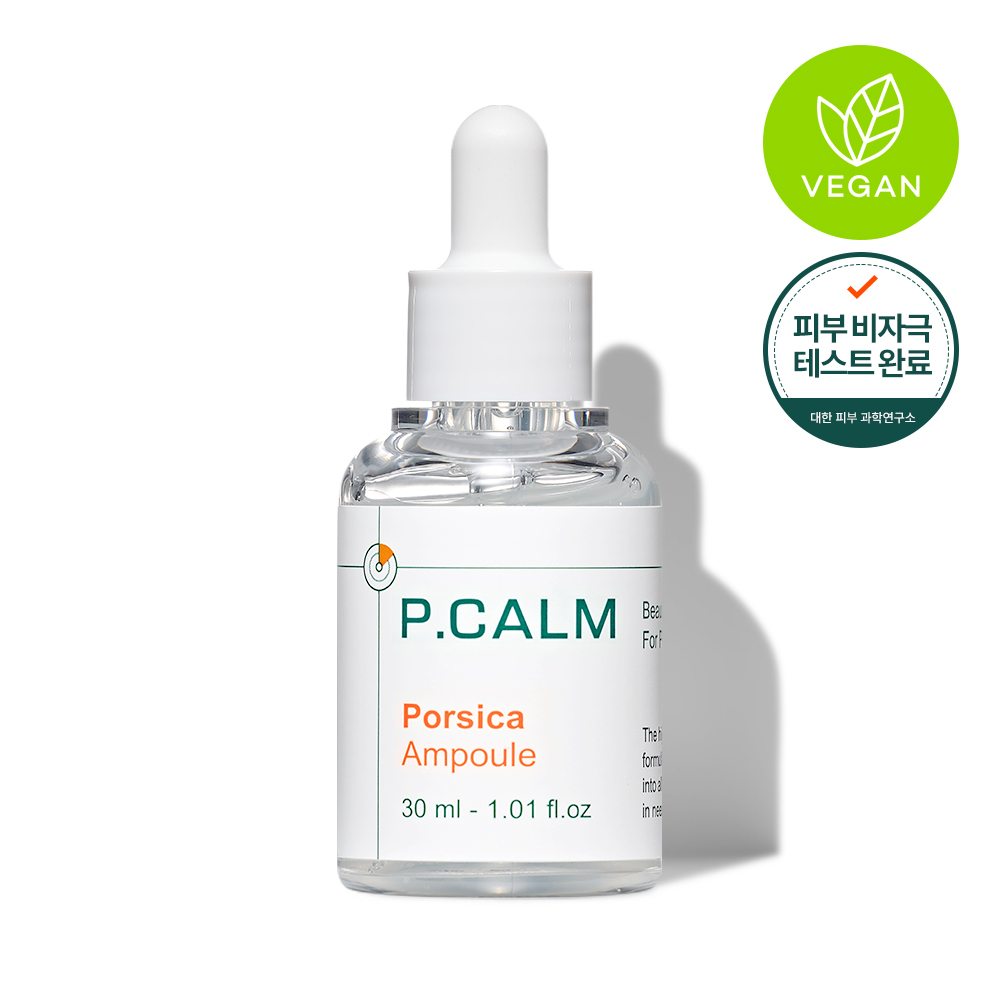
P.CALM Porsica Ampoule
Anua
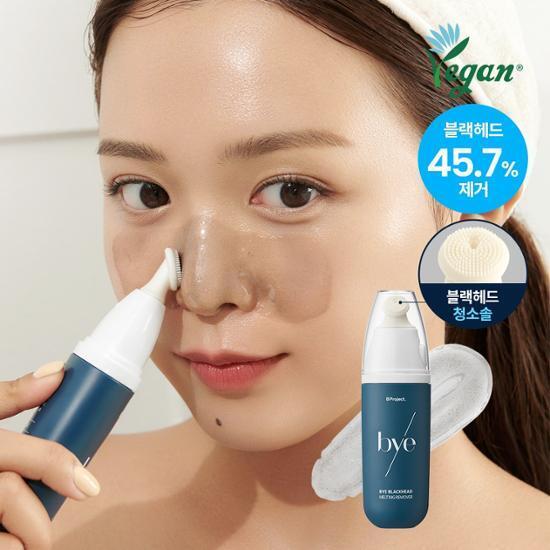
Bye Blackhead Melting Remover
Ilso
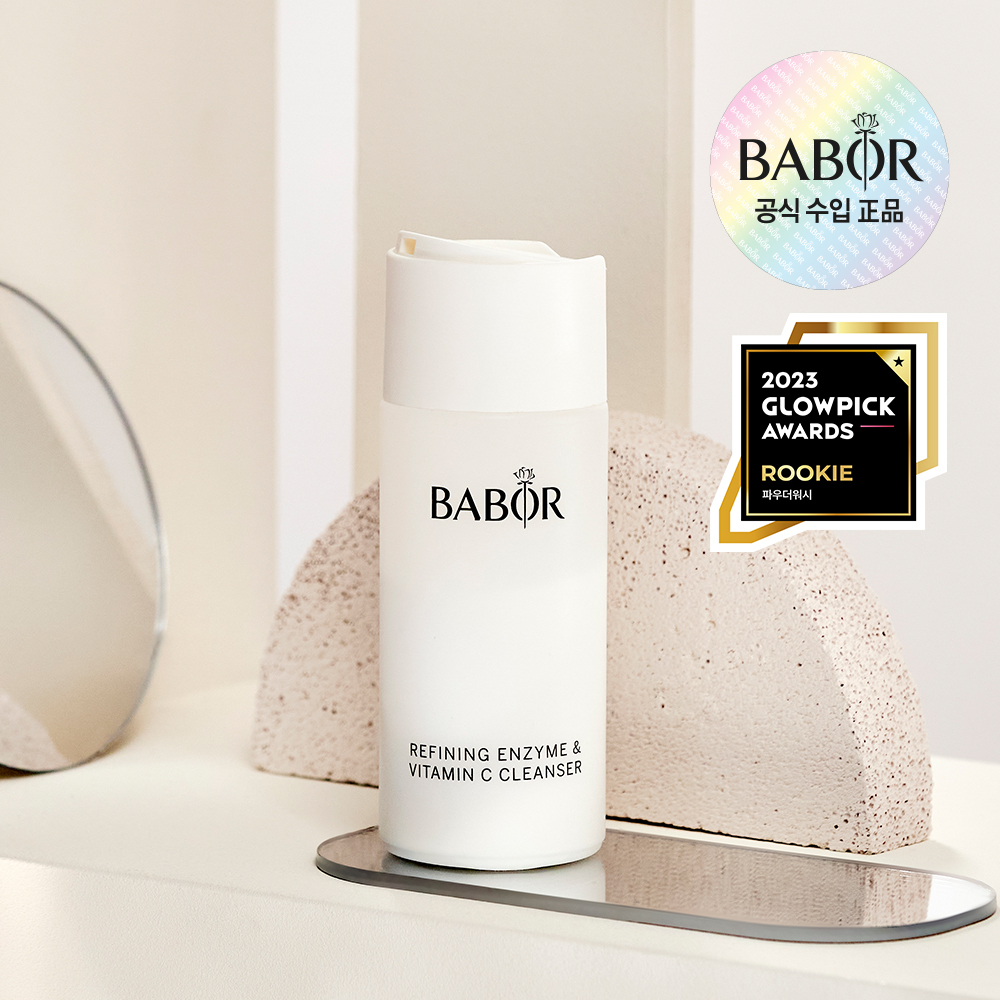
Refining Enzyme & Vitamin C Cleanser
BABOR
Frequently Asked Questions
Is lipase safe to use every day?▼
Can lipase help with blackheads and clogged pores?▼
What's the difference between lipase and other cleansing enzymes?▼
Why are powder cleansers with lipase so popular in K-beauty?▼
Can I use lipase cleansers with other active ingredients like retinol or acids?▼
Explore More
Want personalized ingredient advice?
Yuri, our AI beauty advisor, can tell you how Lipase works with your specific skin type, routine, and concerns.
Ask Yuri, free