Gromwell Root Extract
INCI: Lithospermum Erythrorhizon Root Extract
Anti-inflammatory and skin-soothing botanical extract
About Gromwell Root Extract
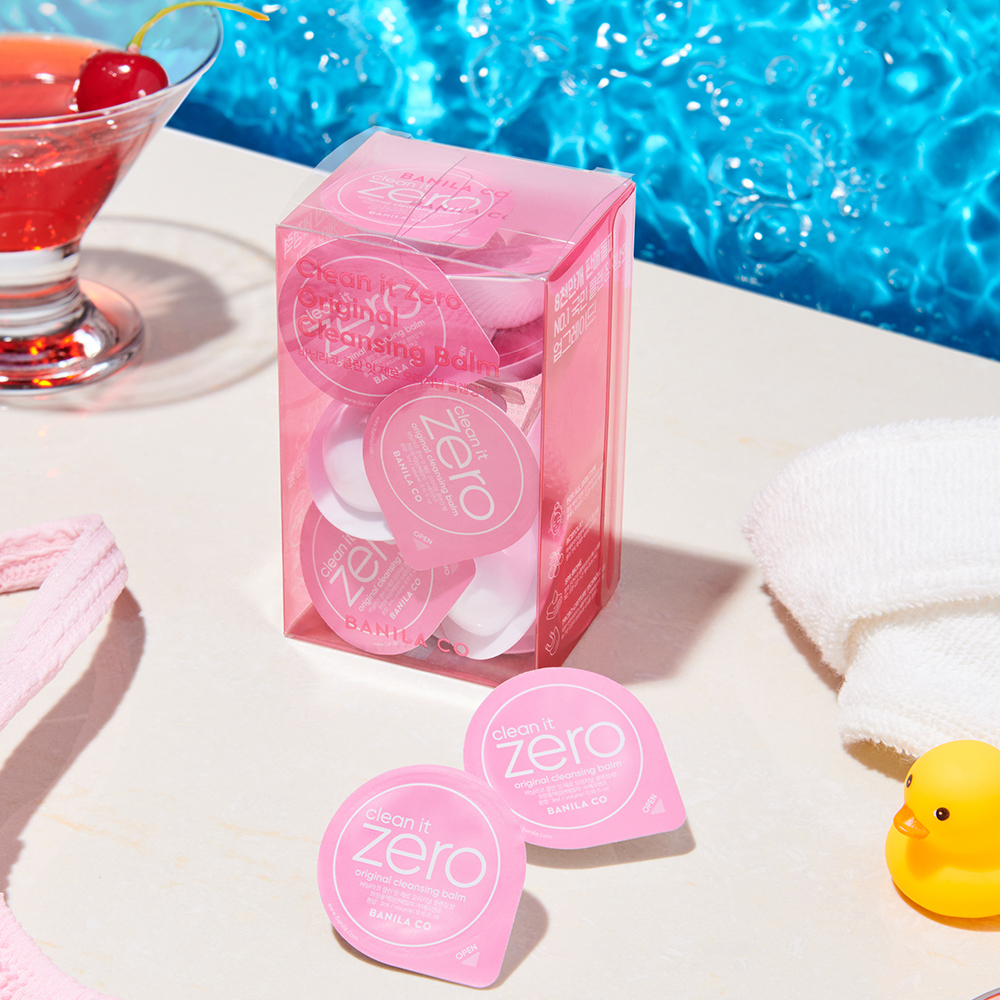
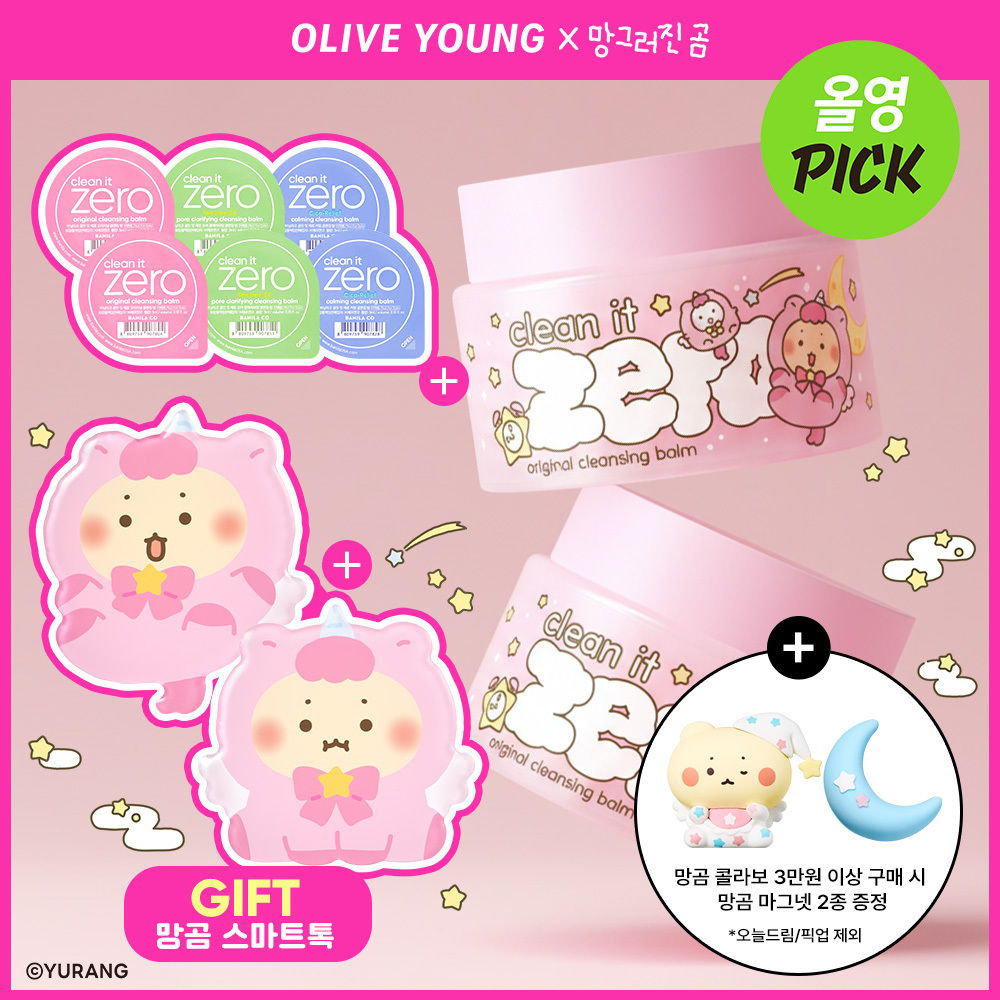
Gromwell root extract, derived from the purple-flowered Lithospermum erythrorhizon plant, has been a cornerstone of traditional Asian medicine for centuries before becoming a favorite in modern K-beauty formulations. This botanical extract contains shikonin and its derivatives, powerful compounds that give the root its characteristic deep red-purple color and exceptional anti-inflammatory properties. In K-beauty, gromwell root extract is prized for its ability to calm reactive skin, reduce redness, and support the healing process without the heaviness or irritation associated with some synthetic alternatives. You'll find it in everything from cleansing balms like Banila Co's Clean It Zero to targeted treatments like Medicube's Red Acne Succinic Acid Peel, where it balances more active ingredients with soothing support. The extract works particularly well in products designed for acne-prone or sensitized skin because it addresses inflammation at multiple pathways while being gentle enough for daily use. With a low comedogenic rating of 1/5 and strong safety profile, gromwell root extract represents K-beauty's philosophy of using time-tested botanicals backed by modern research to achieve visible results without compromising skin health.
How Gromwell Root Extract Works
Gromwell root extract works primarily through shikonin, a naphthoquinone compound that inhibits multiple inflammatory mediators including prostaglandins, cytokines, and nitric oxide. At the cellular level, shikonin suppresses the activation of NF-κB, a protein complex that controls inflammatory gene expression, effectively turning down your skin's inflammatory response before it becomes visible redness or irritation. The extract also demonstrates antimicrobial properties against Propionibacterium acnes (the bacteria associated with breakouts), making it doubly effective in acne formulations. Beyond inflammation control, shikonin derivatives promote wound healing by encouraging keratinocyte proliferation and migration, essentially helping your skin repair itself faster after damage or breakouts. The compound also exhibits antioxidant activity, neutralizing free radicals that can trigger inflammatory cascades and accelerate aging. Unlike corticosteroids that simply suppress immune response, gromwell root extract modulates inflammation while supporting skin's natural repair mechanisms, which is why you can use it long-term without concerns about skin thinning or dependency.
Gromwell Root Extract by Skin Type
Oily Skin
Gromwell root extract is excellent for oily skin, particularly if you're dealing with inflammatory acne or post-breakout redness. Its antimicrobial properties help control acne-causing bacteria while the anti-inflammatory action calms active breakouts without adding oil or clogging pores (comedogenic rating of just 1/5). You'll find it in top-rated products like Medicube's Red Acne Succinic Acid Peel, where it soothes skin while acids do their work.
Dry Skin
While gromwell root extract doesn't provide direct hydration, it's valuable for dry skin experiencing inflammation or sensitivity from barrier damage. The extract reduces the inflammatory response that can worsen dryness and prevents the irritation that sometimes comes with richer moisturizing ingredients. Look for it in formulations like I'm From's Fig Soft Cleansing Balm, where it calms skin during the cleansing process.
Combo Skin
Combination skin benefits significantly from gromwell root extract because it addresses inflammation in the T-zone without disrupting drier areas. The extract's light texture and non-comedogenic nature mean it won't cause congestion in oilier zones, while its soothing properties help calm any reactive patches on cheeks or around the nose. It's particularly useful when you're introducing new actives that might cause temporary sensitivity in different facial zones.
Sensitive Skin
This is where gromwell root extract truly shines. Its multi-pathway anti-inflammatory action makes it ideal for reactive, easily irritated skin that flares from environmental triggers, products, or stress. The extract appears in highly-rated sensitive skin products like Redence's Tone & Spot Recovery Cream (5.0/5 rating) because it calms without the risk of allergic reactions associated with some synthetic soothers. The 4/5 safety rating reflects its gentle, well-tolerated nature even for compromised skin barriers.
Normal Skin
Normal skin can use gromwell root extract as preventative care against inflammation from environmental stressors, or to maintain calm, even-toned skin. It's gentle enough for daily use in cleansers and treatment products, helping your skin stay balanced without unnecessary intervention. The extract works well in maintenance routines where you want botanical support without dramatic effects.
How to Use Gromwell Root Extract
- 1Gromwell root extract works synergistically with acids and retinoids, so look for it in formulations that combine actives with soothing agents, like Medicube's peel treatment that balances succinic acid with calming botanicals.
- 2For active breakouts, use products containing gromwell root extract twice daily to get both antimicrobial and anti-inflammatory benefits that address acne from multiple angles.
- 3The extract's red-purple pigment is natural and generally rinses clean, but if you're using a leave-on product with high concentrations, do a patch test to ensure it doesn't temporarily tint very fair skin.
- 4Pair gromwell root extract products with niacinamide or centella asiatica for enhanced anti-inflammatory effects, a combination commonly found in K-beauty formulations designed for sensitized or acne-prone skin.
- 5If you're using gromwell root extract in a cleansing balm like Banila Co's Clean It Zero, the brief contact time still provides anti-inflammatory benefits, but for maximum effect, follow with a leave-on treatment containing the extract.
Background
Lithospermum erythrorhizon, known as jichi in Chinese medicine and jiga in Korean traditional medicine, has been used for over 2,000 years to treat burns, wounds, and inflammatory skin conditions. Ancient practitioners recognized the root's distinctive purple color as a sign of its potent healing properties, and it was frequently prescribed as a topical treatment for eczema, rashes, and infections. The active compound shikonin was first isolated in the 1950s, validating centuries of traditional use with scientific evidence of its anti-inflammatory and antimicrobial mechanisms. K-beauty brands embraced gromwell root extract in the early 2000s as part of the broader movement to incorporate hanbang (traditional Korean medicinal) ingredients into modern skincare. Today, it appears across multiple product categories from cleansers to spot treatments, representing K-beauty's signature approach of honoring traditional wisdom while applying contemporary formulation science. The ingredient's popularity has grown as consumers seek effective botanical alternatives to synthetic anti-inflammatory agents.
K-Beauty Products with Gromwell Root Extract
View all 46 →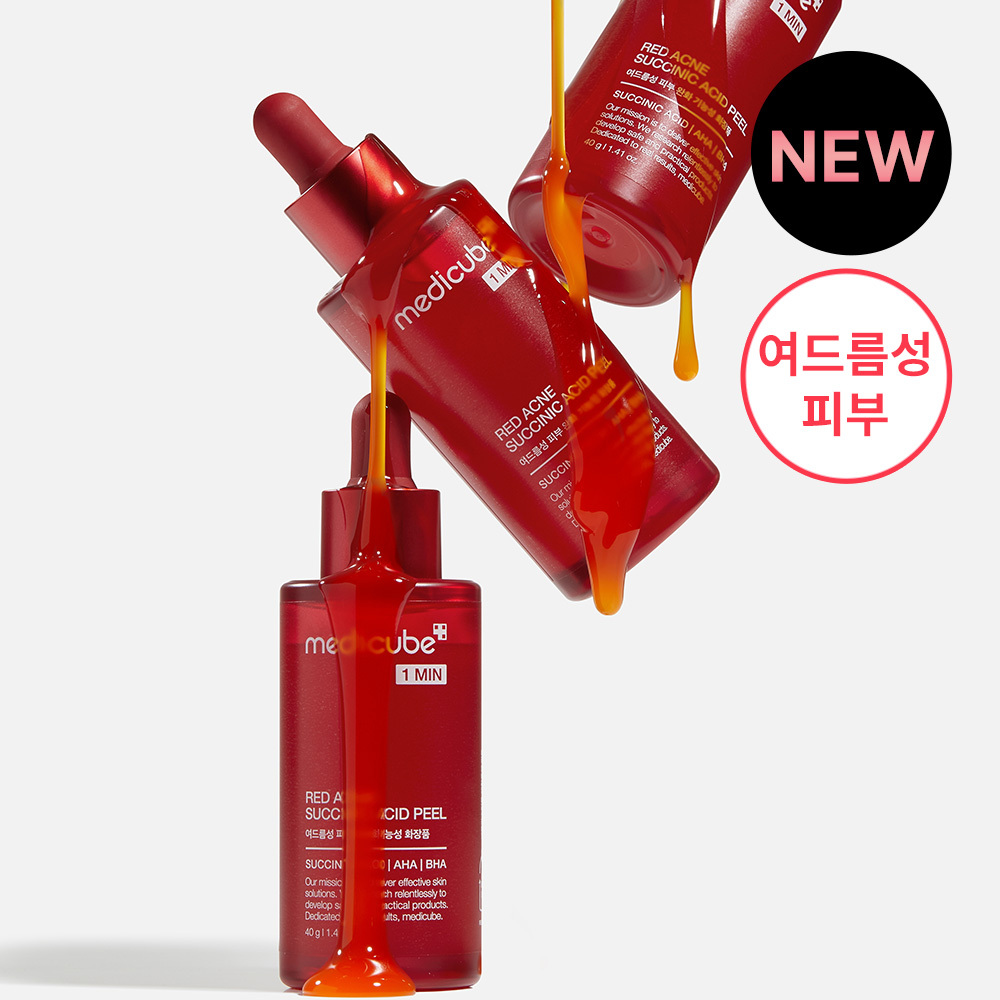
Red Acne Succinic Acid Peel
Medicube
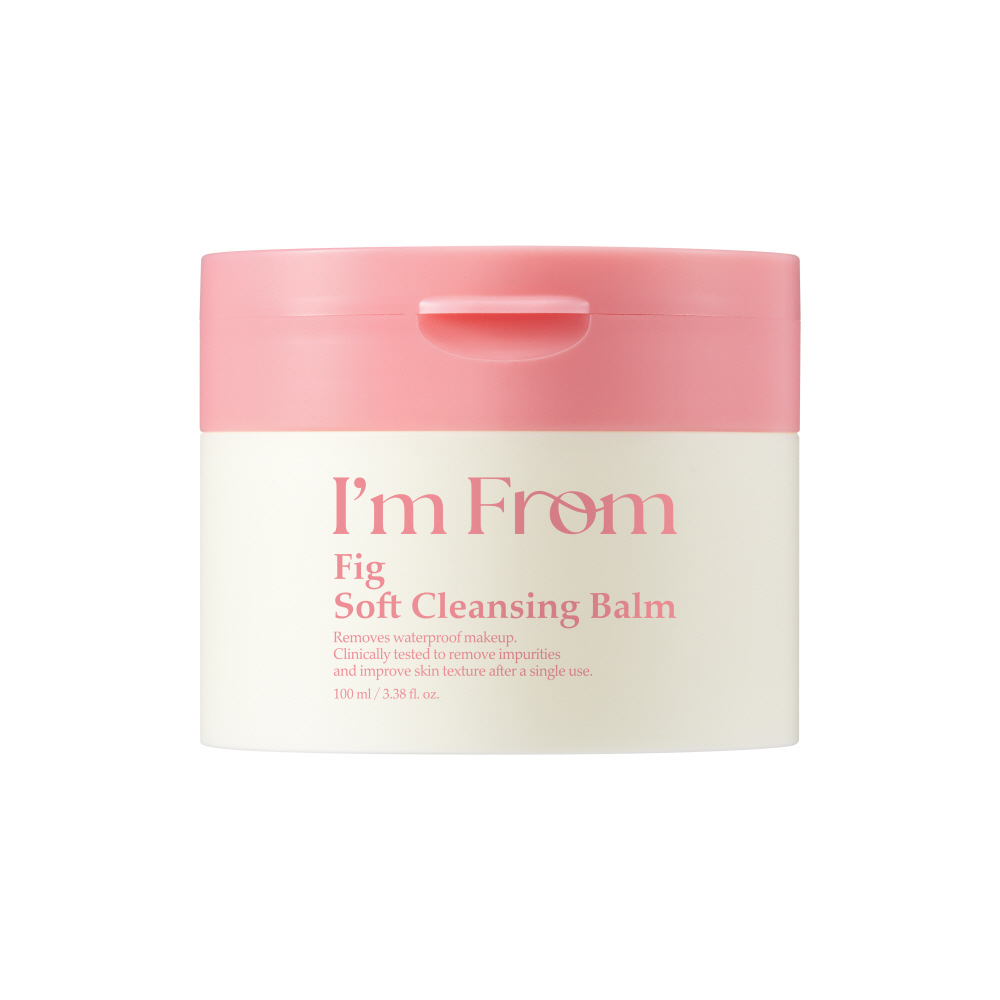
Fig Soft Cleansing Balm
I'm From
Clean It Zero Original Cleansing Balm Travel Kit
Banila Co
Clean It Zero Original Cleansing Balm
Banila Co
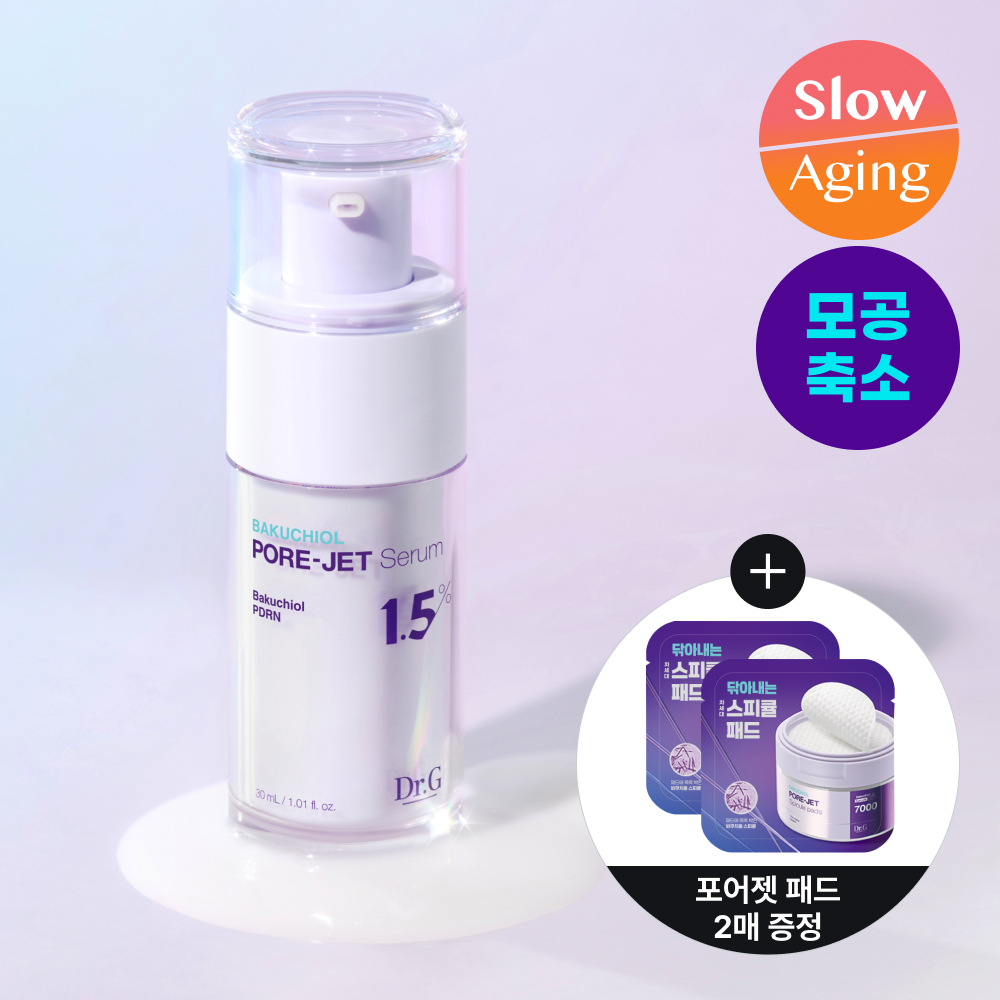
Bakuchiol Pore-Jet Serum
Dr.G

Probioderm 3D Lifting Cream Mist
Bioheal BOH
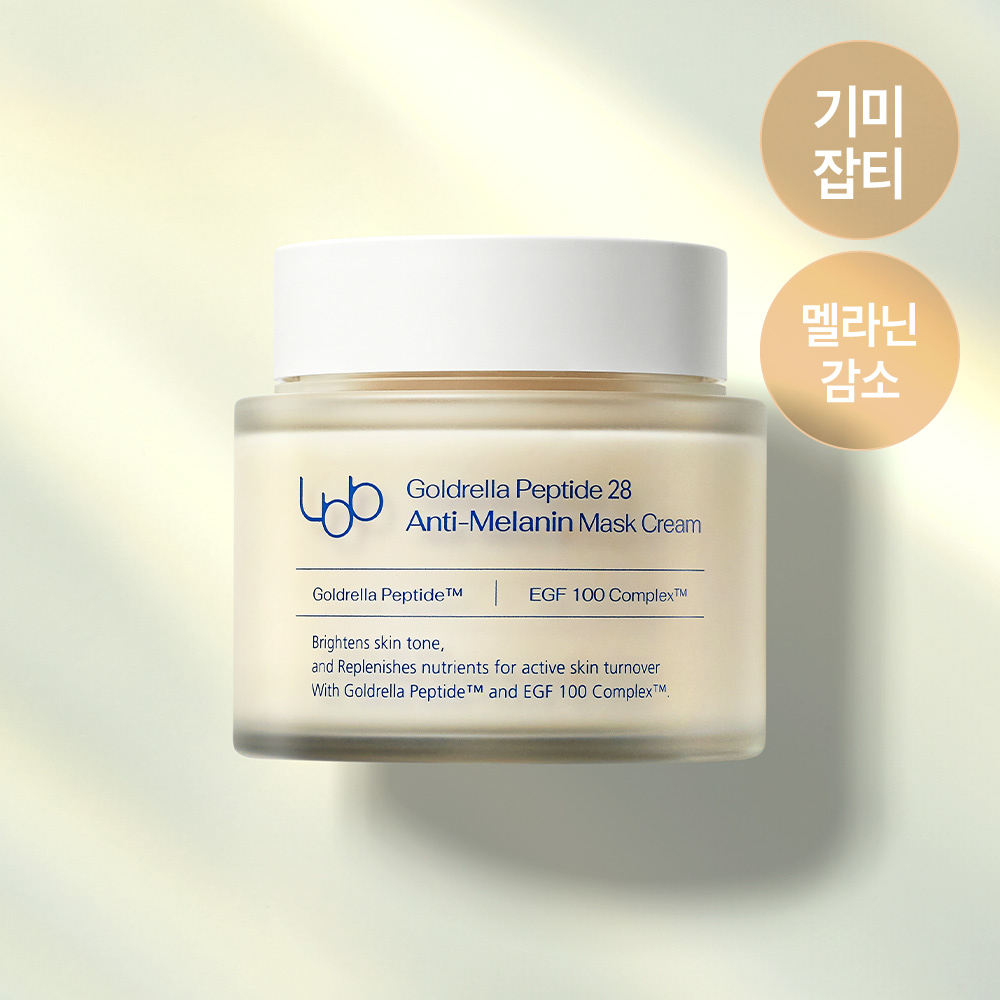
Goldrella Peptide 28 Anti-Melanin Mask Cream
LBB
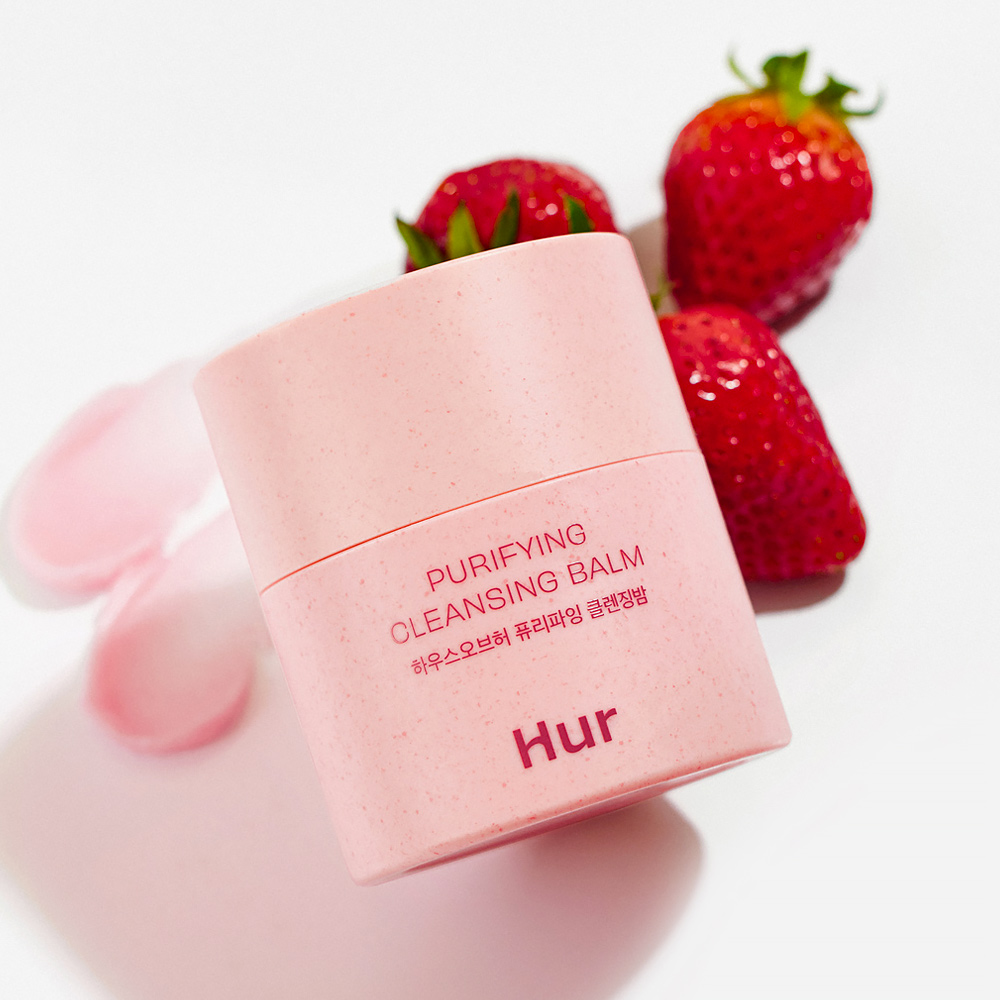
Purifying Cleansing Balm
House of Hur
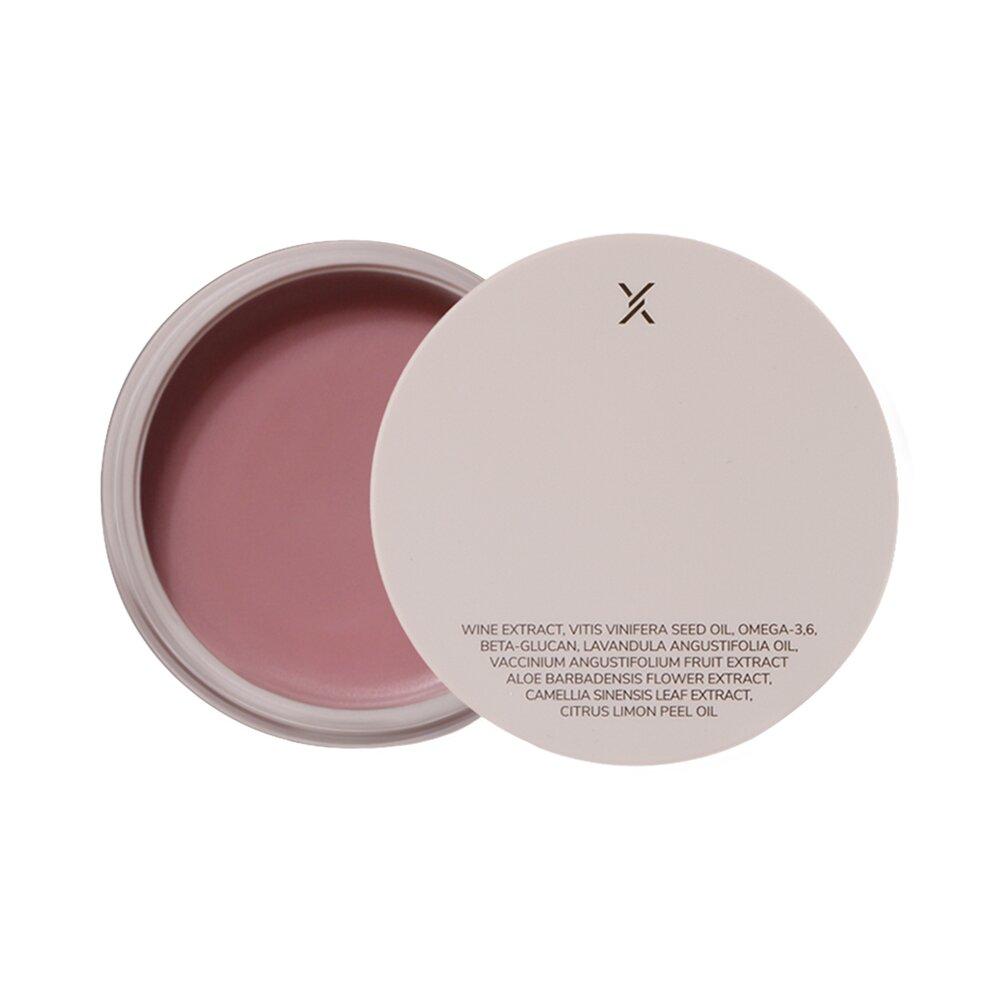
XOUL After Glow Cleansing Balm
Banila Co
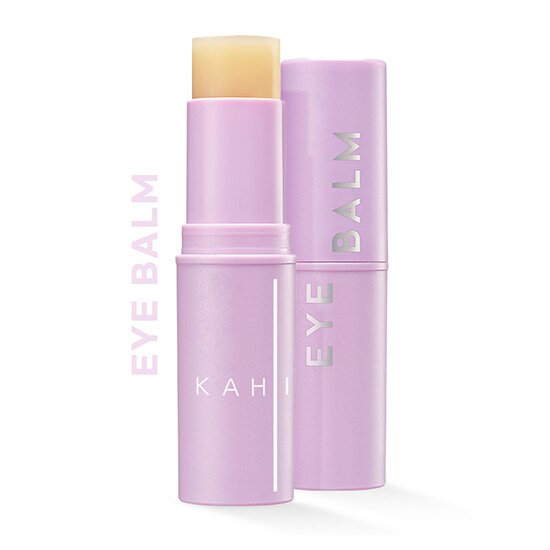
Eye Balm
KAHI
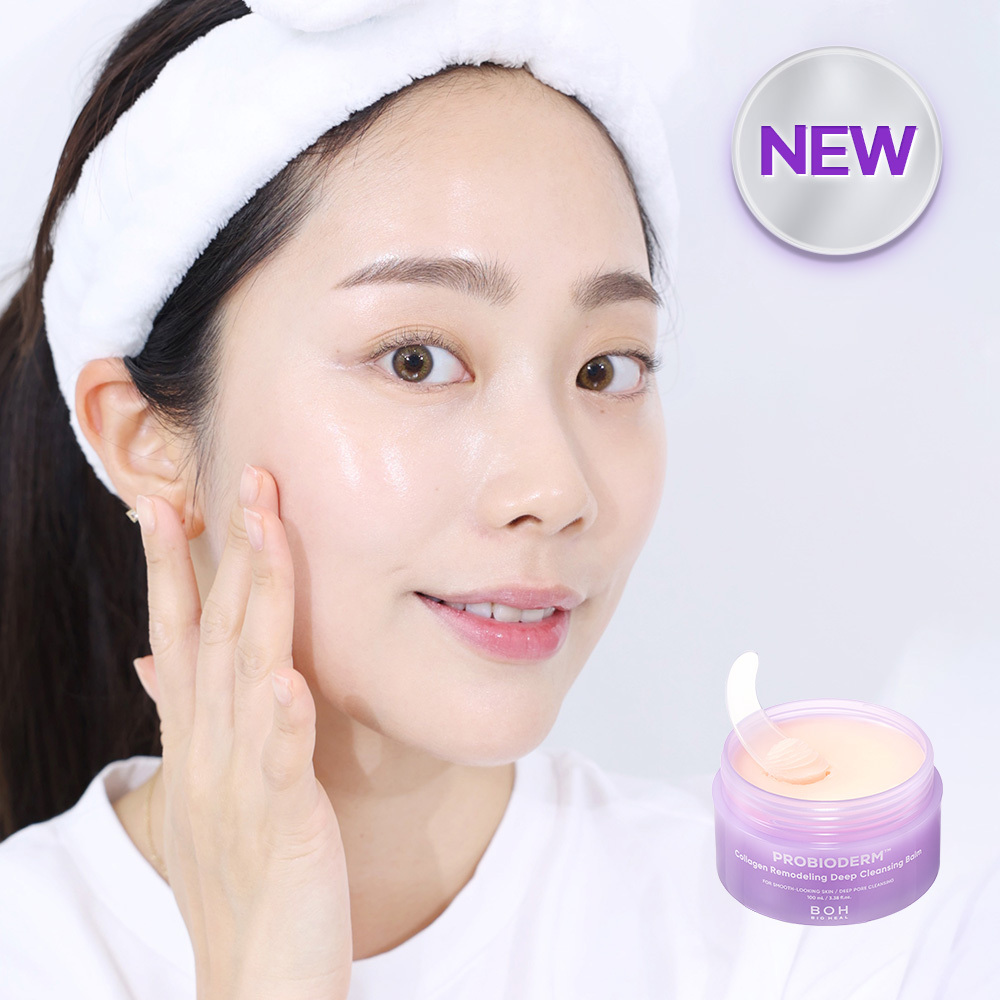
Probioderm Collagen Remodeling Deep Cleansing Balm
Bioheal BOH
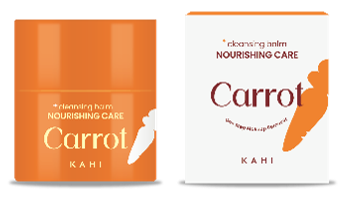
Nourishing Care Carrot Cleansing Balm
KAHI
Frequently Asked Questions
Can gromwell root extract help with acne scars and post-inflammatory hyperpigmentation?▼
Is gromwell root extract safe to use during pregnancy?▼
How quickly does gromwell root extract reduce redness and inflammation?▼
Can I use gromwell root extract with other anti-inflammatory ingredients like centella or green tea?▼
Will products with gromwell root extract stain my skin or towels?▼
Explore More
Want personalized ingredient advice?
Yuri, our AI beauty advisor, can tell you how Gromwell Root Extract works with your specific skin type, routine, and concerns.
Ask Yuri, free