Vitamin C Derivative (Magnesium Ascorbyl Phosphate)
INCI: Magnesium Ascorbyl Phosphate
Stable antioxidant and skin brightener
About Vitamin C Derivative (Magnesium Ascorbyl Phosphate)
Magnesium Ascorbyl Phosphate (MAP) is a water-soluble, phosphate-esterified derivative of vitamin C that offers all the brightening and antioxidant benefits of pure ascorbic acid without the instability issues. While L-ascorbic acid degrades rapidly when exposed to light and air, MAP remains stable at neutral pH levels, making it ideal for longer shelf life and gentler formulations. In K-beauty, MAP has become a go-to ingredient for brands targeting hyperpigmentation, dullness, and uneven skin tone because it converts to active vitamin C once absorbed into the skin. The magnesium component also provides additional calming benefits, which is why you'll find MAP in everything from foaming cleansers to targeted ampoules. With a perfect 5/5 safety rating and 0/5 comedogenic rating, it's suitable for all skin types, including acne-prone and sensitive skin. Korean formulations often pair MAP with other gentle actives like centella asiatica or peptides to create synergistic brightening effects without irritation. The ingredient appears in 31 products on Seoul Sister, with top-rated items like Lanbelle's Vita Energy Blemish Clear Ampoule (5.0/5) and CKD's Vita C Teca Blemish Shot Mask (4.9/5) showcasing its effectiveness in real-world applications.
How Vitamin C Derivative (Magnesium Ascorbyl Phosphate) Works
Once applied to skin, Magnesium Ascorbyl Phosphate penetrates the epidermis where enzymes called phosphatases cleave off the phosphate and magnesium groups, releasing pure L-ascorbic acid directly into skin cells. This localized conversion means you get the full antioxidant power of vitamin C exactly where you need it. At the cellular level, MAP neutralizes free radicals generated by UV exposure and pollution, preventing oxidative damage to lipids, proteins, and DNA. It also inhibits tyrosinase, the enzyme responsible for melanin production, which is why it's so effective at fading dark spots and preventing new hyperpigmentation. Additionally, MAP stimulates fibroblasts to produce more collagen by acting as a cofactor for the enzymes prolyl hydroxylase and lysyl hydroxylase, which stabilize collagen's triple helix structure. The magnesium component has mild anti-inflammatory properties that help reduce redness and irritation, making this derivative gentler than pure ascorbic acid while maintaining clinical efficacy. Studies show MAP remains stable at pH 6-7, unlike L-ascorbic acid which requires pH 3.5 or lower to be effective.
Vitamin C Derivative (Magnesium Ascorbyl Phosphate) by Skin Type
Oily Skin
MAP is excellent for oily skin because it's completely non-comedogenic and water-soluble, so it won't add any heaviness or clog pores. The ingredient helps regulate sebum production over time and fades post-acne marks without causing the purging or irritation that pure vitamin C sometimes triggers. You'll find it in lightweight formulations like the Acnes Foaming Wash (5.0/5) that cleanse while delivering antioxidant benefits.
Dry Skin
While MAP is water-soluble, it works beautifully in hydrating formulations for dry skin, especially when combined with humectants and peptides like in the Sungboon Editor Silk Peptide EGF ampoule (4.9/5). It brightens without stripping moisture and helps strengthen the skin barrier through collagen synthesis. For best results, layer it under a rich moisturizer to lock in the active ingredients.
Combo Skin
MAP is ideal for combination skin because it addresses multiple concerns without overloading any one zone. It brightens and evens tone in the T-zone while remaining gentle enough for drier cheek areas. The neutral pH formulations won't disrupt your skin's natural balance, and the non-comedogenic profile means you can use it daily without worrying about breakouts in oily areas.
Sensitive Skin
This is one of the most sensitive-skin-friendly vitamin C derivatives available. The magnesium component provides anti-inflammatory benefits, and the neutral pH means no stinging or redness that pure ascorbic acid often causes. Products like the CKD Vita C Teca Blemish Shot Mask (4.9/5) combine MAP with centella asiatica specifically for sensitive, reactive skin that needs brightening without irritation.
Normal Skin
Normal skin can use MAP both preventatively and correctively. It maintains an even tone, protects against environmental damage, and supports healthy collagen production without any risk of sensitivity. You have the flexibility to use it in any format, from cleansers to serums to masks, making it easy to incorporate into your routine at multiple steps.
How to Use Vitamin C Derivative (Magnesium Ascorbyl Phosphate)
- 1Apply MAP products in the morning under sunscreen for maximum antioxidant protection against UV and pollution damage throughout the day.
- 2You can safely layer MAP with other actives like niacinamide, hyaluronic acid, and peptides. Unlike pure vitamin C, it won't destabilize or cause irritation when combined.
- 3Look for concentrations between 3-10% in leave-on products for optimal results. Cleansers with MAP, like the Parnell Ceramic Bubble Peeling Cleanser (5.0/5), provide gentle daily exposure.
- 4Store MAP products in a cool, dry place, but unlike L-ascorbic acid formulations, you don't need to refrigerate them or worry about rapid oxidation.
- 5For targeted dark spots, apply MAP ampoules directly to hyperpigmented areas twice daily. Most users see visible brightening within 4-6 weeks of consistent use.
Background
Magnesium Ascorbyl Phosphate was developed in Japan in the 1990s as researchers sought to solve the fundamental problem with topical vitamin C: instability. Pure L-ascorbic acid had proven skin benefits, but it oxidized so quickly that formulations turned brown and ineffective within weeks. Japanese cosmetic chemists created MAP by attaching a phosphate group and magnesium salt to ascorbic acid, creating a molecule stable enough for commercial skincare while still converting to active vitamin C in the skin. Korean beauty brands embraced MAP in the early 2000s as part of the broader K-beauty philosophy of gentle yet effective ingredients. The derivative aligned perfectly with Korean skincare's focus on brightening (a core concern in a market that values luminous, even-toned skin) while maintaining the mild formulations that Korean consumers prefer. Today, MAP is a staple in K-beauty brightening lines, often combined with traditional ingredients like licorice root or modern actives like tranexamic acid.
K-Beauty Products with Vitamin C Derivative (Magnesium Ascorbyl Phosphate)
View all 31 →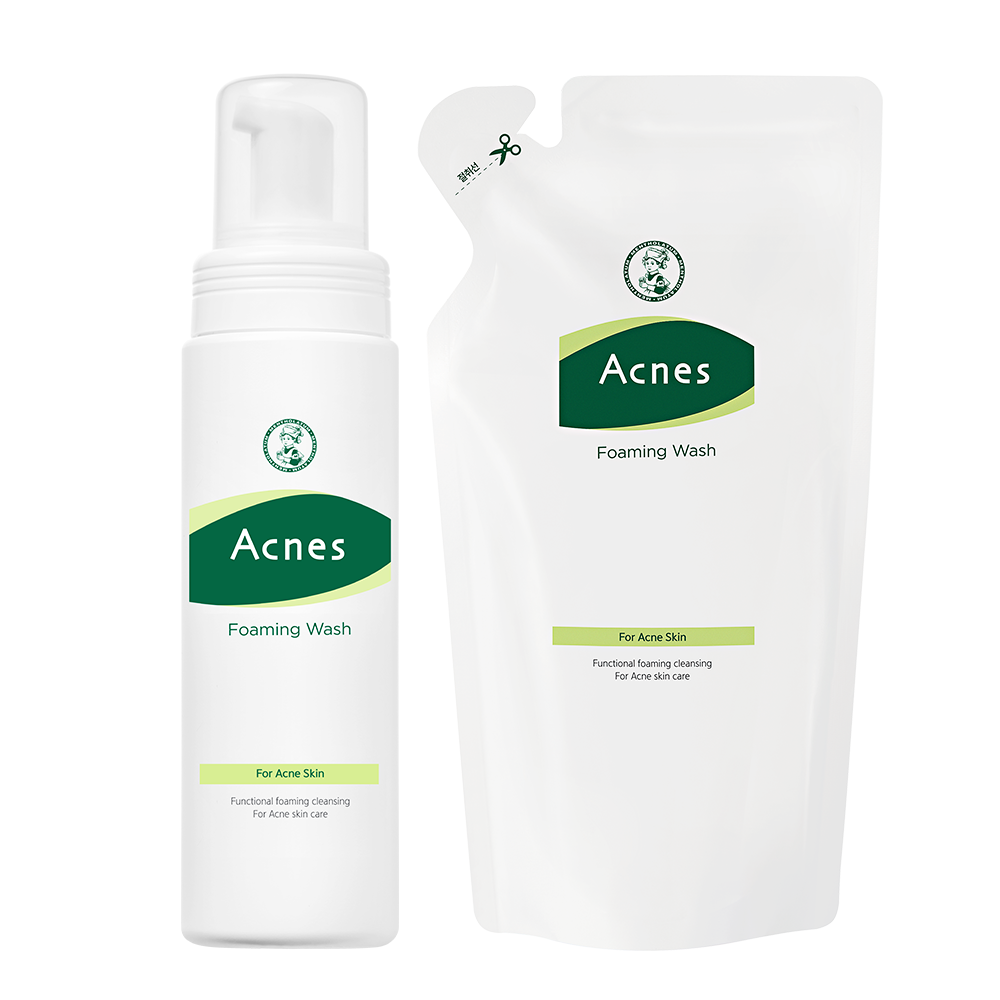
Foaming Wash
Acnes
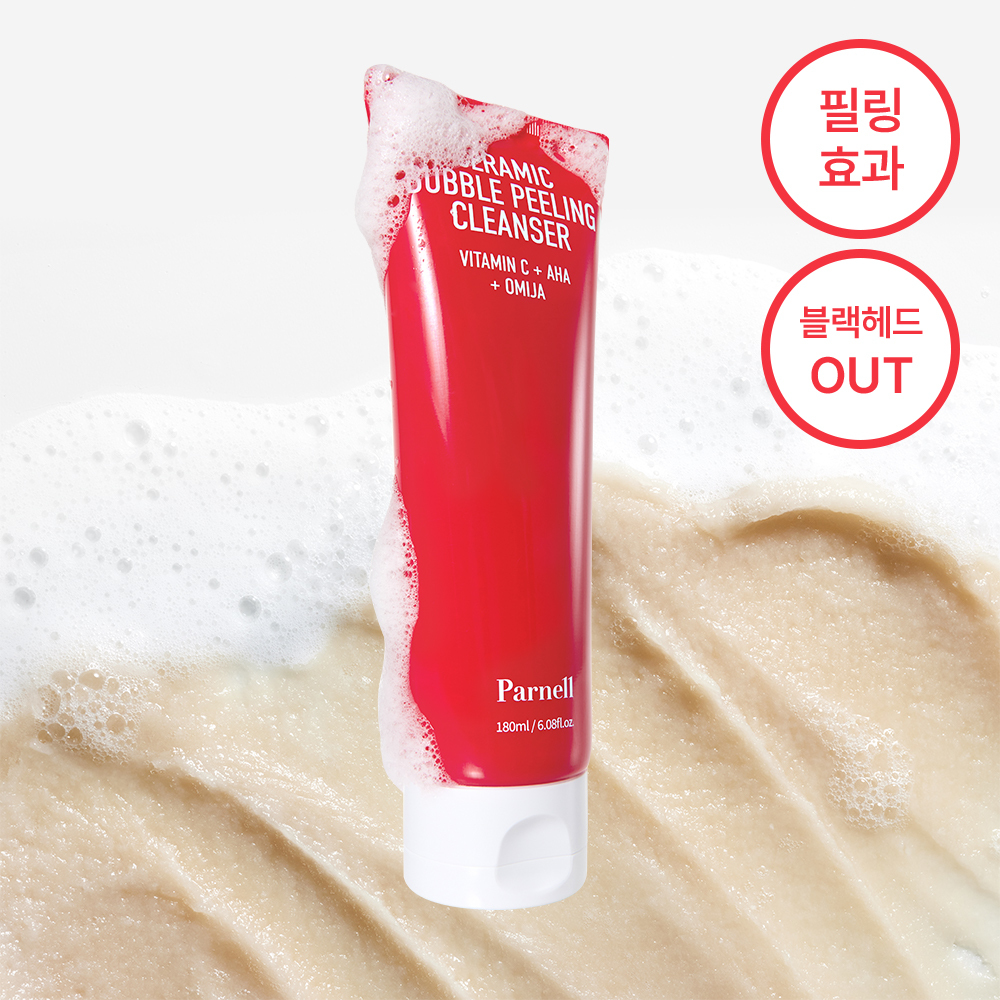
Ceramic Bubble Peeling Cleanser
Parnell
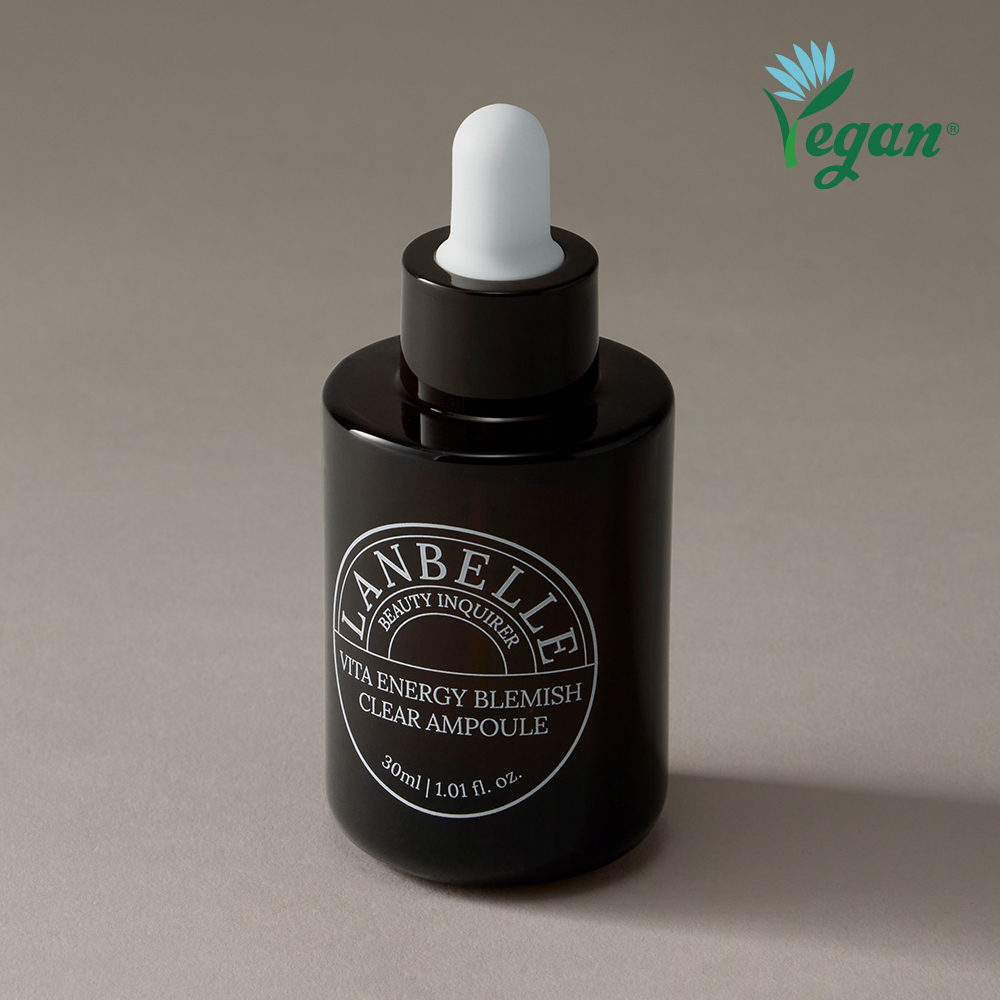
Vita Energy Blemish Clear Ampoule
Lanbelle
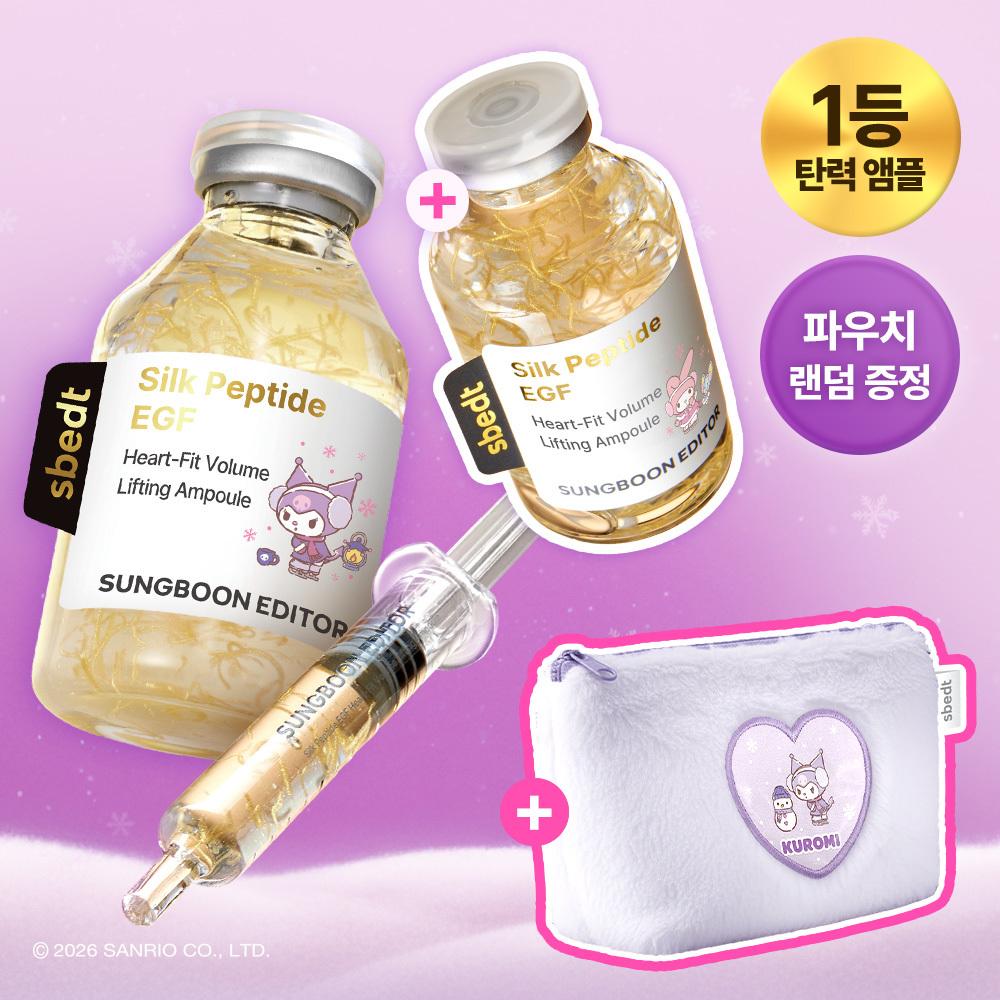
Silk Peptide EGF Heart Fit Volume Lifting Ampoule Double Pack
Sungboon Editor
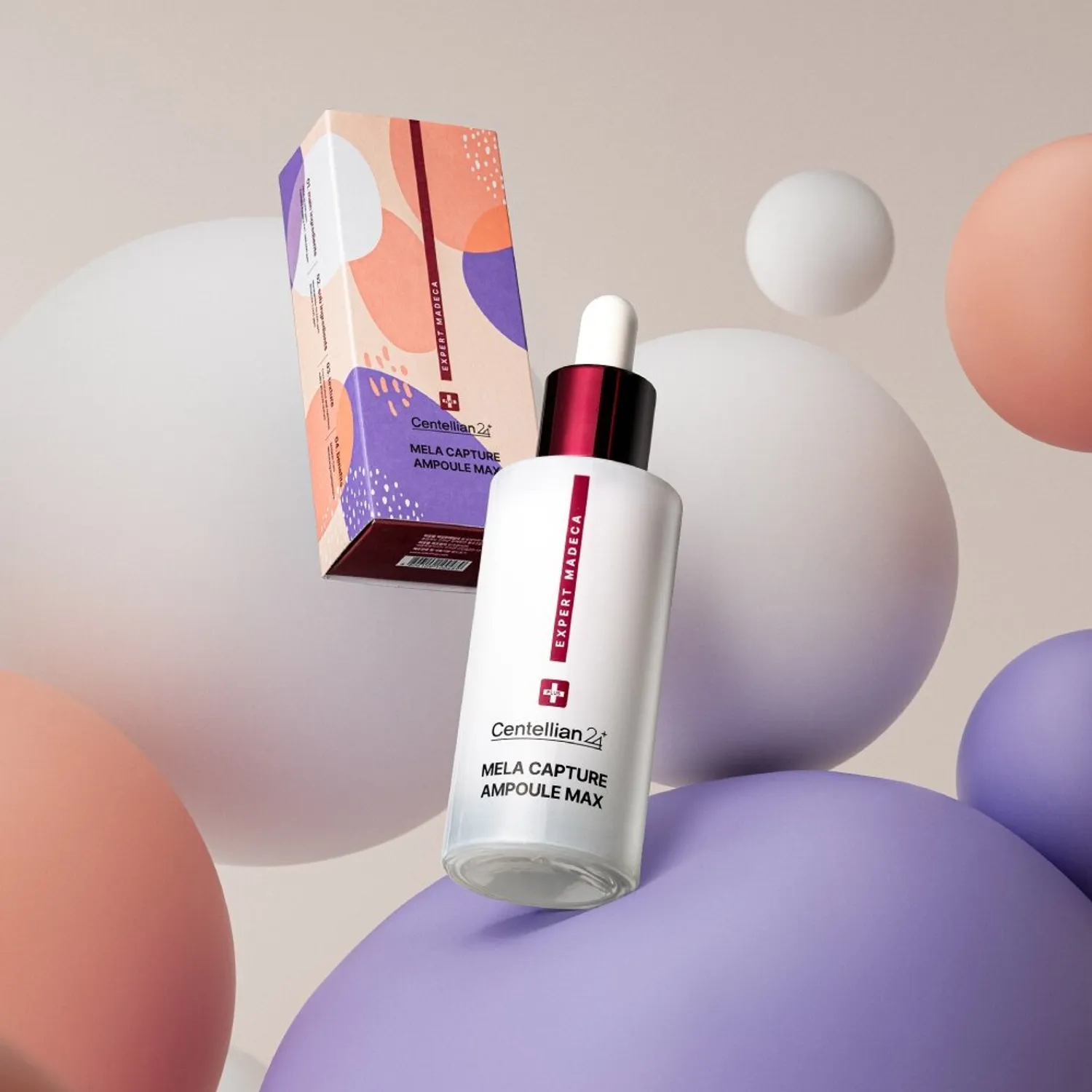
Expert Madeca Mela Capture Ampoule Max
Centellian24
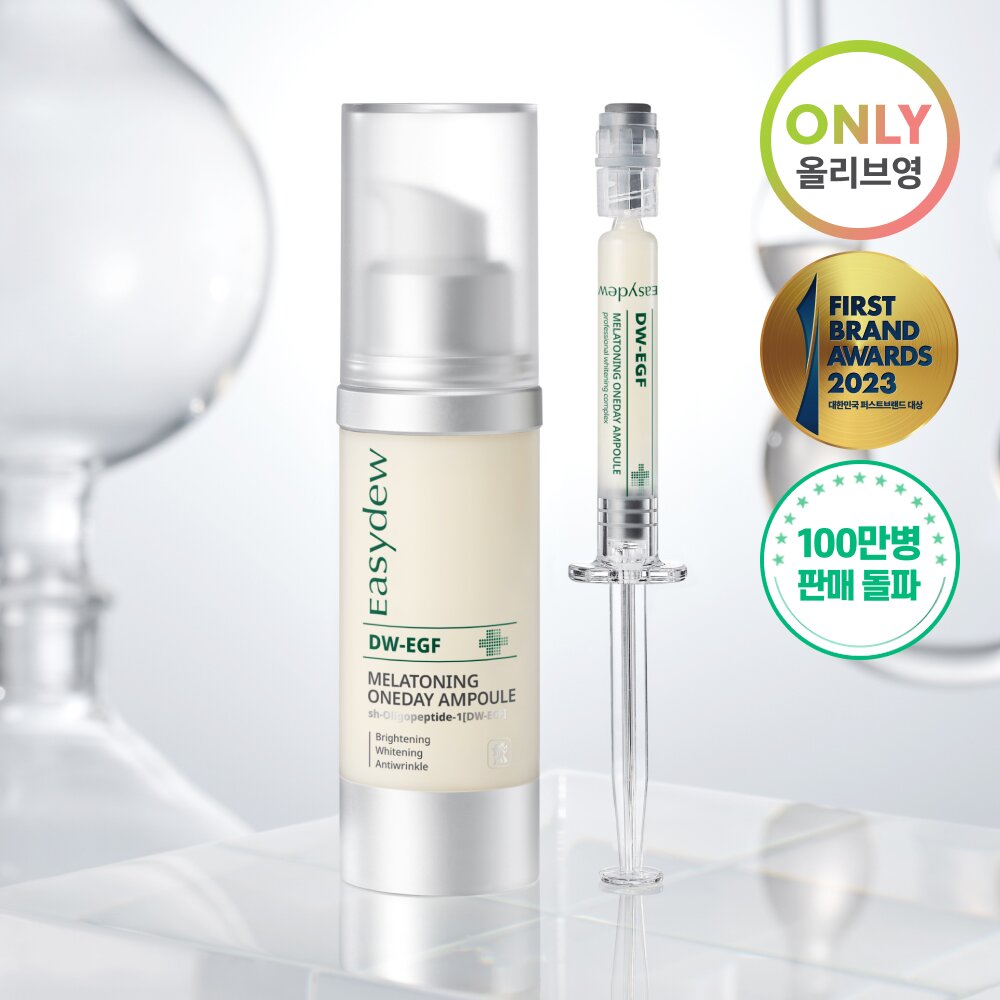
EX-DW EGF Melatoning One Day Ampoule
Easydew
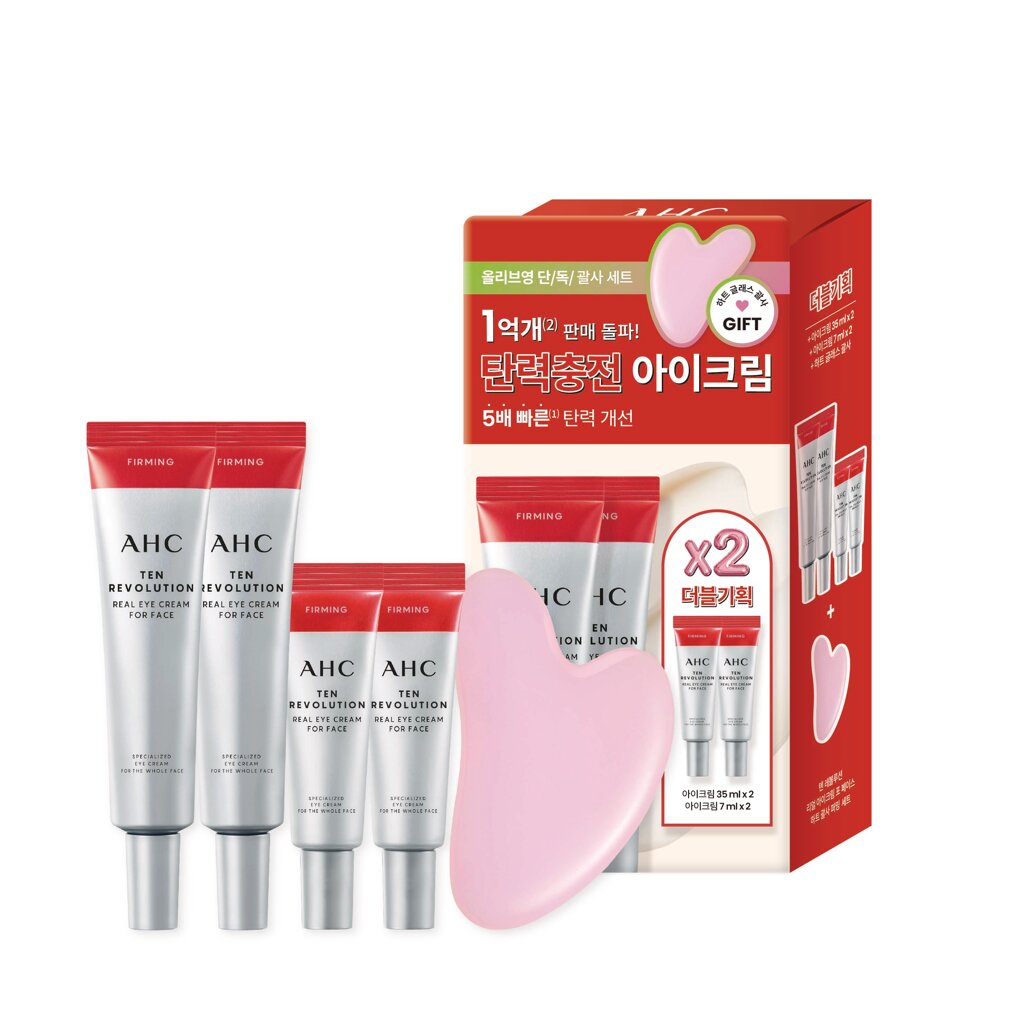
10 Revolution Real Eye Cream For Face
AHC
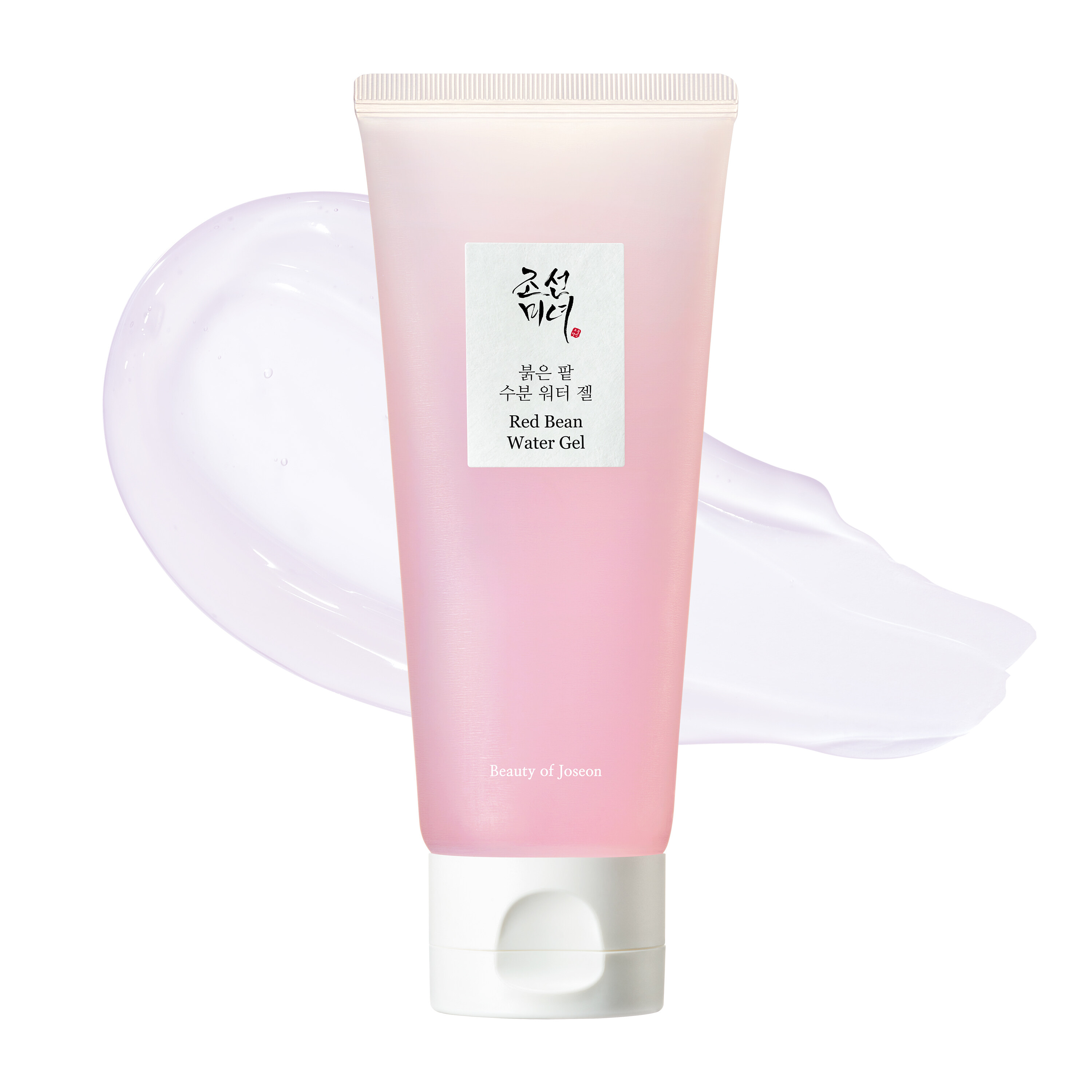
Red Bean Water Gel
Beauty of Joseon
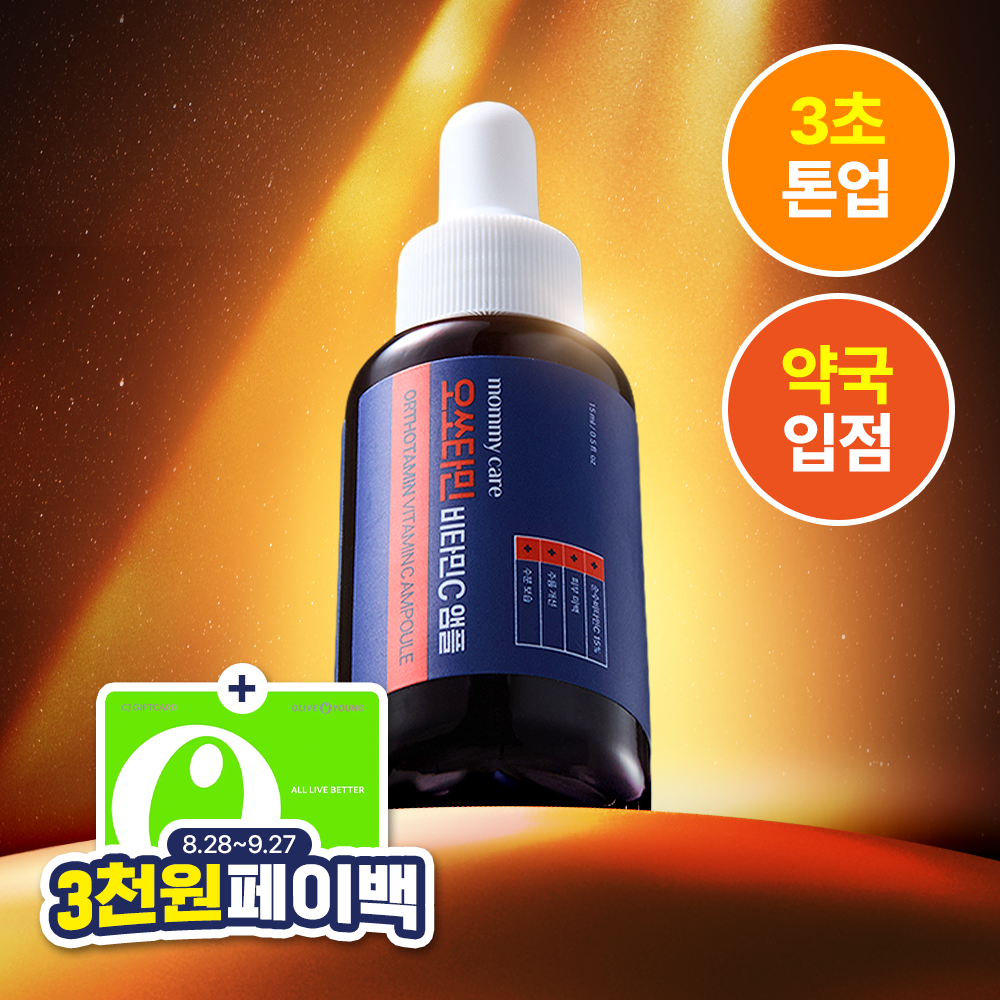
Orthotamin Vitamin C Ampoule
Anua
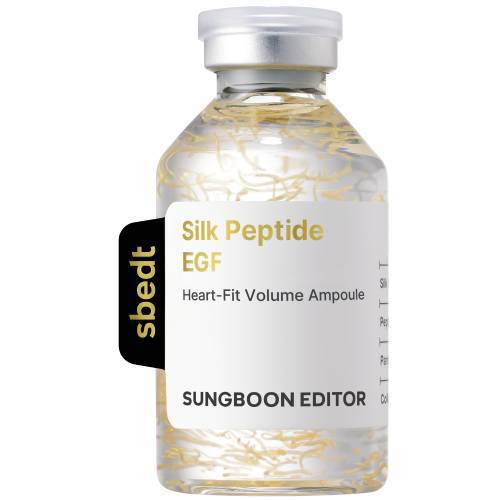
Silk Peptide EGF Heart Fit Volume Lifting Ampoule
Sungboon Editor
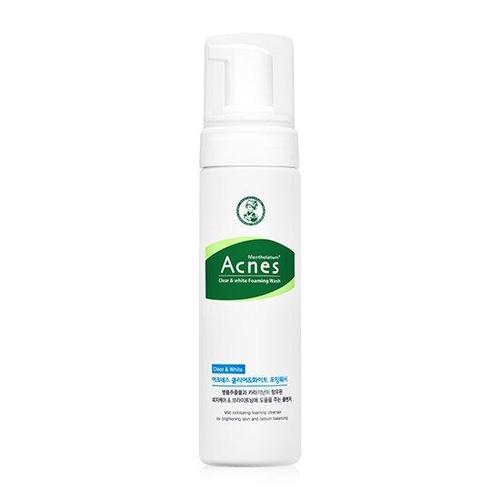
Clear and White Foaming Wash
Acnes
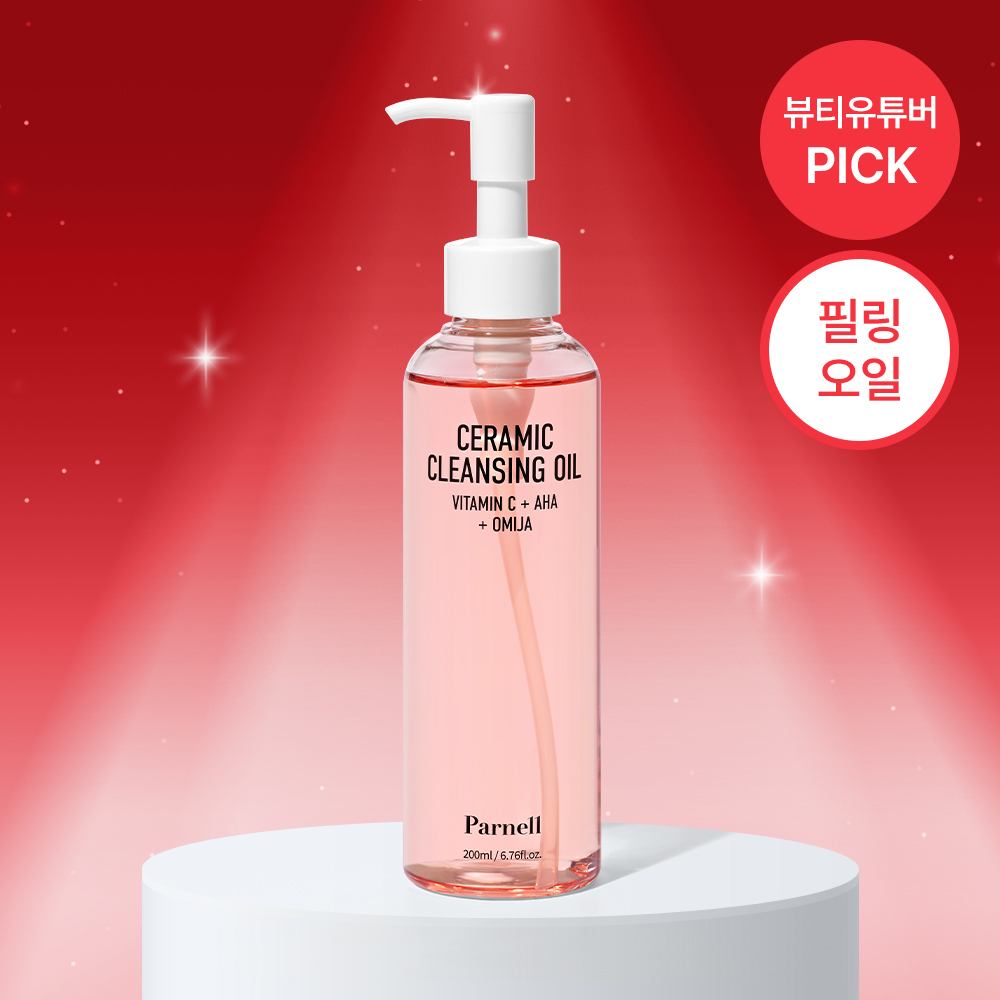
Ceramic Cleansing Oil
Parnell
Frequently Asked Questions
Is Magnesium Ascorbyl Phosphate as effective as pure vitamin C?▼
Can I use Magnesium Ascorbyl Phosphate with retinol or AHAs?▼
Will this ingredient help with acne scars and dark spots?▼
How long does it take to see results from Magnesium Ascorbyl Phosphate?▼
Why do some vitamin C products turn brown but MAP products don't?▼
Explore More
Want personalized ingredient advice?
Yuri, our AI beauty advisor, can tell you how Vitamin C Derivative (Magnesium Ascorbyl Phosphate) works with your specific skin type, routine, and concerns.
Ask Yuri, free