Magnesium Chloride
Mineral salt for skin conditioning and stabilization
About Magnesium Chloride
Magnesium chloride is a mineral salt that serves as a multitasking workhorse in K-beauty formulations, offering skin conditioning benefits while acting as a stabilizer for complex ingredient systems. This simple ionic compound, consisting of one magnesium ion bonded to two chloride ions, plays a surprisingly sophisticated role in skincare. In Korean formulations, it's valued not just for its direct benefits to the skin barrier, but for its ability to enhance product texture and improve the delivery of active ingredients. Magnesium itself is an essential mineral that participates in over 300 enzymatic reactions in the body, including those that govern skin health, collagen synthesis, and cellular repair. When applied topically as magnesium chloride, it helps maintain the skin's natural moisture balance while supporting barrier function. You'll find it in some of Seoul Sister's highest-rated products, including premium anti-aging ampoules and intensive treatment balms, where it works behind the scenes to create that signature K-beauty texture while delivering real skin benefits. Its non-comedogenic profile (rated 0/5) makes it suitable for all skin types, including acne-prone skin, while its role in stabilizing formulations means it helps preserve the efficacy of more delicate active ingredients throughout a product's shelf life.
How Magnesium Chloride Works
At the cellular level, magnesium chloride functions through multiple pathways. When applied topically, the magnesium ion can penetrate the stratum corneum and participate in enzymatic processes that regulate skin cell proliferation and differentiation. Magnesium acts as a cofactor for enzymes involved in lipid synthesis, which is critical for maintaining the integrity of the skin's lipid barrier. It also modulates calcium channels in keratinocytes, helping to regulate the skin's natural desquamination process (the shedding of dead skin cells). This calcium-magnesium balance is essential for proper barrier formation and repair. Additionally, magnesium has been shown to influence inflammatory pathways by modulating the production of substance P, a neuropeptide involved in inflammatory skin responses. From a formulation chemistry perspective, magnesium chloride acts as an electrolyte that can adjust the ionic strength of a product, which affects how ingredients interact with each other and with the skin. It helps stabilize emulsions, prevents ingredient separation, and can enhance the penetration of other actives by temporarily and gently disrupting the organized structure of the stratum corneum lipids. This makes it particularly valuable in sophisticated multi-active formulations like those found in K-beauty ampoules.
Magnesium Chloride by Skin Type
Oily Skin
Magnesium chloride is excellent for oily skin types due to its ability to help regulate sebum production through its influence on hormonal pathways and inflammatory responses. Its non-comedogenic nature means it won't clog pores, and its presence in lightweight ampoule formulations makes it ideal for layering in oily skin routines. You'll find it in products like Numbuzin's No. 9 NAD Bio Lifting-sil Essence (4.9/5), which delivers active ingredients without heaviness.
Dry Skin
For dry skin, magnesium chloride supports the skin's moisture retention capabilities by participating in the synthesis of ceramides and other barrier lipids. It's particularly beneficial in richer formulations like AHC's Colla-Juvenation Lift 4 Overday + Night Treatment Balm (5.0/5), where it helps stabilize emollients and occlusives while contributing to barrier repair. The mineral also helps reduce transepidermal water loss by supporting the structural proteins that hold moisture in the skin.
Combo Skin
Combination skin benefits from magnesium chloride's balancing properties, as it can help normalize skin function across different zones without adding oil or clogging pores in the T-zone. Its ability to support both hydration and sebum regulation makes it ideal for the varied needs of combination skin. Look for it in all-in-one products like HERA's Homme All In One Skin Hydro Treatment (5.0/5), which addresses multiple skin concerns simultaneously.
Sensitive Skin
Magnesium chloride is generally well-tolerated by sensitive skin due to its simple molecular structure and natural occurrence in the body. Its anti-inflammatory properties can actually help calm reactive skin by modulating inflammatory mediators. However, in very high concentrations, it may cause temporary tingling in compromised skin barriers, so sensitive skin types should introduce products gradually and look for formulations where it's used at stabilizing concentrations rather than as a primary active.
Normal Skin
Normal skin types can use magnesium chloride without concerns, benefiting from its preventative effects on aging and its support for ongoing skin health. It helps maintain the balanced state that characterizes normal skin by supporting optimal enzymatic function and barrier integrity. Products like MISSHA's Atelo Collagen 500 Power Plumping Ampoule (5.0/5) showcase how magnesium chloride enhances premium anti-aging formulations without disrupting already-balanced skin.
How to Use Magnesium Chloride
- 1Layer products containing magnesium chloride in the serum or ampoule step of your routine, after toners but before heavier creams, to maximize absorption of the stabilized active ingredients.
- 2If you have very sensitive or compromised skin, perform a patch test first, as the ionic nature of magnesium chloride can cause temporary tingling on broken or extremely irritated skin.
- 3Magnesium chloride works synergistically with hydrating ingredients like hyaluronic acid and barrier-repair ingredients like ceramides, so look for formulations that combine these ingredients for enhanced benefits.
- 4Products with magnesium chloride are suitable for both morning and evening routines and can be used daily without risk of over-exfoliation or irritation, unlike some active ingredients that require cycling.
Background
Magnesium chloride has a long history in therapeutic applications, dating back to ancient mineral baths and sea salt treatments used for skin ailments across various cultures. The Dead Sea, famous for its exceptionally high magnesium chloride content, has been a destination for skin healing for thousands of years. In modern skincare, magnesium chloride emerged as a cosmetic ingredient in the late 20th century when researchers began investigating the specific benefits of individual mineral salts rather than using crude sea salt mixtures. K-beauty brands embraced magnesium chloride in the 2010s as formulation technology advanced and the focus shifted toward multi-functional ingredients that could serve both performance and formulation stability roles. Korean cosmetic chemists recognized that magnesium chloride could replace or reduce the need for synthetic stabilizers while adding skin benefits, aligning with the K-beauty philosophy of ingredient efficiency. Today, it appears in 46 products on Seoul Sister, often in premium anti-aging and intensive treatment formulations where formula stability and ingredient efficacy are paramount.
K-Beauty Products with Magnesium Chloride
View all 51 →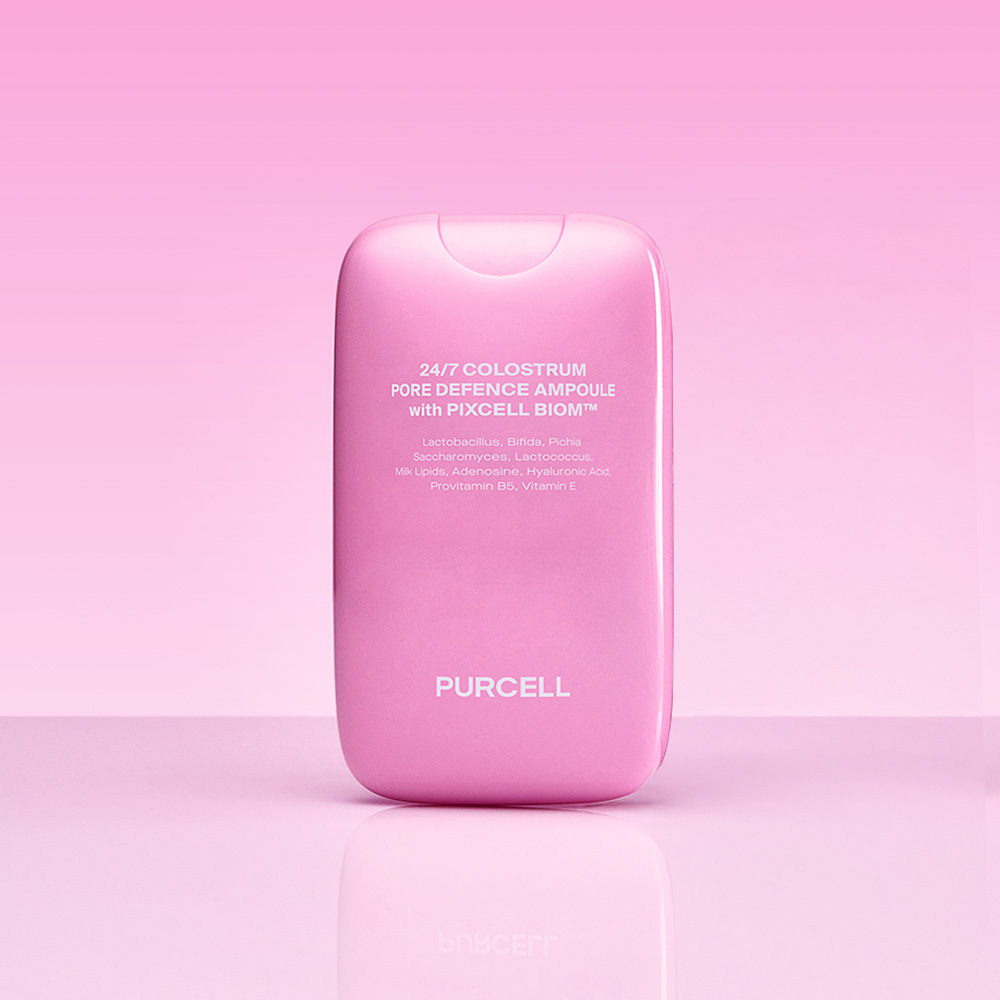
24/7 Colostrum Pore Defence Ampoule Pink
PURCELL
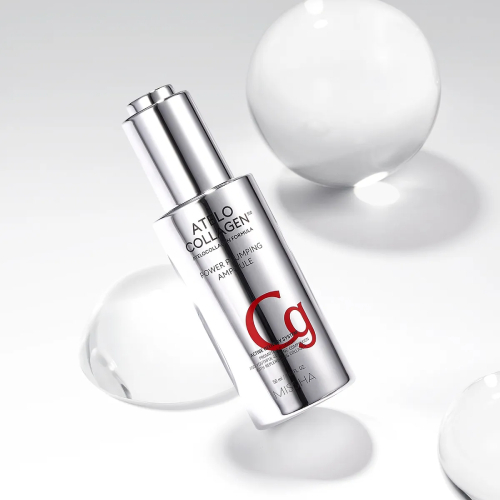
Atelo Collagen 500 Power Plumping Ampoule
MISSHA

No. 9 NAD Bio Lifting-sil Essence
Numbuzin
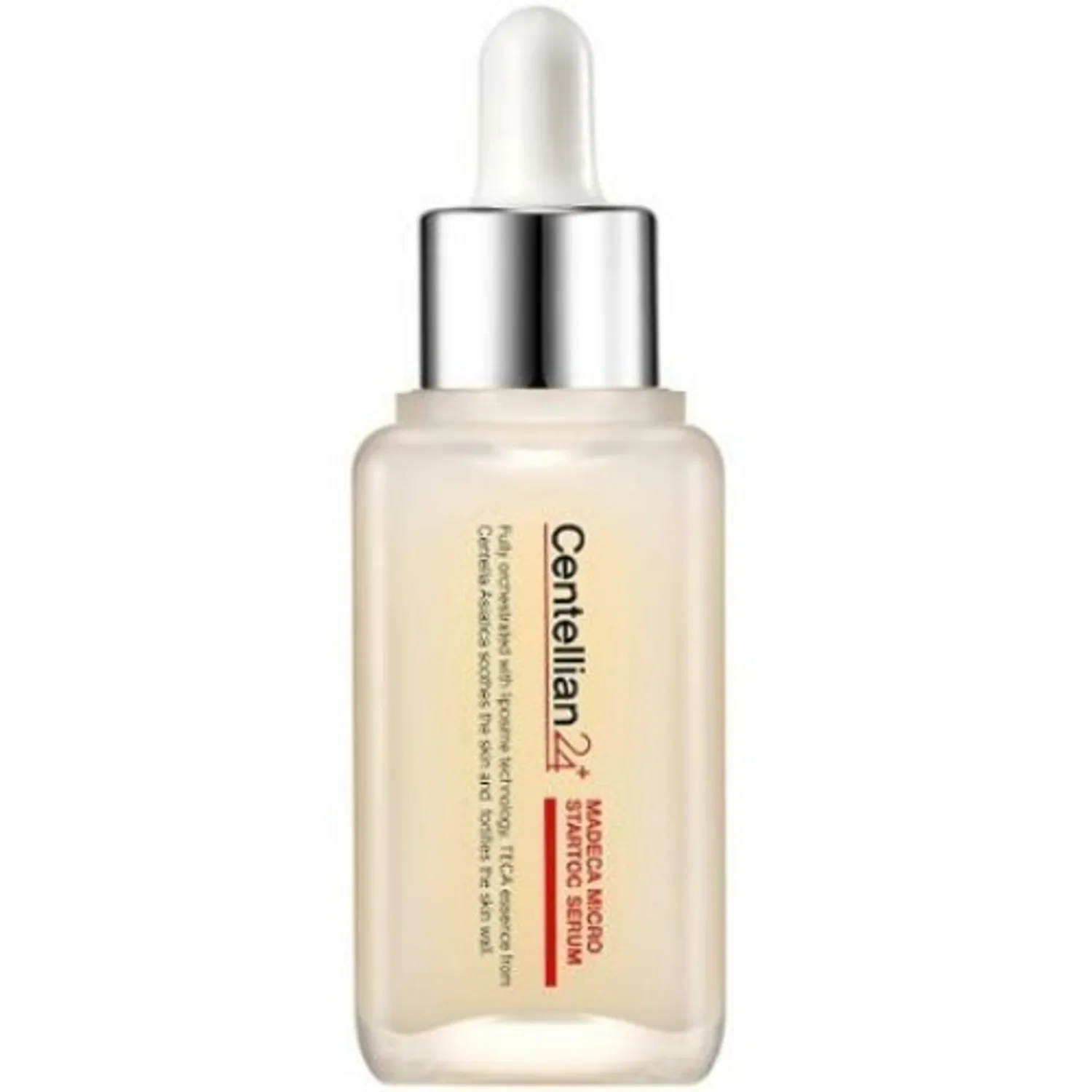
Madeca Micro Startoc Serum
Centellian24
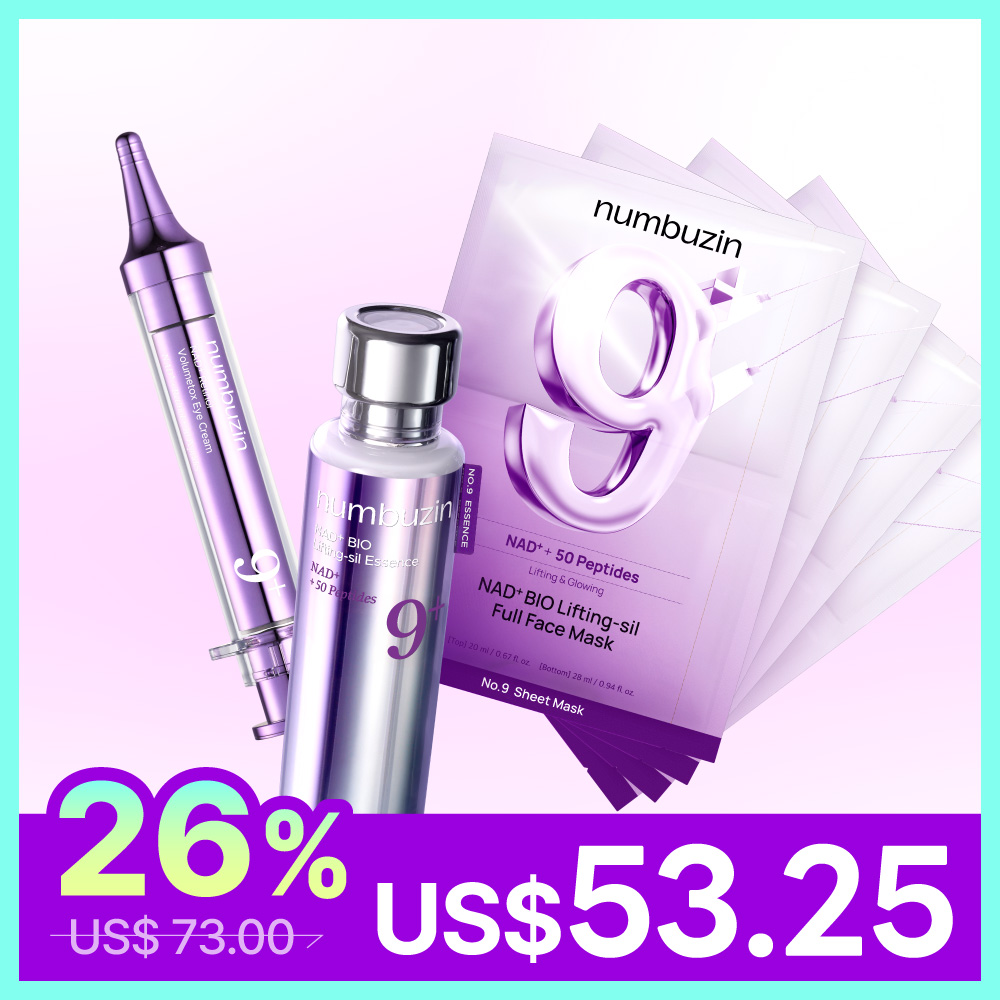
No. 9 NAD Ultimate Lifting Set
Numbuzin
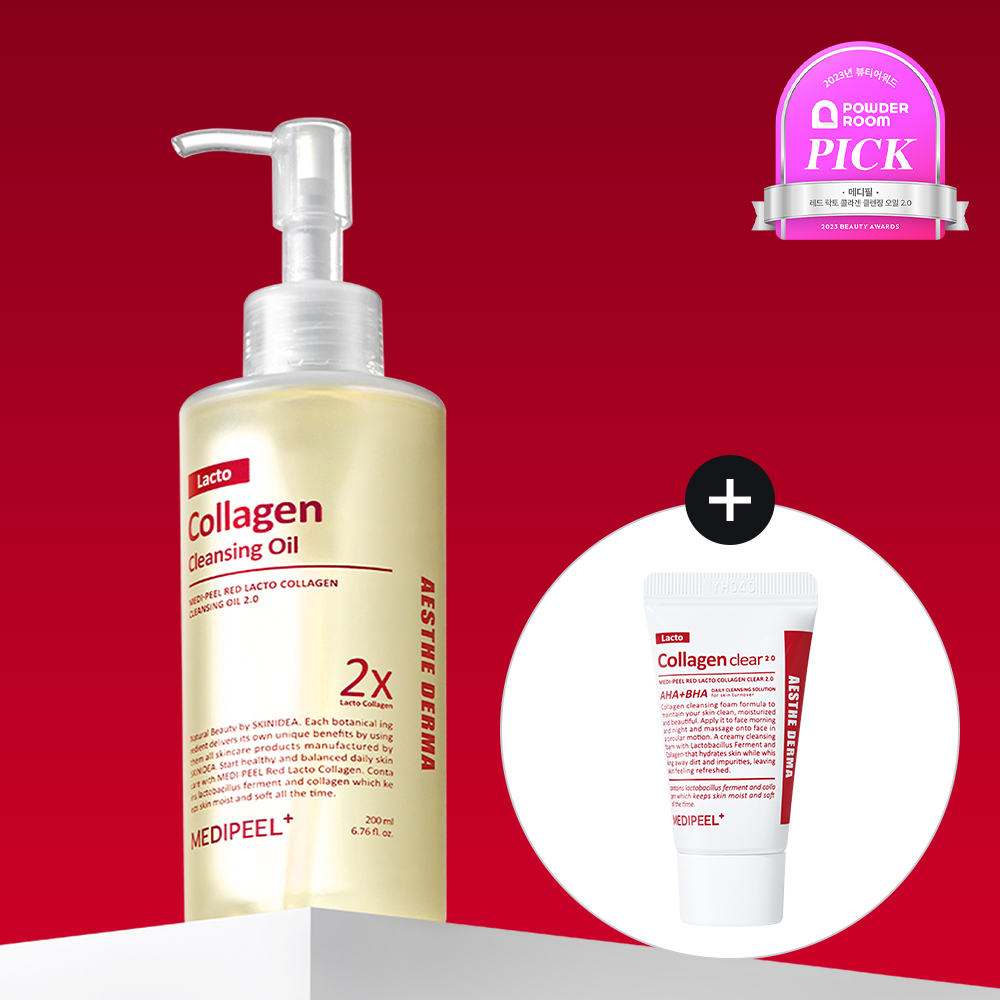
Red Lacto Collagen Cleansing Oil 2.0 Special Set
Medi-Peel
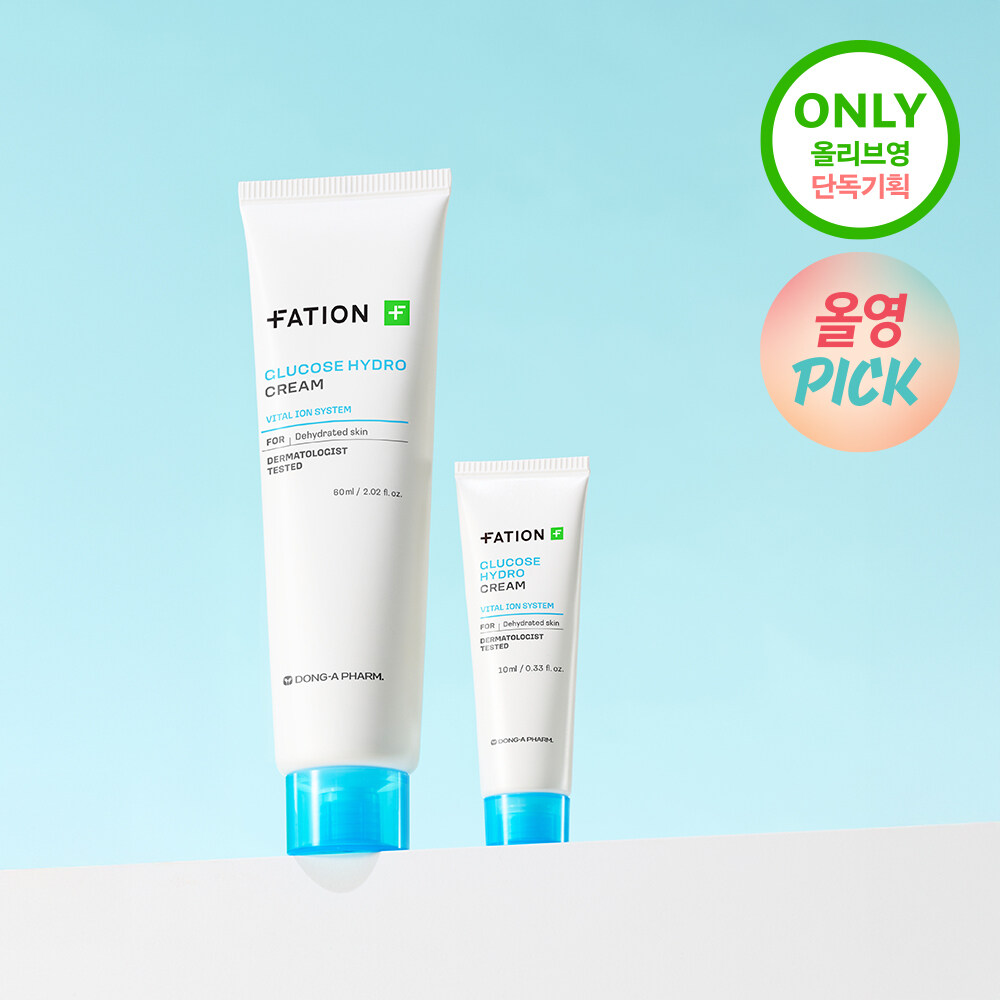
Glucose Hydro Cream Set
Fation
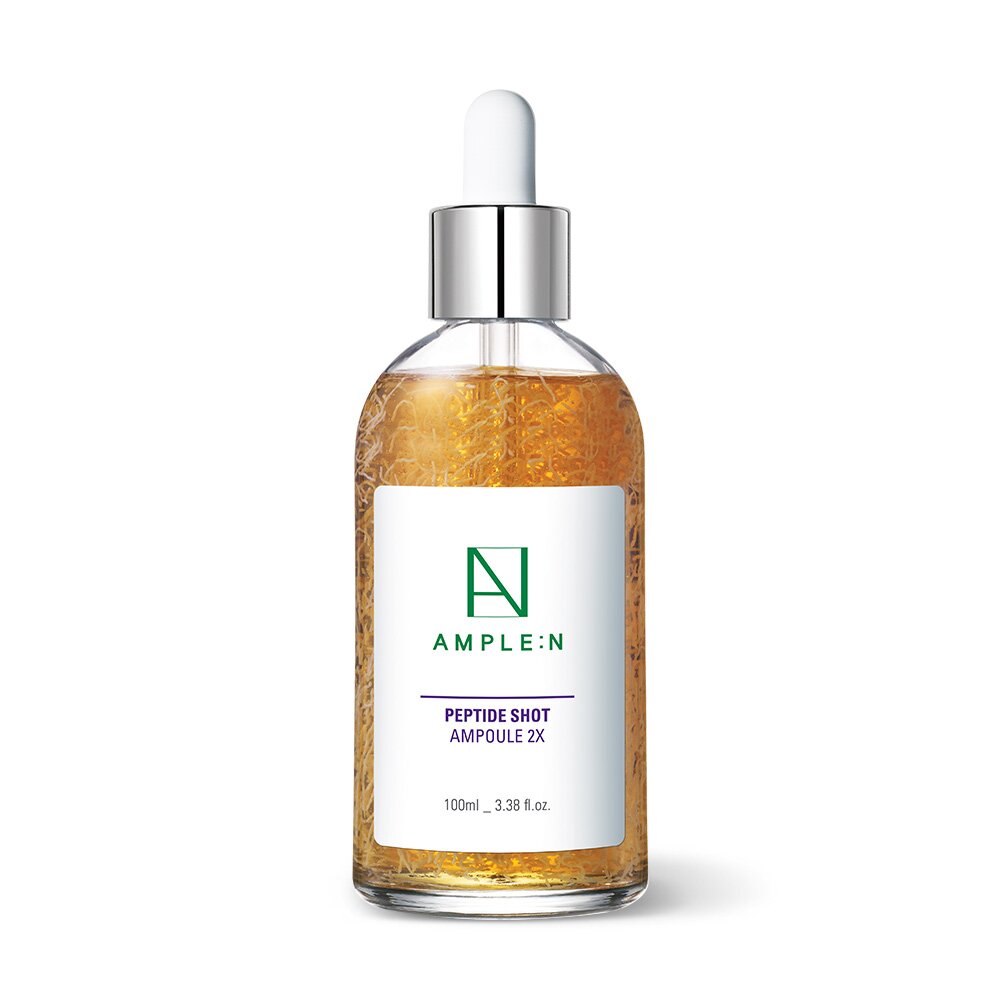
Peptide Shot Ampoule 2X
AMPLE:N
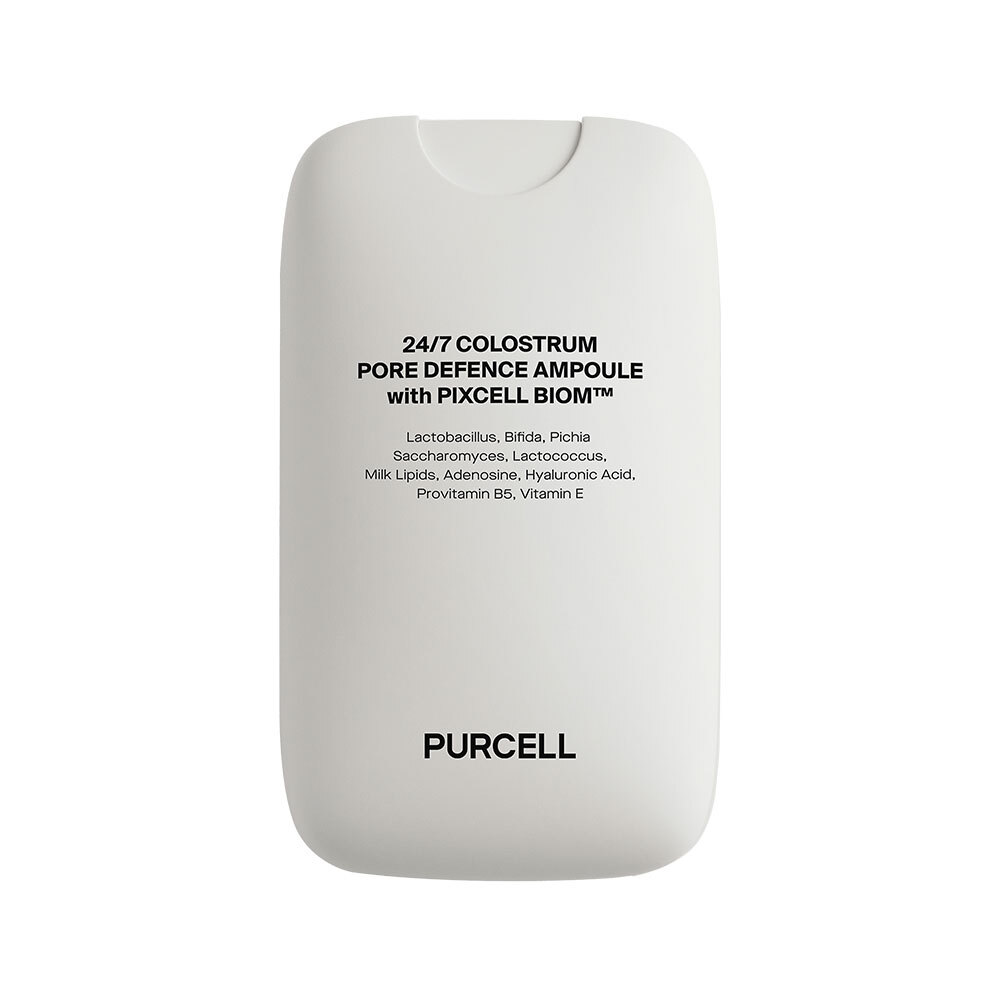
24/7 Colostrum Pore Defence Ampoule with Pixcell Biom
PURCELL
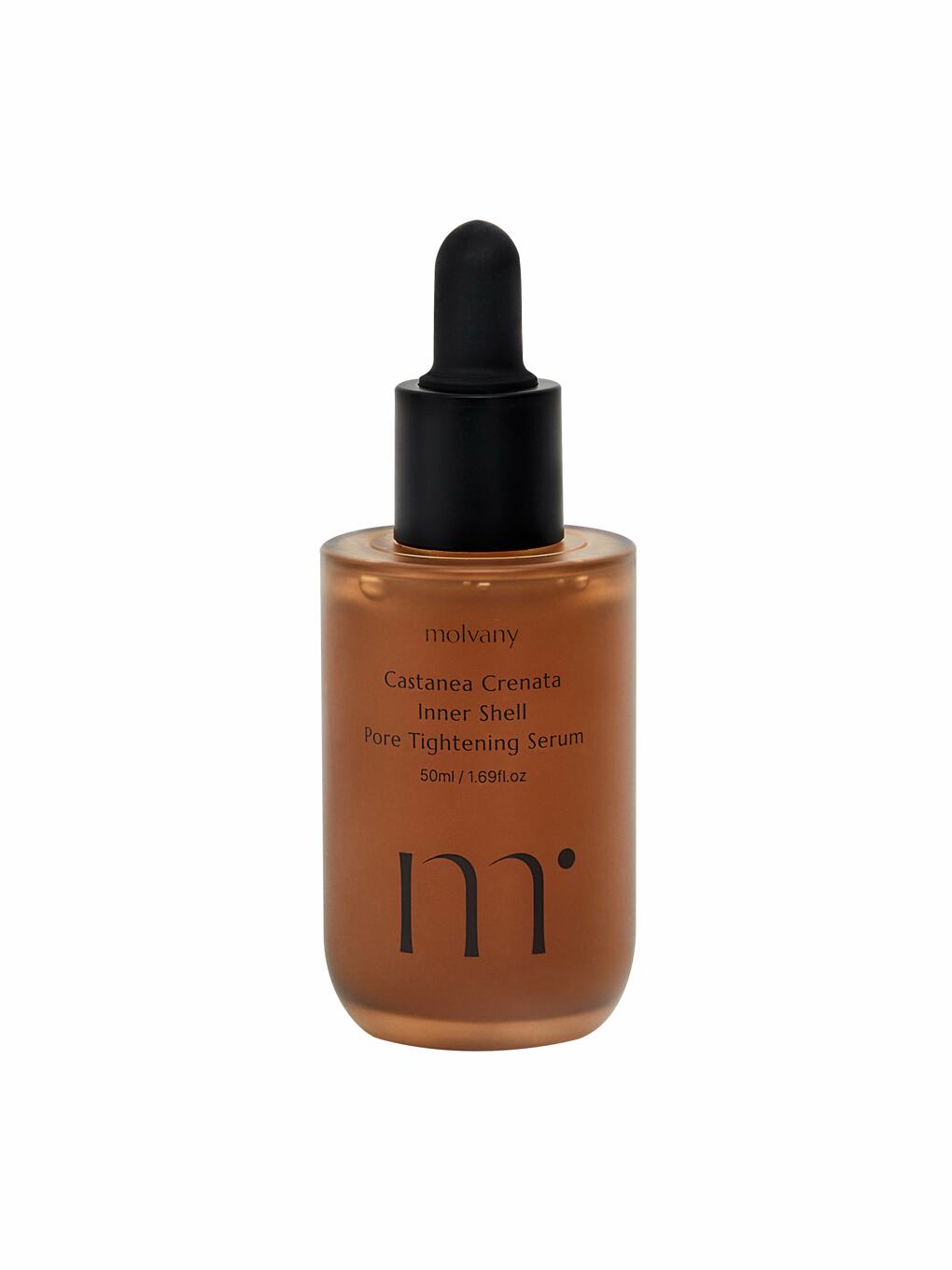
Castanea Crenata Inner Shell Pore Tightening Serum
MOLVANY
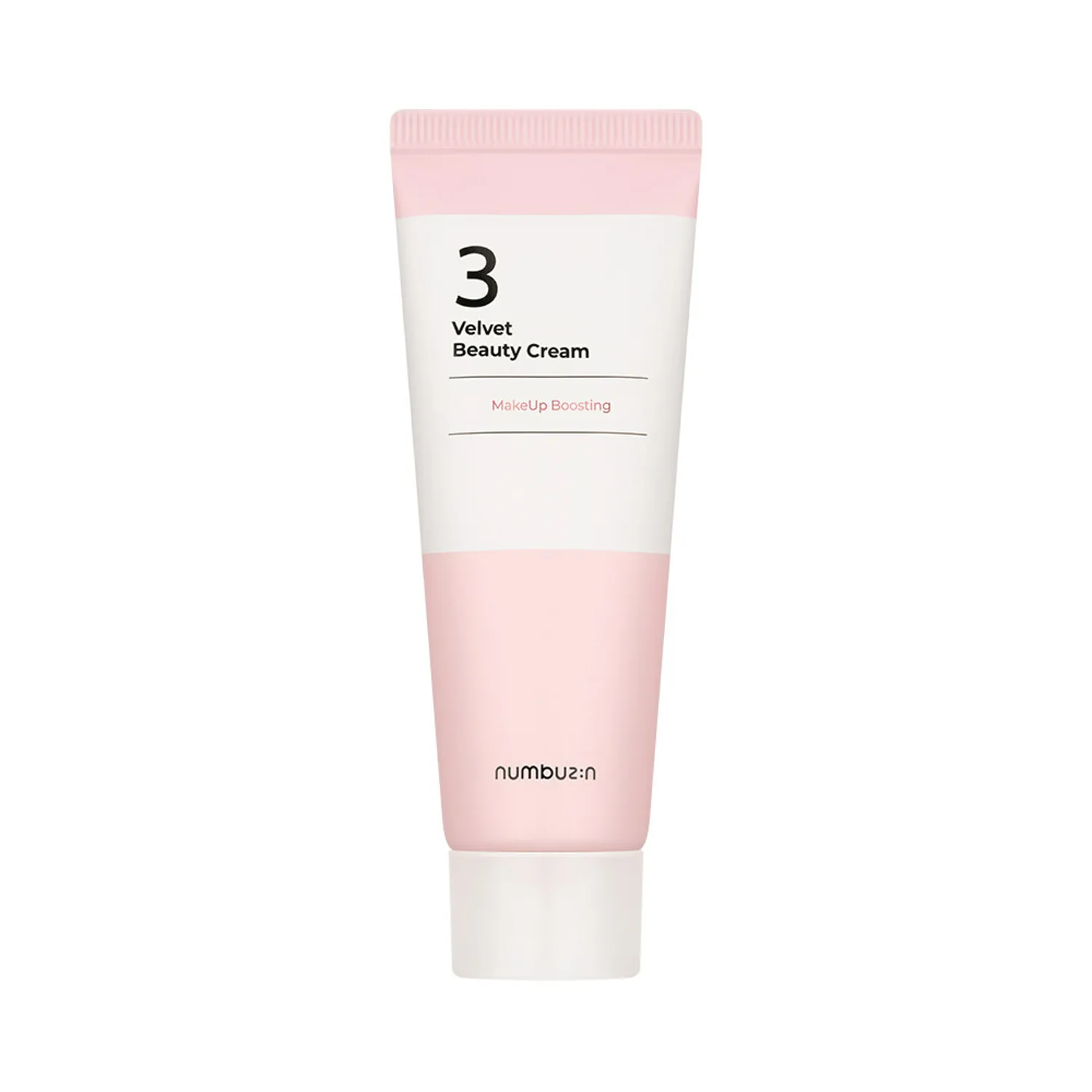
No. 3 Velvet Beauty Cream
Numbuzin
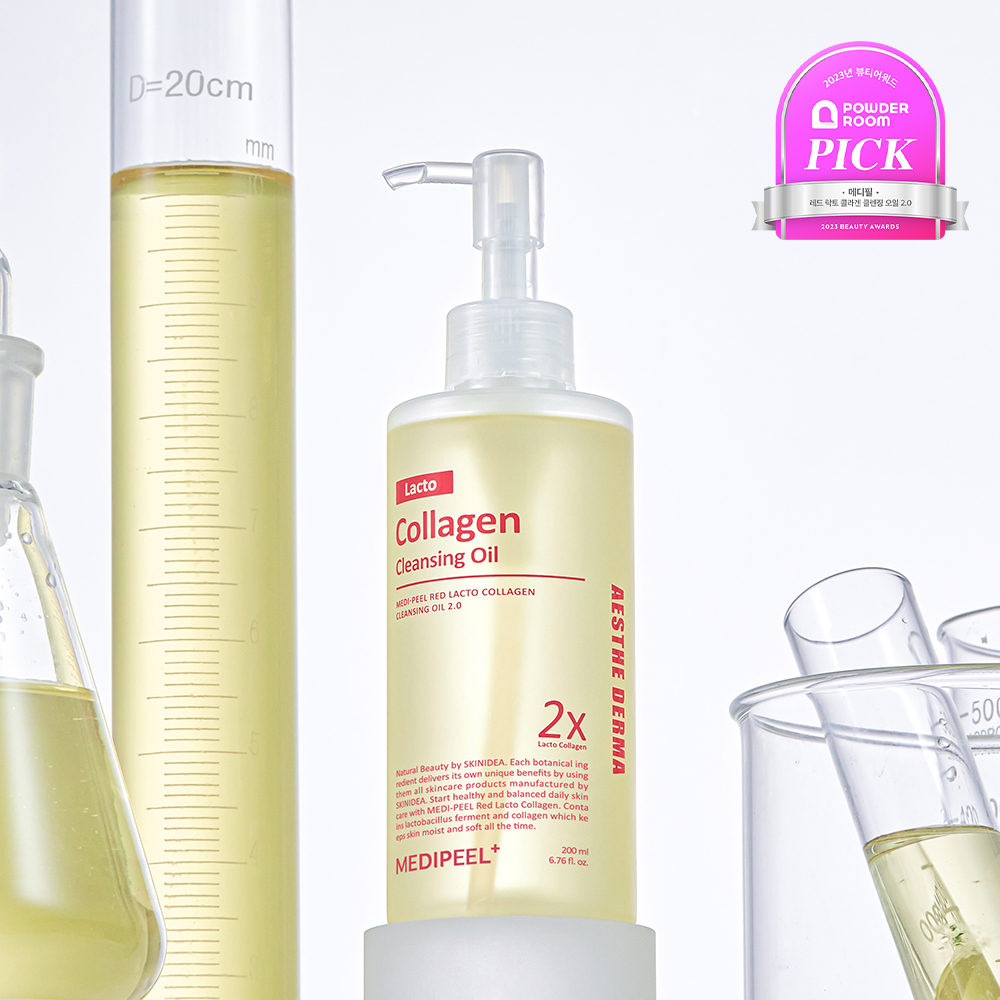
Red Lacto Collagen Cleansing Oil 2.0
MEDIPEEL
Frequently Asked Questions
Is magnesium chloride the same as Epsom salt?▼
Can magnesium chloride cause purging or breakouts?▼
Why do some products with magnesium chloride feel tingly on my skin?▼
How does magnesium chloride compare to other forms of magnesium in skincare?▼
Should I take breaks from products containing magnesium chloride?▼
Explore More
Want personalized ingredient advice?
Yuri, our AI beauty advisor, can tell you how Magnesium Chloride works with your specific skin type, routine, and concerns.
Ask Yuri, free