Mandelic Acid
Exfoliating AHA for skin texture and tone
About Mandelic Acid
Mandelic acid is an alpha hydroxy acid (AHA) derived from bitter almonds that has become a skincare favorite in K-beauty for its gentle yet effective exfoliating properties. What sets mandelic acid apart from other AHAs like glycolic or lactic acid is its larger molecular size, which means it penetrates the skin more slowly and causes less irritation. This makes it an excellent choice for people who want the brightening and texture-smoothing benefits of chemical exfoliation without the redness or sensitivity that can come with stronger acids. In K-beauty formulations, mandelic acid is prized for its ability to address multiple concerns at once: it helps fade post-acne marks, minimizes the appearance of pores, improves skin texture, and even has antibacterial properties that make it useful for acne-prone skin. With 22 products on Seoul Sister featuring this ingredient, including top-rated options like VIDIVICI's Clear Acne Gel Cleansing Foam and SKIN1004's Madagascar Centella Tea-Trica B5 Cream (both rated 5.0/5), mandelic acid has proven itself as a versatile and effective ingredient. Its safety rating of 4/5 and comedogenic rating of 0/5 mean it won't clog pores or cause breakouts, making it accessible to most skin types. Korean beauty brands have particularly excelled at combining mandelic acid with soothing ingredients like centella asiatica and tea tree to maximize its benefits while minimizing any potential irritation.
How Mandelic Acid Works
Mandelic acid works by breaking down the bonds between dead skin cells on the surface of your skin, allowing them to shed more easily and revealing fresher, brighter skin underneath. Because of its larger molecular structure (it has a benzene ring attached), it penetrates the epidermis more slowly than smaller AHAs like glycolic acid, which means it has more time to work on the surface layers without diving too deep too fast. This slower penetration rate translates to less irritation and makes it suitable even for sensitive skin types. At the cellular level, mandelic acid increases cell turnover, which helps fade hyperpigmentation by bringing new, evenly pigmented cells to the surface while pushing out melanin-heavy cells. It also has lipophilic (oil-loving) properties, which means it can penetrate into pores and help dissolve the sebum and debris that lead to blackheads and congestion. Additionally, mandelic acid has antibacterial effects, particularly against P. acnes bacteria, making it doubly effective for acne-prone skin. The exfoliation process it triggers also stimulates collagen production over time, which can improve skin firmness and reduce the appearance of fine lines.
Mandelic Acid by Skin Type
Oily Skin
Mandelic acid is excellent for oily skin because its lipophilic nature allows it to penetrate oil-filled pores and help clear out congestion. The antibacterial properties also help control acne-causing bacteria, while gentle exfoliation prevents the buildup of dead skin cells that can make skin look dull or lead to more breakouts. Products like VIDIVICI's Clear Acne Gel Cleansing Foam (5.0/5) specifically leverage mandelic acid for these pore-clearing and clarifying effects.
Dry Skin
Dry skin can benefit from mandelic acid, but it requires a bit more care. The exfoliation helps remove flaky dead skin cells that can make dry skin look rough or prevent moisturizers from absorbing properly. However, because all AHAs can be slightly drying, it's important to follow up with a rich moisturizer and use mandelic acid only 2-3 times per week rather than daily. Look for formulations that combine mandelic acid with hydrating ingredients like the B5 in SKIN1004's Madagascar Centella Tea-Trica B5 Cream (5.0/5).
Combo Skin
Combination skin is perhaps the ideal candidate for mandelic acid because it addresses both concerns at once: it helps control oil and minimize pores in the T-zone while being gentle enough not to over-dry the cheek areas. The balanced exfoliation helps create a more even skin texture across different zones. Use it all over or spot-treat oilier areas depending on your specific needs.
Sensitive Skin
Mandelic acid is often recommended as the best AHA for sensitive skin because its large molecular size means slower, gentler penetration. However, sensitive skin should still start slowly with once or twice weekly use and watch for any signs of irritation. The key is finding formulations that pair mandelic acid with calming ingredients like centella (as in the SKIN1004 cream) or tea tree (as in Anua's Sea Grape Pore Lifting Retinol Ampoule, rated 5.0/5) to minimize any potential reactivity.
Normal Skin
Normal skin can handle mandelic acid with ease and will see benefits across the board: brighter tone, smoother texture, smaller-looking pores, and prevention of future breakouts. You can use it 3-4 times per week as part of your regular routine without worry. Normal skin types have the flexibility to experiment with different concentrations and formulations to find what works best for their specific goals.
How to Use Mandelic Acid
- 1Start slowly with once or twice a week application, especially if you're new to chemical exfoliants, then gradually increase frequency as your skin adjusts.
- 2Always apply mandelic acid to clean, dry skin and wait a few minutes before layering other products to allow it to work effectively.
- 3Use sunscreen daily when using mandelic acid, as AHAs can increase sun sensitivity even though mandelic acid is gentler than other options.
- 4Avoid using mandelic acid on the same day as other strong actives like retinol or vitamin C to prevent over-exfoliation, or stagger them (mandelic acid at night, vitamin C in the morning).
- 5If you're using a leave-on mandelic acid product like CNP's Derma+ Answer Anti-Pore Active Peel Ampule (5.0/5), there's no need to rinse it off, but if you're using a cleansing product like Dr. Belmeur's Amino Clear Peeling Gel (5.0/5), follow the product instructions for timing.
Background
Mandelic acid takes its name from the German word 'mandel,' meaning almond, as it was originally derived from bitter almonds in 1831. For decades, it was primarily used in medical settings as a urinary antiseptic before dermatologists discovered its potential for skin concerns. In the early 2000s, mandelic acid began appearing in professional chemical peels as a gentler alternative to glycolic acid, particularly for patients with darker skin tones who were at higher risk for post-inflammatory hyperpigmentation from harsher treatments. Korean beauty brands were among the first to incorporate mandelic acid into consumer-friendly, daily-use products rather than just professional treatments. By combining it with traditional K-beauty ingredients like centella asiatica, green tea, and rice extracts, Korean formulators created a new category of gentle-yet-effective exfoliating products that could be used at home without the downtime or irritation of traditional acid peels. This democratization of mandelic acid has made it a staple in modern K-beauty routines.
K-Beauty Products with Mandelic Acid
View all 23 →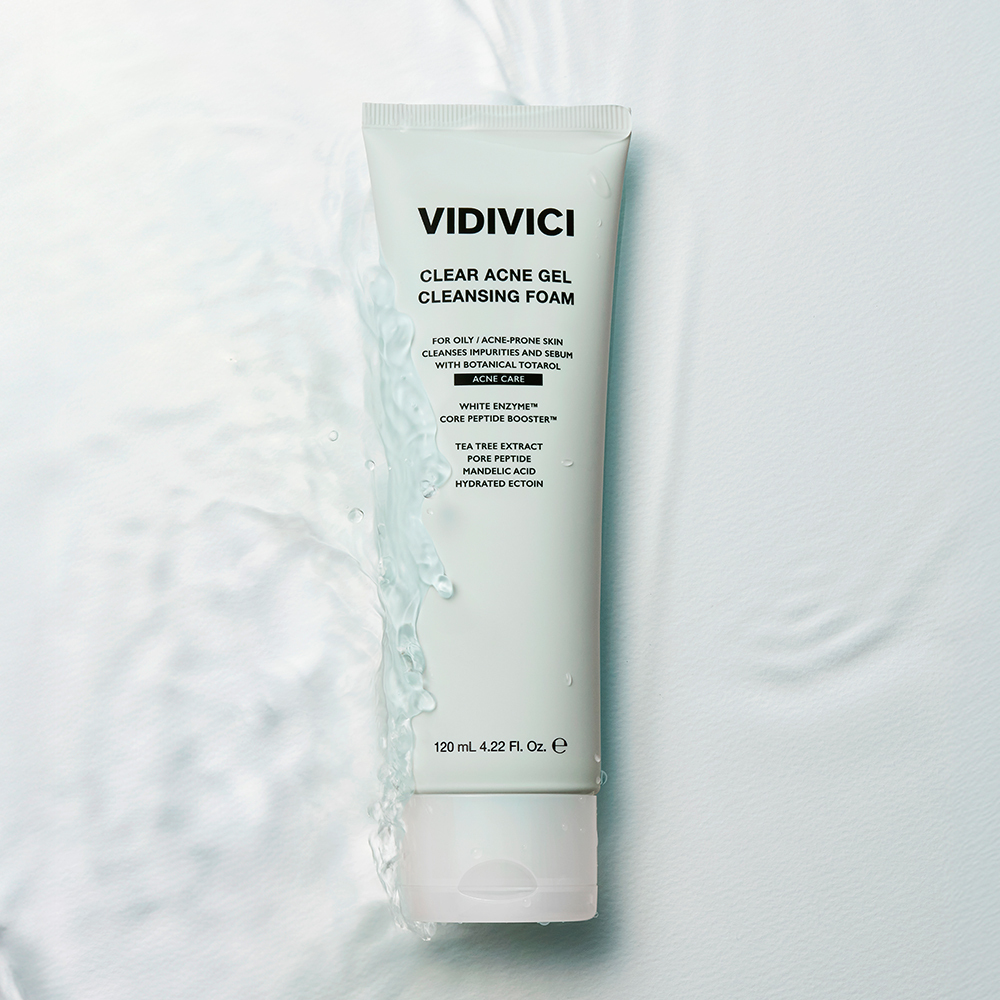
Clear Acne Gel Cleansing Foam
VIDIVICI
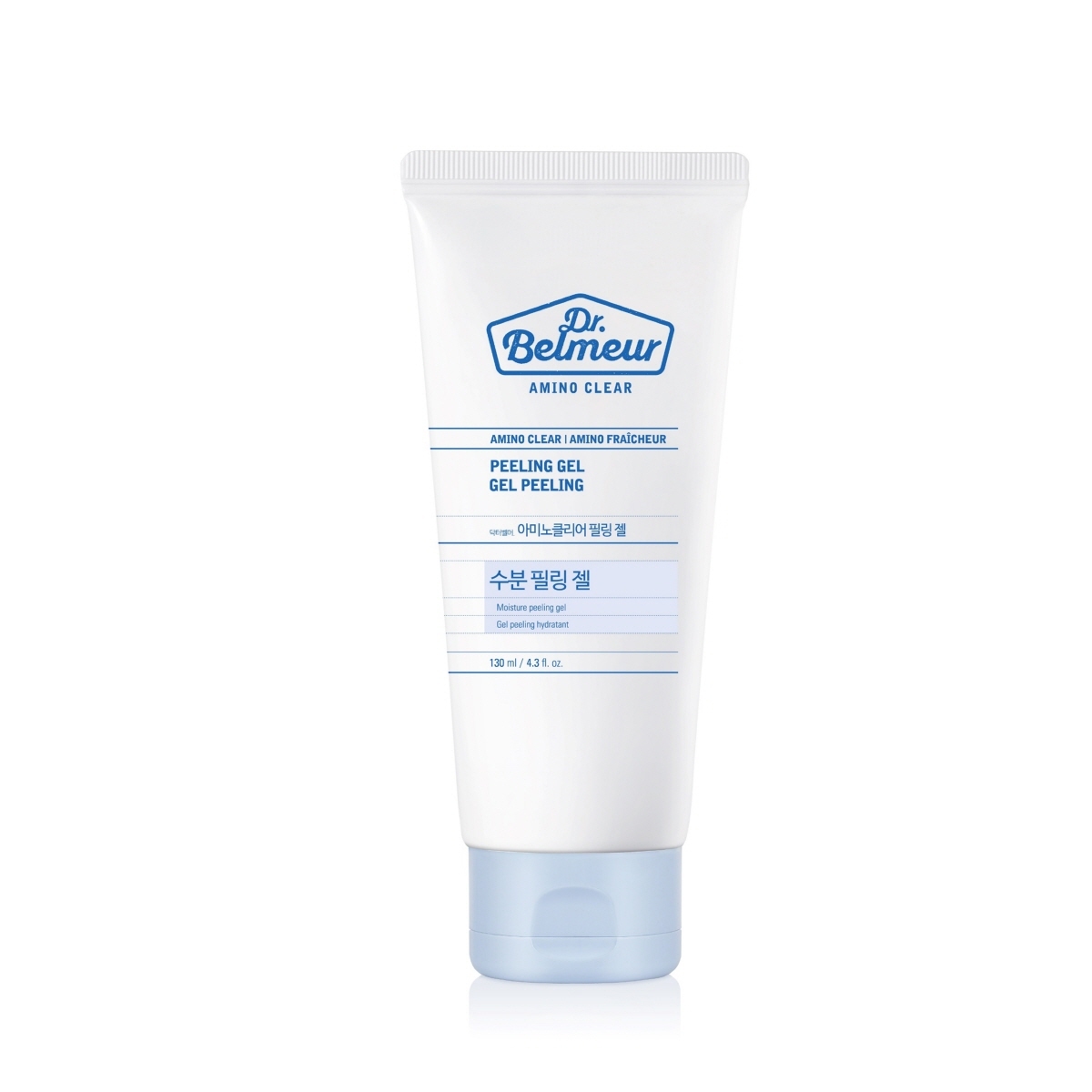
Amino Clear Peeling Gel
Dr. Belmeur
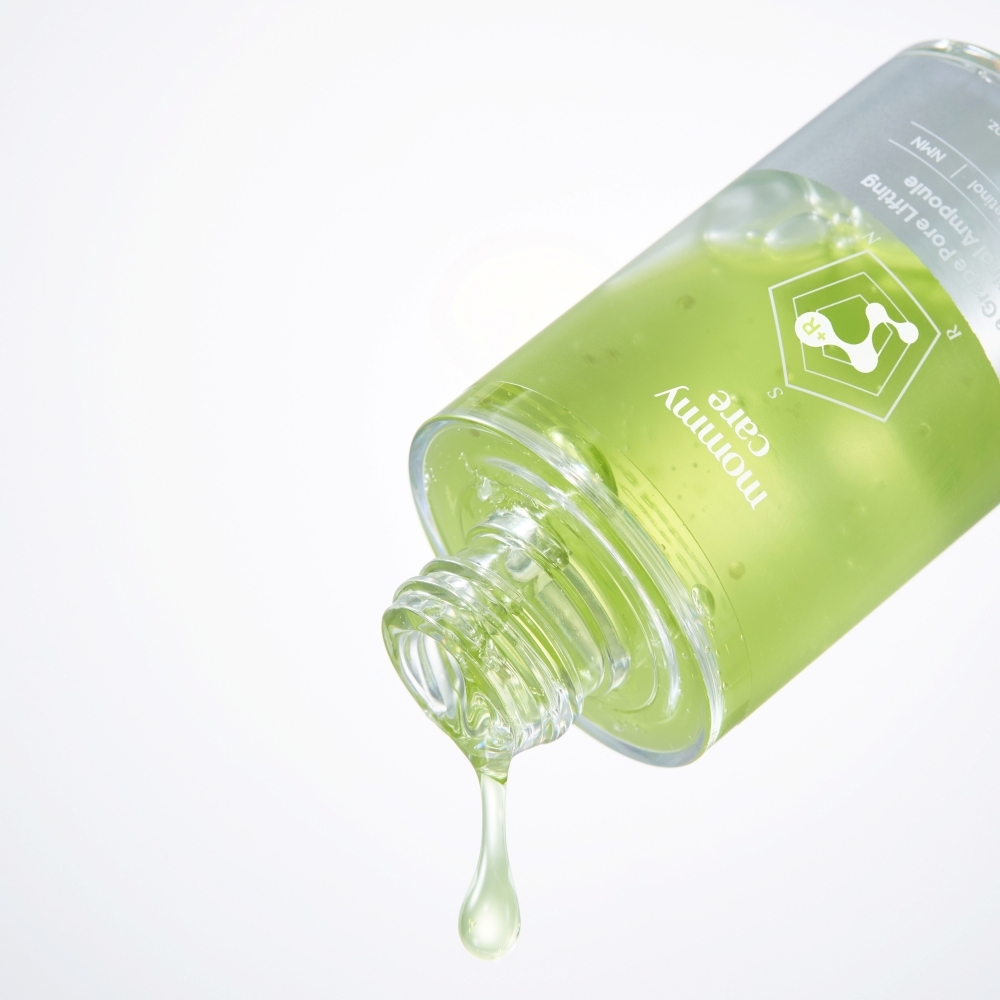
Sea Grape Pore Lifting Retinol Ampoule
Anua
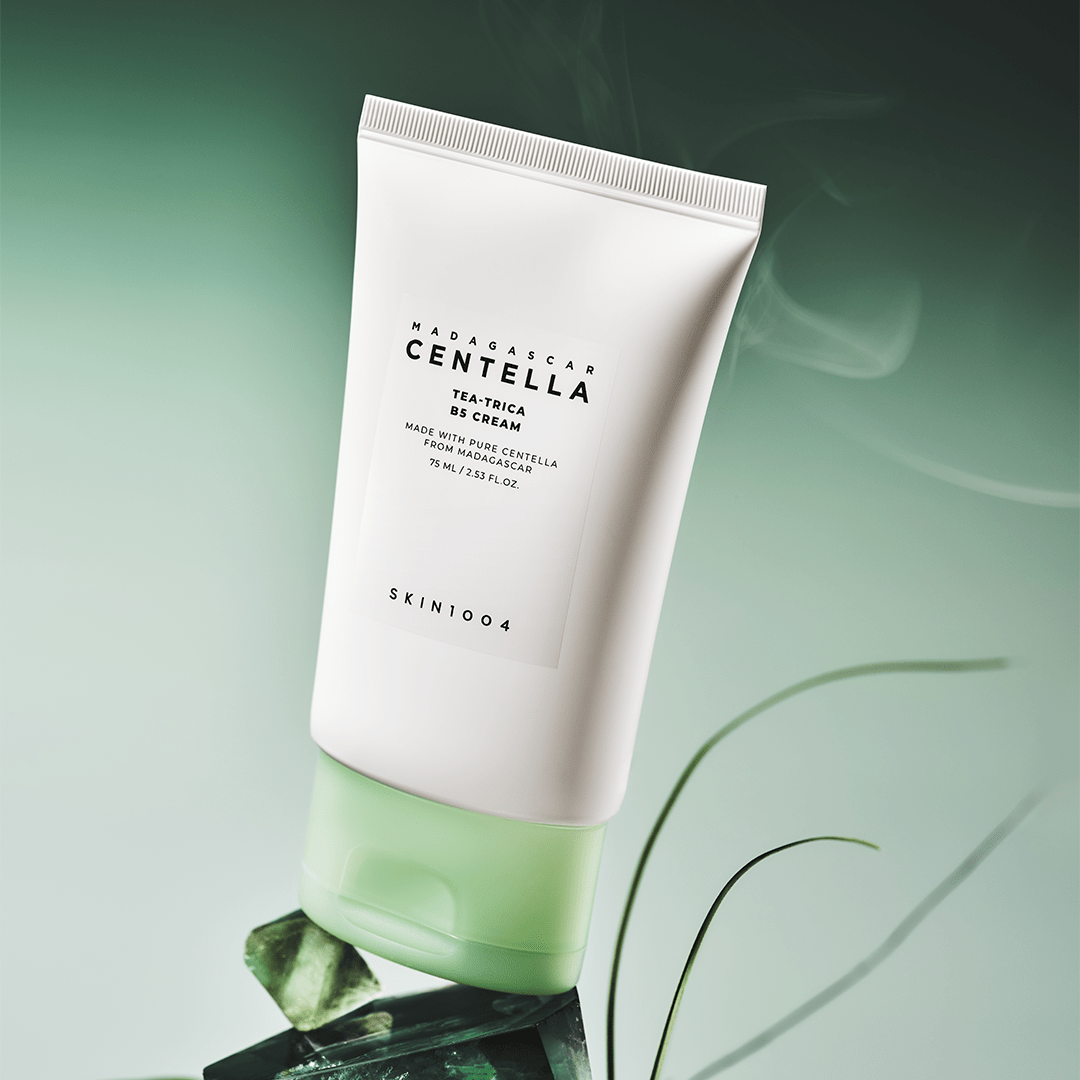
Madagascar Centella Tea-Trica B5 Cream
SKIN1004
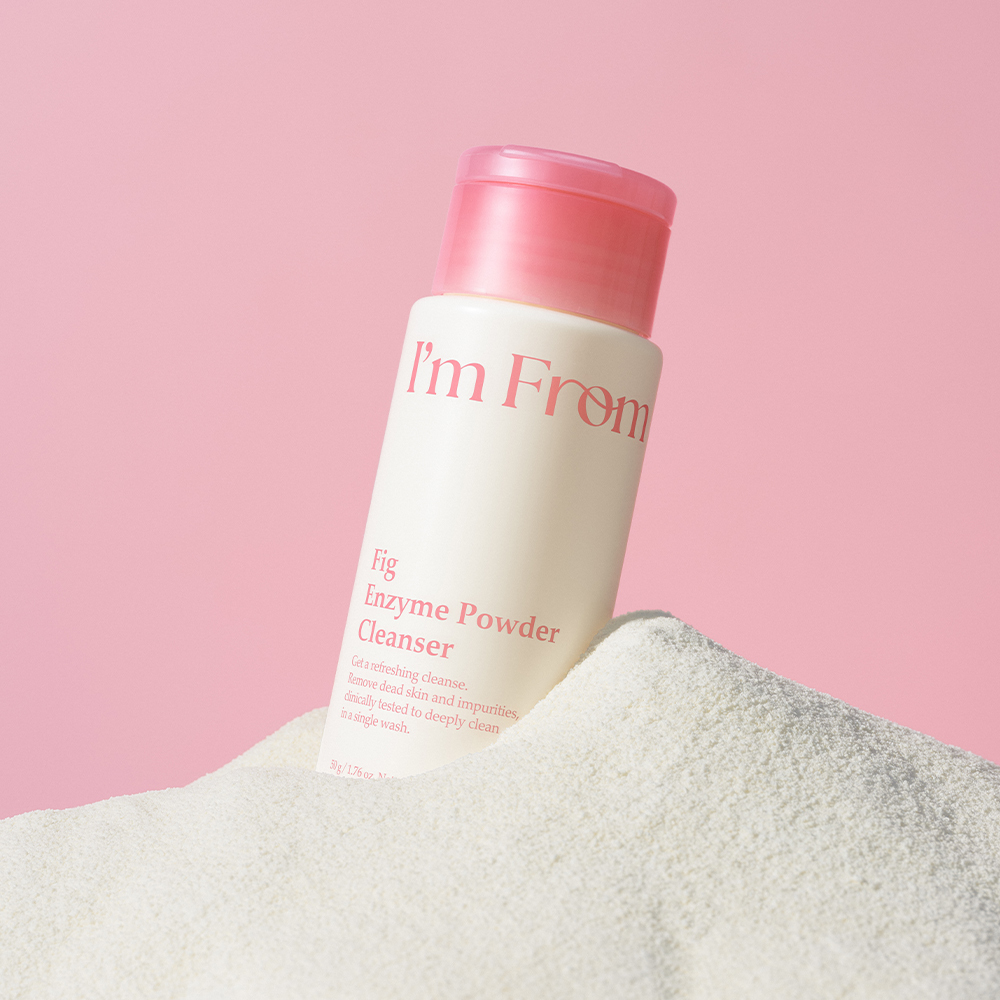
Fig Enzyme Powder Cleanser
I'm From
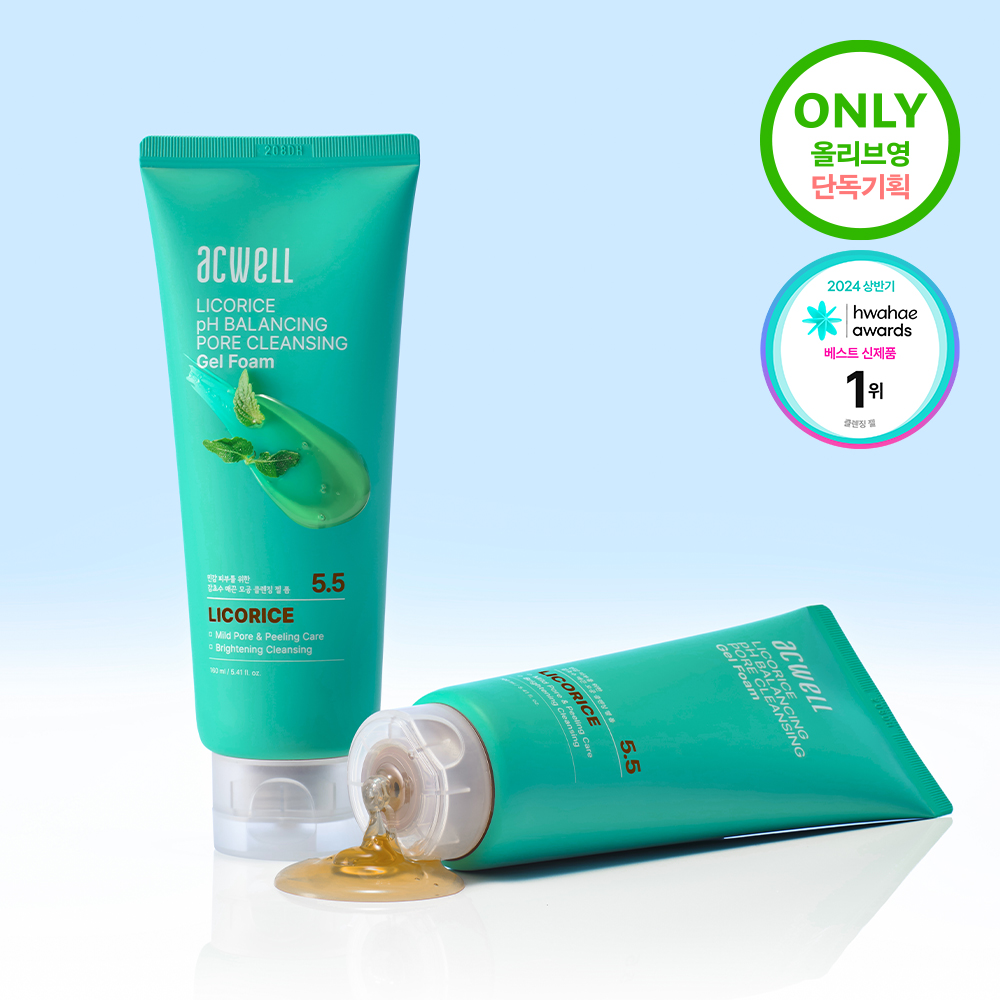
Licorice pH Balancing Pore Cleansing Gel Foam Double Set
Acwell
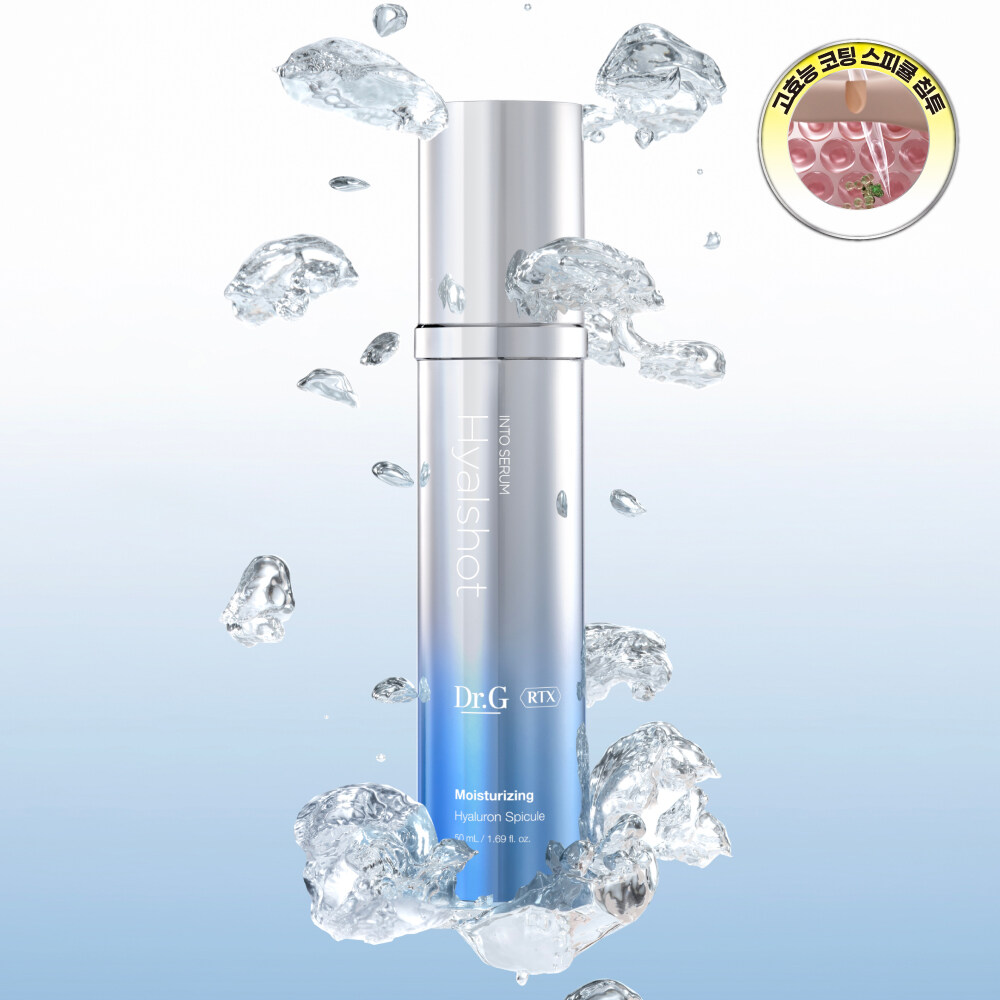
RTX Into Serum Hyalshot
Dr.G
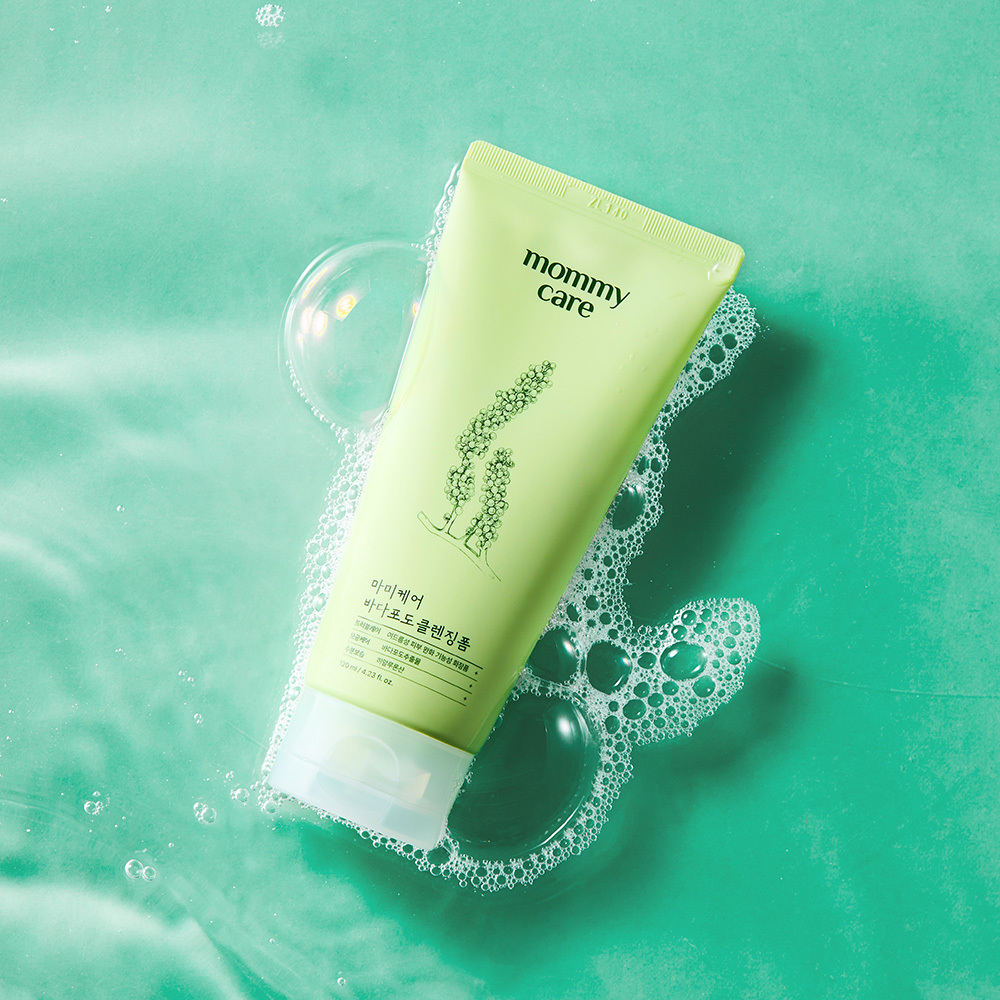
Sea Grape Cleansing Foam
Beplain
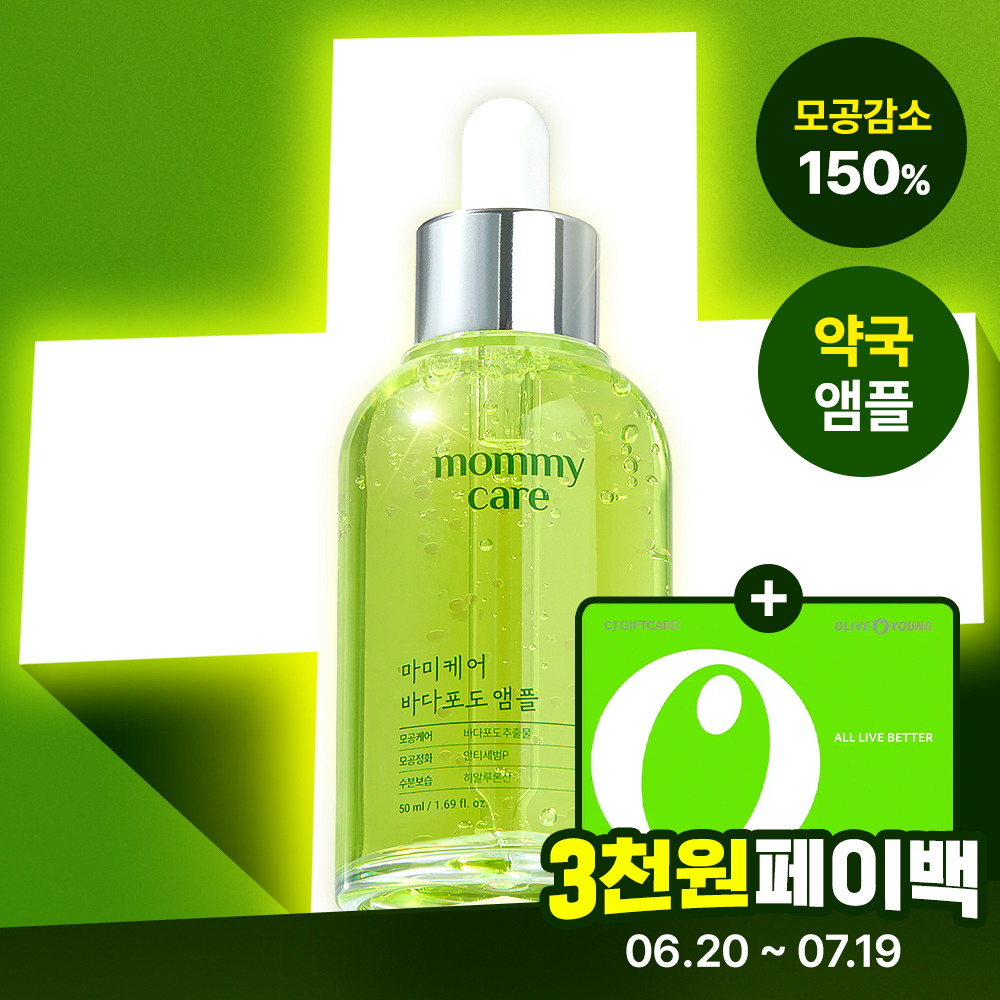
Sea Grape Ampoule
Anua
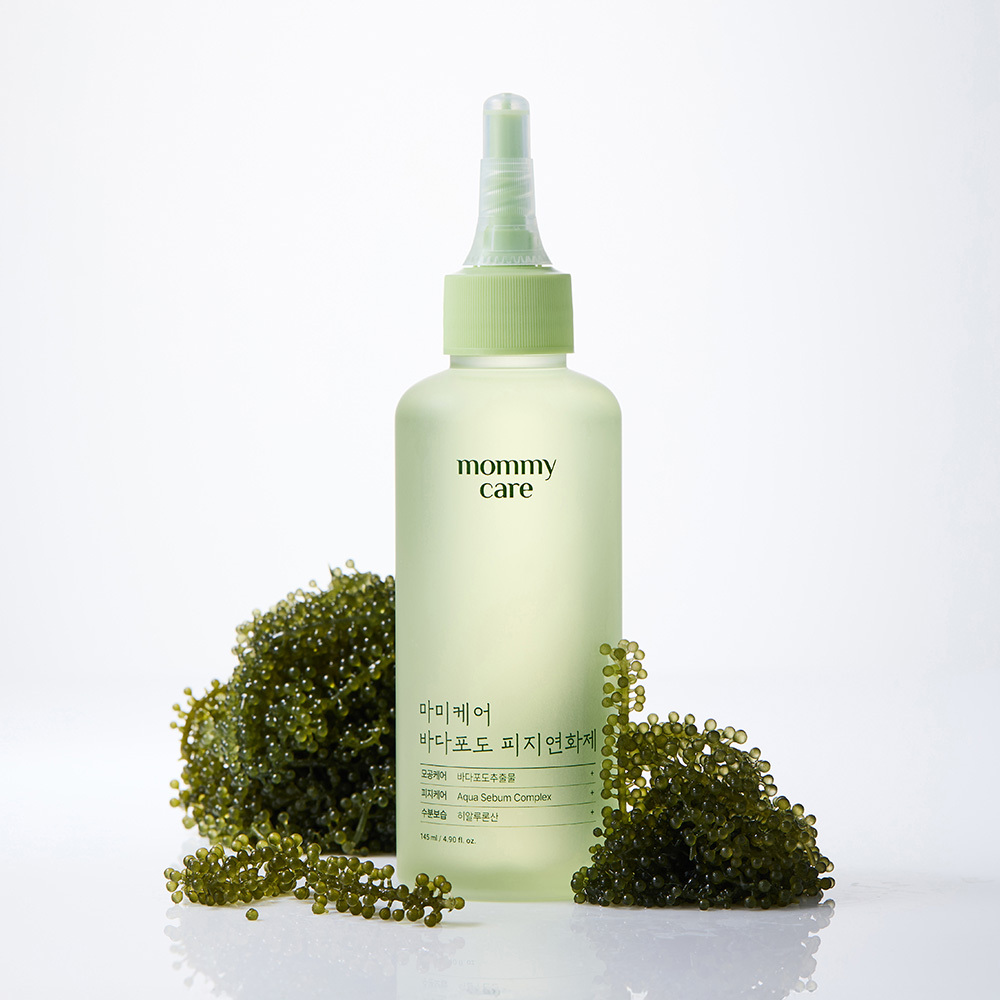
Sea Grape Aqua Sebum Softener
Ilso
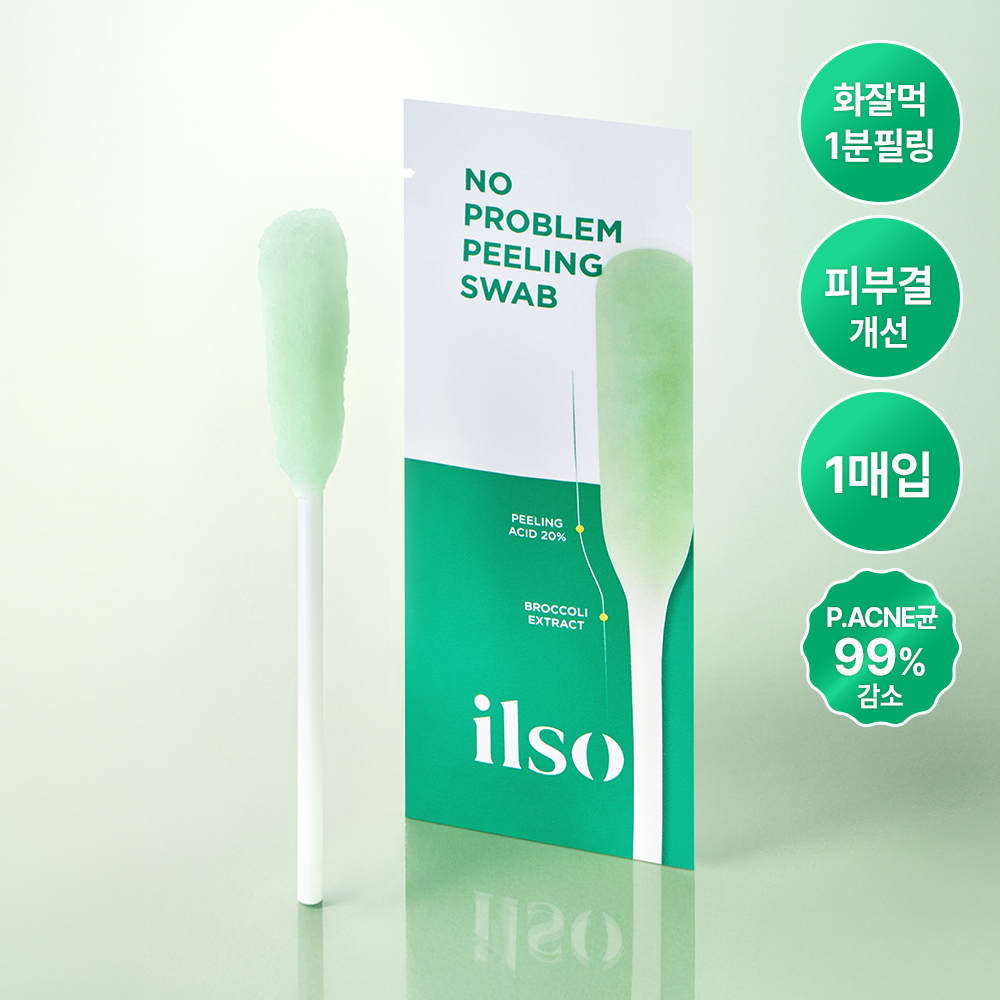
No Problem Peeling Swab
Ilso
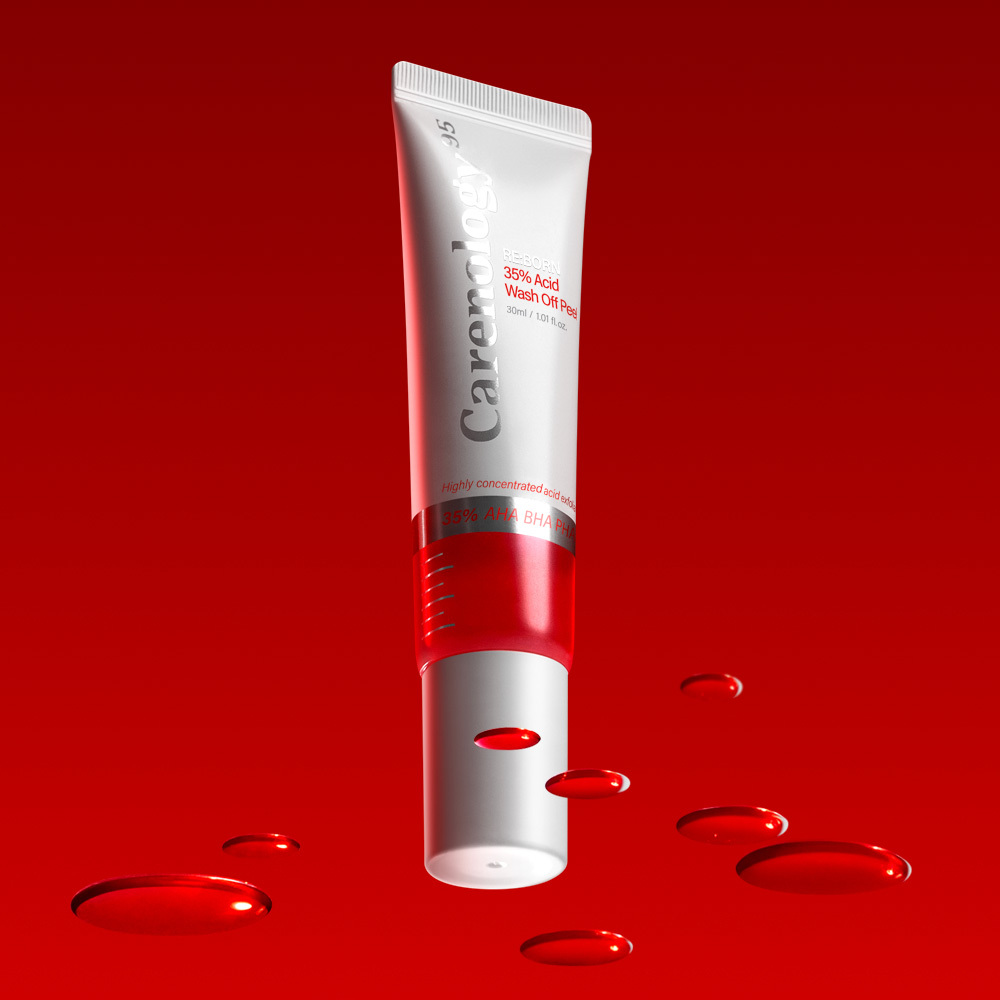
Re:Born 35% Acid Wash Off Peel
Carenology
Frequently Asked Questions
Is mandelic acid better than glycolic acid for sensitive skin?▼
Can I use mandelic acid if I have active acne?▼
How long does it take to see results from mandelic acid?▼
Can I use mandelic acid with retinol?▼
Why is mandelic acid non-comedogenic when it's an oil-soluble acid?▼
Articles About Mandelic Acid
Explore More
Want personalized ingredient advice?
Yuri, our AI beauty advisor, can tell you how Mandelic Acid works with your specific skin type, routine, and concerns.
Ask Yuri, free