Chamomile Flower Extract
INCI: Matricaria Flower Extract
Soothing and anti-inflammatory botanical extract
About Chamomile Flower Extract
Chamomile Flower Extract, derived from the Matricaria chamomilla plant, is one of K-beauty's most trusted calming ingredients for irritated and reactive skin. This botanical extract contains active compounds like bisabolol, chamazulene, and apigenin that work together to reduce inflammation, soothe redness, and strengthen the skin barrier. Korean skincare brands have elevated chamomile beyond its traditional tea remedy origins, incorporating it into everything from lightweight serums to rich repair creams. With a comedogenic rating of just 1 out of 5, it's suitable for nearly all skin types, including acne-prone and sensitive complexions. The extract's gentle nature makes it a cornerstone ingredient in products designed for compromised skin barriers, post-procedure recovery, and daily irritation management. Korean formulations often pair chamomile with other soothing botanicals like centella asiatica or green tea to create synergistic calming effects. Its proven anti-inflammatory properties have earned it a place in 24 products on Seoul Sister, with standout formulas like HYGGEE's Relief Chamomile Cream achieving perfect 5.0 ratings. Unlike harsh actives that can trigger sensitivity, chamomile extract delivers therapeutic benefits without stressing the skin, making it an ideal ingredient for building a gentle yet effective routine.
How Chamomile Flower Extract Works
Chamomile's effectiveness comes from its rich phytochemical profile that targets inflammation at multiple cellular levels. Bisabolol, one of its primary active compounds, inhibits the production of pro-inflammatory cytokines and reduces the activity of enzymes that break down collagen. Chamazulene, the compound responsible for chamomile's characteristic blue color, acts as a powerful antioxidant that neutralizes free radicals and calms oxidative stress in skin cells. Apigenin, a flavonoid present in the extract, blocks inflammatory pathways by interfering with NF-kB signaling, a key driver of skin inflammation. When applied topically, these compounds penetrate the upper layers of skin and work to reduce histamine release, the chemical responsible for itching and redness. Chamomile also supports the skin's natural repair processes by promoting the production of ceramides and other lipids that strengthen the moisture barrier. This dual action of calming existing inflammation while reinforcing skin defenses makes chamomile particularly effective for chronic sensitivity and barrier-compromised skin conditions.
Chamomile Flower Extract by Skin Type
Oily Skin
Chamomile works exceptionally well for oily skin, particularly when inflammation from acne or environmental stress is present. Its lightweight nature won't add heaviness, and the anti-inflammatory compounds help reduce the redness and irritation that often accompany breakouts. The low comedogenic rating (1/5) means it won't clog pores or contribute to congestion.
Dry Skin
For dry skin, chamomile provides soothing relief without the rich emollients that can sometimes feel too heavy. It's best layered under heavier moisturizers to calm any irritation caused by barrier damage. Look for chamomile in essence or serum formats that can be followed by occlusive creams for maximum hydration support.
Combo Skin
Combination skin benefits from chamomile's balanced approach to calming without adding excess oil to the T-zone. It works well in toner or serum form, where it can reduce localized redness in dry patches while remaining gentle enough for oilier areas. Products like Anua's Hyggee Repair Serum (4.8/5) demonstrate this versatility.
Sensitive Skin
This is where chamomile truly excels. Sensitive skin types consistently report reduced reactivity and fewer flare-ups when using chamomile-based products. The extract's ability to calm histamine responses makes it ideal for those dealing with rosacea, eczema, or general sensitivity. HYGGEE's Relief Chamomile Cream holds a perfect 5.0 rating largely due to its effectiveness on reactive skin.
Normal Skin
Normal skin can use chamomile as a preventative measure against environmental stressors and occasional irritation. It adds a layer of protection without disrupting skin balance. Incorporate it into your routine during seasonal changes or periods of increased stress when skin might become temporarily reactive.
How to Use Chamomile Flower Extract
- 1Layer chamomile products after cleansing but before heavier moisturizers to maximize absorption of its active compounds.
- 2Use chamomile-containing products both morning and night, especially if you're introducing new actives like retinol or acids that might cause irritation.
- 3Pair with niacinamide or centella asiatica for enhanced barrier repair and calming effects, a common strategy in Korean formulations.
- 4Keep chamomile products in rotation year-round, but increase frequency during winter months when skin is more prone to dryness and sensitivity.
- 5If using prescription treatments like tretinoin, apply chamomile serum or cream afterward to buffer potential irritation without interfering with active penetration.
Background
Chamomile has been used medicinally for over 5,000 years, with ancient Egyptians, Romans, and Greeks all documenting its therapeutic properties. The name comes from the Greek "chamaimelon," meaning "earth apple," referring to its apple-like scent. In traditional Korean medicine, chamomile was introduced through trade routes and gradually incorporated into herbal remedies for skin inflammation and digestive issues. Modern K-beauty's adoption of chamomile extract represents a scientific validation of traditional knowledge, with Korean cosmetic chemists isolating and concentrating its most beneficial compounds. The ingredient gained particular prominence in Korean skincare during the 2010s as the industry shifted focus toward barrier-supporting and gentle formulations. Today, Korean brands like HYGGEE have built entire product lines around chamomile, elevating it from a simple botanical to a clinically-backed active ingredient with proven efficacy.
K-Beauty Products with Chamomile Flower Extract
View all 24 →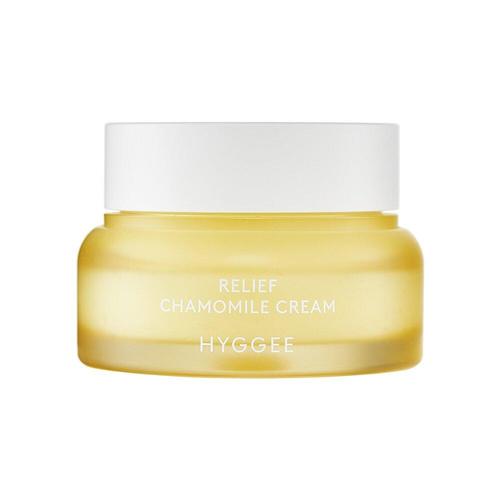
Relief Chamomile Cream
HYGGEE
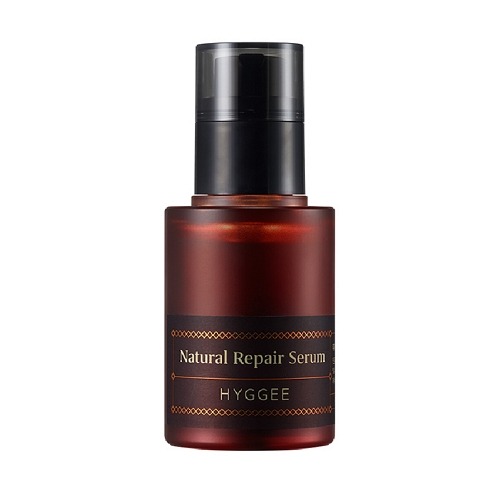
Hyggee Repair Serum
Anua
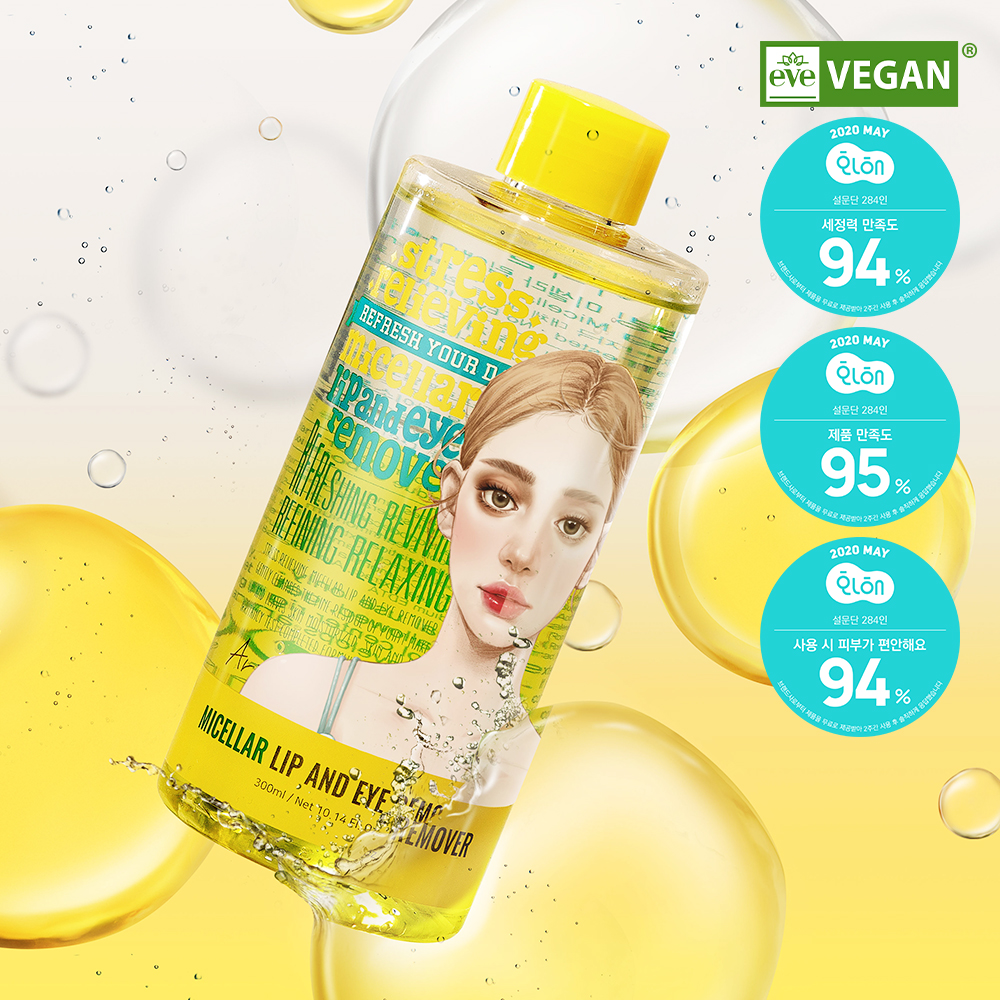
Stress Relieving Micellar Lip & Eye Remover
Ariul
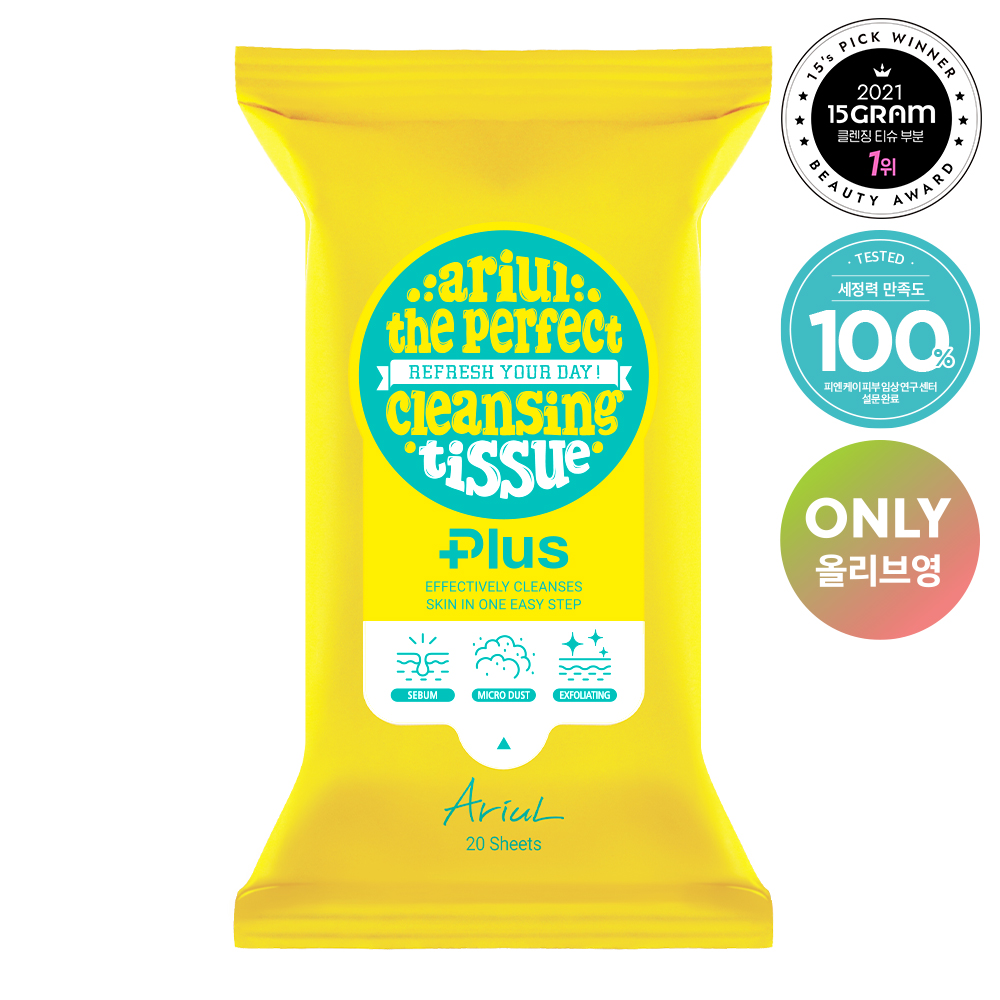
Stress Relieving Purefull Cleansing Tissue Plus
Ariul
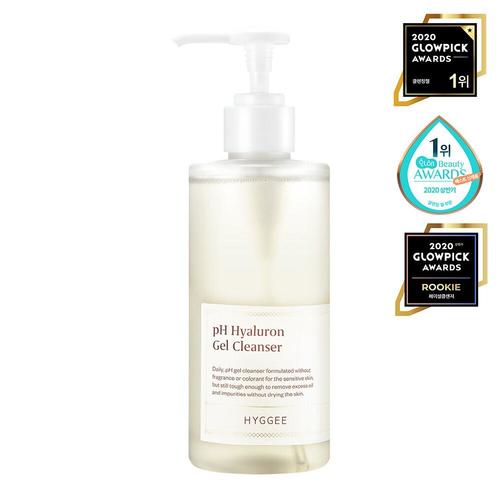
pH Hyaluron Gel Cleanser
Beplain
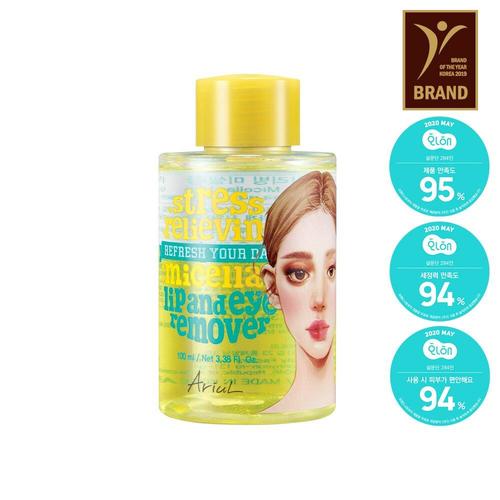
Stress Relieving Micellar Lip and Eye Remover
Ariul
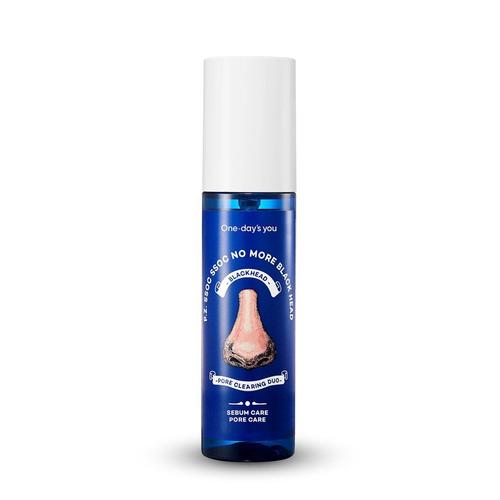
P.Z. Ssoc Ssoc No More Blackhead
Ilso
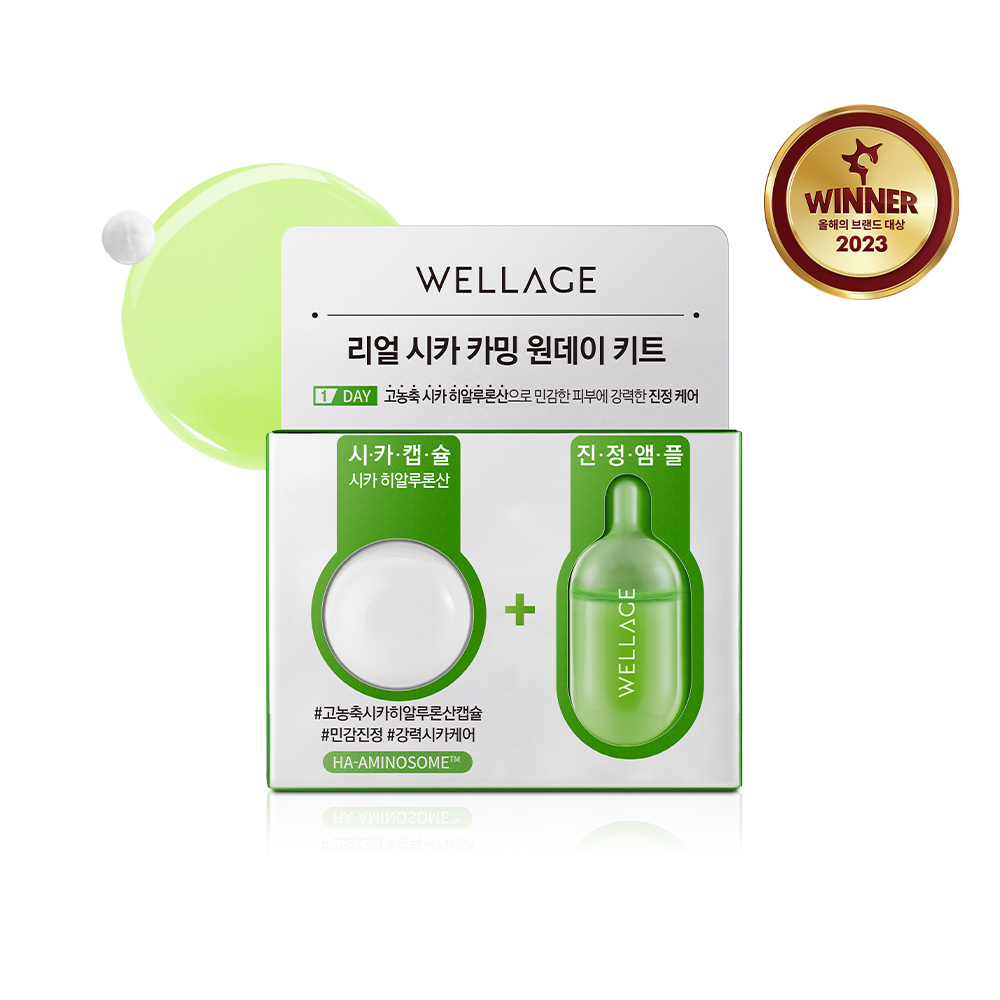
Real Cica Calming One Day Kit
Wellage
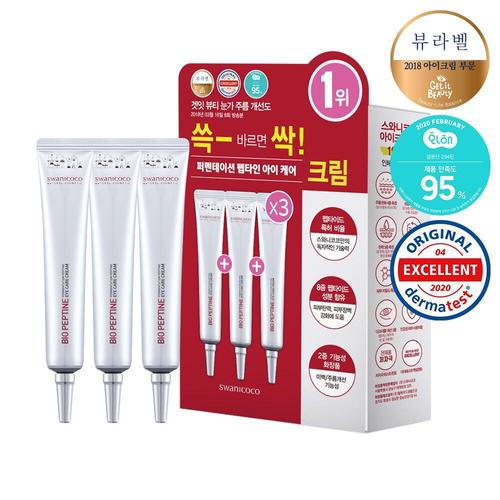
Bio Peptine Eye Care Cream 3-Pack
Swanicoco
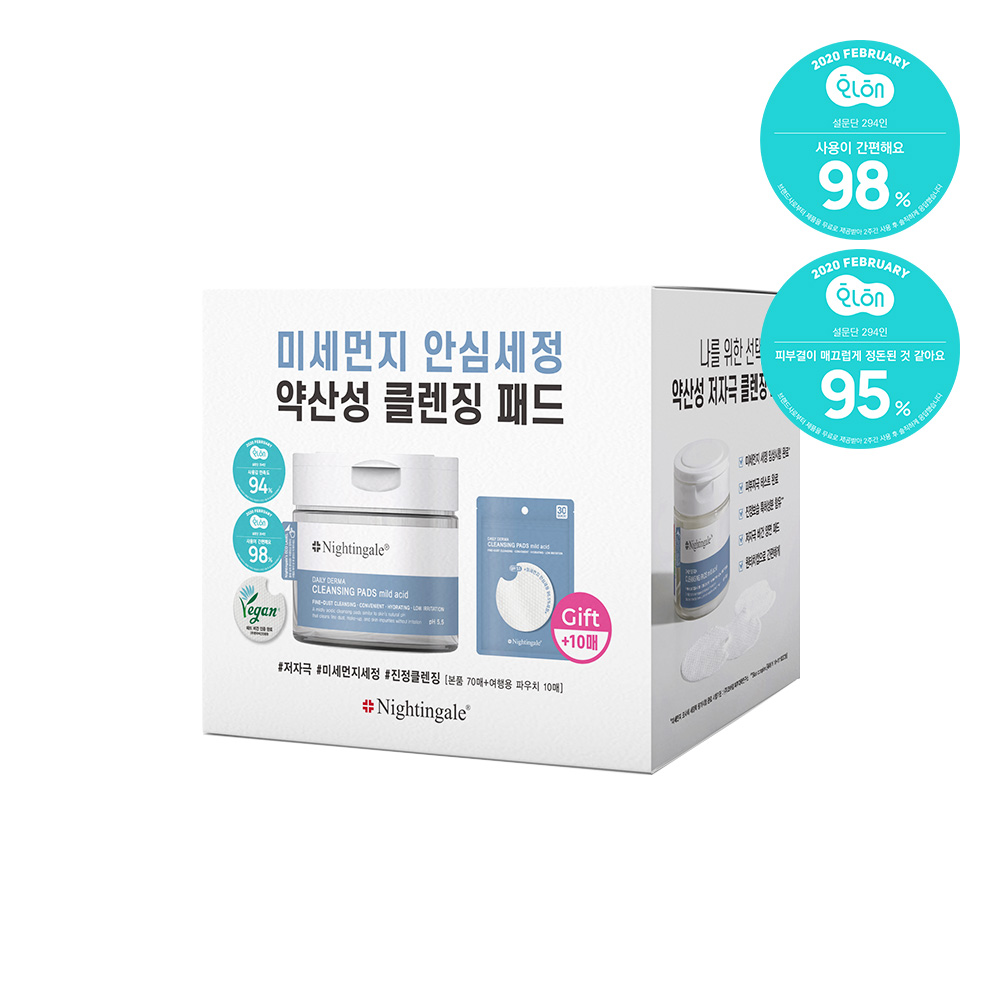
Nightingale Daily Derma Cleansing Pads Mild Acid Special Set
Ariul
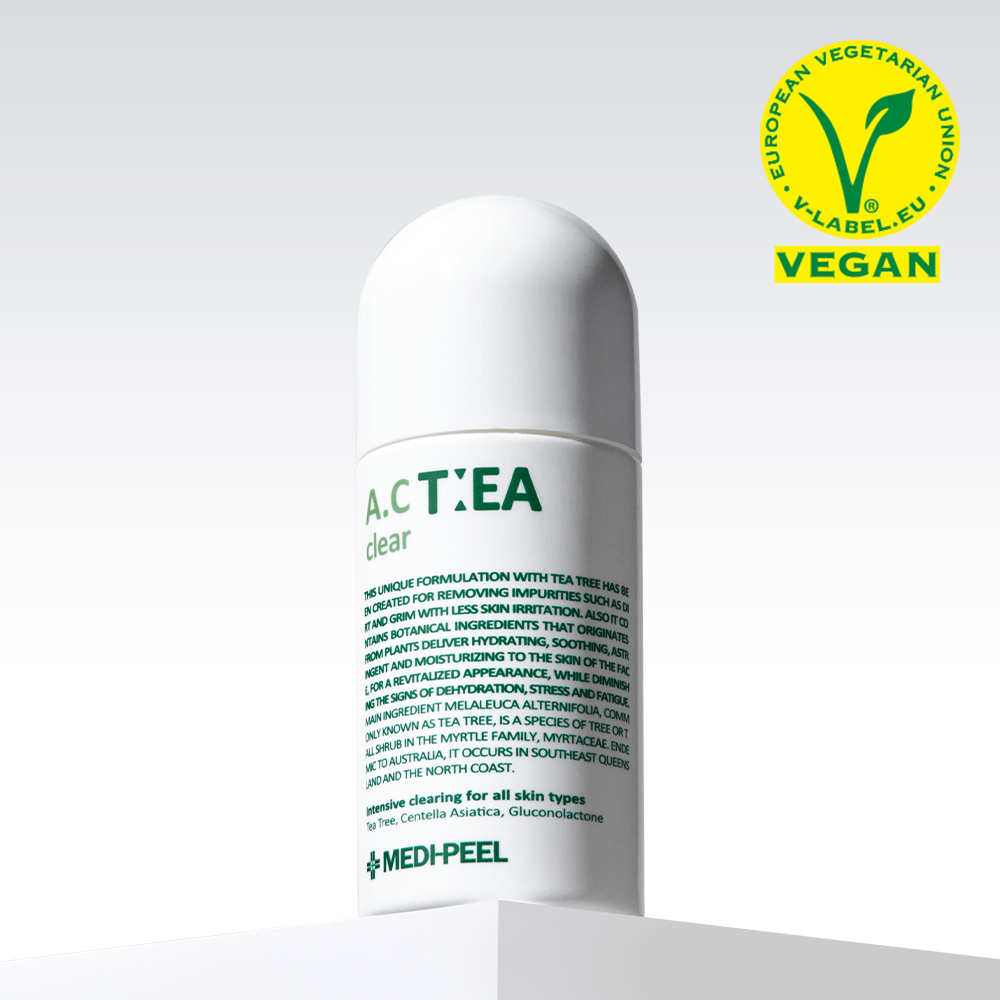
A.C Tea Clear
Medi-Peel
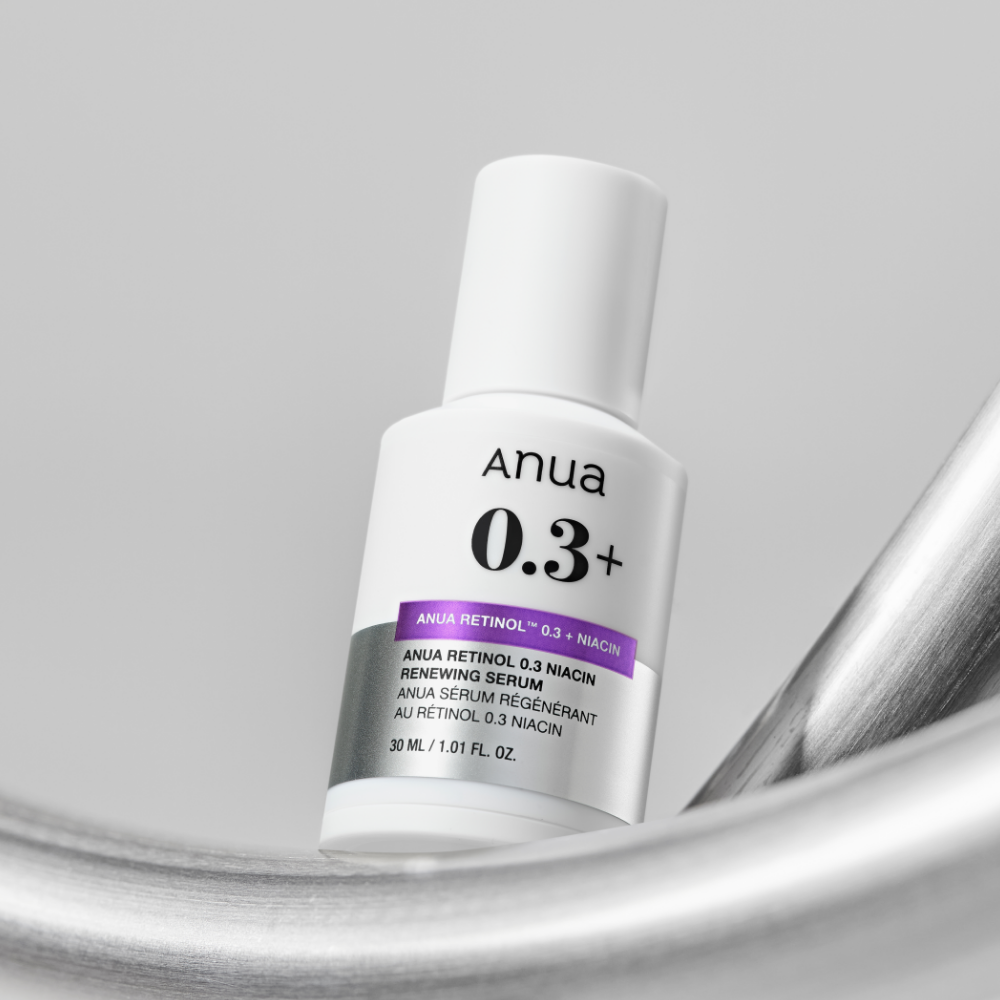
Retinol 0.3 Niacin Renewing Serum
Anua
Frequently Asked Questions
Is chamomile extract safe to use if I have ragweed allergies?▼
Can I use chamomile extract with vitamin C or retinol?▼
How quickly will I see results from chamomile products?▼
Is chamomile flower extract different from chamomile essential oil?▼
Explore More
Want personalized ingredient advice?
Yuri, our AI beauty advisor, can tell you how Chamomile Flower Extract works with your specific skin type, routine, and concerns.
Ask Yuri, free