Tea Tree Extract
INCI: Melaleuca Alternifolia (Tea Tree) Leaf Extract
Antimicrobial and anti-inflammatory botanical extract
About Tea Tree Extract
Tea tree extract, derived from the leaves of Melaleuca alternifolia native to Australia, has become a cornerstone ingredient in K-beauty formulations targeting acne, congestion, and inflammation. This botanical extract contains over 100 bioactive compounds, with terpinen-4-ol being the primary antimicrobial agent responsible for its ability to combat acne-causing bacteria like Cutibacterium acnes. Korean skincare brands have embraced tea tree extract for its dual-action benefits: it reduces existing breakouts while preventing new ones from forming, all without the harsh drying effects associated with many traditional acne treatments. With a low comedogenic rating of 1/5, it won't clog pores, making it suitable even for congestion-prone skin. Found in 198 K-beauty products on Seoul Sister, tea tree extract appears in everything from cleansers to ampoules, often formulated alongside complementary ingredients like niacinamide and centella asiatica. What sets tea tree apart in the K-beauty landscape is its gentle efficacy. While Western acne treatments often prioritize aggressive bacteria elimination, Korean formulations use tea tree extract at concentrations that balance effectiveness with skin barrier preservation. This approach aligns with K-beauty's philosophy of treating skin problems without causing additional irritation or compromise.
How Tea Tree Extract Works
Tea tree extract functions through multiple mechanisms at the cellular level. The terpinen-4-ol in tea tree extract disrupts the cell membranes of bacteria and fungi, leading to cell death and preventing proliferation of acne-causing microorganisms. This antimicrobial action reduces the bacterial load on skin's surface without completely stripping the microbiome. Simultaneously, tea tree extract modulates inflammatory pathways by inhibiting pro-inflammatory cytokines like TNF-alpha and IL-1beta. When your skin experiences a breakout, these inflammatory messengers signal immune cells to respond, causing the redness and swelling around pimples. By downregulating this response, tea tree extract reduces visible inflammation while still allowing your skin to heal. The extract also demonstrates antioxidant properties through its monoterpenes, which neutralize free radicals that contribute to post-inflammatory hyperpigmentation. Additionally, tea tree extract has been shown to regulate sebum production in some studies, though this effect is more subtle than its antimicrobial and anti-inflammatory actions. This multi-pronged approach explains why tea tree extract addresses not just active breakouts but also the residual marks and ongoing oiliness that often accompany acne-prone skin.
Tea Tree Extract by Skin Type
Oily Skin
Tea tree extract is particularly beneficial for oily skin types struggling with excess sebum and frequent breakouts. Its antimicrobial properties target the bacteria that thrive in oil-rich environments, while its astringent qualities can help mattify without stripping skin. You'll find it in top-rated cleansers like OBgE's Pore Zero One Step Cleanser (5.0/5) specifically formulated to address enlarged pores and congestion common in oily skin types.
Dry Skin
While tea tree extract isn't typically the star ingredient for dry skin, it can still be beneficial when breakouts occur on dehydrated skin, a surprisingly common combination. Look for products that combine tea tree with hydrating ingredients to prevent any potential drying effects. In formulations like Beplain's cleansers, tea tree extract is balanced with moisturizing components to ensure it treats blemishes without compromising your moisture barrier.
Combo Skin
Combination skin often benefits most from tea tree extract since it can address the oily, congested T-zone without irritating drier cheek areas. The low comedogenic rating (1/5) means it won't contribute to congestion in oilier zones while remaining gentle enough for drier patches. Products featuring tea tree extract are ideal for spot-treating specific areas rather than applying aggressive acne treatments to your entire face.
Sensitive Skin
Sensitive skin can use tea tree extract, but concentration matters significantly. Pure tea tree essential oil can be irritating, but the diluted extract forms found in K-beauty products (like APLB's Glutathione Niacinamide Cleansing Water at 4.9/5) are typically well-tolerated. The safety rating of 4/5 indicates some individuals may experience sensitivity, so patch testing is wise. If you have sensitive skin with acne, tea tree extract offers a gentler alternative to harsher treatments like high-percentage benzoyl peroxide.
Normal Skin
Normal skin types can incorporate tea tree extract as a preventative measure against occasional breakouts or as a purifying ingredient in regular cleansing routines. Its anti-inflammatory properties also help maintain skin clarity and can address minor congestion before it becomes problematic. The extract's versatility means you can use it in various product formats, from daily cleansers to weekly treatments like Dr.G's Hyper Glow 30% Ampoule Peeling 2-Step Program (5.0/5).
How to Use Tea Tree Extract
- 1Start with leave-on products like serums or spot treatments rather than cleansers to assess your skin's tolerance, since rinse-off products provide less contact time for potential irritation.
- 2Layer tea tree extract products before heavier moisturizers to ensure the active compounds can penetrate effectively, but always follow with SPF during the day since clearer skin can be more photosensitive.
- 3Avoid combining tea tree extract with multiple strong actives (like high-percentage AHAs/BHAs or retinoids) in the same routine initially, as this can overwhelm skin and cause irritation.
- 4For best results with acne-prone skin, use tea tree extract products consistently for at least 4-6 weeks, as antimicrobial effects build gradually and prevention takes time to become visible.
Background
Tea tree, or Melaleuca alternifolia, has been used for centuries by Australia's Aboriginal peoples, who crushed the leaves to treat wounds, infections, and skin conditions. European settlers learned of these traditional applications in the 18th century, and by the 1920s, Australian chemist Arthur Penfold documented tea tree oil's antiseptic properties, finding it significantly more effective than phenol, the standard antiseptic of the time. Tea tree gained international attention during World War II when Australian soldiers carried it in their first-aid kits. Korean skincare brands began incorporating tea tree extract into formulations in the early 2000s as K-beauty expanded beyond traditional hanbang ingredients to include globally-sourced botanicals with proven efficacy. The extract form (rather than essential oil) became popular in K-beauty because it offers tea tree's benefits at gentler concentrations that align with the Korean skincare philosophy of consistent, non-irritating treatment.
K-Beauty Products with Tea Tree Extract
View all 218 →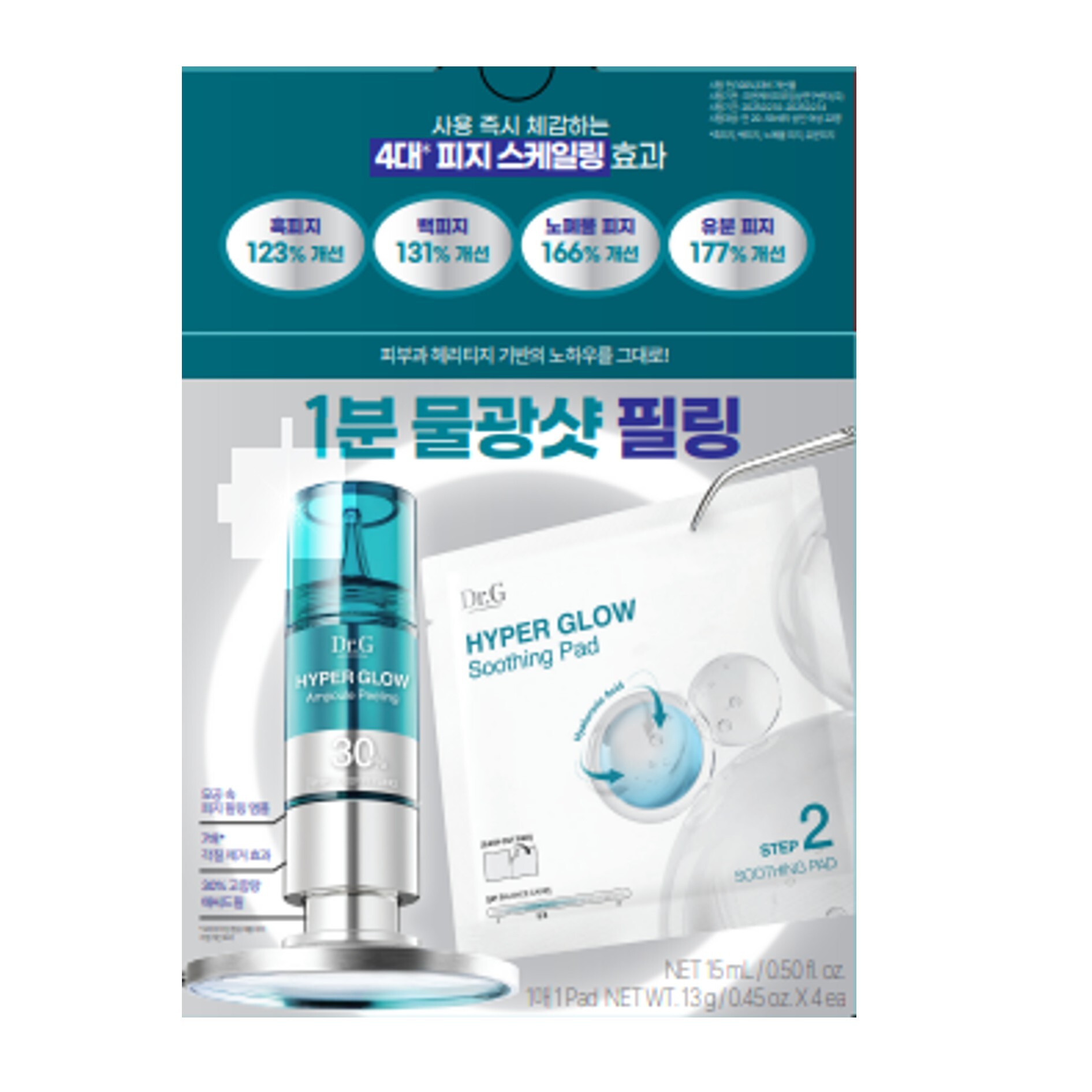
Hyper Glow 30% Ampoule Peeling 2-Step Program
Dr.G
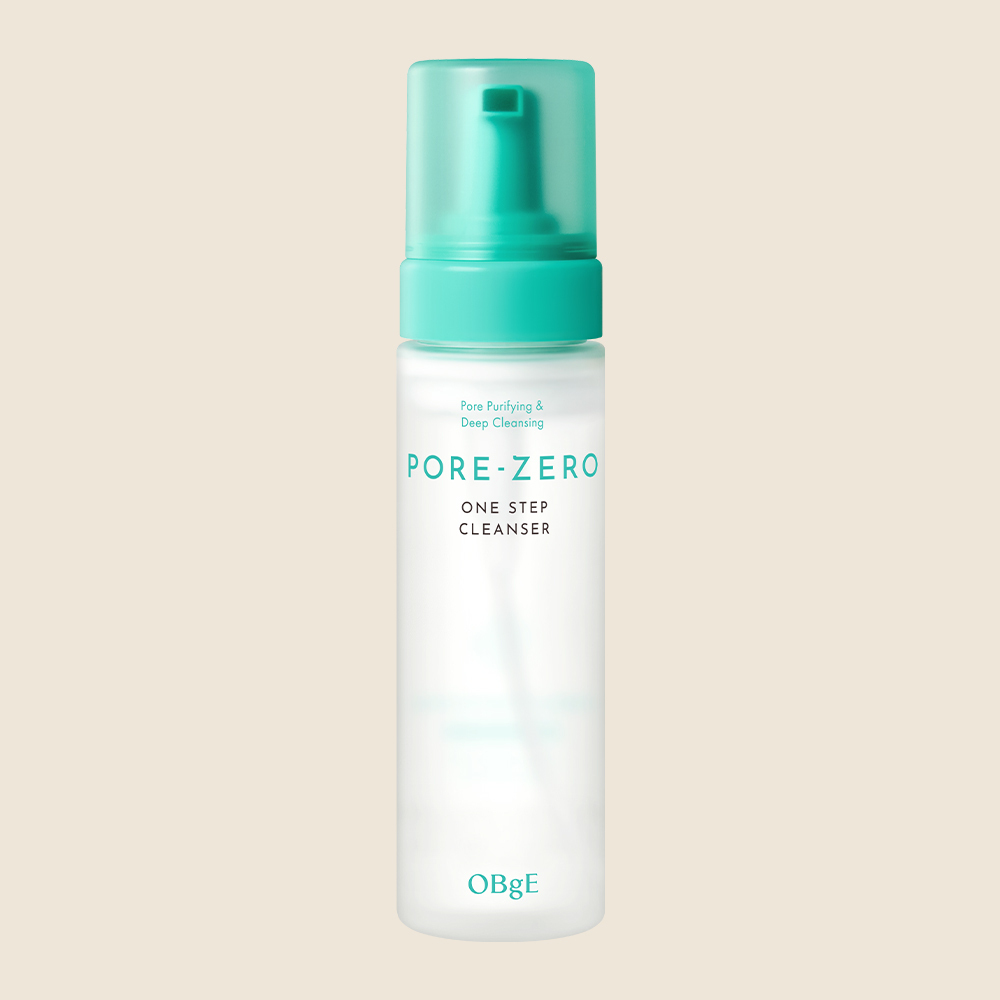
Pore Zero One Step Cleanser
OBgE
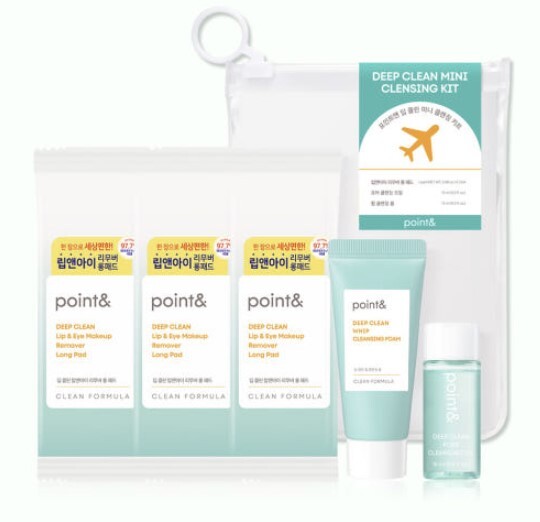
Deep Clean Mini Cleansing Travel Kit
Beplain
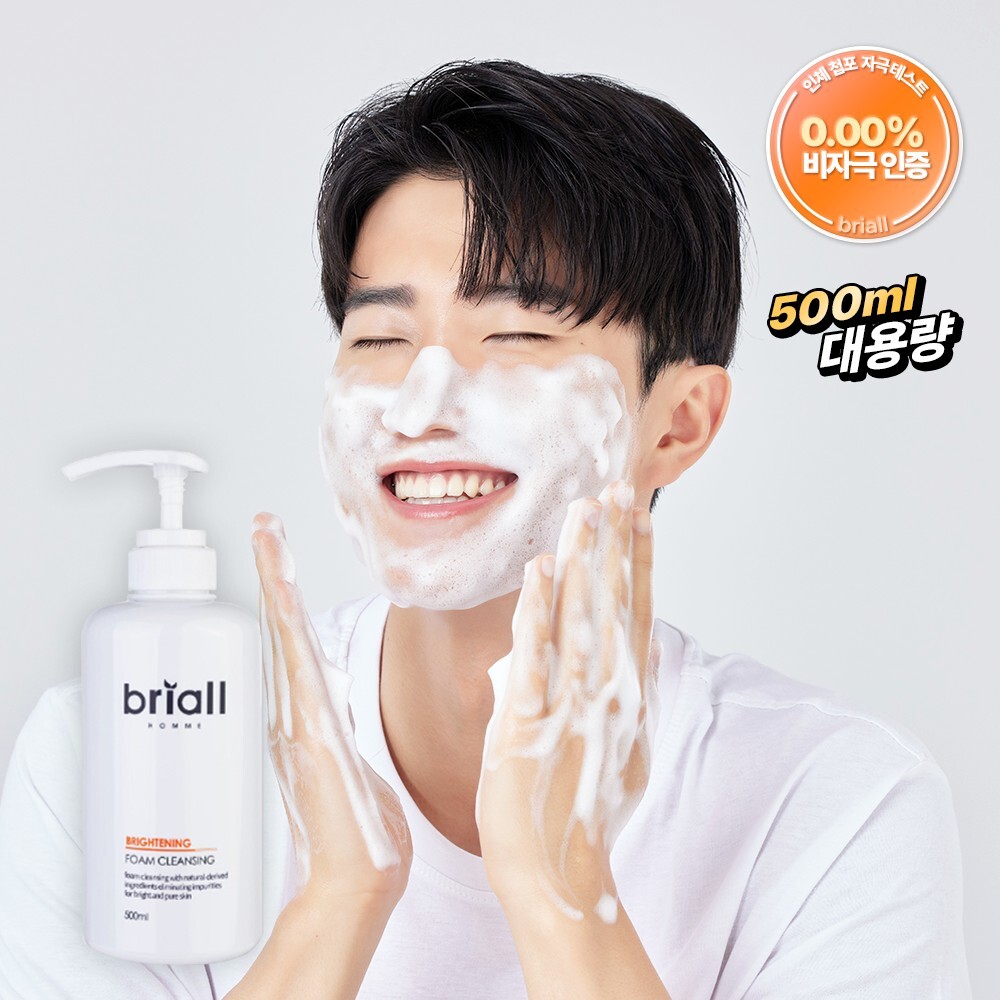
Homme Brightening Foam Cleansing Large Size
Beplain
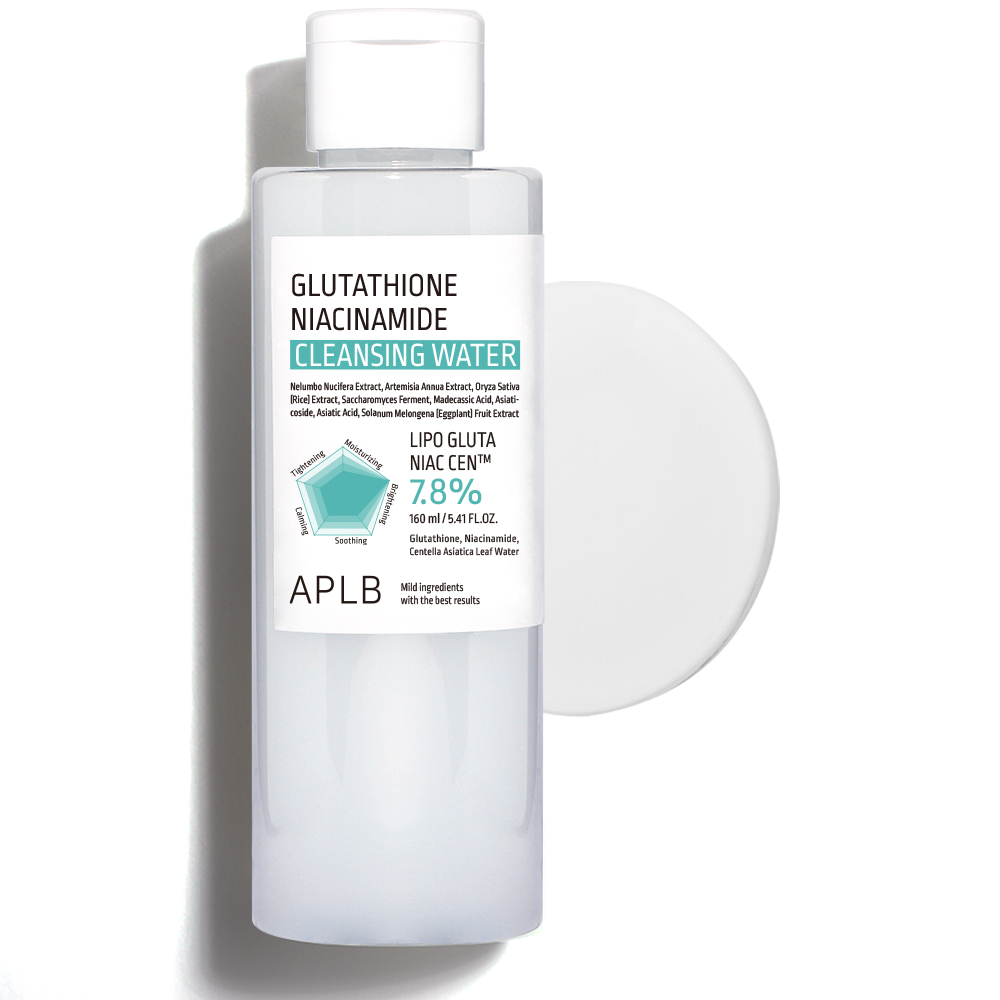
Glutathione Niacinamide Cleansing Water
APLB

Zinc Teca Trouble Serum
Bringgreen
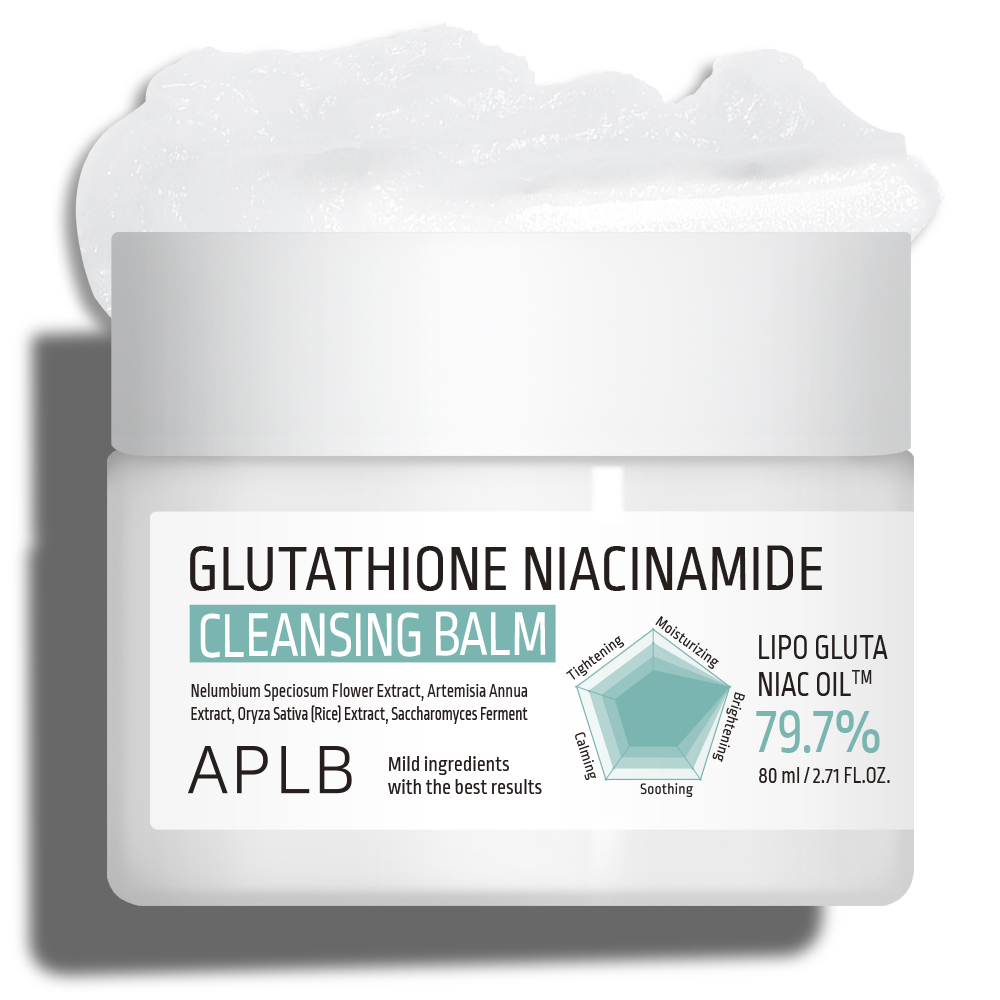
Glutathione Niacinamide Cleansing Balm
APLB
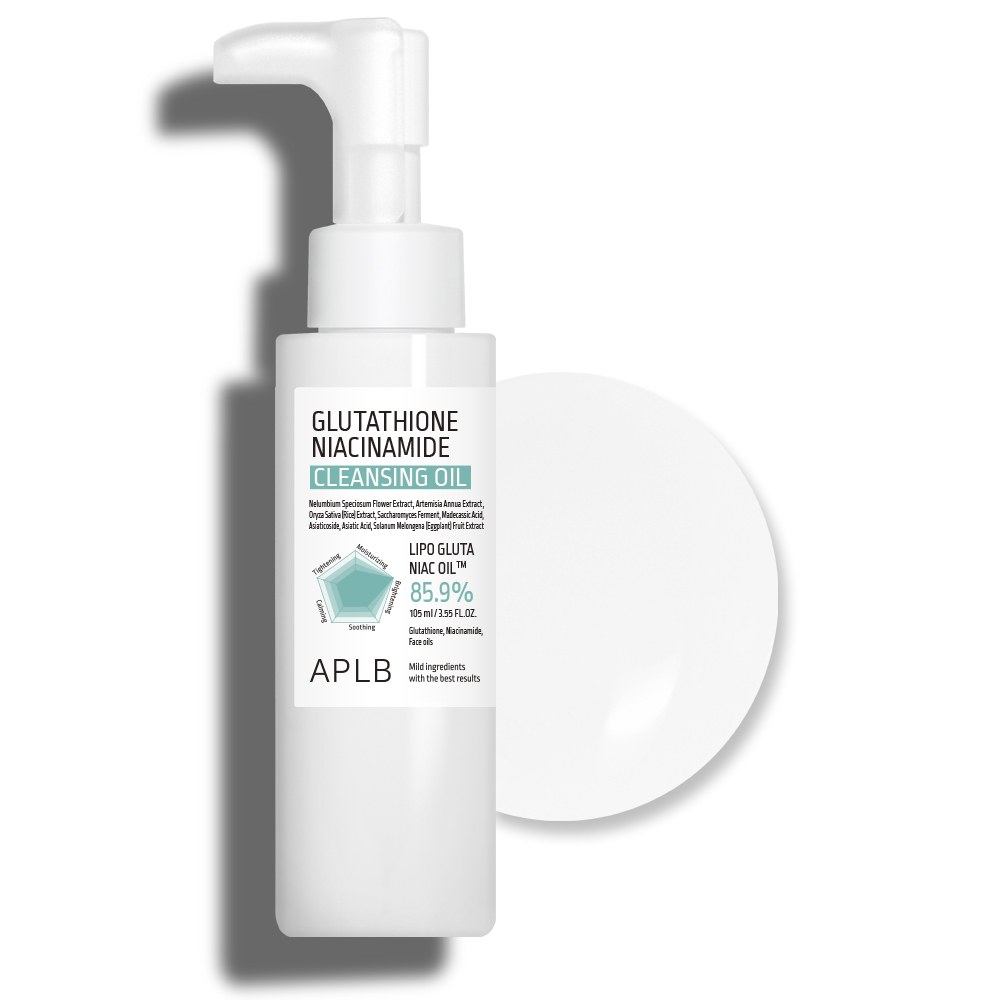
Glutathione Niacinamide Cleansing Oil
APLB
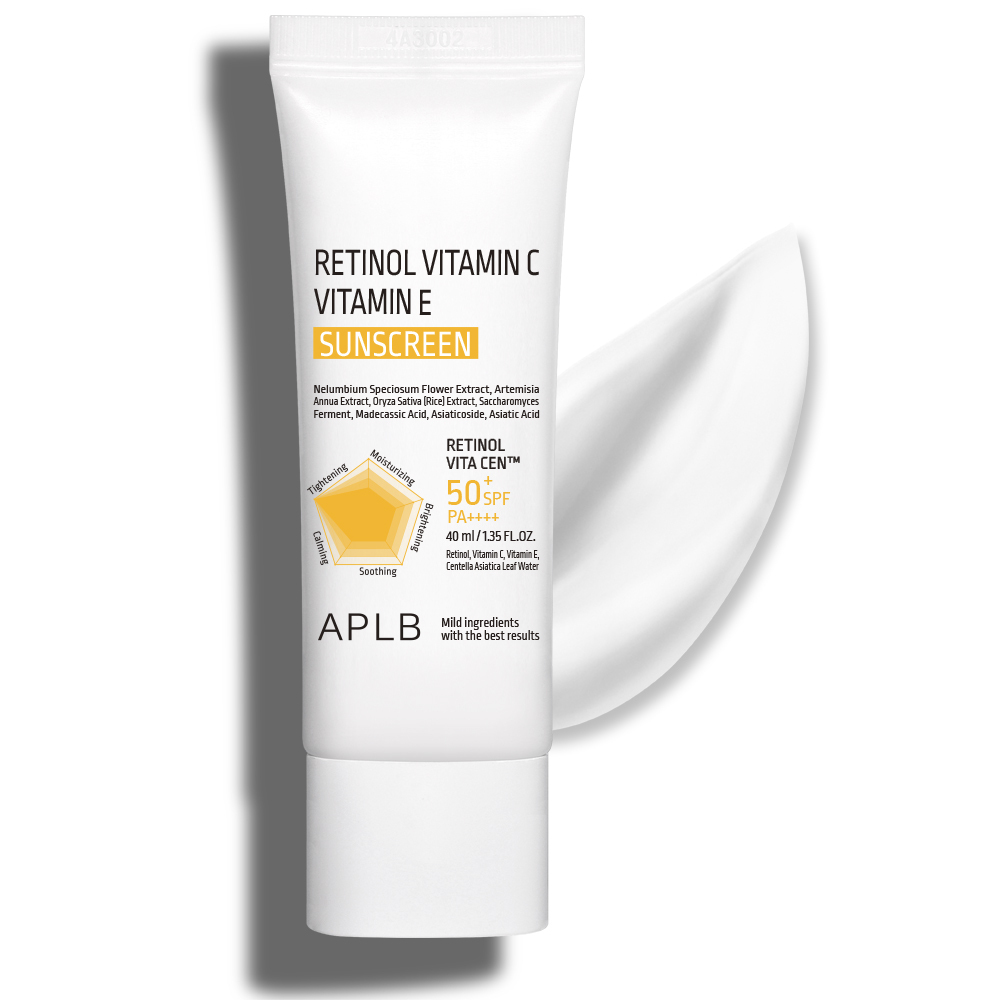
Retinol Vitamin C Vitamin E Sunscreen
APLB
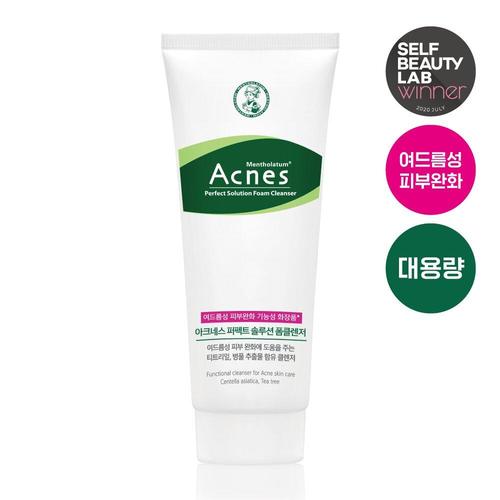
Perfect Solution Foam Cleanser
Acnes
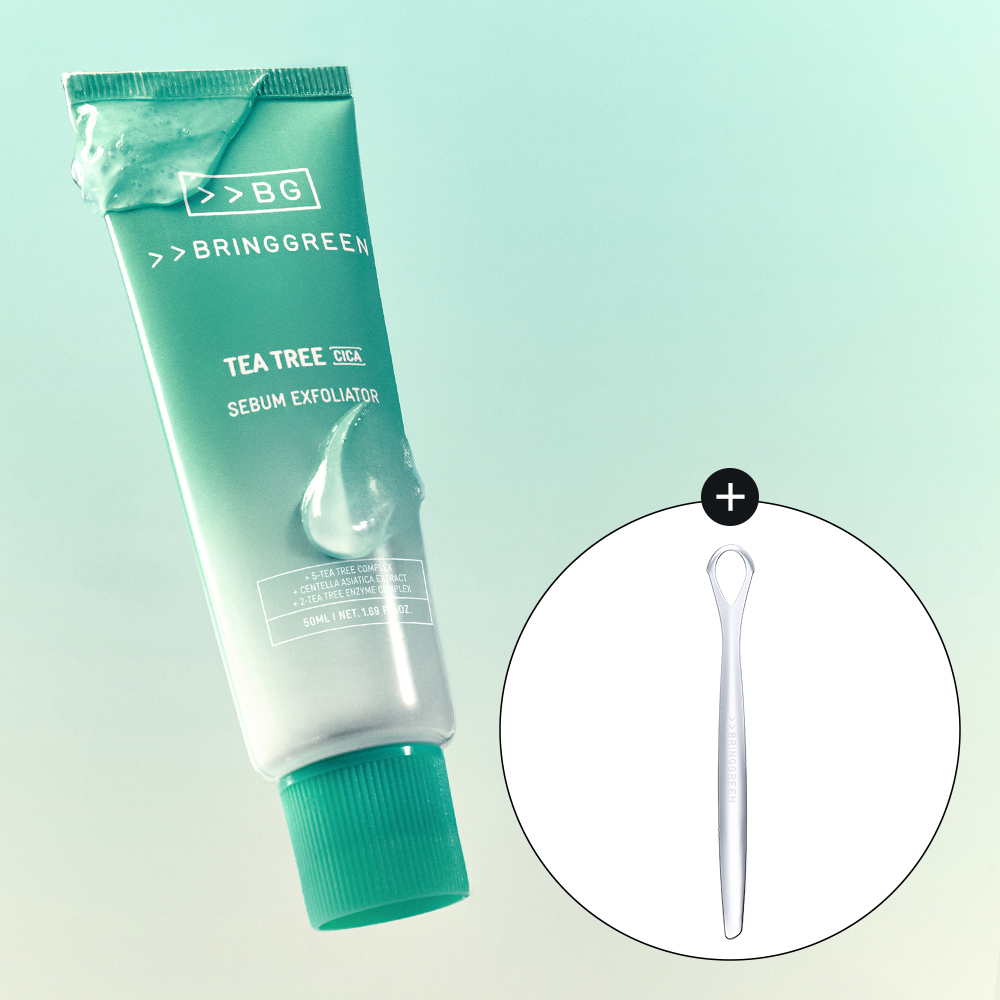
Tea Tree Cica Sebum Cleansing Gel Set
Bringgreen
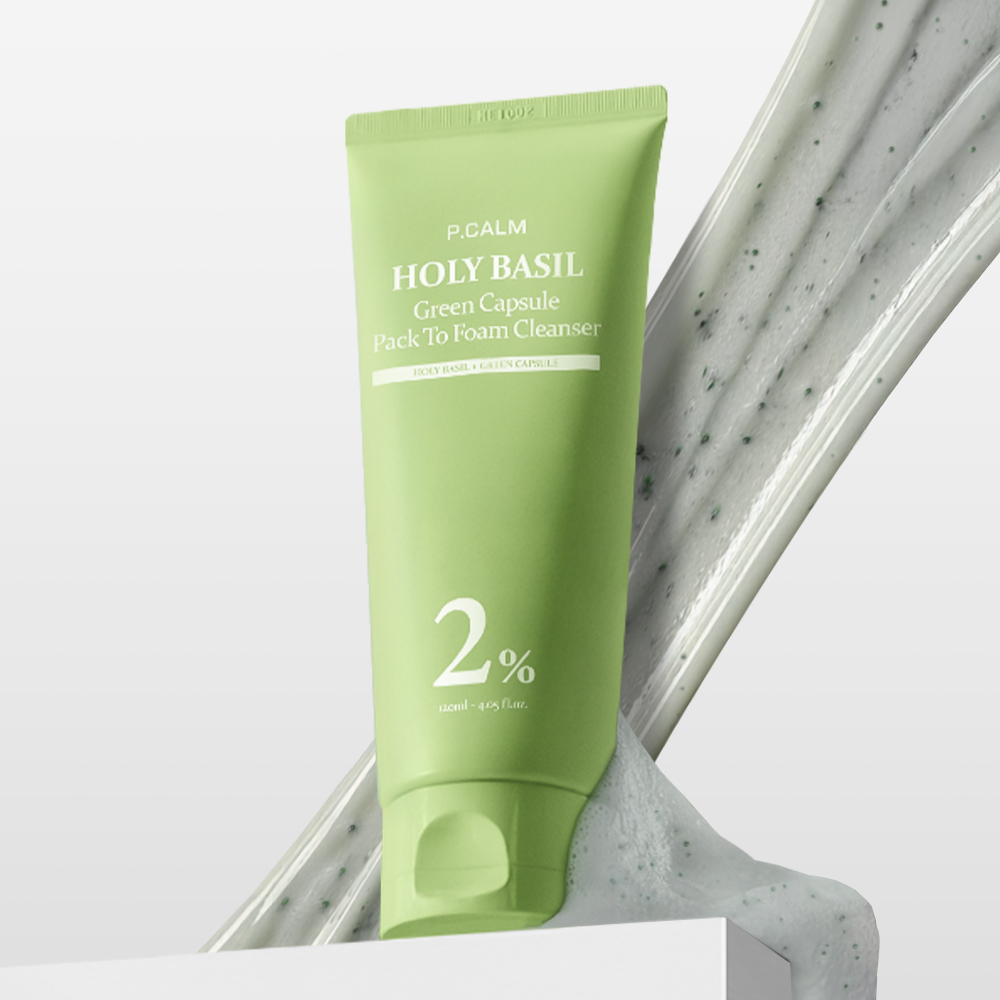
P.CALM Holy Basil Green Capsule Pack To Foam Cleanser
Beplain
Frequently Asked Questions
Is tea tree extract the same as tea tree oil?▼
Can I use tea tree extract if I'm pregnant or breastfeeding?▼
How long does it take to see results from tea tree extract?▼
Why does tea tree extract have a safety rating of 4/5 instead of 5/5?▼
Can tea tree extract help with fungal acne or just bacterial acne?▼
Explore More
Want personalized ingredient advice?
Yuri, our AI beauty advisor, can tell you how Tea Tree Extract works with your specific skin type, routine, and concerns.
Ask Yuri, free