Melatonin
Antioxidant and circadian rhythm regulator
About Melatonin
Melatonin is best known as the hormone that regulates sleep, but in skincare, it functions as a powerful antioxidant and skin protector. This naturally occurring molecule works beyond the typical vitamin C or niacinamide by targeting free radical damage at night, when skin is most vulnerable to oxidative stress from daily UV exposure and pollution. K-beauty brands have embraced melatonin for its dual ability to neutralize reactive oxygen species (ROS) and support the skin's natural repair cycle. Unlike oral melatonin supplements, topical application doesn't make you drowsy. Instead, it works at the cellular level to reduce inflammation, minimize pigmentation, and strengthen the skin barrier during its peak regeneration hours. With a comedogenic rating of 0/5, melatonin suits all skin types without clogging pores. Its presence in 11 products on Seoul Sister, including top-rated formulas like AROCELL's Mela TXA Sun Serum and Flaner's Grapefruit Jam Sleeping Pack, reflects growing recognition of its effectiveness. K-beauty chemists often pair melatonin with other antioxidants, brightening agents like tranexamic acid, or barrier-repair ingredients to amplify its protective and restorative benefits. The ingredient's safety rating of 4/5 indicates minimal irritation potential, making it accessible even for sensitive skin seeking gentle but effective anti-aging and brightening solutions.
How Melatonin Works
Melatonin functions as an indirect antioxidant, meaning it doesn't directly neutralize free radicals like vitamin E does. Instead, it stimulates the production of endogenous antioxidant enzymes like superoxide dismutase (SOD) and glutathione peroxidase, which provide long-lasting protection against oxidative stress. This mechanism makes melatonin up to twice as effective as vitamin E in some studies. When applied topically, melatonin penetrates the stratum corneum and binds to cellular receptors, triggering anti-inflammatory pathways and reducing cytokine production that leads to redness and irritation. It also inhibits tyrosinase activity, the enzyme responsible for melanin production, which helps fade hyperpigmentation and prevent new dark spots. Melatonin's circadian influence helps synchronize skin cell turnover, supporting the natural repair process that peaks between 11 PM and 4 AM. Additionally, it protects mitochondrial DNA from UV-induced damage, reducing premature aging at the cellular level. This multi-pathway approach makes melatonin particularly effective in overnight treatments and products designed to combat environmental damage accumulated during the day.
Melatonin by Skin Type
Oily Skin
Melatonin is excellent for oily skin due to its 0/5 comedogenic rating and anti-inflammatory properties. It helps calm acne-related inflammation without adding heaviness or clogging pores. The antioxidant action also protects against oxidative stress from sebum oxidation, which can worsen breakouts and post-inflammatory hyperpigmentation.
Dry Skin
Dry skin benefits from melatonin's ability to strengthen the skin barrier and reduce trans-epidermal water loss (TEWL). Its anti-inflammatory properties soothe irritation from dryness, while the antioxidant effects protect compromised skin from environmental stressors. Pair it with hydrating ingredients like hyaluronic acid for best results.
Combo Skin
Combination skin responds well to melatonin since it addresses both oily and dry areas without tipping the balance. The lightweight, non-comedogenic nature prevents congestion in the T-zone, while barrier-strengthening benefits help dry patches. It works particularly well in serums that can be layered with targeted treatments.
Sensitive Skin
Sensitive skin tolerates melatonin exceptionally well thanks to its anti-inflammatory and barrier-protective properties. With a safety rating of 4/5, it rarely triggers irritation and actively reduces redness and reactivity. Products like Parnell's Cicamanu 92 Serum (4.9/5) combine melatonin with soothing centella for enhanced tolerance.
Normal Skin
Normal skin uses melatonin as preventive maintenance against oxidative aging and environmental damage. It maintains skin health without disrupting balance, making it ideal for daily use in serums or overnight treatments. The brightening effects help maintain even tone, while antioxidant action prevents future damage.
How to Use Melatonin
- 1Apply melatonin products in your evening routine to align with skin's natural repair cycle and maximize its circadian-supporting benefits.
- 2Layer melatonin serums before heavier creams or sleeping packs, like Flaner's Grapefruit Jam Sleeping Pack (5.0/5), to ensure proper absorption.
- 3Pair with tranexamic acid or niacinamide for enhanced brightening effects. Products like AROCELL's Mela TXA Sun Serum combine these ingredients strategically.
- 4Use consistently for 4-6 weeks to see visible improvements in pigmentation, as melatonin's tyrosinase inhibition works gradually over time.
- 5Safe to use with retinoids or AHAs, but introduce slowly if combining multiple actives to monitor skin tolerance.
Background
Melatonin was first isolated in 1958 by dermatologist Aaron Lerner, who discovered its role in regulating pigmentation in amphibians. For decades, it remained primarily associated with circadian rhythm and sleep research. The skincare industry began exploring topical melatonin in the early 2000s when studies revealed its potent antioxidant properties, independent of its hormonal functions. K-beauty brands were among the pioneers in incorporating melatonin into cosmetic formulations, recognizing its synergy with the Korean skincare philosophy of overnight repair and prevention. The ingredient gained particular momentum around 2015-2018 when research confirmed its ability to protect against UV damage and reduce pigmentation. Korean chemists innovated by combining melatonin with traditional ingredients like centella asiatica and modern actives like tranexamic acid, creating multi-functional products that address both immediate concerns and long-term skin health.
K-Beauty Products with Melatonin
View all 13 →
Mela TXA Sun Serum
AROCELL
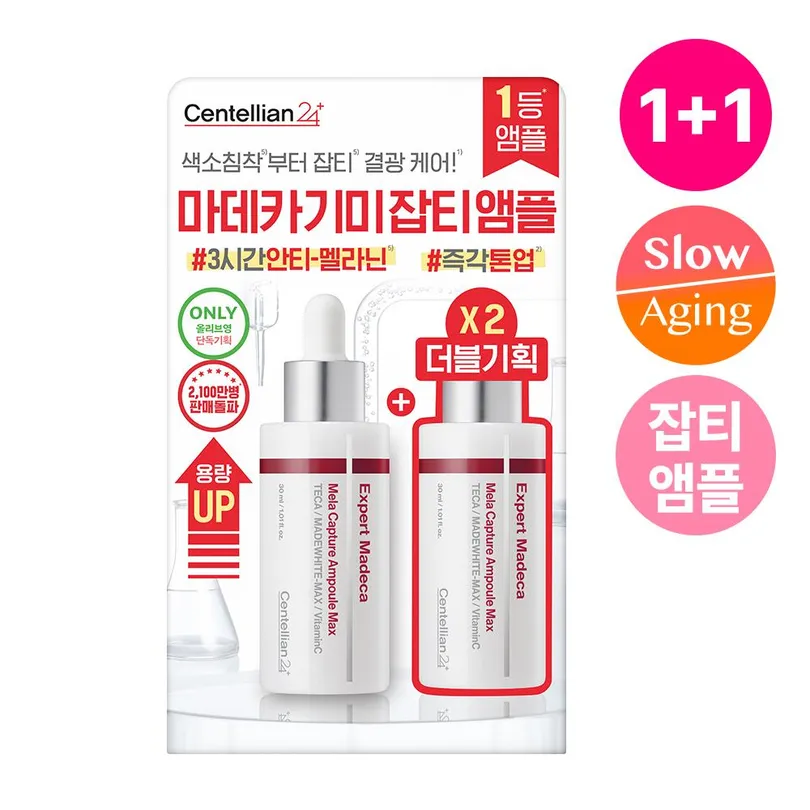
Expert Madeca Mela Capture Ampoule Max 30ml Double Pack
Centellian24
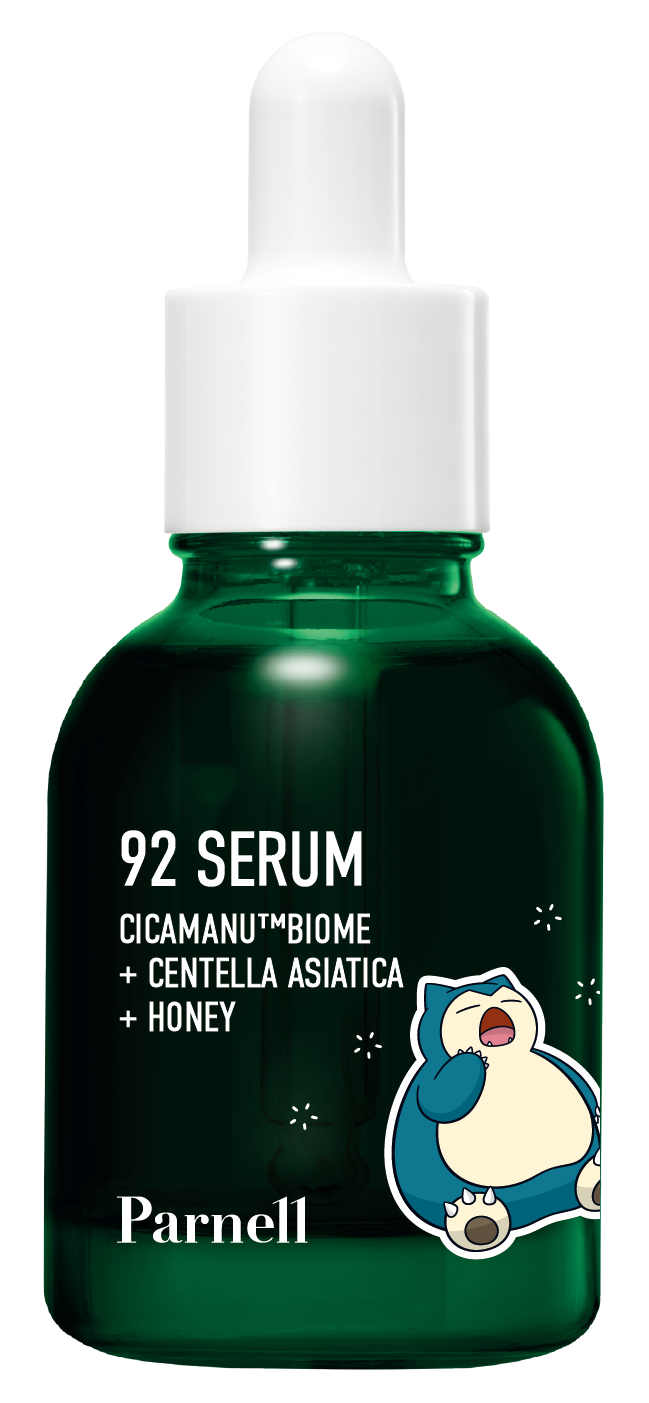
Cicamanu 92 Serum
Parnell

Mela TXA Mask Sheet 3ea Set (+1ea)
AROCELL
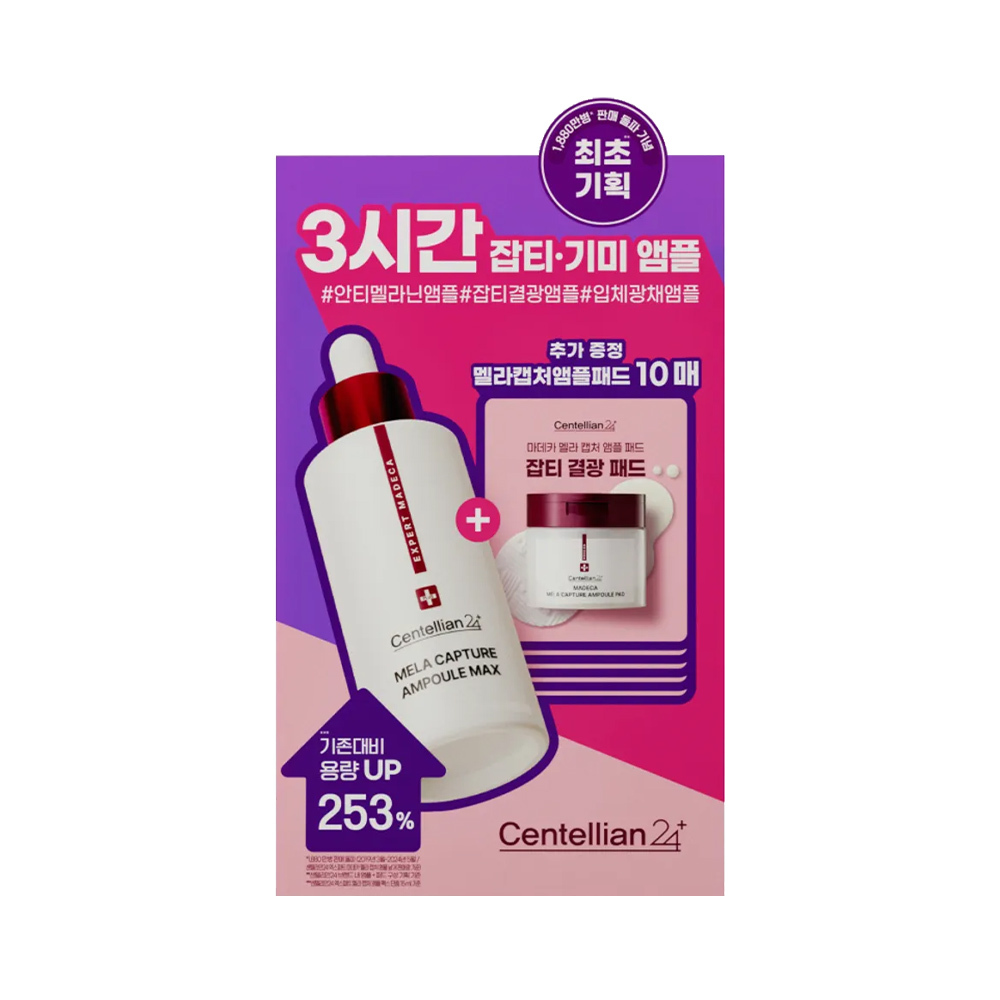
Madeca Mela Capture Ampoule Max
Centellian24
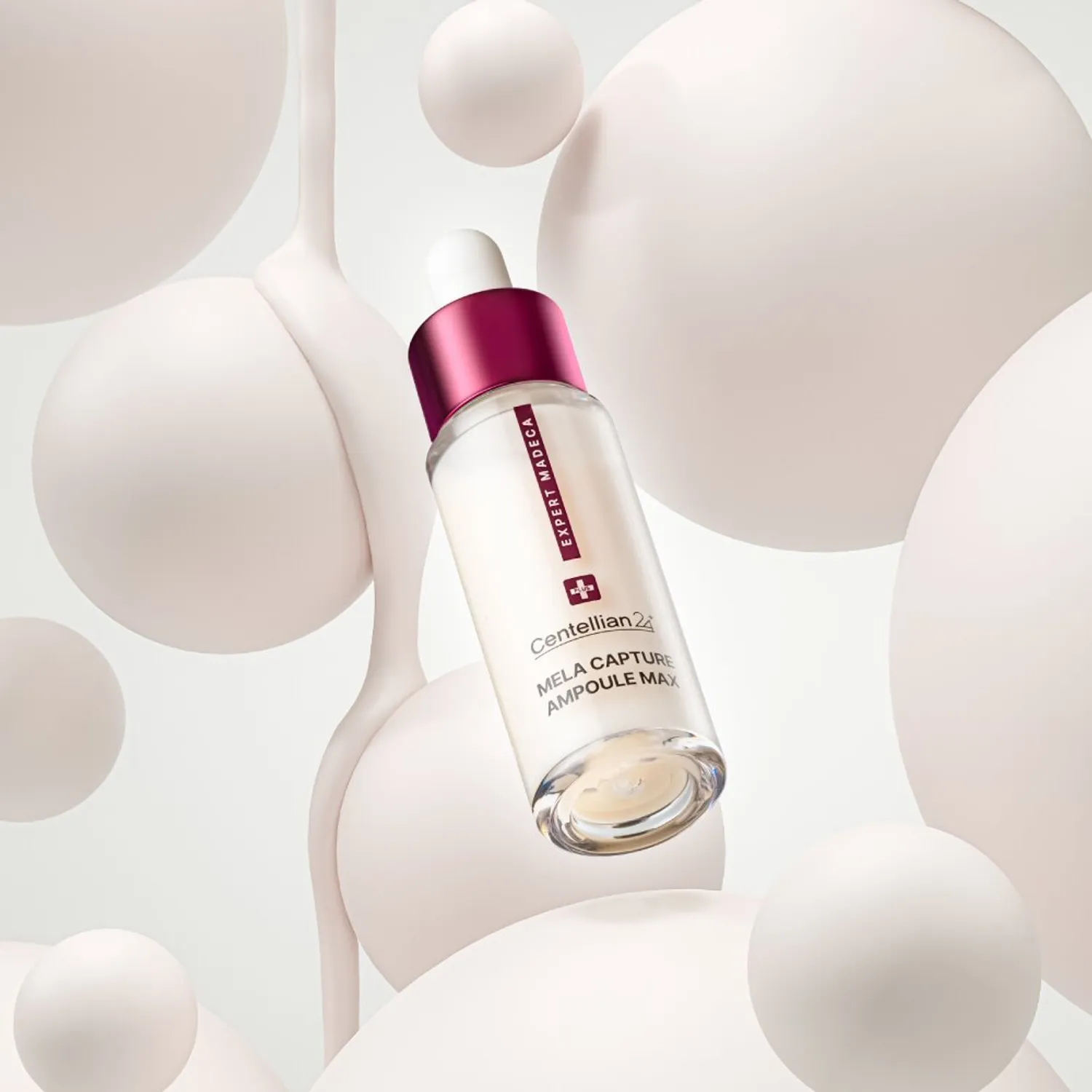
Expert Madeca Mela Capture Ampoule Max Double Set
Centellian24

Yuja Sleeping Pack
Hanyul
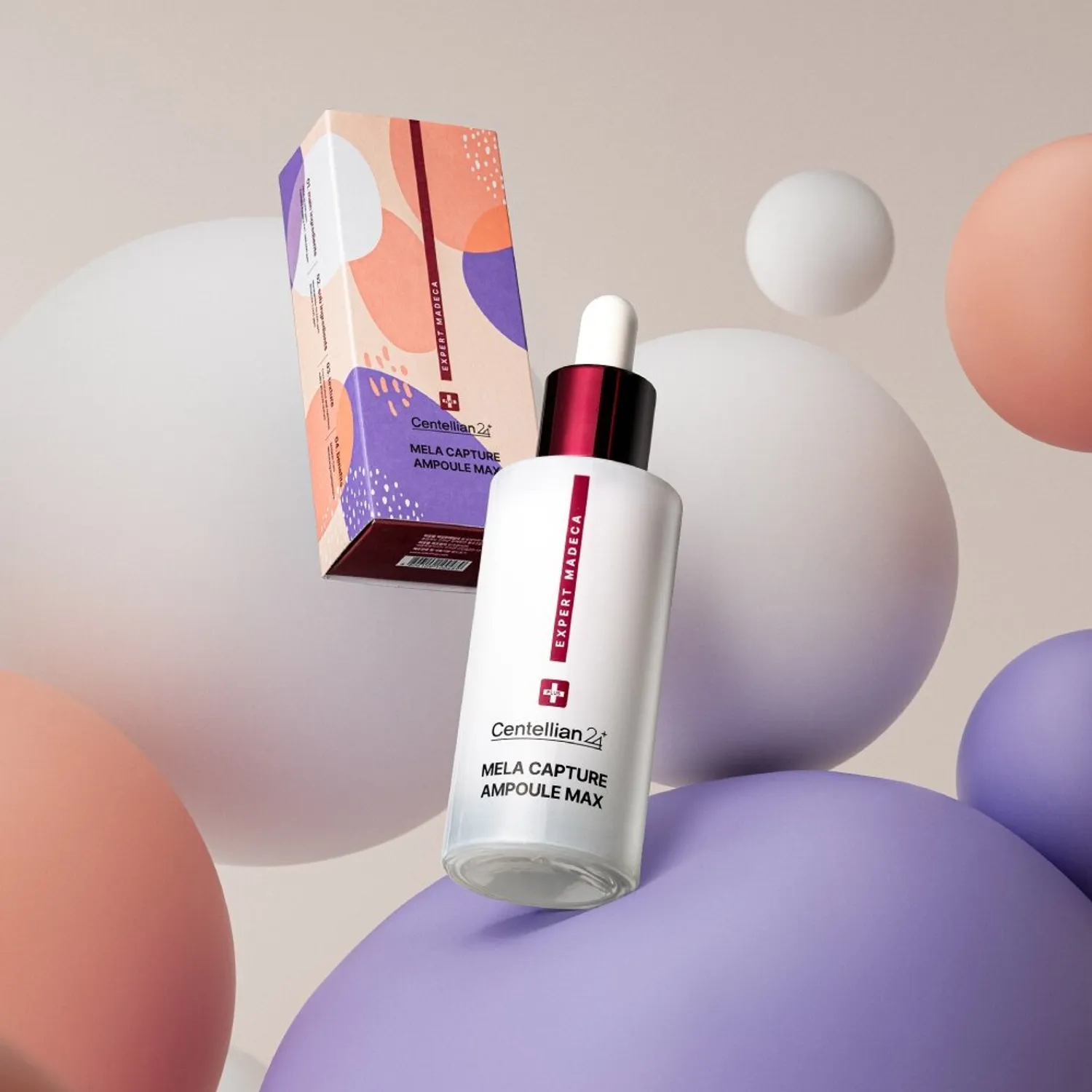
Expert Madeca Mela Capture Ampoule Max
Centellian24
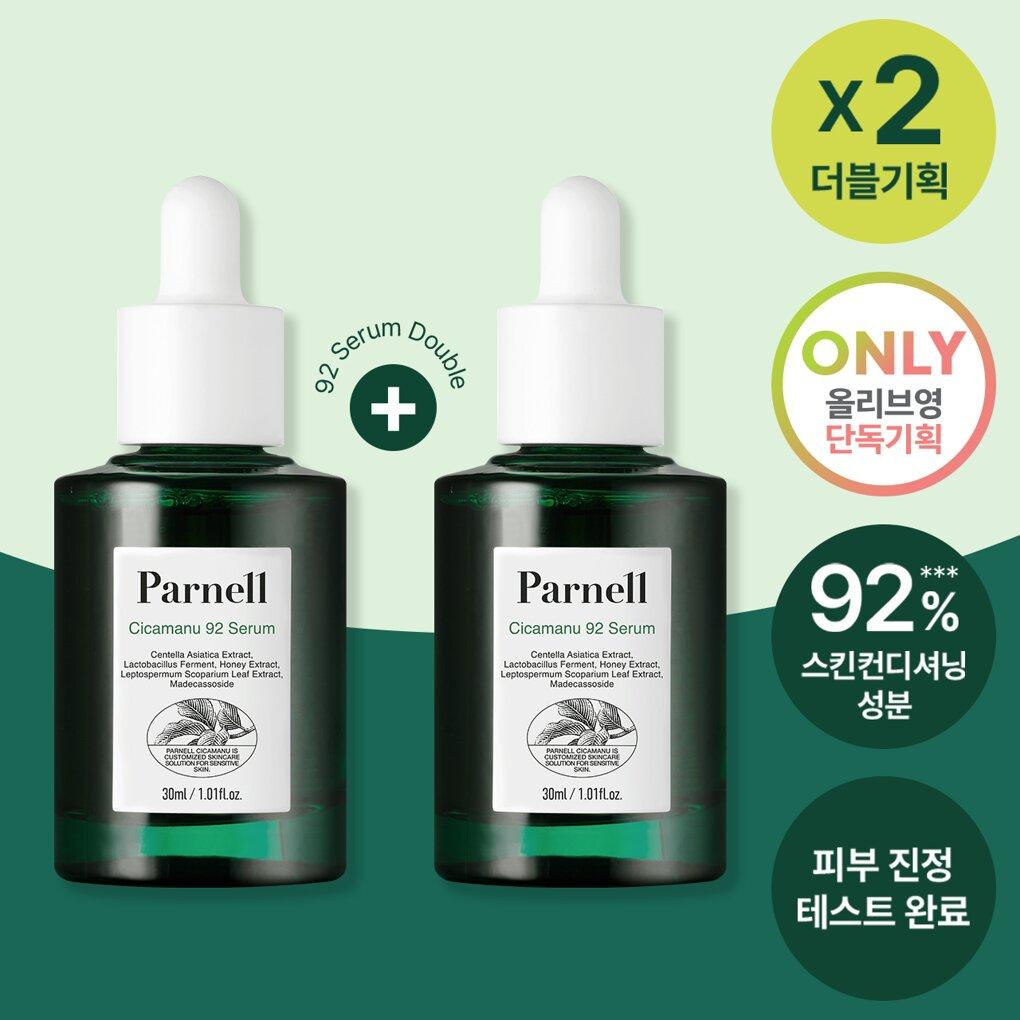
Cicamanu 92 Serum Double Set
Parnell

Madagascar Centella Hyalu-Cica Sleeping Pack
SKIN1004
Yoja Sleeping Mask
Hanyul
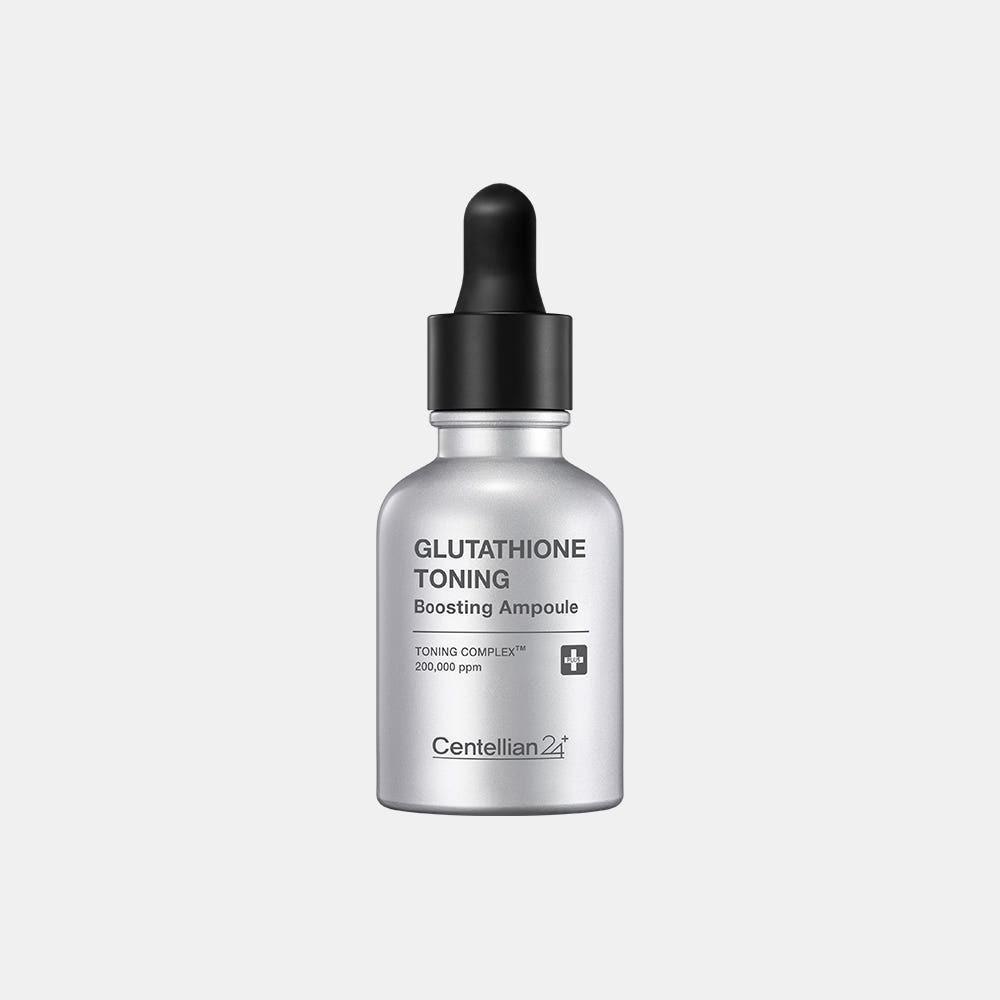
Glutathione Toning Boosting Ampoule
Centellian24
Frequently Asked Questions
Will topical melatonin make me sleepy or affect my sleep cycle?▼
How does melatonin compare to vitamin C for brightening dark spots?▼
Can I use melatonin skincare during the day or only at night?▼
Is melatonin safe during pregnancy or while breastfeeding?▼
Explore More
Want personalized ingredient advice?
Yuri, our AI beauty advisor, can tell you how Melatonin works with your specific skin type, routine, and concerns.
Ask Yuri, free