Neem Bark Extract
INCI: Melia Azadirachta Bark Extract
Antimicrobial and skin soothing botanical extract
About Neem Bark Extract
Neem bark extract comes from the Azadirachta indica tree, a botanical powerhouse that's been used in Ayurvedic medicine for thousands of years. In K-beauty, it's valued primarily for its antimicrobial and anti-inflammatory properties, making it a smart choice for formulas targeting acne, irritation, and skin sensitivity. The extract contains active compounds like nimbidin and nimbin that help calm redness and support the skin's natural defense against bacteria without stripping or over-drying. With a comedogenic rating of just 1 out of 5, it's considered safe for acne-prone skin, which is why you'll find it in popular products like Banila Co's Mommycare Sea Grape Cleansing Oil (5.0/5) and Anua's Little Drops Calming Days Ampoule (5.0/5). While neem oil can be quite potent and potentially irritating, neem bark extract tends to be gentler, delivering soothing benefits without the harsh intensity. Korean skincare brands incorporate it into cleansers, ampoules, and even sun protection products as a natural way to keep skin balanced and clear. Its safety rating of 4 out of 5 reflects its general tolerance across skin types, though people with extremely sensitive skin should still patch test. If you're dealing with occasional breakouts, congestion, or reactive skin, neem bark extract offers a botanical alternative to harsher actives.
How Neem Bark Extract Works
Neem bark extract works through a combination of antibacterial, anti-inflammatory, and antioxidant mechanisms. The active compounds, particularly nimbidin and quercetin, interfere with bacterial cell wall synthesis, which helps reduce the presence of acne-causing bacteria like Cutibacterium acnes on the skin's surface. At the same time, these compounds inhibit pro-inflammatory cytokines, the signaling molecules that trigger redness, swelling, and discomfort. This dual action makes neem bark extract especially useful for inflammatory acne and sensitized skin conditions. Additionally, the extract contains flavonoids and polyphenols that neutralize free radicals, protecting skin cells from oxidative stress that can accelerate aging and compromise the skin barrier. Unlike exfoliating acids or retinoids that work by increasing cell turnover, neem bark extract supports skin health by creating a less hospitable environment for problem-causing microbes while calming existing inflammation. This gentler approach explains why it's often paired with other soothing ingredients in K-beauty formulations rather than serving as a solo active.
Neem Bark Extract by Skin Type
Oily Skin
Neem bark extract is particularly beneficial for oily skin types prone to congestion and breakouts. Its antimicrobial properties help keep pore-clogging bacteria in check without disrupting sebum production or causing excessive dryness. The low comedogenic rating (1/5) means it won't contribute to blocked pores, making it a safe addition to your routine.
Dry Skin
While neem bark extract isn't hydrating on its own, it can still support dry skin by reducing inflammation that compromises the moisture barrier. If you have dry skin with occasional irritation or sensitivity, look for products that pair neem bark with moisturizing ingredients like ceramides or hyaluronic acid. On its own, it won't address dryness but can help maintain a calm, balanced complexion.
Combo Skin
Combination skin benefits from neem bark extract's ability to address multiple concerns at once. It can calm oiliness and breakouts in the T-zone while its anti-inflammatory properties soothe any dry or sensitive patches on the cheeks. Products like the Anua Heartleaf Double Cleansing Set (4.8/5) use neem bark as part of a balanced formula suitable for this skin type.
Sensitive Skin
Neem bark extract is generally well-tolerated by sensitive skin, especially compared to more aggressive antibacterial ingredients like benzoyl peroxide or tea tree oil. Its soothing and anti-inflammatory properties can help reduce reactivity and redness. However, if you have extremely sensitive skin or known plant allergies, patch testing is recommended before full application.
Normal Skin
For normal skin, neem bark extract serves as a preventative ingredient that maintains balance and defends against occasional irritation or breakouts. It's gentle enough for daily use and won't disrupt your skin's equilibrium. You'll find it in well-rounded products like the Beauty of Joseon Matte Sun Stick (4.8/5), where it adds antimicrobial protection alongside sun defense.
How to Use Neem Bark Extract
- 1Start with leave-on products like ampoules or serums (such as Anua's Little Drops Calming Days Ampoule) rather than rinse-off cleansers to maximize contact time with skin and see better results.
- 2Pair neem bark extract with hydrating ingredients like hyaluronic acid or centella asiatica if you have dry or combination skin to prevent any potential tightness.
- 3If you're using neem bark extract for acne, give it at least 4-6 weeks of consistent use before evaluating effectiveness, as antimicrobial ingredients work gradually.
- 4Avoid layering neem bark extract with too many other active ingredients (like retinol or AHAs) initially, especially if you have sensitive skin, to prevent overwhelming your barrier.
Background
Neem has been a cornerstone of Ayurvedic medicine in India for over 4,000 years, traditionally used to treat everything from skin infections to digestive issues. The tree itself is sometimes called the "village pharmacy" because nearly every part (leaves, bark, seeds, flowers) has medicinal applications. Neem bark specifically has been used in topical preparations for wounds, inflammation, and skin diseases long before modern cosmetic science isolated its active compounds. K-beauty brands began incorporating neem bark extract in the 2010s as consumer interest in natural, plant-based actives with antimicrobial properties grew. Unlike the more pungent neem oil, the bark extract offers a milder, more cosmetically elegant way to harness neem's benefits, making it easier to formulate into lightweight serums and cleansers. Today, it appears in products focused on calming, clarifying, and protecting skin, bridging ancient botanical wisdom with modern Korean skincare innovation.
K-Beauty Products with Neem Bark Extract
View all 18 →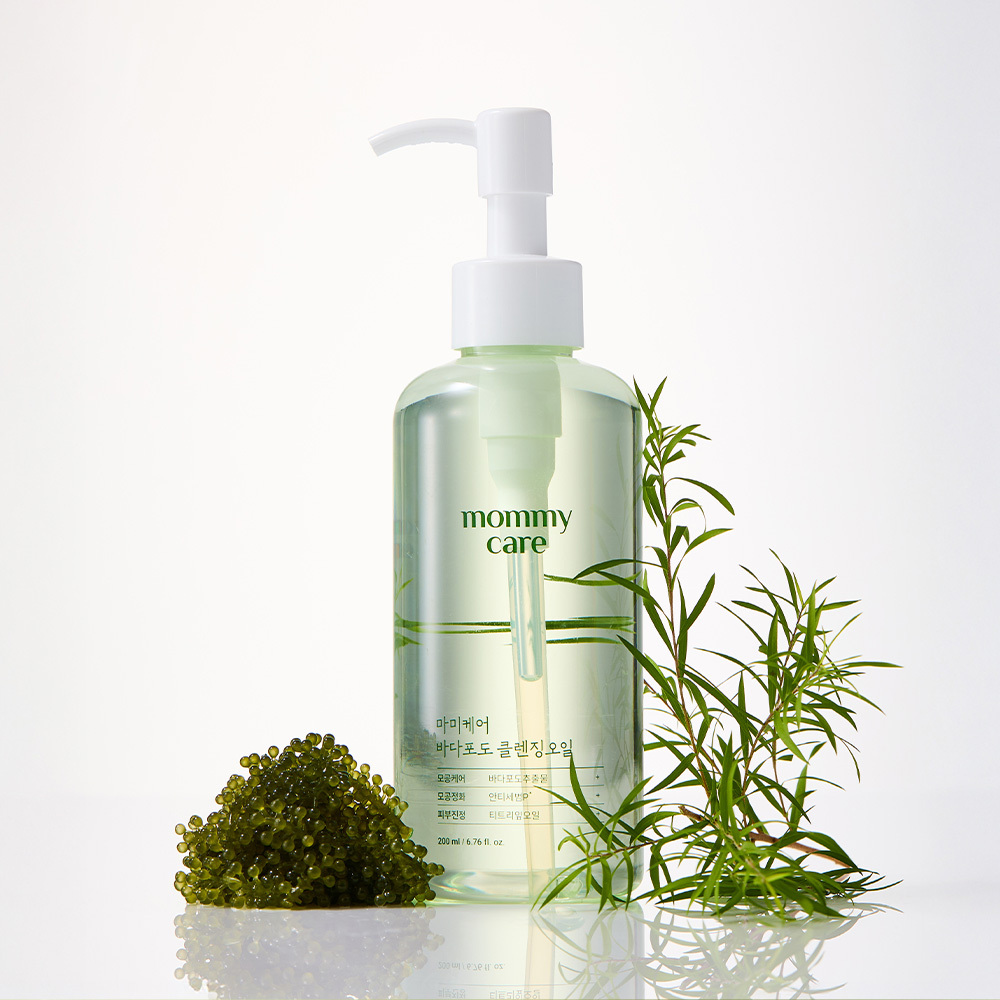
Mommycare Sea Grape Cleansing Oil
Banila Co
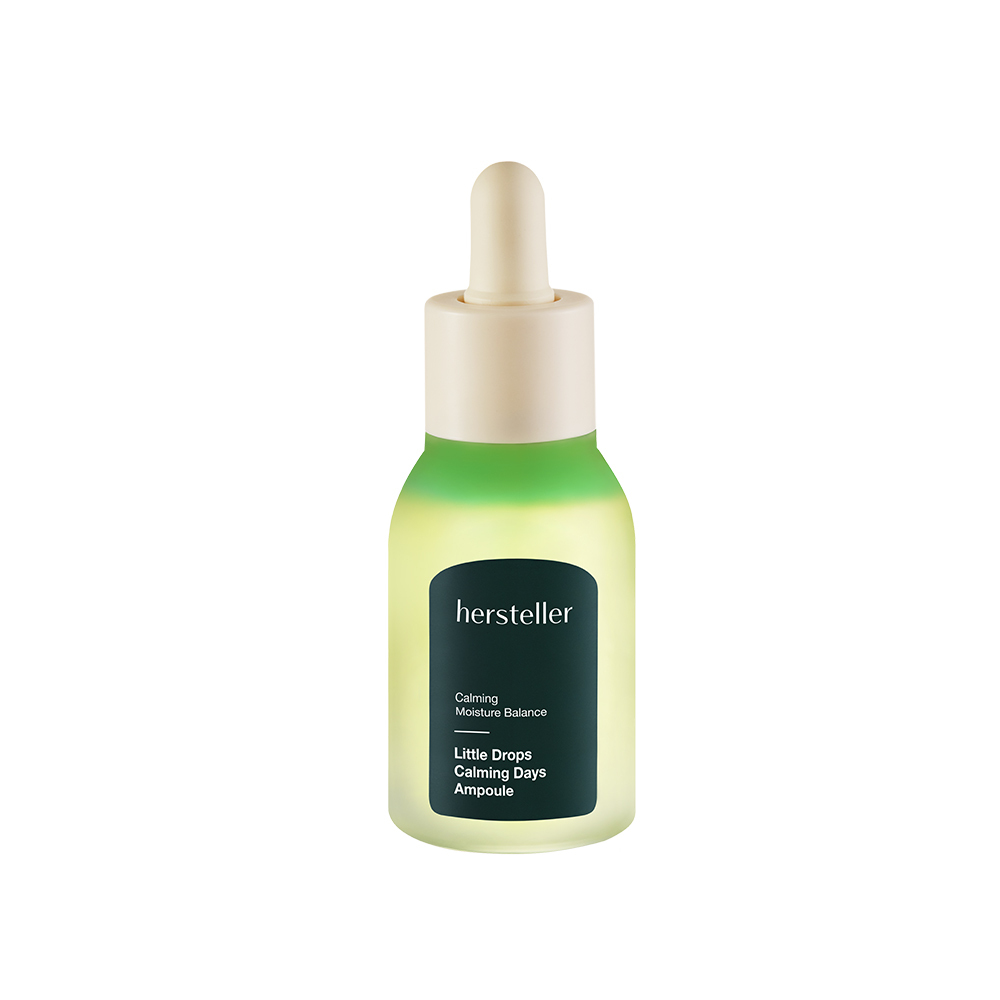
Little Drops Calming Days Ampoule
Anua

Clean It Zero Cleansing Balm White
Banila Co
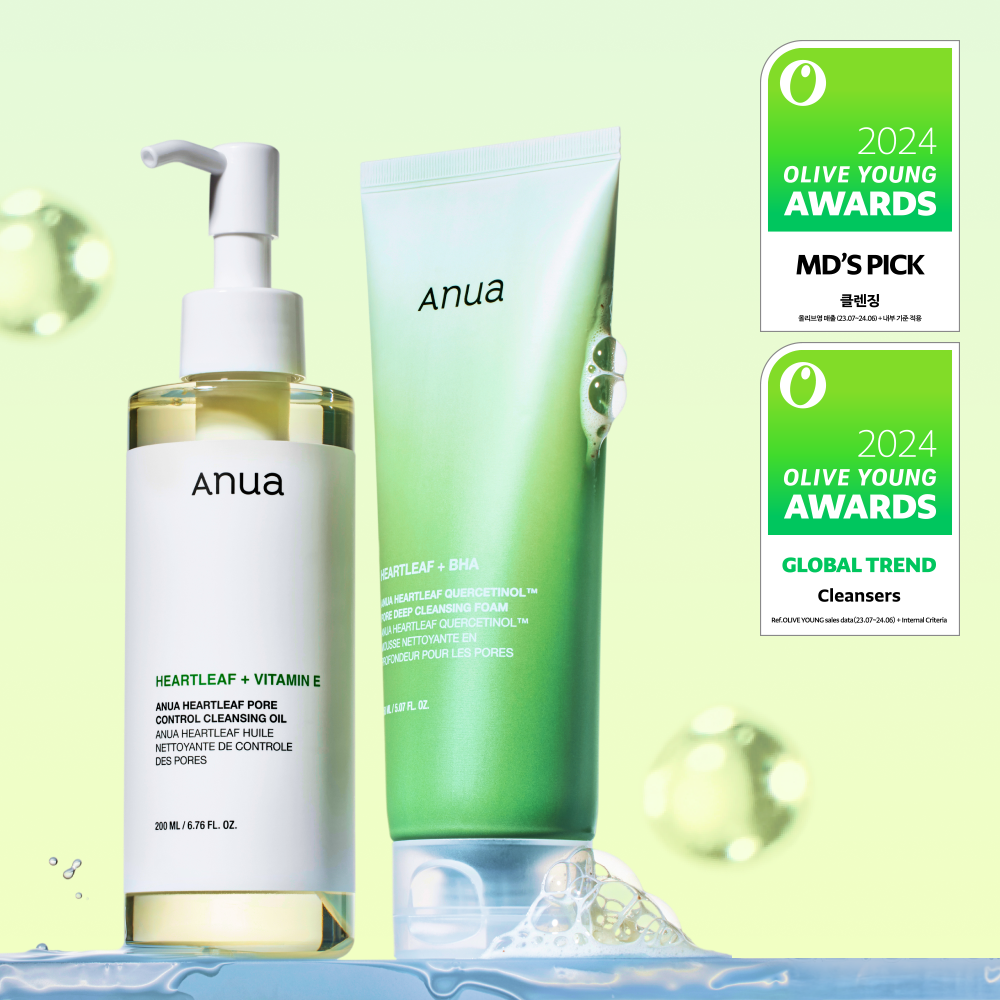
Heartleaf Double Cleansing Set
Anua
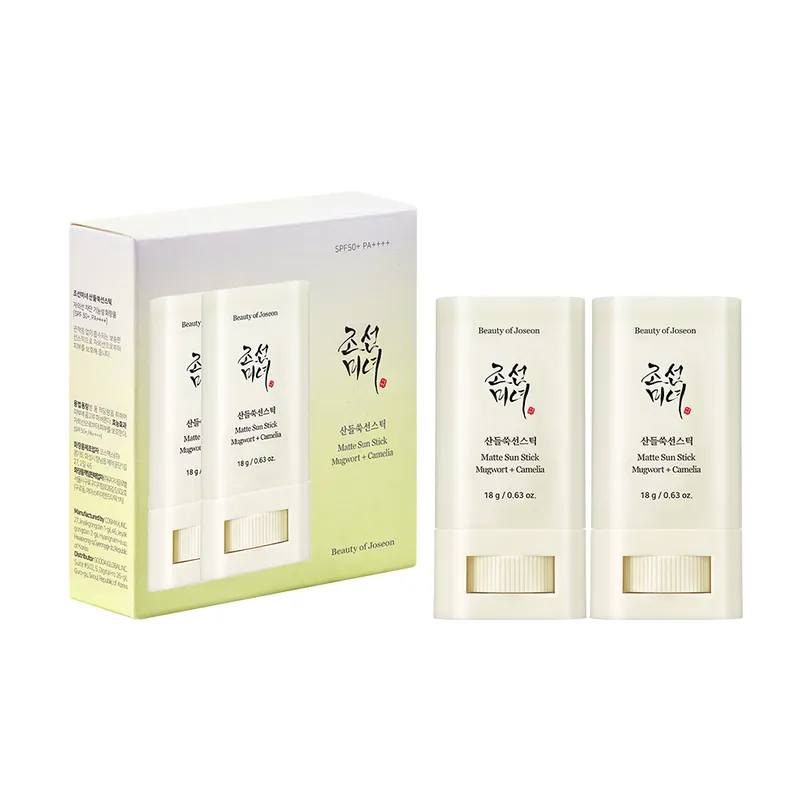
Matte Sun Stick: Mugwort + Camelia Double Pack
Beauty of Joseon

Heartleaf Pore Control Cleansing Oil Double Set
Anua
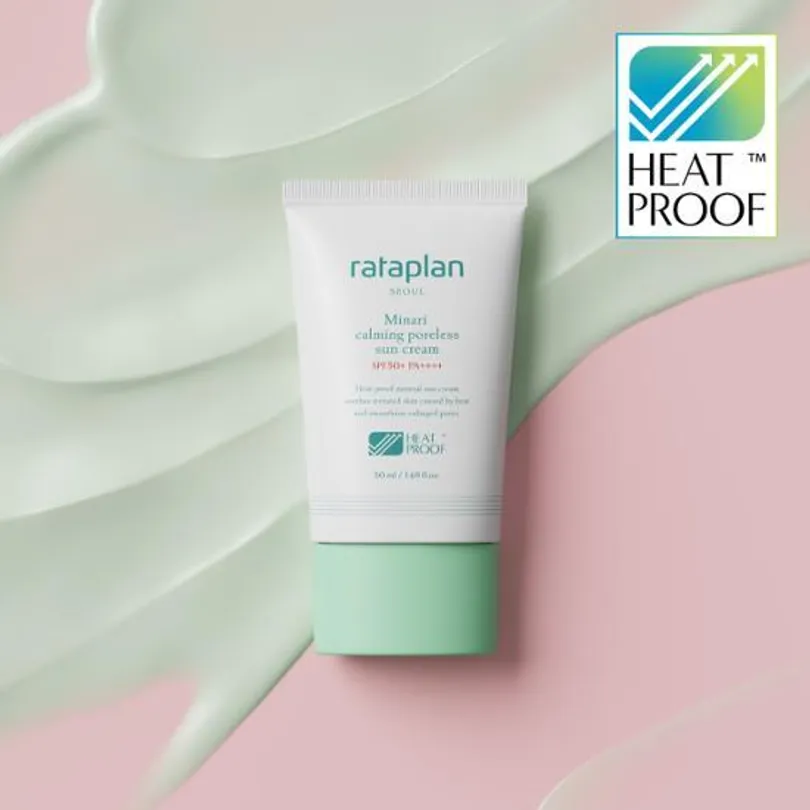
Minari Calming Poreless Sun Cream
Rataplan
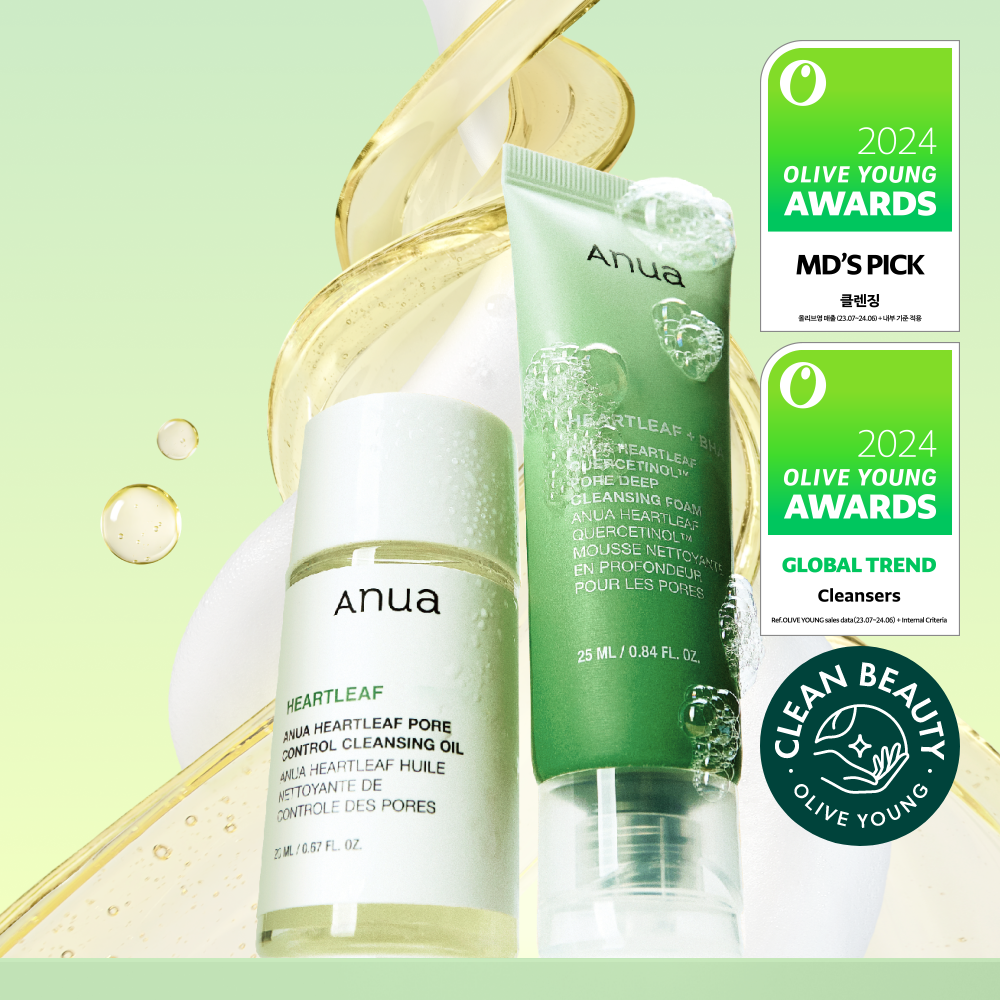
Heartleaf Travel Cleansing Set
Anua
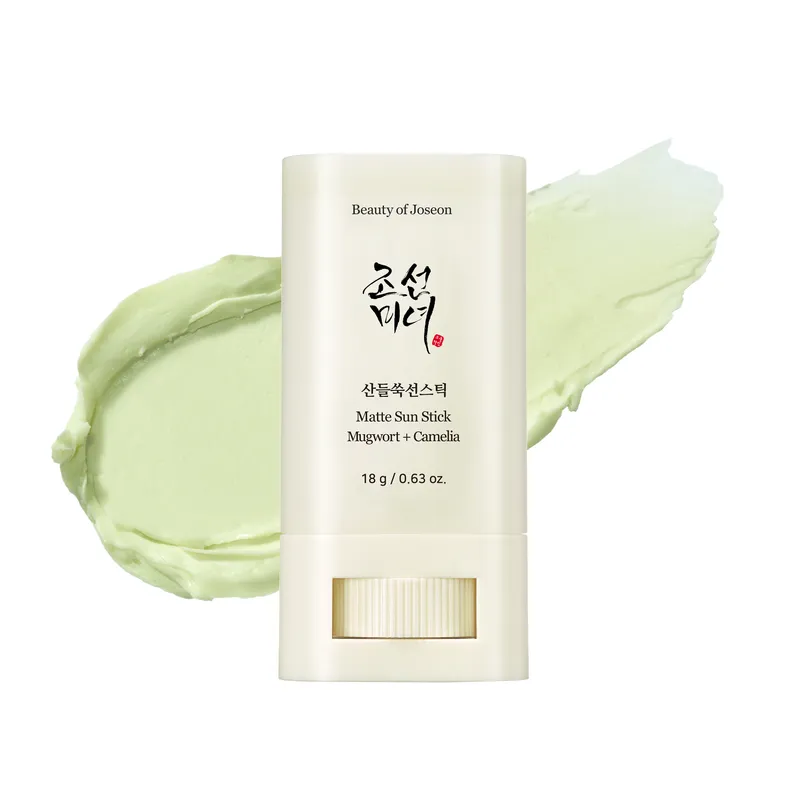
Matte Sun Stick: Mugwort + Camelia
Beauty of Joseon

Heartleaf Pore Control Cleansing Oil
Anua
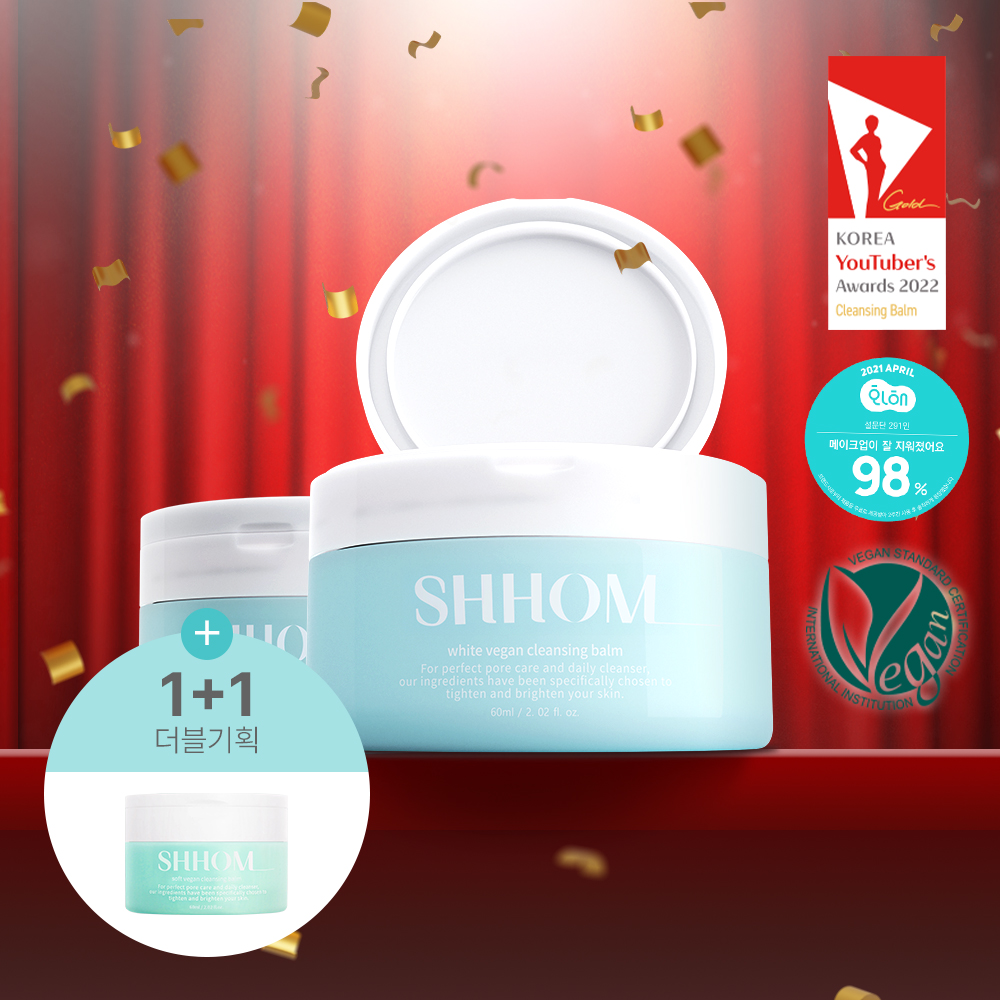
Soft Vegan Cleansing Balm Double Pack
Banila Co
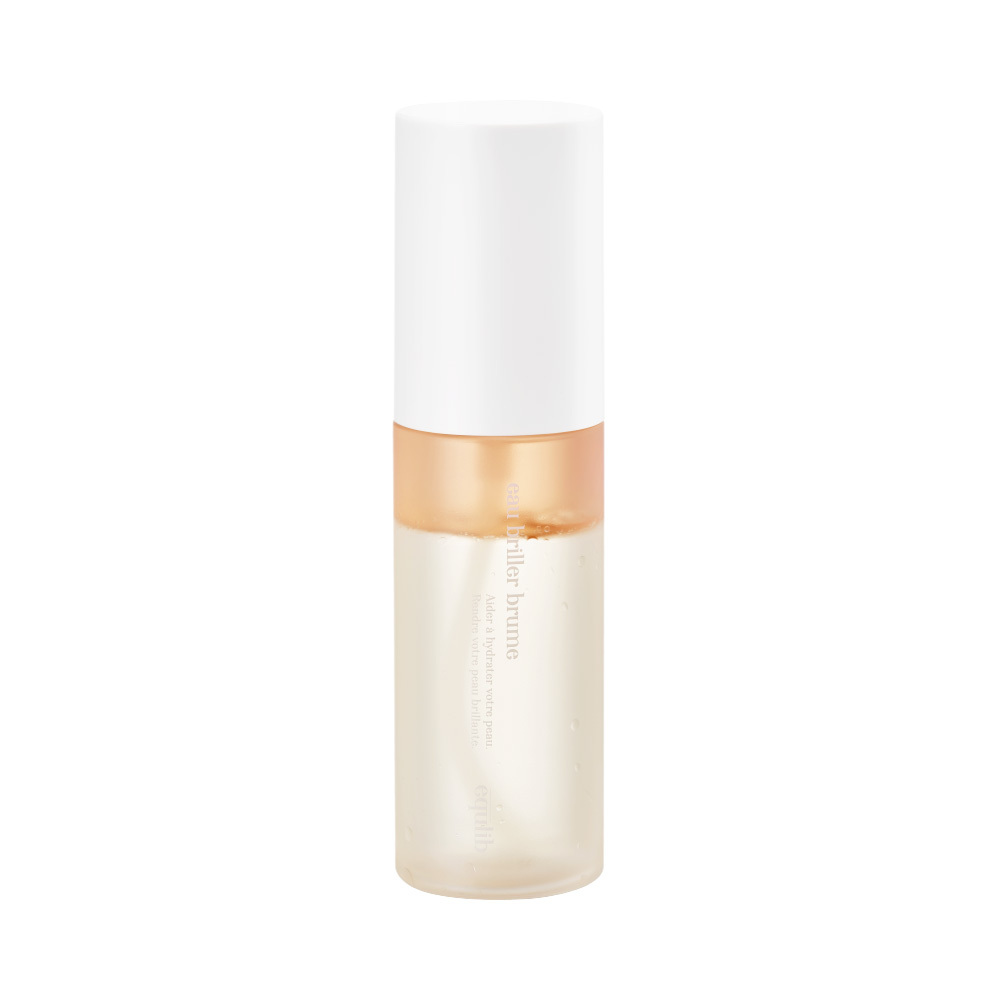
Eau Briller Brume Water Essence
Anua
Frequently Asked Questions
Is neem bark extract the same as neem oil?▼
Can neem bark extract help with acne?▼
Will neem bark extract dry out my skin?▼
Is neem bark extract safe for sensitive skin?▼
How often should I use products with neem bark extract?▼
Explore More
Want personalized ingredient advice?
Yuri, our AI beauty advisor, can tell you how Neem Bark Extract works with your specific skin type, routine, and concerns.
Ask Yuri, free