Neem Leaf Extract
INCI: Melia Azadirachta Leaf Extract
Antibacterial and soothing plant extract
About Neem Leaf Extract
Neem Leaf Extract, derived from the Azadirachta indica tree (often called the 'village pharmacy' in India), is a powerhouse antibacterial and anti-inflammatory ingredient that has gained serious traction in K-beauty formulations. This extract contains over 140 bioactive compounds, including nimbin, nimbidin, and quercetin, which work synergistically to combat acne-causing bacteria, reduce inflammation, and regulate sebum production. In K-beauty, neem appears predominantly in cleansers and targeted treatments where its purifying properties can work without overwhelming sensitive skin. With a comedogenic rating of just 1 out of 5, it's one of the few antibacterial botanicals that can deeply cleanse pores without clogging them or causing congestion. The extract's appearance in 489 products on Seoul Sister reflects its versatility across different product categories, from the VT PDRN Capsule Cream (which pairs it with regenerative ingredients) to multiple high-rated cleansing formulas from Beplain and Dr.G. What makes neem particularly valuable in modern K-beauty is its ability to address multiple skin concerns simultaneously. It doesn't just kill bacteria, it actively soothes irritated skin, helps fade post-acne marks through gentle exfoliation, and provides antioxidant protection against environmental stressors. For consumers looking to transition away from harsher synthetic antibacterials like triclosan or seeking natural alternatives to benzoyl peroxide, neem offers a gentler but still effective option backed by both traditional use and contemporary research.
How Neem Leaf Extract Works
At the cellular level, neem leaf extract operates through multiple mechanisms that make it exceptionally effective for problematic skin. The primary antibacterial action comes from nimbidin and other limonoids that disrupt the cell membranes of acne-causing bacteria (particularly Propionibacterium acnes and Staphylococcus epidermidis), essentially causing these microbes to leak and die. Unlike antibiotic treatments that bacteria can develop resistance to, neem's complex mixture of compounds makes it nearly impossible for bacteria to adapt. The extract also inhibits the enzyme 5-alpha reductase, which converts testosterone to DHT, a hormone that triggers excess sebum production and inflammatory acne. On the inflammation front, neem's flavonoids and nimbin compounds suppress pro-inflammatory cytokines (specifically IL-1β, IL-6, and TNF-α) that cause the redness, swelling, and pain associated with breakouts. Additionally, quercetin and other polyphenols in the extract scavenge free radicals that would otherwise damage skin cells and accelerate aging. The extract also contains compounds that inhibit tyrosinase activity, the enzyme responsible for melanin production, which helps prevent and fade post-inflammatory hyperpigmentation that often lingers after acne heals.
Neem Leaf Extract by Skin Type
Oily Skin
Neem is particularly beneficial for oily skin types due to its sebum-regulating properties and ability to deep-clean pores without stripping. The extract helps normalize oil production over time rather than just absorbing surface sebum, leading to longer-lasting matteness. Its antibacterial action also prevents the formation of new breakouts, which oily skin is more prone to developing.
Dry Skin
While neem is antibacterial, it's surprisingly suitable for dry skin when formulated properly in hydrating bases. The anti-inflammatory properties can soothe dry, irritated patches, and the antioxidants protect compromised moisture barriers. However, dry skin types should look for neem in cream or balm formulas (like the VT PDRN Capsule Cream) rather than astringent toners or foaming cleansers that might increase dryness.
Combo Skin
This is where neem truly shines, as combination skin needs an ingredient that can address oily T-zone congestion without aggravating drier cheek areas. Neem's low comedogenic rating means it won't clog pores in oily zones, while its soothing properties prevent irritation in drier areas. The multiple high-rated cleansing balms containing neem (like Beplain's Mung Bean formulas) are particularly well-suited for combination skin's varied needs.
Sensitive Skin
Despite its potent antibacterial action, neem is generally well-tolerated by sensitive skin when used at appropriate concentrations (typically 1-5% in K-beauty products). The anti-inflammatory compounds actually help calm reactivity and reduce redness. However, those with severe sensitivity or known allergies to plants in the Meliaceae family should patch test first, as the extract's complex composition can occasionally trigger reactions in highly reactive skin.
Normal Skin
Normal skin can use neem as a preventative measure to maintain clear, balanced skin and protect against environmental aggressors. The antioxidant content helps prevent premature aging, while the gentle antibacterial properties keep occasional breakouts at bay. Normal skin types have the most flexibility in choosing neem product formats, from lightweight cleansers to richer creams.
How to Use Neem Leaf Extract
- 1Start with leave-on products containing neem (like the VT PDRN Capsule Cream) before trying cleansers, as this allows you to assess tolerance with lower concentrations that have more buffering ingredients.
- 2For active breakouts, apply neem-containing products directly to affected areas after cleansing but before heavier moisturizers to maximize antibacterial contact with skin.
- 3When using neem cleansers (like the highly-rated Beplain or Dr.G options), massage for 60-90 seconds to allow the antibacterial compounds time to work before rinsing.
- 4Pair neem with hydrating ingredients like hyaluronic acid or ceramides if you notice any dryness, as this maintains the antibacterial benefits while supporting your moisture barrier.
- 5Avoid combining neem with other strong actives like high-percentage retinoids or acids in the same routine initially, as this can increase sensitivity; introduce gradually once tolerance is established.
Background
Neem has been used in Ayurvedic medicine for over 4,000 years, where it's revered as 'Sarva Roga Nivarini' (the curer of all ailments). Every part of the neem tree has medicinal applications, but the leaves specifically have been used traditionally to treat skin infections, wounds, and various dermatological conditions throughout India and Southeast Asia. Ancient practitioners would create poultices from crushed neem leaves or bathe in neem-infused water to treat skin diseases. The ingredient's introduction into modern skincare began in the 1990s when researchers isolated and studied its active compounds, validating many of its traditional uses with scientific evidence. K-beauty brands embraced neem in the 2010s as part of the broader trend toward incorporating proven botanical ingredients from various healing traditions. Its appearance in cleansing products specifically reflects K-beauty's philosophy of thorough but gentle purification. The high concentration of neem in products from brands like Beplain and Dr.G demonstrates how K-beauty has successfully integrated this ancient ingredient into modern formulations that balance efficacy with the skin-first approach Korean skincare is known for.
K-Beauty Products with Neem Leaf Extract
View all 561 →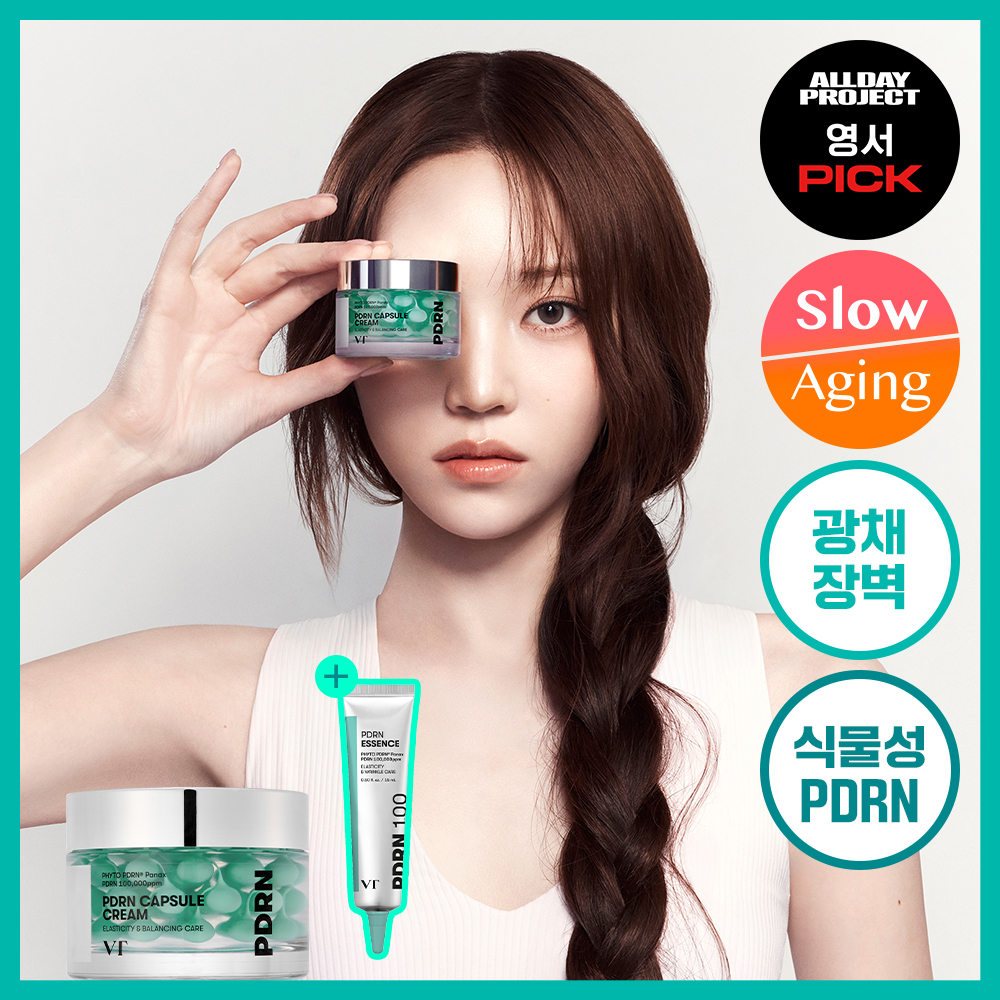
PDRN Capsule Cream 100
VT

Mung Bean pH-Balanced Cleansing Foam
Beplain
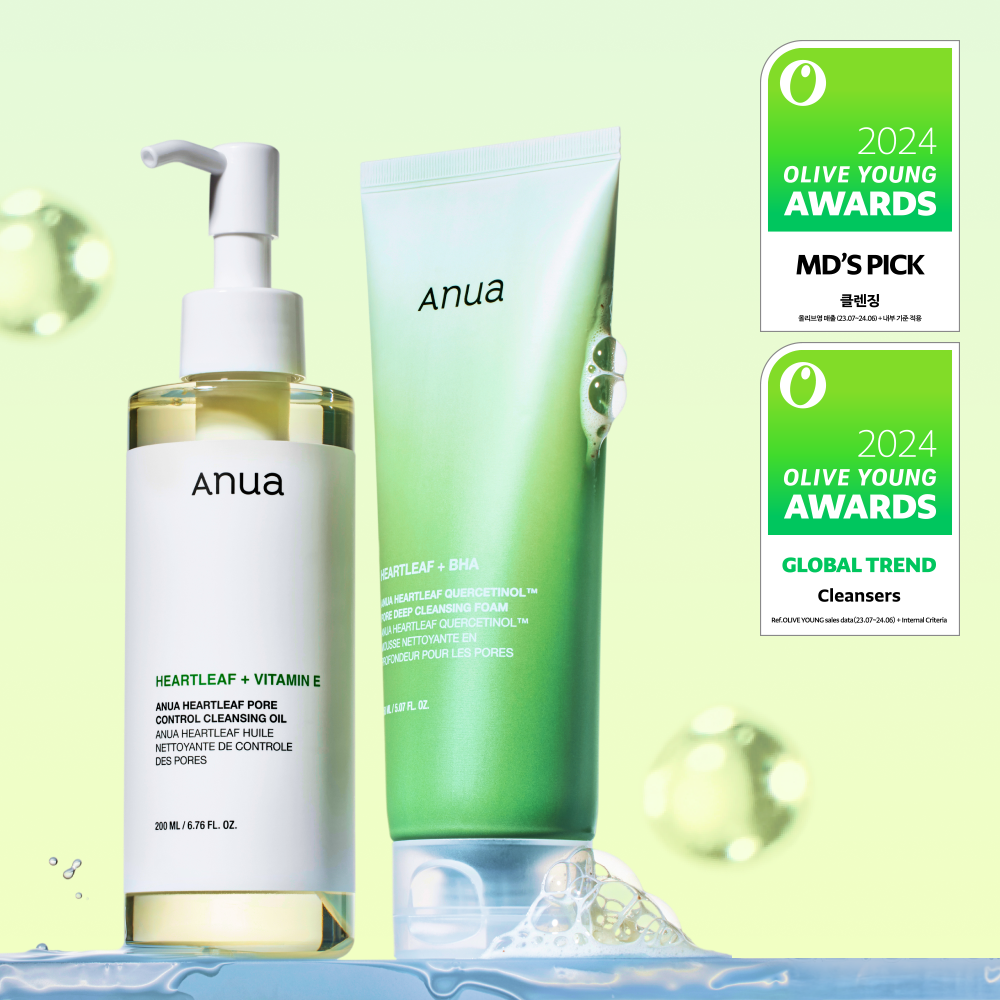
Heartleaf Double Cleansing Set
Anua

PDRN Hyaluronic Capsule 100 Serum Refill Set
Anua

PDRN Hyaluronic Acid 100 Moisturizing Cream
Anua
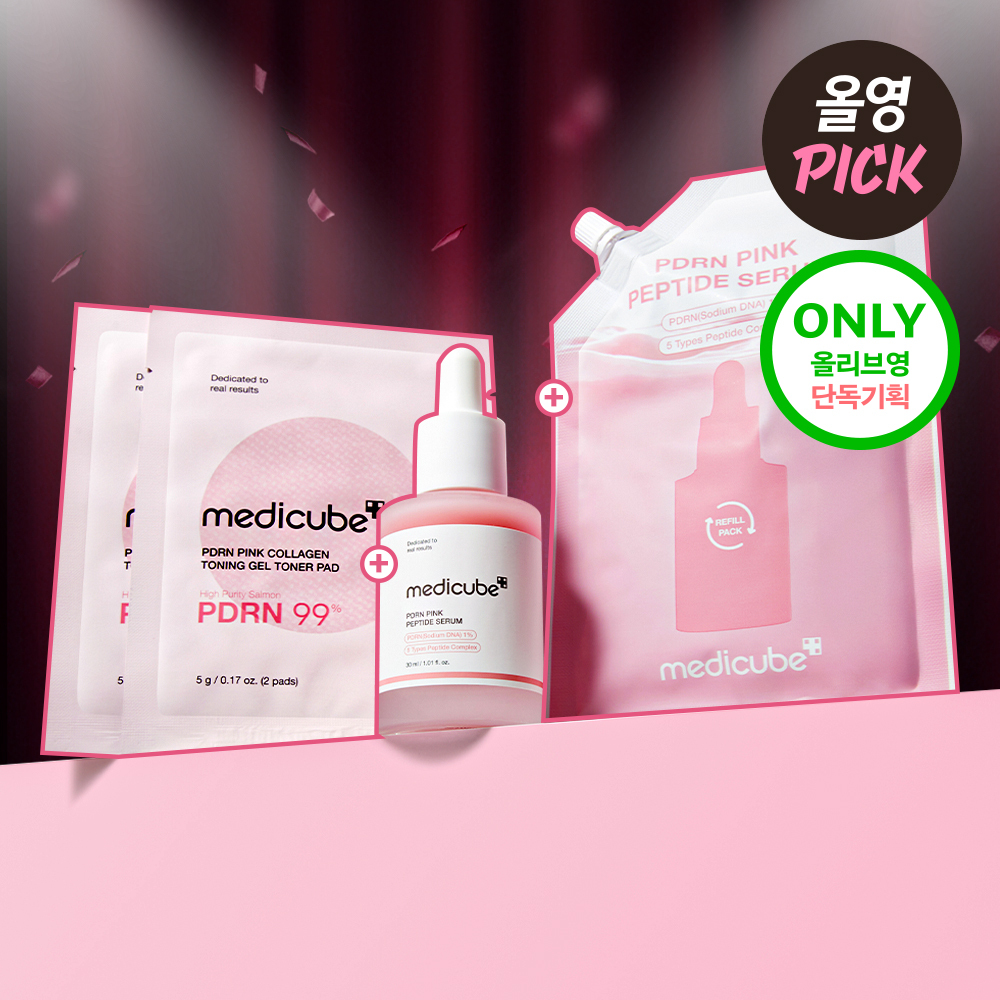
PDRN Pink Peptide Ampoule
Medicube
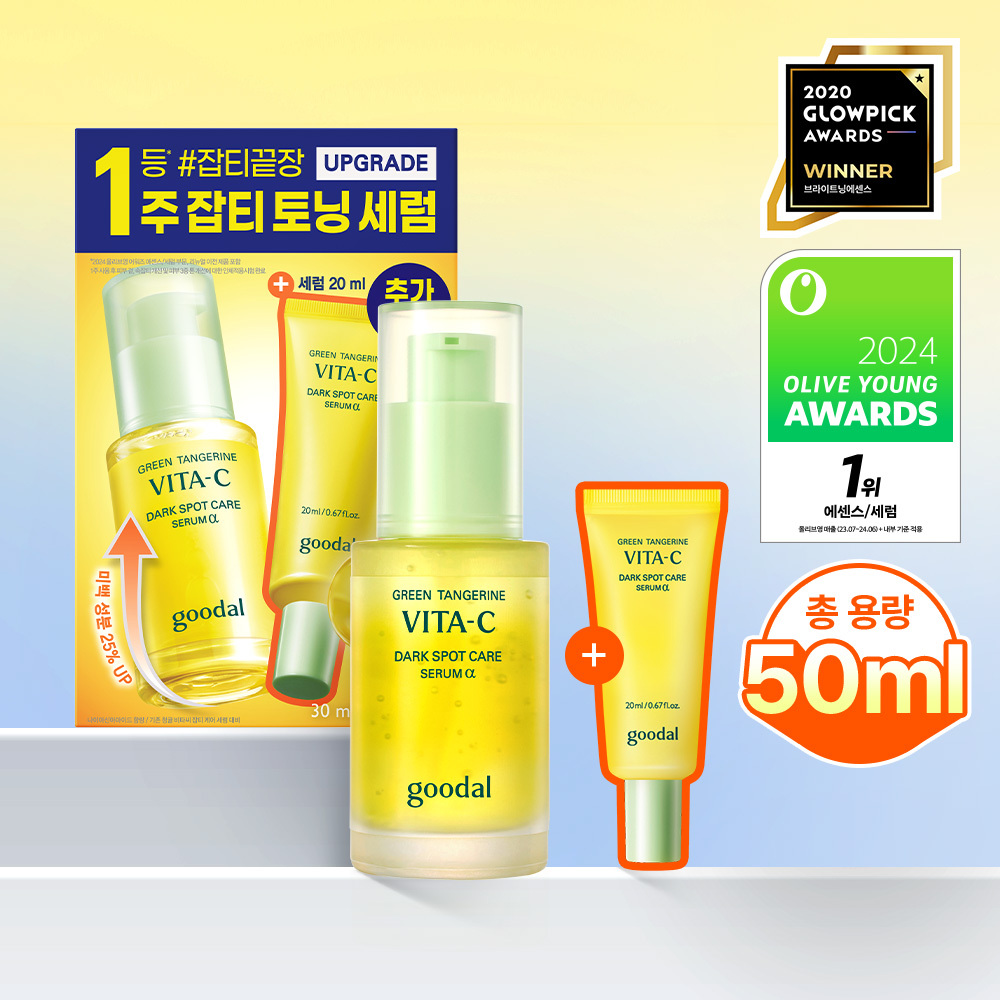
Green Tangerine Vita-C Dark Spot Care Serum α
Goodal
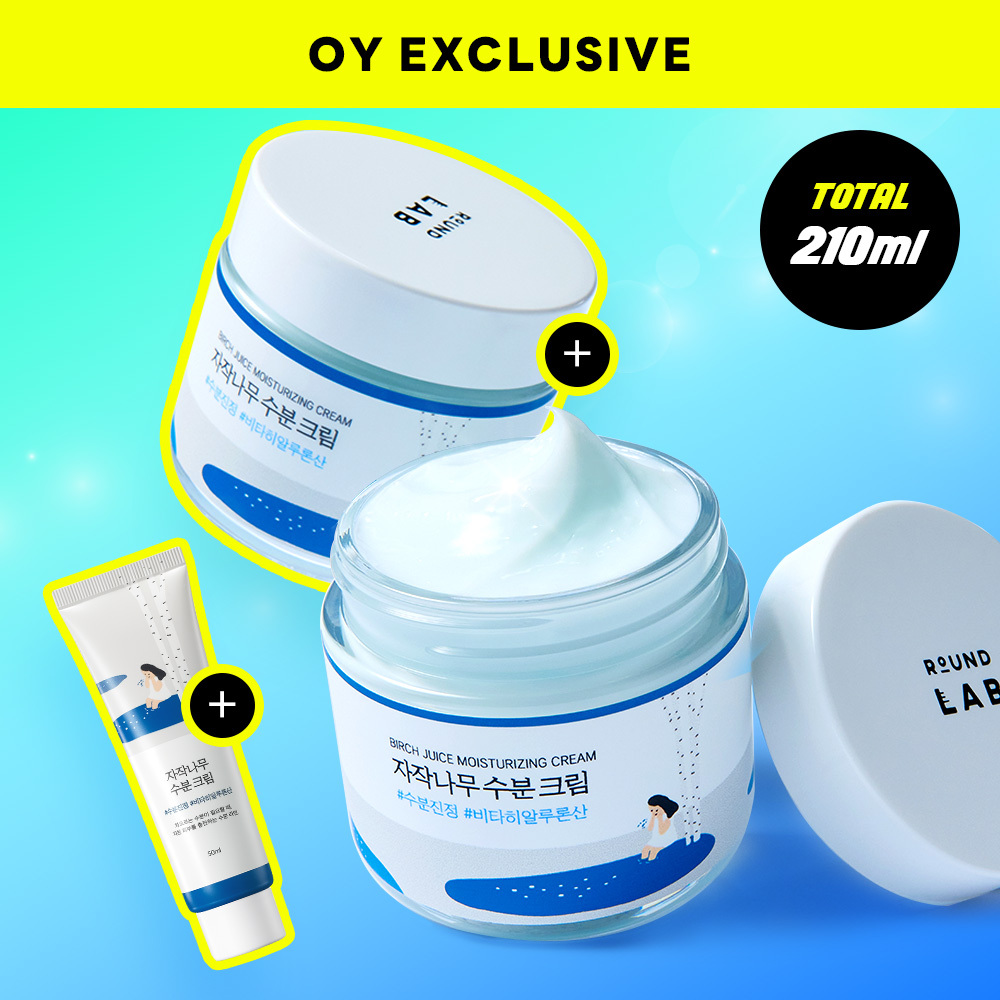
Birch Juice Moisturizing Cream Double Set
Round Lab
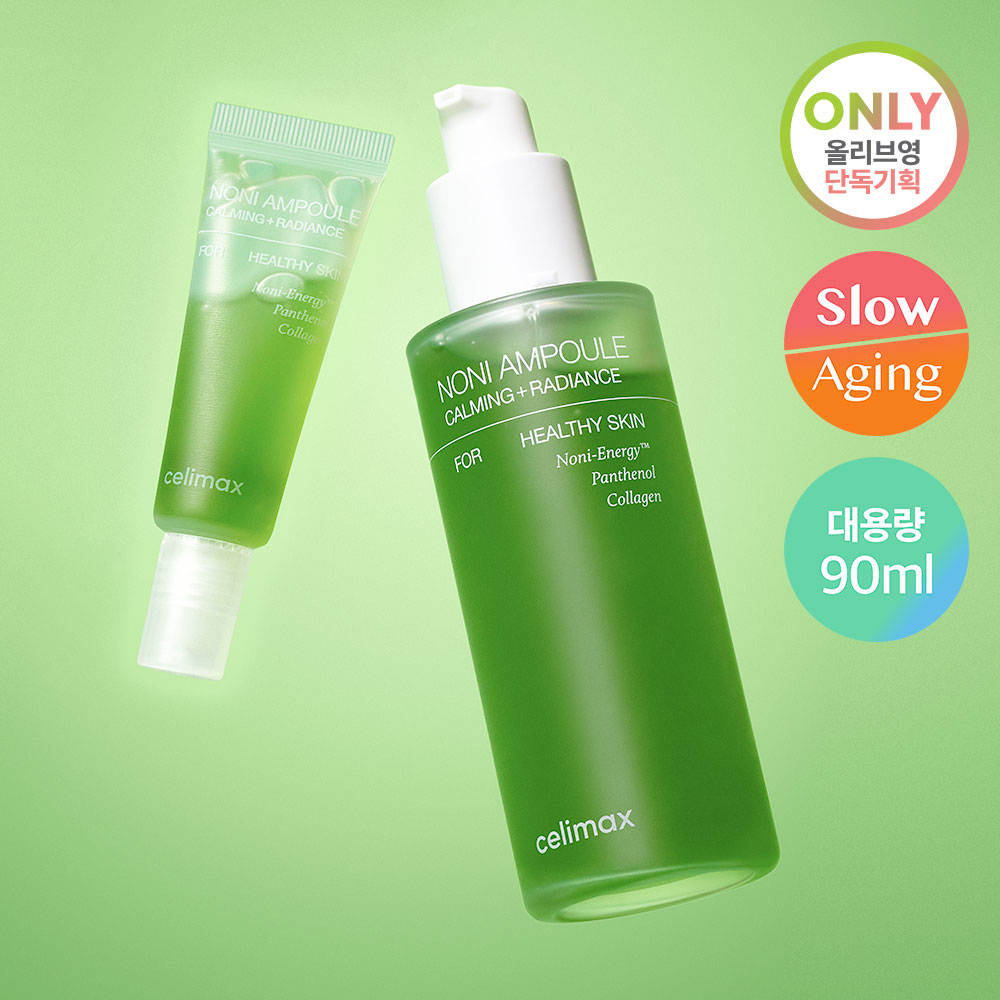
The Real Noni Energy Ampoule
Celimax
Dive-in Soothing Cream Double Pack
Torriden
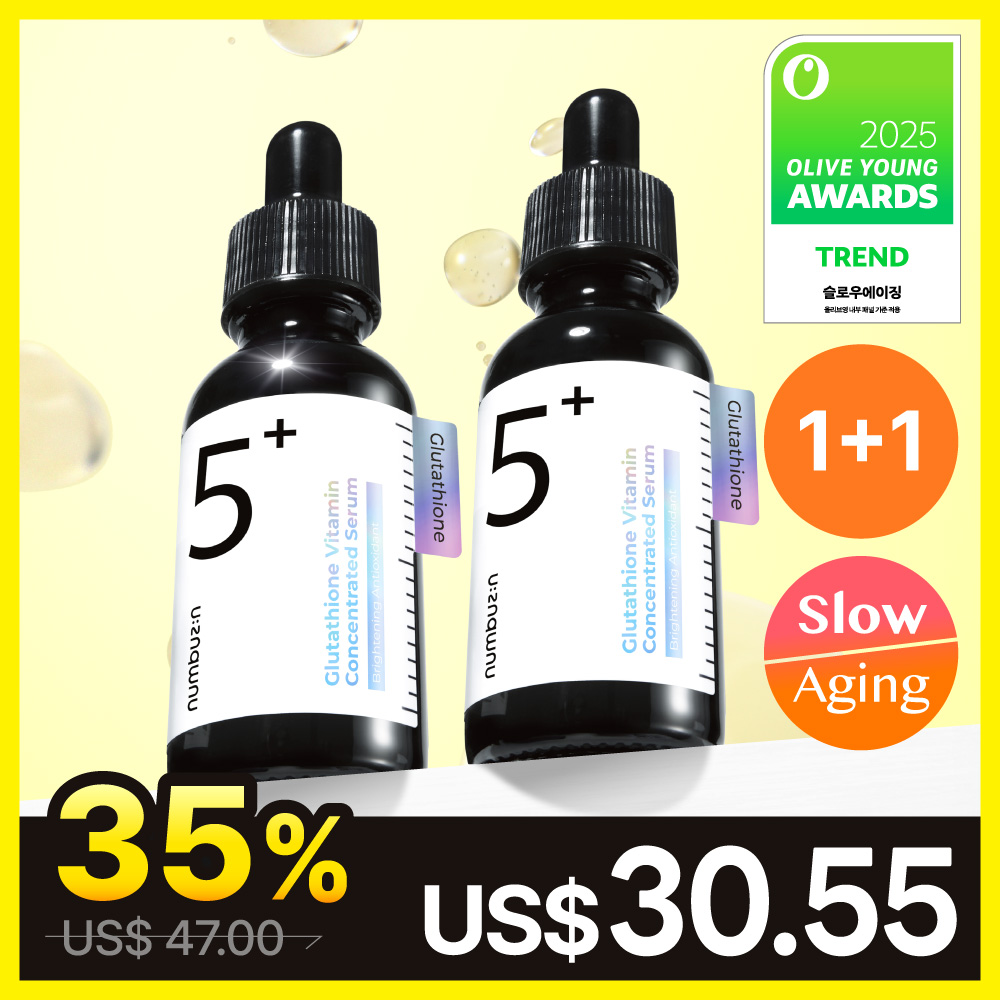
No.5+ Vitamin Concentrated Serum Duo Set
Numbuzin
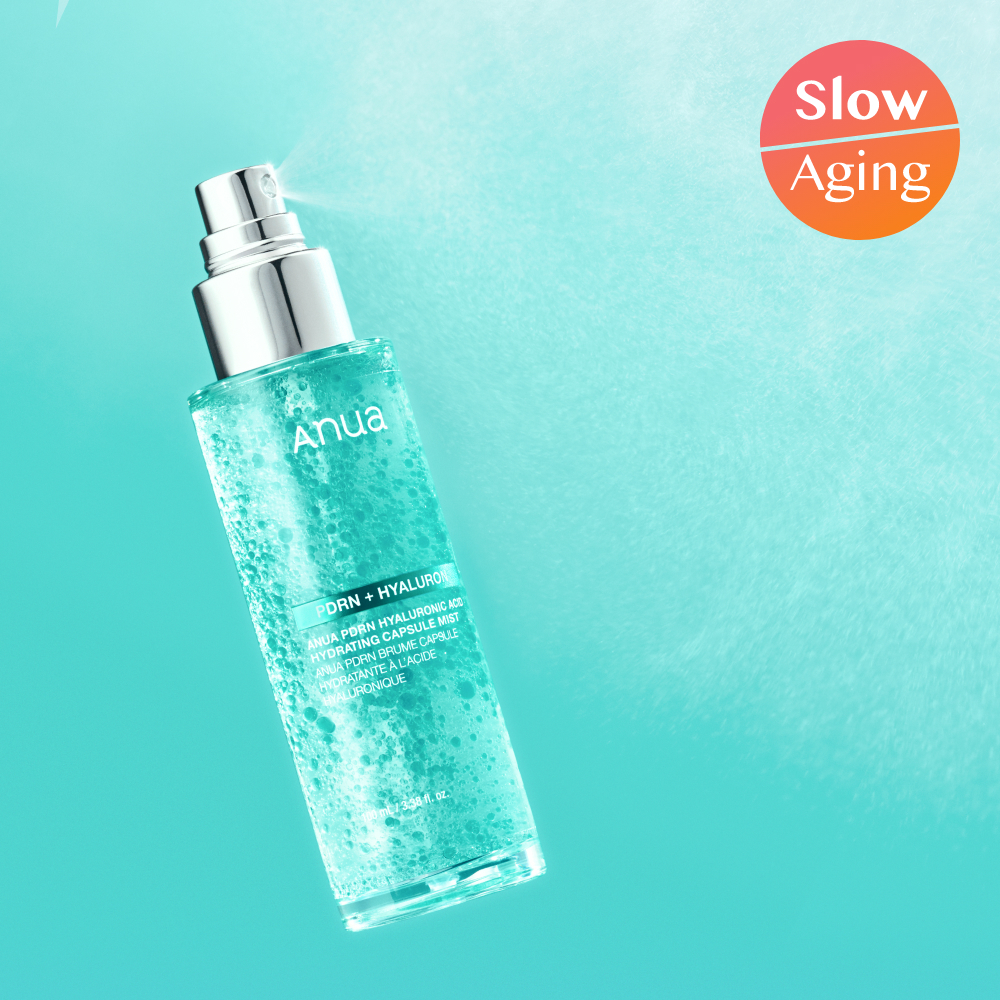
PDRN Hyaluronic Acid Hydrating Capsule Mist
Anua
Frequently Asked Questions
Can neem leaf extract actually clear acne or just prevent it?▼
Why does neem appear in so many K-beauty cleansers specifically?▼
Is neem safe to use every day or should I cycle it?▼
Does neem have a strong smell that lingers on skin?▼
Can I use neem if I'm pregnant or breastfeeding?▼
Explore More
Want personalized ingredient advice?
Yuri, our AI beauty advisor, can tell you how Neem Leaf Extract works with your specific skin type, routine, and concerns.
Ask Yuri, free