Lemon Balm Extract
INCI: Melissa Officinalis Leaf Extract
Soothing antioxidant with anti-inflammatory properties
About Lemon Balm Extract
Lemon balm extract, derived from the leaves of Melissa officinalis, is a versatile botanical ingredient that has earned its place in K-beauty formulations for its multi-tasking soothing and antioxidant properties. This mint family member contains high concentrations of rosmarinic acid, caffeic acid, and ferulic acid, compounds that work together to calm irritated skin while defending against environmental stressors. In K-beauty, lemon balm extract appears across 78 products, from gentle cleansers like Beplain's Homme Brightening Foam to innovative peeling gels such as Dr. Belmeur's Amino Clear formula. Its appeal lies in its ability to reduce redness and inflammation without causing sensitivity, making it particularly valuable in products designed for reactive or compromised skin barriers. The extract's lightweight nature and non-comedogenic profile (rated 1/5) mean it layers well with other actives and won't clog pores, explaining why brands incorporate it into everything from micellar waters to gel moisturizers. With a safety rating of 4/5, lemon balm extract represents the K-beauty philosophy of harnessing traditional botanicals through modern extraction methods to deliver gentle yet effective results.
How Lemon Balm Extract Works
Lemon balm extract functions through multiple biochemical pathways to protect and calm skin. Its primary active compound, rosmarinic acid, inhibits the production of pro-inflammatory cytokines by blocking NF-κB signaling pathways, essentially intercepting the skin's inflammatory response before visible redness or irritation develops. The extract's polyphenolic compounds act as free radical scavengers, neutralizing reactive oxygen species that cause oxidative stress and accelerate aging. At the cellular level, lemon balm's caffeic acid derivatives strengthen the skin's natural defense systems by upregulating antioxidant enzymes like superoxide dismutase and catalase. These enzymes provide ongoing protection against UV radiation and pollution damage. Additionally, the extract contains tannins that provide mild astringent properties, helping to temporarily tighten pores and reduce excess sebum without stripping the skin. The volatile oils present in lemon balm, including citral and citronellal, offer antimicrobial benefits that can help maintain a balanced skin microbiome, particularly beneficial in cleansing formulations where maintaining skin flora is important.
Lemon Balm Extract by Skin Type
Oily Skin
Lemon balm extract works exceptionally well for oily skin thanks to its mild astringent properties that help regulate sebum production without over-drying. The antimicrobial compounds can help prevent breakouts by keeping pore-clogging bacteria in check, while its anti-inflammatory action reduces the redness often associated with blemishes. Its non-comedogenic rating of 1/5 means it won't contribute to congestion, making it ideal for products like Laundryou's Clean Pore Liquid Ultra Set.
Dry Skin
While not a hydrating ingredient itself, lemon balm extract supports dry skin by reducing inflammation that can compromise the moisture barrier. Its antioxidant properties protect lipid structures in the stratum corneum from oxidative damage, helping the skin retain moisture more effectively. Pair it with humectants and occlusives in formulations like Makeprem's Barle Yuja Milk In Gel for best results, where it soothes while other ingredients address hydration needs.
Combo Skin
Lemon balm extract is particularly well-suited for combination skin because it addresses multiple concerns simultaneously without tipping the balance in either direction. It can calm inflammation in dry patches while gently controlling oil in the T-zone, making it a smart choice in products that need to perform across different facial zones. The extract's lightweight texture won't feel heavy on oily areas or insufficient on dry patches.
Sensitive Skin
This is where lemon balm extract truly shines. Its strong anti-inflammatory profile makes it excellent for calming reactive skin, reducing redness, and supporting barrier repair. The rosmarinic acid content specifically targets inflammatory pathways that cause sensitivity flare-ups. However, those with citrus allergies should patch test first, as lemon balm does contain some citral compounds, though reactions are relatively rare given its 4/5 safety rating.
Normal Skin
For normal skin, lemon balm extract serves as excellent preventative care, providing antioxidant protection against daily environmental stressors that can gradually compromise skin health. It maintains skin's balanced state by supporting the natural barrier function and preventing minor irritations from escalating. Its presence in high-performing products like Dr. Belmeur's Amino Clear Peeling Gel shows how it can enhance exfoliation routines without causing sensitivity.
How to Use Lemon Balm Extract
- 1Layer lemon balm extract products after actives like retinol or acids to calm any potential irritation while the treatment ingredients work.
- 2Use lemon balm extract cleansers in your evening routine to remove the day's pollutants while simultaneously soothing skin stressed by environmental exposure.
- 3If you have sensitive skin, look for lemon balm extract in leave-on products rather than rinse-off formulas to maximize its anti-inflammatory benefits.
- 4Combine lemon balm extract with other soothing ingredients like centella asiatica or mugwort for enhanced calming effects, a common K-beauty layering strategy.
Background
Melissa officinalis has been cultivated for over 2,000 years, with its name derived from the Greek word for honeybee, as the plant was traditionally grown near hives to improve honey quality. Ancient Greek physicians used lemon balm to treat nervous disorders and insomnia, while medieval Europeans believed it could promote longevity. In traditional Korean medicine, similar mint family plants were used in topical preparations for skin inflammation and wounds. The ingredient gained traction in modern K-beauty around 2015 as brands began exploring gentle, evidence-based botanicals that could deliver clinical benefits without the harshness of synthetic alternatives. Korean cosmetic scientists appreciated lemon balm's high rosmarinic acid content, which provided measurable anti-inflammatory effects that aligned with the growing consumer demand for soothing, barrier-supporting ingredients. Today, it appears in formulations across multiple categories, from cleansers to treatments, representing K-beauty's skill at transforming traditional herbal wisdom into contemporary skincare solutions.
K-Beauty Products with Lemon Balm Extract
View all 85 →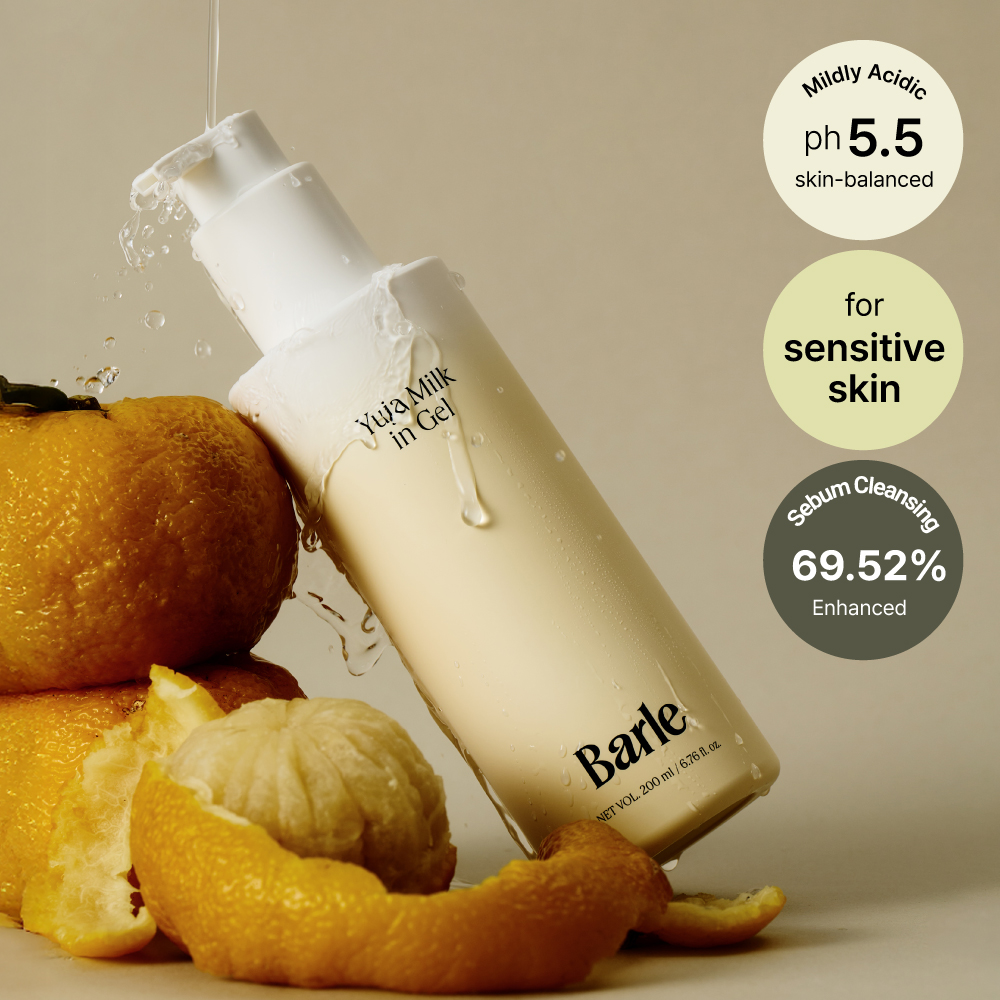
Barle Yuja Milk In Gel
Makeprem
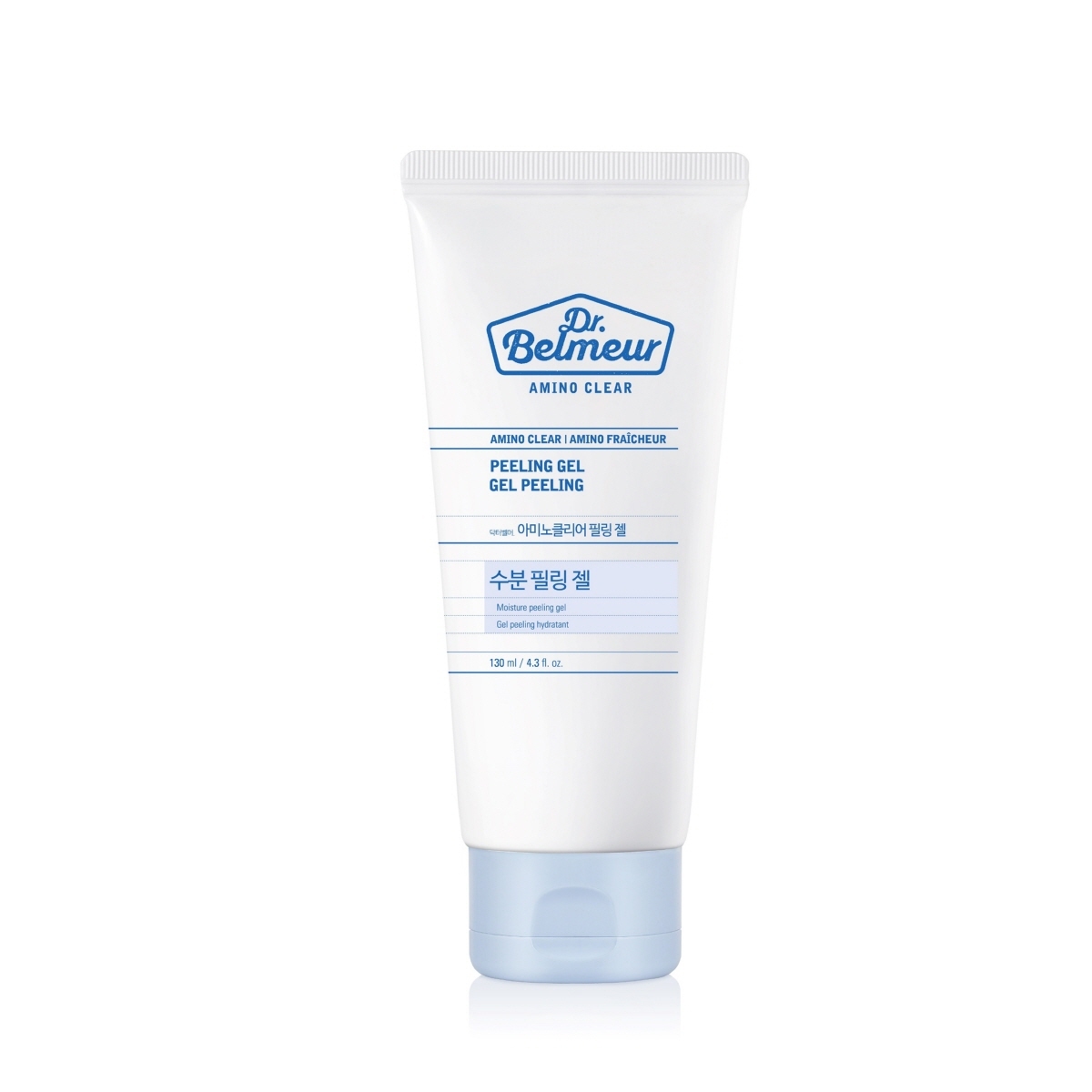
Amino Clear Peeling Gel
Dr. Belmeur
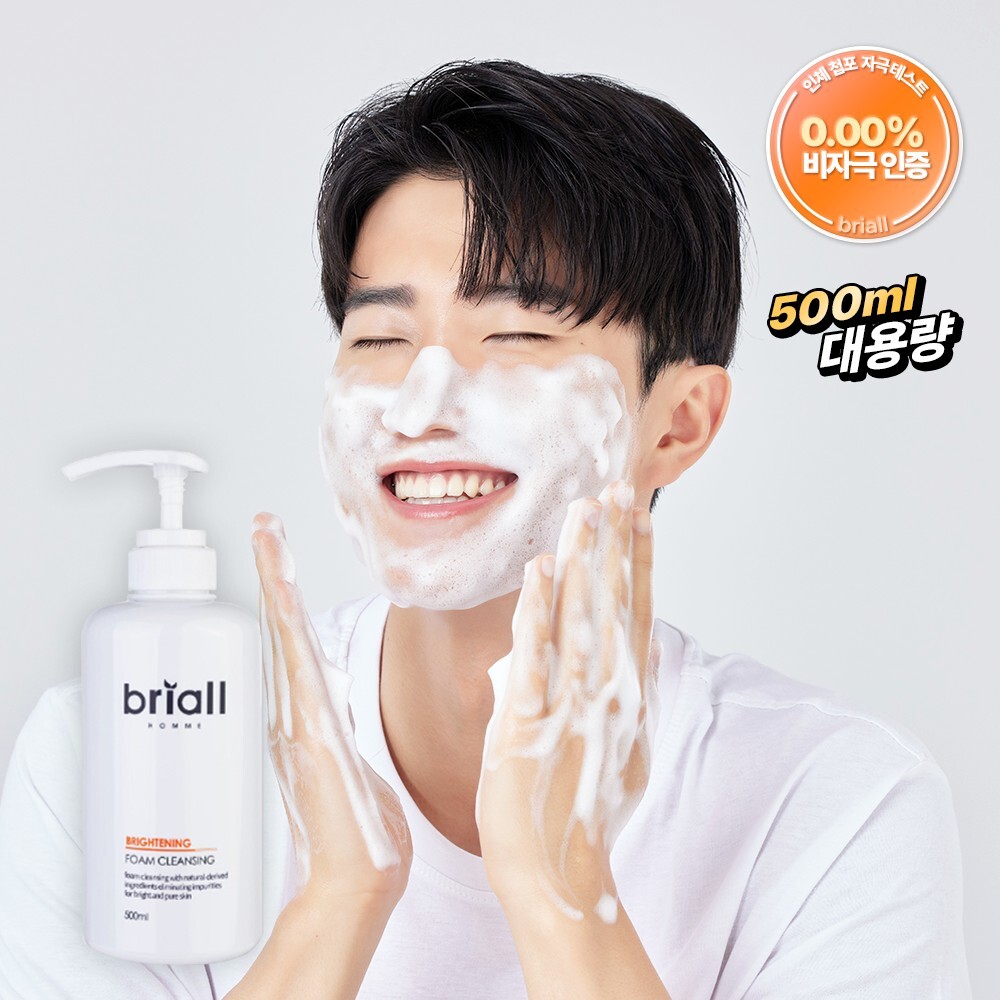
Homme Brightening Foam Cleansing Large Size
Beplain
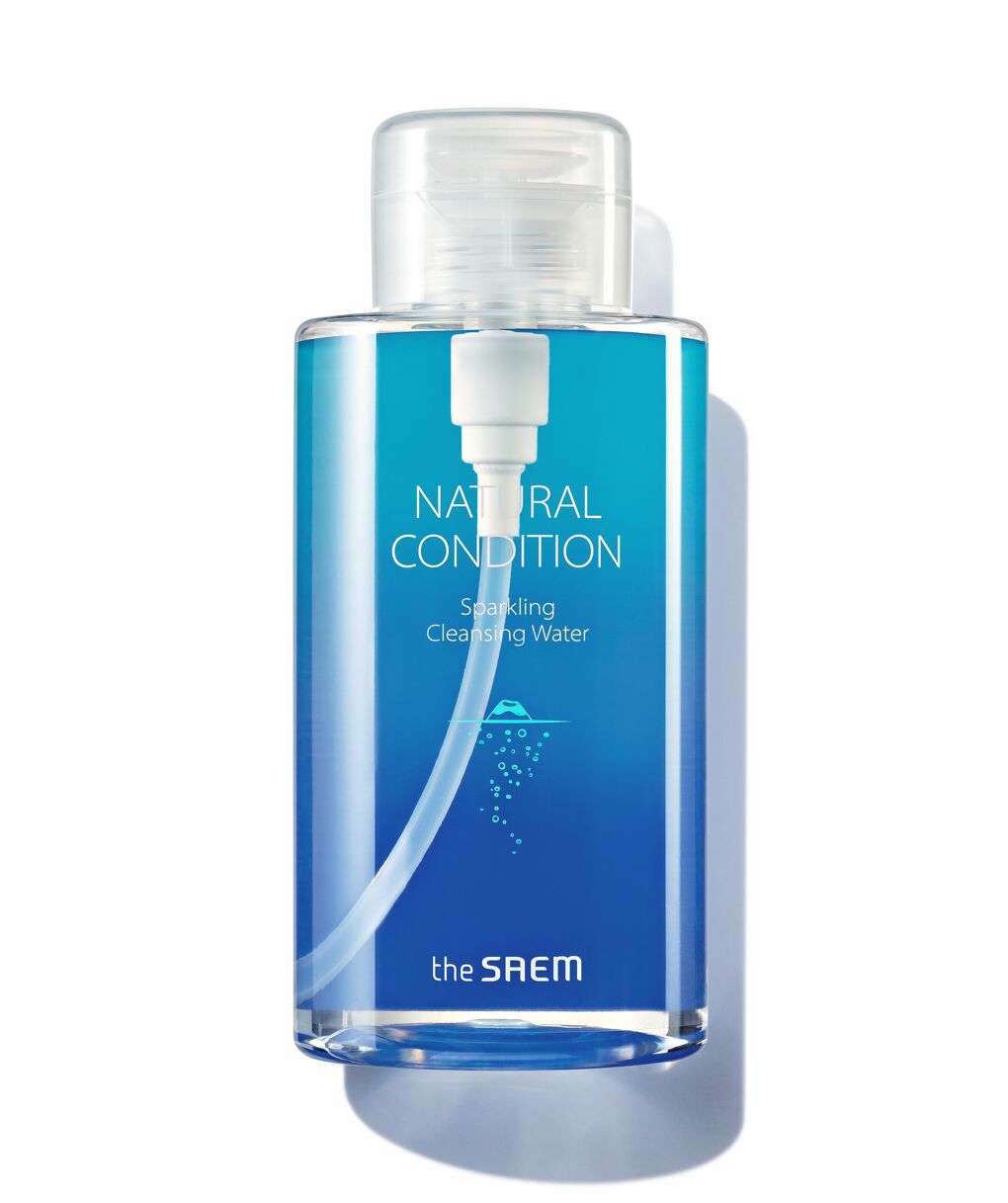
Natural Condition Sparkling Cleansing Water
The Saem
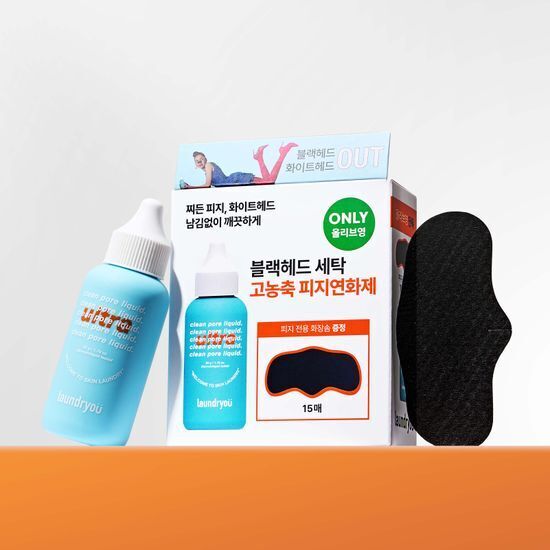
Clean Pore Liquid Ultra Set
Laundryou
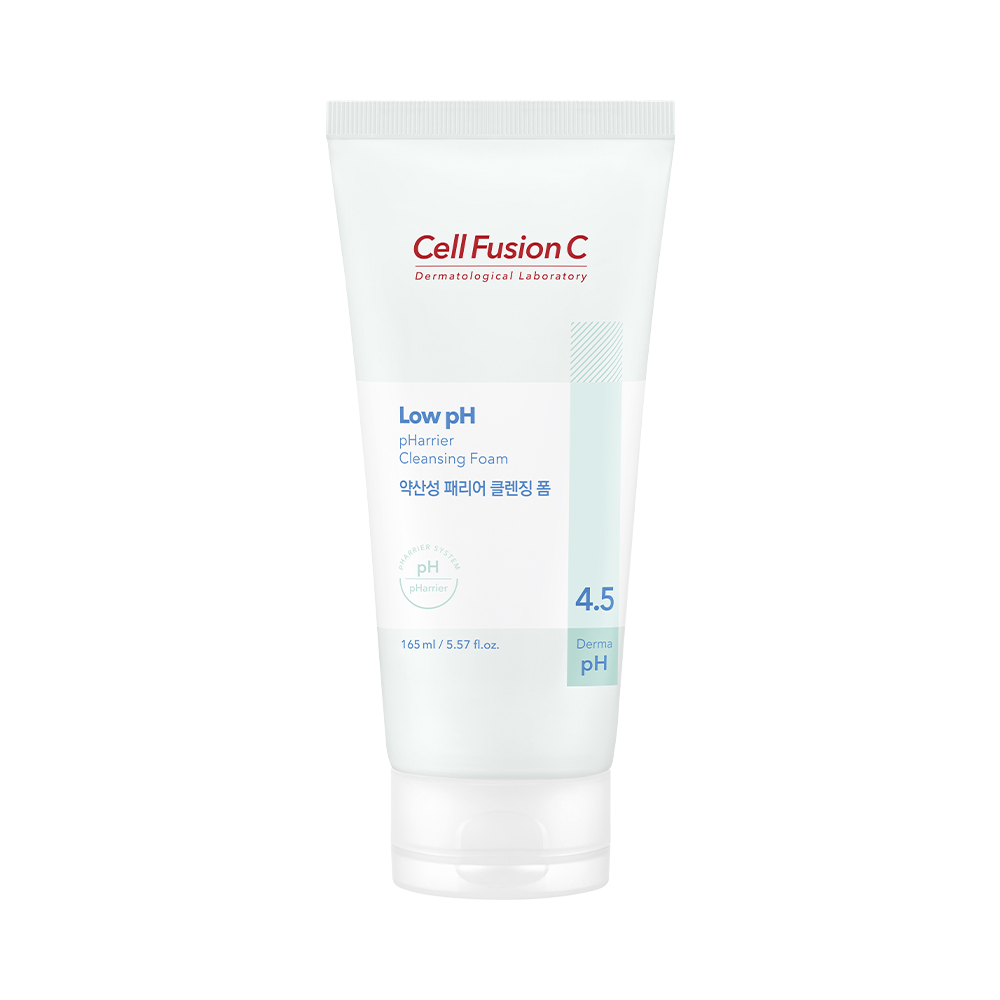
Low pH pHarrier Cleansing Foam
Cell Fusion C
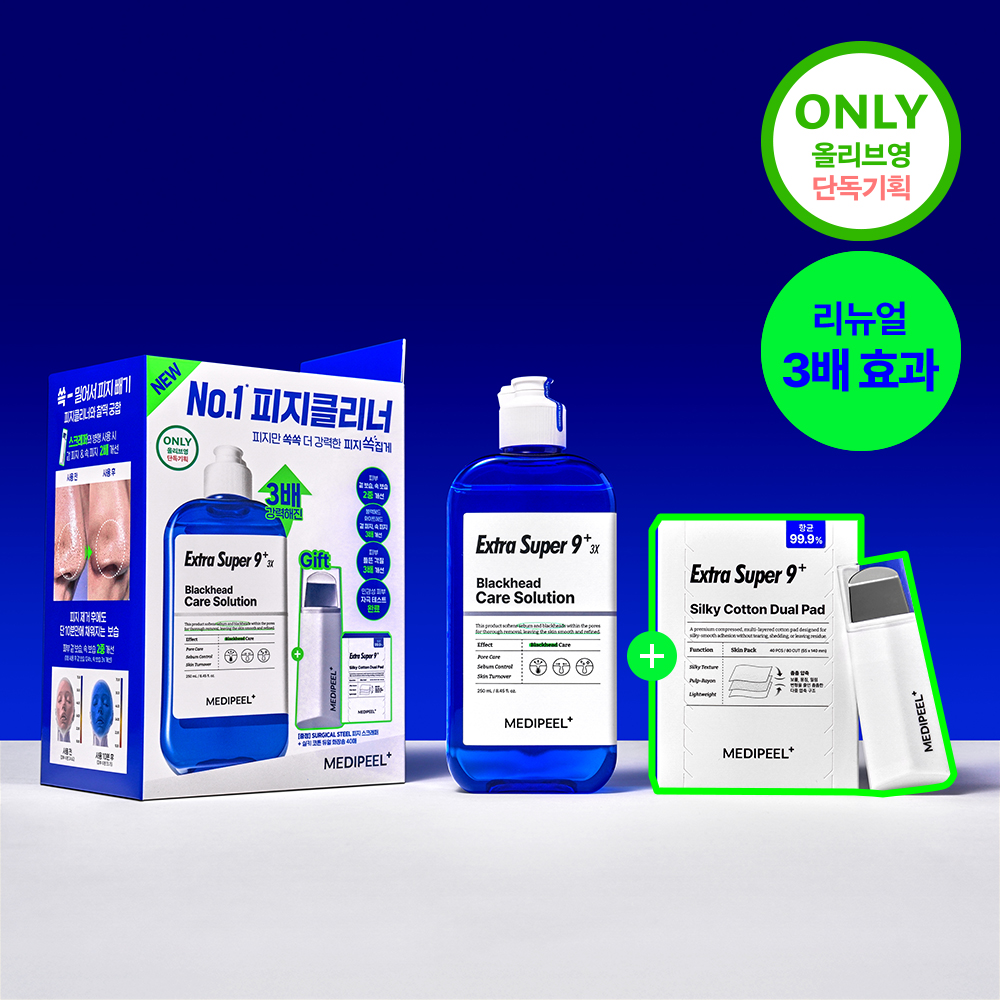
Extra Super 9 Plus 3X Set
Medi-Peel
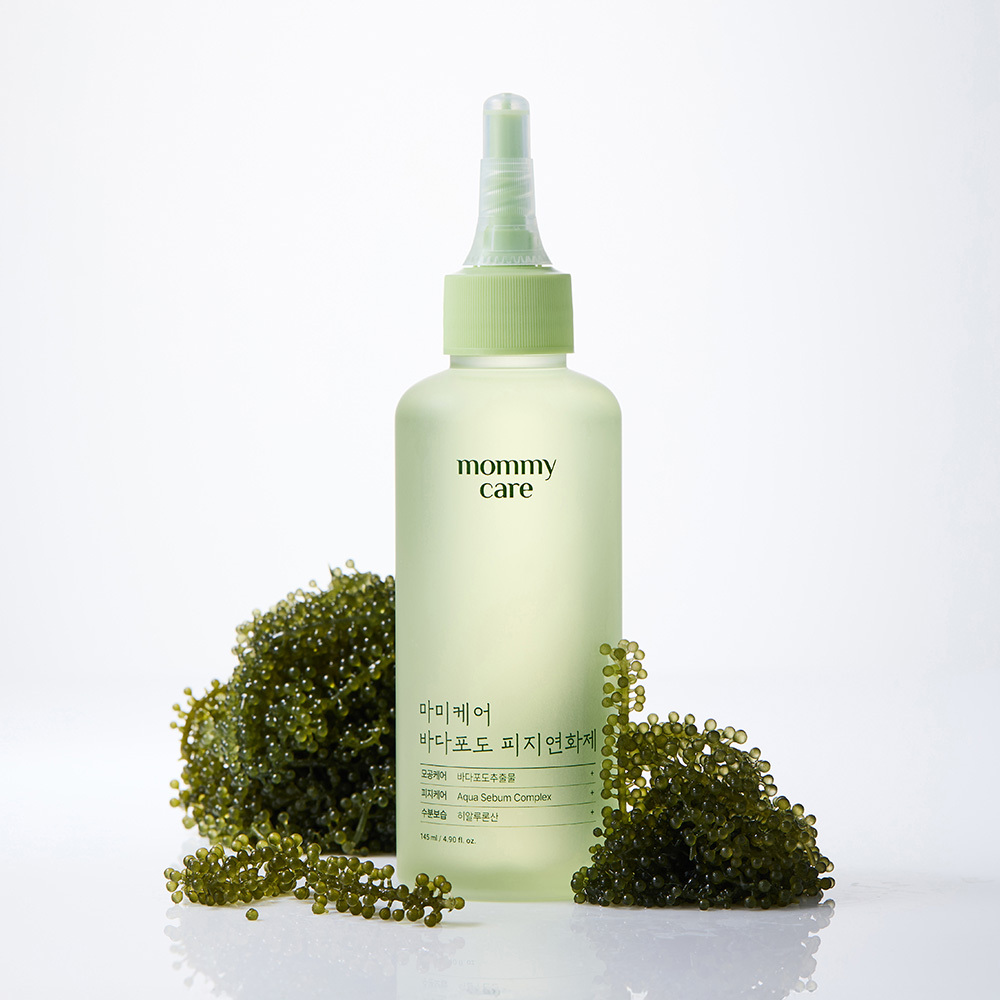
Sea Grape Aqua Sebum Softener
Ilso
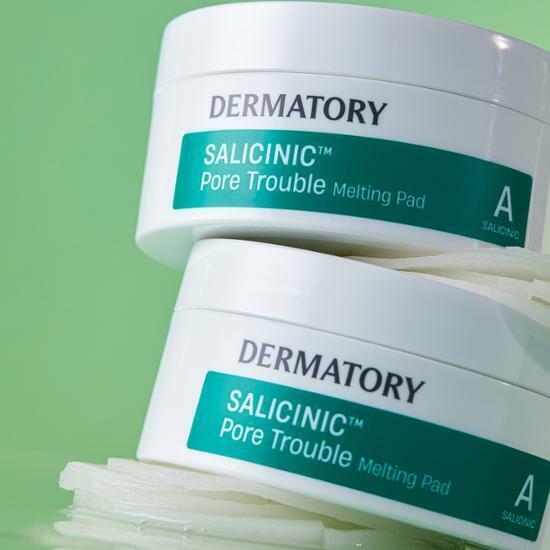
Salicinic Pore Trouble Melting Pad
Dermatory
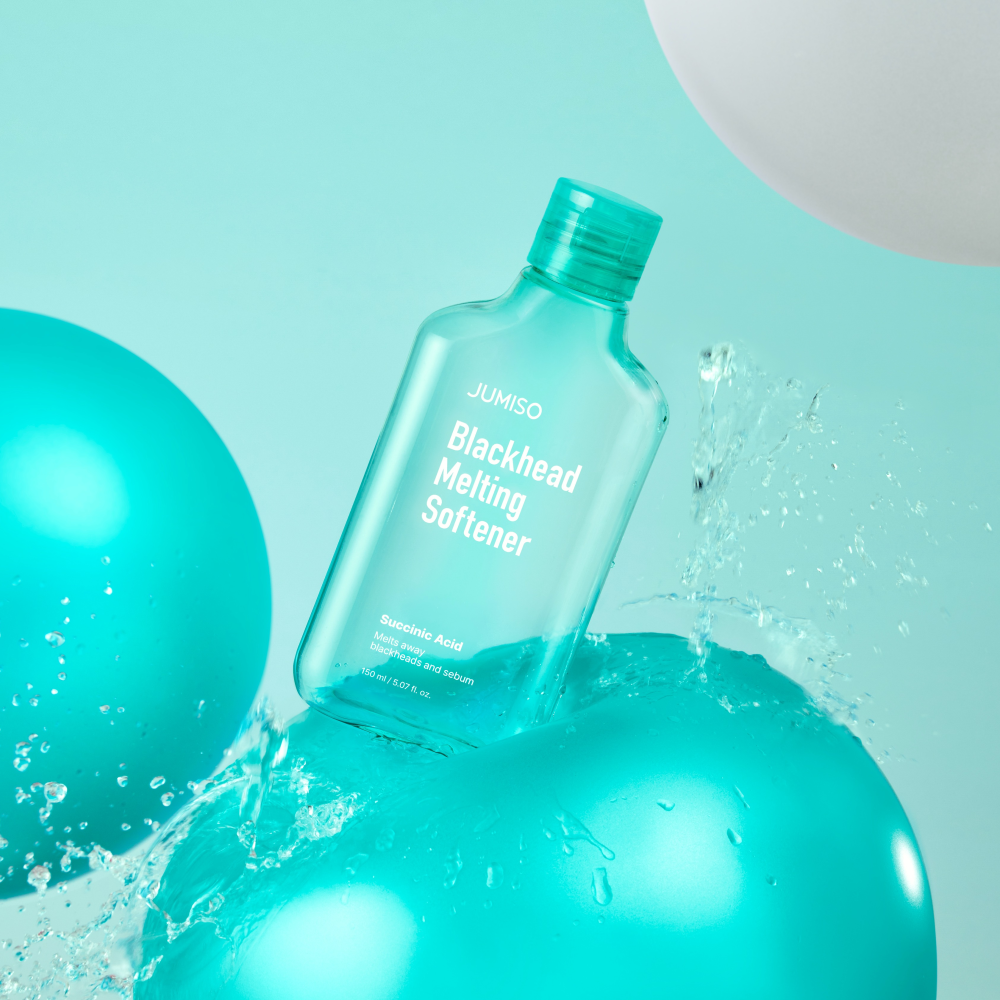
Blackhead Melting Softener
Jumiso
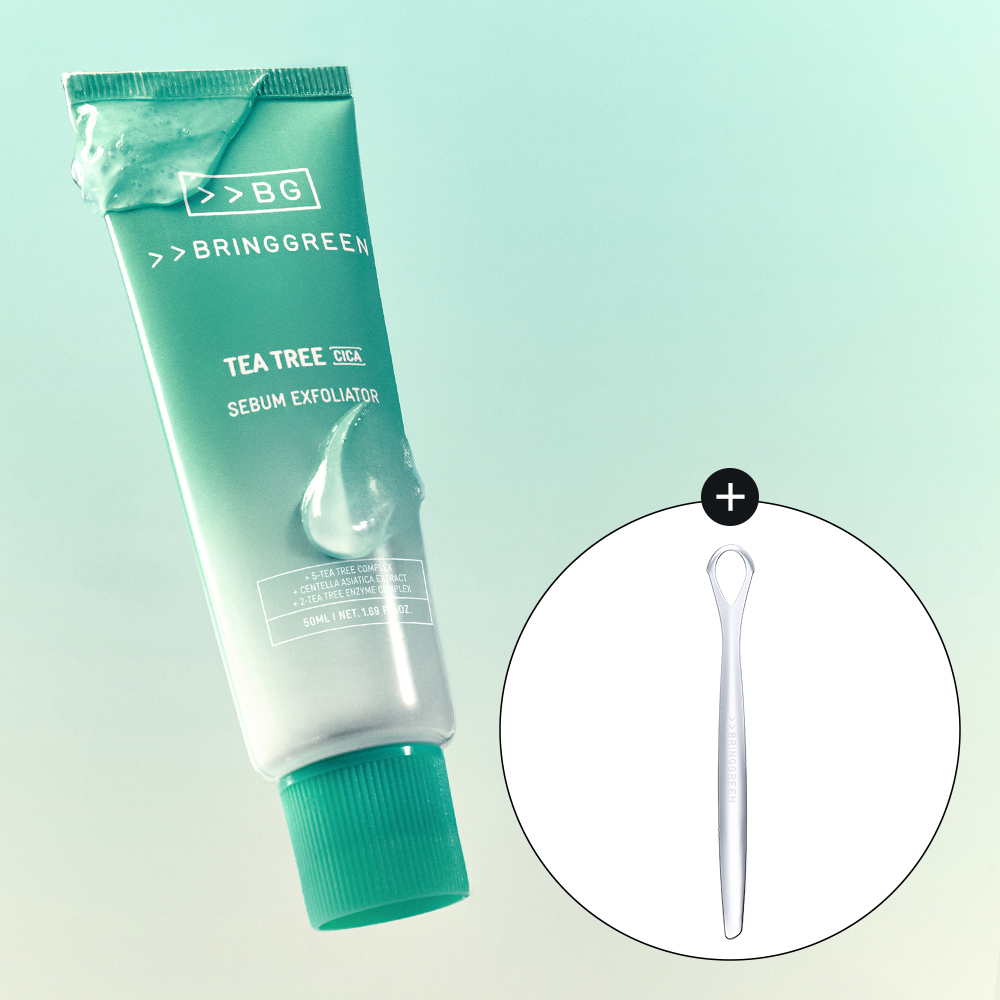
Tea Tree Cica Sebum Cleansing Gel Set
Bringgreen
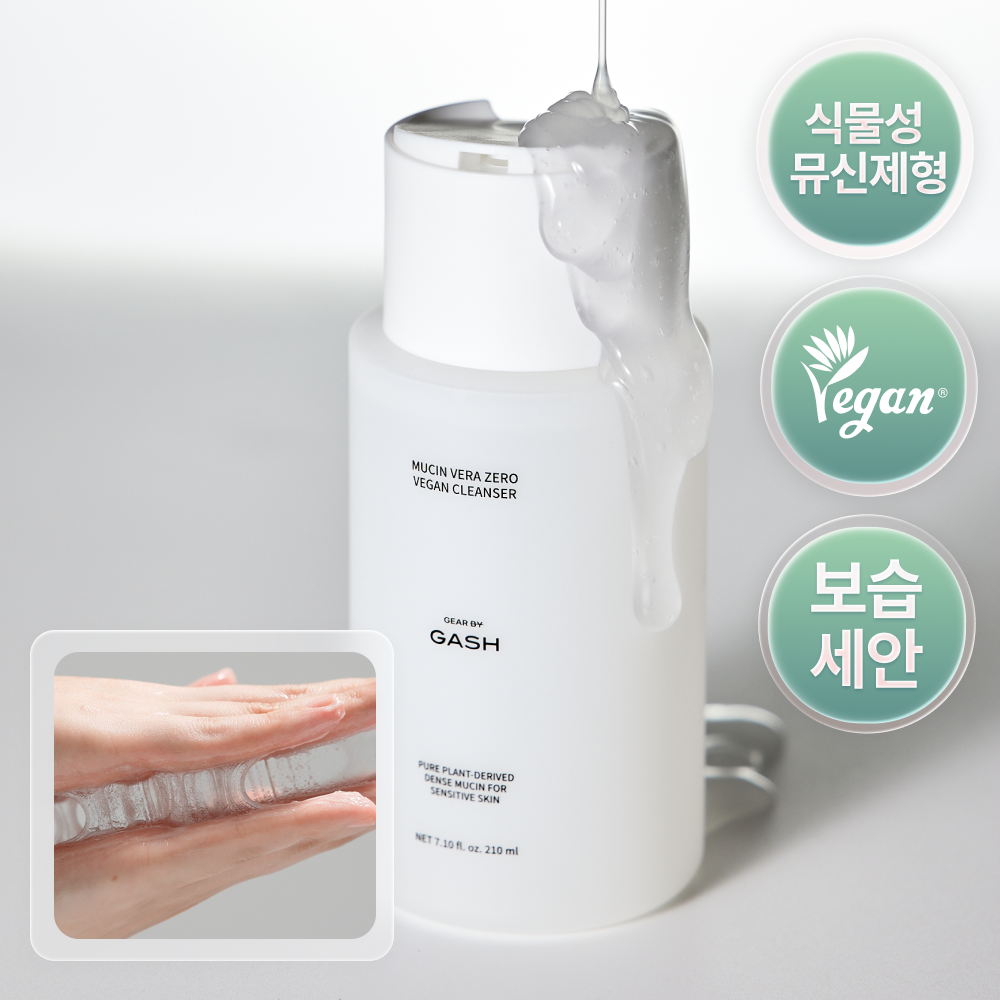
Mucin Vera Zero Vegan Cleanser
Beplain
Frequently Asked Questions
Can lemon balm extract cause photosensitivity like other citrus ingredients?▼
How does lemon balm extract compare to centella asiatica for soothing irritated skin?▼
Is lemon balm extract effective enough to see visible results?▼
Can lemon balm extract help with acne-prone skin?▼
Explore More
Want personalized ingredient advice?
Yuri, our AI beauty advisor, can tell you how Lemon Balm Extract works with your specific skin type, routine, and concerns.
Ask Yuri, free