Vitamin K3
INCI: Menadione
Synthetic vitamin K derivative for circulation support
About Vitamin K3
Vitamin K3, or menadione, is a synthetic form of vitamin K that appears in K-beauty formulations primarily for its potential to support circulation and reduce the appearance of dark circles and bruising. Unlike naturally occurring vitamin K1 (phylloquinone) found in plants or K2 (menaquinone) produced by bacteria, K3 is lab-created and requires conversion in the body to become biologically active. In skincare, it's theorized to help strengthen capillary walls and improve microcirculation, which can minimize visible discoloration around delicate areas like the under-eye. You'll find it in targeted treatments like post-procedure repair creams and brightening serums, where its circulation-boosting properties may help skin recover faster from inflammation or trauma. However, K3 carries significant safety concerns that have limited its use in cosmetics globally. Its extremely low safety rating (1/5) reflects toxicity issues observed in high concentrations, including potential liver damage and oxidative stress. Many regulatory bodies, including the EU, have banned or severely restricted menadione in cosmetic products. The 38 K-beauty products containing it on Seoul Sister likely use minimal concentrations in specialized formulations, but consumers should approach this ingredient with caution and prioritize products from reputable brands with transparent safety testing.
How Vitamin K3 Works
Menadione functions by participating in the vitamin K cycle, which is essential for activating proteins involved in blood clotting and calcium regulation. When applied topically, K3 theoretically penetrates the skin barrier and converts to active vitamin K forms (K1 or K2) through enzymatic reactions. Once activated, it helps synthesize clotting factors that can strengthen fragile capillaries and reduce blood leakage into surrounding tissue, the primary cause of dark circles and bruising. This mechanism may also support post-inflammatory recovery by minimizing microhemorrhaging that contributes to hyperpigmentation. However, menadione's synthetic structure makes it more reactive than natural vitamin K variants, generating free radicals through redox cycling. This oxidative stress can damage cellular membranes and DNA if not properly buffered by antioxidants in the formulation. The concentration and delivery system matter enormously with K3. Responsible formulations pair it with stabilizers and keep percentages extremely low to harness circulation benefits while minimizing cytotoxic effects.
Vitamin K3 by Skin Type
Oily Skin
Oily skin can theoretically tolerate vitamin K3 in well-formulated products since its comedogenic rating is 0/5, meaning it won't clog pores. However, the safety concerns around menadione apply regardless of skin type, so oily-skinned users should exercise the same caution as anyone else. If you're targeting dark circles or post-acne marks with K3, ensure the product comes from a brand with rigorous safety testing.
Dry Skin
Dry skin types should be particularly cautious with vitamin K3, as its potential to generate oxidative stress could compromise an already weakened moisture barrier. If using a K3-containing product for dark circles or repair, pair it with rich moisturizers and antioxidants like vitamin E or niacinamide to buffer any irritation. Watch for increased dryness, flaking, or sensitivity as warning signs to discontinue use.
Combo Skin
Combination skin can theoretically use vitamin K3 in targeted applications, such as under-eye treatments or spot treatments for bruising, without affecting oil balance since it's non-comedogenic. Focus application on specific concern areas rather than all-over use, and monitor both oily and dry zones for any adverse reactions. The ingredient's safety profile demands careful observation regardless of how your skin behaves otherwise.
Sensitive Skin
Sensitive skin should approach vitamin K3 with extreme caution or avoid it entirely. The ingredient's low safety rating and potential for oxidative stress make it poorly suited for reactive skin types prone to inflammation or irritation. If you're considering a K3 product for dark circles, safer alternatives include vitamin K1 (phytonadione), arnica, or caffeine, which offer circulation support without the toxicity concerns.
Normal Skin
Normal skin has the resilience to potentially handle vitamin K3 in minimal concentrations, but the ingredient's safety profile means even balanced skin types should proceed carefully. If using K3 for dark circles or post-procedure healing, introduce it slowly, watch for any redness or irritation, and consider alternating with gentler vitamin K forms. Your skin's tolerance doesn't eliminate the ingredient's inherent risks.
How to Use Vitamin K3
- 1Always patch test vitamin K3 products on your inner forearm for 48 hours before applying to your face, given the ingredient's documented safety concerns.
- 2Use K3-containing products only as targeted treatments (under-eye, post-laser areas, bruising) rather than all-over application to minimize total exposure.
- 3Pair vitamin K3 with antioxidant-rich products containing vitamin E, vitamin C, or ferulic acid to help neutralize free radical generation.
- 4Avoid using vitamin K3 during pregnancy or while breastfeeding, as its safety profile in these populations hasn't been established and concerns exist about systemic absorption.
- 5Discontinue use immediately if you experience unusual redness, persistent irritation, or any signs of allergic reaction, and consult a dermatologist if symptoms don't resolve quickly.
Background
Menadione was first synthesized in 1939 as a simple, stable form of vitamin K that could be mass-produced for medical and nutritional applications. Unlike plant-derived K1 or bacteria-produced K2, K3's synthetic structure made it appealing for fortifying animal feed and treating vitamin K deficiency. However, toxicity concerns emerged by the 1960s when research revealed menadione could cause hemolytic anemia, liver damage, and oxidative stress at higher doses. By the 1980s, the FDA removed it from over-the-counter supplements, and the EU later banned it from cosmetics entirely. Despite these restrictions, menadione persists in some K-beauty formulations, likely due to its low cost and theoretical benefits for circulation and dark circles. The ingredient represents a tension in K-beauty between innovation and safety, with reputable brands largely moving toward safer alternatives like vitamin K1 while some niche products continue using minimal K3 concentrations.
K-Beauty Products with Vitamin K3
View all 42 →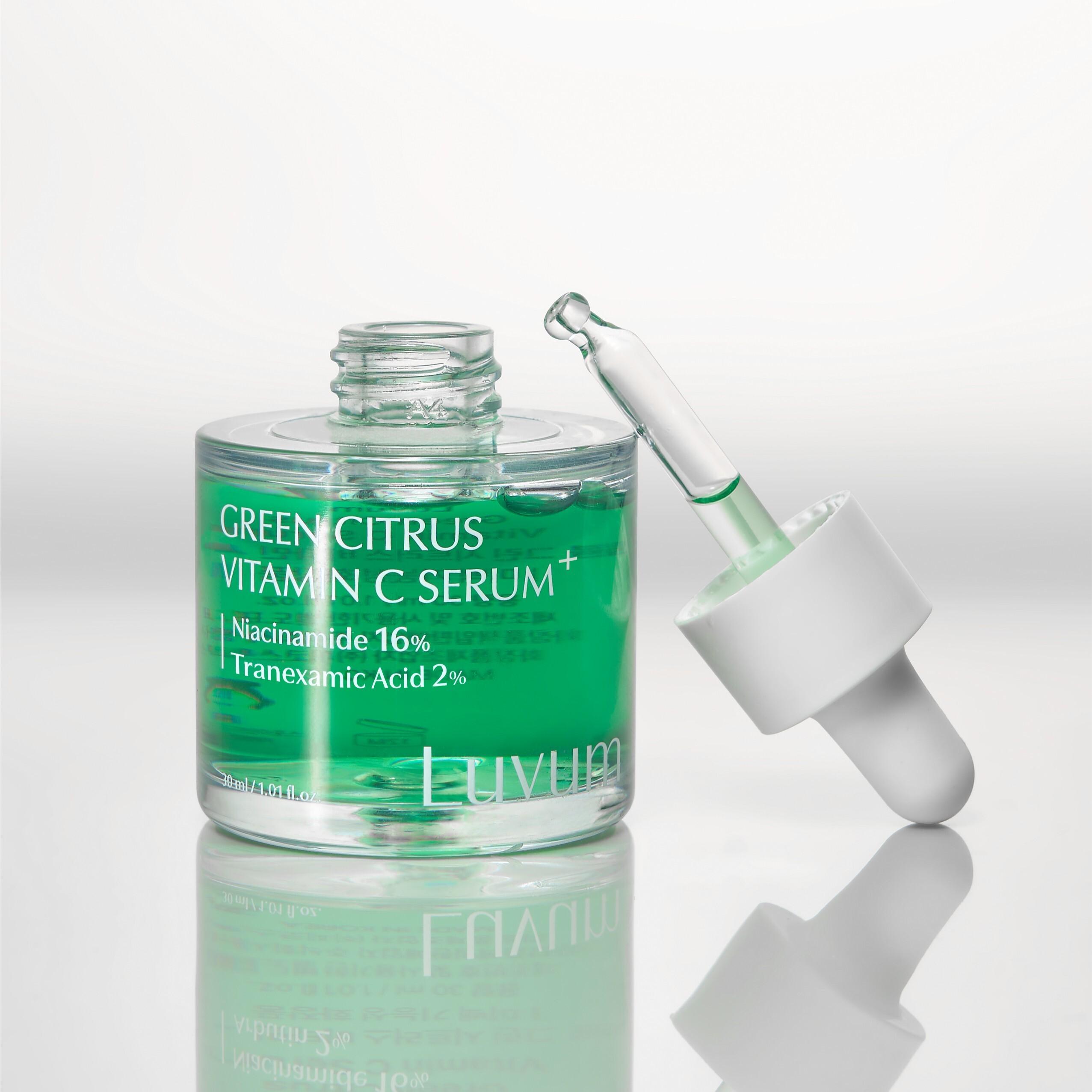
Green Citrus Vitamin C Serum+
Luvum
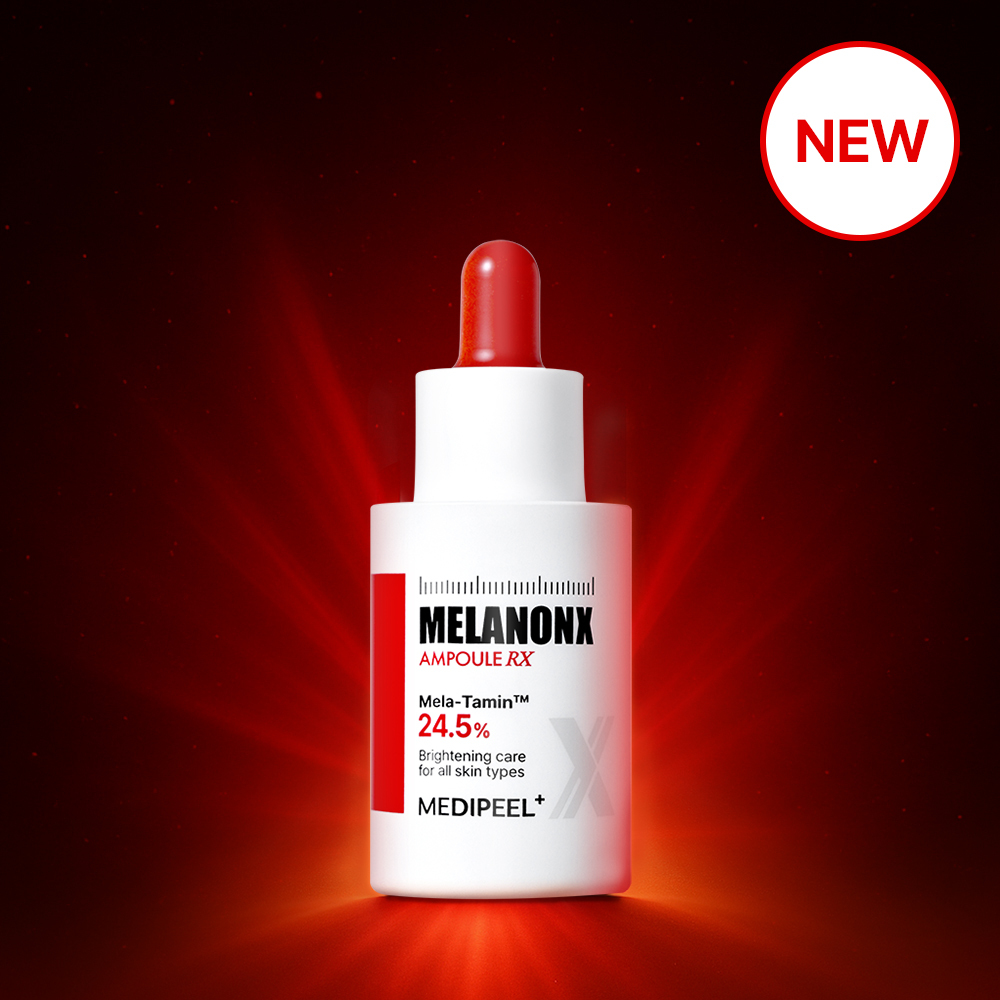
Melanonx Ampoule RX
MEDIPEEL
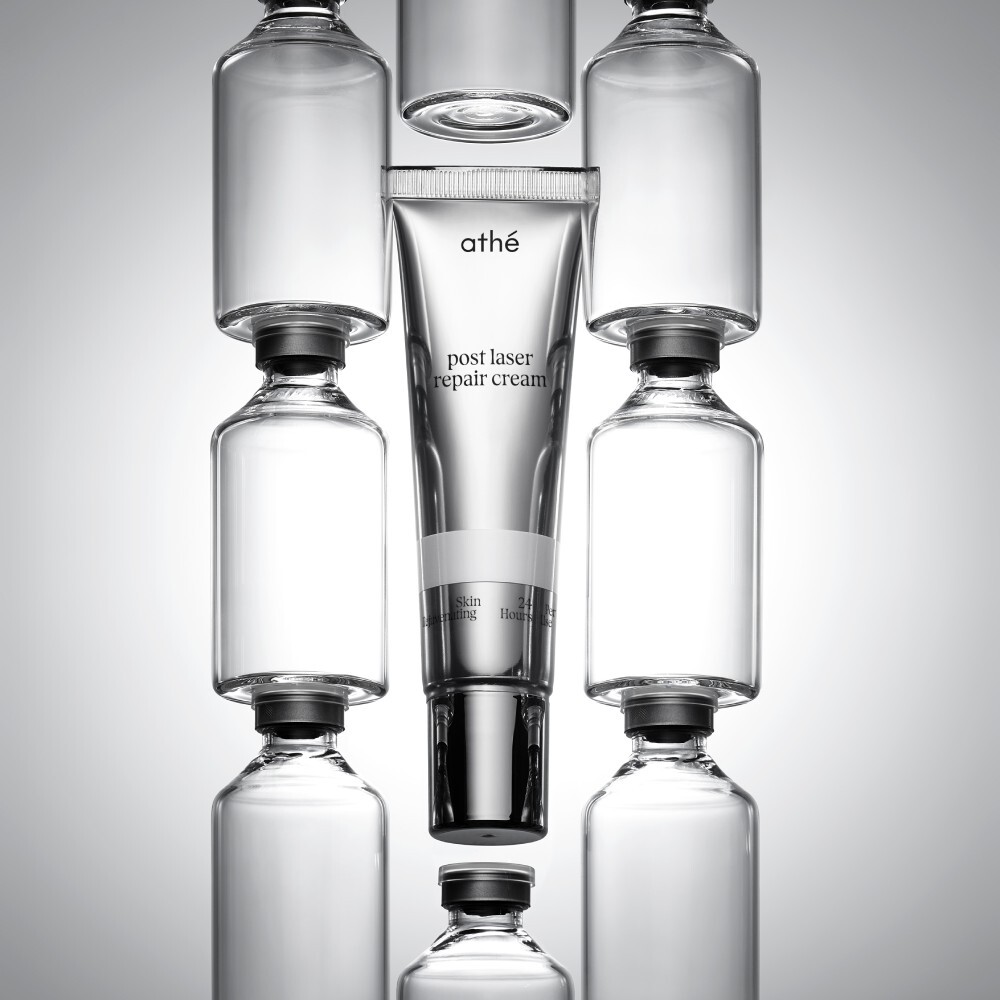
Post Laser Repair Cream
Athe
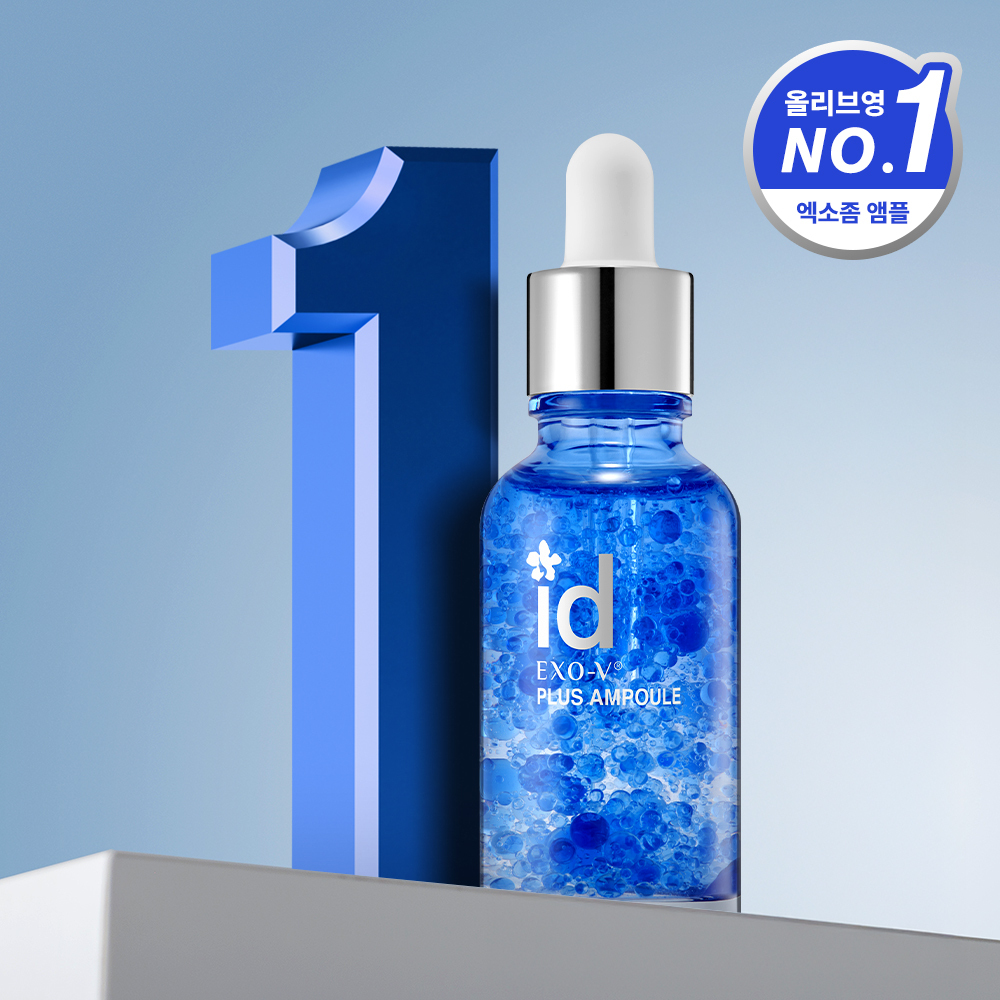
Exo-V Plus Ampoule
Idplacosmetic
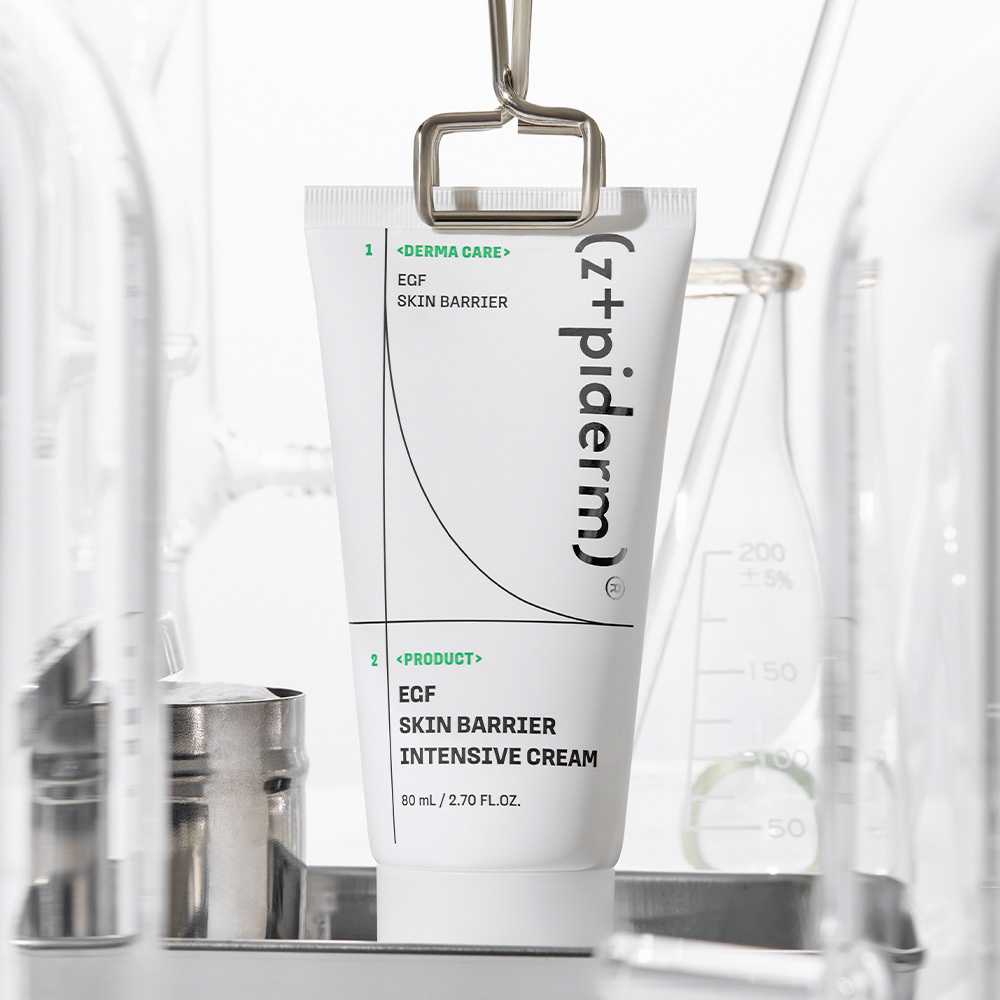
z+piderm EGF Skin Barrier Intensive Cream
Aestura
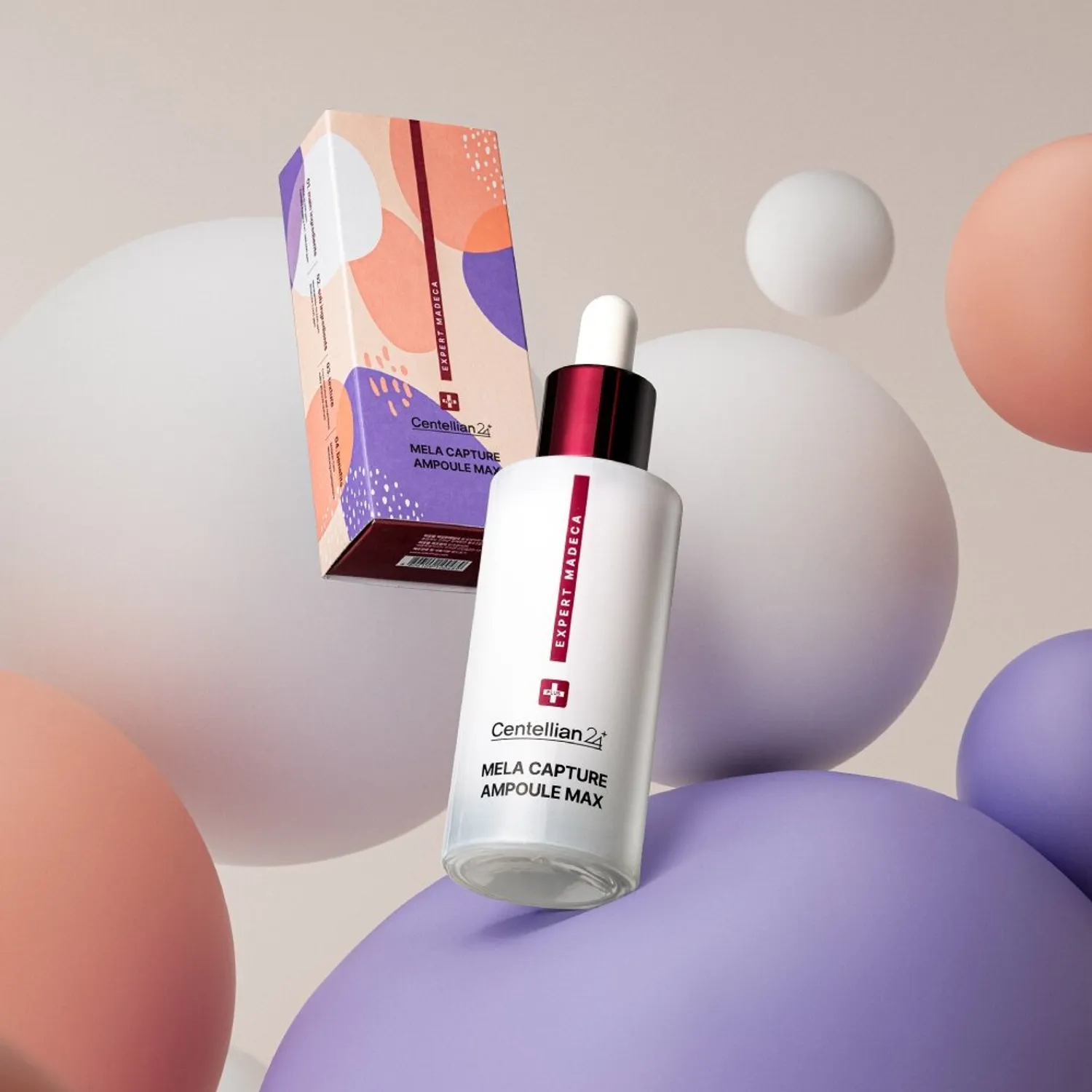
Expert Madeca Mela Capture Ampoule Max
Centellian24
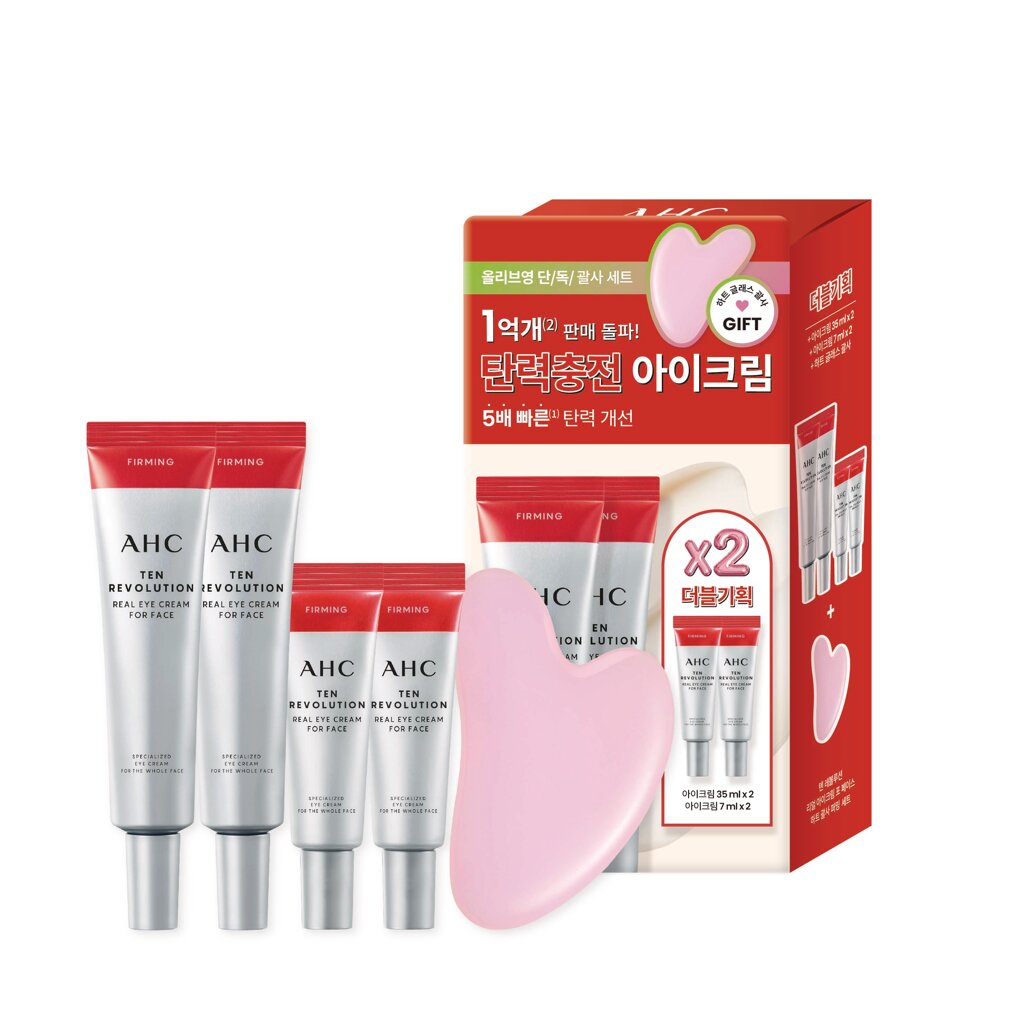
10 Revolution Real Eye Cream For Face
AHC
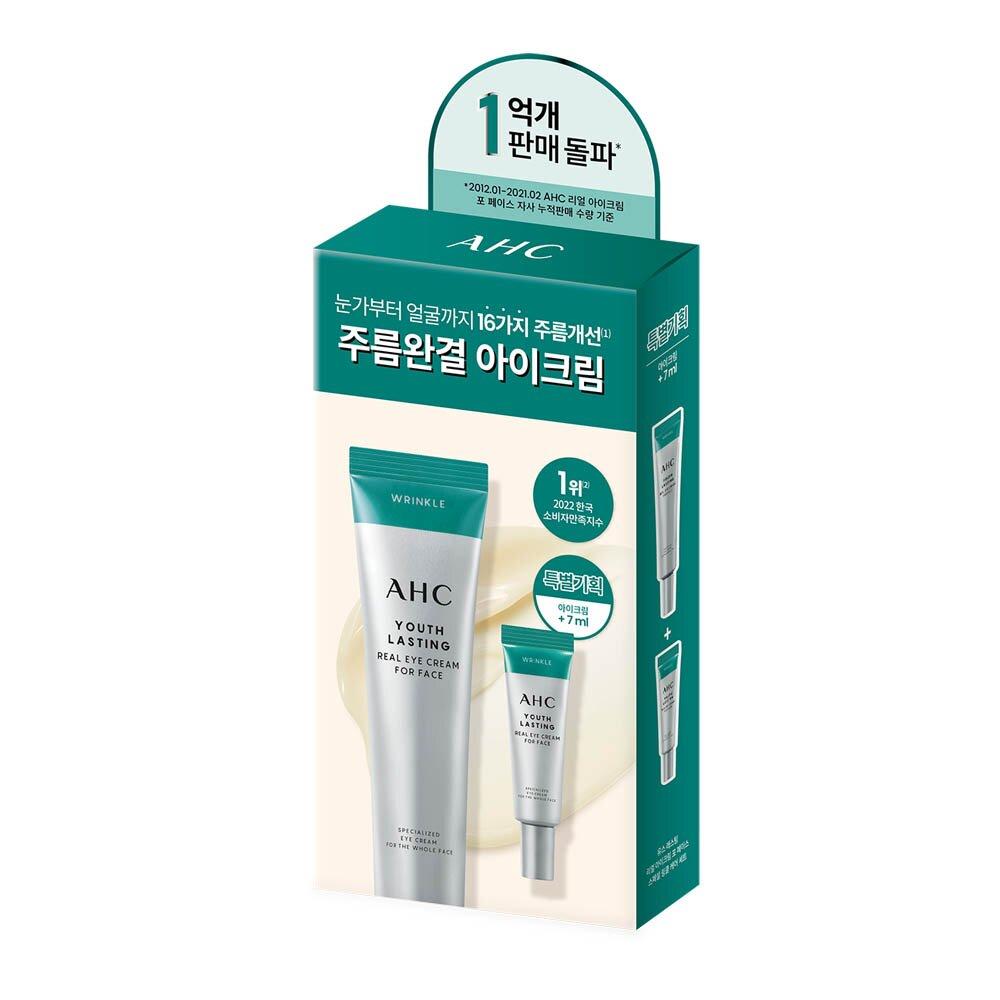
Youth Lasting Real Eye Cream For Face Special Wrinkle Care Set
AHC
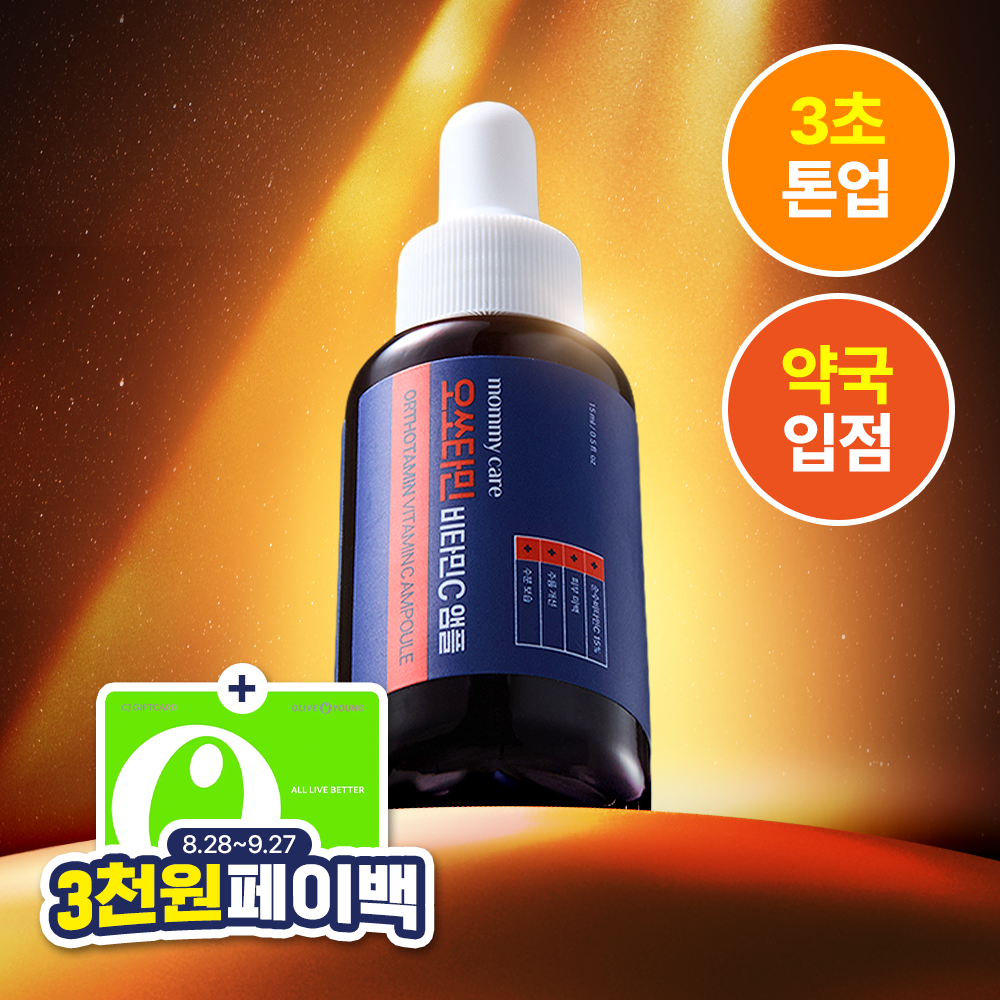
Orthotamin Vitamin C Ampoule
Anua
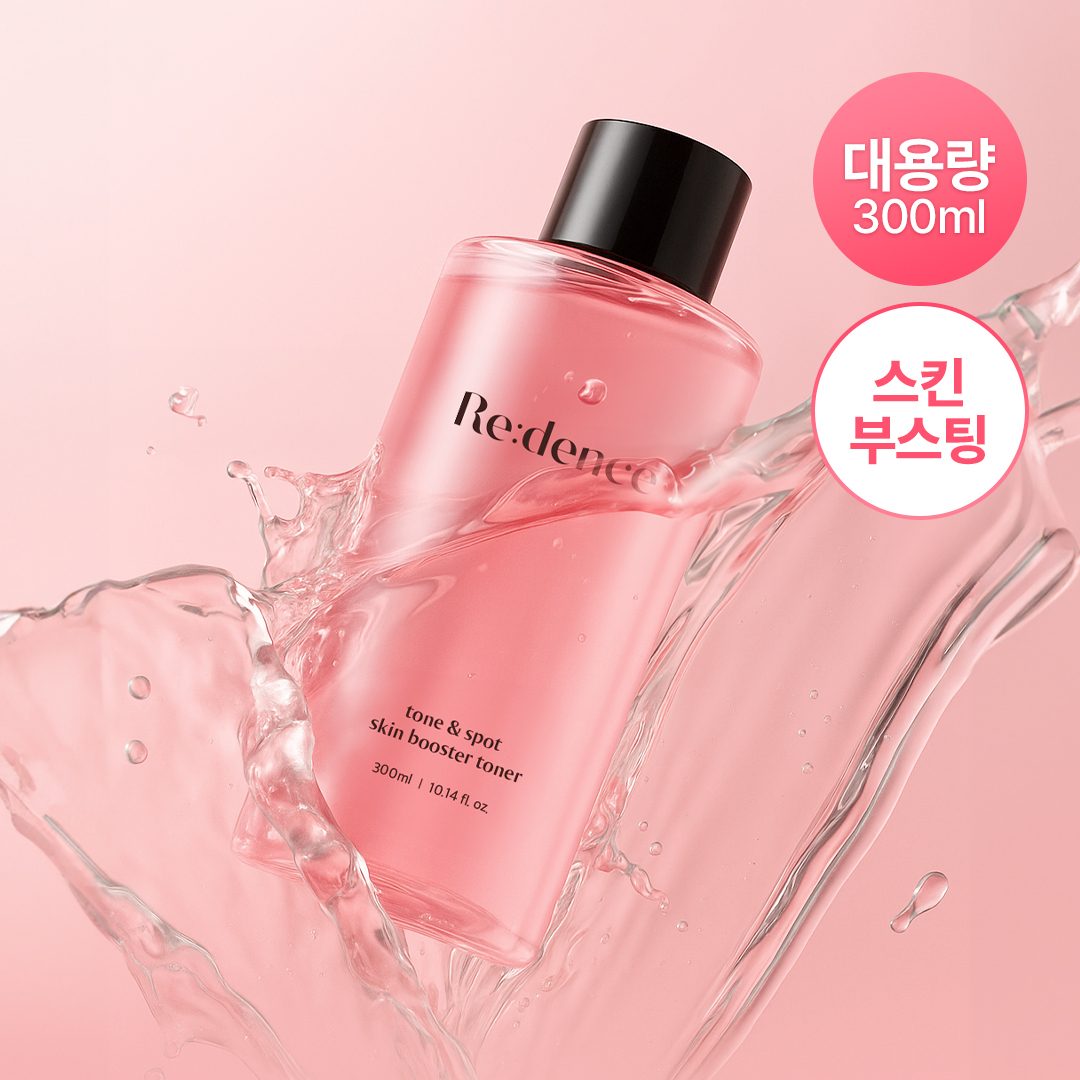
Tone & Spot Skin Booster Toner
Redence
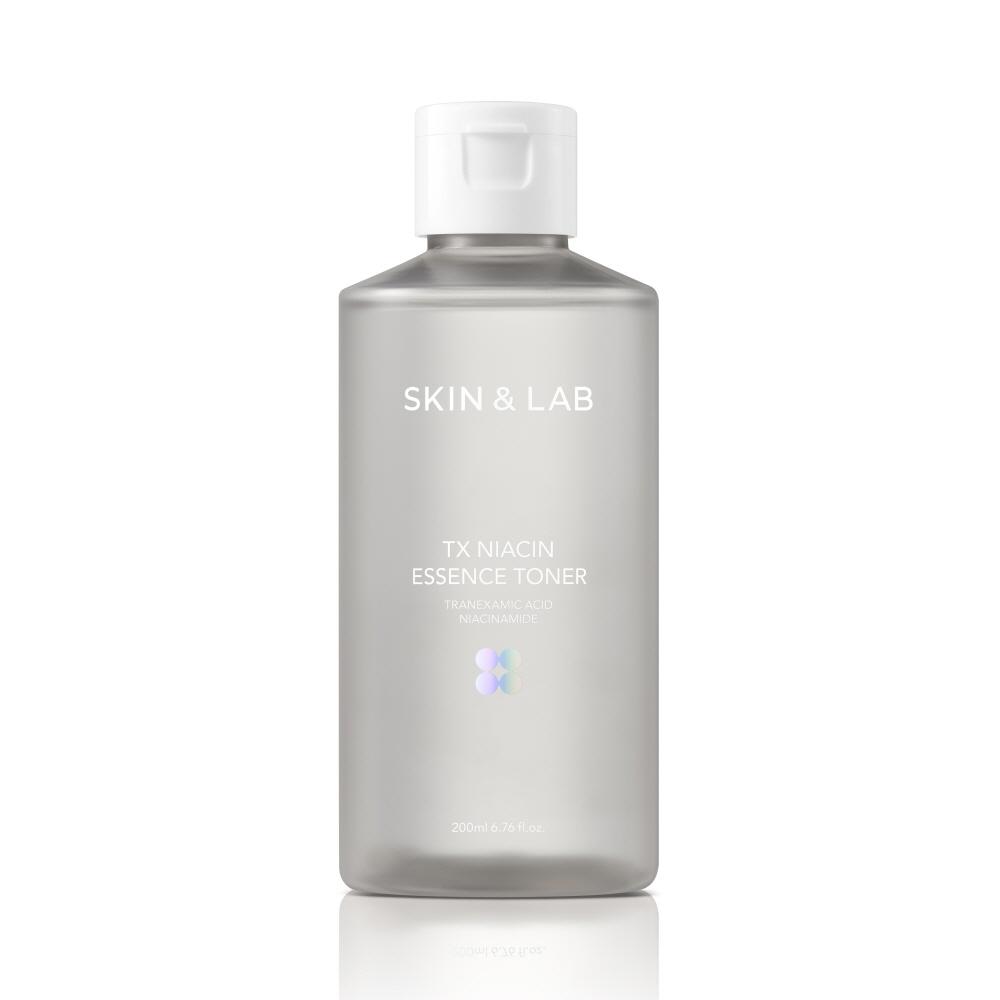
TX Niacin Essence Toner
Skin&Lab

Melanon X Ampoule Cleanser
Medi-Peel
Frequently Asked Questions
Why does vitamin K3 have such a low safety rating?▼
Is vitamin K3 actually effective for dark circles?▼
Can I use vitamin K3 products after laser treatments?▼
Why is vitamin K3 banned in Europe but used in K-beauty?▼
Explore More
Want personalized ingredient advice?
Yuri, our AI beauty advisor, can tell you how Vitamin K3 works with your specific skin type, routine, and concerns.
Ask Yuri, free