Wild Mint Oil
INCI: Mentha Arvensis Leaf Oil
Cooling sensation and fragrance component
About Wild Mint Oil
Wild Mint Oil, derived from the Mentha arvensis plant (also known as corn mint or field mint), is a cooling and aromatic ingredient that's become a signature element in K-beauty formulations designed to refresh and invigorate the skin. Unlike peppermint oil, which can be harsher, wild mint oil offers a gentler cooling sensation thanks to its menthol content, typically ranging from 70-90%. In Korean skincare, it's prized not just for its refreshing sensory experience but also for its ability to temporarily soothe irritated skin and provide antimicrobial benefits. You'll find it in 42 products on Seoul Sister, from gel cleansers to moisture creams, where it serves dual purposes as both a functional active and a natural fragrance component. The ingredient appears in top-rated products like Beplain's Mild Gel To Foam Cleanser (5.0/5) and Acwell's Licorice pH Balancing Extreme Moisture Cream (5.0/5), suggesting that when formulated properly, it can enhance product performance without causing irritation. However, its safety rating of 3/5 reflects an important reality: as a fragrance ingredient containing volatile compounds, it can trigger sensitivity in some users, particularly those with reactive skin or fragrance allergies.
How Wild Mint Oil Works
The cooling effect you feel from wild mint oil comes primarily from menthol, which activates TRPM8 receptors on your skin's nerve endings. These are the same receptors that respond to cold temperatures, creating that characteristic tingling, refreshing sensation without actually lowering skin temperature. At a cellular level, the monoterpenes in wild mint oil (including menthol, menthone, and limonene) interact with your skin's microbiome, demonstrating antimicrobial properties against certain bacteria and fungi. This is why you'll see it in cleansers like Heimish's All Clean White Clay Foam (4.9/5), where it helps maintain skin clarity. The oil's volatile aromatic compounds also provide sensory benefits that can influence your perception of product freshness and efficacy. Some research suggests menthol may temporarily improve microcirculation in surface capillaries, though this effect is mild and short-lived. The low comedogenic rating of 1/5 indicates that despite being an oil, its molecular structure doesn't typically clog pores, making it suitable for most skin types when used in appropriate concentrations.
Wild Mint Oil by Skin Type
Oily Skin
Wild mint oil works surprisingly well for oily skin types, primarily in cleansing formulations where its antimicrobial properties can help manage excess sebum and surface bacteria. The cooling sensation can feel particularly refreshing on congested, oily skin without adding heaviness. However, some people with oily skin may experience increased sensitivity to the menthol content, so patch testing is wise.
Dry Skin
For dry skin, wild mint oil should be approached with caution. While products like Real Barrier's Extreme Cream Special Set (4.9/5) successfully incorporate it into moisture-rich formulations, the menthol can potentially be drying in high concentrations or when used in products without adequate emollients. If you have dry skin, look for wild mint oil lower on the ingredient list, where it's present for sensory benefits rather than as a primary active.
Combo Skin
Combination skin often responds well to wild mint oil, especially in balancing formulations like Acwell's Licorice pH Balancing Extreme Moisture Cream (5.0/5). The ingredient can help refresh oily zones without over-drying cheeks, provided it's formulated with complementary hydrating ingredients. This skin type typically tolerates the cooling sensation without irritation, making it an ideal candidate for products featuring wild mint oil.
Sensitive Skin
Sensitive skin types should exercise the most caution with wild mint oil. As a fragrance ingredient with a 3/5 safety rating, it contains volatile compounds that can trigger reactions in reactive skin. The menthol content, while gentler than peppermint, can still cause redness, stinging, or increased sensitivity, particularly around the eye area or on compromised skin barriers. If you have sensitive skin and want to try products with wild mint oil, start with rinse-off formulations and avoid leave-on products initially.
Normal Skin
Normal skin types typically tolerate wild mint oil very well and can enjoy its full sensory and functional benefits. The cooling effect feels pleasant without causing irritation, and the antimicrobial properties provide gentle maintenance benefits. Products like CELORABY by Anua's PDRN Collagen Bubble Quick Mask Serum (5.0/5) showcase how normal skin can handle wild mint oil in treatment products without adverse effects.
How to Use Wild Mint Oil
- 1Start with rinse-off products (cleansers, masks) before progressing to leave-on formulations if you're unsure about your sensitivity to menthol or fragrance ingredients.
- 2Avoid layering multiple products containing wild mint oil in the same routine, as the cumulative effect can increase the risk of irritation or sensitization over time.
- 3Keep products with wild mint oil away from the immediate eye area, as the volatile compounds can cause watering and discomfort even if they don't directly contact your eyes.
- 4If you're using active ingredients like retinoids or exfoliating acids, consider using wild mint oil products at different times of day to minimize the risk of compounding irritation on your skin barrier.
Background
Mentha arvensis has been cultivated for centuries across Asia, Europe, and North America, with particularly strong roots in traditional Asian medicine. In Korean herbal practice, field mint has been used to treat headaches, digestive issues, and skin inflammation, making its incorporation into modern K-beauty a natural evolution. The commercial production of wild mint oil exploded in the 20th century, with India, China, and Brazil becoming major producers due to the plant's high menthol content. K-beauty brands embraced wild mint oil in the 2000s as part of the broader trend toward incorporating traditional herbal ingredients into modern formulations. Its dual role as both a functional ingredient and a natural fragrance component aligned perfectly with Korean skincare philosophy, which values sensory experience as part of the self-care ritual. Today, it's particularly popular in products designed for hot, humid climates where the cooling sensation provides immediate comfort.
K-Beauty Products with Wild Mint Oil
View all 44 →
Mild Gel To Foam Cleanser
Beplain
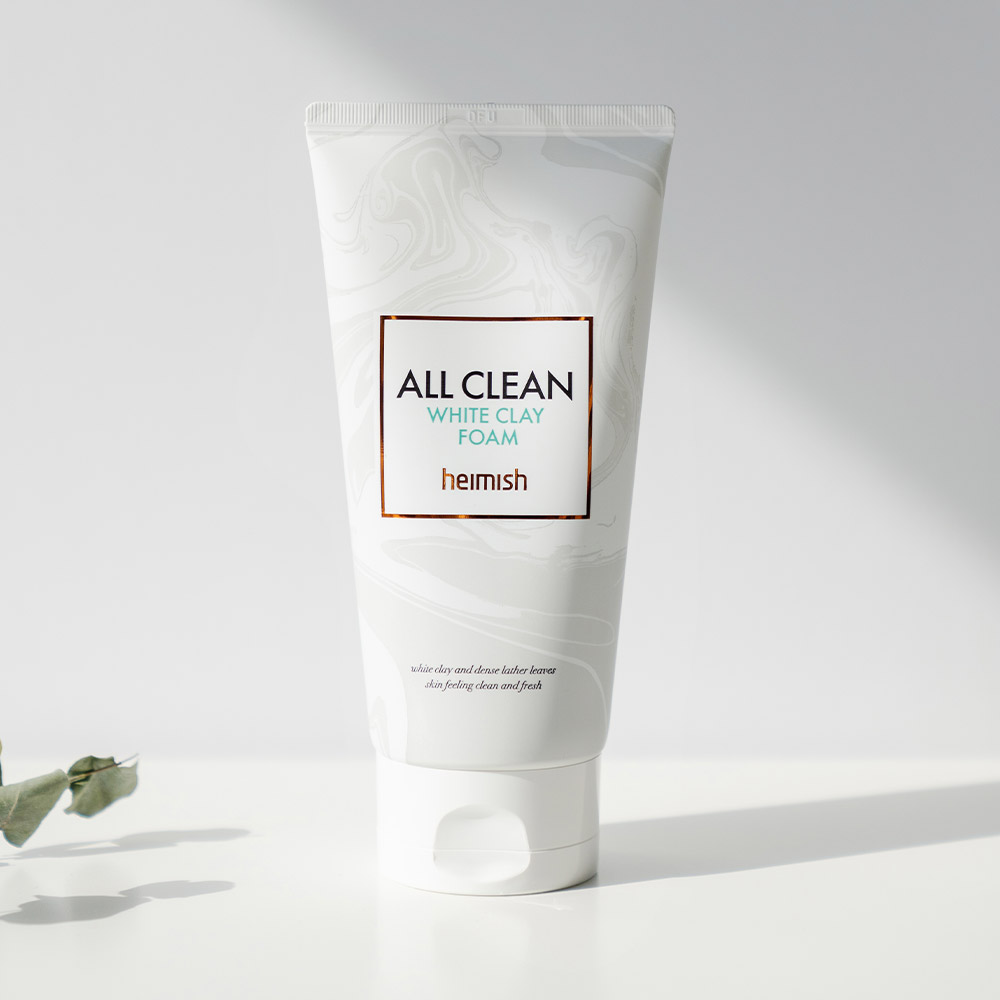
All Clean White Clay Foam
Heimish

Deep Melting Mud Pore Cleansing Oil
Banila Co
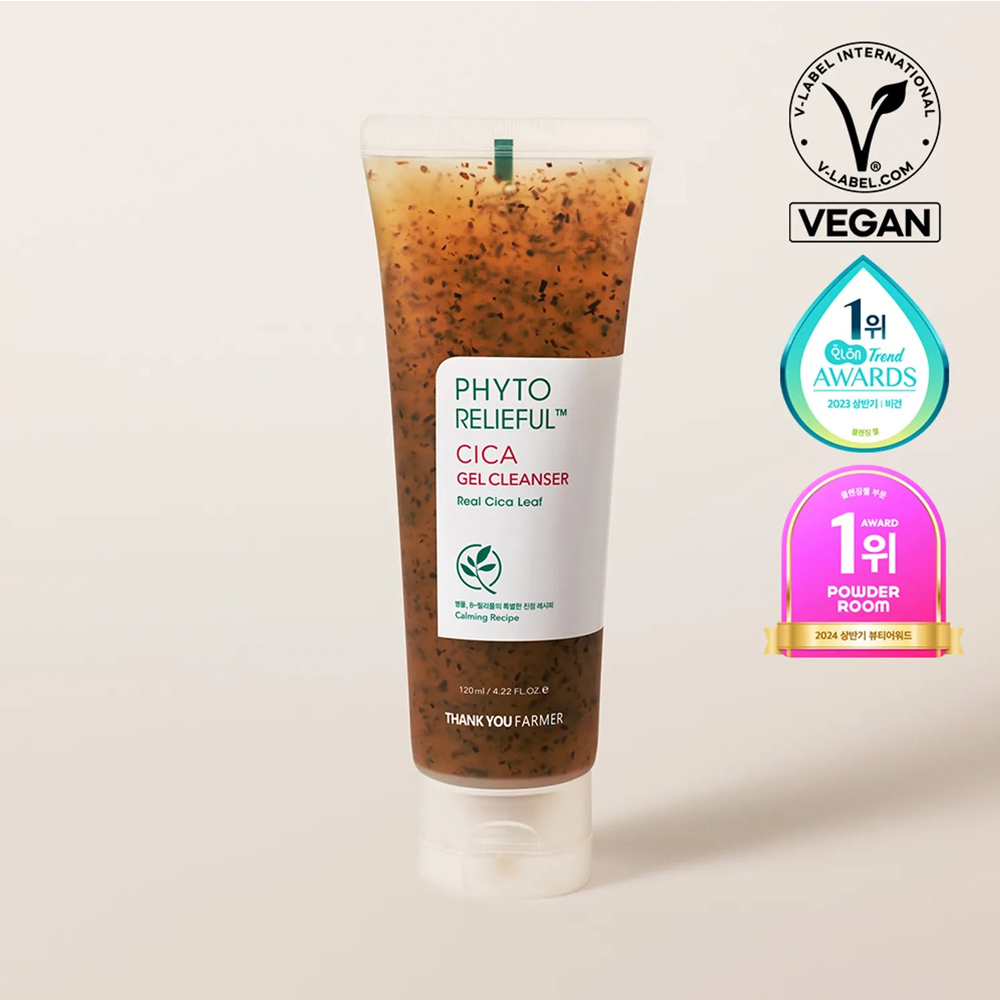
Phyto Relieful Cica Gel Cleanser
Thank You Farmer
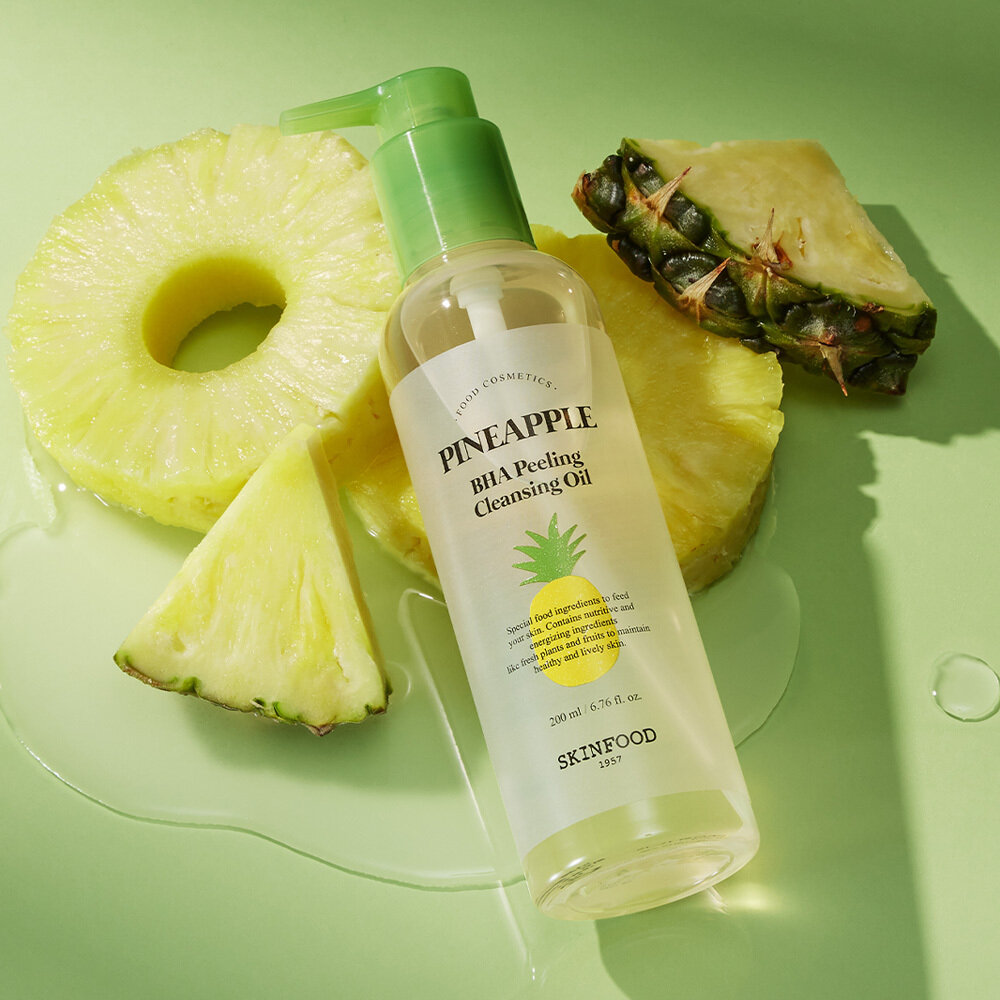
Pineapple BHA Peeling Cleansing Oil
Skinfood
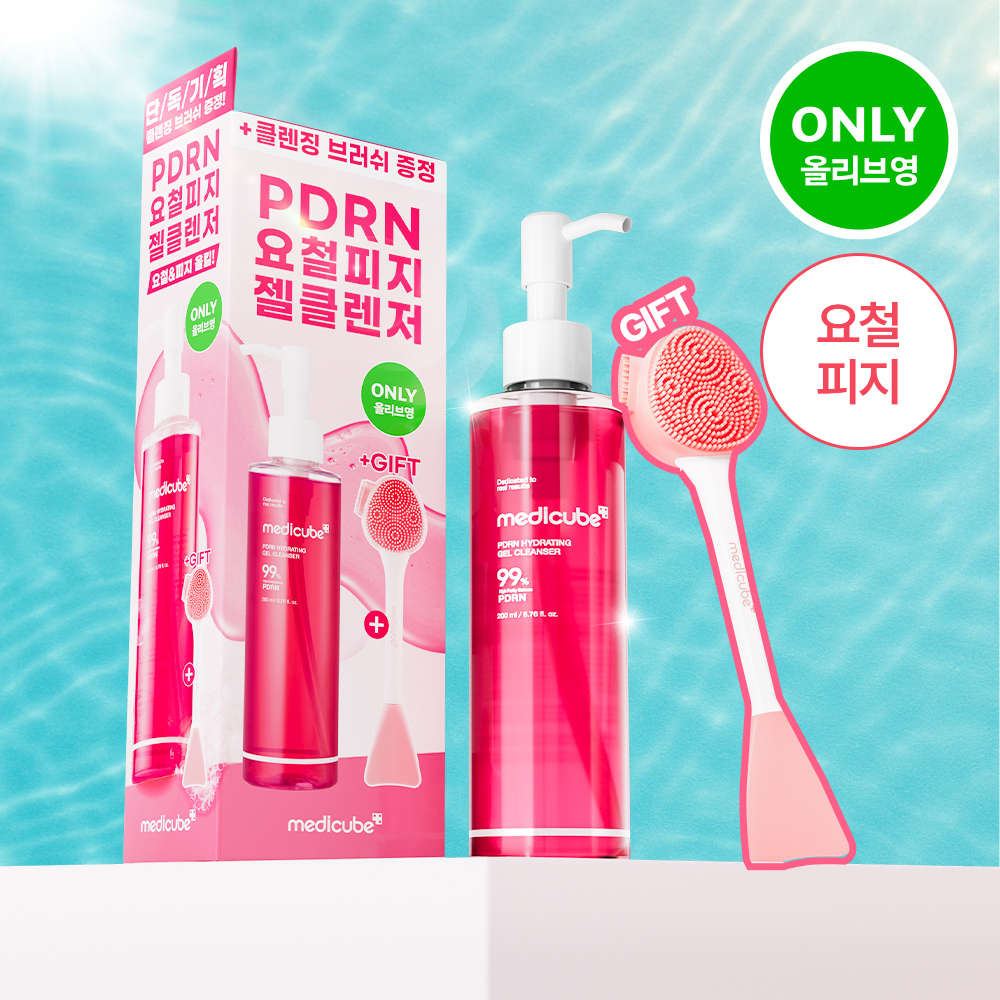
PDRN Gel To Foam Cleanser
Medicube
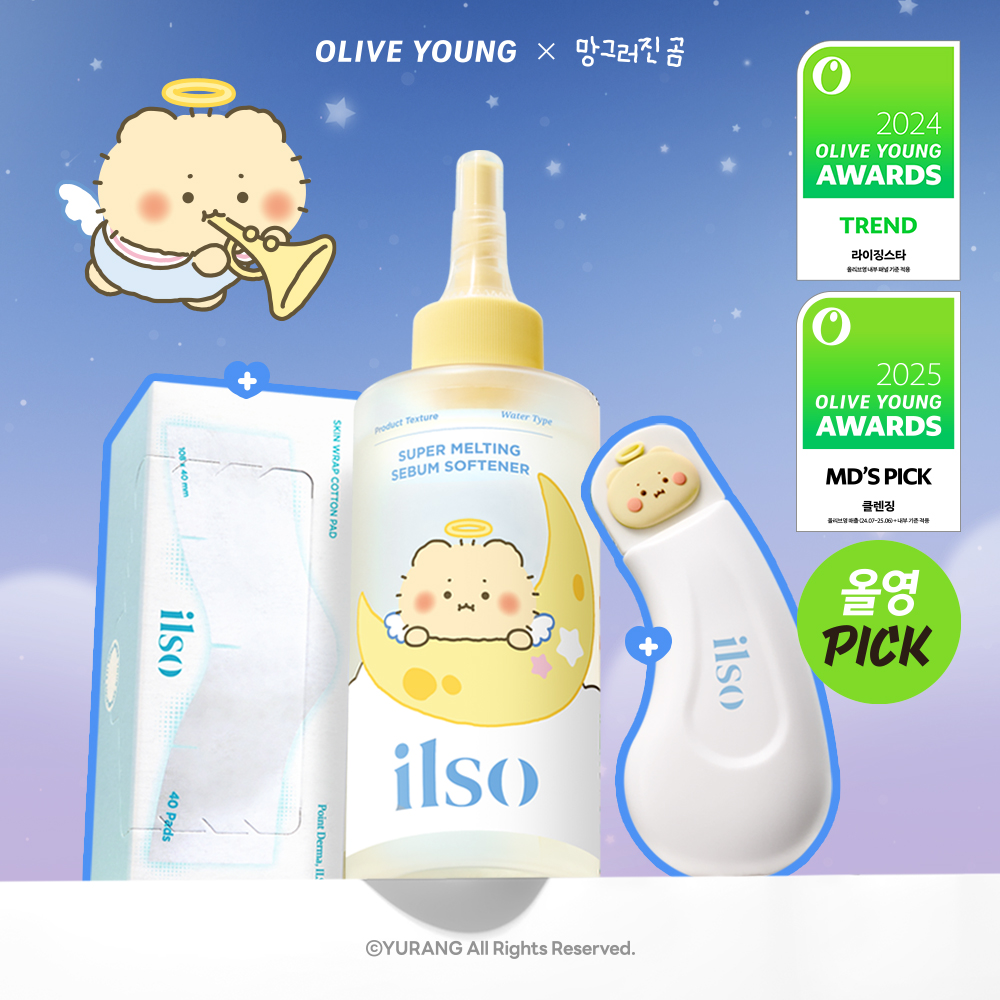
Super Melting Sebum Softener Set
Ilso
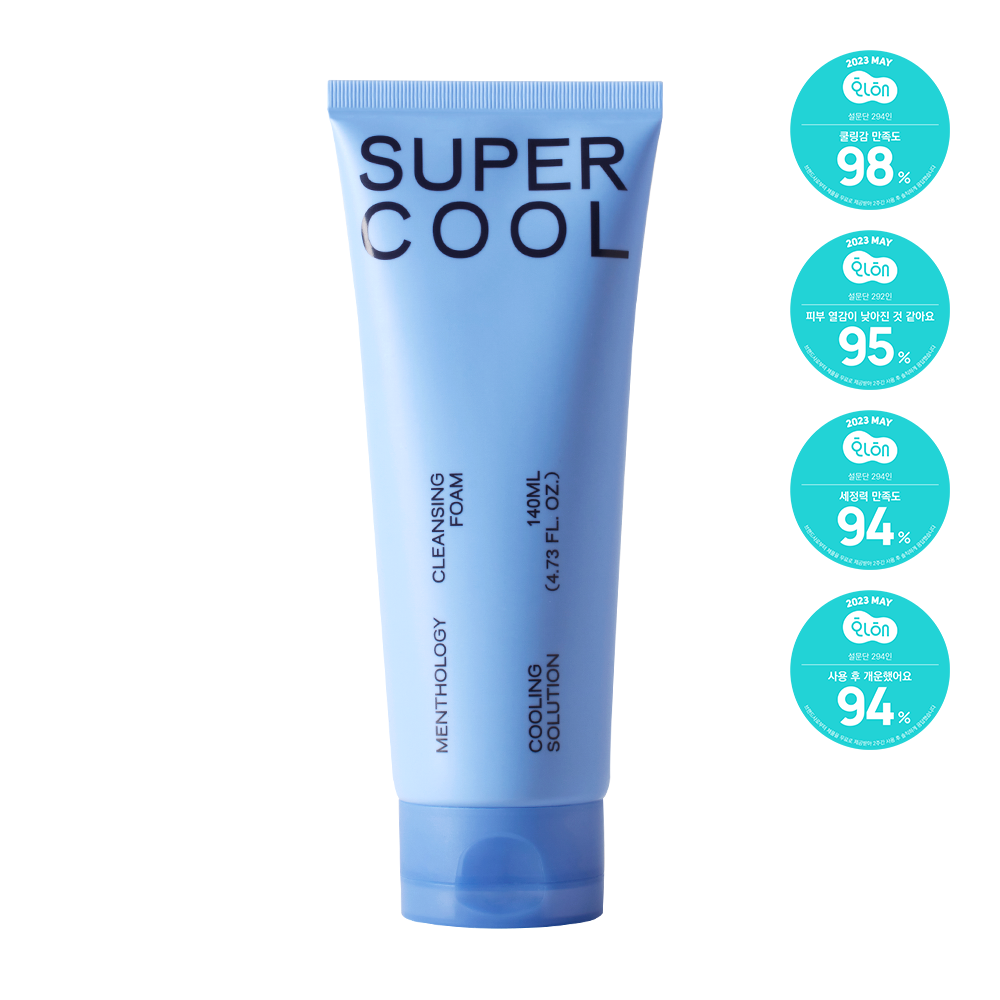
Menthology Super Cool Cleansing Foam
Beplain
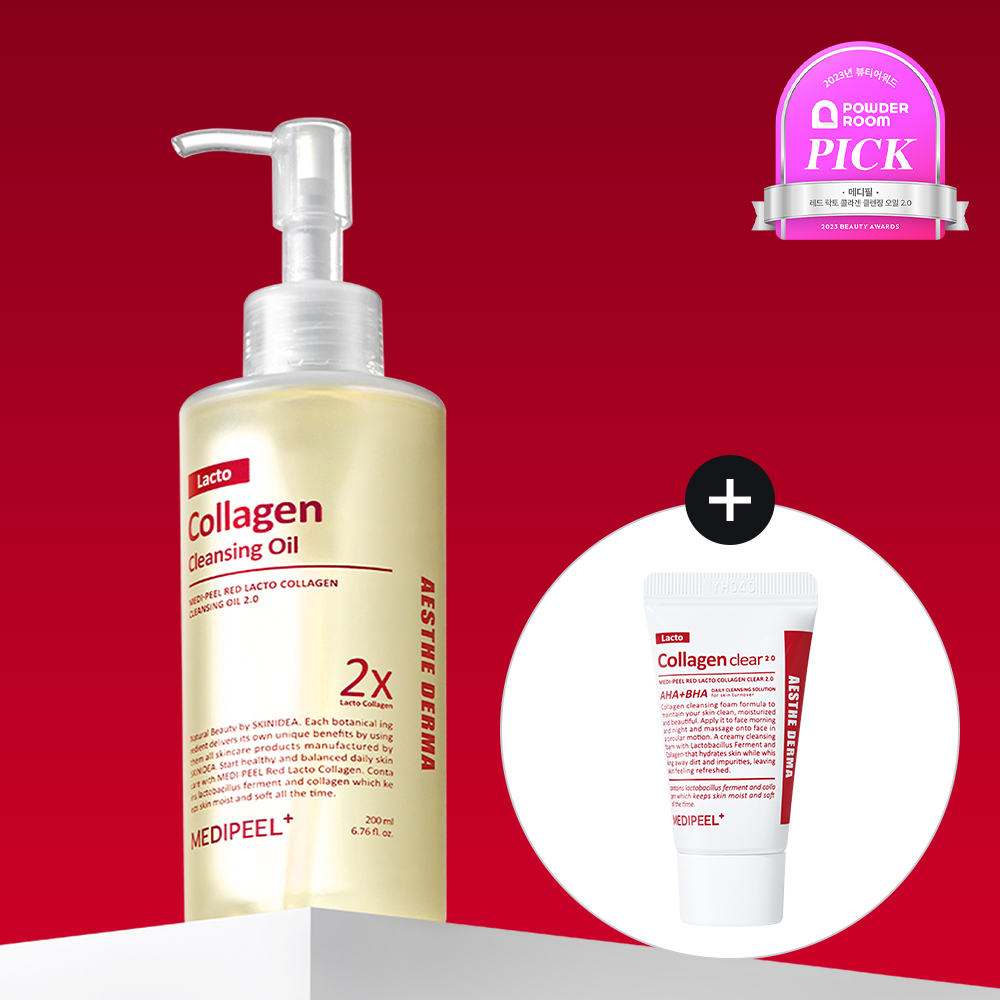
Red Lacto Collagen Cleansing Oil 2.0 Special Set
Medi-Peel
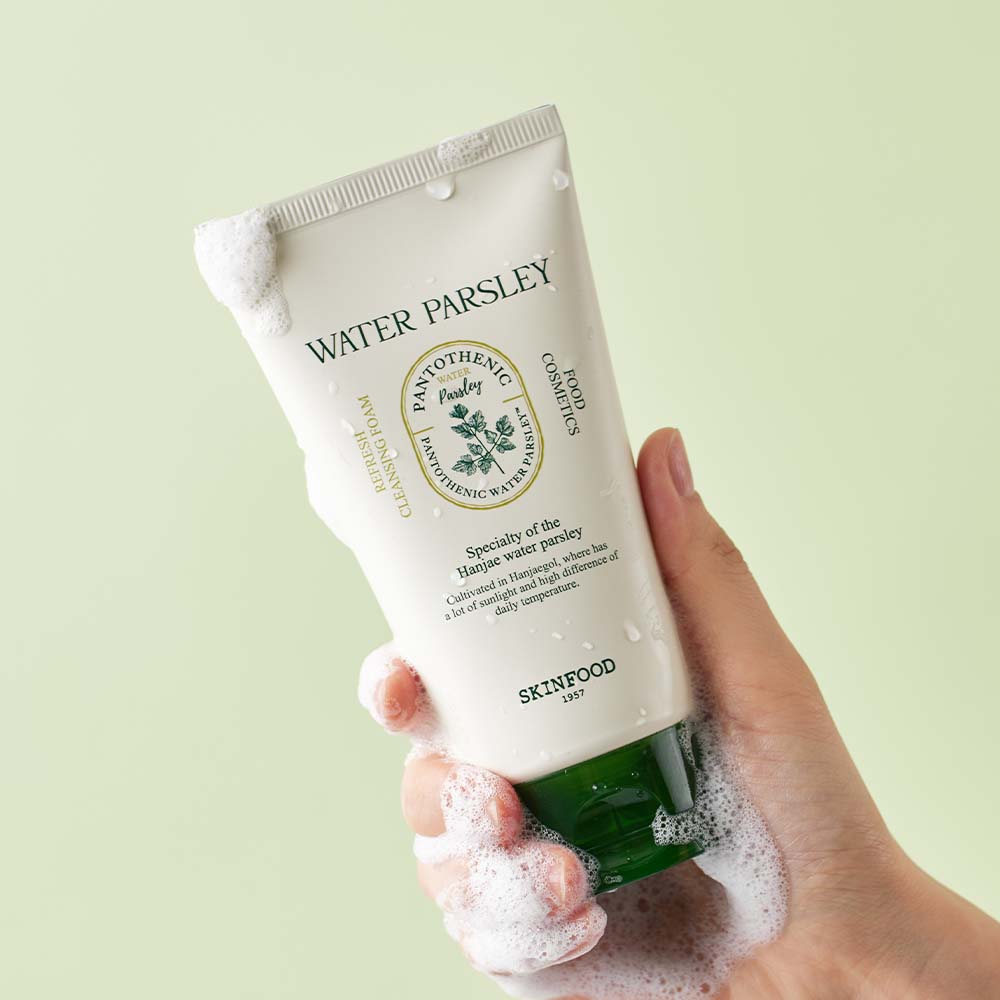
Pantothenic Water Parsley Refresh Cleansing Foam
Skinfood
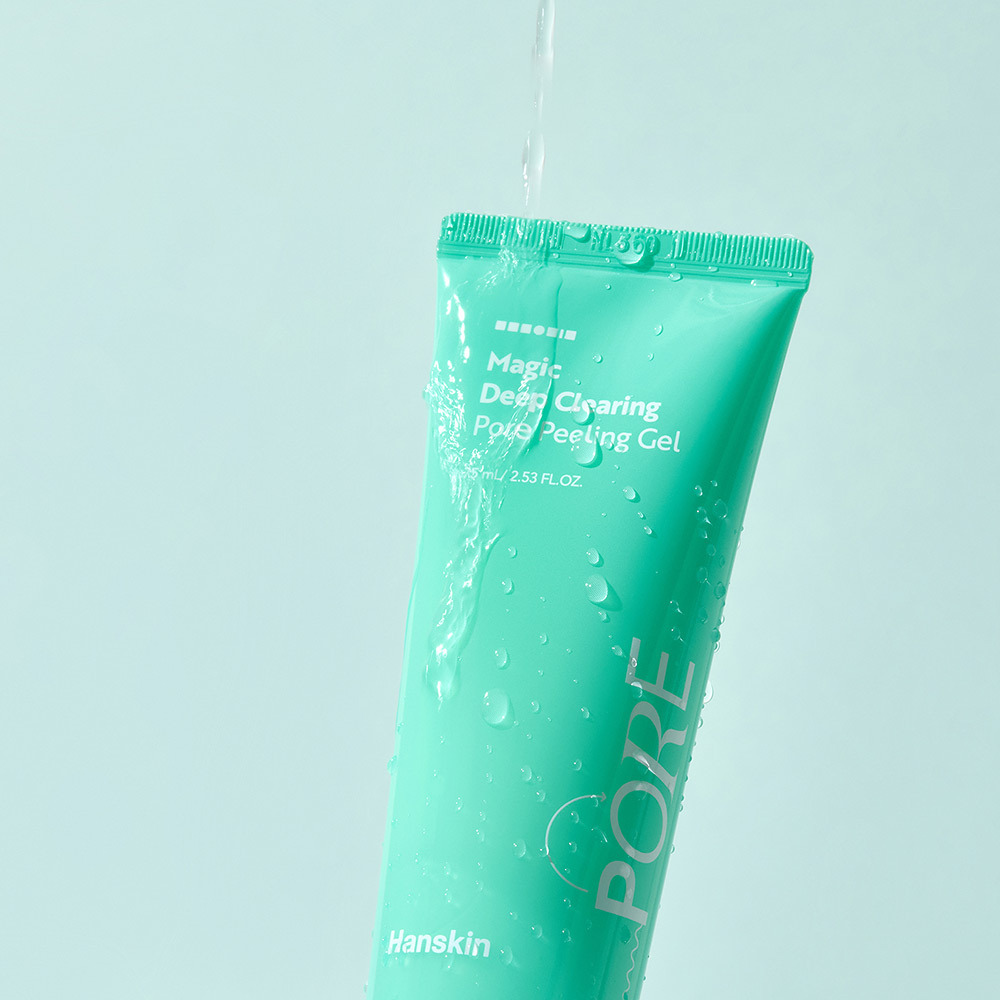
Magic Deep Clearing Pore Peeling Gel
Hanskin
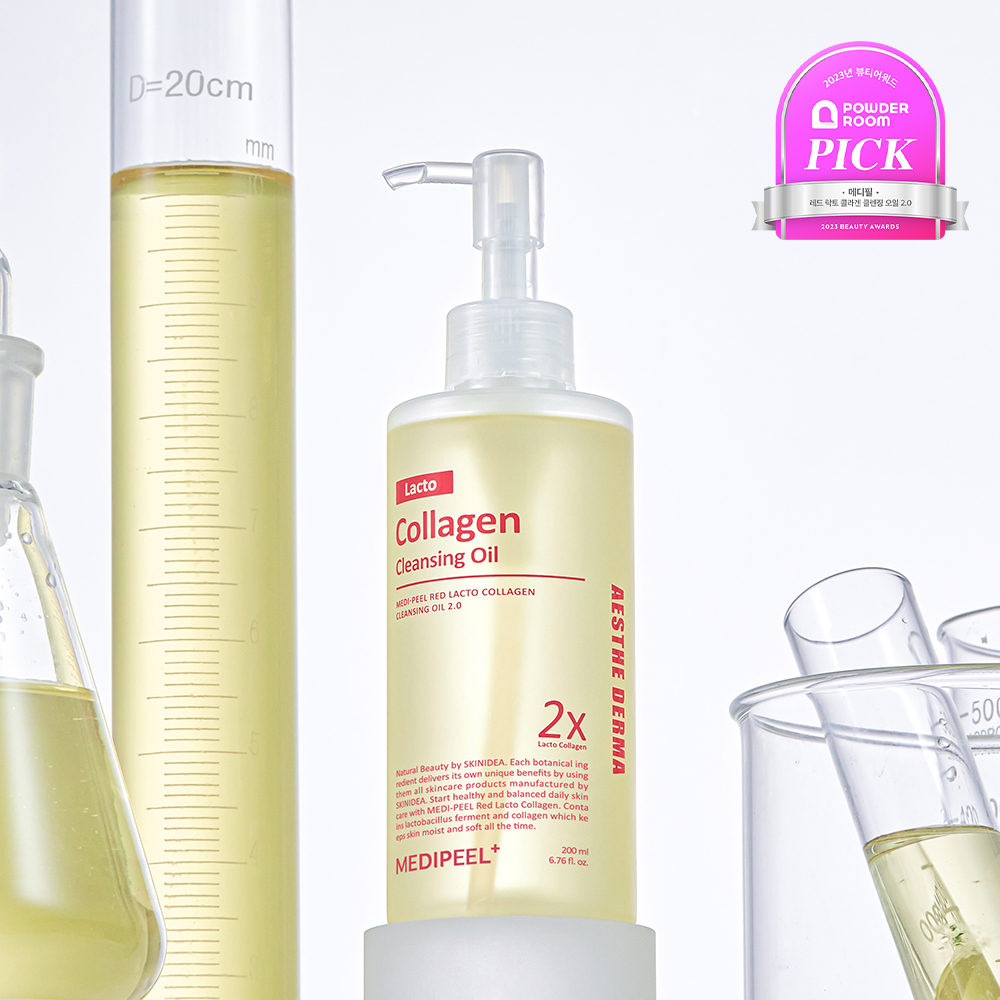
Red Lacto Collagen Cleansing Oil 2.0
MEDIPEEL
Frequently Asked Questions
Is wild mint oil the same as peppermint oil in skincare?▼
Why does wild mint oil have a 3/5 safety rating if it's natural?▼
Can wild mint oil help with acne or breakouts?▼
Should I avoid wild mint oil if I'm pregnant or breastfeeding?▼
Explore More
Want personalized ingredient advice?
Yuri, our AI beauty advisor, can tell you how Wild Mint Oil works with your specific skin type, routine, and concerns.
Ask Yuri, free