Peppermint Leaf Extract
INCI: Mentha Piperita (Peppermint) Leaf Extract
Soothing and refreshing agent with antimicrobial properties
About Peppermint Leaf Extract
Peppermint Leaf Extract is a botanical ingredient derived from Mentha piperita, prized in K-beauty for its cooling sensation and multitasking skincare benefits. This extract contains high concentrations of menthol, menthone, and rosmarinic acid, which together deliver antimicrobial, anti-inflammatory, and astringent properties. Korean skincare brands incorporate peppermint leaf extract primarily in cleansers and soothing creams to refresh fatigued skin, control excess sebum, and provide a temporary tightening effect that feels immediately gratifying. The ingredient appears in 62 products on Seoul Sister, including top-rated formulations like Papa Recipe's Real Centella Pack & Foam (5.0/5) and SKIN1004's Madagascar Centella Soothing Cream (4.8/5), often paired with calming ingredients like centella asiatica to balance its stimulating effects. While peppermint extract offers legitimate benefits for congested and oily skin types, it requires careful formulation. The menthol component can trigger sensory receptors that create a cooling illusion without actually lowering skin temperature, which some users find soothing but others may experience as irritating, particularly if they have compromised skin barriers. Its moderate safety rating (3/5) reflects this dual nature. When properly formulated at appropriate concentrations and combined with skin-compatible ingredients, peppermint leaf extract serves as an effective supporting player in K-beauty routines focused on clarifying, refreshing, and rebalancing skin.
How Peppermint Leaf Extract Works
Peppermint leaf extract functions through several complementary mechanisms. Its primary bioactive compound, menthol, activates TRPM8 cold-sensitive receptors in the skin, creating the characteristic cooling sensation without changing actual skin temperature. This neurological response can temporarily reduce the perception of inflammation and discomfort. The extract's flavonoids and phenolic acids, particularly rosmarinic acid, inhibit inflammatory pathways by suppressing pro-inflammatory cytokines like IL-6 and TNF-alpha. On the antimicrobial front, menthol and menthone disrupt bacterial cell membranes, showing particular efficacy against Cutibacterium acnes (formerly Propionibacterium acnes), the bacteria implicated in acne formation. The extract's astringent tannins cause mild protein precipitation in skin tissue, temporarily tightening pores and reducing the appearance of enlarged pores common in oily skin types. Additionally, peppermint extract exhibits modest antioxidant activity through its polyphenol content, helping neutralize free radicals generated by UV exposure and environmental pollution. The combination of these actions makes peppermint leaf extract particularly useful in formulations targeting excess sebum, mild acne, and skin that needs a revitalizing sensory experience.
Peppermint Leaf Extract by Skin Type
Oily Skin
Peppermint leaf extract excels for oily skin due to its sebum-regulating astringent properties and antimicrobial action against acne-causing bacteria. The cooling sensation also helps offset the uncomfortable greasy feeling many oily-skin individuals experience. Its low comedogenic rating (1/5) means it won't clog pores, making it a smart addition to cleansers and lightweight moisturizers for this skin type.
Dry Skin
Dry skin types should approach peppermint leaf extract with caution, as its astringent properties can exacerbate tightness and potentially strip needed moisture. If present in a formula, it should appear lower on the ingredient list and be heavily buffered with humectants and emollients. The menthol can also create a tingling sensation that dry, compromised skin may interpret as irritation rather than refreshment.
Combo Skin
Combination skin can benefit from peppermint leaf extract when formulated thoughtfully, as it addresses oiliness in the T-zone without being overly aggressive. Look for products that combine it with hydrating ingredients like hyaluronic acid or centella asiatica (as seen in the SKIN1004 Centella Soothing Cream) to prevent dry patches from becoming drier while still managing shine in oil-prone areas.
Sensitive Skin
Sensitive skin should exercise significant caution with peppermint leaf extract. The menthol component can trigger sensory irritation, redness, and stinging in reactive skin, even if the ingredient list shows it in low concentrations. The moderate safety rating (3/5) primarily reflects this concern. If you have rosacea, eczema, or a damaged moisture barrier, avoid products with peppermint extract or patch-test extensively before committing.
Normal Skin
Normal skin can typically handle peppermint leaf extract without issue and may enjoy its refreshing, clarifying effects. It provides a pleasant sensory experience in cleansers and morning moisturizers without causing dryness or irritation. The antimicrobial properties help maintain balanced skin flora, while the antioxidant components offer modest environmental protection.
How to Use Peppermint Leaf Extract
- 1Start with rinse-off products like cleansers (Papa Recipe's Pack & Foam or Beplain's Blue Freedom Capsule Cleansing Foam) before trying leave-on formulations to assess your skin's tolerance to peppermint extract.
- 2If you experience persistent tingling or redness beyond the initial 30 seconds of application, discontinue use immediately, as this indicates sensory irritation rather than the intended cooling effect.
- 3Avoid using peppermint-containing products immediately after exfoliation, retinoid application, or any treatment that compromises your skin barrier, as penetration of menthol into deeper skin layers can cause significant discomfort.
- 4Layer peppermint extract products underneath heavier moisturizers rather than on top to buffer potential irritation while still receiving antimicrobial and astringent benefits.
- 5Store peppermint-containing products away from direct sunlight and heat, as elevated temperatures can degrade the volatile menthol compounds and reduce effectiveness.
Background
Peppermint has been cultivated for medicinal and cosmetic purposes for over 3,000 years, with ancient Egyptian, Greek, and Roman civilizations documenting its therapeutic applications. The plant itself is actually a natural hybrid of watermint and spearmint that was first formally classified in 1753. Traditional Korean medicine (hanbang) incorporated peppermint for digestive complaints and headache relief, but its modern skincare applications emerged primarily through Western aromatherapy traditions in the mid-20th century. K-beauty brands began incorporating peppermint leaf extract more strategically in the 2010s, moving beyond simple fragrance to leverage its antimicrobial and sebum-control properties in products designed for Korea's humid climate and the resulting skin concerns. The ingredient gained particular traction in "clearing" and "purifying" product lines aimed at teenage and young adult consumers dealing with acne and excess oil, often formulated alongside traditional Korean botanicals like centella and tea tree to create culturally hybrid formulations that balance stimulation with soothing.
K-Beauty Products with Peppermint Leaf Extract
View all 69 →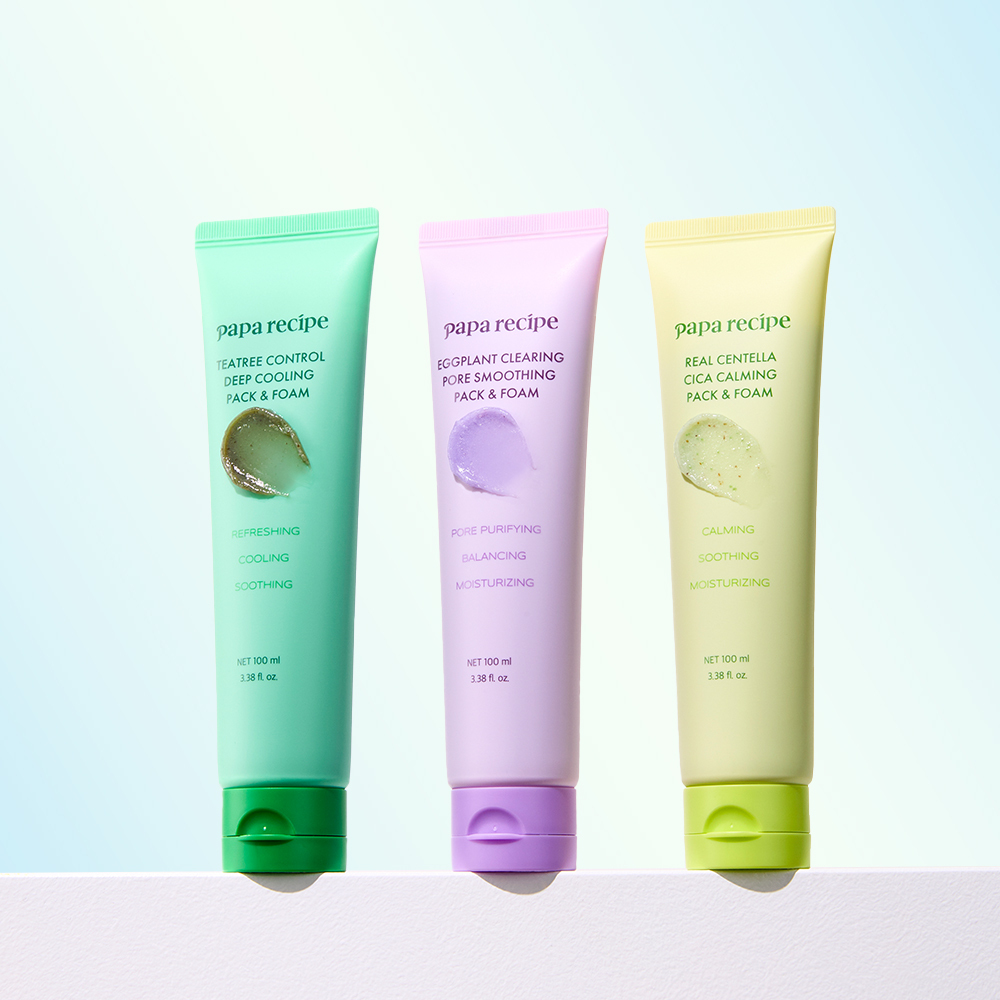
Pack & Foam (Real Centella/Eggplant Clearing/Teatree Control)
Papa Recipe
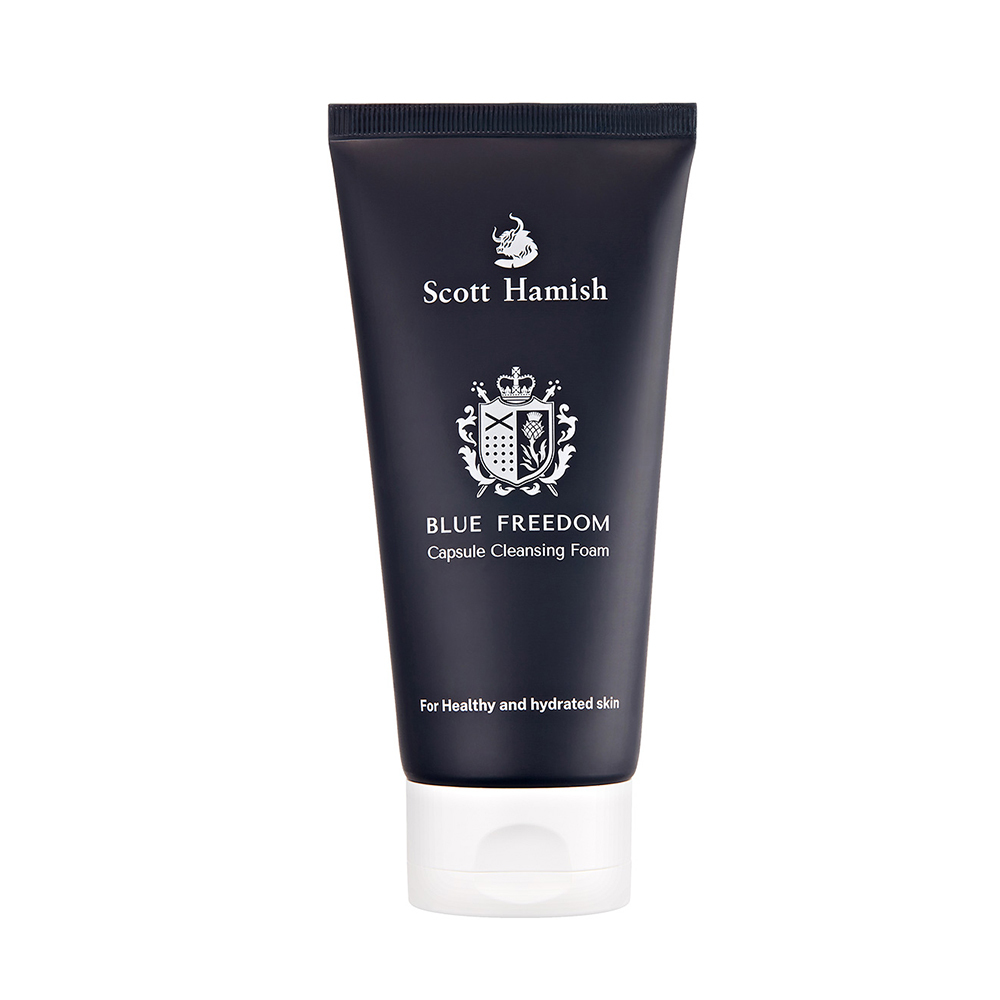
Blue Freedom Capsule Cleansing Foam
Beplain
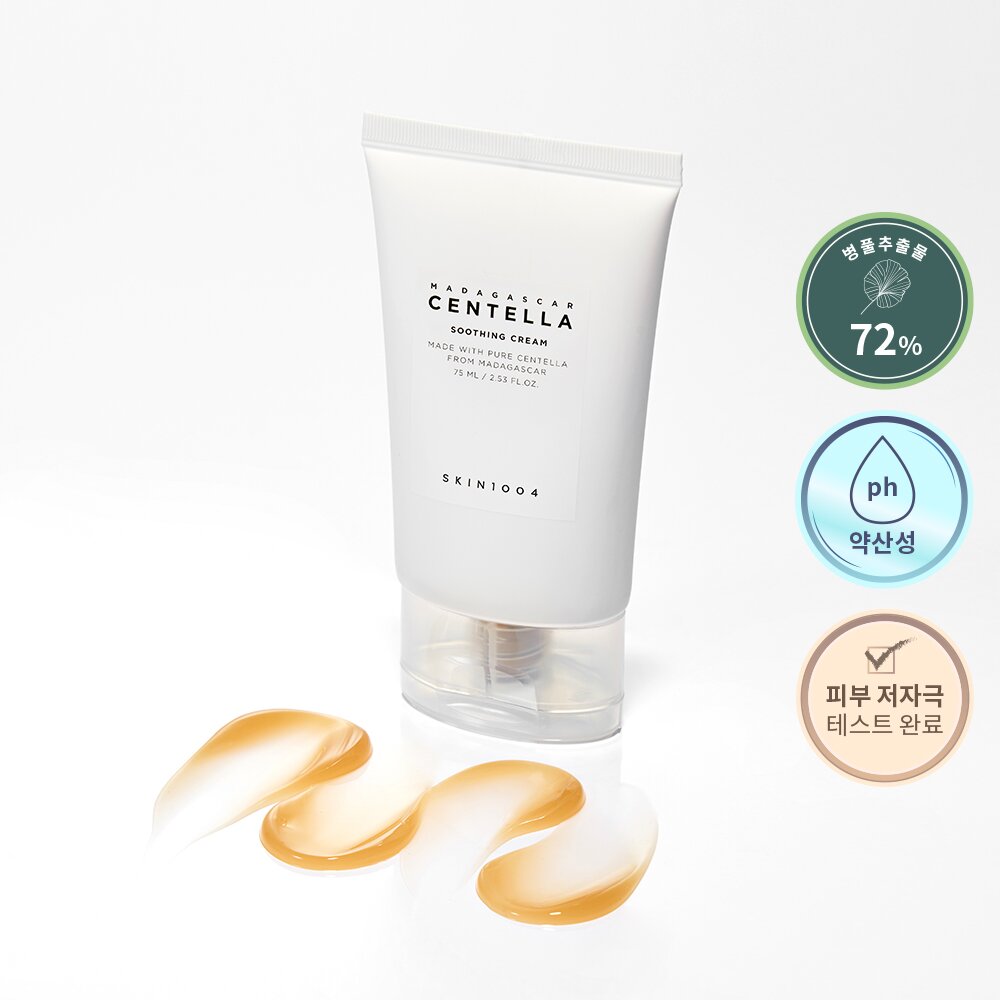
Madagascar Centella Soothing Cream
SKIN1004
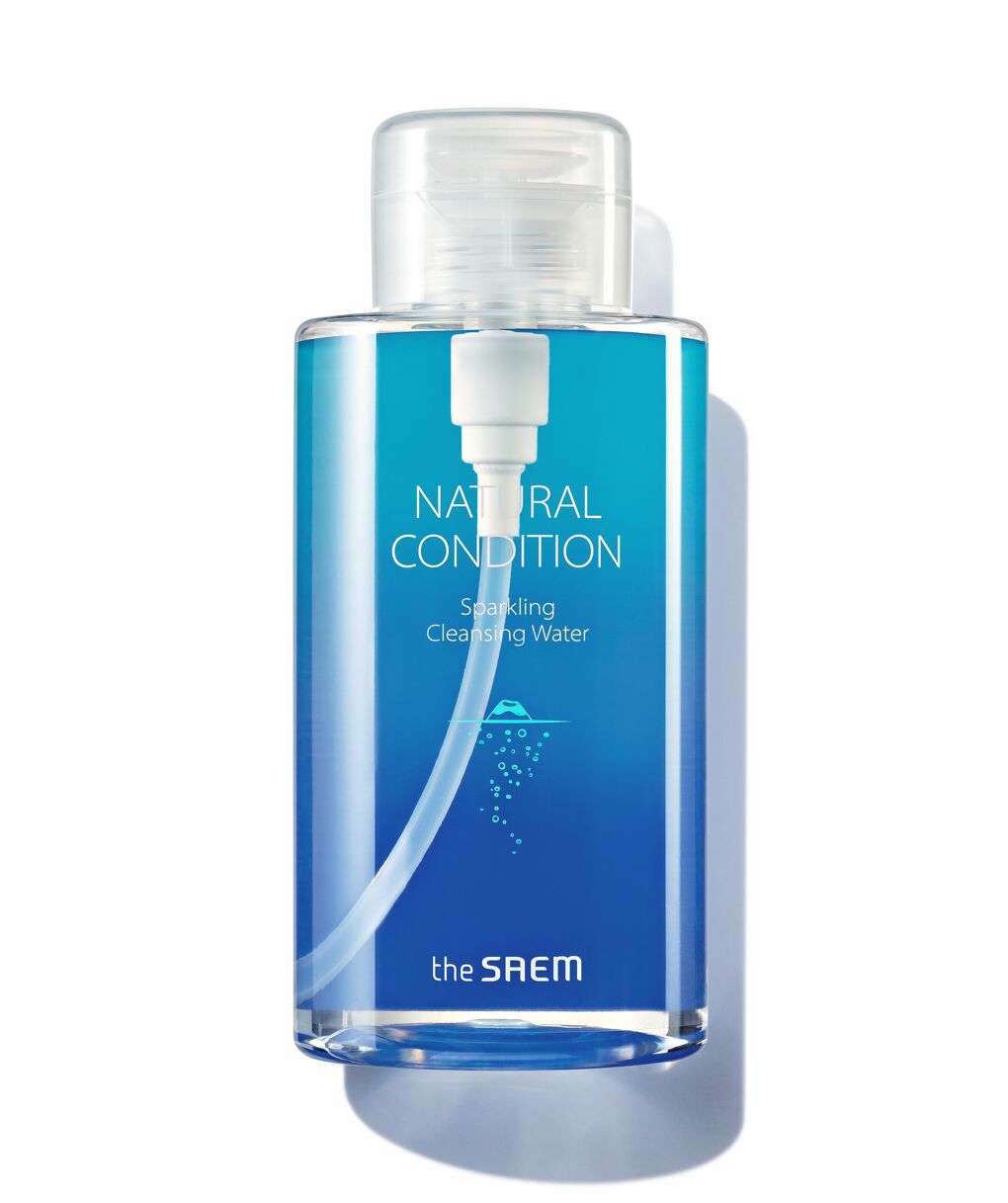
Natural Condition Sparkling Cleansing Water
The Saem
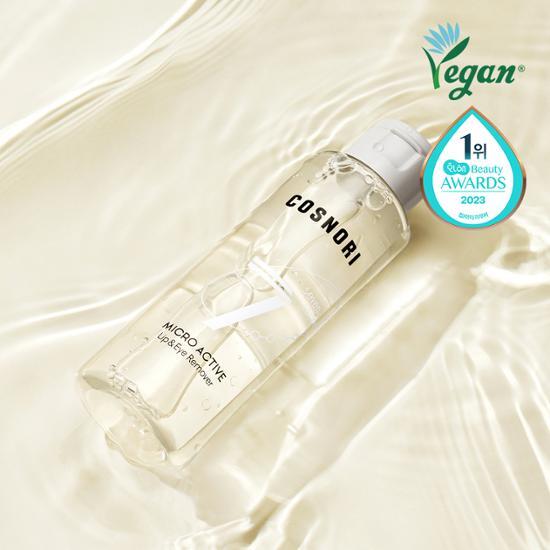
Micro Active Lip & Eye Remover
COSNORI
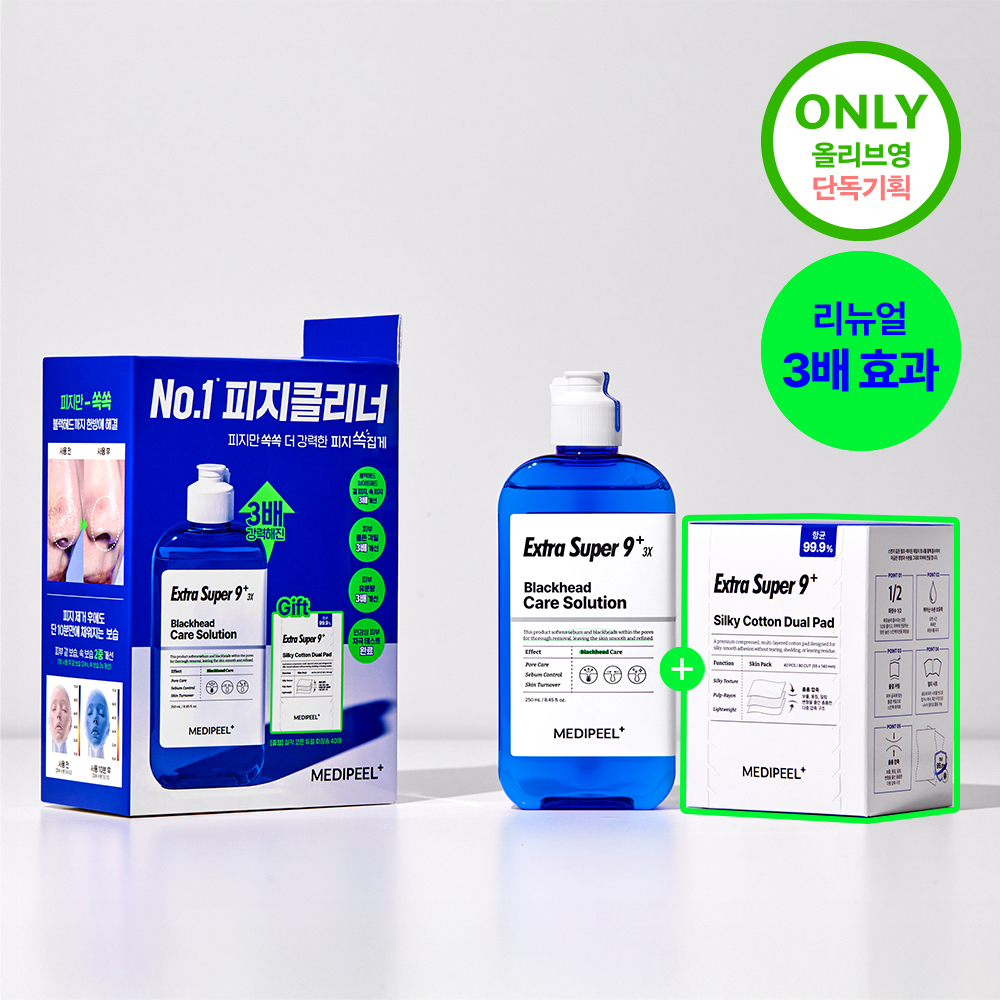
Extra Super 9 Plus 3X
Medi-Peel
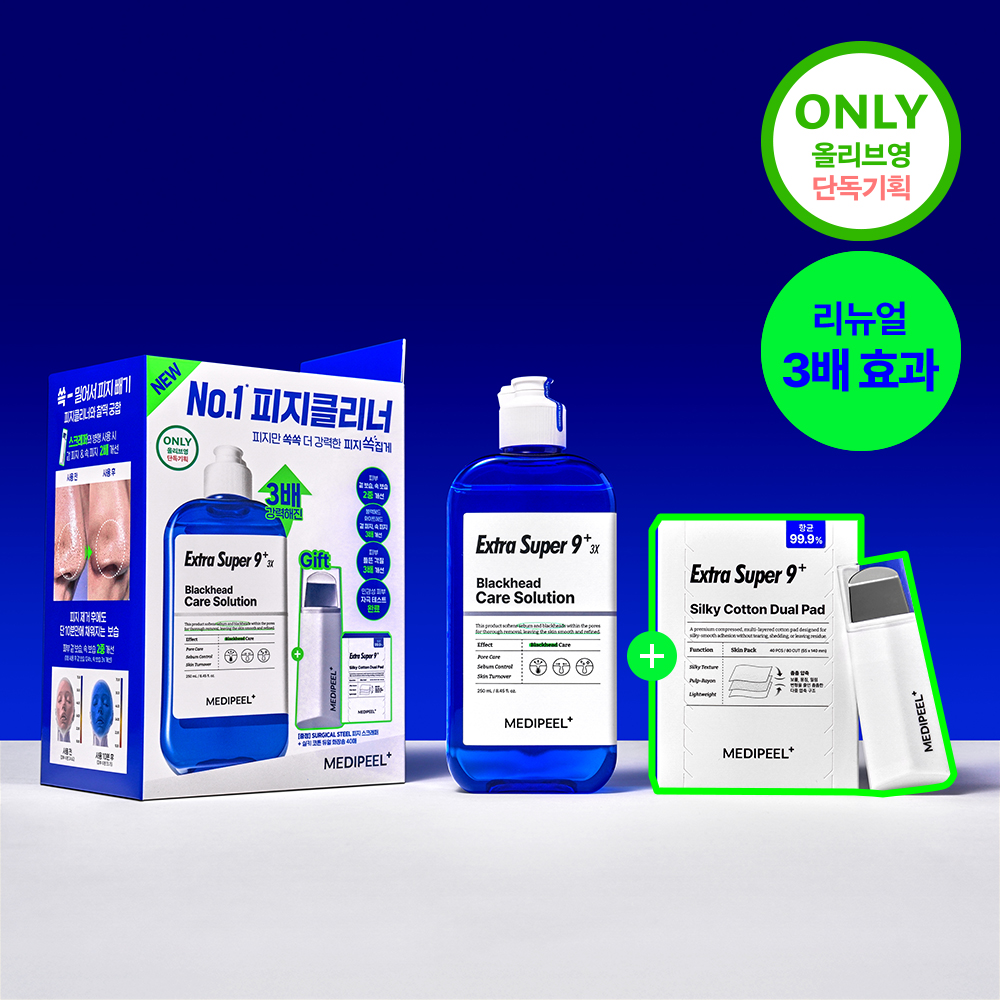
Extra Super 9 Plus 3X Set
Medi-Peel
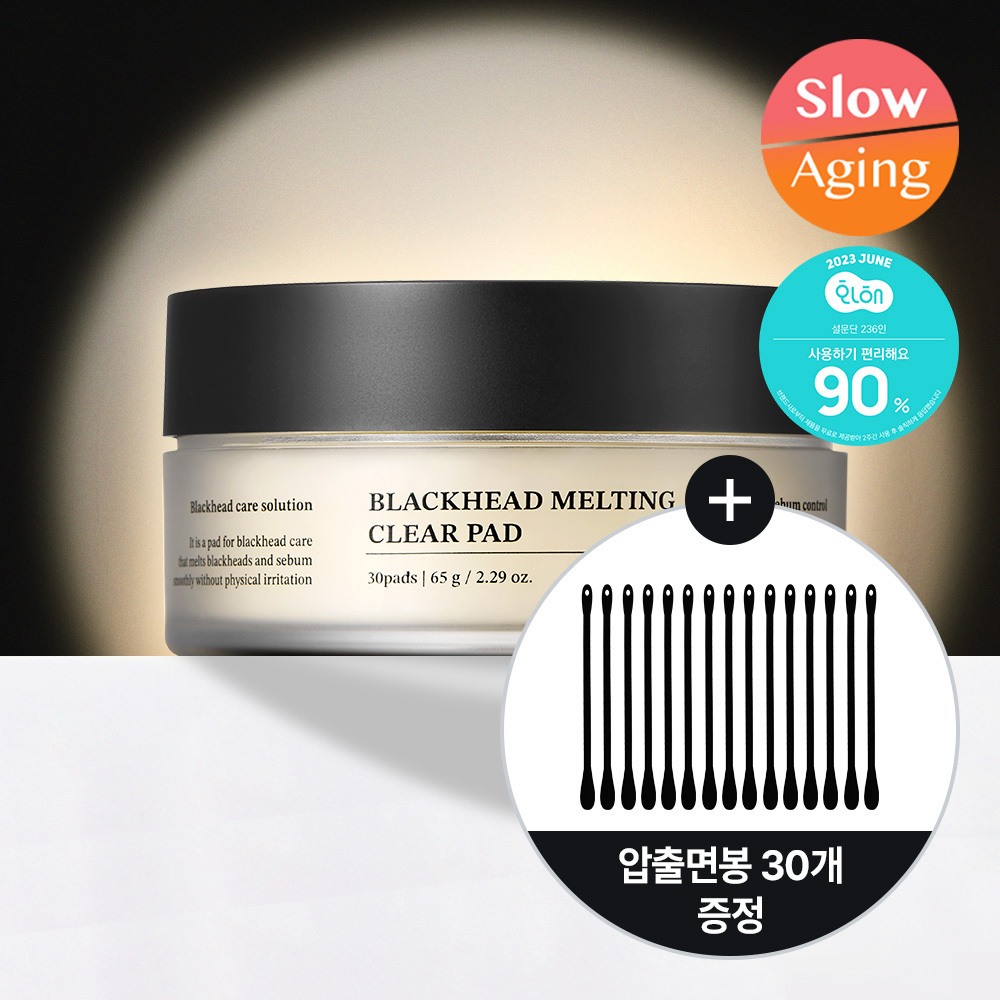
Blackhead Melting Clear Pad Set
Sungboon Editor

Blackhead Melting Clear Pad
Sungboon Editor
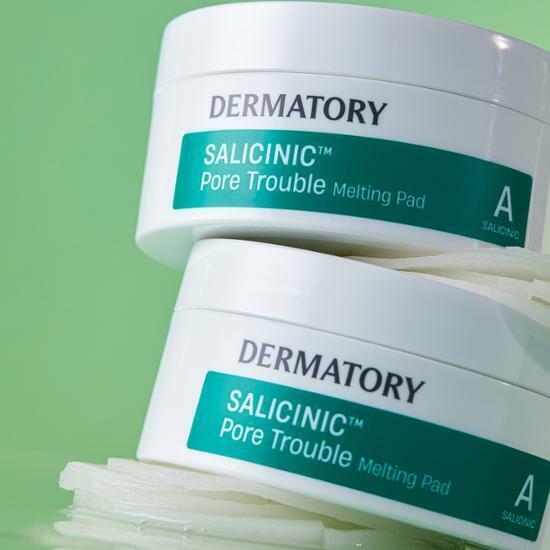
Salicinic Pore Trouble Melting Pad
Dermatory
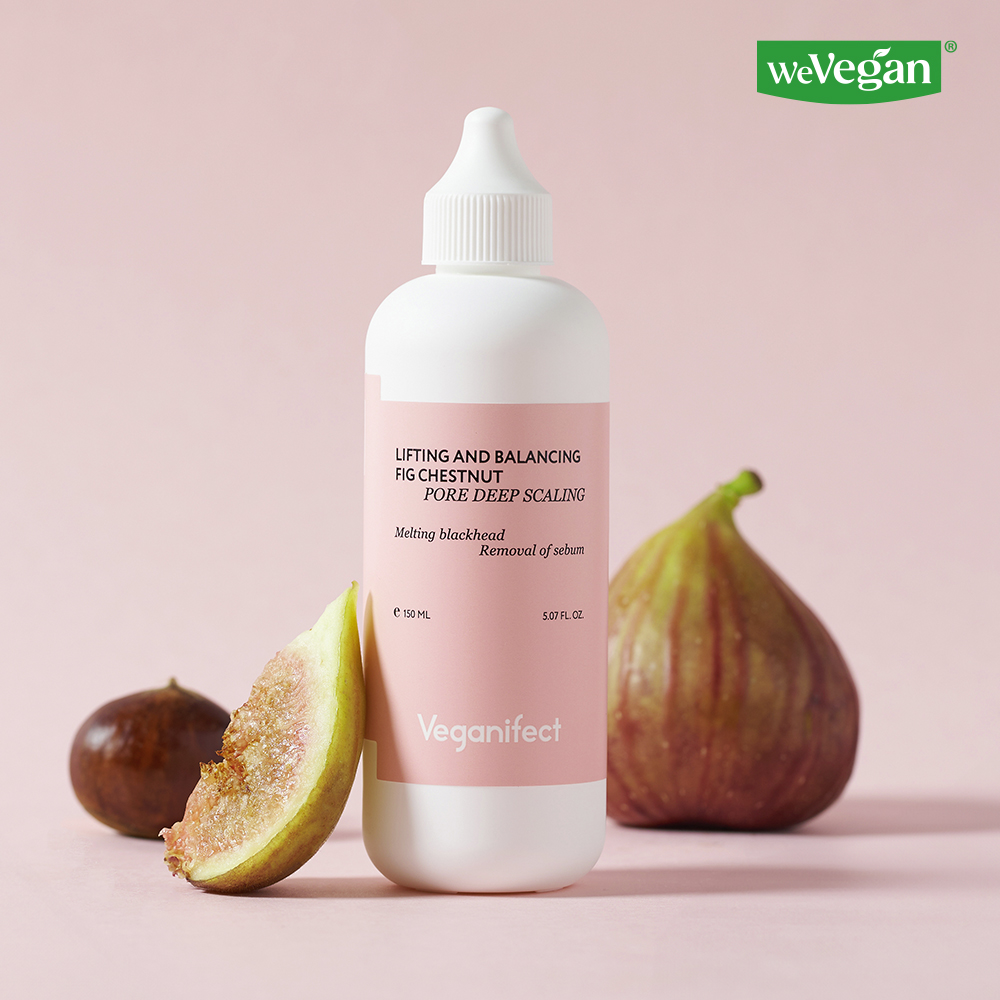
Lifting And Balancing Fig Chestnut Pore Deep Scaling
Ilso

P.Z Ssoc Ssoc No More Black Head Special Set
Ilso
Frequently Asked Questions
Is peppermint leaf extract the same as peppermint oil, and can I use both?▼
Why does my skin tingle when I use products with peppermint extract?▼
Can peppermint leaf extract help with acne?▼
Why does peppermint extract have a moderate safety rating if it's natural?▼
Should I avoid peppermint extract if I'm pregnant or breastfeeding?▼
Explore More
Want personalized ingredient advice?
Yuri, our AI beauty advisor, can tell you how Peppermint Leaf Extract works with your specific skin type, routine, and concerns.
Ask Yuri, free