Peppermint Oil
INCI: Mentha Piperita (Peppermint) Oil
Cooling, soothing, and antimicrobial essential oil
About Peppermint Oil
Peppermint oil is a potent essential oil extracted from the leaves of Mentha piperita, prized in K-beauty formulations for its instant cooling sensation and antimicrobial properties. This volatile oil contains high concentrations of menthol (typically 30-50%), which triggers cold-sensing receptors in the skin to create that signature refreshing feeling without actually lowering skin temperature. Beyond its sensory appeal, peppermint oil delivers tangible benefits through its antibacterial and anti-inflammatory compounds, making it a popular choice in cleansers, toners, and targeted treatments for acne-prone skin. Korean skincare brands often incorporate it into products designed for oily or congested complexions, where its astringent properties can help temporarily tighten pores and control excess sebum. However, this ingredient walks a fine line between beneficial and irritating. With a safety rating of 2/5 and comedogenic rating of 2/5, peppermint oil requires careful formulation and usage. Its potency means it can cause sensitivity in certain skin types, particularly when used in high concentrations or on compromised skin barriers. The 54 K-beauty products featuring peppermint oil on Seoul Sister span everything from acne cleansers to foot patches, demonstrating its versatility when properly balanced with soothing co-ingredients.
How Peppermint Oil Works
Peppermint oil's effects stem from its complex phytochemical profile, dominated by menthol, menthone, and menthyl acetate. When applied topically, menthol activates TRPM8 receptors (transient receptor potential cation channel subfamily M member 8), the same cold-sensing proteins that respond to actual temperature drops. This activation sends cooling signals to your brain without changing skin temperature, providing immediate sensory relief that can distract from minor irritation or inflammation. The antimicrobial action comes from the oil's ability to disrupt bacterial cell membranes, particularly effective against Propionibacterium acnes (the bacteria implicated in breakouts) and various fungi. Peppermint oil's phenolic compounds also inhibit inflammatory pathways by reducing pro-inflammatory cytokine production, which is why it appears in formulations targeting redness and irritation. The astringent effect happens through mild vasoconstriction, temporarily tightening skin and reducing the appearance of enlarged pores. However, this same mechanism can be problematic for sensitive individuals, as the strong sensory activation and volatile compounds can trigger contact dermatitis or exacerbate existing inflammation when skin barriers are compromised.
Peppermint Oil by Skin Type
Oily Skin
Peppermint oil shines for oily skin types, where its astringent and antimicrobial properties help control excess sebum and prevent bacterial proliferation in congested pores. The cooling sensation feels particularly refreshing after cleansing, and the temporary pore-tightening effect can improve skin texture. Products like Some By Mi's AHA, BHA, PHA 30 Days Miracle Acne Clear Foam (4.8/5) leverage peppermint oil alongside exfoliating acids for comprehensive congestion control.
Dry Skin
Dry skin should approach peppermint oil with caution, as it can be overly drying and potentially irritating when moisture barriers are already compromised. If you have dry skin and want to use products containing peppermint oil, look for formulations where it appears lower on the ingredient list and is balanced with deeply hydrating ingredients like hyaluronic acid or ceramides. Limit use to once or twice weekly rather than daily application.
Combo Skin
Combination skin can benefit from peppermint oil when used strategically on the T-zone or other oily areas while avoiding dry patches. The BOHO All In One Skin Milk (4.9/5) exemplifies well-balanced formulations that work across combination skin by pairing peppermint oil with moisturizing components. Apply products containing this ingredient more liberally to congested areas and sparingly to drier zones for best results.
Sensitive Skin
Sensitive skin types should exercise significant caution with peppermint oil, as it ranks among the more common essential oil irritants. The menthol content can trigger stinging, redness, or contact dermatitis in reactive skin, and the cooling sensation might mask underlying irritation. If you have sensitive skin and choose to try products with peppermint oil, patch test thoroughly and select formulations where it's present in minimal amounts alongside soothing ingredients like centella asiatica or panthenol.
Normal Skin
Normal skin can generally tolerate peppermint oil well and enjoy its refreshing, clarifying benefits without significant risk of irritation. You can incorporate it into your routine through cleansers or toners for a sensory boost and mild antimicrobial protection. The Beplain Face Wash For Skincare Double Pack (4.9/5) demonstrates how peppermint oil can enhance daily cleansing routines for balanced complexions without causing disruption.
How to Use Peppermint Oil
- 1Always patch test products containing peppermint oil on your inner arm or behind your ear for 24-48 hours before applying to your face, especially if you have reactive skin or a history of essential oil sensitivity.
- 2Avoid using peppermint oil products around your eye area, as the volatile compounds can cause significant irritation and watering even if they don't directly contact your eyes.
- 3If your skin barrier is compromised (flaking, extremely tight, or recovering from treatments like chemical peels or retinoids), skip peppermint oil products until your barrier fully recovers, typically 1-2 weeks.
- 4Don't combine multiple products containing peppermint oil in one routine, as this increases irritation risk without providing additional benefits since the antimicrobial and sensory effects plateau quickly.
- 5Store peppermint oil products away from heat and light to prevent oxidation, which can increase irritation potential and reduce the oil's beneficial properties over time.
Background
Peppermint has ancient roots in traditional medicine, with cultivation records dating back to Egyptian, Greek, and Roman civilizations who valued it for digestive issues and topical pain relief. The modern essential oil extraction process developed in the 18th century, when English botanists began systematically distilling Mentha piperita (a natural hybrid of watermint and spearmint) to capture its volatile compounds. Peppermint oil entered Western skincare in the early 20th century, primarily in masculine grooming products where its sharp, cooling scent reinforced freshness claims. K-beauty adopted peppermint oil more recently, incorporating it into the genre's signature multi-step routines during the 2000s expansion of Korean skincare globally. Korean formulators typically use it more judiciously than Western counterparts, pairing it with botanical extracts to create balanced, less aggressive formulations. Its presence in 54 products on Seoul Sister reflects its niche but persistent role in K-beauty, particularly in cleansers and treatments targeting specific concerns rather than as a star ingredient in leave-on products.
K-Beauty Products with Peppermint Oil
View all 57 →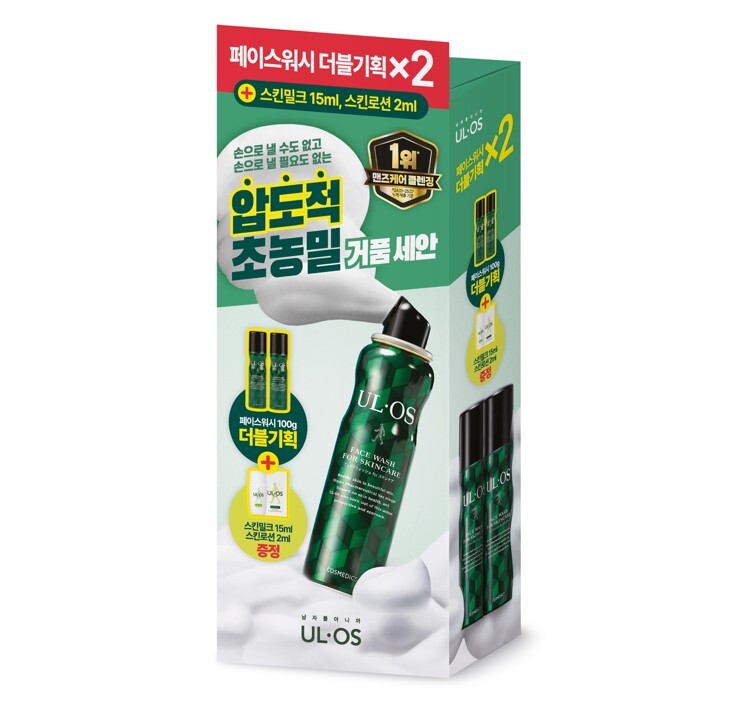
Face Wash For Skincare Double Pack
Beplain
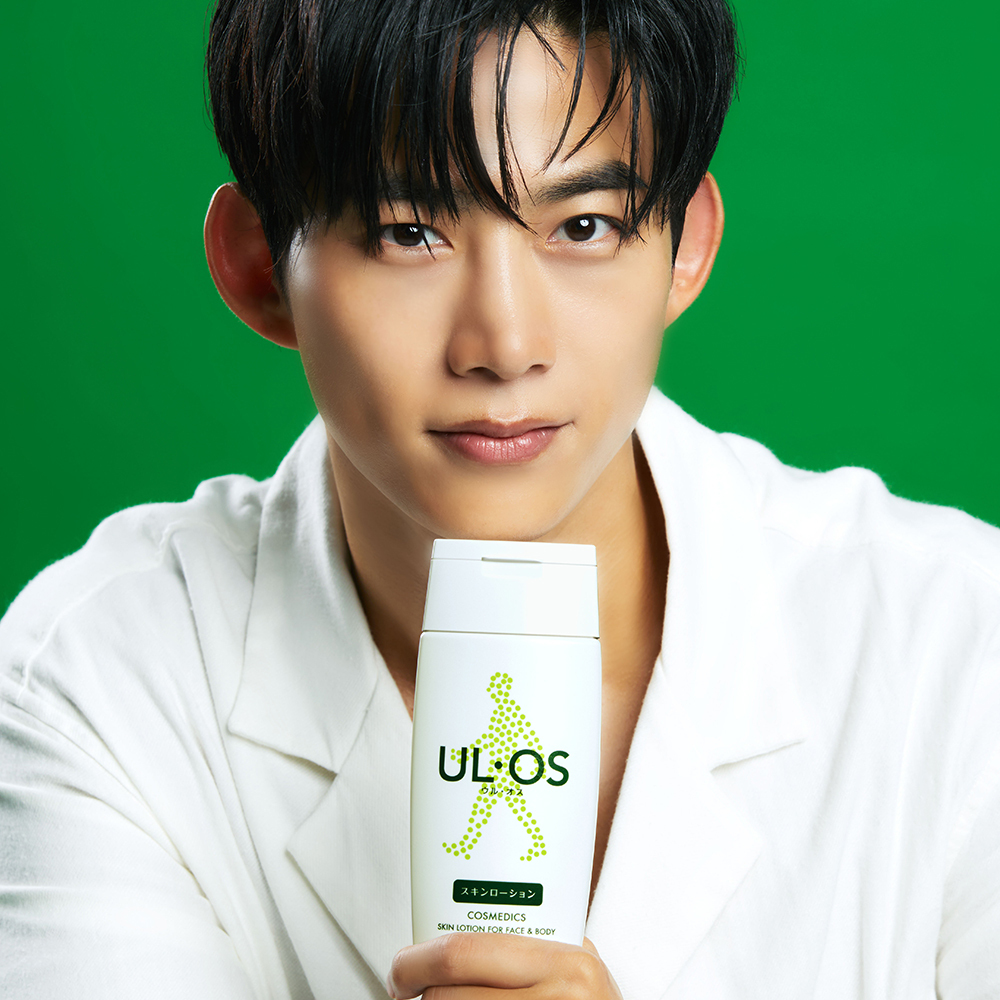
All In One Skin Lotion Set
BOHO
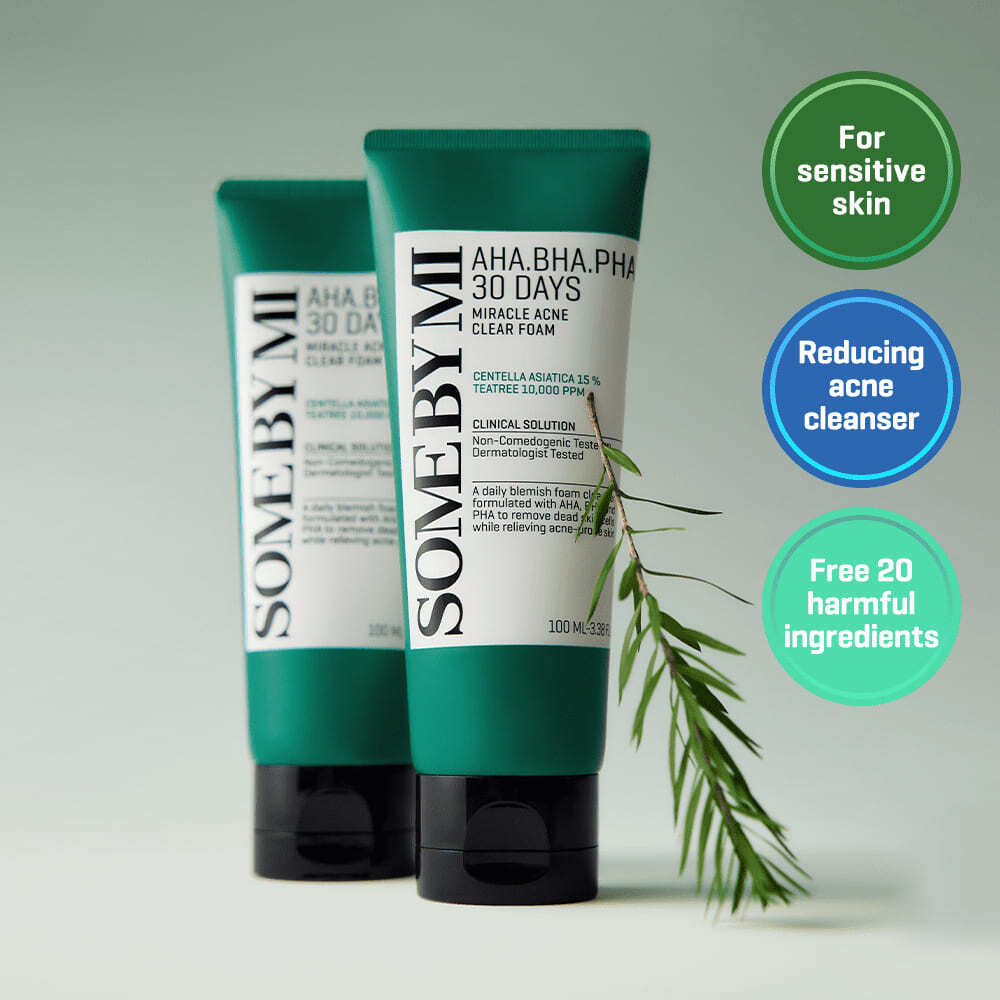
AHA, BHA, PHA 30 Days Miracle Acne Clear Foam
Some By Mi
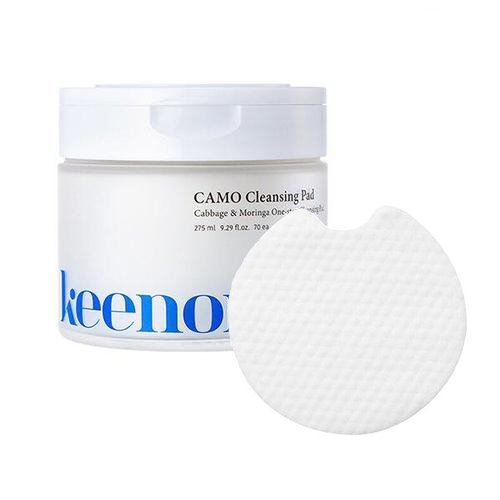
Camo Cleansing Pad
Ariul
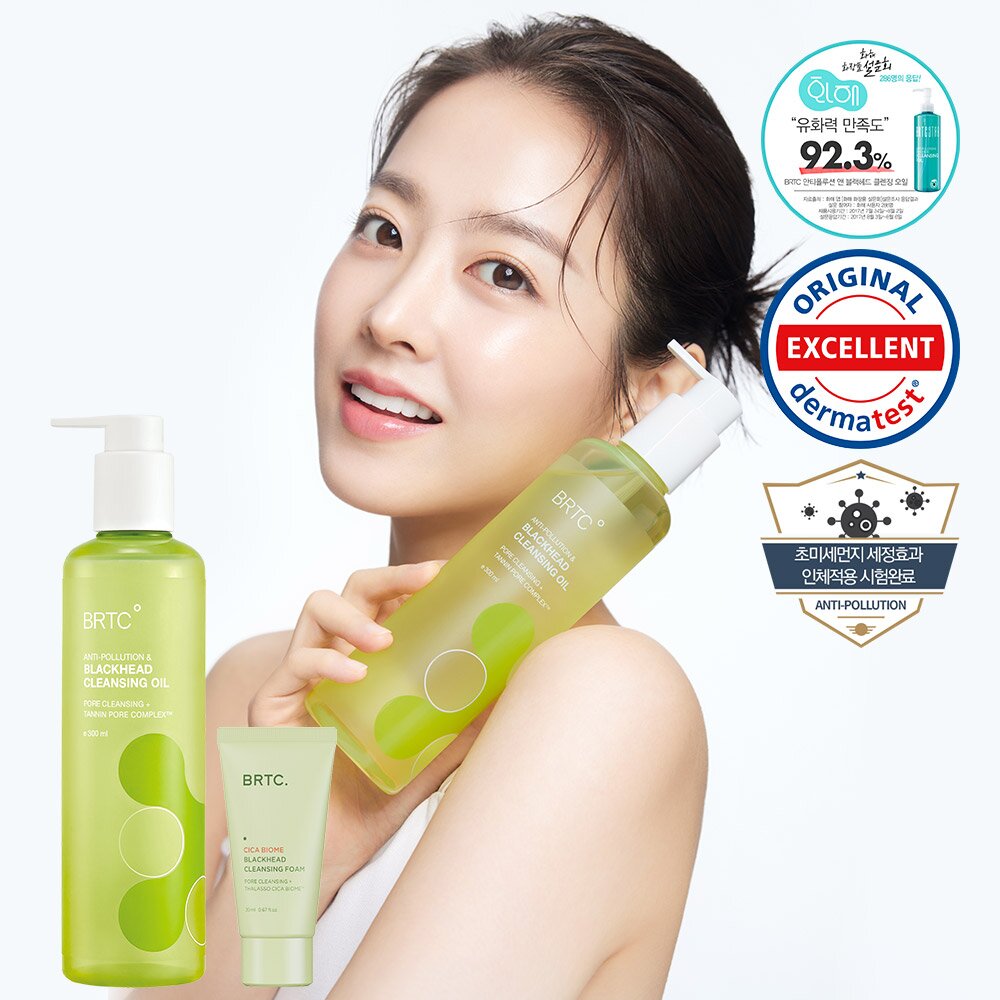
Anti-Pollution & Blackhead Cleansing Oil
BRTC
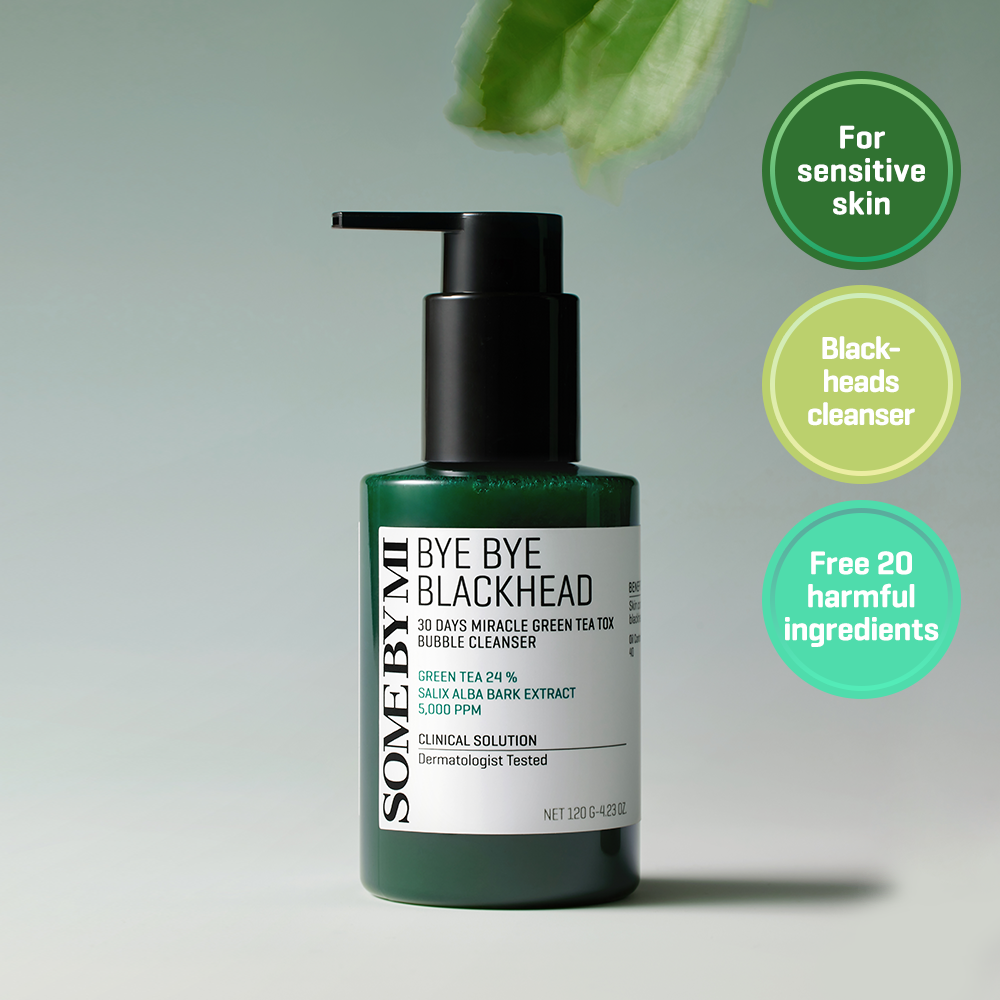
Bye Bye Blackhead 30 Days Miracle Green Tea Tox Bubble Cleanser
Some By Mi

AHA BHA PHA 30 Days Miracle Toner Set
Some By Mi
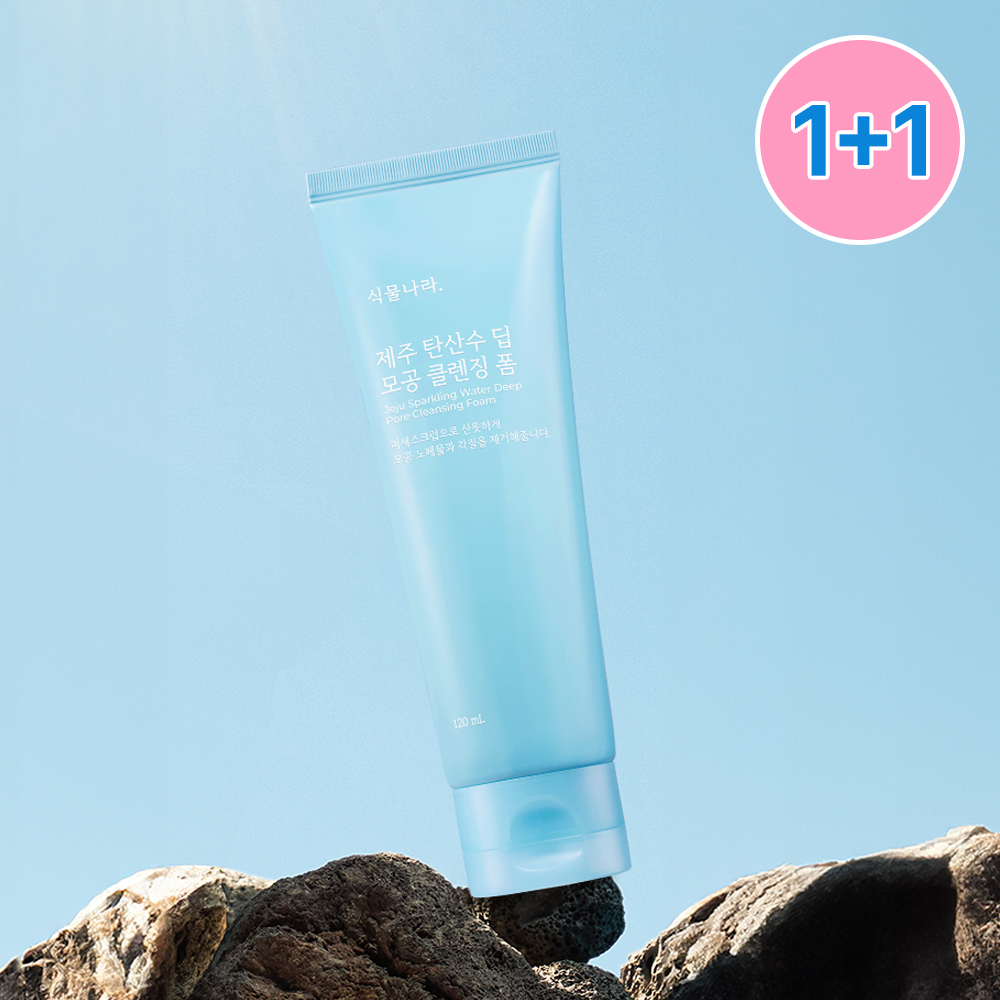
Jeju Sparkling Water Deep Pore Cleansing Foam
Shingmulnara
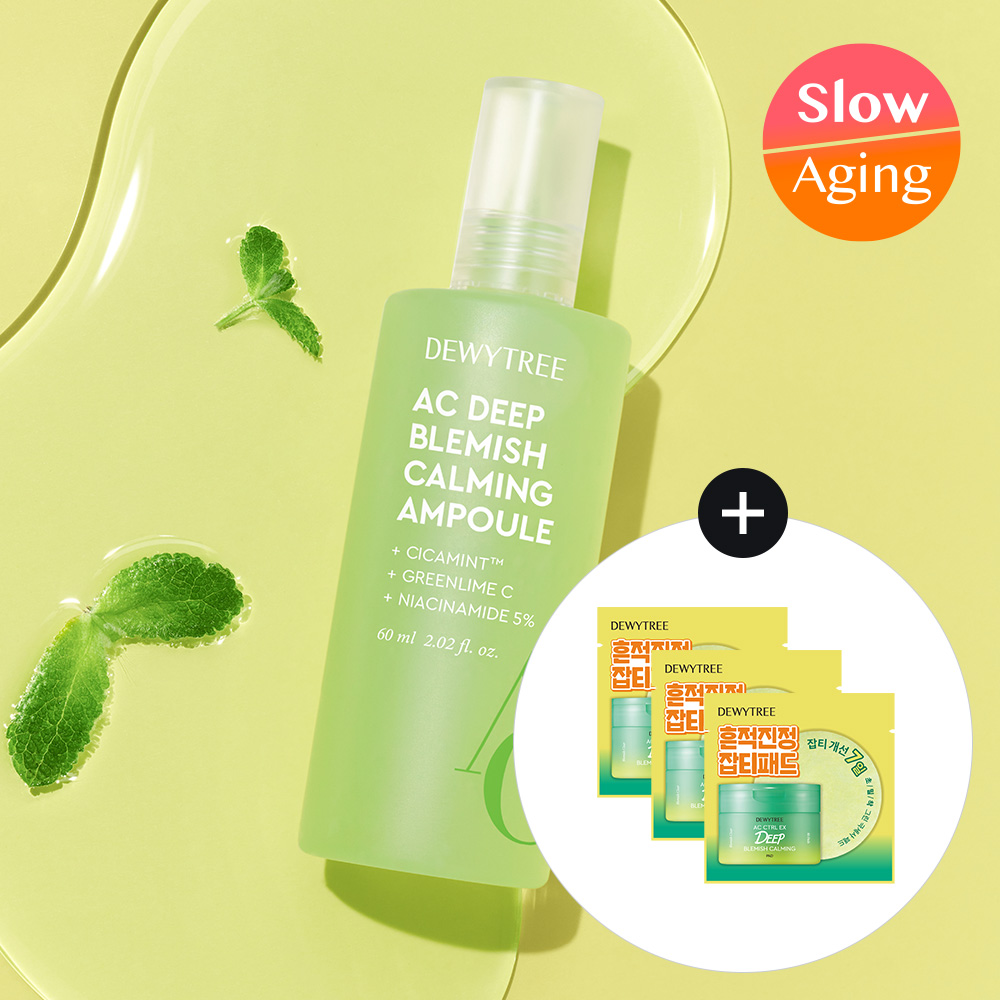
AC Deep Blemish Calming Ampoule
Dewytree
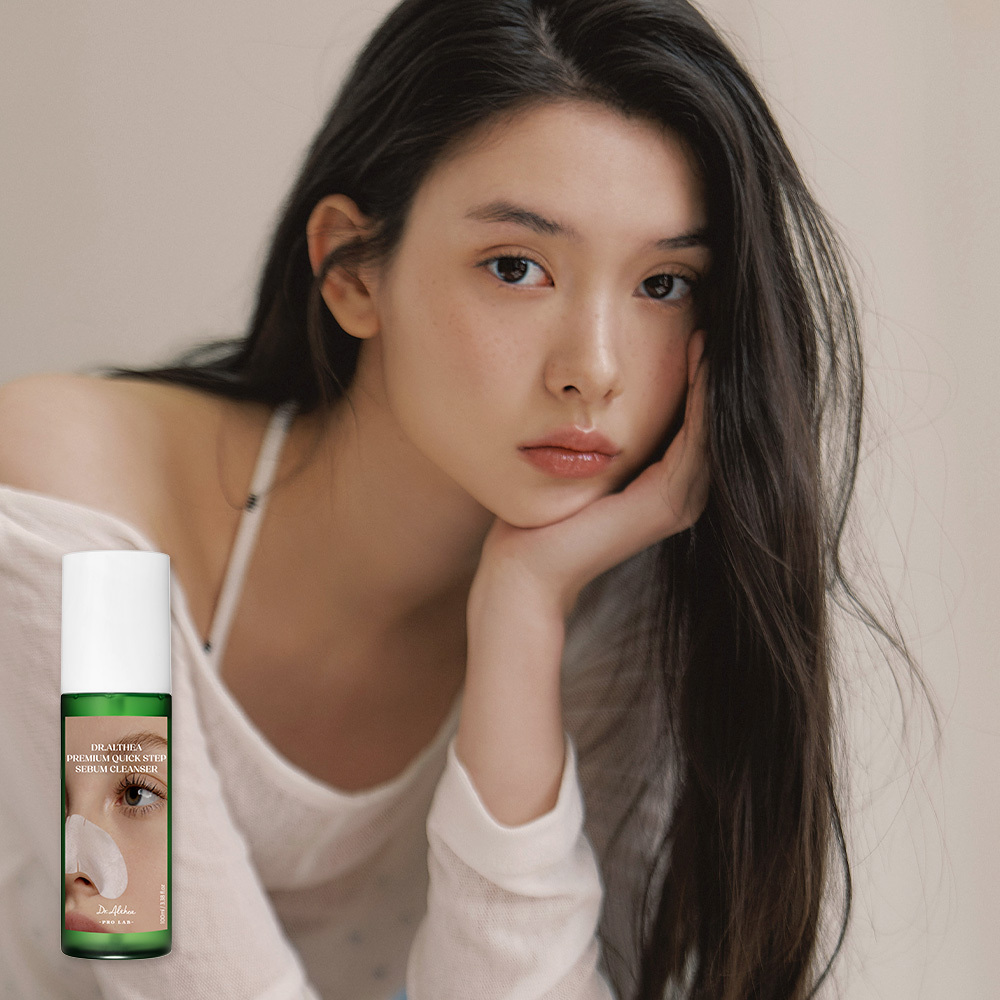
Premium Quick Step Sebum Cleanser
Dr. Althea

Extra Super 9+ Active Stick
Medi-Peel
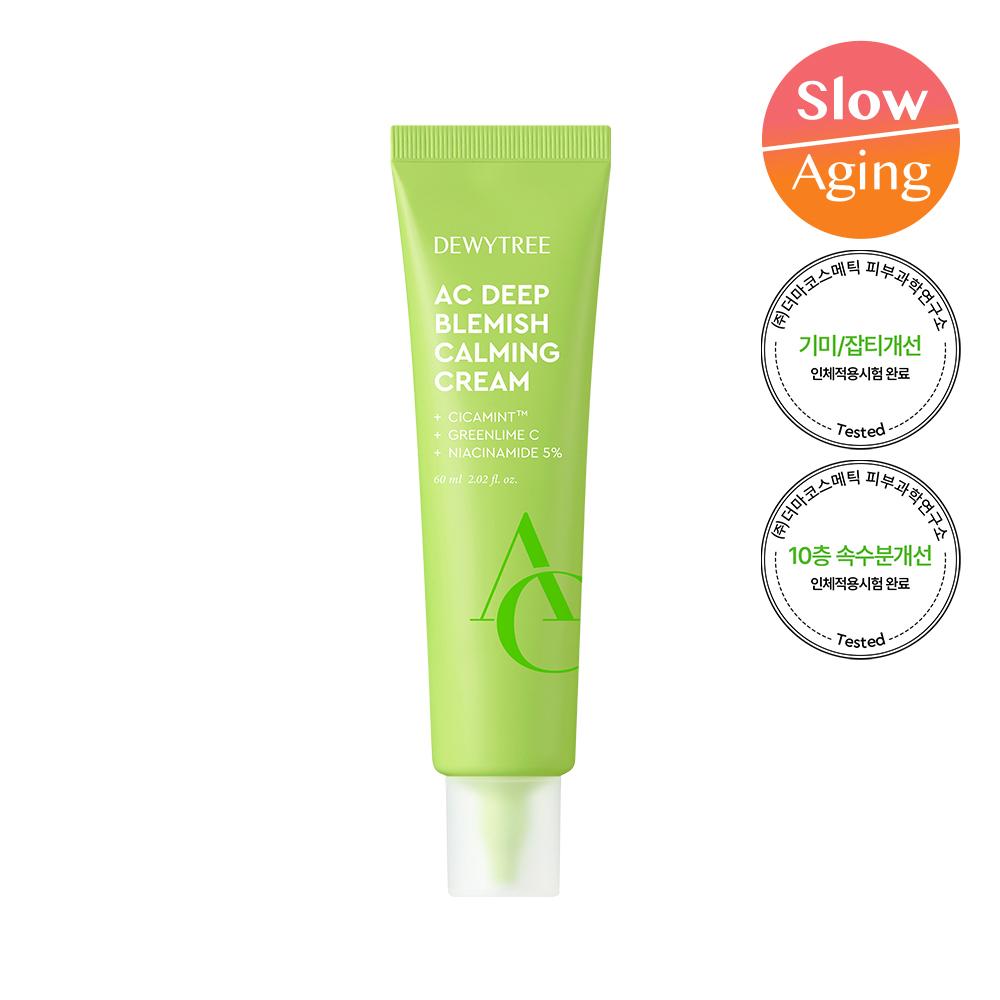
AC Deep Blemish Calming Cream
Dewytree
Frequently Asked Questions
Is peppermint oil safe for acne-prone skin?▼
Why does peppermint oil have a low safety rating of 2/5?▼
Can I use peppermint oil products every day?▼
Does the cooling sensation mean peppermint oil is working?▼
Why is peppermint oil in a foot patch rated so highly?▼
Explore More
Want personalized ingredient advice?
Yuri, our AI beauty advisor, can tell you how Peppermint Oil works with your specific skin type, routine, and concerns.
Ask Yuri, free