Milk Exosomes
Cell signaling and skin regeneration enhancer
About Milk Exosomes
Milk exosomes are nano-sized extracellular vesicles (30-150 nanometers) derived from bovine milk that function as biological messengers in skincare. These lipid-bound particles naturally contain proteins, lipids, and microRNA that facilitate intercellular communication, making them potent tools for skin regeneration and repair. In K-beauty formulations, milk exosomes have emerged as a cutting-edge alternative to plant-derived exosomes, offering superior stability and bioavailability. Unlike traditional actives that work on the skin's surface, exosomes penetrate deeply to deliver their cargo directly into skin cells, where they can influence cellular behavior at a genetic level. K-beauty brands like Medicube and Anua have pioneered the use of milk exosomes in concentrations ranging from 2,000 to 7,500 ppm, with higher concentrations typically reserved for intensive treatment serums. The ingredient addresses multiple skin concerns simultaneously: it accelerates wound healing, reduces inflammation, stimulates collagen production, and improves skin barrier function. With a comedogenic rating of 0/5, milk exosomes are suitable for acne-prone skin, though the moderate safety rating of 3/5 reflects the relative novelty of this ingredient and the need for more long-term studies. The 11 K-beauty products currently featuring milk exosomes on Seoul Sister represent an early wave of innovation, positioning this ingredient as the next frontier in science-backed Korean skincare.
How Milk Exosomes Works
Milk exosomes work through a sophisticated biological mechanism called paracrine signaling. When applied topically, these vesicles fuse with the cell membranes of keratinocytes and fibroblasts, releasing their contents directly into the cytoplasm. The microRNA and proteins within exosomes then modulate gene expression, essentially reprogramming cells to behave younger and healthier. Specifically, milk exosomes upregulate genes responsible for collagen and elastin synthesis while downregulating inflammatory pathways mediated by cytokines like IL-6 and TNF-alpha. The lipid composition of milk exosomes, rich in sphingomyelin and cholesterol, also helps repair compromised lipid barriers in damaged or dehydrated skin. Research suggests that milk exosomes contain growth factors similar to those found in human growth hormone, which explains their regenerative effects on aging skin. Unlike larger molecules that sit on the epidermis, the nano-size of exosomes allows them to navigate through the stratum corneum and reach living skin layers where cellular activity occurs. This deep penetration is why exosome-based products often show visible results faster than conventional anti-aging ingredients.
Milk Exosomes by Skin Type
Oily Skin
Milk exosomes are ideal for oily skin types due to their non-comedogenic nature and ability to regulate sebum production through cellular signaling. The anti-inflammatory properties help calm acne-related redness without adding oil or clogging pores. Products like the Soycube Exorepair Pack To Foam Cleanser combine exosomes with cleansing, making them particularly effective for oily, breakout-prone skin.
Dry Skin
For dry skin, milk exosomes provide deep hydration by repairing the lipid barrier at a cellular level, not just coating the surface. They stimulate ceramide production in the stratum corneum, leading to longer-lasting moisture retention. The regenerative properties also help heal the micro-cracks and flaking that characterize chronically dry skin, making serums like Anua's DPPR Soycube Exorepair Serum particularly beneficial.
Combo Skin
Combination skin benefits from milk exosomes' ability to normalize skin function across different zones. The ingredient balances sebum in the T-zone while hydrating dry cheeks through targeted cellular communication. This adaptogenic quality makes exosome products versatile enough to address multiple concerns without over-treating or under-treating specific areas.
Sensitive Skin
The safety rating of 3/5 suggests caution for sensitive skin, as milk-derived ingredients can occasionally trigger reactions in individuals with dairy sensitivities or compromised barriers. However, the anti-inflammatory and barrier-repairing properties can actually benefit sensitive skin when tolerated. Start with lower concentrations like the Medicube Exosome Shot 2000 (2,000 ppm) and patch test for at least 48 hours before full application.
Normal Skin
Normal skin can use milk exosomes preventatively to maintain optimal cellular function and delay visible signs of aging. The ingredient enhances skin's natural regeneration processes without disrupting its already balanced state. Higher concentration products like Medicube's Exosome Shot 7500 work well for normal skin seeking advanced anti-aging benefits without concern for sensitivity or excess oil.
How to Use Milk Exosomes
- 1Start with lower concentration products (2,000-3,000 ppm) and gradually increase to higher concentrations (7,500+ ppm) as your skin builds tolerance, especially if you have sensitive skin or dairy sensitivities.
- 2Apply exosome serums like the Anua DPPR Soycube Exorepair Serum to damp skin immediately after cleansing, before any other treatments, to maximize penetration and cellular uptake.
- 3Store milk exosome products in a cool, dark place or refrigerator, as the biological activity of exosomes can degrade with heat and light exposure over time.
- 4Avoid mixing milk exosomes with high-percentage acids (over 10% AHA/BHA) or retinoids in the same routine, as extreme pH levels can denature the proteins and reduce effectiveness. Use acids in the morning and exosomes at night, or alternate days.
- 5Patch test for 48-72 hours if you have known dairy allergies, as cross-reactivity is possible even though exosomes are highly purified and contain minimal allergenic proteins.
Background
Exosomes were first discovered in the 1980s by researchers studying cellular waste mechanisms, but their therapeutic potential wasn't recognized until the 2000s. Milk exosomes specifically gained attention around 2015 when scientists realized that bovine milk naturally contains high concentrations of these vesicles, evolved to support immune and growth signaling in nursing calves. Korean biotech companies were among the first to commercialize milk exosomes for skincare, recognizing their stability advantages over plant-derived alternatives. The ingredient exploded in K-beauty between 2022 and 2024, with brands like Medicube launching the first high-concentration exosome shots for consumer use. This innovation built on Korea's existing expertise in fermentation technology and bioactive ingredient extraction. Unlike Western markets that focused primarily on stem cell derivatives, K-beauty embraced milk exosomes as a more ethical, scalable, and scientifically validated approach to regenerative skincare.
K-Beauty Products with Milk Exosomes
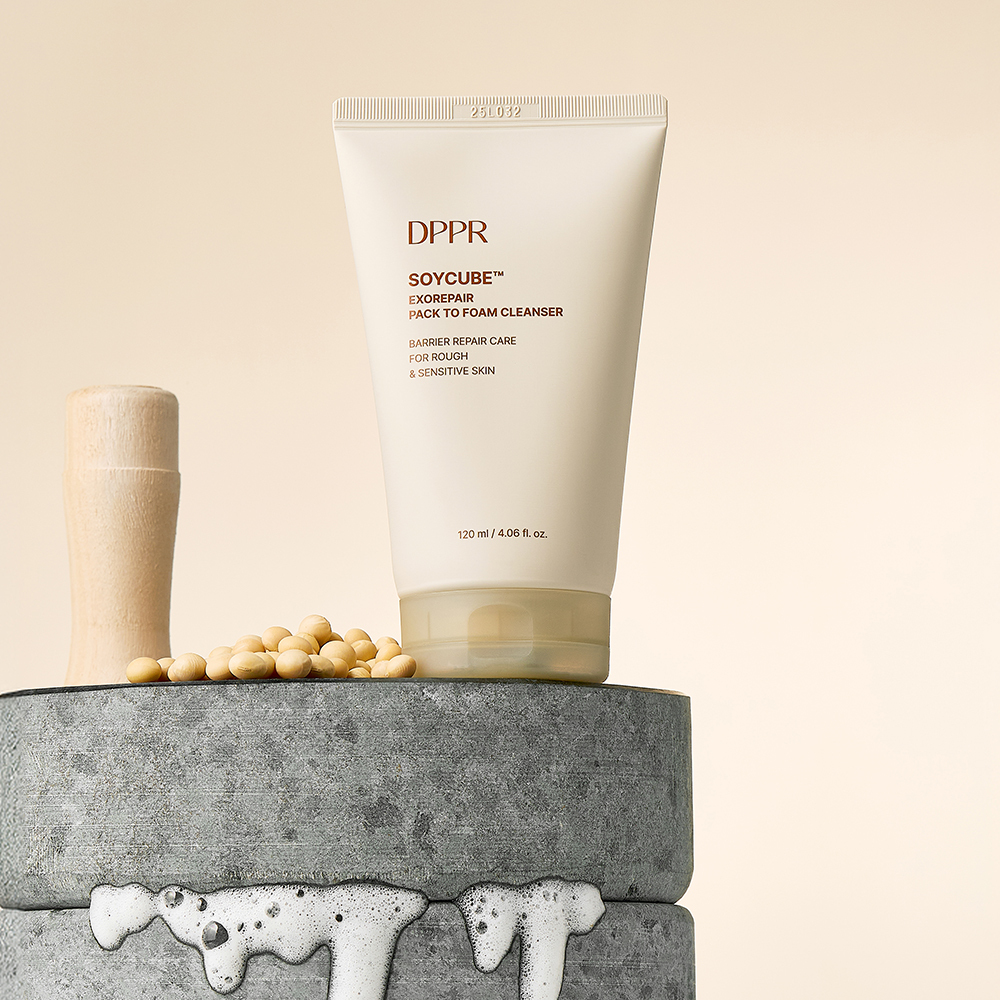
Soycube Exorepair Pack To Foam Cleanser
Beplain
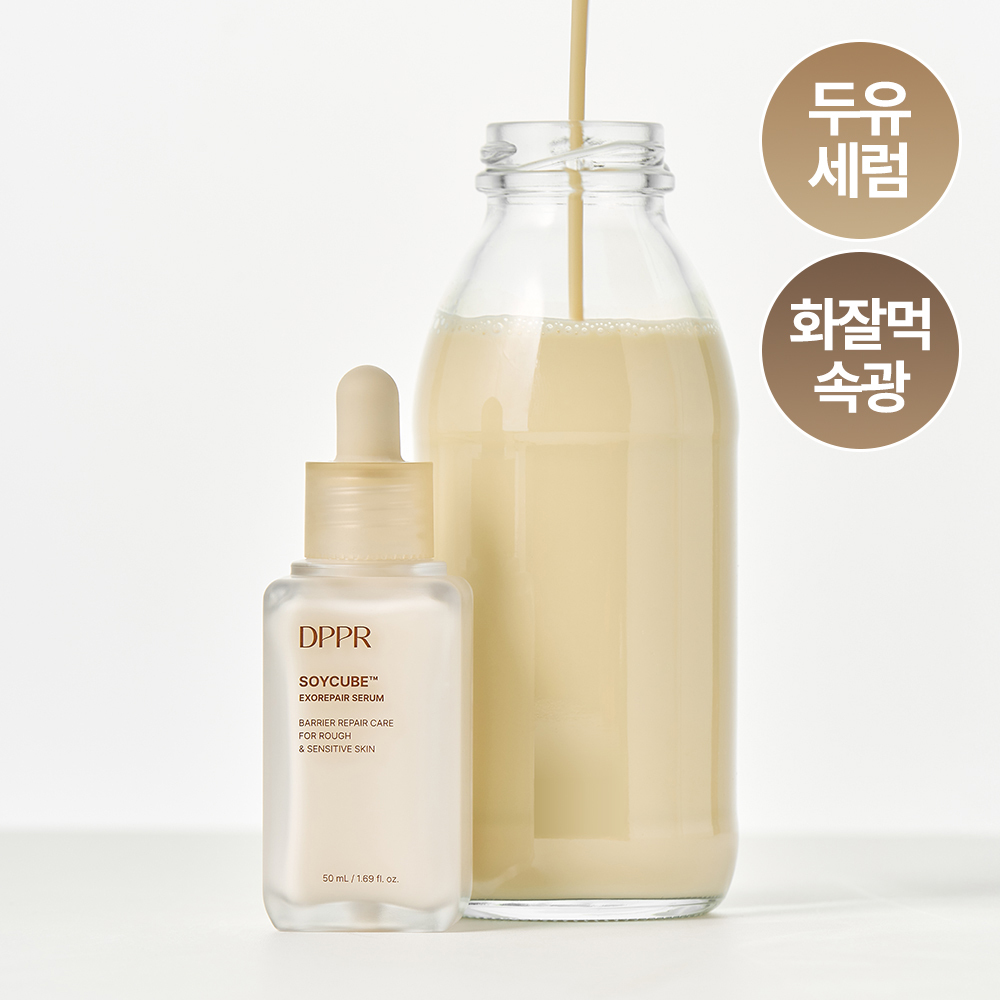
DPPR Soycube Exorepair Serum
Anua

Exosome Shot PDRN Pink Collagen 2000 Serum
Medicube

Mela TXA Mask Sheet 3ea Set (+1ea)
AROCELL
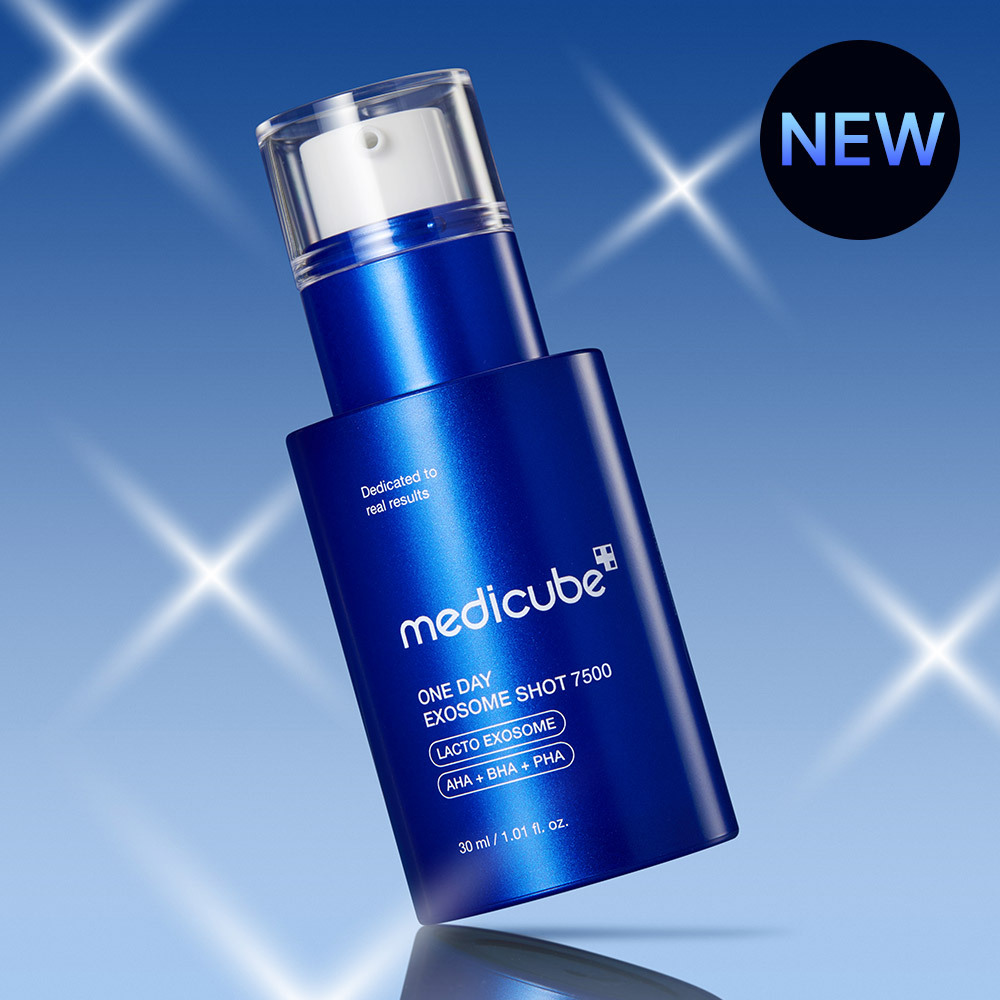
Zero One Day Exosome Shot 7500
Medicube
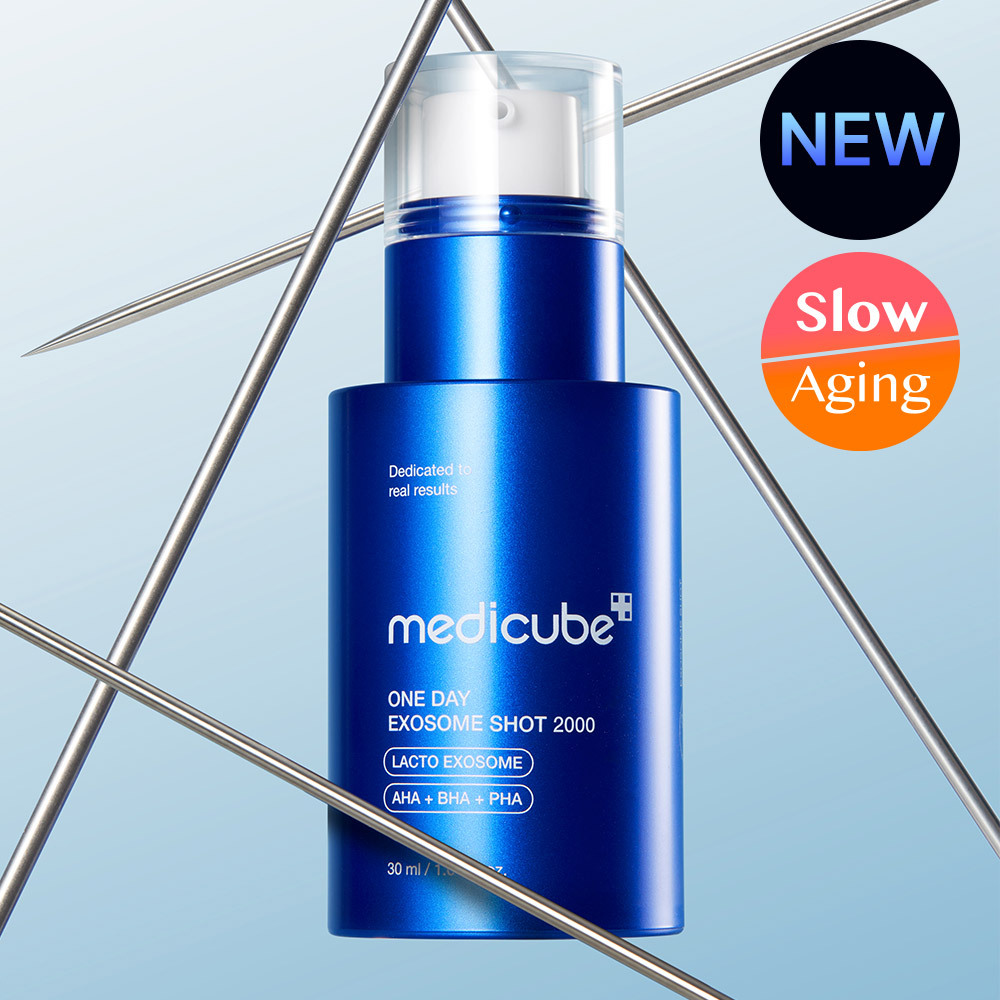
Zero One Day Exosome Shot 2000
Medicube
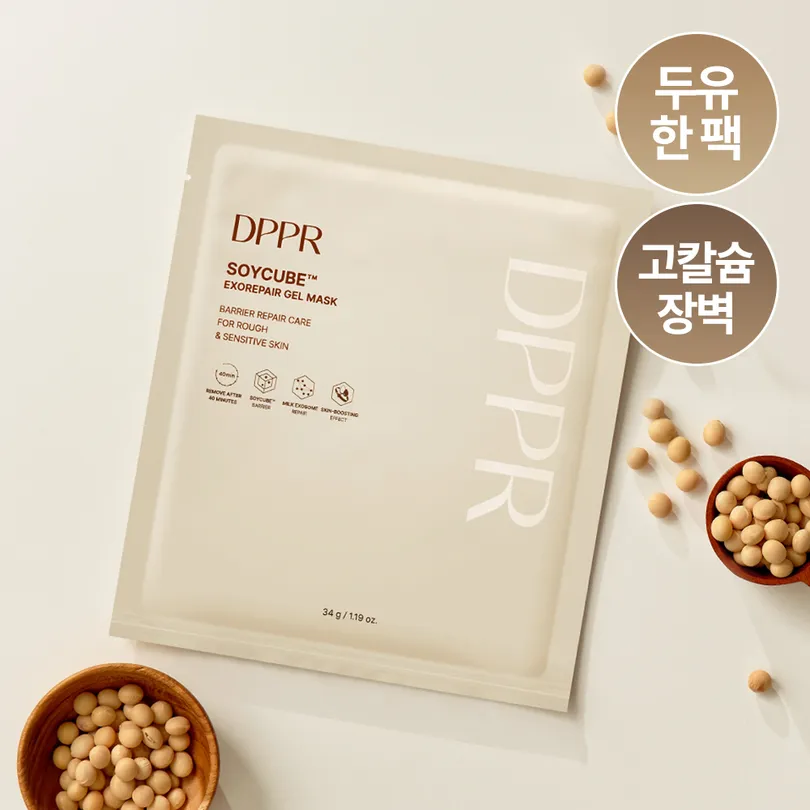
Soycube Exorepair Gel Mask
DPPR
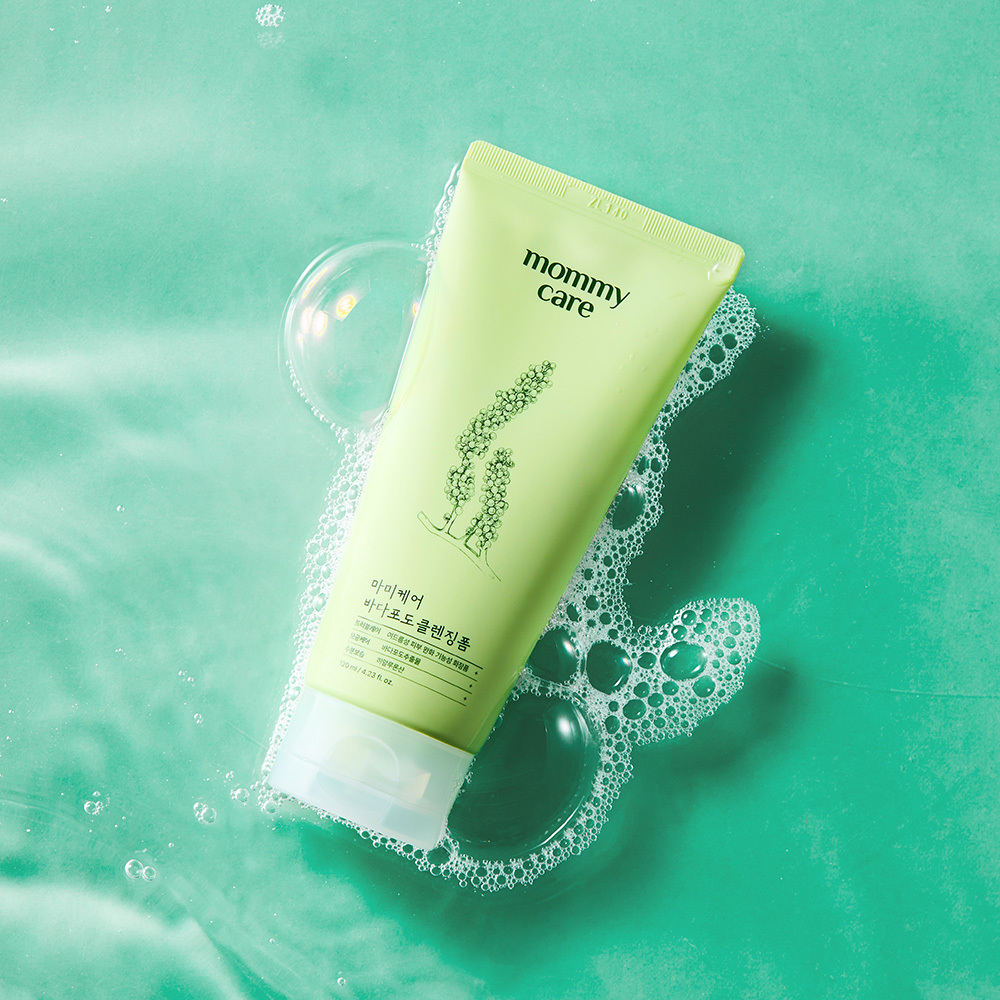
Sea Grape Cleansing Foam
Beplain
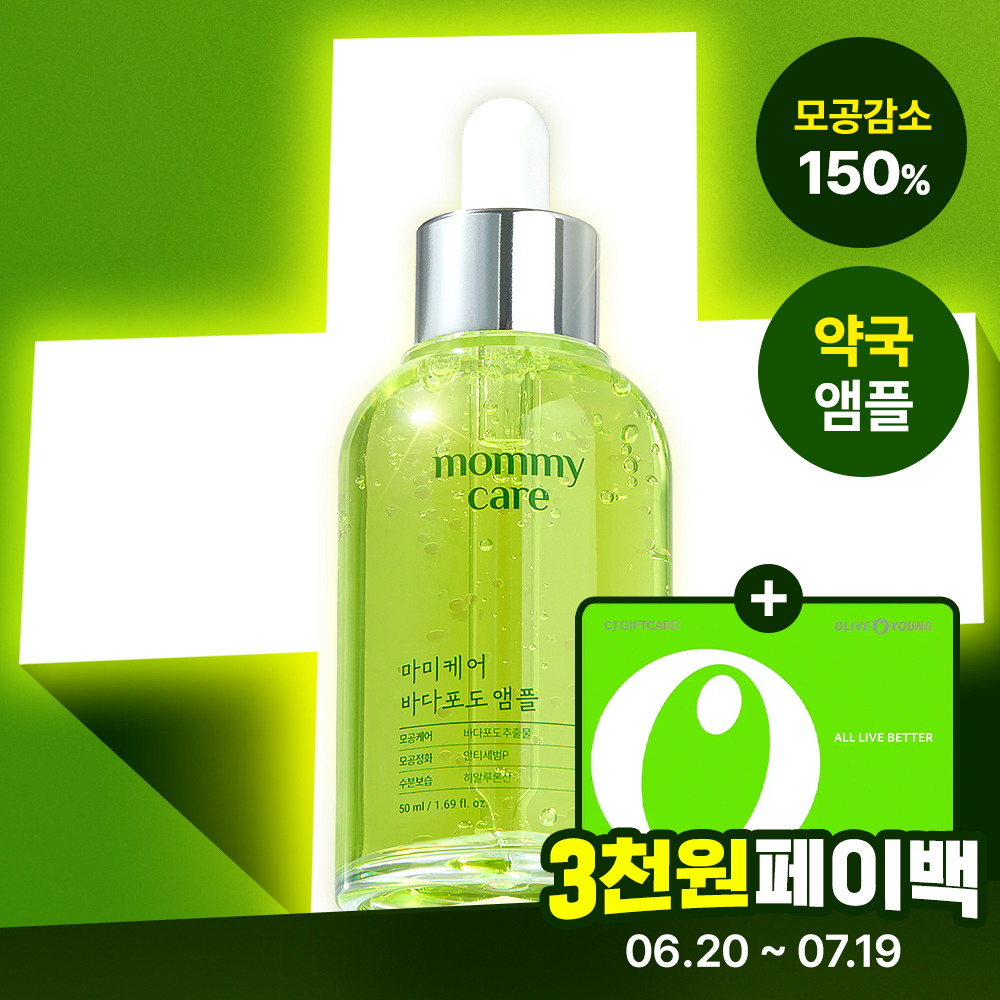
Sea Grape Ampoule
Anua
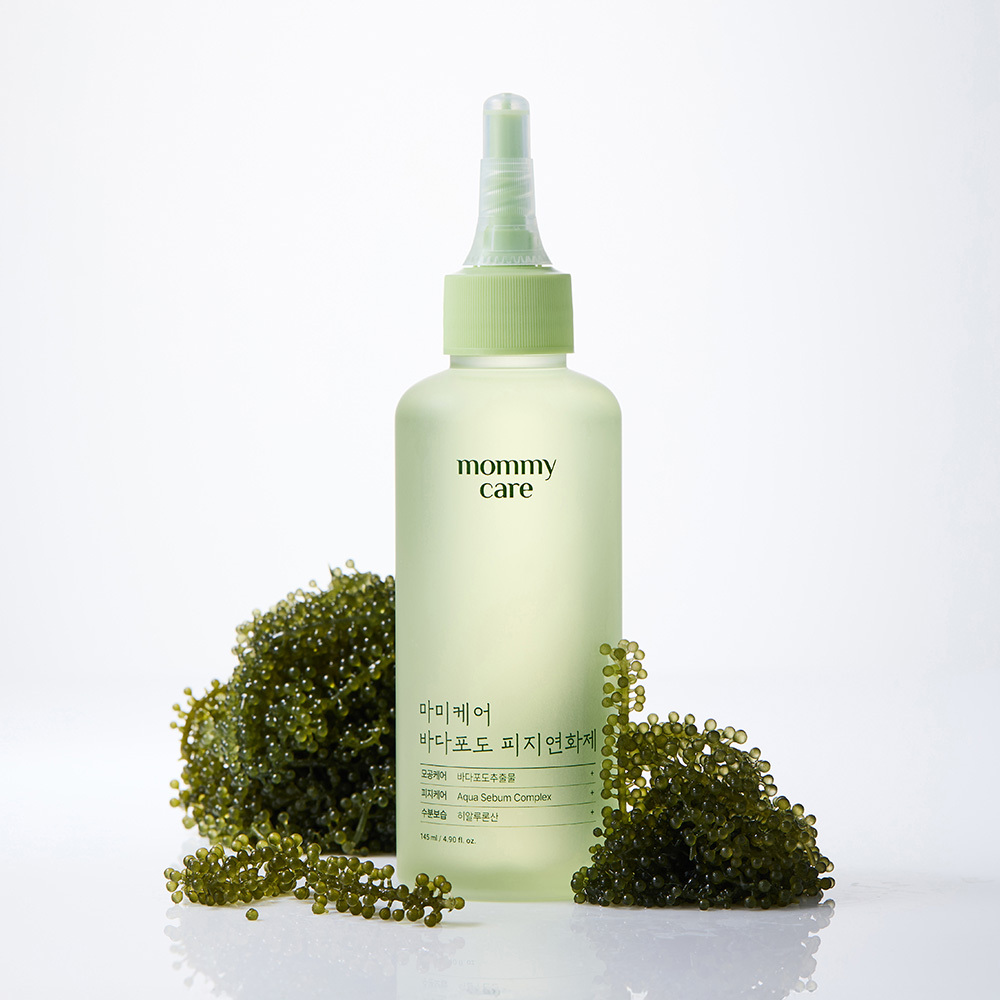
Sea Grape Aqua Sebum Softener
Ilso
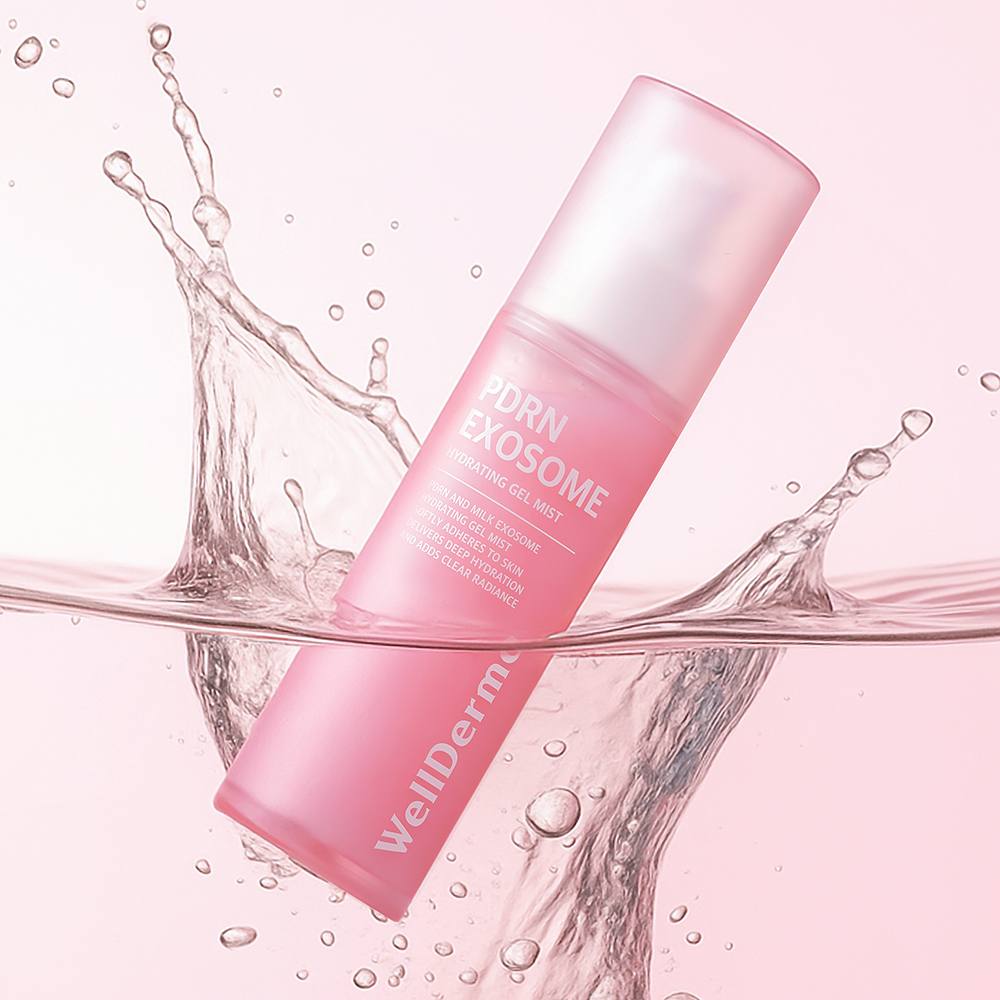
PDRN Exosome Hydrating Gel Mist
Wellderma
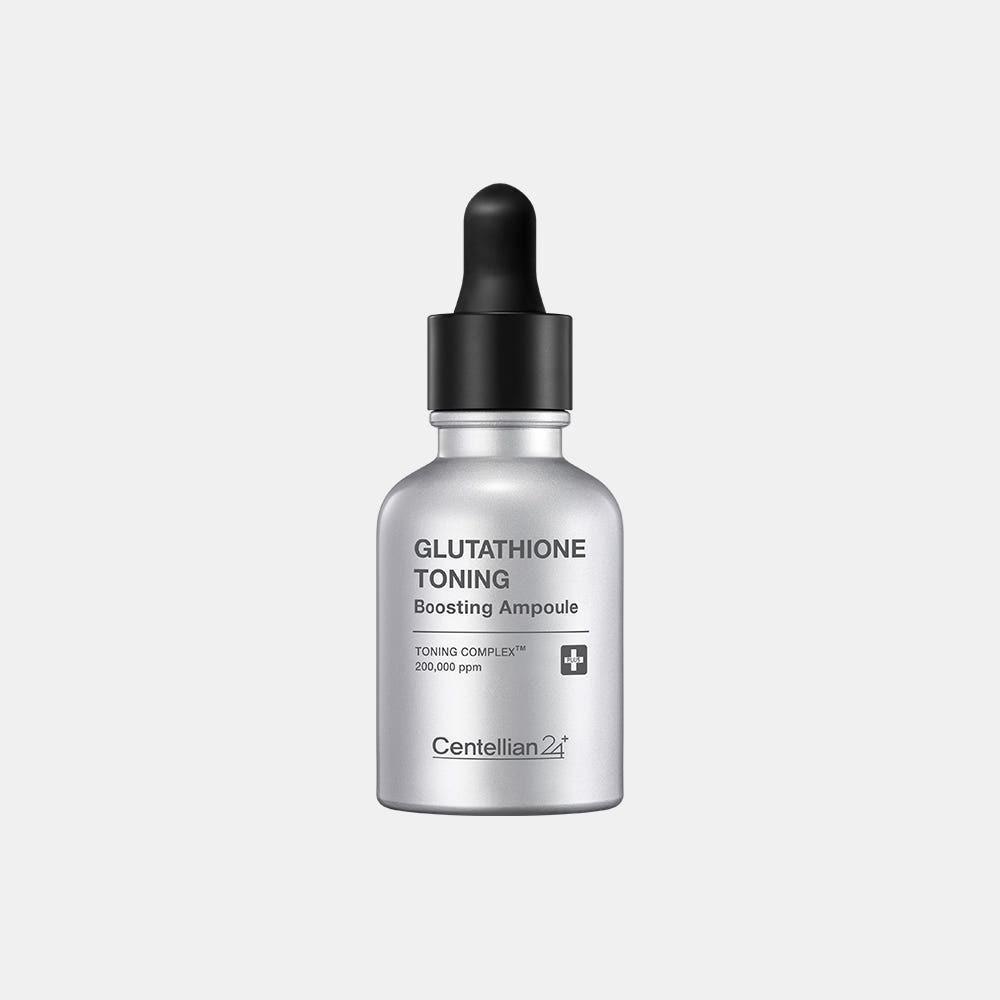
Glutathione Toning Boosting Ampoule
Centellian24
Frequently Asked Questions
Are milk exosomes safe if I'm lactose intolerant or vegan?▼
What's the difference between 2,000 ppm and 7,500 ppm exosome products?▼
How long does it take to see results from milk exosomes?▼
Can I use milk exosomes with retinol or vitamin C?▼
Why do exosome products cost more than other K-beauty serums?▼
Explore More
Want personalized ingredient advice?
Yuri, our AI beauty advisor, can tell you how Milk Exosomes works with your specific skin type, routine, and concerns.
Ask Yuri, free