Milk Protein Extract
Moisturizing and skin-conditioning protein
About Milk Protein Extract
Milk Protein Extract is a moisturizing powerhouse derived from cow's milk, containing a rich blend of proteins including casein and whey. In K-beauty formulations, this ingredient functions as both a humectant and an emollient, drawing moisture into the skin while creating a protective barrier that prevents water loss. Korean skincare brands prize milk protein for its ability to deliver amino acids directly to the skin, supporting the natural moisture barrier and promoting a plump, dewy complexion that's central to the glass skin aesthetic. The protein molecules in this extract are small enough to penetrate the upper layers of skin, where they help maintain elasticity and firmness. You'll find milk protein extract across various K-beauty products, from gentle cleansers like Skin&Lab's Barrierderm Mild Foam Cleanser (rated 5.0/5 on Seoul Sister) to hydrating serums like Medicube's PDRN Pink Collagen Bubble Serum (also 5.0/5). Its presence in 18 products on Seoul Sister reflects its versatility and effectiveness. With a safety rating of 4/5 and a moderate comedogenic rating of 2/5, milk protein extract works well for most skin types, though those with dairy sensitivities or very acne-prone skin should patch test first. The ingredient's conditioning properties make it particularly valuable in formulations targeting dry, dehydrated, or mature skin that needs both immediate hydration and long-term barrier support.
How Milk Protein Extract Works
At the molecular level, milk protein extract delivers its benefits through its amino acid composition and protein structure. When applied topically, the casein and whey proteins break down into smaller peptide chains and free amino acids that can penetrate the stratum corneum. These amino acids, including proline, glycine, and glutamic acid, serve as building blocks for the skin's own protein synthesis, particularly supporting collagen and elastin production. The proteins also form a thin film on the skin's surface that reduces transepidermal water loss (TEWL) without feeling occlusive or heavy. This dual-action mechanism both hydrates immediately and supports the skin's barrier function over time. Milk proteins contain natural moisturizing factors (NMFs) that mimic the skin's own hydration system, helping maintain optimal moisture levels. The lactic acid naturally present in milk proteins provides gentle exfoliation, promoting cell turnover without irritation. Additionally, milk proteins have been shown to support skin healing and reduce inflammation by modulating cytokine production, making them beneficial for compromised or sensitized skin that needs gentle repair.
Milk Protein Extract by Skin Type
Oily Skin
Milk protein extract can benefit oily skin when used in lightweight formulations like serums or gel cleansers. The proteins provide hydration without adding oil, and the mild exfoliating properties from natural lactic acid help prevent pore congestion. However, the comedogenic rating of 2/5 means you should monitor your skin's response, especially if you're highly acne-prone.
Dry Skin
This ingredient is exceptionally suited for dry skin types. The protein film it creates on the skin's surface locks in moisture while amino acids penetrate deeper to support barrier repair. Products like Skin&Lab's Barrierderm Milky Serum (5.0/5 on Seoul Sister) leverage milk protein's emollient properties to deliver lasting hydration and relieve tightness or flaking.
Combo Skin
Combination skin responds well to milk protein extract, particularly in targeted applications. Use it in your dry zones (cheeks, around mouth) where the moisturizing benefits shine, while being mindful of concentration in your T-zone. The balanced hydration it provides helps normalize combination skin over time without tipping into greasiness.
Sensitive Skin
Milk protein extract is generally gentle and well-tolerated by sensitive skin, with anti-inflammatory properties that can calm redness and irritation. The amino acids support barrier repair, which is often compromised in sensitive skin types. That said, individuals with genuine dairy allergies should avoid this ingredient entirely, and those with rosacea should patch test since dairy proteins can occasionally trigger flare-ups in susceptible individuals.
Normal Skin
Normal skin thrives with milk protein extract as a maintenance ingredient. It provides balanced hydration, supports the existing healthy barrier, and delivers anti-aging benefits through collagen support. The conditioning properties keep normal skin looking plump and radiant without disrupting its natural balance, making it an excellent choice for preventative skincare.
How to Use Milk Protein Extract
- 1Layer milk protein products after toners but before heavier creams to maximize absorption of the amino acids and allow the protein film to form effectively.
- 2If you have dairy allergies or lactose intolerance, avoid milk protein extract entirely as topical proteins can still trigger allergic reactions even though lactose content is typically minimal.
- 3For best results with products like Medicube's PDRN Pink Collagen Bubble Serum, apply to damp skin to help the proteins spread evenly and penetrate more effectively.
- 4Start with leave-on products (serums, moisturizers) rather than cleansers if you want to experience the full hydrating benefits, since rinse-off formulas limit contact time with skin.
Background
Milk has been used in skincare rituals for thousands of years, with Cleopatra's legendary milk baths being perhaps the most famous example. Ancient cultures recognized milk's ability to soften and brighten skin long before modern science could explain why. The proteins and lactic acid in milk were responsible for these beautifying effects. Korean skincare brands began incorporating milk protein extract into modern formulations in the early 2000s, during the rise of ingredient-focused, science-backed K-beauty. The ingredient aligned perfectly with Korean beauty philosophy's emphasis on hydration, barrier health, and achieving luminous skin. Today, milk protein extract represents the fusion of traditional wisdom and contemporary skincare science, appearing in everything from cleansers to sun serums like AROCELL's Mela TXA Sun Serum (5.0/5). Its popularity in K-beauty reflects the industry's skill at identifying and refining ingredients that deliver visible results while maintaining skin health.
K-Beauty Products with Milk Protein Extract
View all 20 →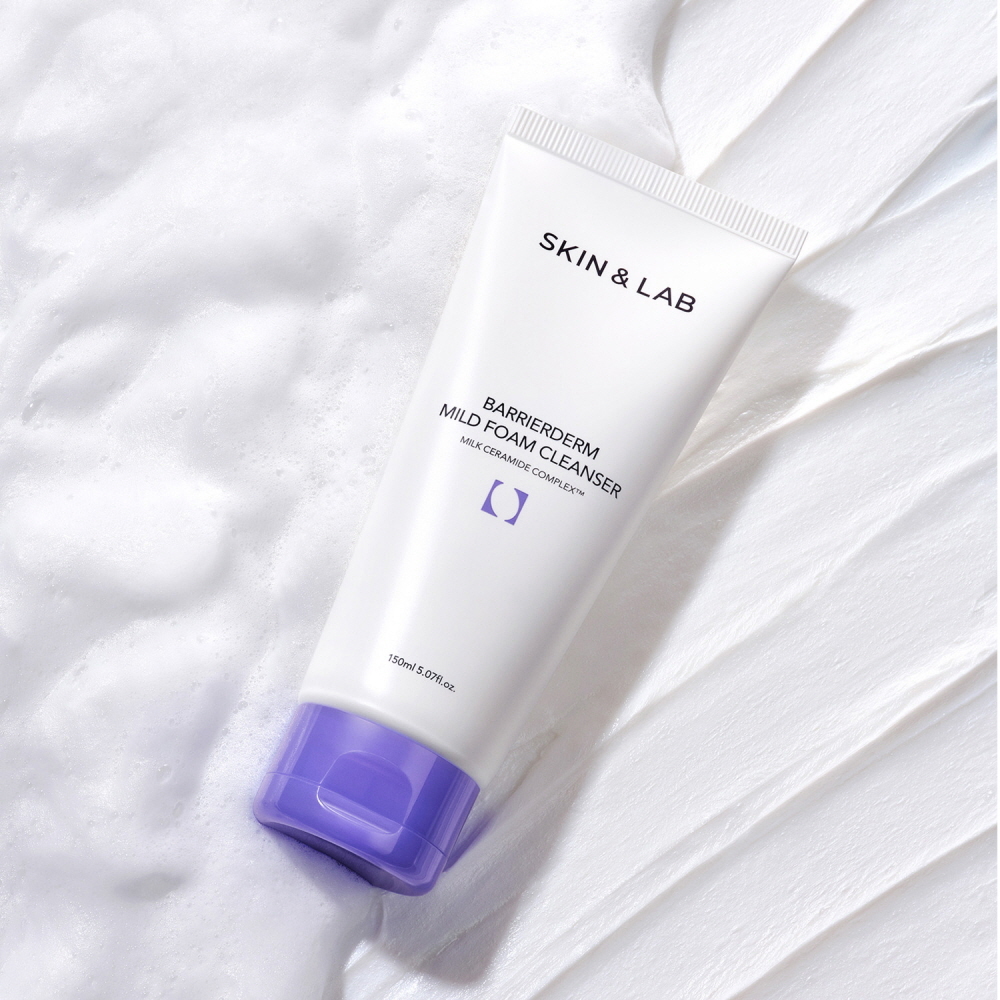
Barrierderm Mild Foam Cleanser
Skin&Lab
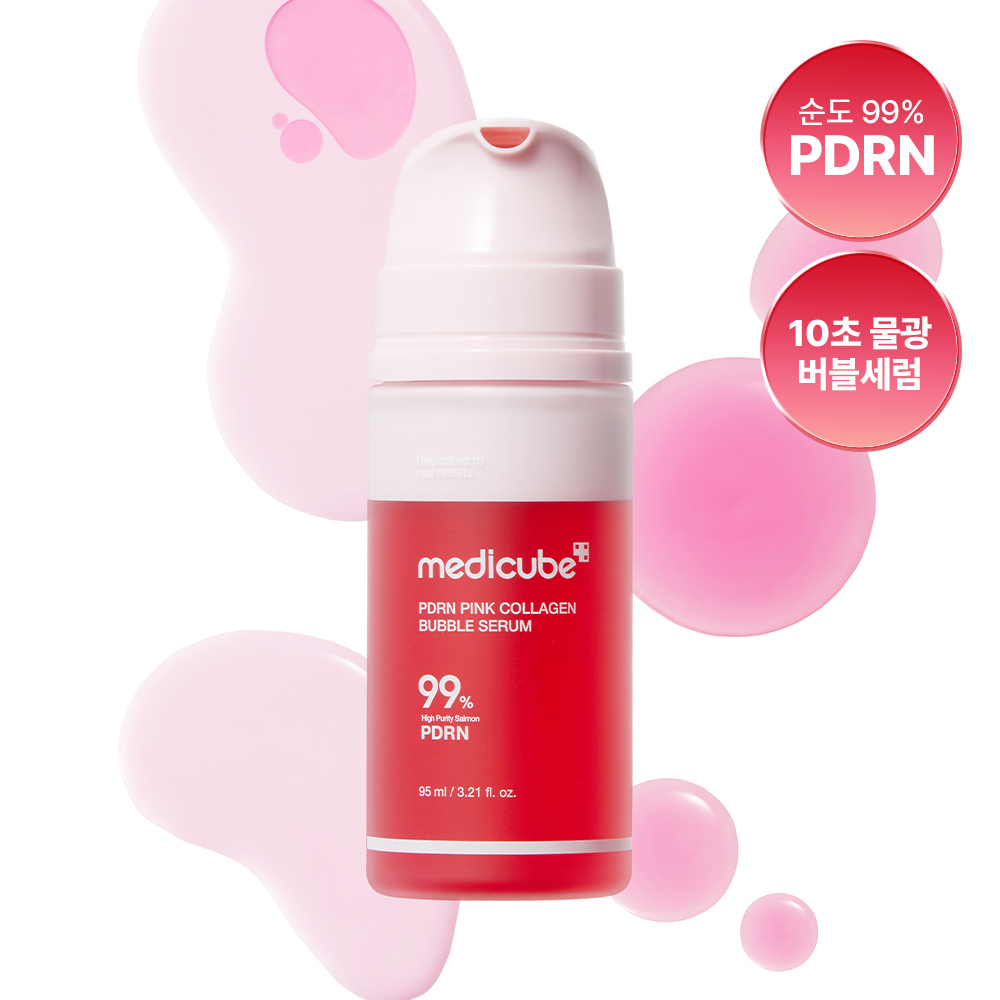
PDRN Pink Collagen Bubble Serum
Medicube
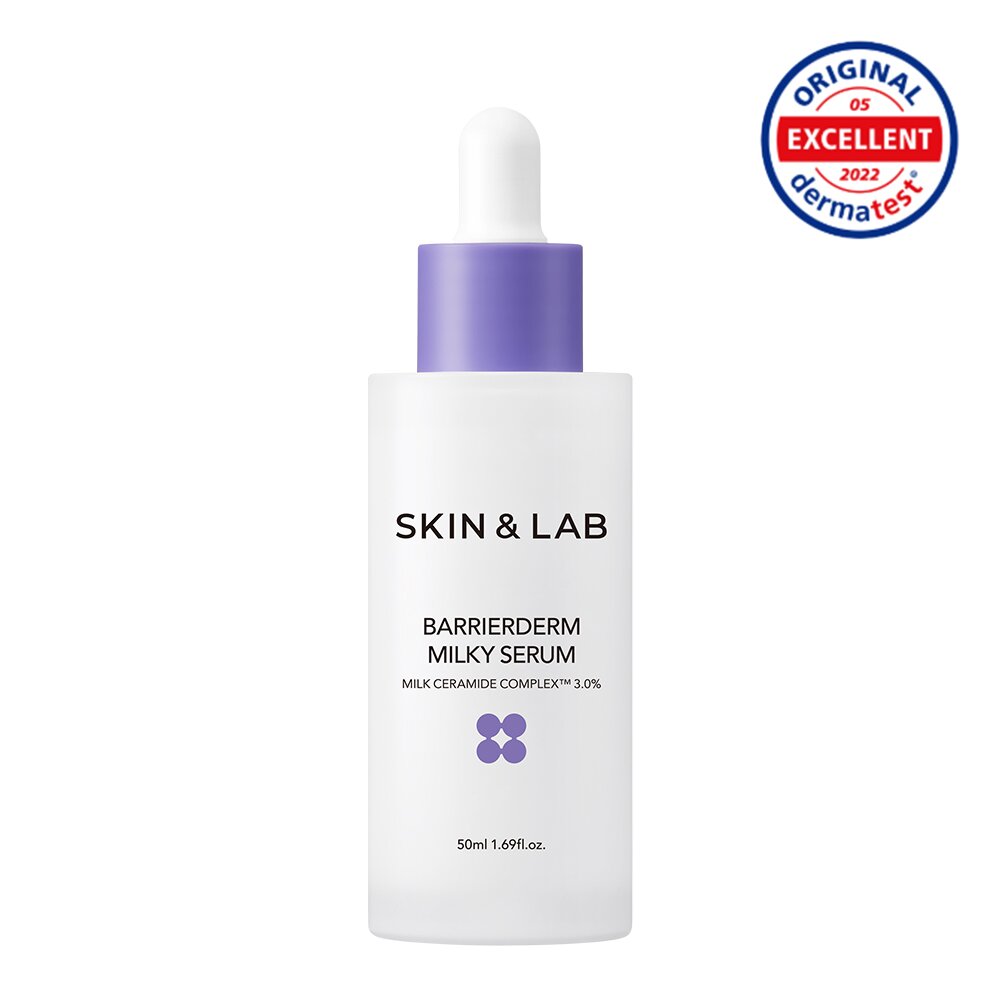
Barrierderm Milky Serum
Skin&Lab

Mela TXA Sun Serum
AROCELL

Mela TXA Mask Sheet 3ea Set (+1ea)
AROCELL
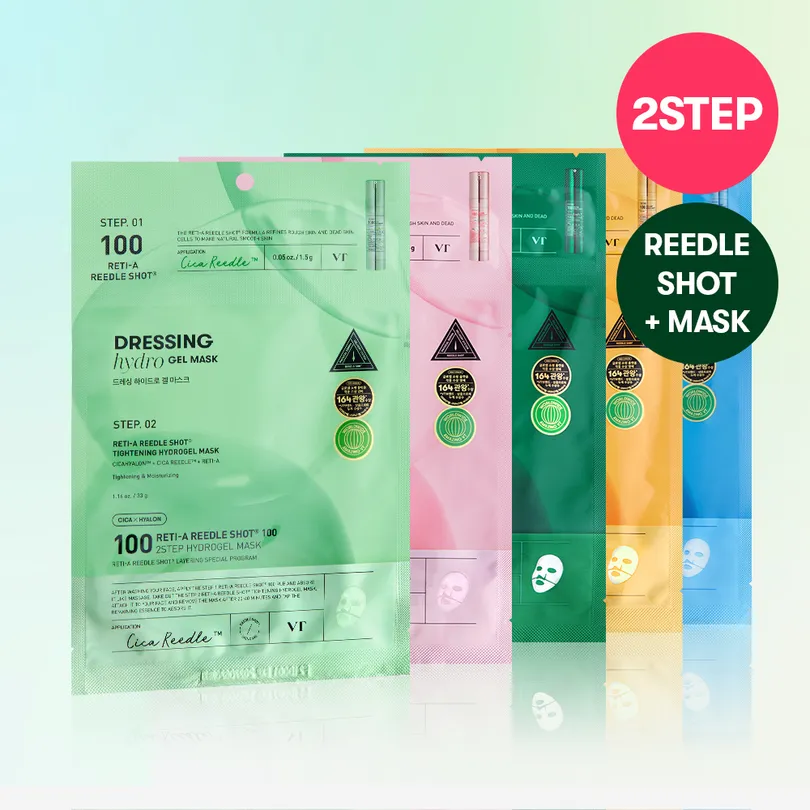
Color Reedle Shot 100 2Step Hydrogel Mask Sheet
VT
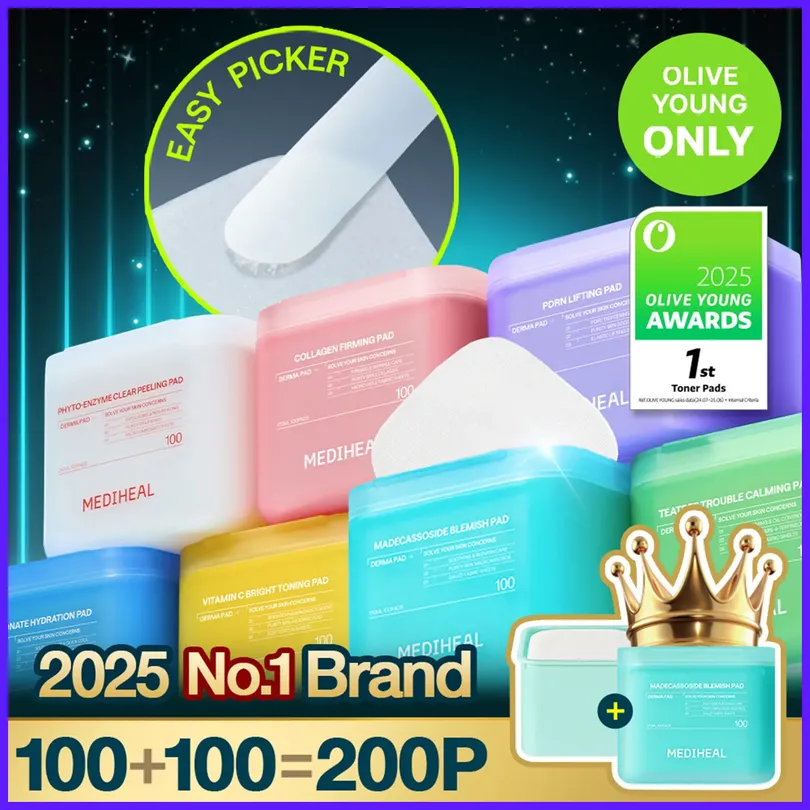
Toner Pad Double Pack
Mediheal
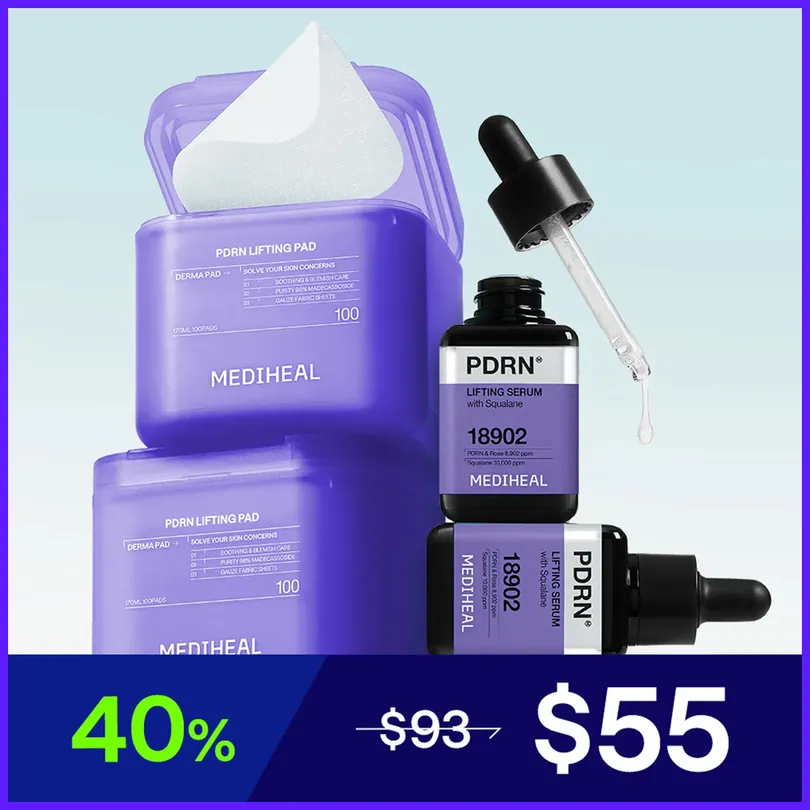
PDRN Set
Mediheal

Collagen Reedle Shot 100
VT
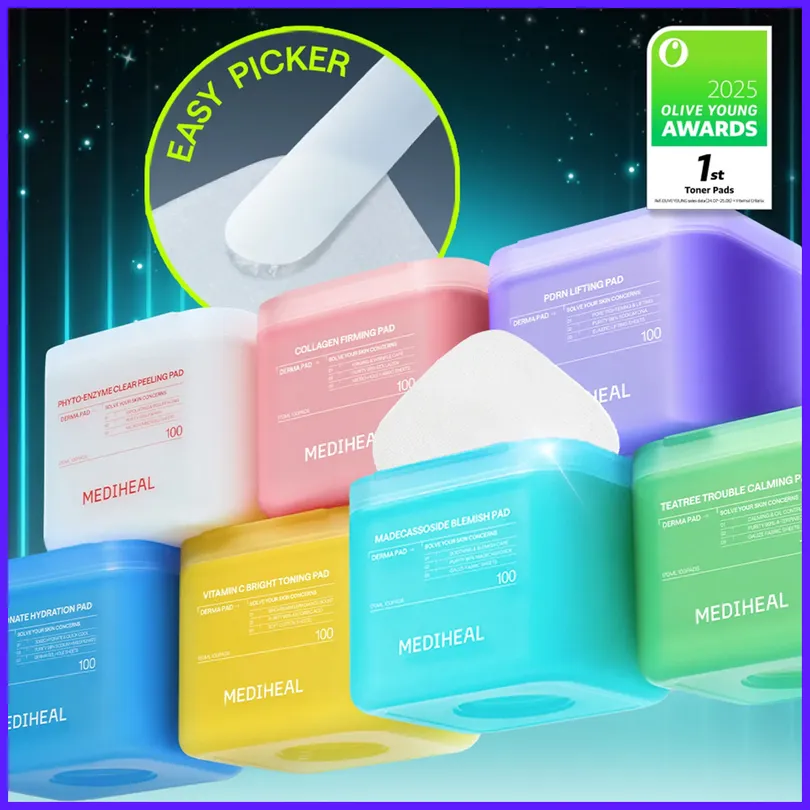
Toner Pad
Mediheal
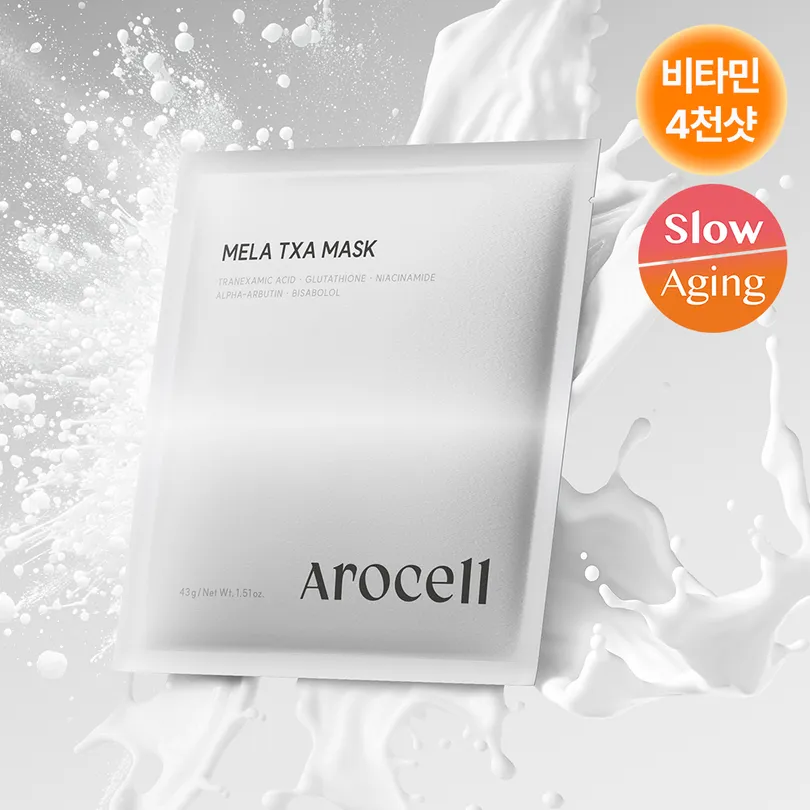
Mela TXA Mask Sheet
AROCELL
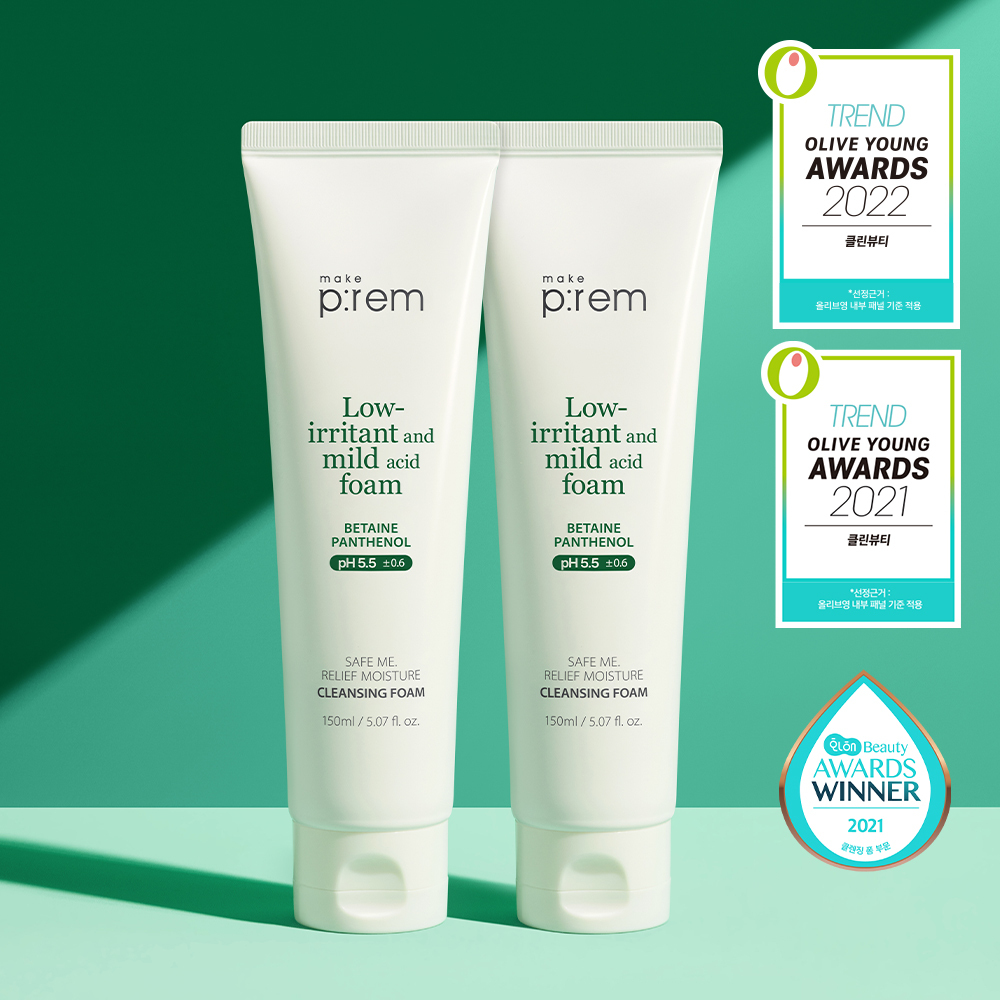
Safe Me Relief Moisture Cleansing Foam
Makeprem
Frequently Asked Questions
Can I use milk protein extract if I'm lactose intolerant?▼
Will milk protein extract clog my pores?▼
How does milk protein compare to other protein ingredients in skincare?▼
Is milk protein extract the same as lactic acid?▼
Explore More
Want personalized ingredient advice?
Yuri, our AI beauty advisor, can tell you how Milk Protein Extract works with your specific skin type, routine, and concerns.
Ask Yuri, free