Bee Balm Extract
INCI: Monarda Didyma Leaf Extract
Antioxidant and soothing botanical extract
About Bee Balm Extract
Bee balm extract, derived from the leaves of Monarda didyma (also known as bergamot or Oswego tea), is a botanical powerhouse in K-beauty formulations valued for its dual action as an antioxidant and soothing agent. This North American native herb belongs to the mint family and contains bioactive compounds like thymol, carvacrol, and rosmarinic acid that work together to calm irritated skin while protecting against environmental damage. In the context of Korean skincare philosophy, bee balm extract fits perfectly into the gentleness-first approach, offering anti-inflammatory benefits without the harshness of synthetic alternatives. You'll find it across 22 K-beauty products on Seoul Sister, from high-performing toners like AHC's Only For Men Toner (5.0/5) to cleansing formulas like TIRTIR's Hydro Boost Enzyme Cleansing Balm (4.9/5). What makes bee balm particularly interesting is its ability to address multiple skin concerns simultaneously. It neutralizes free radicals that accelerate aging, reduces redness and sensitivity, and supports the skin's natural barrier function. Unlike some botanical extracts that primarily serve as marketing ingredients, bee balm delivers measurable benefits backed by its rich phytochemical profile. Its non-comedogenic rating of 0/5 means it won't clog pores, making it suitable for all skin types, while its excellent safety rating of 4/5 reflects its gentle nature with minimal risk of irritation.
How Bee Balm Extract Works
Bee balm extract functions through multiple molecular pathways to protect and soothe skin. Its primary active compounds, thymol and carvacrol, are phenolic monoterpenes that exhibit strong antioxidant activity by donating hydrogen atoms to neutralize reactive oxygen species (free radicals) before they can damage cellular membranes and DNA. These same compounds also inhibit inflammatory mediators like cyclooxygenase (COX) enzymes and nuclear factor kappa B (NF-κB), reducing the cascade of inflammatory responses that lead to redness, swelling, and discomfort. Rosmarinic acid, another key constituent, provides additional anti-inflammatory effects while also demonstrating antimicrobial properties that help maintain healthy skin flora. At the cellular level, bee balm extract supports skin barrier integrity by protecting lipids in the stratum corneum from oxidative degradation, helping skin retain moisture and resist irritants. The extract also contains flavonoids that strengthen capillary walls, potentially reducing visible redness in those with sensitive or reactive skin. This multi-pronged approach makes bee balm extract particularly effective in formulations designed for stressed, environmentally damaged, or inflammation-prone skin.
Bee Balm Extract by Skin Type
Oily Skin
Bee balm extract is excellent for oily skin types due to its antimicrobial properties and non-comedogenic profile. The thymol and carvacrol content helps regulate skin microbiome balance without stripping natural oils, while its anti-inflammatory action calms breakout-related redness. With a 0/5 comedogenic rating, it won't contribute to clogged pores or excess sebum oxidation.
Dry Skin
For dry skin, bee balm extract provides protective antioxidant benefits that prevent further moisture loss caused by environmental damage. Its barrier-supporting properties help maintain lipid integrity in the stratum corneum, allowing skin to retain hydration more effectively. Look for it in cream formulations like KAINE's Caffetinal Cream (4.8/5) where it works alongside moisturizing ingredients.
Combo Skin
Combination skin benefits from bee balm extract's balanced approach, as it addresses concerns in both oily and dry zones without overcompensating. The extract soothes reactive areas while providing lightweight antioxidant protection that won't overwhelm sebaceous-rich regions. Products like AHC's Only For Man Toner/Lotion Set (4.9/5) demonstrate how bee balm works well in versatile formulations.
Sensitive Skin
Sensitive skin types will appreciate bee balm extract's proven anti-inflammatory and soothing properties, which calm reactivity without causing additional irritation (reflected in its 4/5 safety rating). Its ability to inhibit inflammatory pathways makes it particularly valuable for reducing redness and discomfort from environmental stressors. The gentle nature of this botanical makes it a safer alternative to synthetic soothing agents.
Normal Skin
Normal skin can use bee balm extract as a preventative measure, protecting against daily oxidative stress and maintaining the healthy balance that characterizes this skin type. Its presence in cleansing products like The Saem's Natural Condition Sparkling Cleansing Water (4.8/5) shows how it can provide antioxidant benefits even in rinse-off formulations. Regular use helps preserve skin's optimal condition over time.
How to Use Bee Balm Extract
- 1Bee balm extract works well in both morning and evening routines, but consider emphasizing morning use for its antioxidant protection against daytime environmental stressors like pollution and UV-generated free radicals.
- 2Layer bee balm-containing toners before serums and moisturizers to maximize absorption of its bioactive compounds. Products like AHC's Only For Men Toner (5.0/5) demonstrate effective delivery in this format.
- 3If you have active breakouts or irritation, look for bee balm extract higher in the ingredient list where concentration is more substantial and therapeutic benefits are more pronounced.
- 4Pair bee balm extract with other antioxidants like vitamin C or niacinamide for synergistic protective effects, but introduce gradually if you have very sensitive skin to ensure compatibility.
Background
Monarda didyma has a rich history rooted in Native American traditional medicine, where it was used by the Oswego people and other tribes to treat various ailments including skin conditions, digestive issues, and respiratory problems. The plant earned its common name "bee balm" from its attraction to pollinators and its historical use in treating bee stings. European colonists adopted the herb, particularly after the Boston Tea Party when it served as a tea substitute, which also gave it the name "Oswego tea." The genus name Monarda honors Spanish botanist Nicolas Monardes who documented New World plants in the 16th century. Korean beauty brands discovered bee balm extract's potential through the global movement toward effective botanical ingredients backed by both traditional use and modern scientific validation. Its incorporation into K-beauty reflects the industry's skill at identifying lesser-known botanicals with genuine efficacy and elevating them beyond niche status into mainstream formulations.
K-Beauty Products with Bee Balm Extract
View all 24 →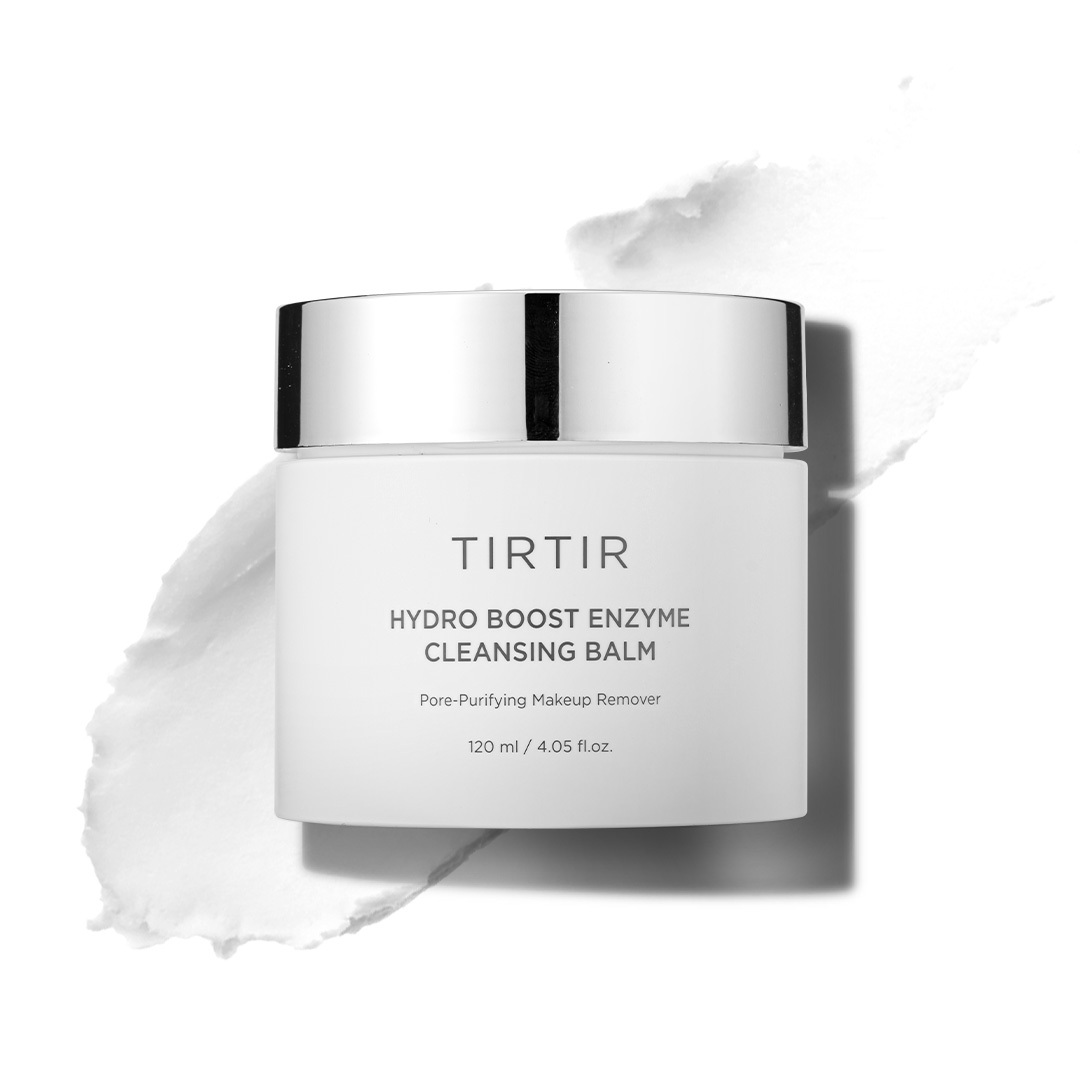
Hydro Boost Enzyme Cleansing Balm
TIRTIR
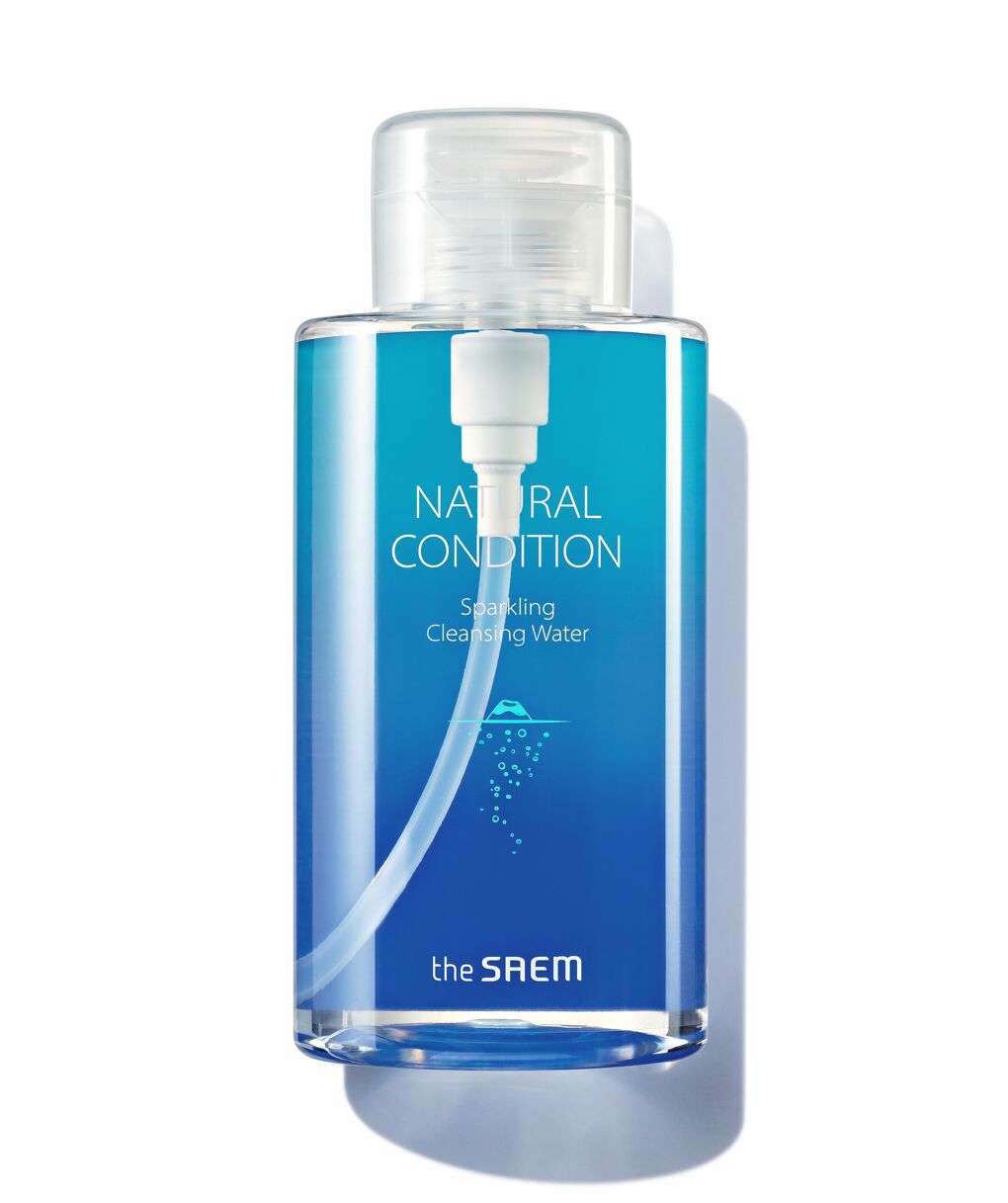
Natural Condition Sparkling Cleansing Water
The Saem
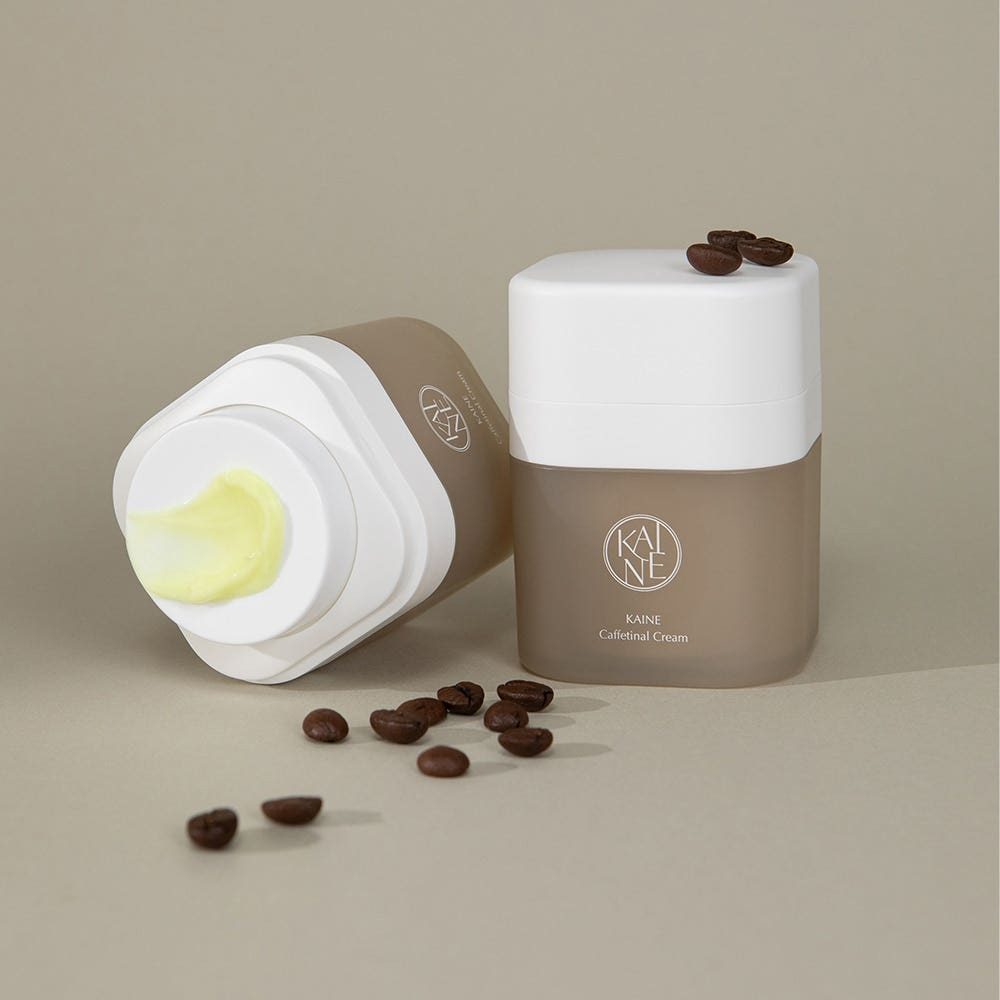
Caffetinal Cream
KAINE
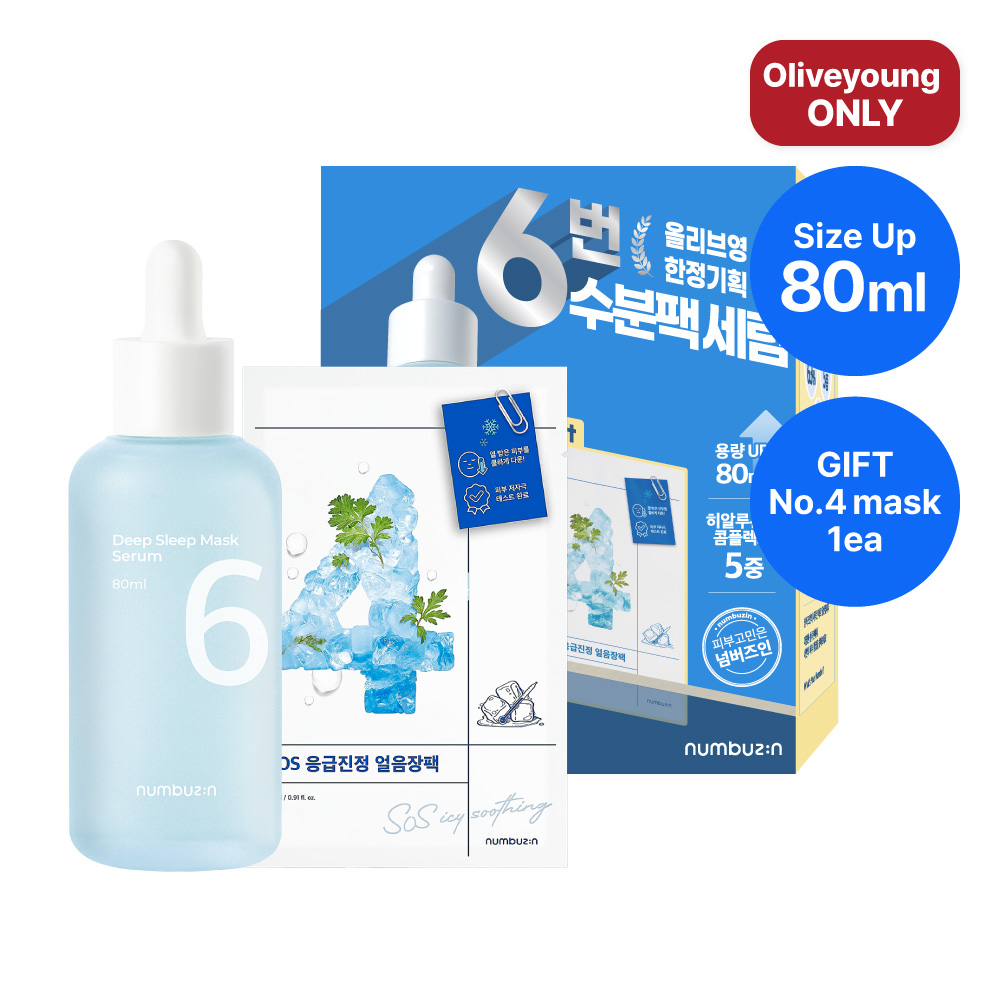
No. 6 Deep Sleep Mask Serum Special Set
Numbuzin

First Spray Serum Original & Premium Vegan Mist Serum Gift Set
d'Alba
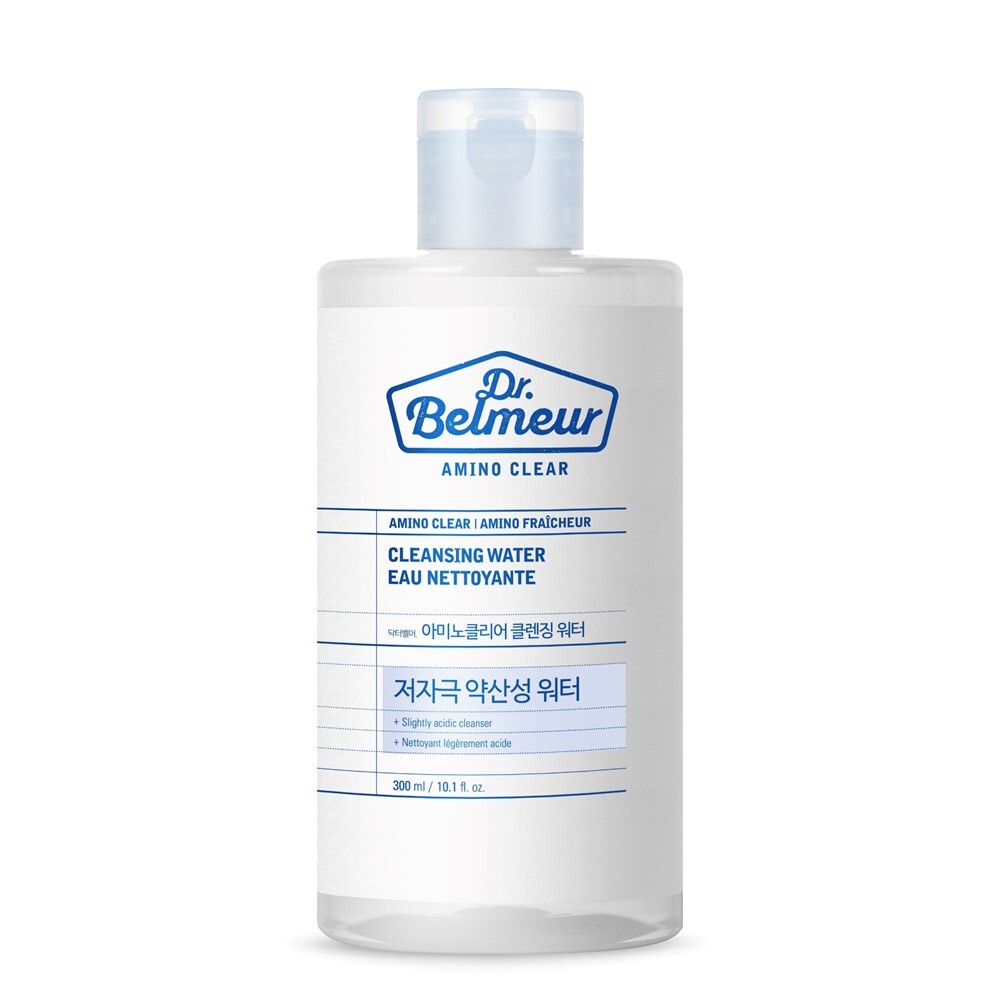
Amino Clear Cleansing Water
Dr. Belmeur
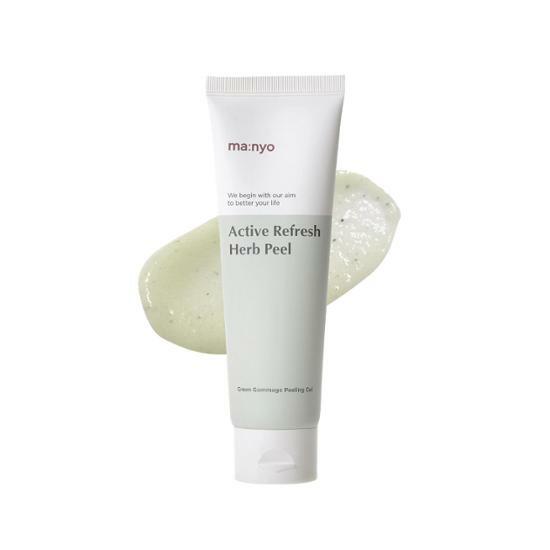
Active Refresh Herb Peel
ma:nyo
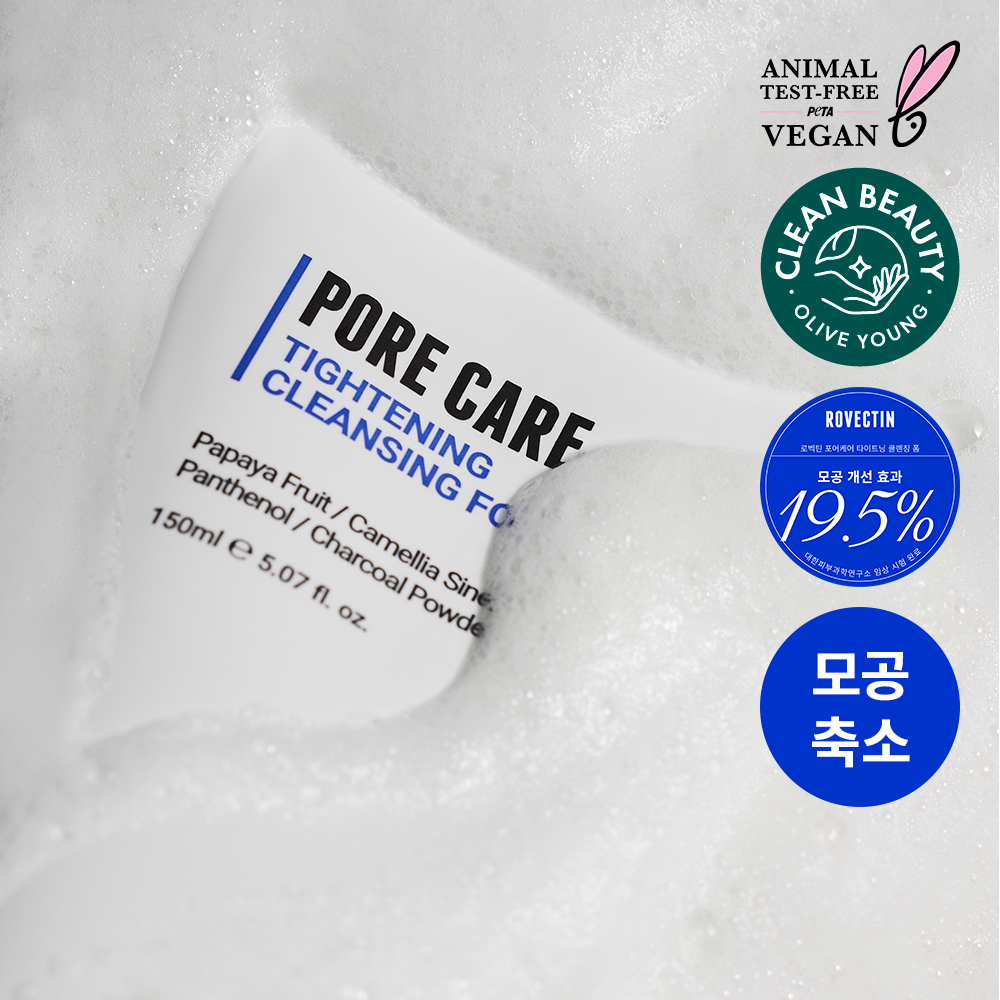
Pore Care Tightening Cleansing Foam
Rovectin
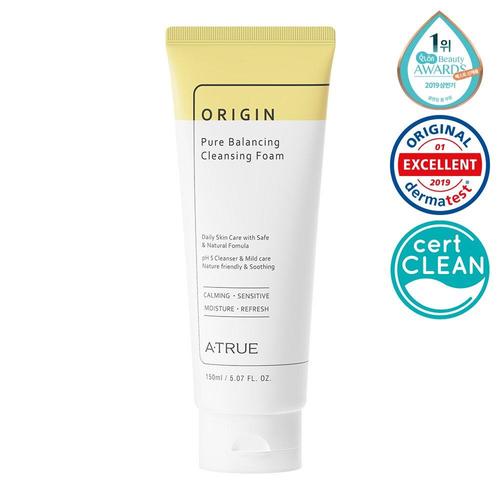
Origin Pure Balancing Cleansing Foam
Beplain
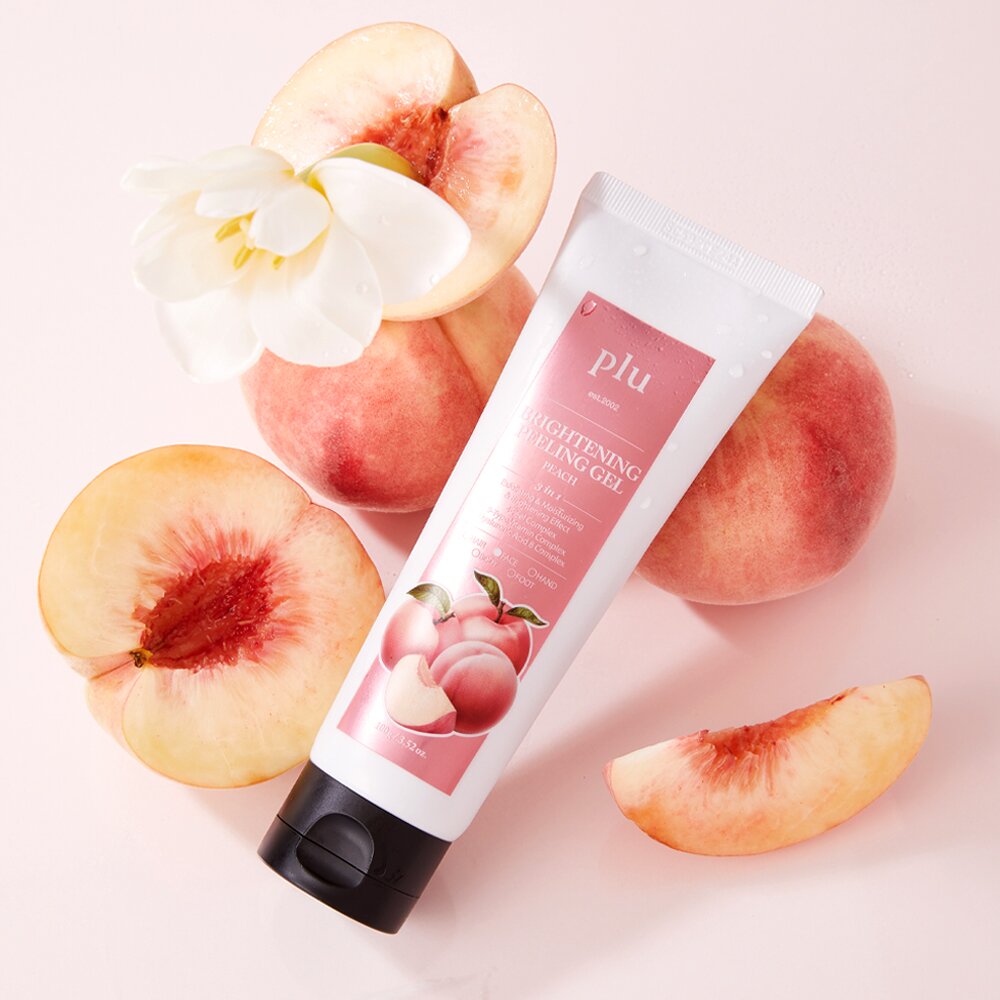
Brightening Peeling Gel Peach
plu
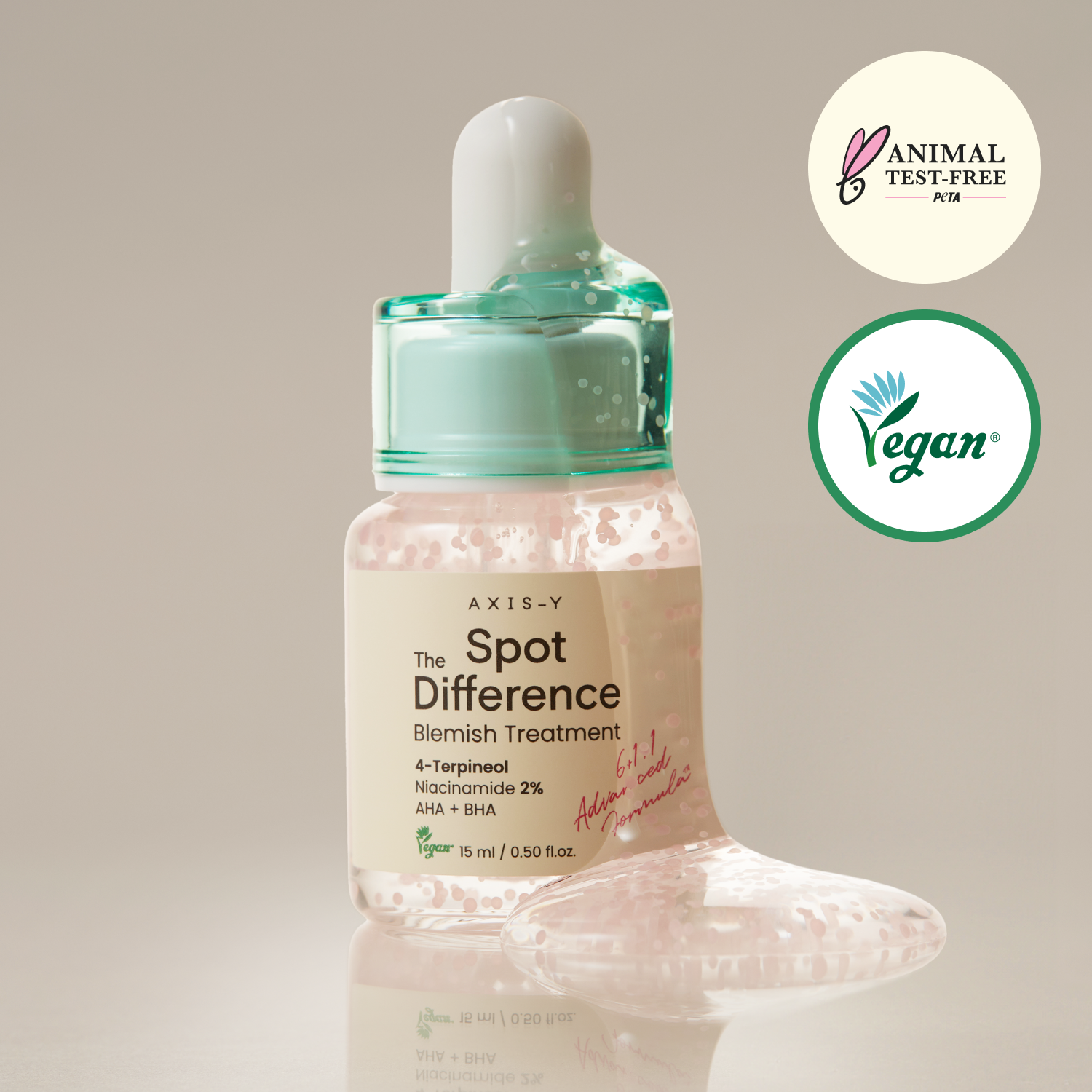
Spot the Difference Blemish Treatment
AXIS-Y
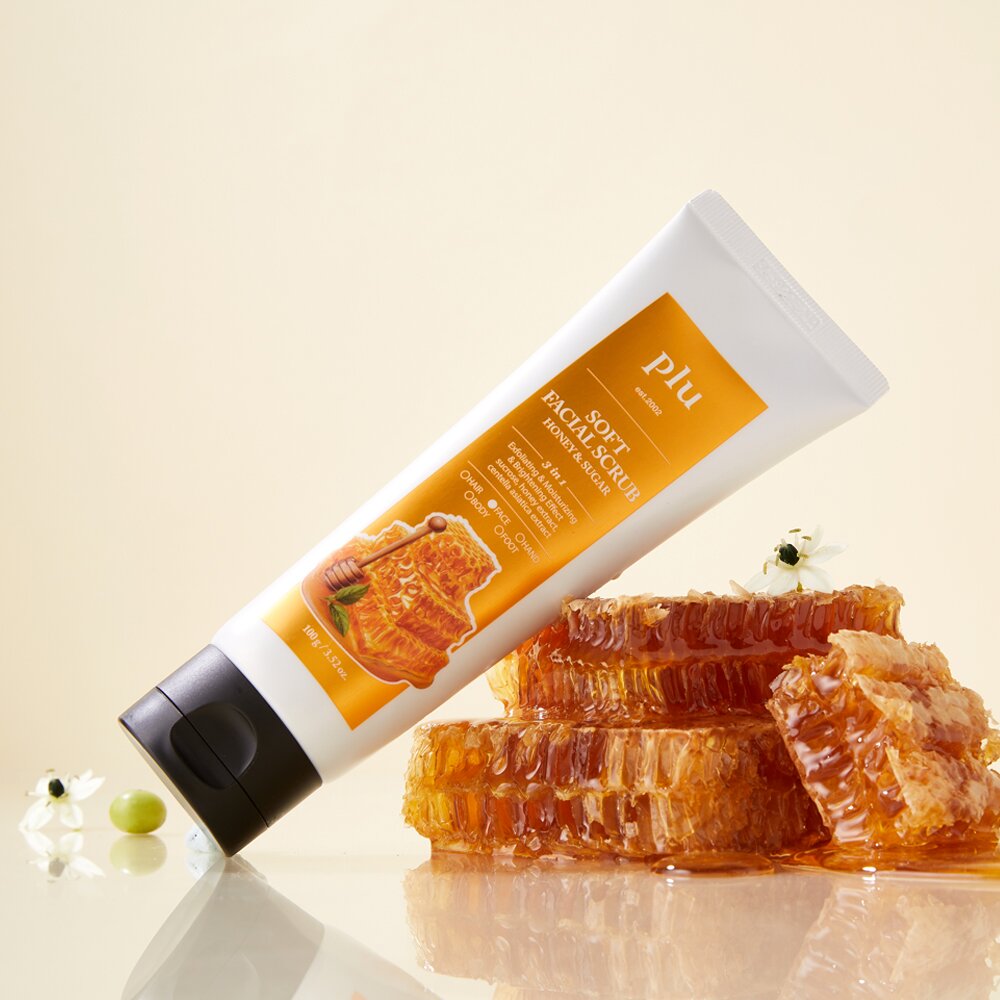
Soft Facial Scrub Honey & Sugar
plu
Frequently Asked Questions
Is bee balm extract the same as propolis or other bee-derived ingredients?▼
Can bee balm extract help with acne or breakouts?▼
How quickly can I expect to see results from bee balm extract?▼
Are there any ingredients that shouldn't be used with bee balm extract?▼
Explore More
Want personalized ingredient advice?
Yuri, our AI beauty advisor, can tell you how Bee Balm Extract works with your specific skin type, routine, and concerns.
Ask Yuri, free